Author Archives: admin

73. Cheers

Tuesday, 5 March 2019

Bocas del Toro Island, Panama


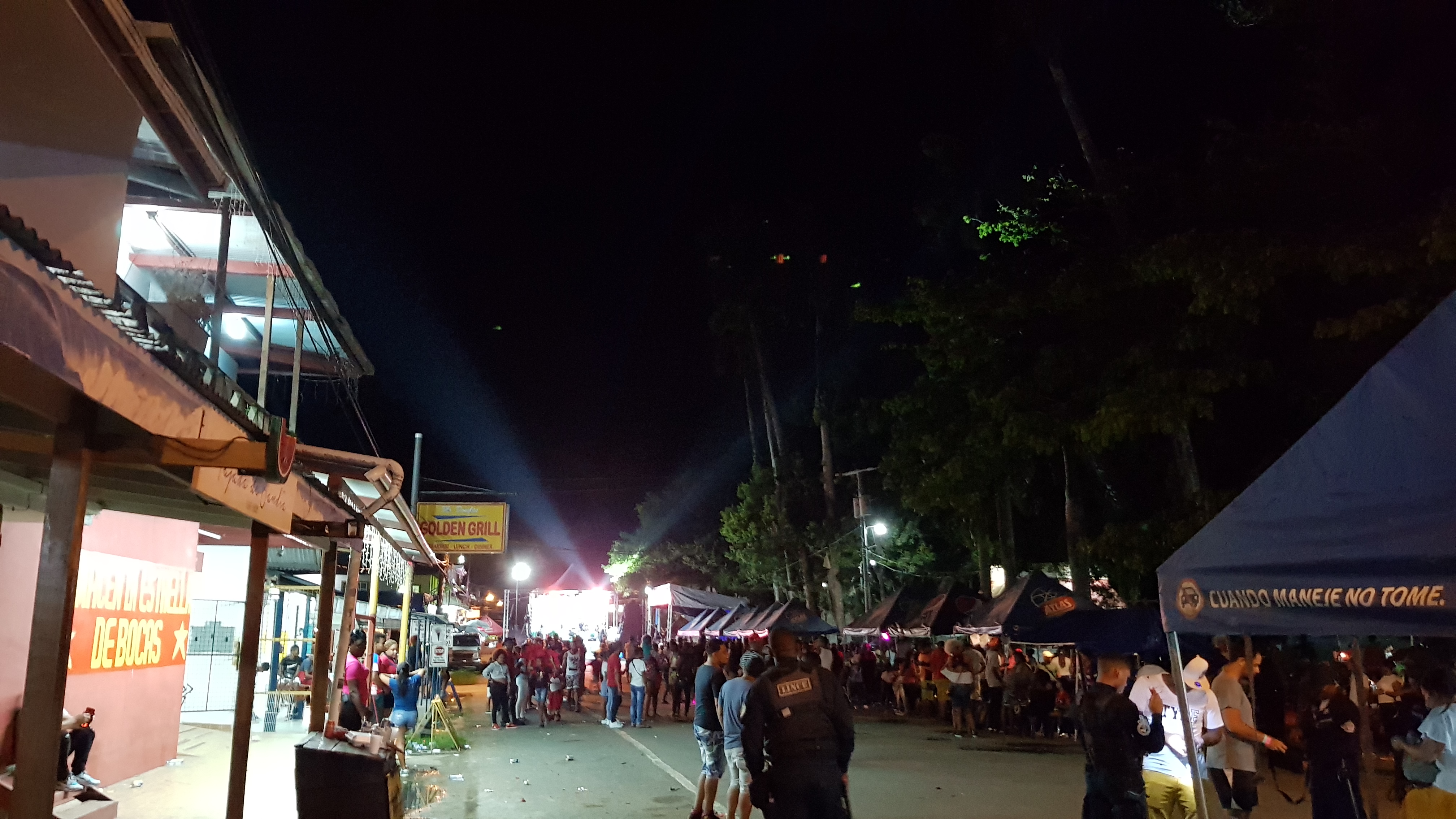
Woken at 0200hrs by someone shouting in reception just down the corridor. It’s carnival time so not unexpected. Everyone goes crazy.

The bed spread is the size of postage stamp. Sadly, I am not the size of a postage stamp and surprisingly feel the cold in the early hours. We’re about 3,000ft up so quite cool at night.

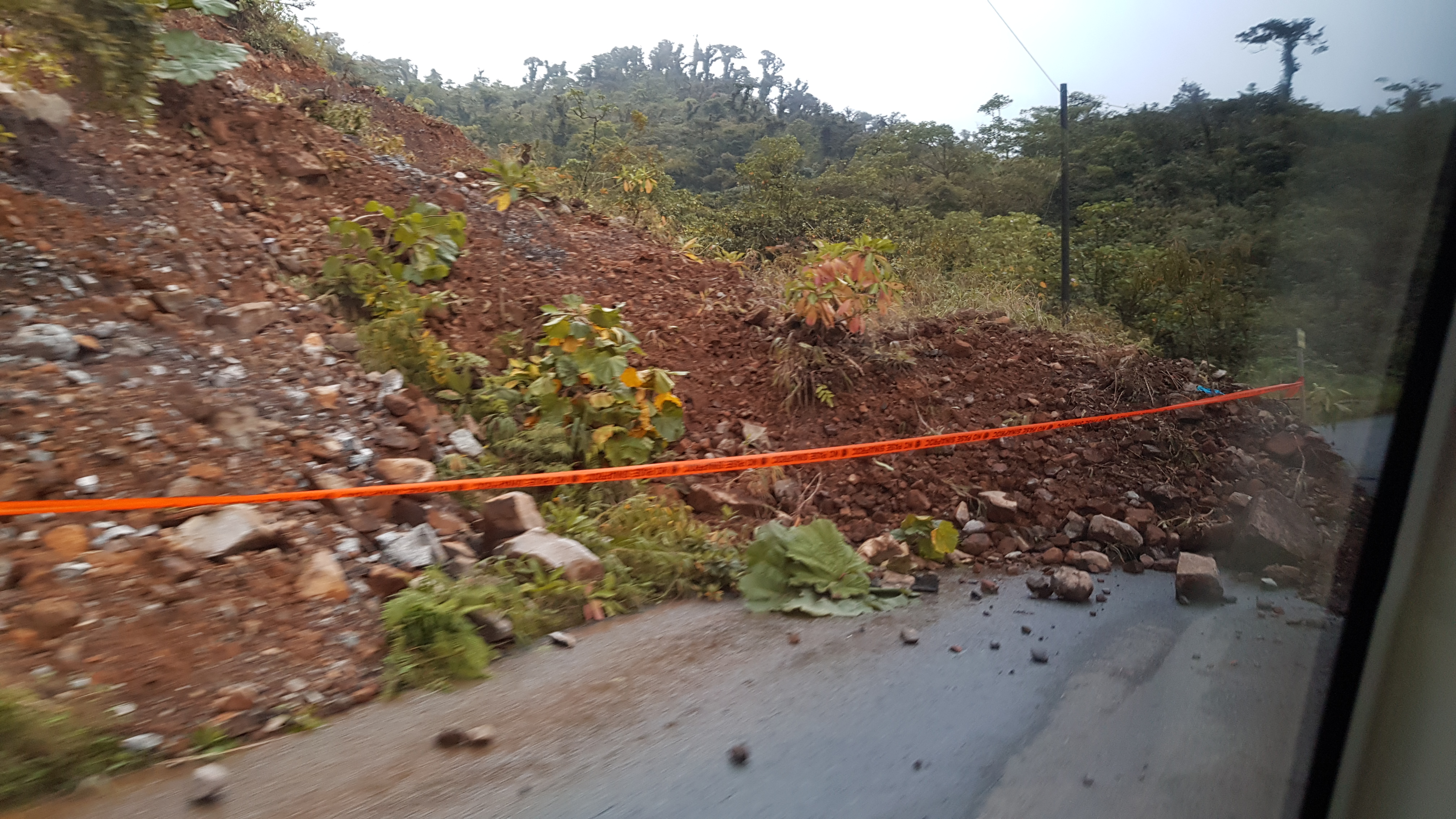
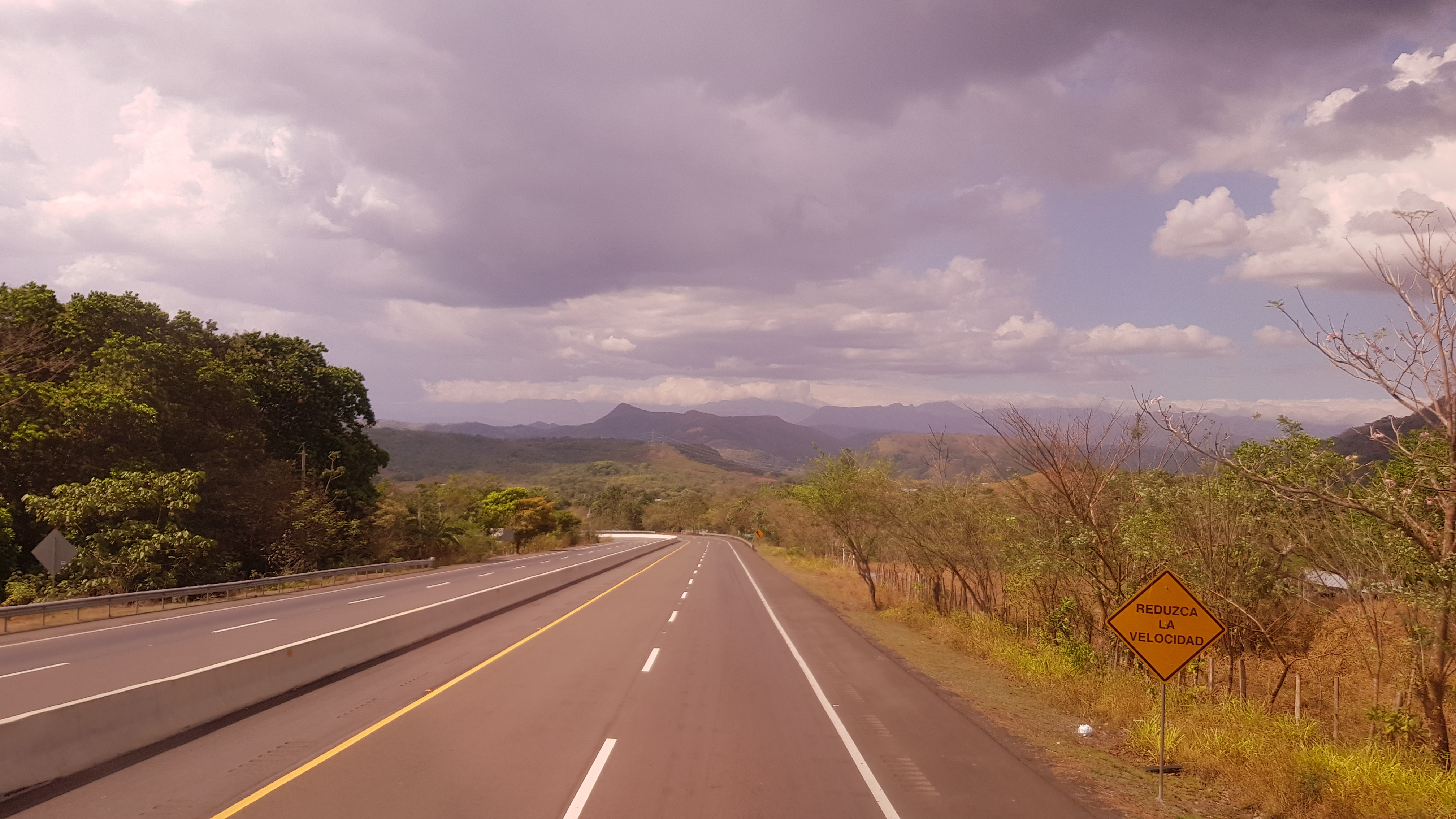
4hr drive over the Continental Divide. In theory, you can see both the Pacific and the Caribbean within a few kilometres drive along the ridge. Were it not for the cloud.

Quick stop at the Mirador de Fortuna, a hydroelectric dam, which is guarded by a young lad on his own standing in a kiosk with a pump action shotgun. Clearly bored and a bit lonely.

Arrive Almirante about 1300hrs, a small port on the Caribbean. When you next tuck into your Chiquita Panamanian bananas, this is the port where it will have been exported from. Lots of chilled shipping containers being loaded onto a massive ship ready for the onward journey.

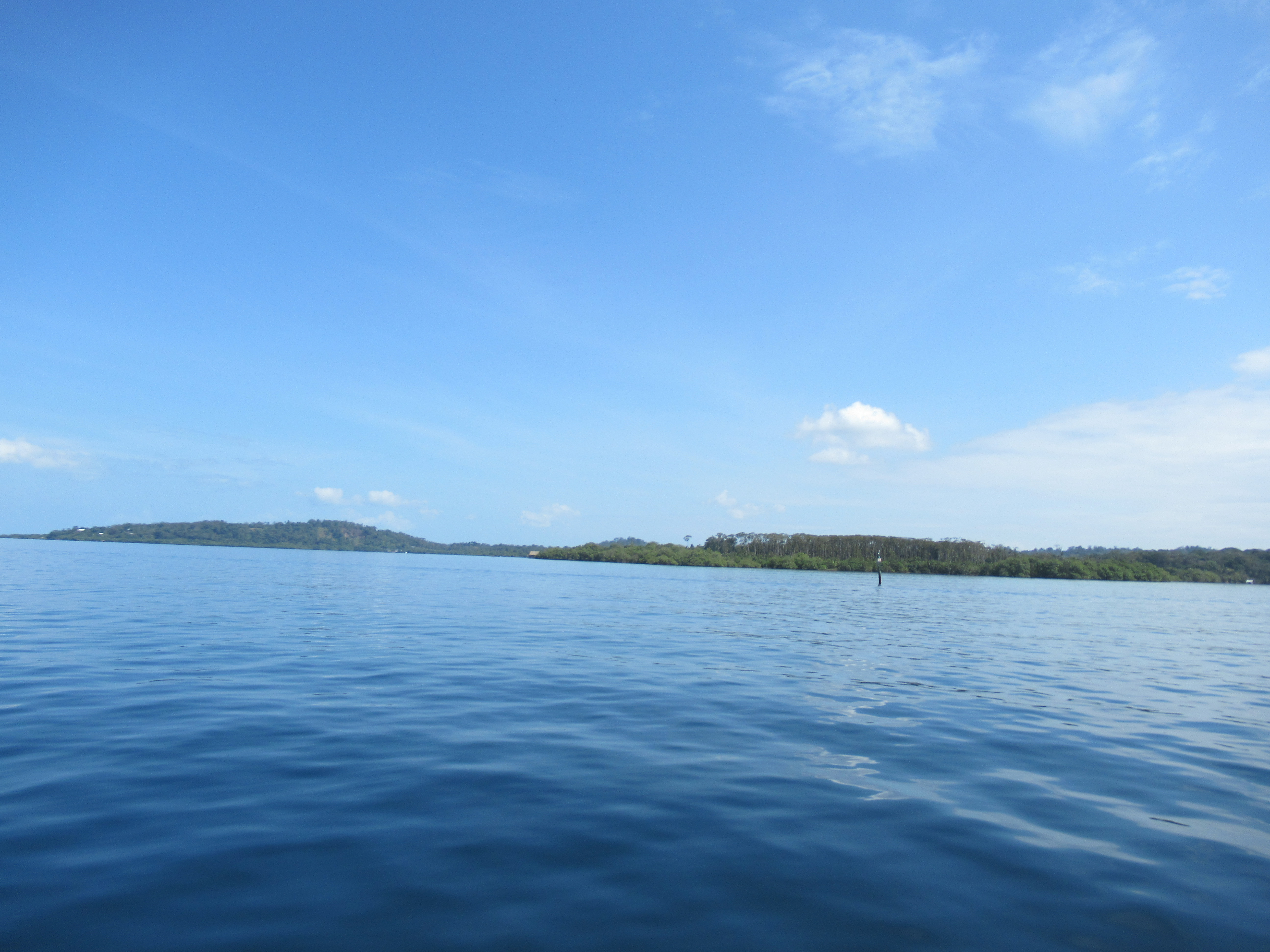
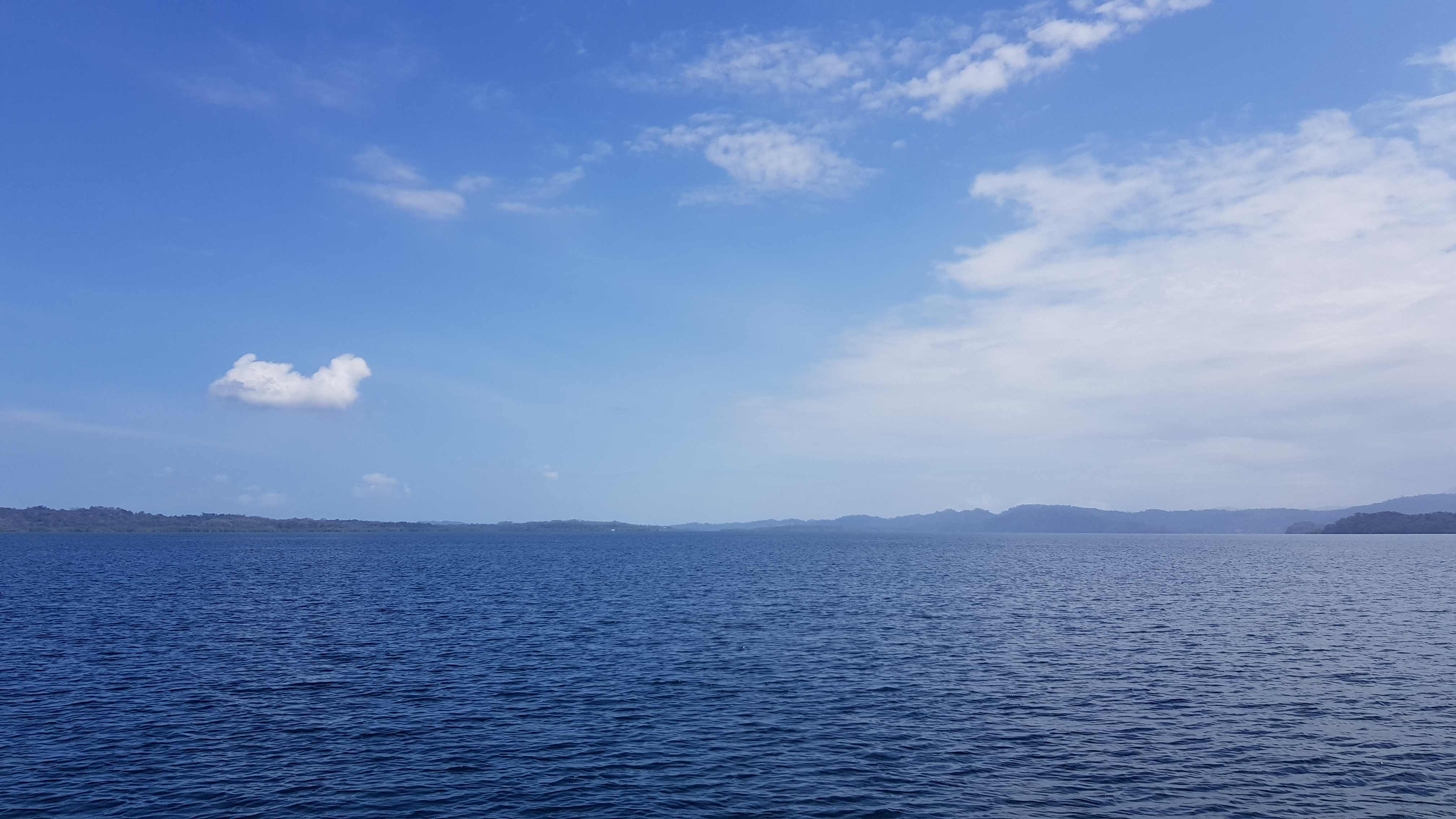
The island of Bocas del Toro is a 45 minute speedboat trip across a choppy Caribbean. There’s not much comfort sitting on the fibreglass seats as the boat bumps and bounces of the waves. Even have to wear life jackets but they look like they last saw action on the Titanic. They’re that sort of design.

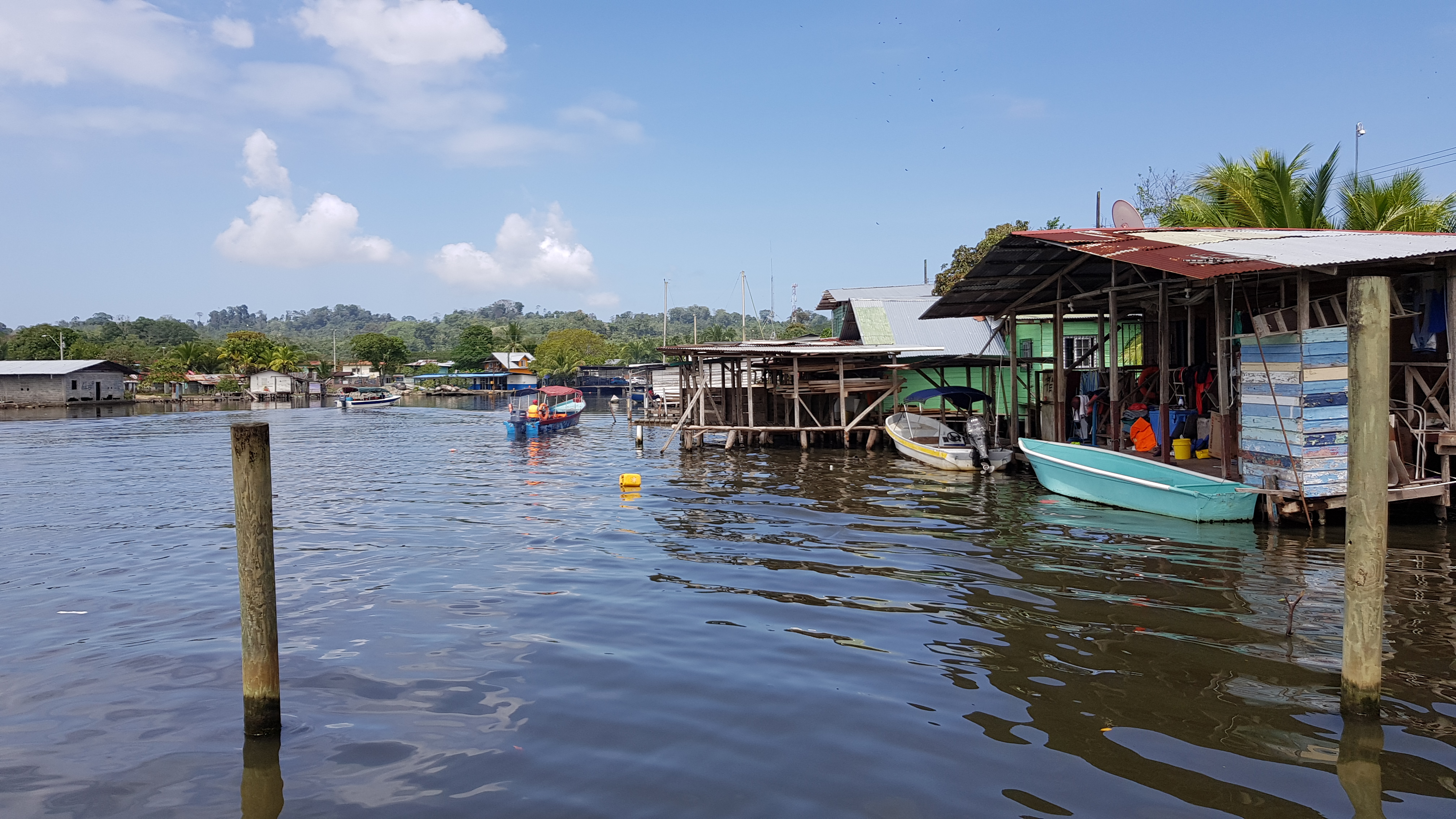
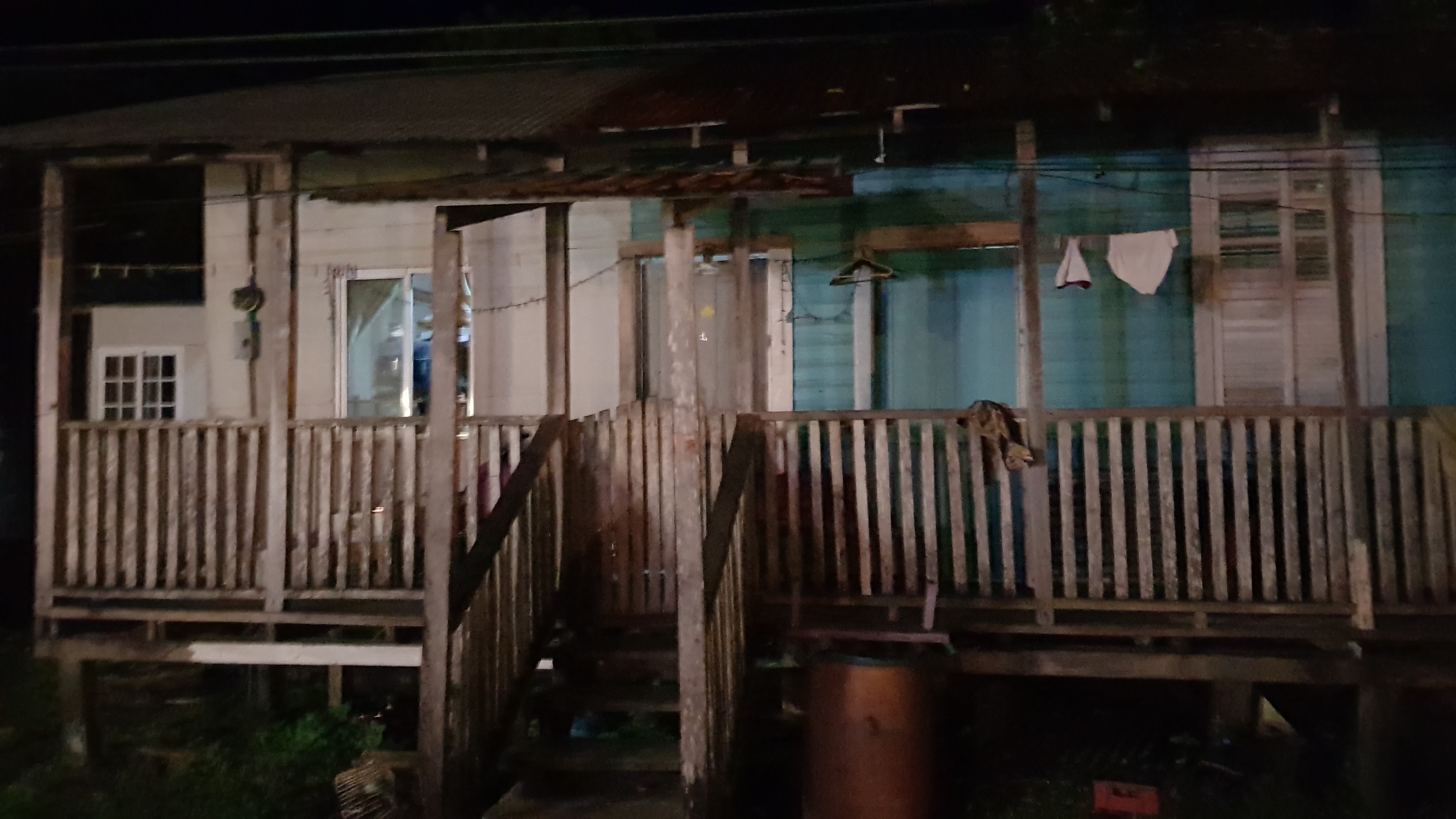
Sailing away from the mainland, pass typical houses for this area. Each juts out into the sea on stilts with a balcony and a mooring for the boat. Built of wood, single story and seemingly very basic living conditions. But they all have a satellite dish.

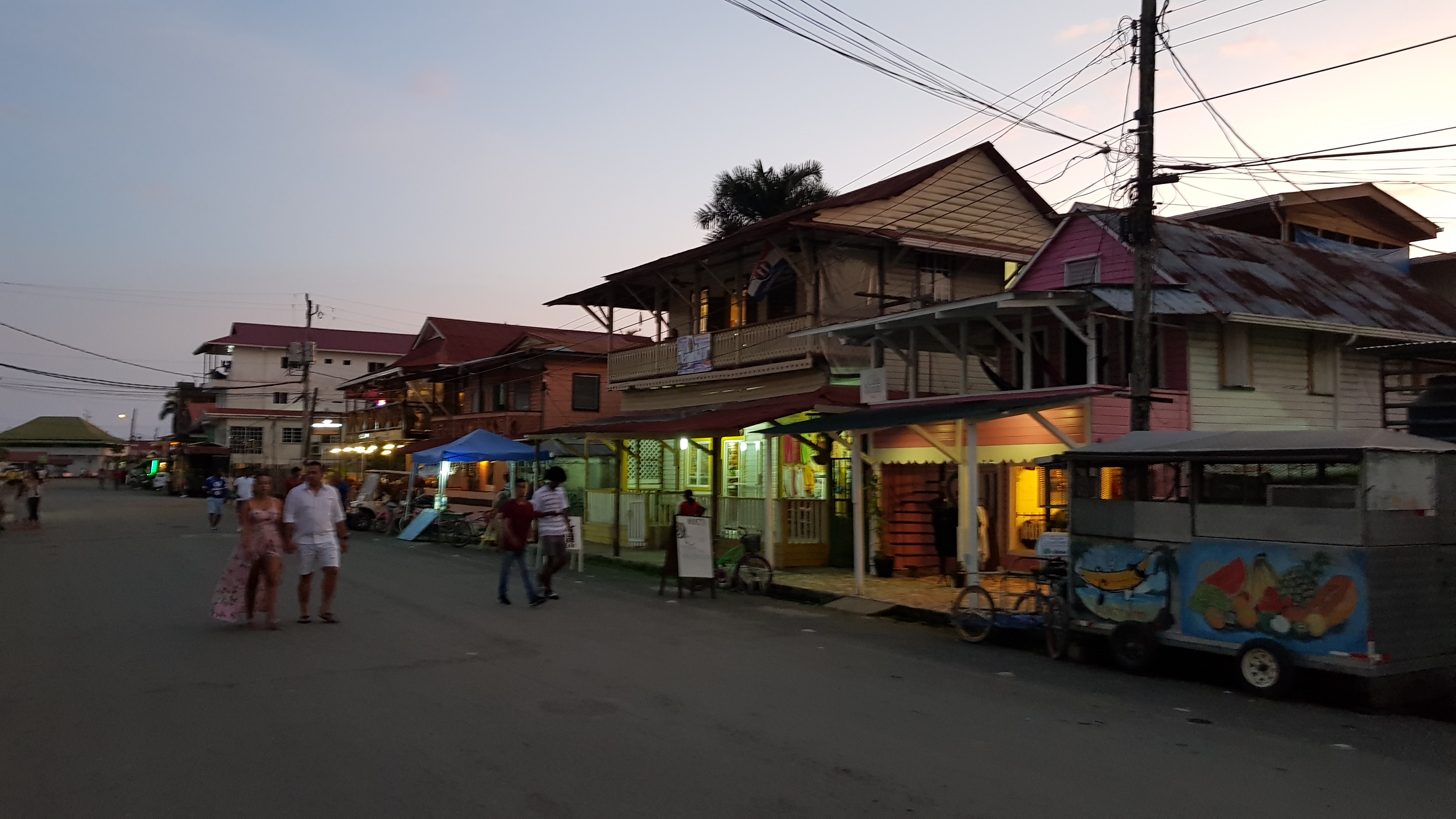
Bocas del Toro is one of about seven main islands just off the coast of Panama, up near the Costa Rican border. Full of American tourists. Especially as it’s the carnival weekend. Traipse through a hot and humid town with bags to the hotel. We’re hardcore. No private bus transfers for us for the short 10 minute walk to our hotel, the Bocas Inn (http://www.anconexpeditions.com/about-us/our-lodges/bocas-inn). A basic affair but has stunning views over the Caribbean from the hammocks strung up on the first floor balcony.

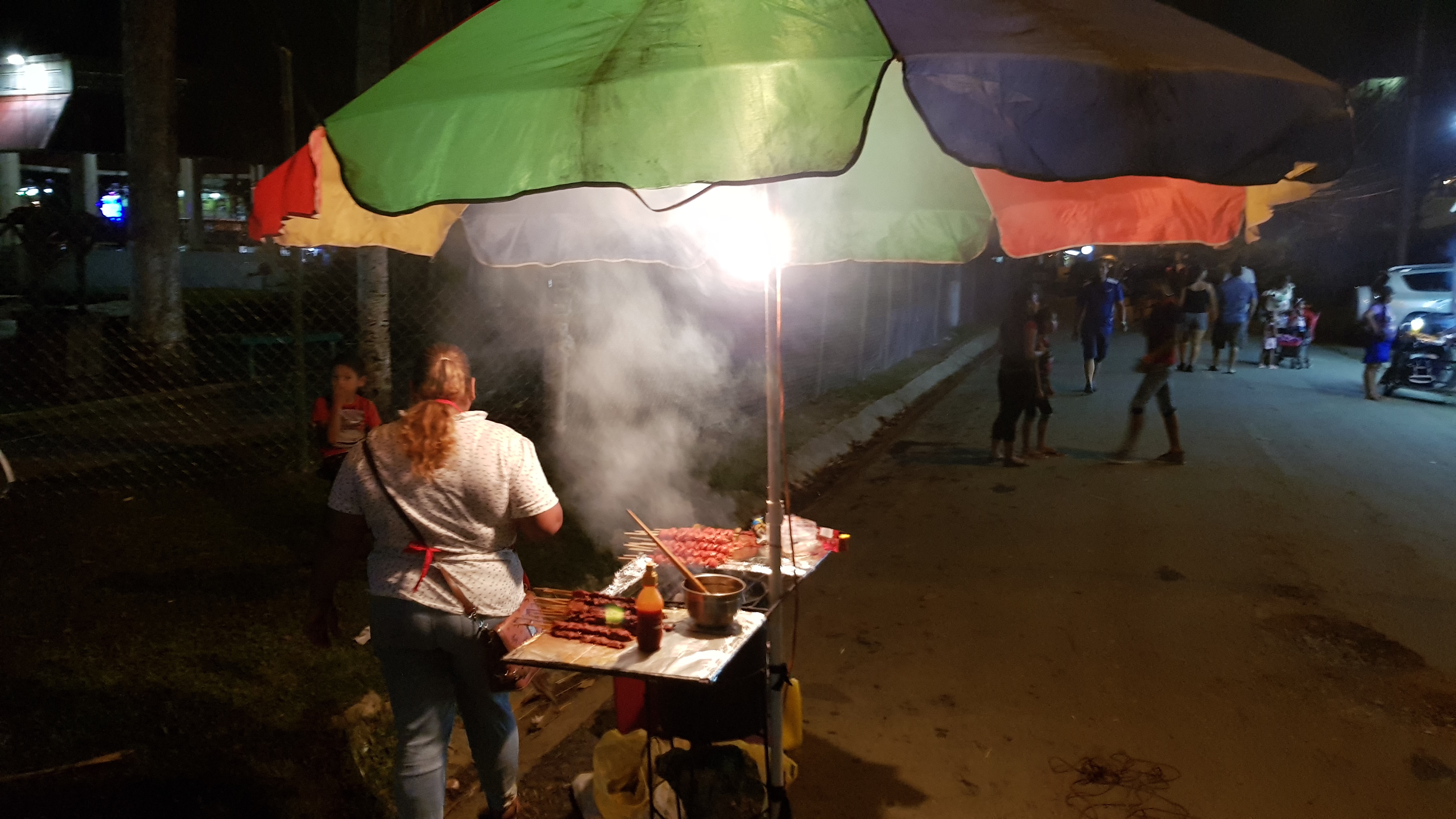
Told it will be very noisy tonight because of carnival in the main square about 200m away. Oh, and the bar next door. Which will be playing live music until 0100hrs.

Great. Can’t wait.

In search of dinner find a little gem of a restaurant, on the waterfront, El Ultimo Refugio. The last Refuge. I’ve just poured my ice cold beer and about to take a sip, when the middle aged American lady, sitting with her husband, thrusts her glass of wine into my beer glass and says,

“Cheers!”

Eh. What. Where did you come from?

And then turns back to talk with husband before I can say anything in reply.

Most unusual.

72. I’ll be washing you

Monday, 4 March 2019

Boquete, Panama

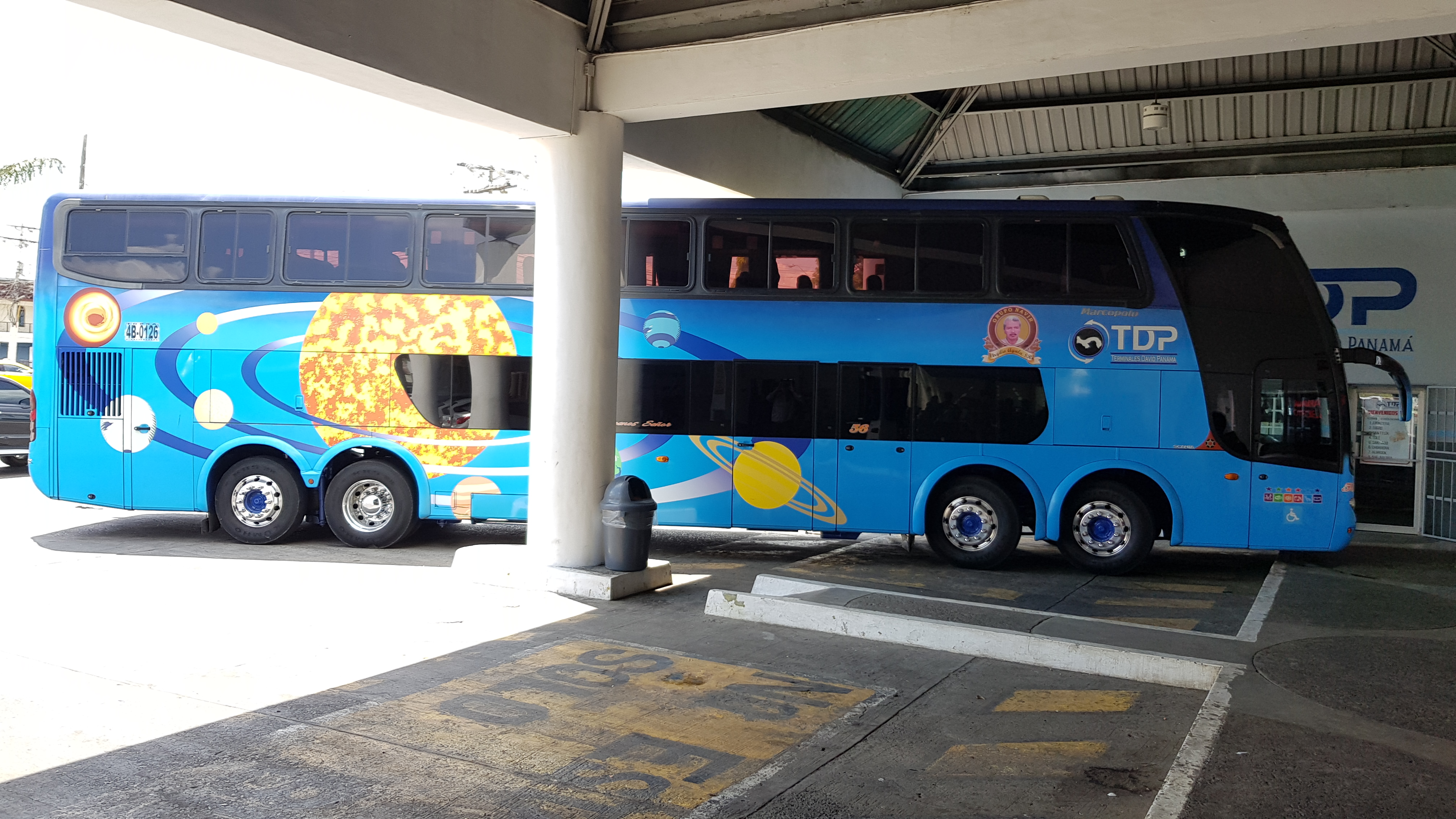
Early start to catch the 0830hrs public bus from Panama City to David, 450km away. Not looking forward to this journey. Arrive at the bus station thinking the tour company will already have pre-booked the tickets. Er no. You can’t pre-book. First come, first served. Tour leader tells us we haven’t got the extra leg room seats on the front row and are dotted about the bus as it’s full.

Tell him not bothered about that, primary concern is leg room. Not doing 8hrs crammed into a seat I can’t fit in. He buzzes off and returns later.

We’re not on the 0830hrs bus. We’re now on the 0930hrs bus. Another hour and a half to wait in this sodding bus station. But at least we have front row seats with extra leg room.

Finally board. Not like the Le Paz to Puno bus with business class seats. These are normal coach seats. Thankful that we do have the front row as it’s tight legroom in a normal seat.

The cracked front windscreen is held together with a plastic layer. Another day of liquid management treading that fine line between keeping hydrated and not having to use the loo. One of our group finally succumbs to the bus toilet. Told it’s grim. Very grim. Bowl is full and not flushing.

Very slow going to the half way point and lunch stop at Santiago. Every few kilometres is a policeman. They’re pulling people over to check licences, breath testing and speeding. Never seen so many police along a stretch of road but told it’s because of carneval weekend and so they’re out in force.
4hrs is a long time to sit on a bus until the first stop at Santiago and glad to be able to use the loo in the service station and much needed stretch of the legs. We’re all glad we’ve got snacks with us as the buffet food looks less than enterprising. No idea how long it will have been stagnating there for. After half an hour, back on the bus for the final 3.5hr stretch to David. Much quicker going, better roads and less police although do have a passport check half way when the police board the bus.

Bus is hot, sweaty and cramped. Not the best journey I’ve ever had and not one I wish to repeat.

Hot, humid and chucking it down with rain as we arrive in David. Use the bus station loo and as the woman at the cash desk has her back to me sneak in without paying. She collars me on the way out but keep on walking feigning ignorance. In any event, if I’m paying for a pee, I want a nice clean toilet not the scummy mess I’ve had to walk through missus.

We were meant to be taking a local ‘chicken bus’ (so called because it takes anything and everything) for the 1hr drive to Boquete but tour leader has seen sense and arranged a private bus complete with ice cold air-conditioning, which we’re all thankful for after the hot public bus.

Boquete, in the foothills of the Baru volcano, has a large American ex-pat community who retire here because of its temperate climate and cheap living. Could think of better places to live but it’s a nice town and bit more upmarket than what we’ve seen enroute with lots of good quality restaurants lining the main street.

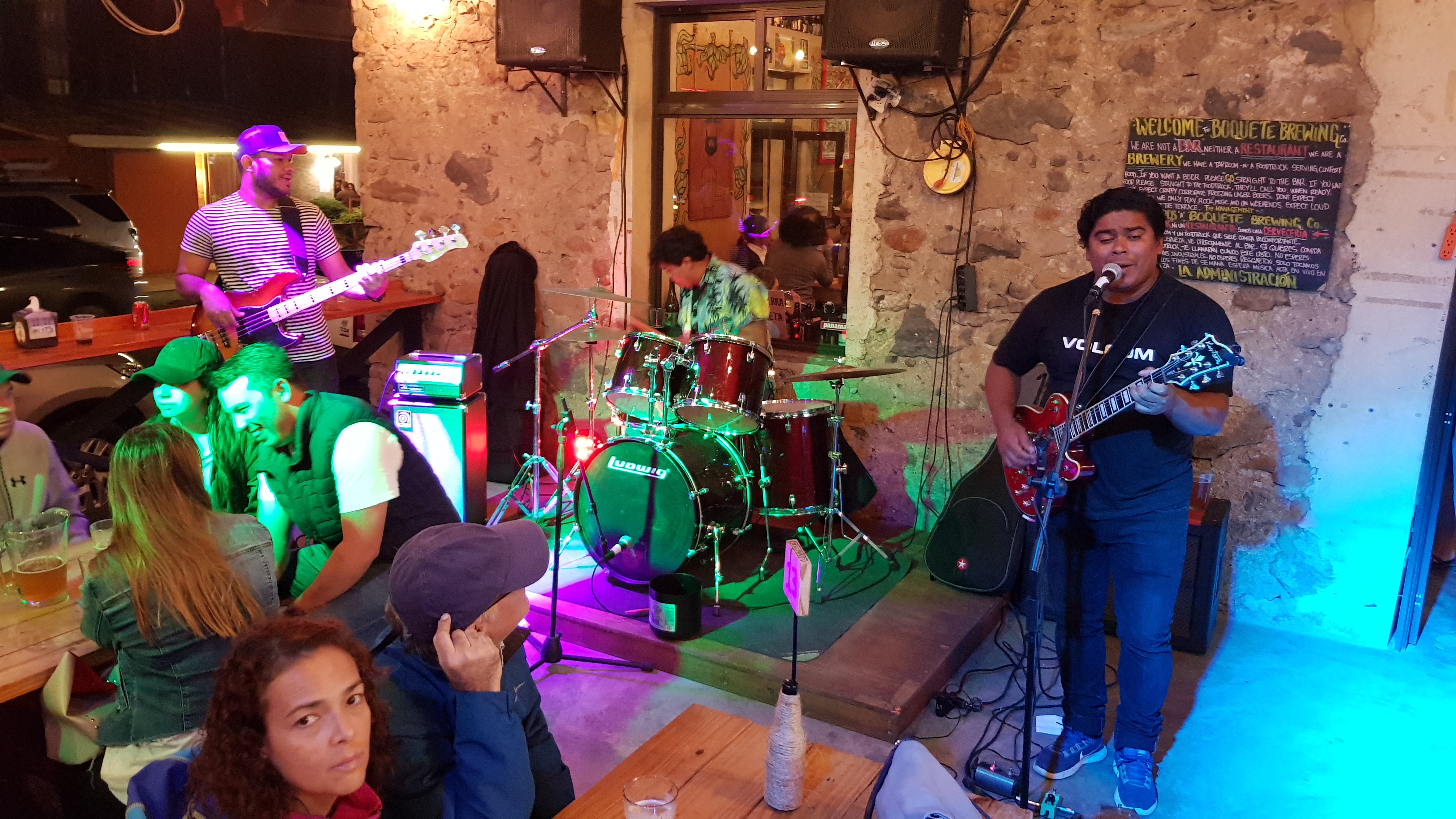
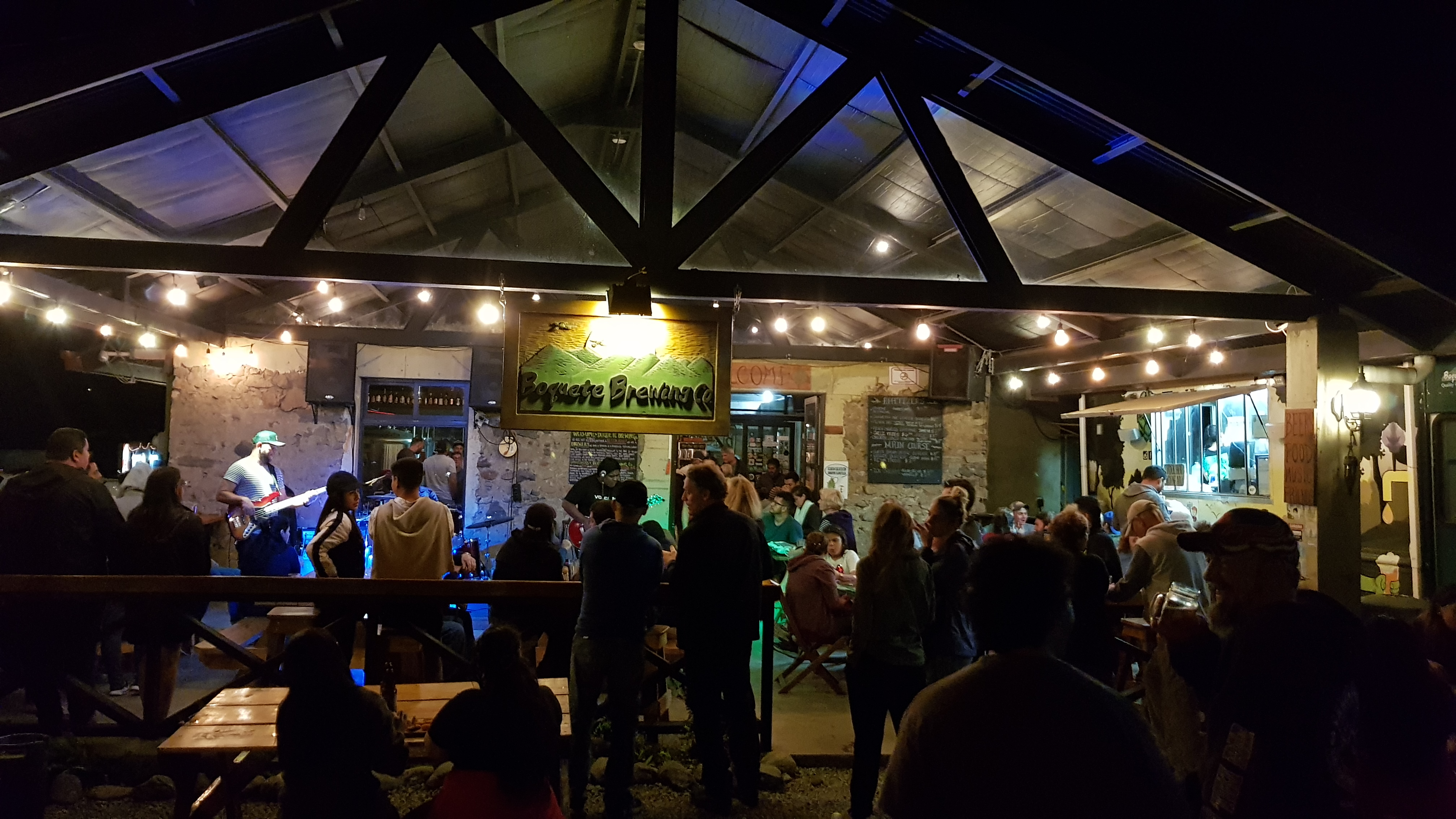
Check in to Casa de la Abuela (https://www.lacasadeabuela.com/), basic but comfortable hotel, followed by much needed cold beer at the Boquete Brewing Company, who brew their own beer on site.

Live music tonight. They start playing The Police’s ‘Every Breath You Take’ but with their Panamanian accent, they sing that well known line as, “I’ll be washing you.”

Made me chuckle after a very long day.

71. Panama Hat

Sunday, 3 March 2019

Panama City, Panama


Today is the start of the organised group tour travelling from Panama through Costa Rica, El Salvador and Honduras to Guatemala. Meet up with the other three English members of the group and the tour escort, who is Guatemalan.

The local guide for Panama City meets us. He’s tall, exotic looking, nattily dressed with a Panama hat, speaks fluent English but with an accent one assumes to be Panamanian.

But. There’s a surprise.

He’s actually from Leeds.

You would never know.

It’s carnival weekend so everyone is going crazy and various roads are closed for the procession. Plenty of police about too.
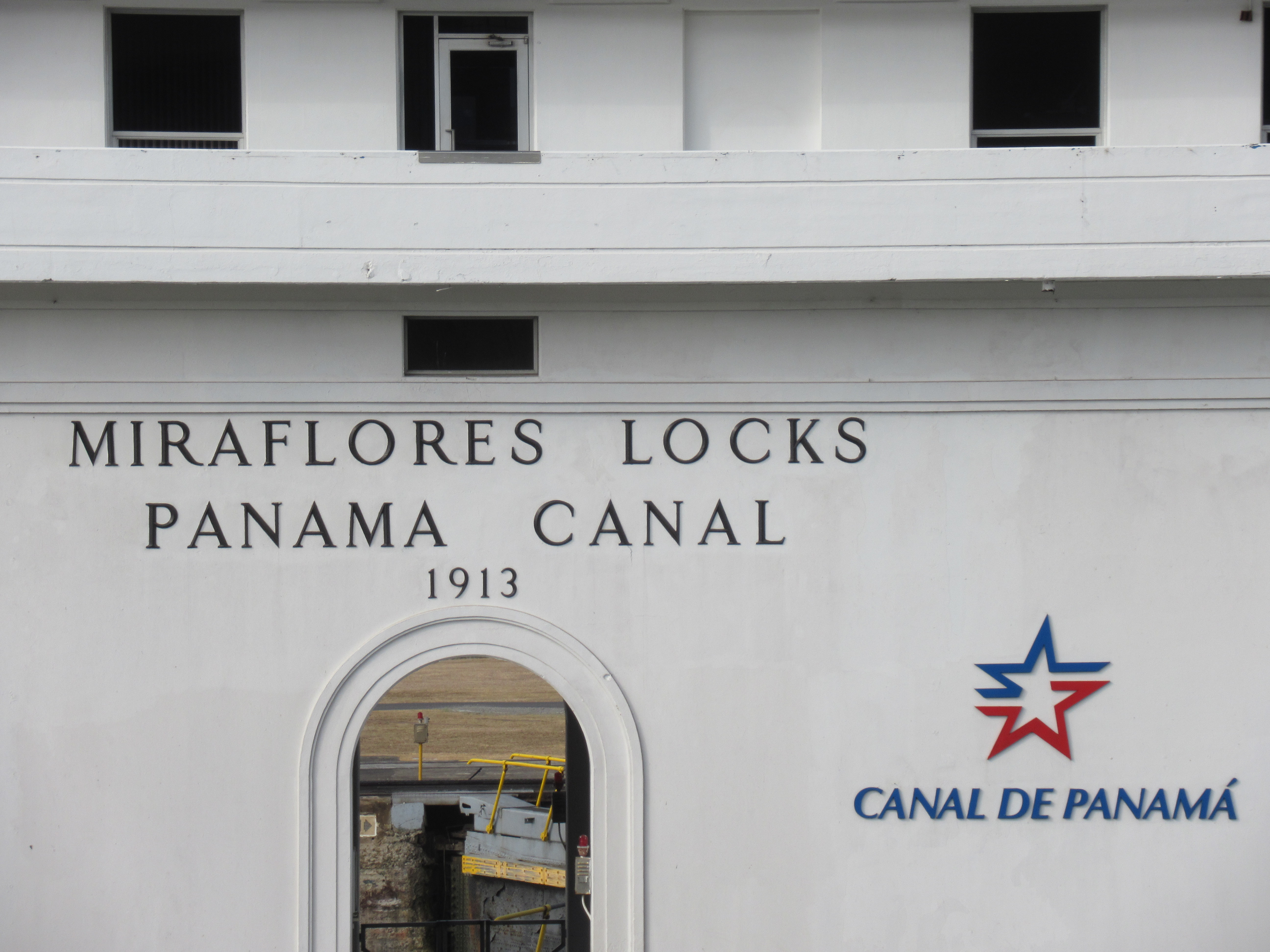
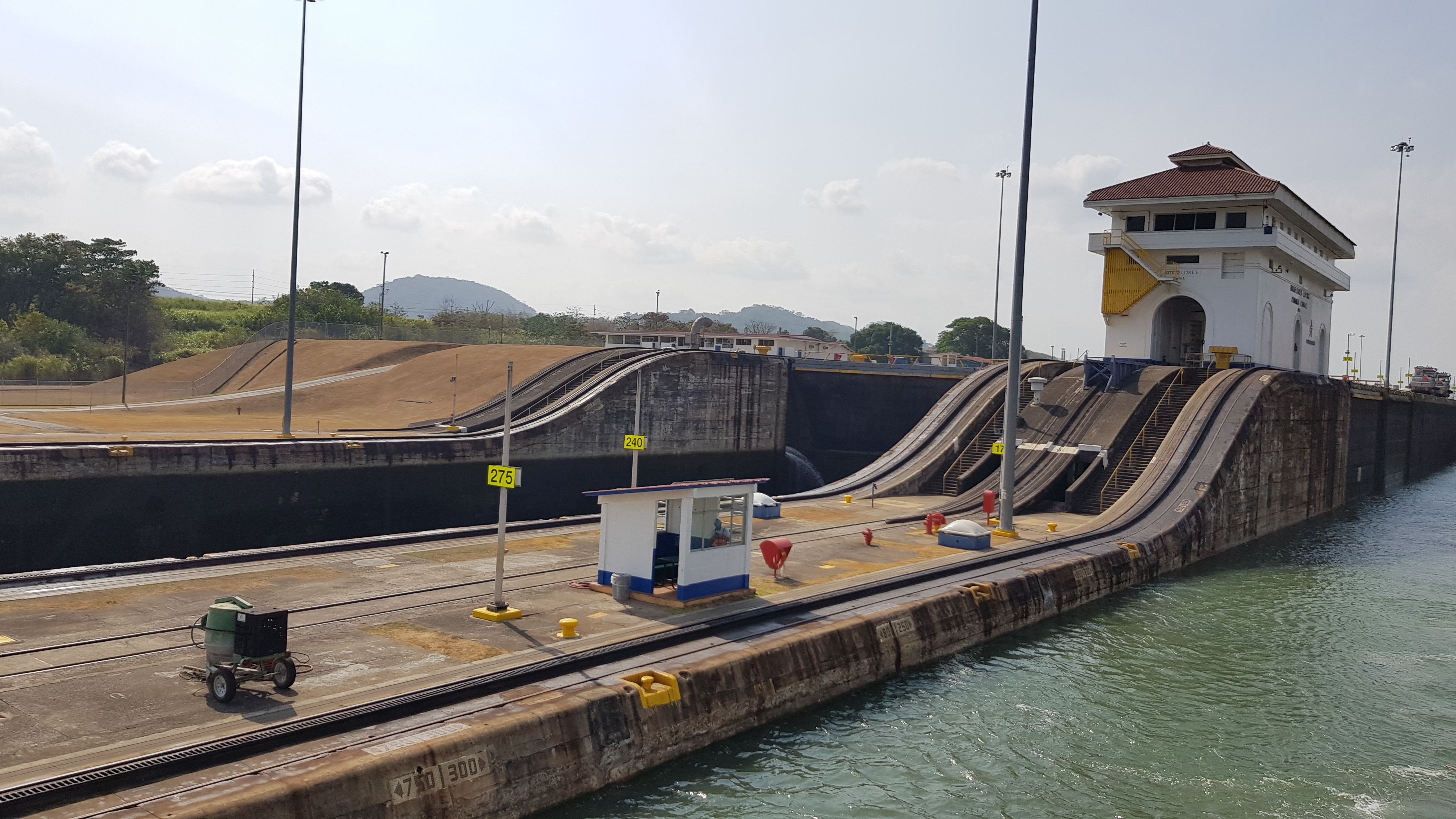
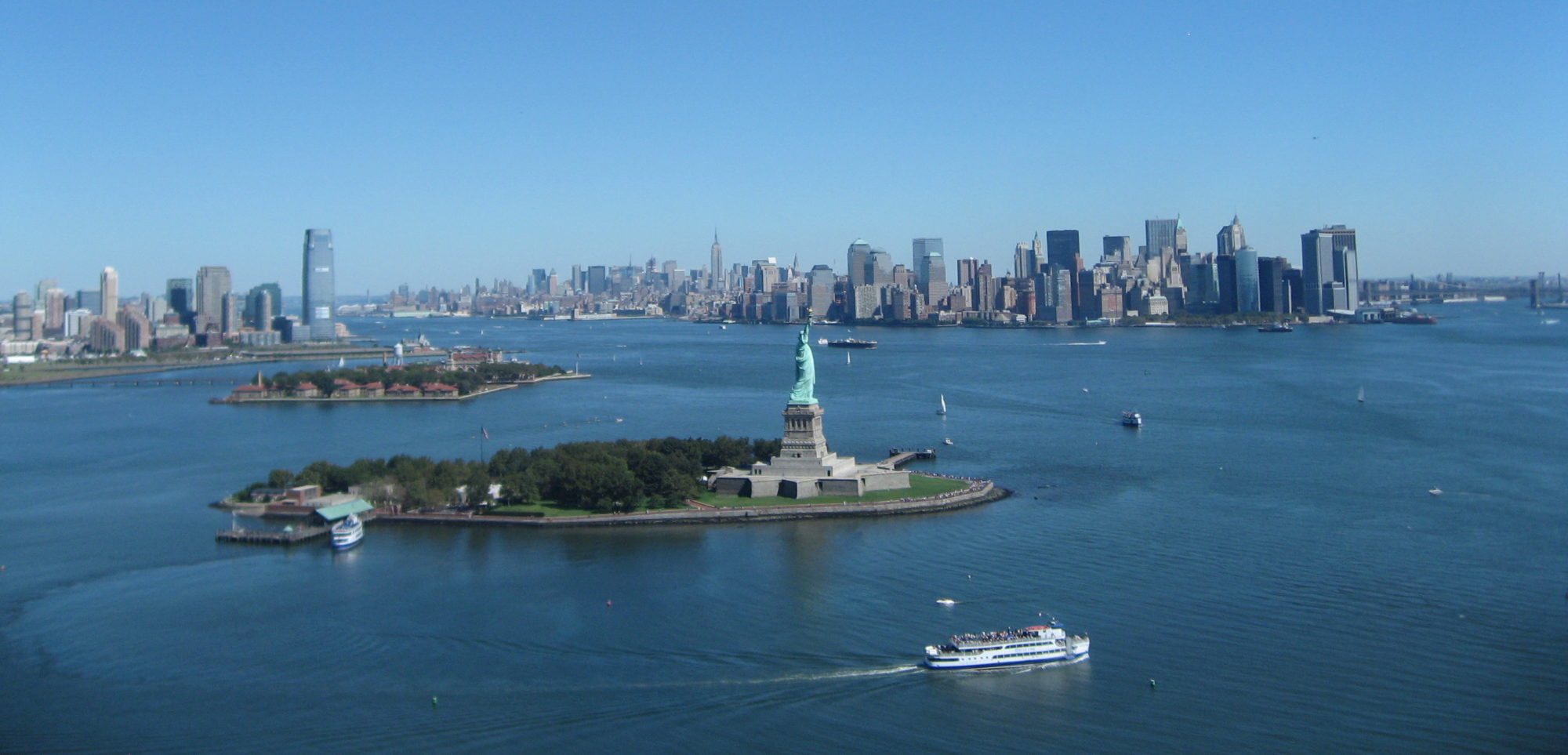
Early start to beat the crowds at the Panama Canal museum and visitor centre at the Miraflores Locks, where I sailed through on Friday.
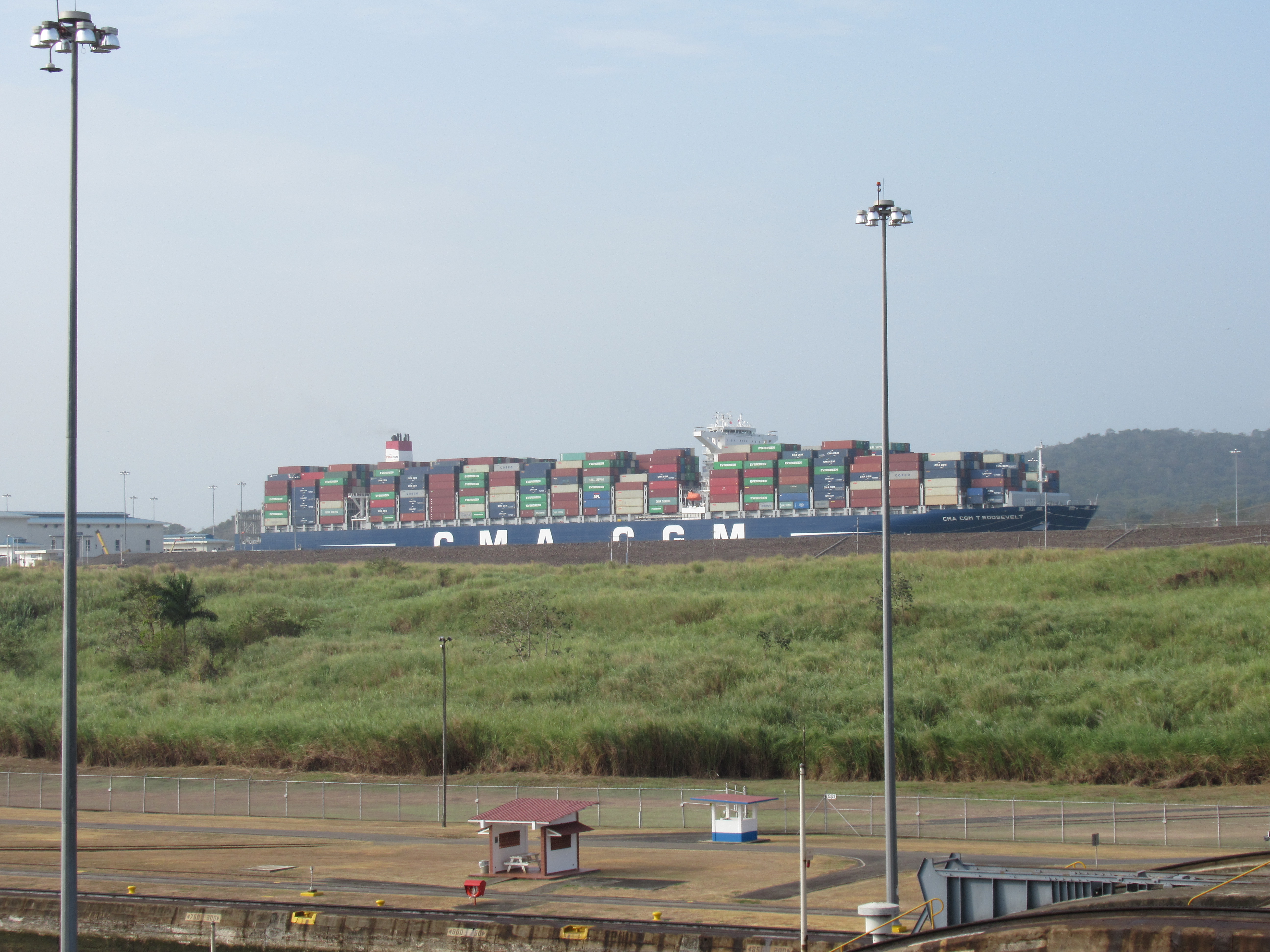
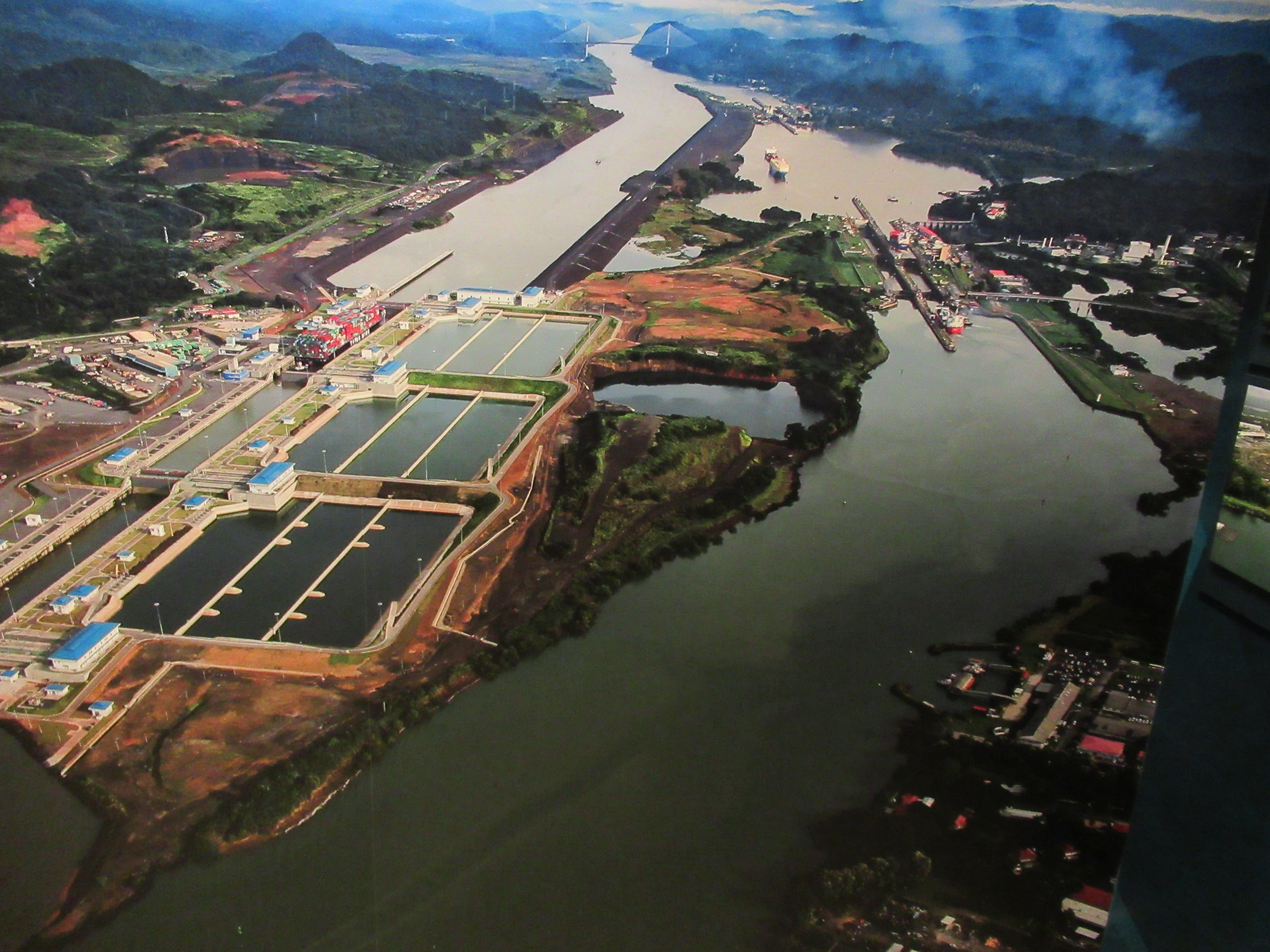
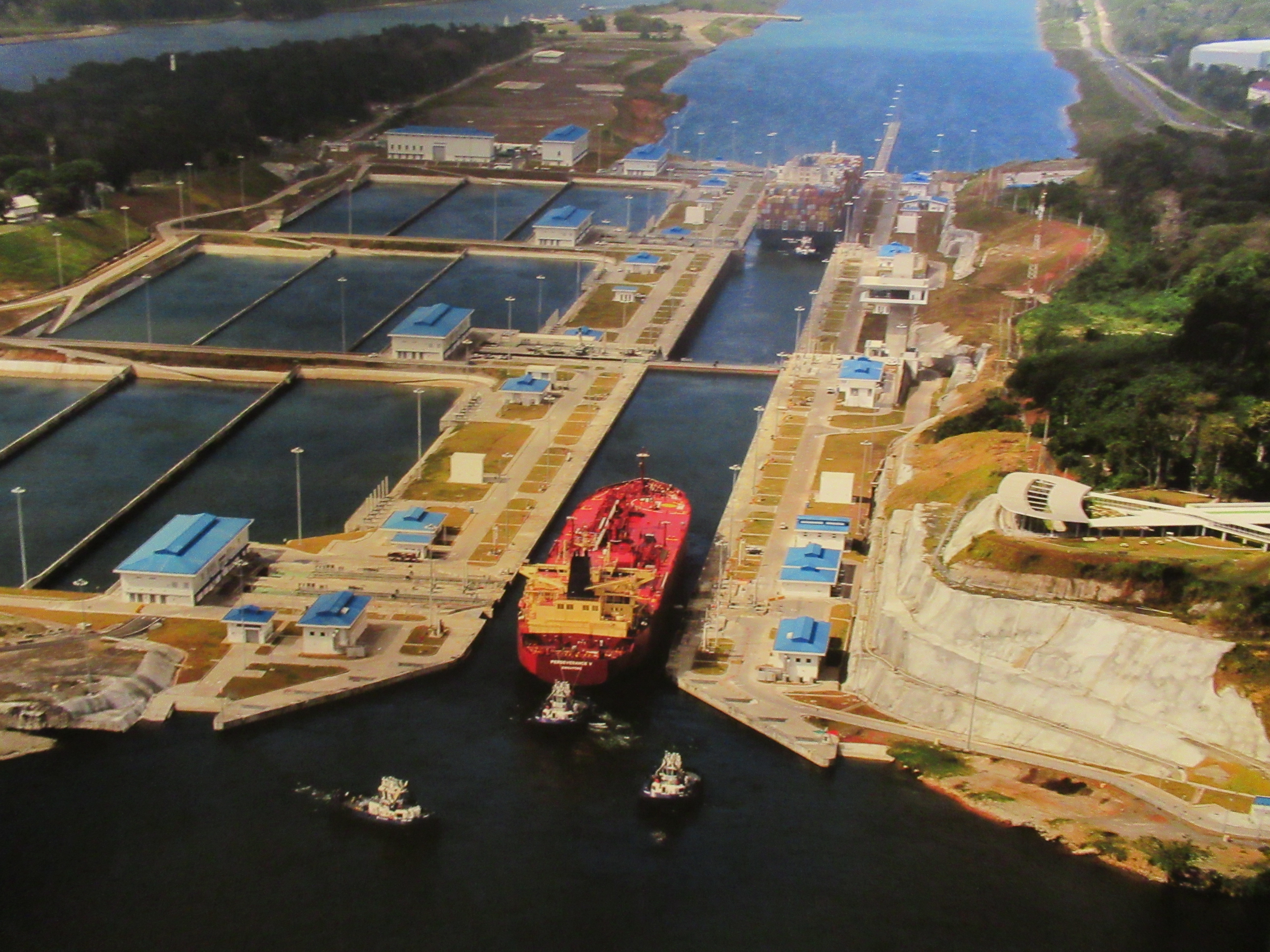
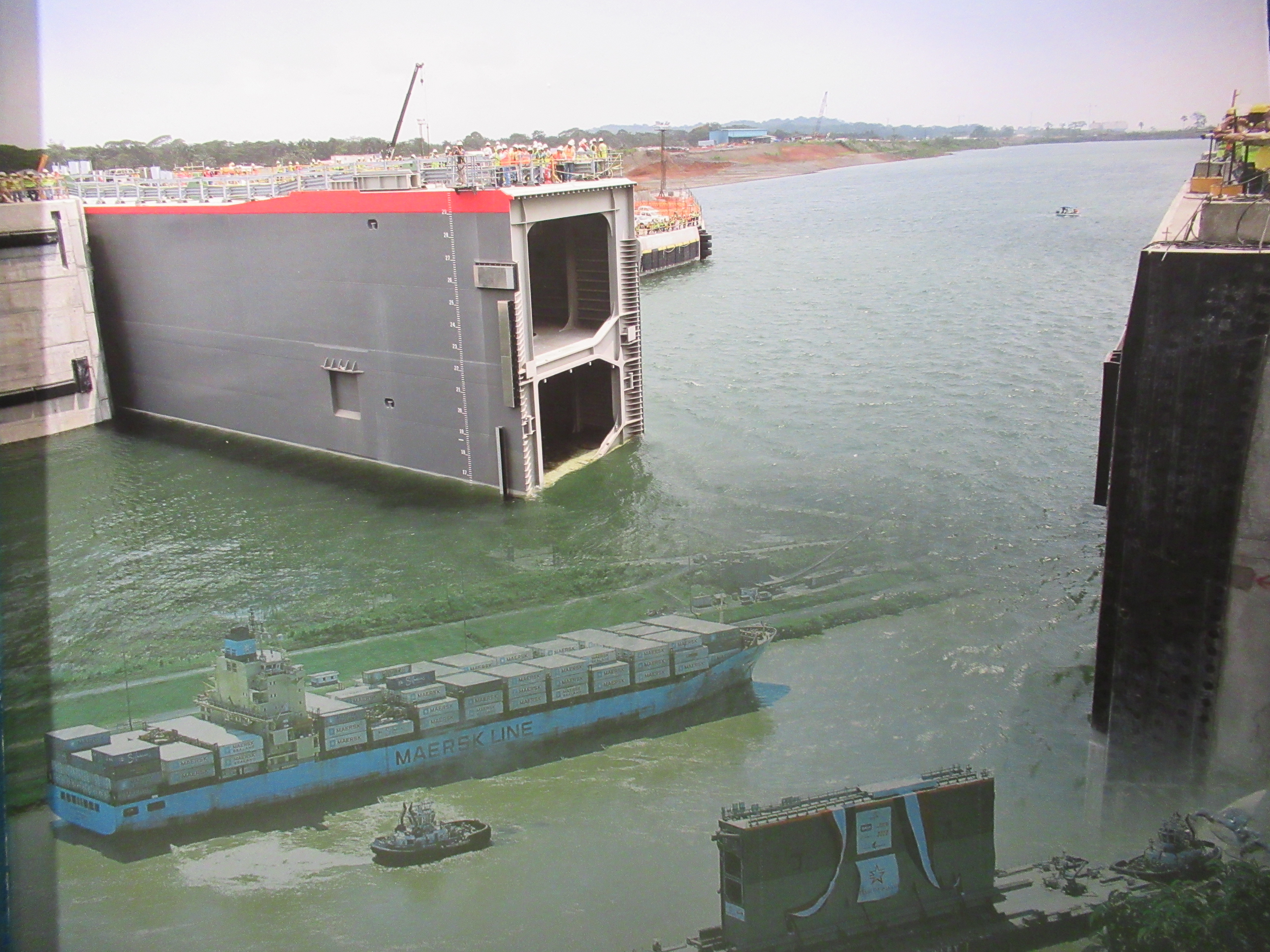
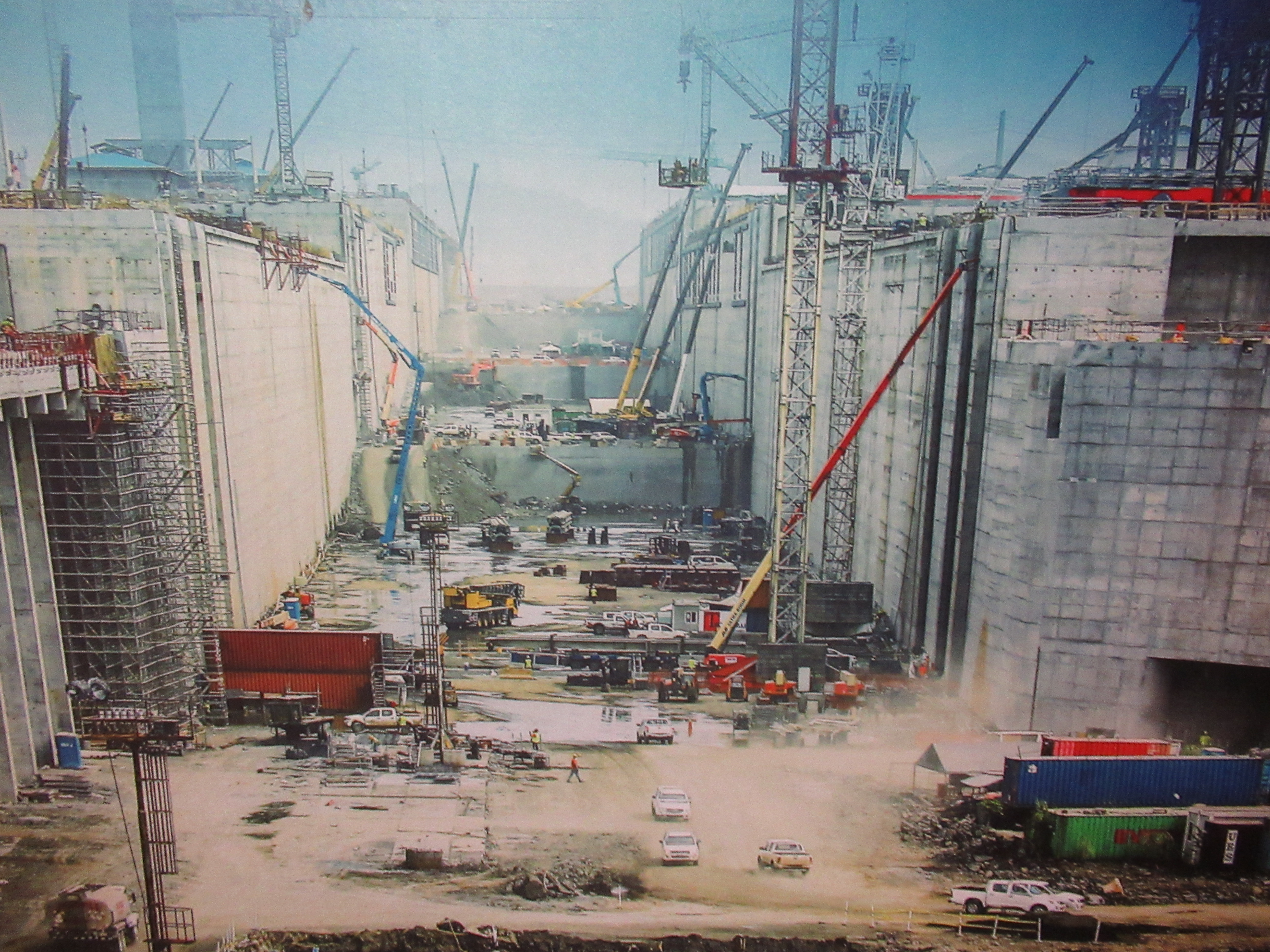
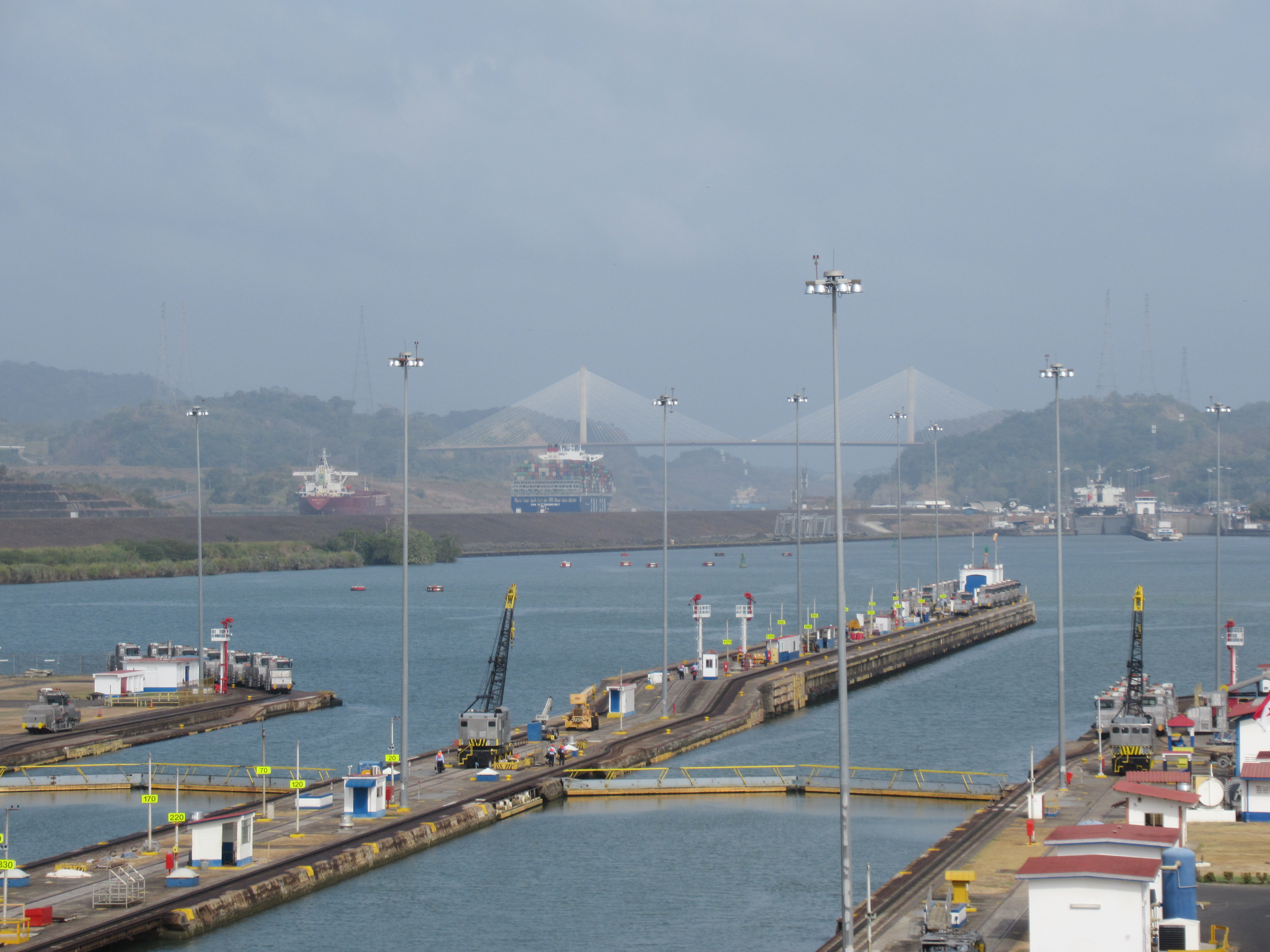
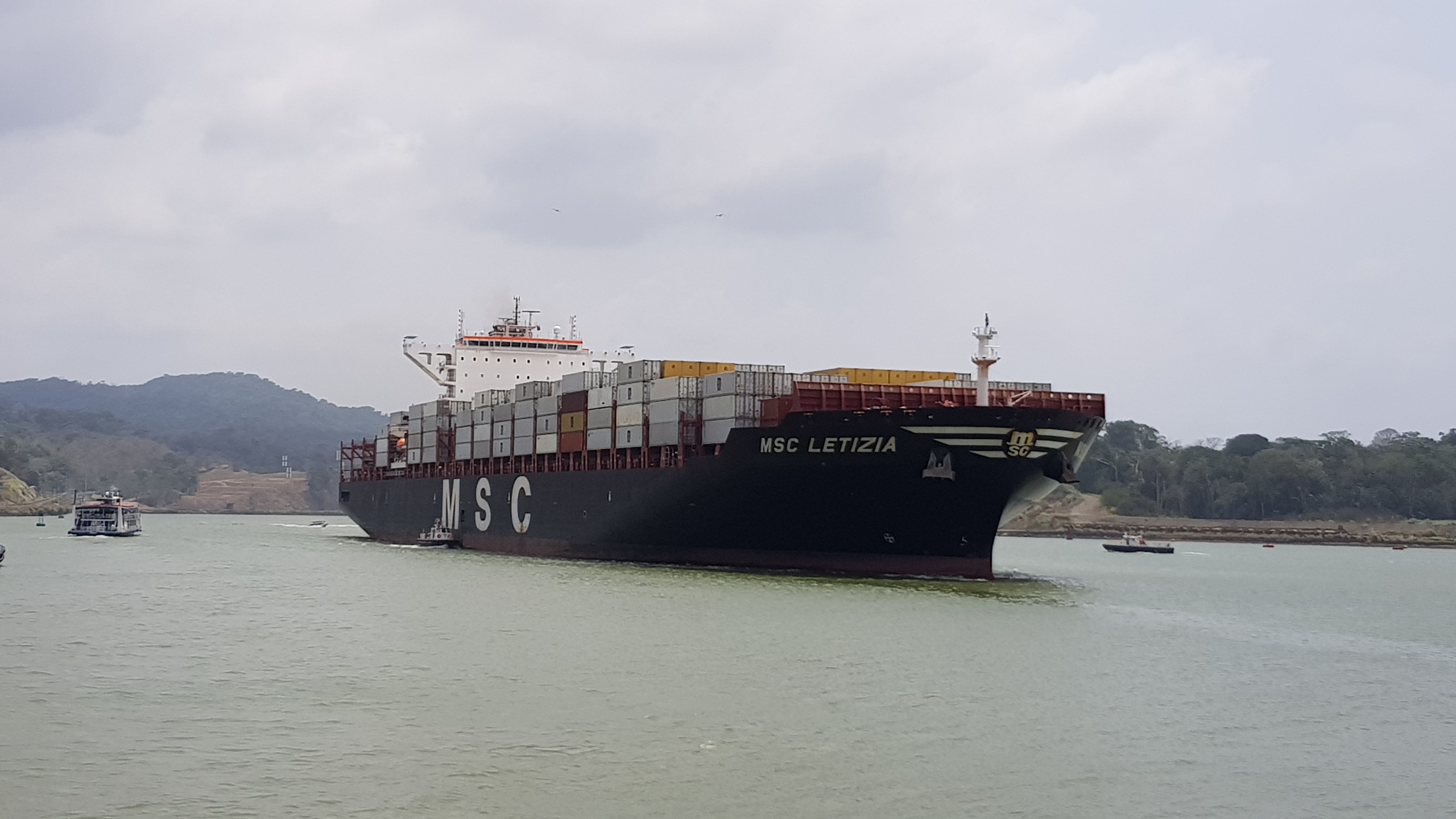
Unfortunately, we just miss a ship transiting the locks so don’t get to see the locks in action from another perspective. Can see a massive neo-Panamax container ship transiting the new lock system some distance away though and it makes you realise how small the original locks now are.
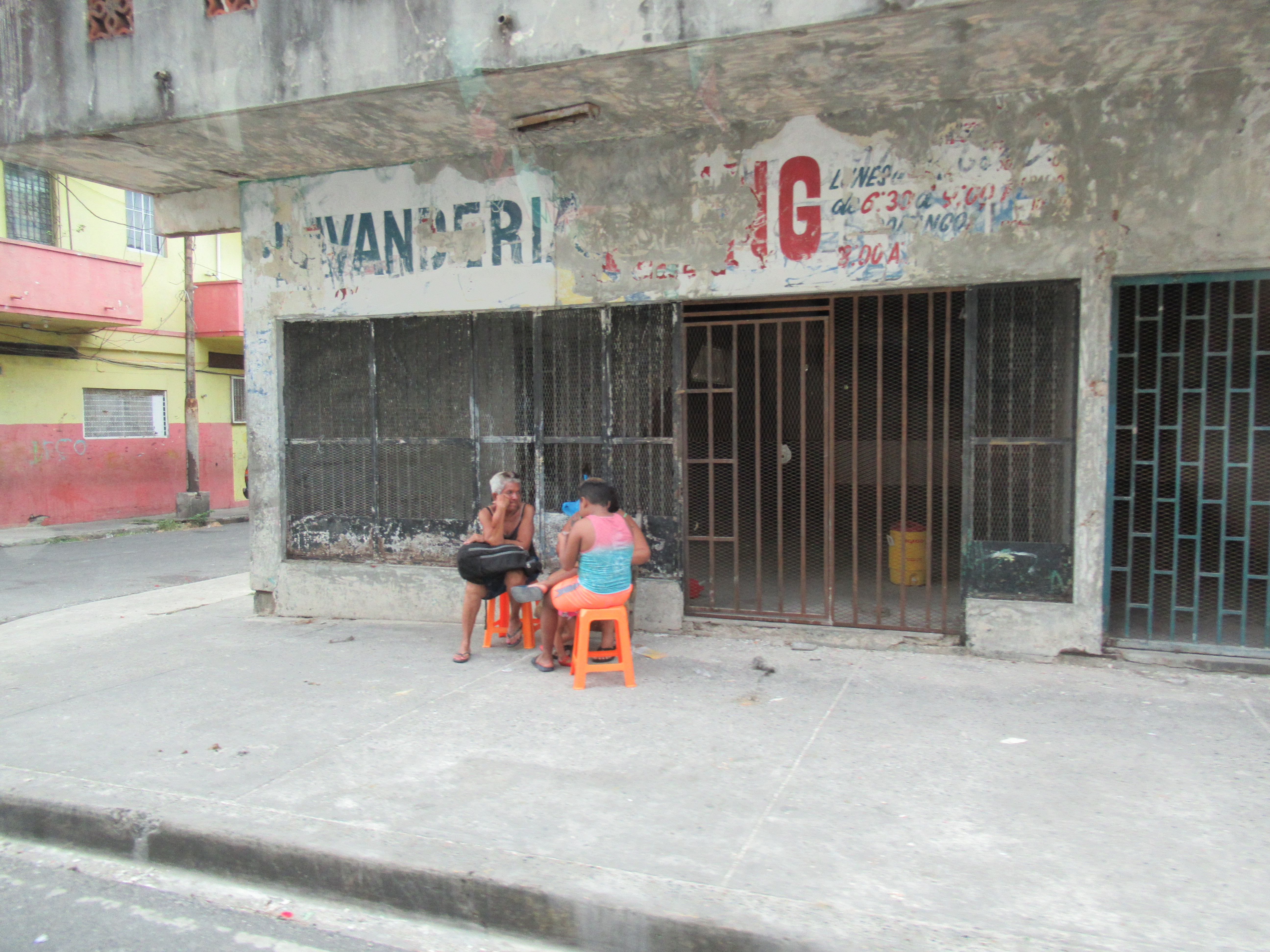
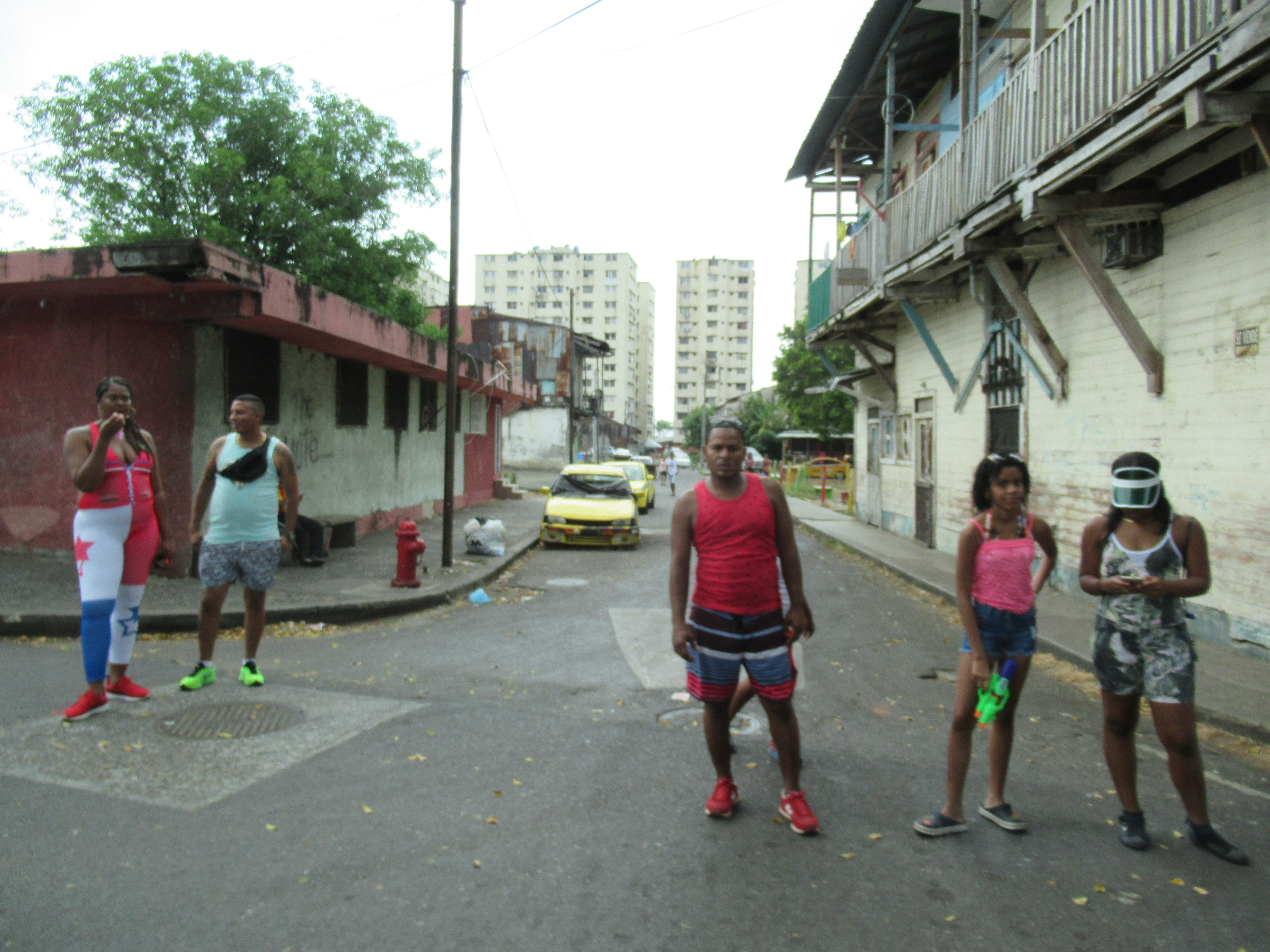
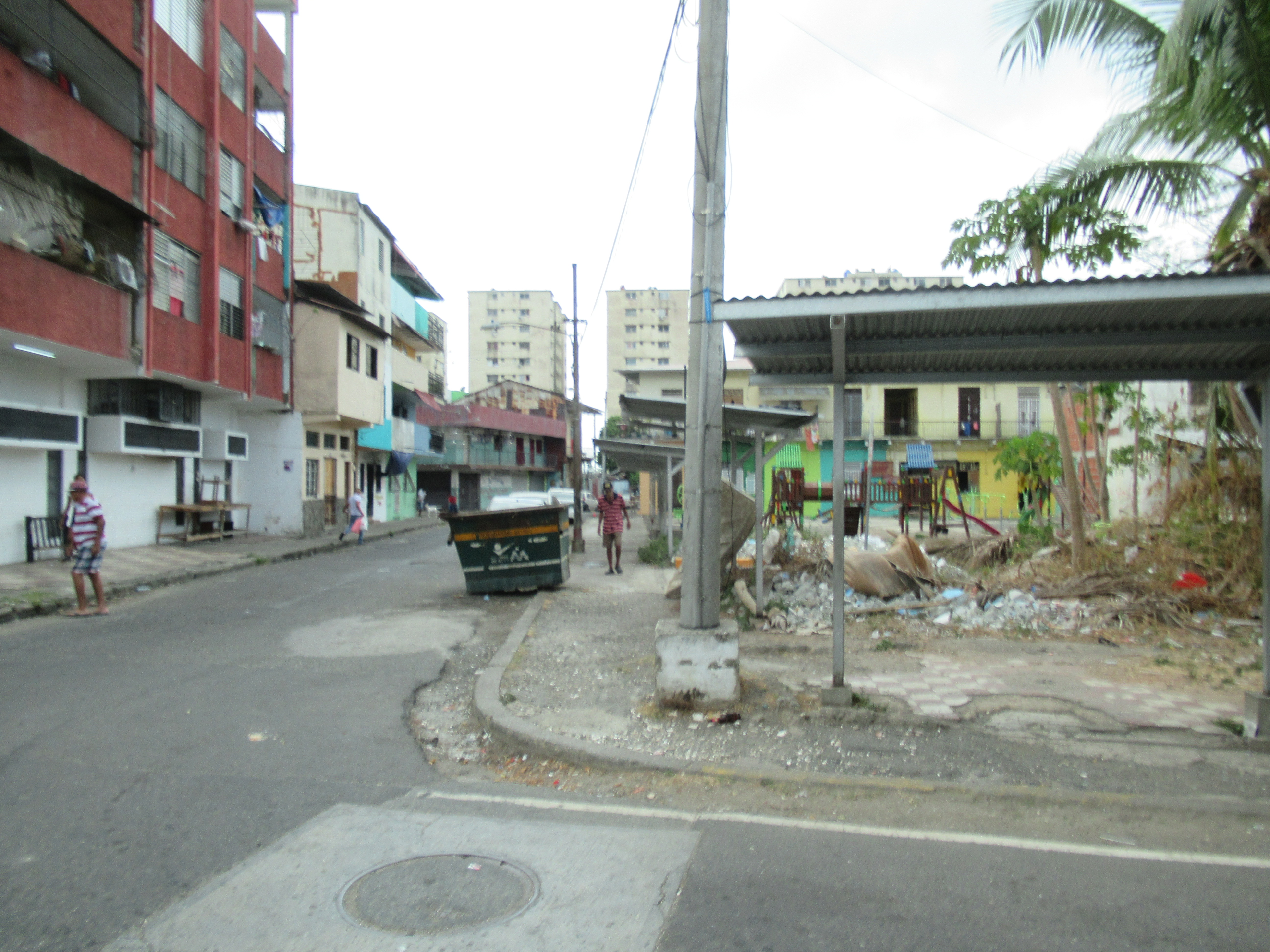
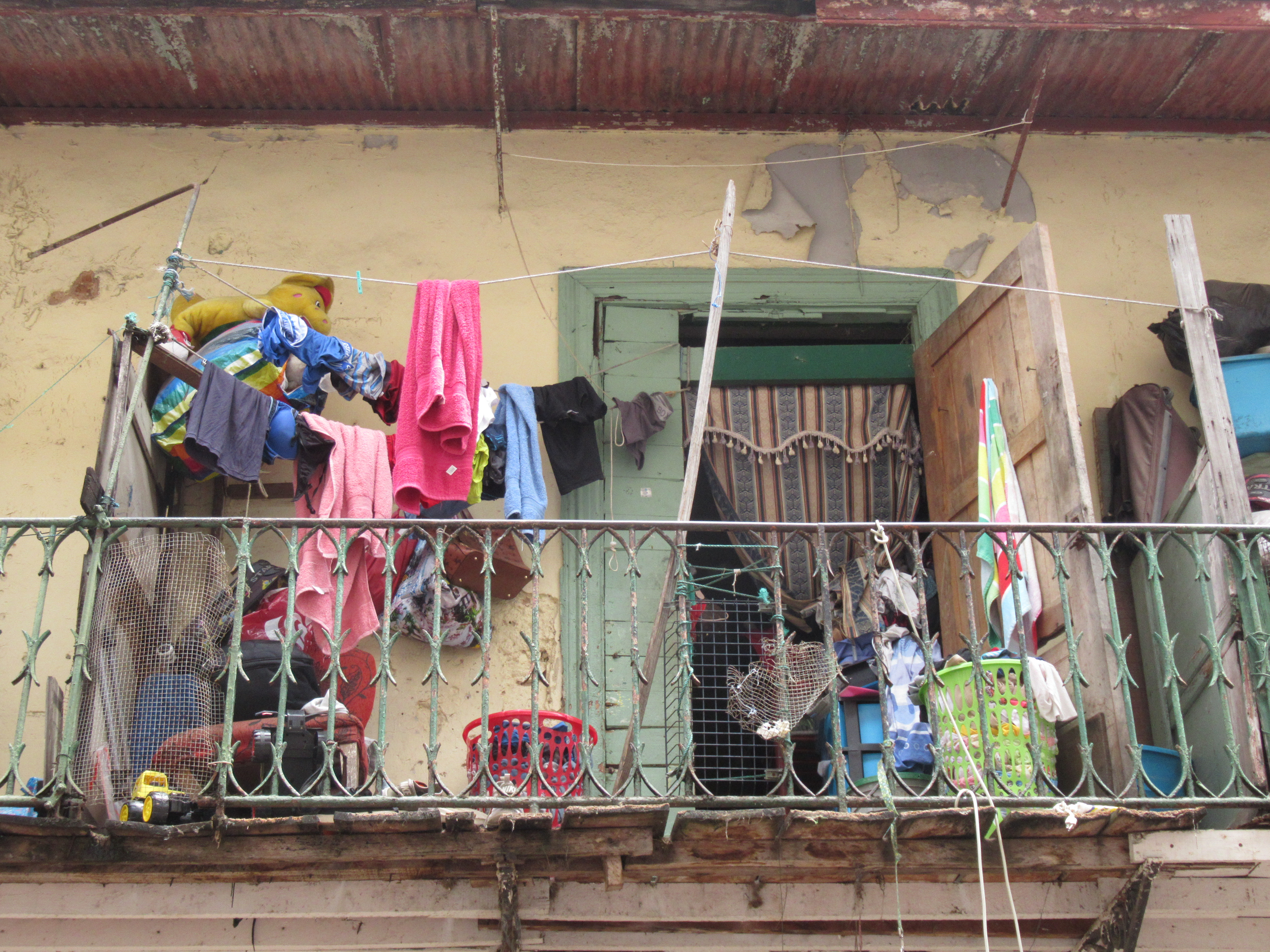
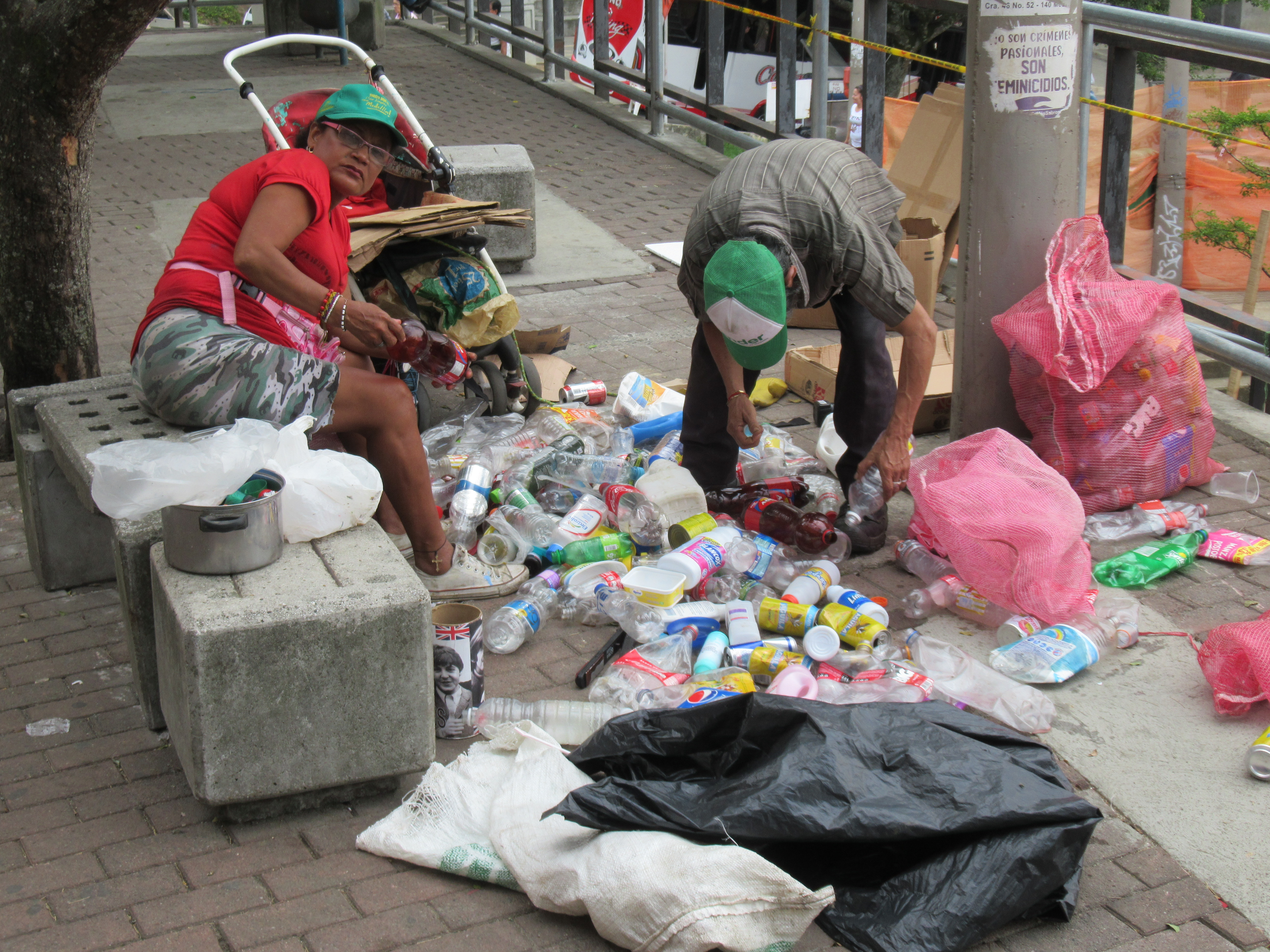
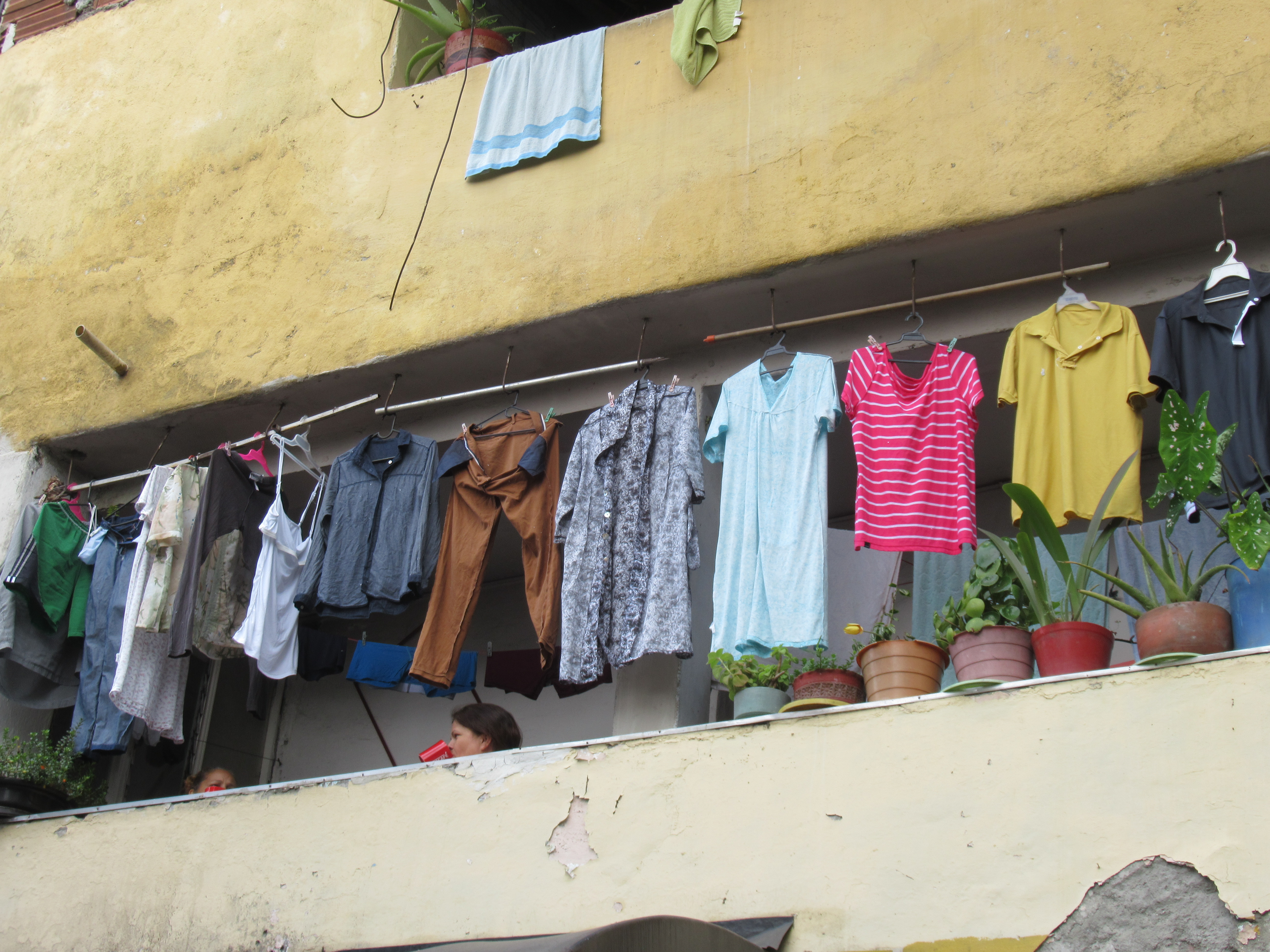
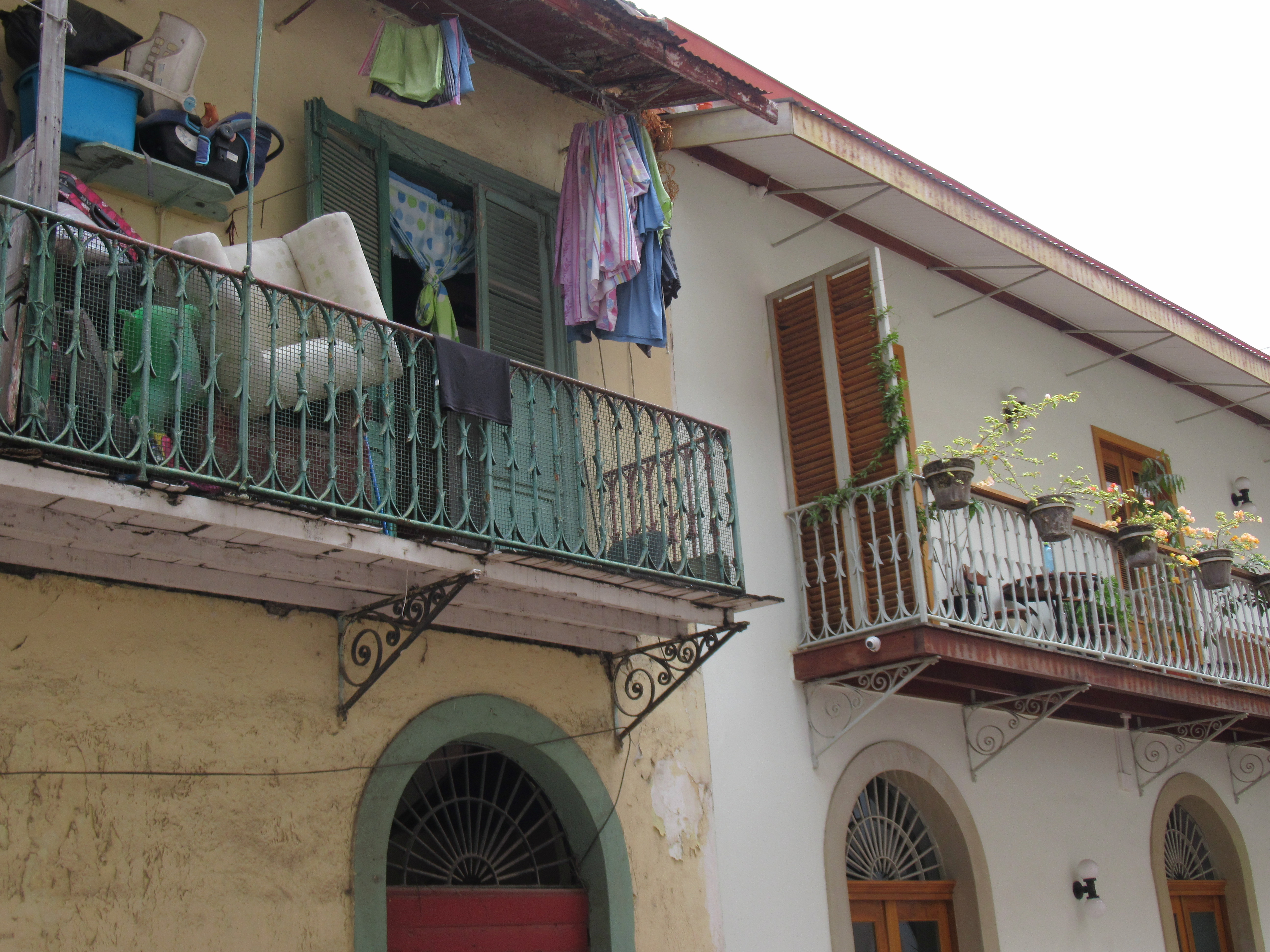
Having travelled through what I thought was the old town enroute to the canal on Friday, not looking forward to a tour of the old town. It looked squalid on Friday and as we approach the centre of the old town, it still looks squalid and dirty. Lots of grubby blocks of flats with grubby people hanging over the balustrades with their grubby washing hanging out to dry with their grubby chairs and tables on the balconies.

Grubby.

Grubby.

Grubby.

And then.

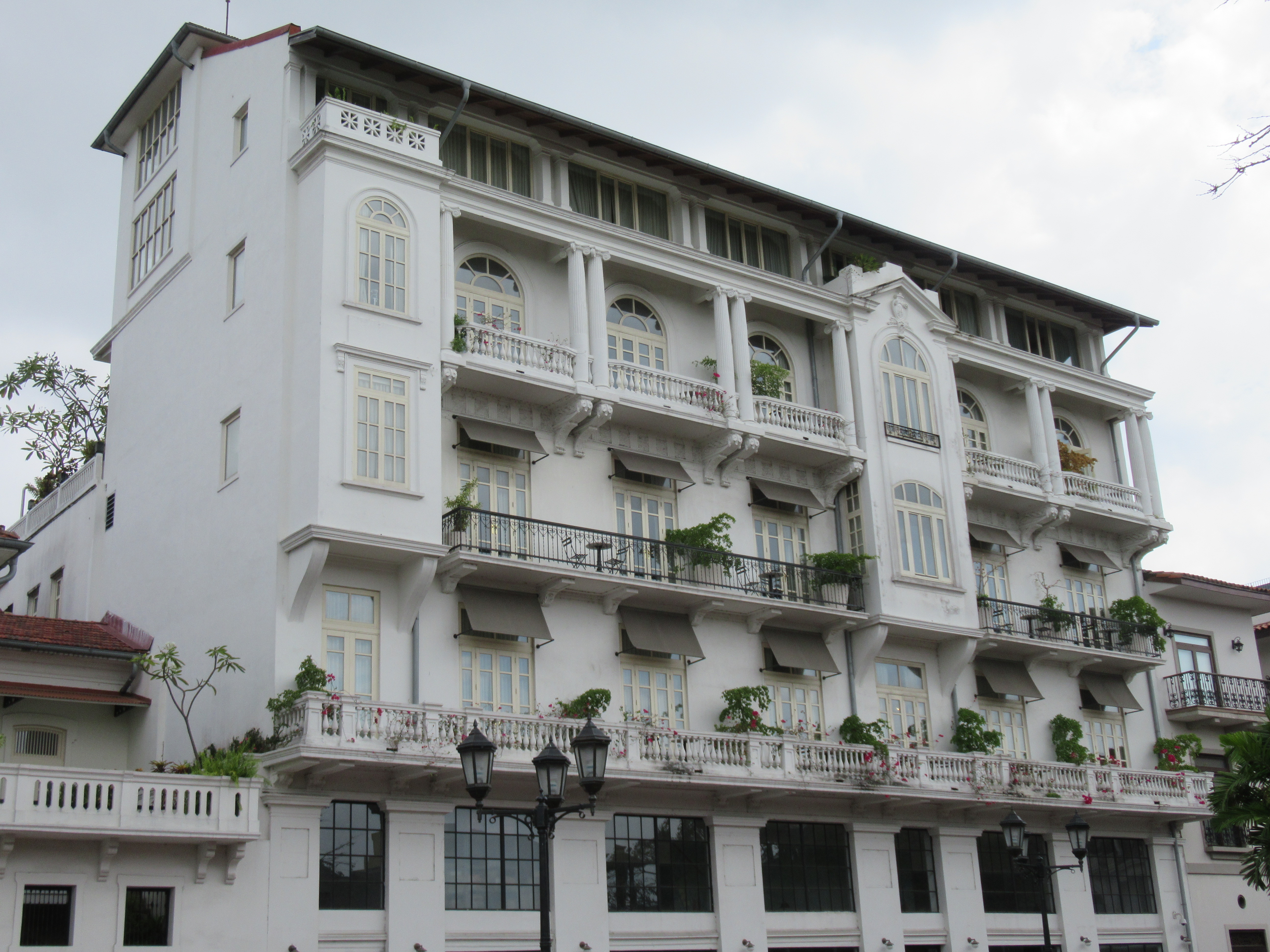
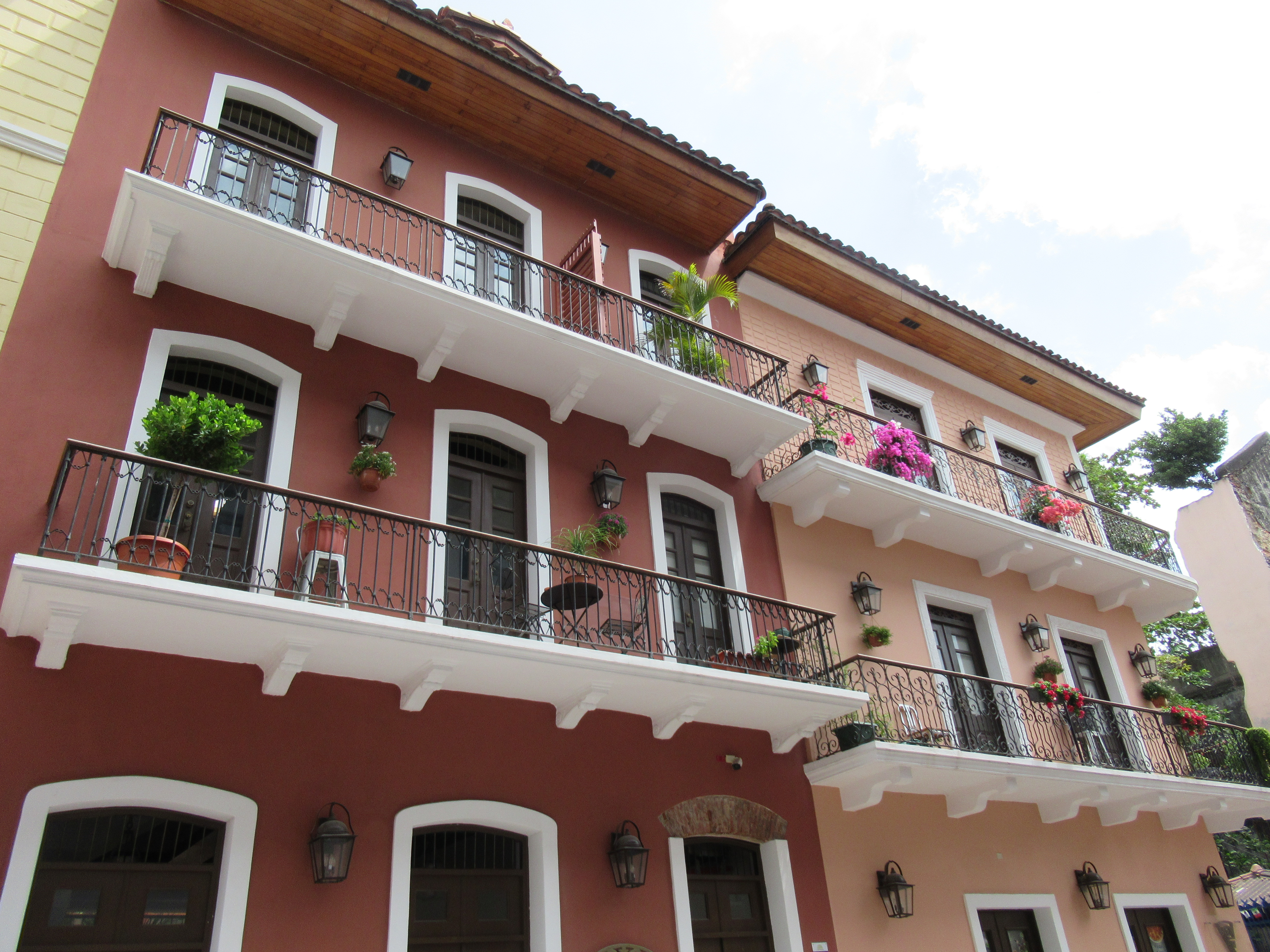
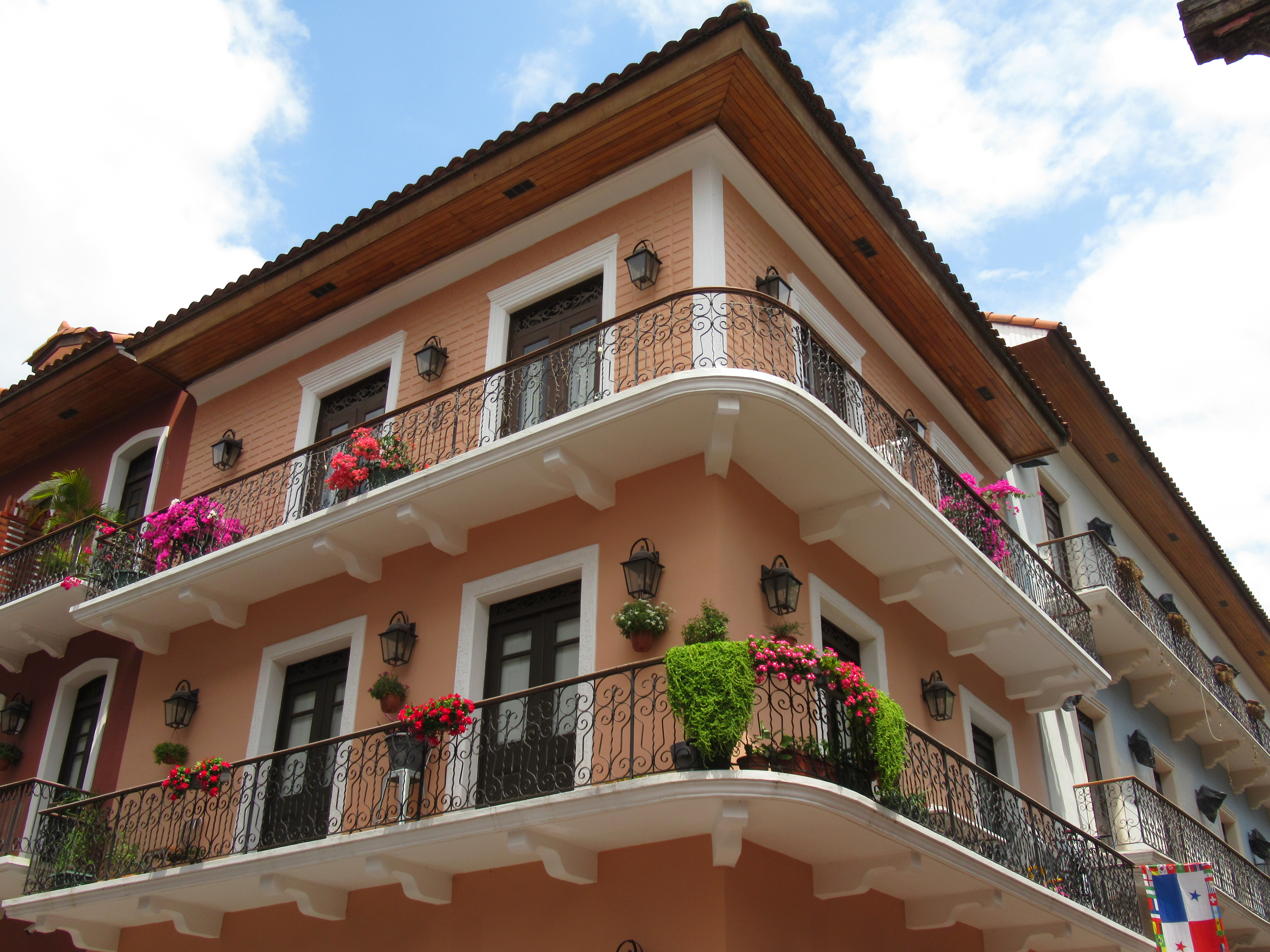
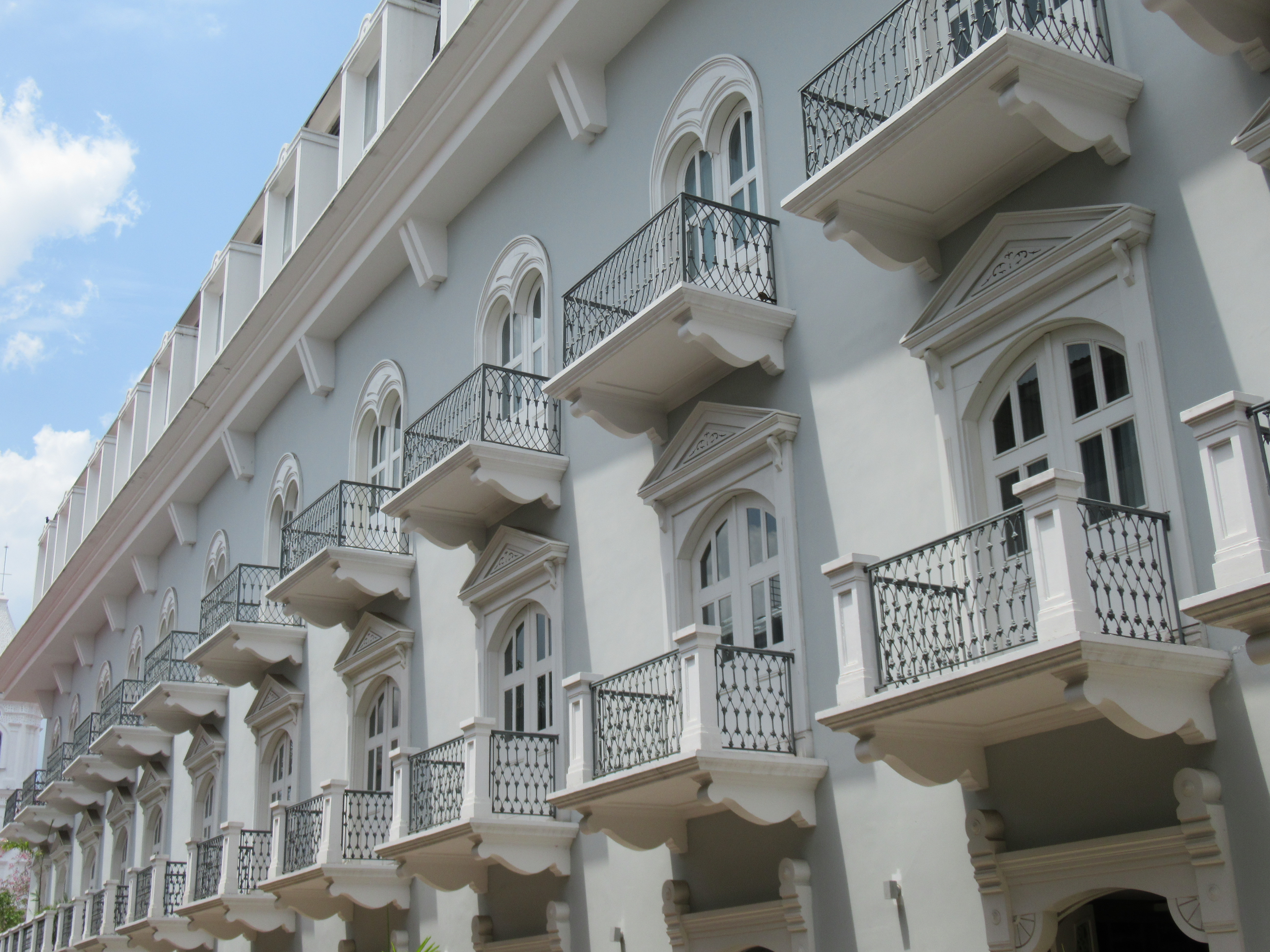
Within the space of one block, and this is not an exaggeration, it really is one block, it’s as if we’ve been transported through a worm hole because it’s all shiny newly refurbished apartments, shops, restaurants, bars and hotels.

The contrast between one block and the next is staggering. Can’t recall anywhere else where the change is that instant. There are plenty of towns and cities where you see a gradual change from squalor to shiny but nothing as quick as this.

The newly refurbished part of the old town is stunning. Some money has obviously been spent converting the old grubby blocks into shiny new places. Pass an upmarket hotel. People quaffing champagne with their Sunday brunch. All the more staggering as it’s within view of the grubby old town.

The local authority is gradually gentrifying the old place and investing lots of money to make it a lot more upmarket but the local lower classes who live in the old town are protesting as they’re being moved out to make way for champagne and caviar.

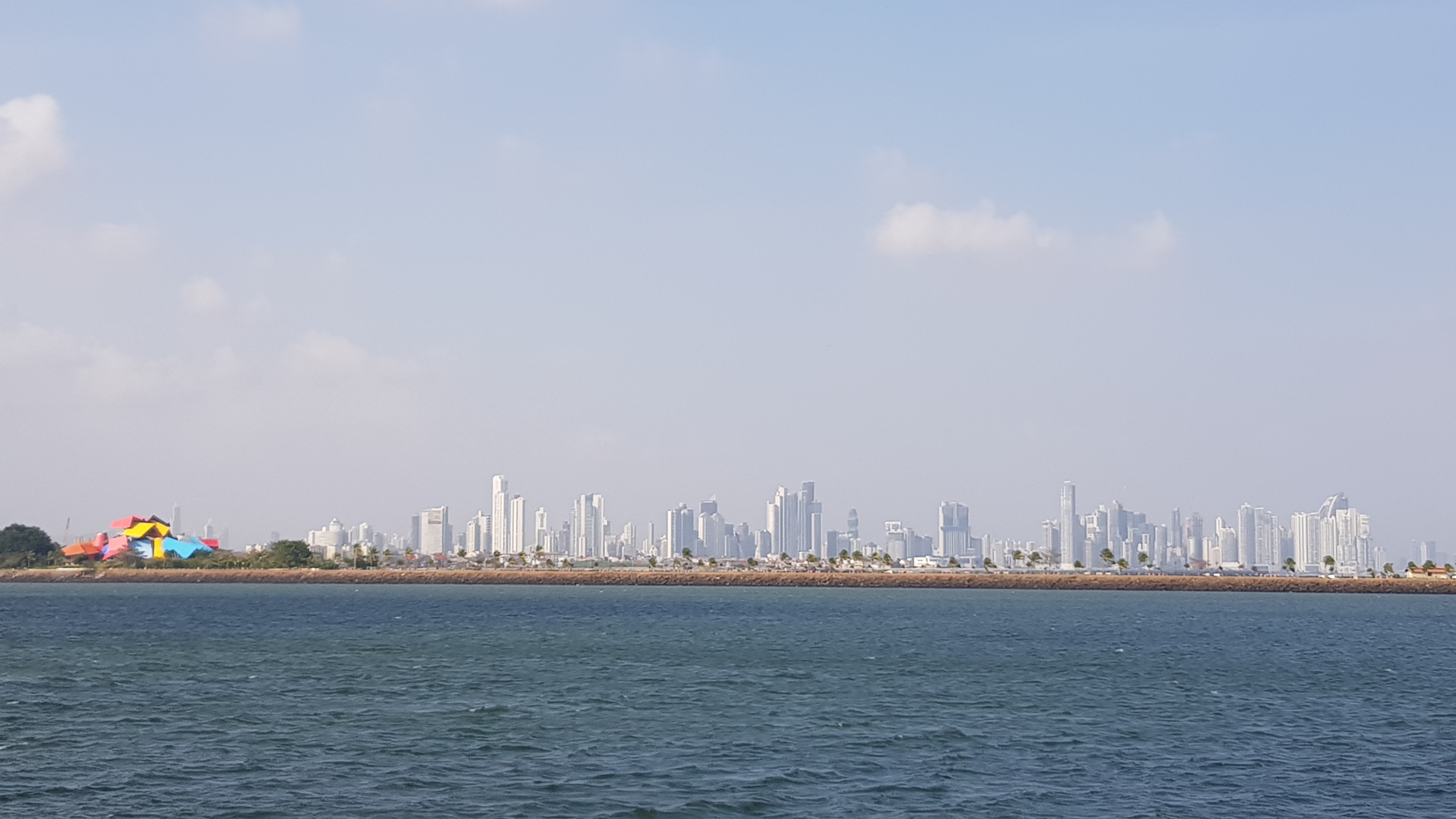
Panama City has redeemed itself. Was thinking that all there was to Panama City was the newer skyscraper area of the city. Its skyline very much like Dubai’s but with pockets of squalid housing amongst the skyscrapers.

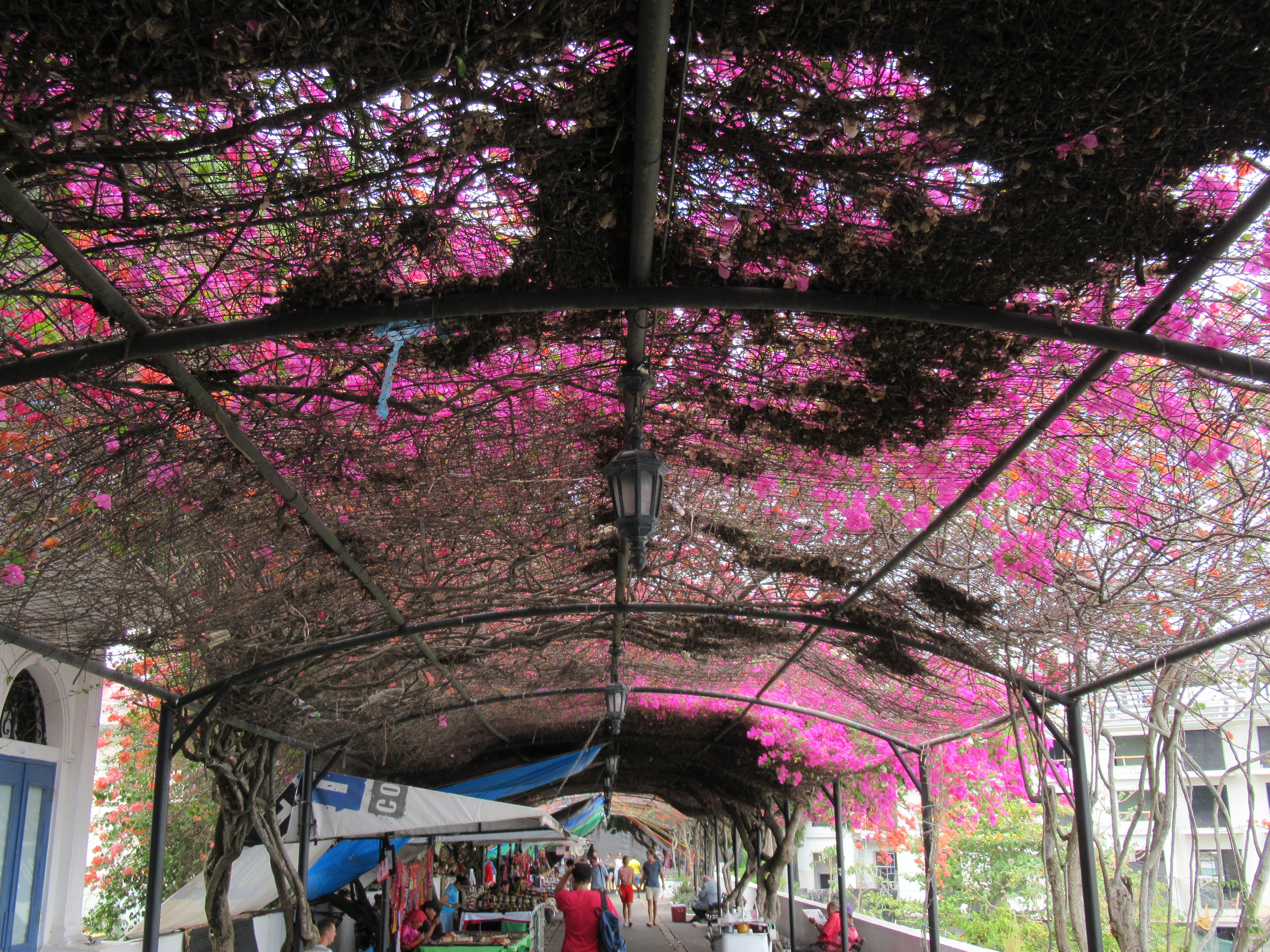
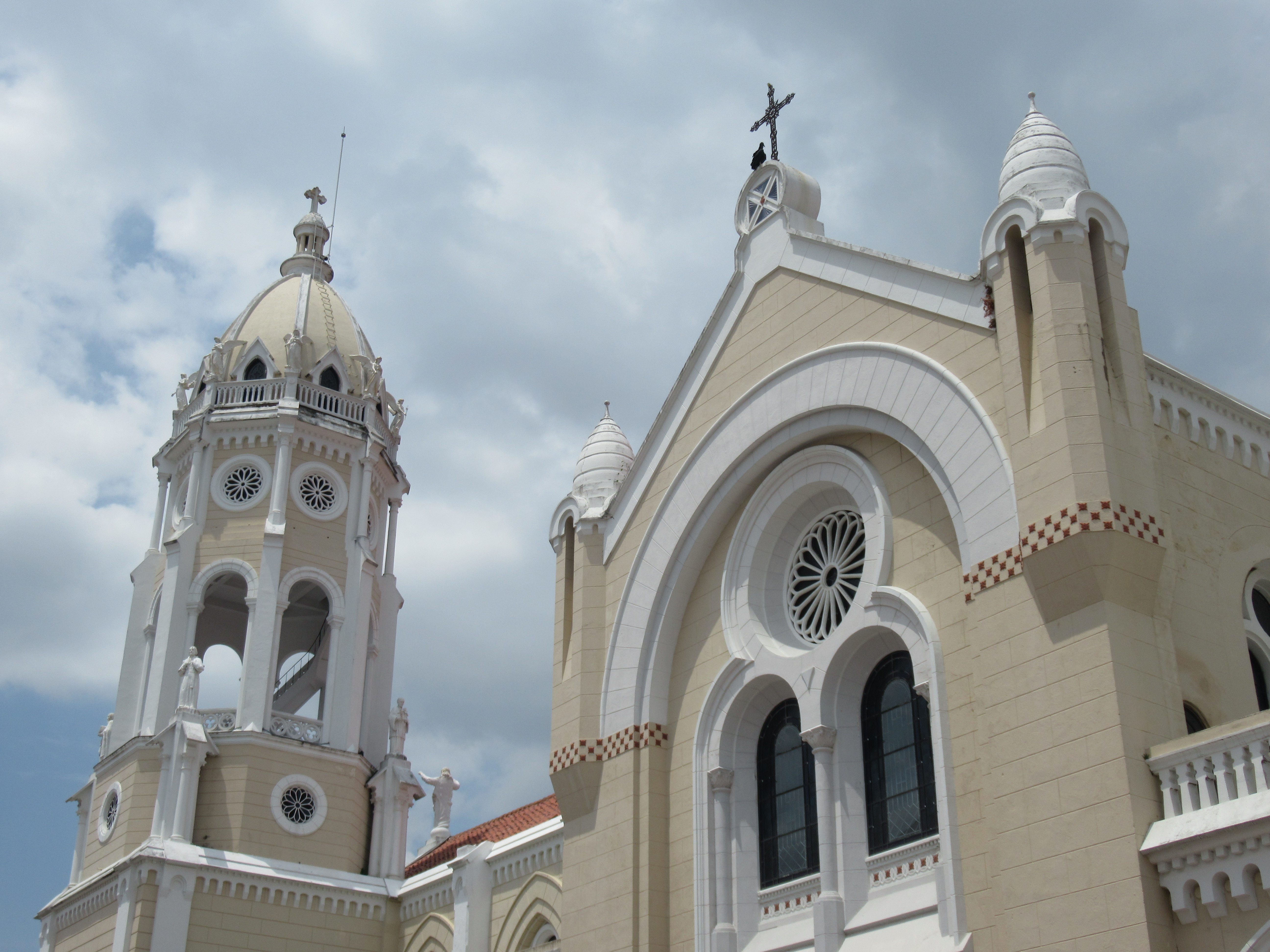
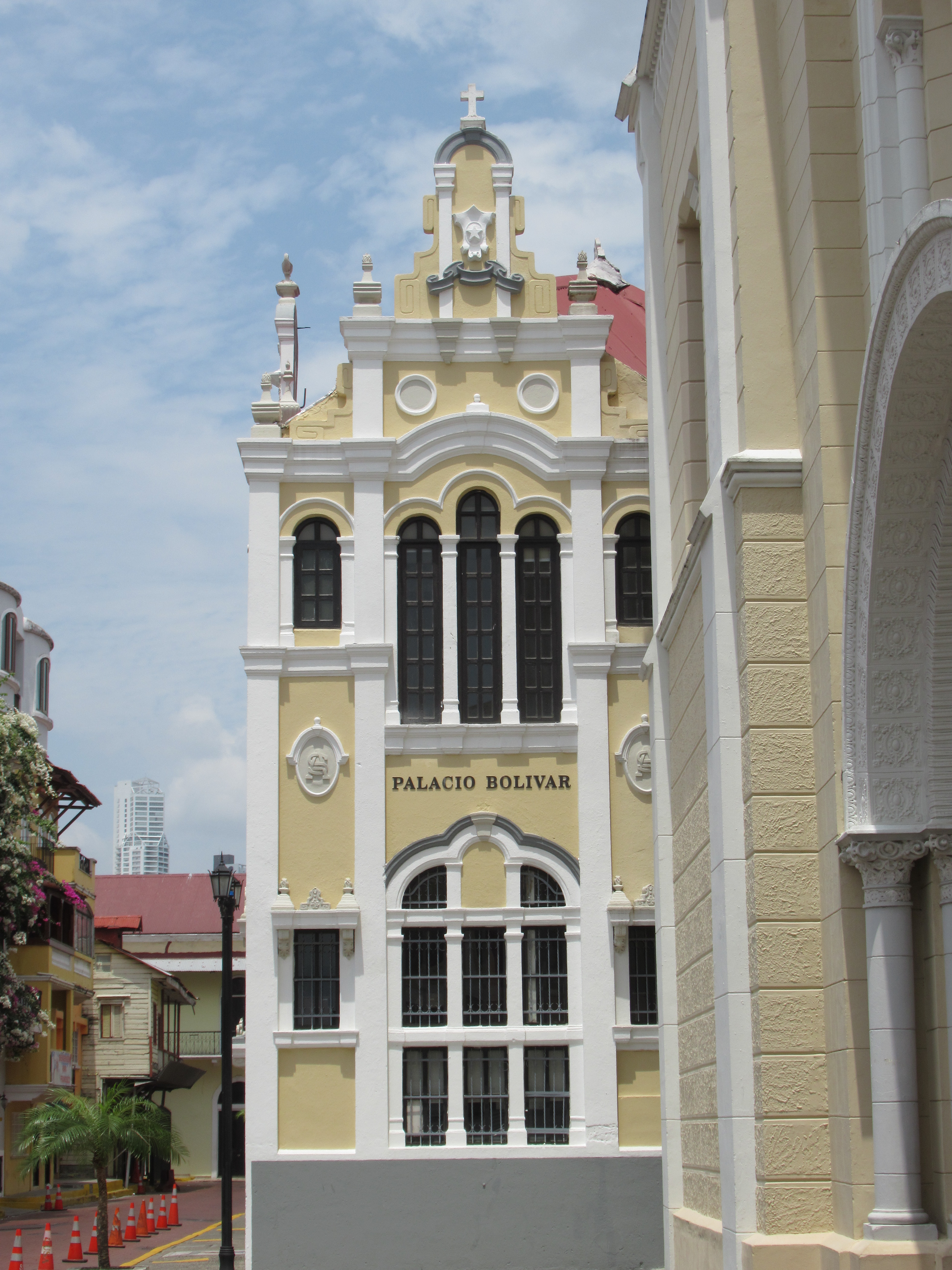
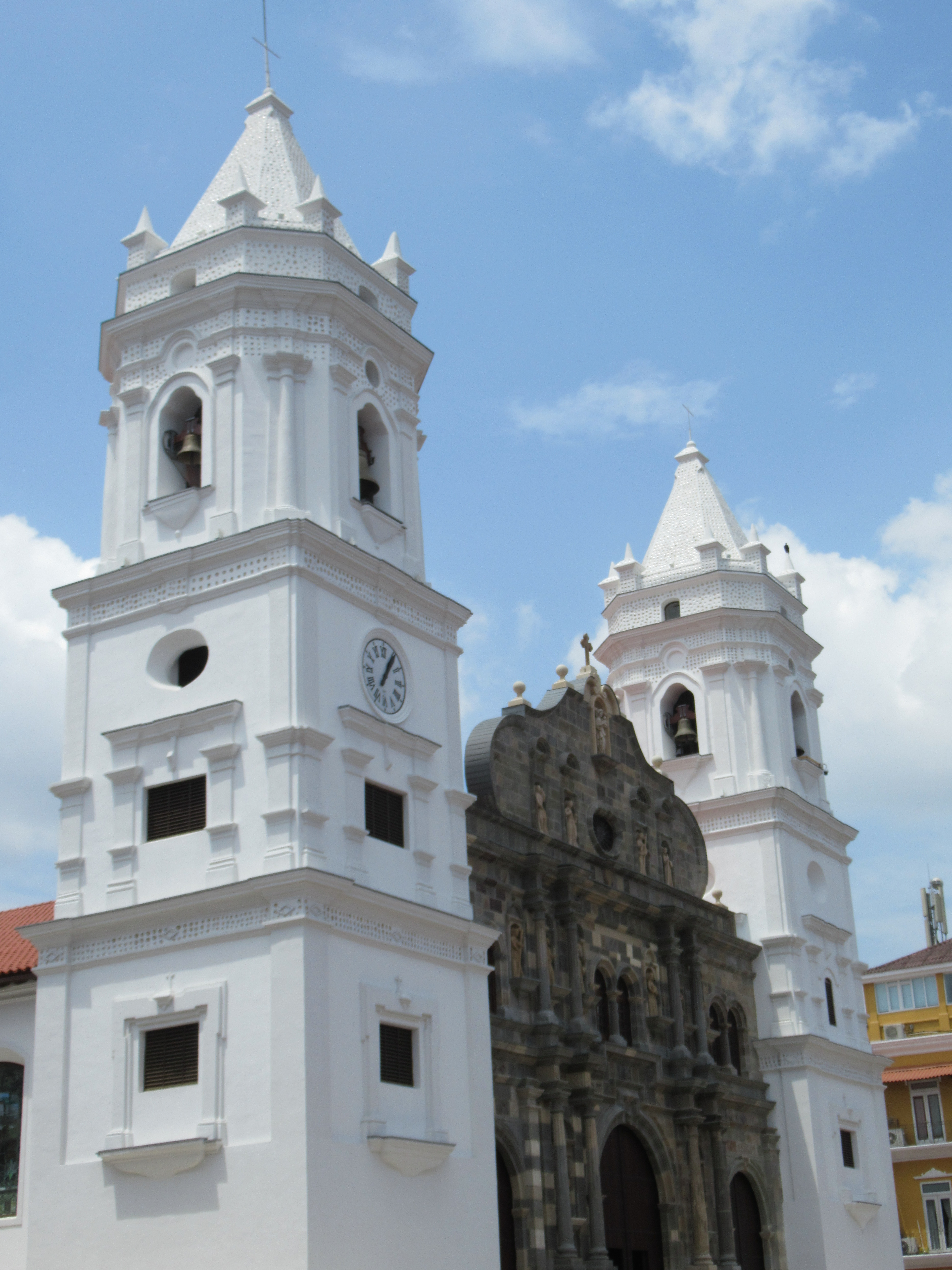
But this. The upgraded old town is stunning and architecturally fascinating. Very enjoyable walking around the cobbled streets but still some streets have newly refurbished buildings but adjacent are squalid apartments with locals that haven’t been forced out yet.

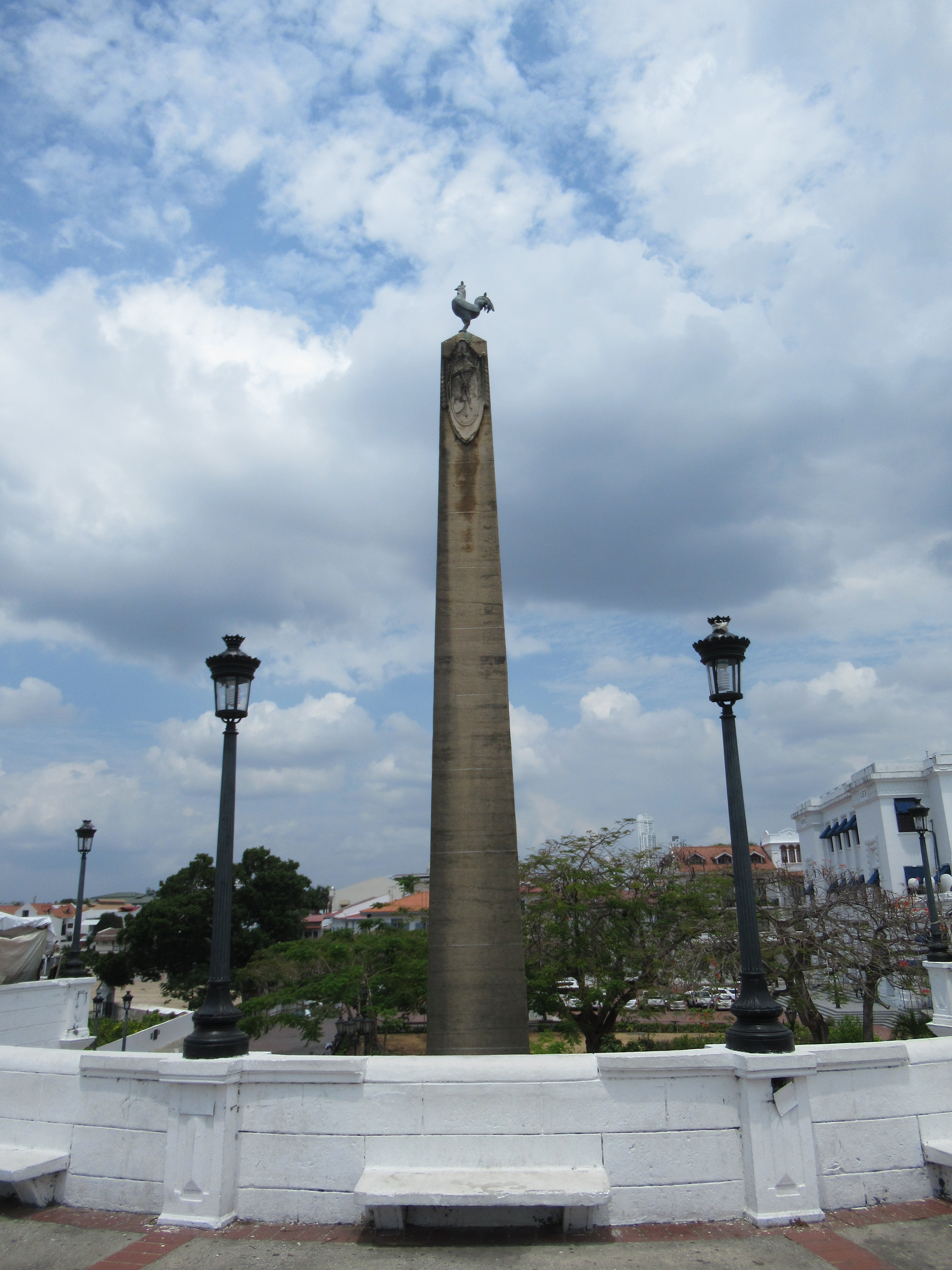
Outside the French embassy, a park contains an obelisk to commemorate the French that started the Panama Canal engineering. A plaque on one side of the obelisk opens inwards to reveal metal rungs to climb inside, to the top of the obelisk. Forego the pleasure, purely on account of it being very hot and humid.

Many of the tourist tat stalls have indigenous women, called ‘guna’ dressed in brightly coloured clothes. One stall has a selection of foreign coins for sale. One is a British 20 pence piece. Ask how much. It’s one dollar. Laugh and say it’s not worth that. To which the reply is, “Very rare, come from a long way.”

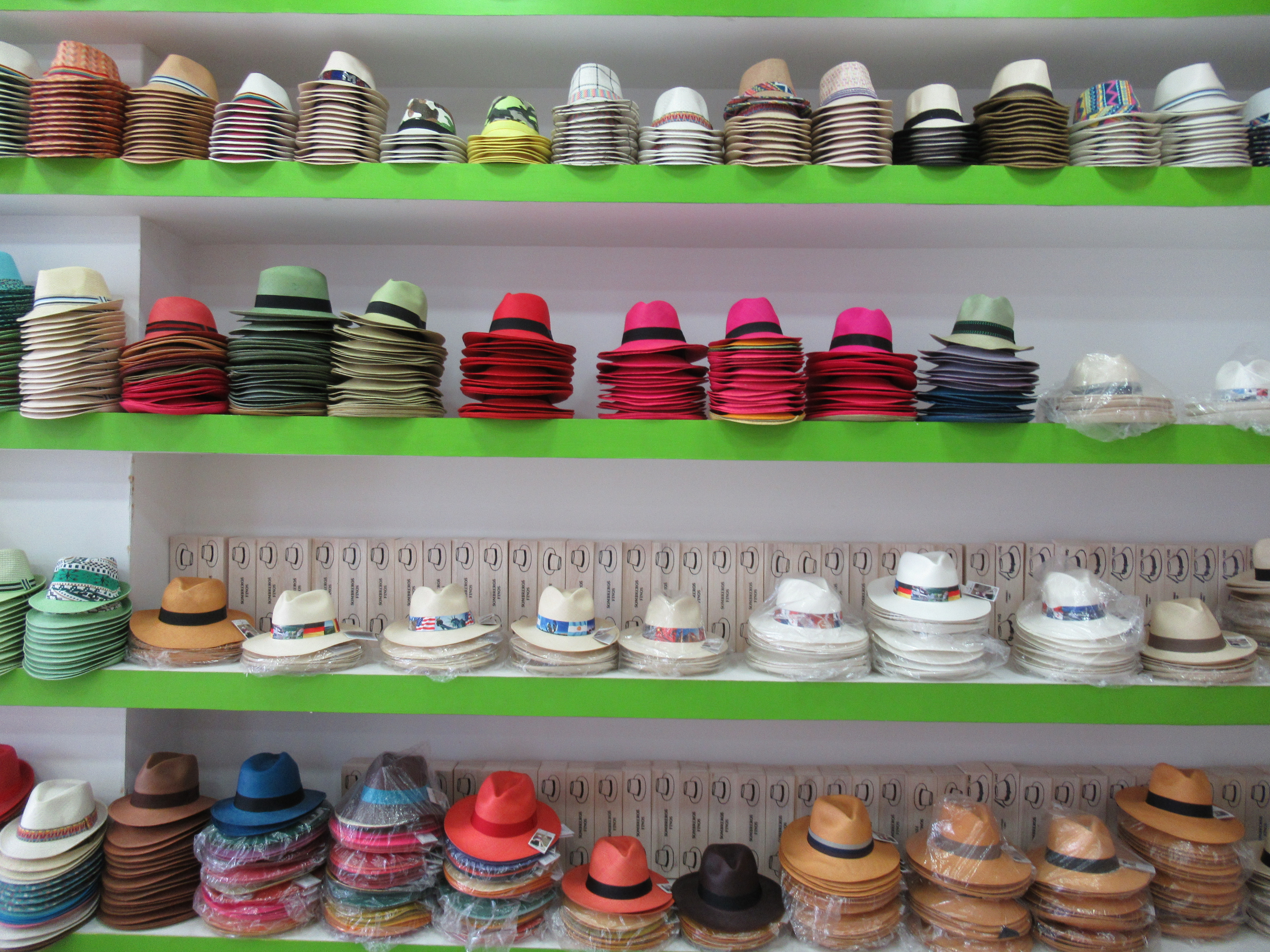
Local guide (from Leeds, remember) needs his Panama hat servicing. Of course, everyone knows that the Panama hat is actually made in Ecuador, don’t they? Treated to a comical shop assistant showing us how to care for and roll up a Panama hat. They roll up easily and are transported in balsa wood travel boxes. The last time I played with balsa wood was about 1981 when we all used to make models out of balsa. Remember?? There’ll be men of a certain age nodding sagely now and going, “Ah yes…I remember.” See the two YouTube videos below for a demonstration.

Back at the hotel, tour leader explains that we’re on and adventure tour and we’ll be using public transport throughout.

Hmmm. Not sure I booked an adventure holiday using public transport. I’m more of a private bus with air-conditioning, comfort and space type of holiday.

Fortunately, one of my travelling companions is the same height and build as me and it becomes clear we’re not going to be fitting into any ‘chicken buses’ any time soon.

Tour leader realises and promises he will try and arrange private buses where he can.

But.

We will be doing an 8hr journey tomorrow by public bus.

Really can’t wait for that.

70. Technician’s job

Saturday, 2 March 2019

Panama City, Panama


Having accumulated nineteen postcards since Buenos Aires, in need of a post office. Lo and behold, there’s one in the shopping centre adjacent the hotel. Easy peasy. For avid readers of the blog, you will recall the Bariloche post office escapade (blog post ‘25. A bit of faffing’). Hoping for something cheaper and easier today.

The post office is located at the back of a dimly lit open air shopping precinct. Very 1970s. Five counters, of which counters two and four have workers sitting behind them. Counter two has a customer so go to counter four. Counter four is busy gassing with her female co-worker and completely ignores me until co-worker acknowledges me and she turns to talk to me. Conscious of expensive stamps from being fleeced in Bariloche, I want to know how much it is first before I start sending nineteen postcards.

“How many?”, she asks.

“How much is it?”, I ask.

“How many?”, she repeats.

Price isn’t dependent on quantity missus, so please just tell me the price of one. It’s going to be a long day if we carry on like this.

Bearing in mind she’s sitting at counter four which is immediately next to the vacant chair at counter three, as it has no worker, she tells me to go to counter three.

Really?

Assuming that her co-worker she was gassing with, who is standing behind her, is actually counter three’s attendant, I sceptically step sideways to counter three.

And wait. Looking around non-plussed for some assistance in the small matter of finding out how much a sodding stamp is to the UK (and Germany, please note Miss Braunschweig).

After a few minutes waiting, she calls me back to counter four.

And she says those immortal words.

“We have no stamps. Come back Monday.”

WHAT?!?

It’s a clucking post office for cluck’s sake.

“But you must have stamps. It’s a post office. And anyway, how much is a stamp to the UK?”, says an irritated TT.

“We have no stamps. Come back Monday.”, she repeats.

Someone’s going to get a slap very soon.

Clear that I’m wasting my time. Stride out of post office, John Cleese like in his film ‘Clockwise’, saying to myself in a John Cleese manner, “Right!”

So, you’ll have to wait for your postcards to be posted until I get to Dallas.

Next on the shopping list is a Swatch watch battery.

Jump in taxi to the Multi Plaza shopping mall. A big, modern, clean mall. Not like the grubby place I’ve come from.

It’s only after a few minutes that I notice that there’s no ignition key and see a load of wires straddled across the driver’s knee.

He’s hot wired the taxi.

The mall taxi drop off necessitates stopping at a barrier to get a ticket. The taxi stalls. He has to connect the wires across his knee to start the engine. Bizarre.

You would think that the Swatch watch shop would sell batteries for its Swatch watches.

You would, wouldn’t you?

Er no.

Directed to the Seiko watch shop on the ground floor some distance away.

Off I traipse. Losing the will to live today.

Seiko watch shop a posh shop.

Sharply suited Seiko shop assistant says hello, how may I help you.

Explain.

Told to come back in 15 minutes as the technician is at another shop at the moment.

WHAT?!

Don’t need a sodding technician. Just sell me a sodding battery. Please.

Getting grumpy dealing with muppetry now.

Nope. Not allowed. It’s a technician’s job.

No it clucking well isn’t!! He is told.

Take watch off and ask him to just sell me the battery. I’ll do the rest. More than qualified.

He takes watch and disappears to the backshop.

Moments later he returns. Explains that he can’t sell me a battery on its own. A technician needs to fit it. Come back in 15 minutes.

Further explains that he can’t sell me a battery. As he doesn’t know what battery type it is.

Lose it.

Words are said.

Take the battery out myself and give the old one to him. Sensing my increasing irritation, he thinks better of it and returns to his little backshop office. The noise of drawers being opened can be heard and he quickly returns with the correct battery. Takes me all of 10 seconds to put new battery in and close the cover.

Not exactly a technician’s job is it!

Taxi back to hotel. Taxi at the mall’s taxi rank demands US$7. Have paid US$4 to get here. There’s no negotiation he says.

And with that walk a few steps across the car park to the road and grab a taxi for US$4 back to hotel.

Muppets.

All of them.

69. The Panama Canal

Friday, 1 March 2019

Panama City, Panama


Have always wanted to go through the Panama Canal ever since I was a kid in the 1970s and read about the construction of it in one of my Grandfather’s old encyclopaedias.

Only taken 40 years to achieve.

Today entails a partial southbound transit from the docks at Gamboa (about half way along) to the Flamenco Marina in Panama City. Takes about four and a half hours to do this partial transit but 8hrs for the Full Monty from Colon on the Caribbean to Panama on the Pacific.

Set sail aboard the Pacific Queen. A pleasure boat consisting of open air top deck and two air-conditioned decks. Have to stay on the top deck for the simple reason that the floor to ceiling height of the air-conditioned decks is about 1.85m. About 10cm shorter than I am. Only manage to crash my head into a smoke detector twice.

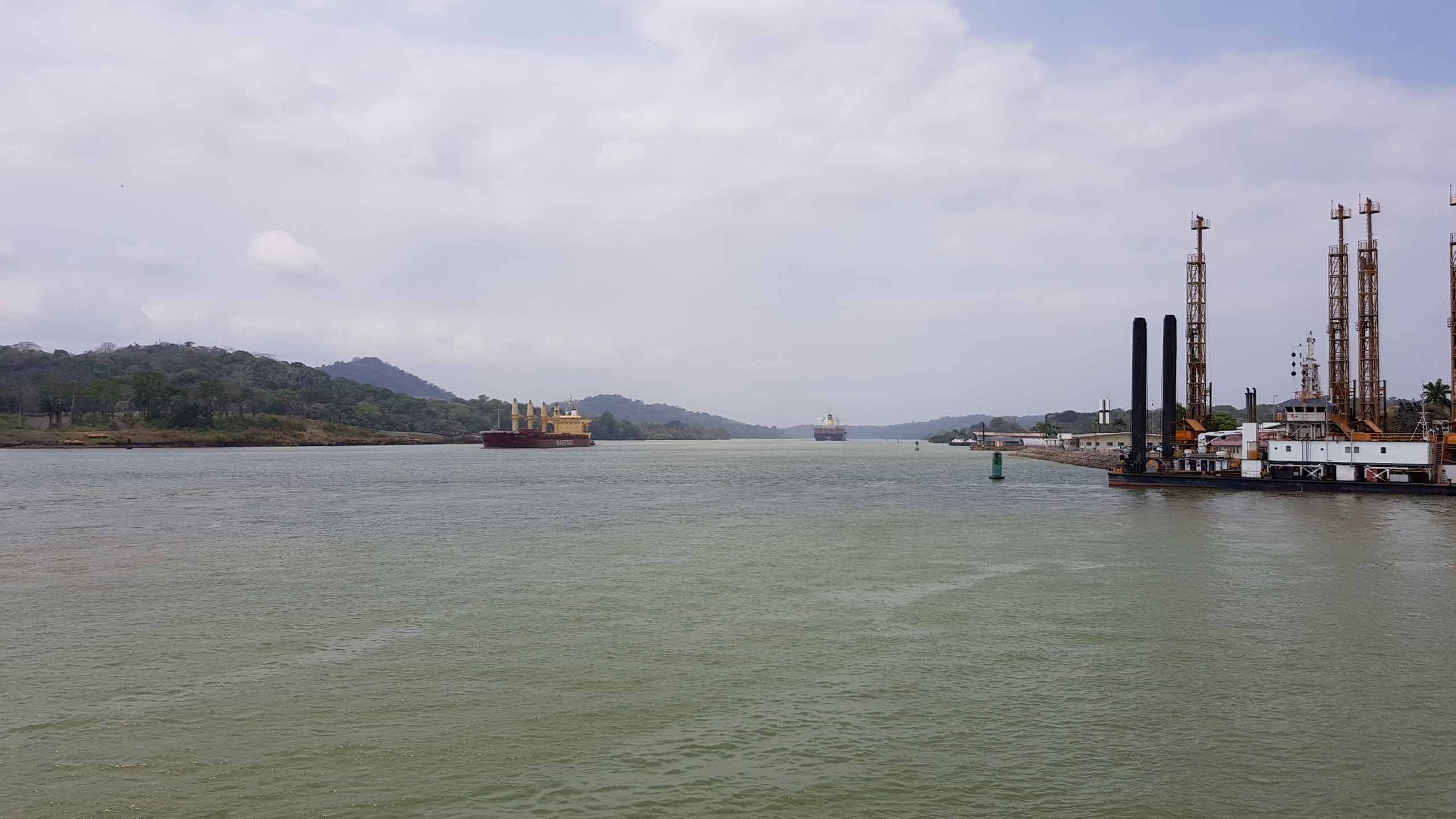
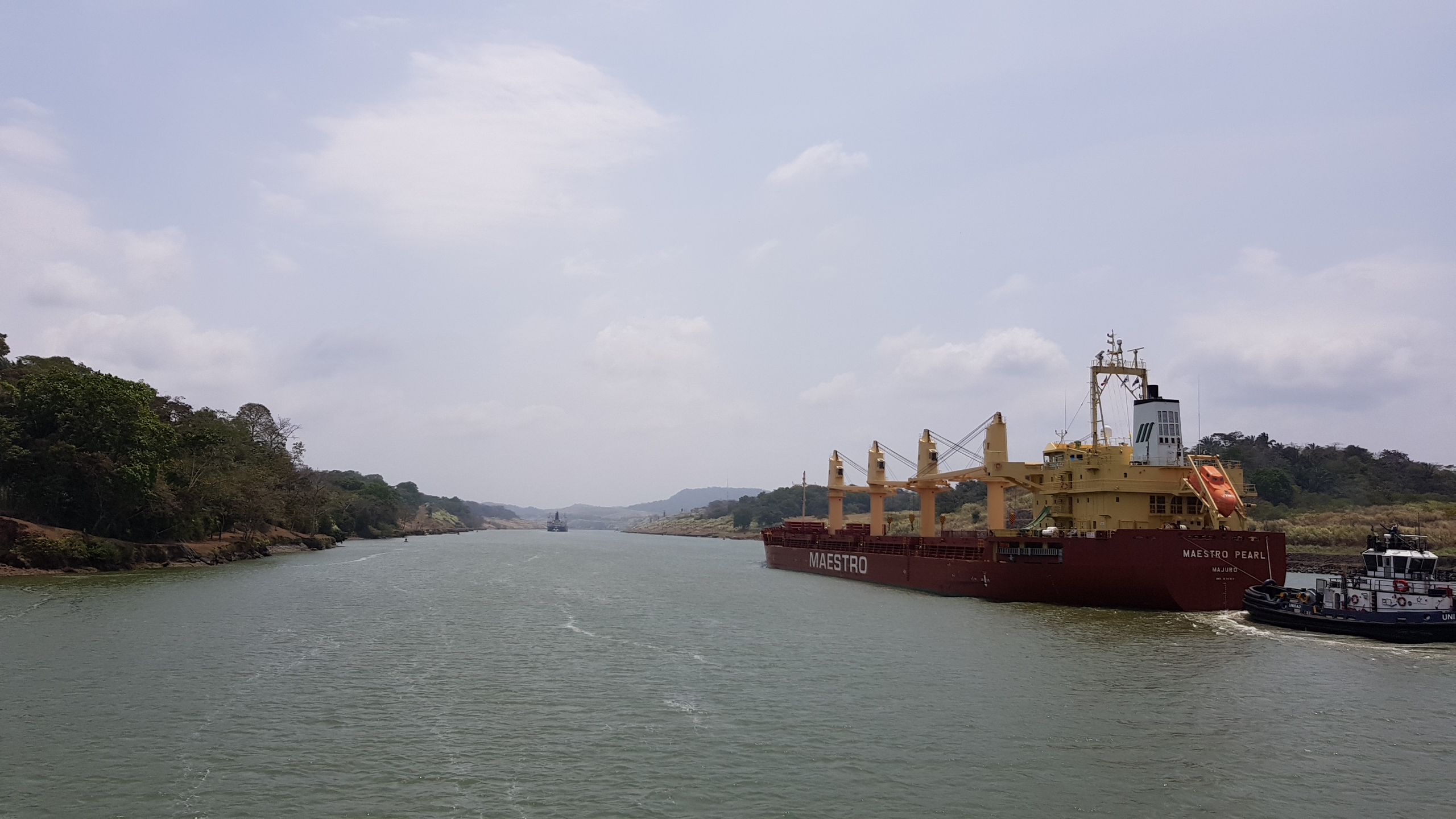
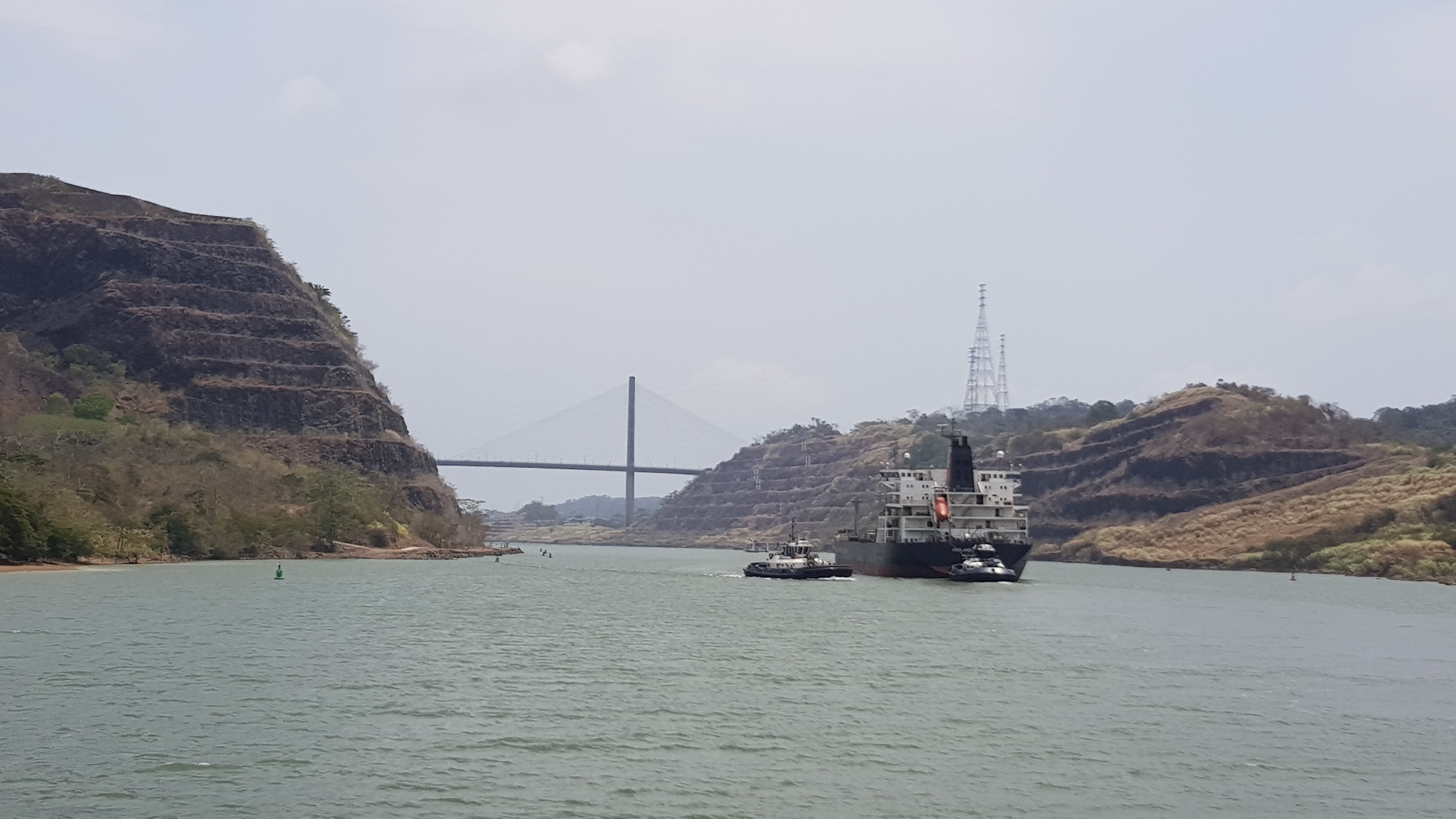
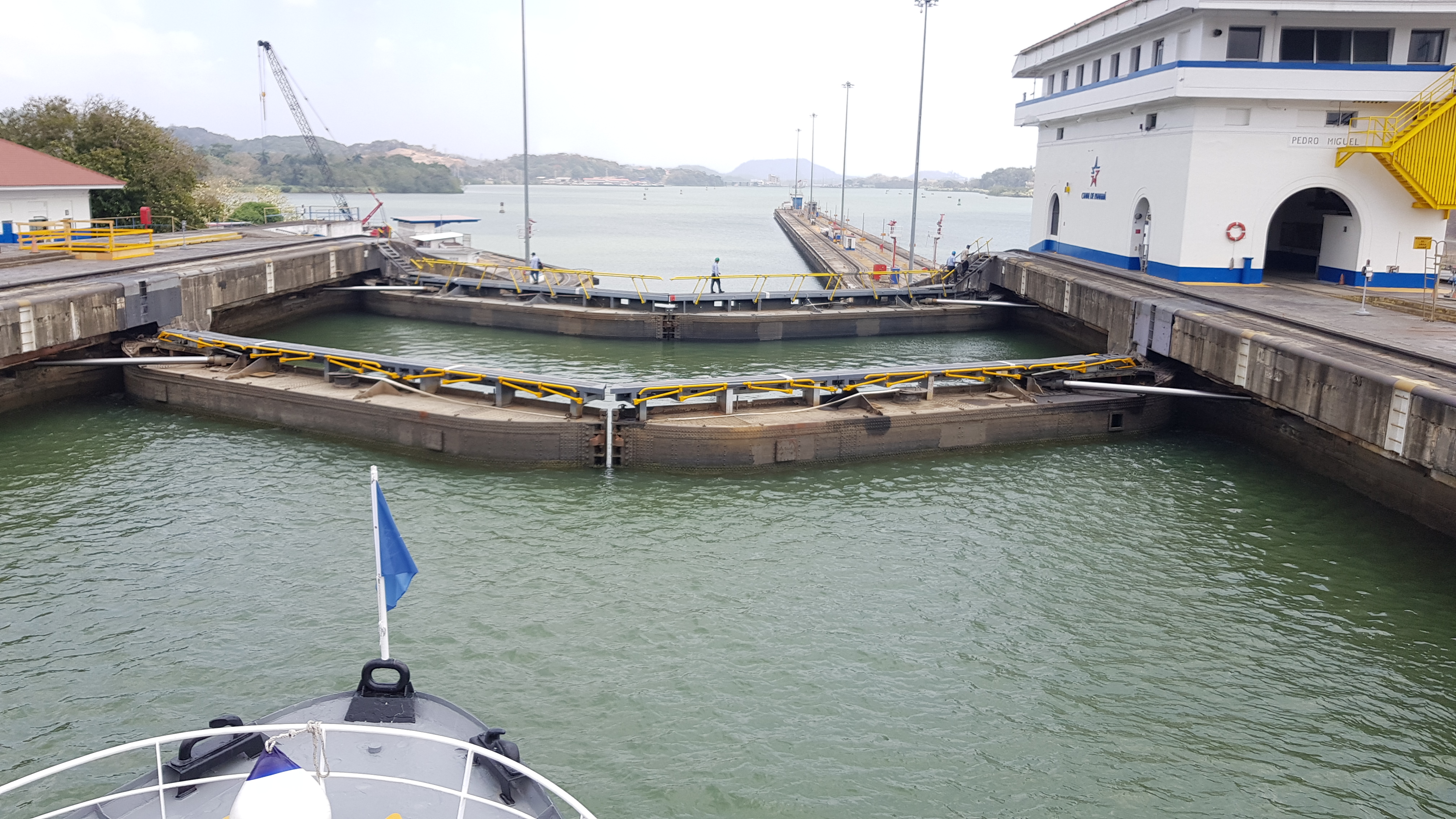
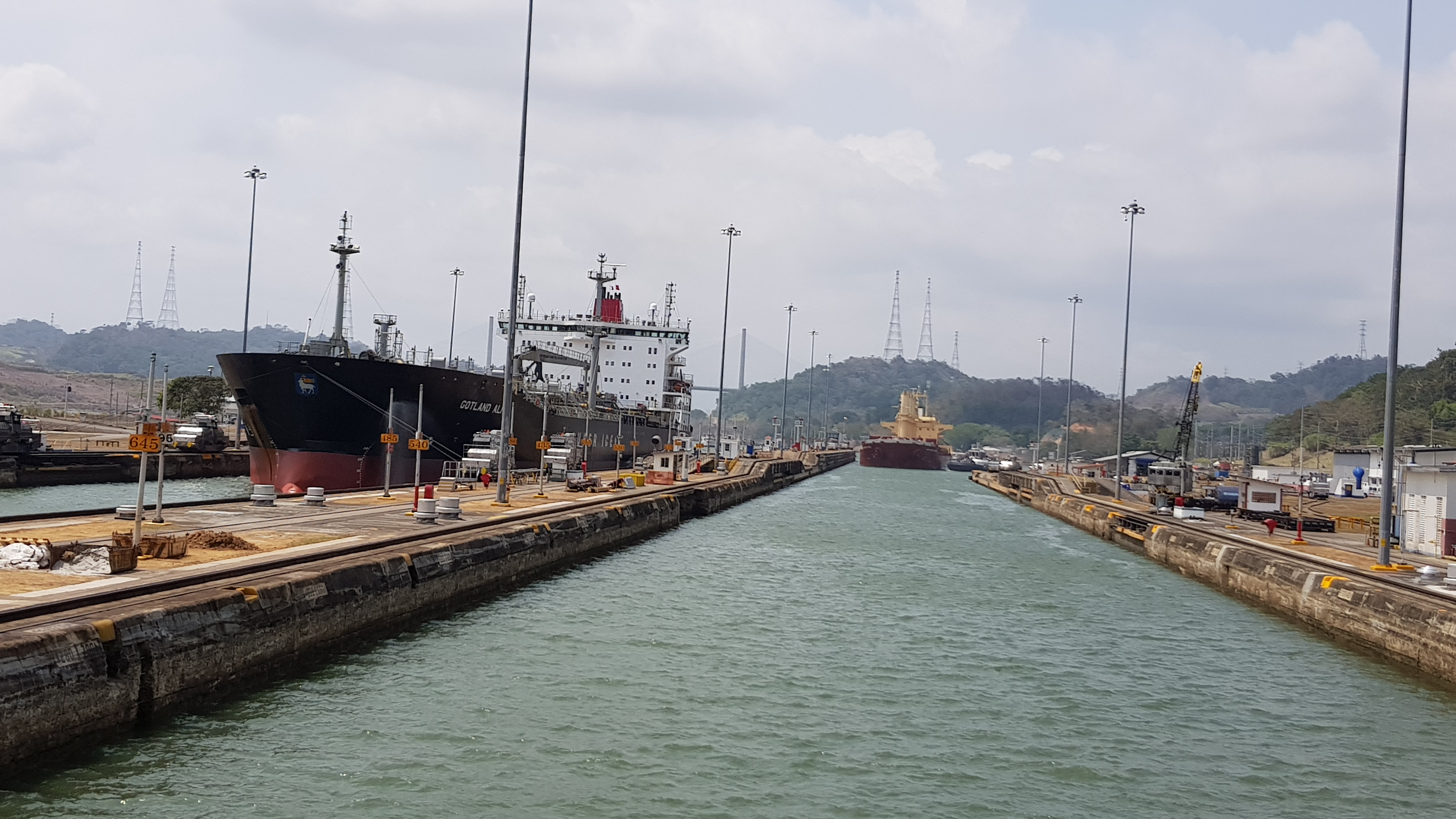
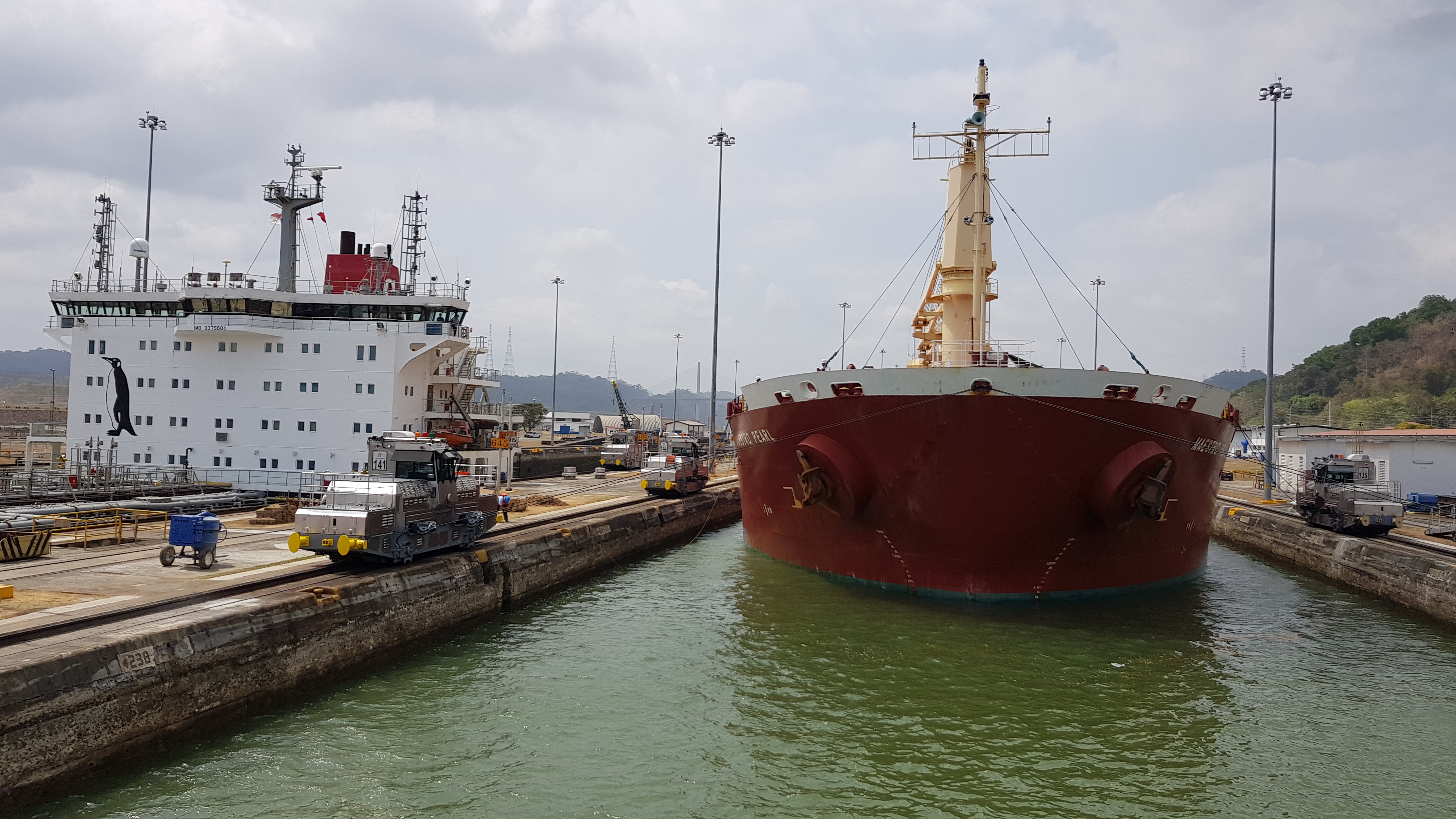
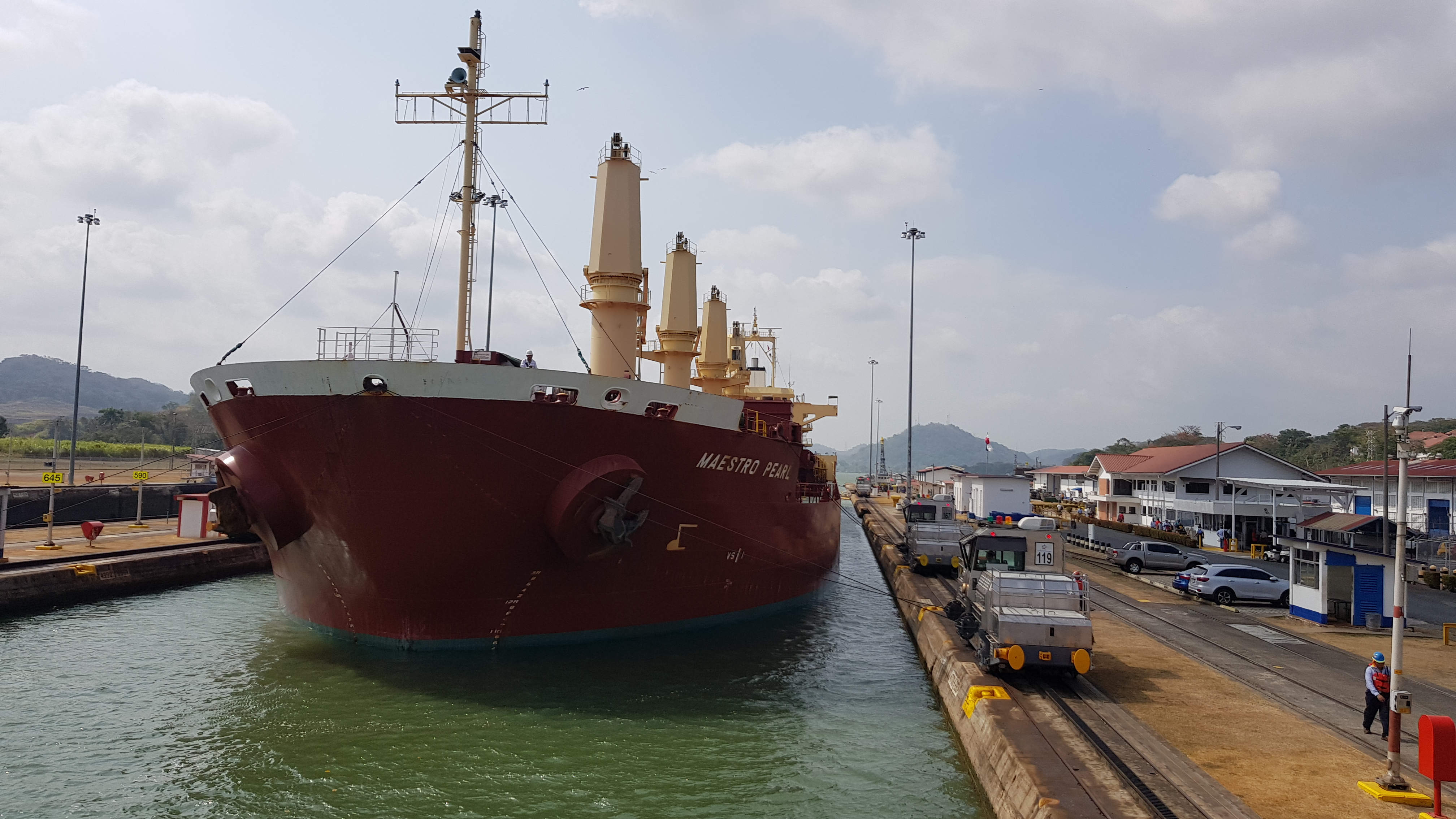
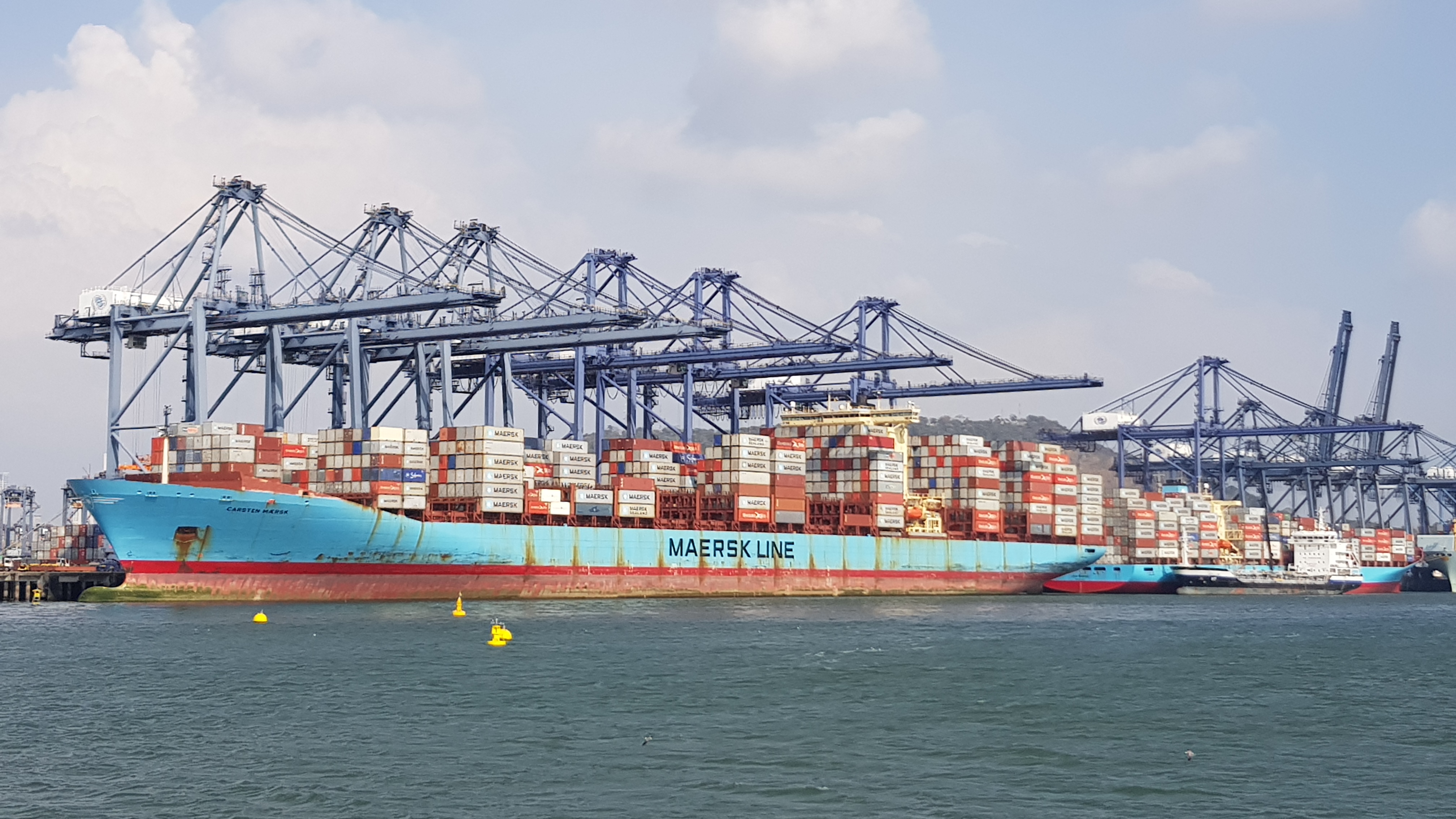
In transit with another pleasure cruiser and the bulk carrier Maestro Pearl. Another ship, the Gotland Aliya, also sailing along at the same time but that will be using the other lock to transit whilst the three of us squeeze into one lock.

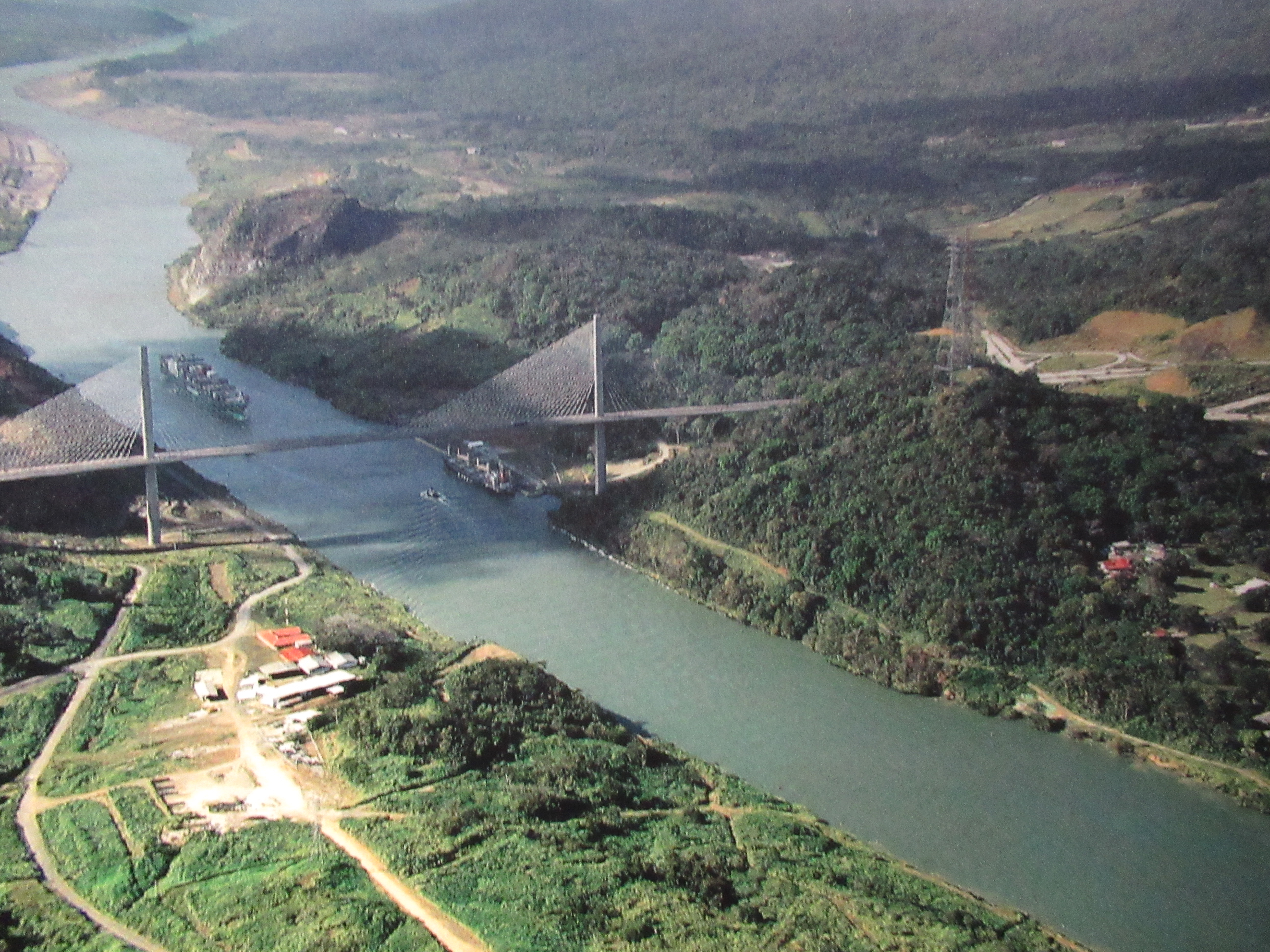
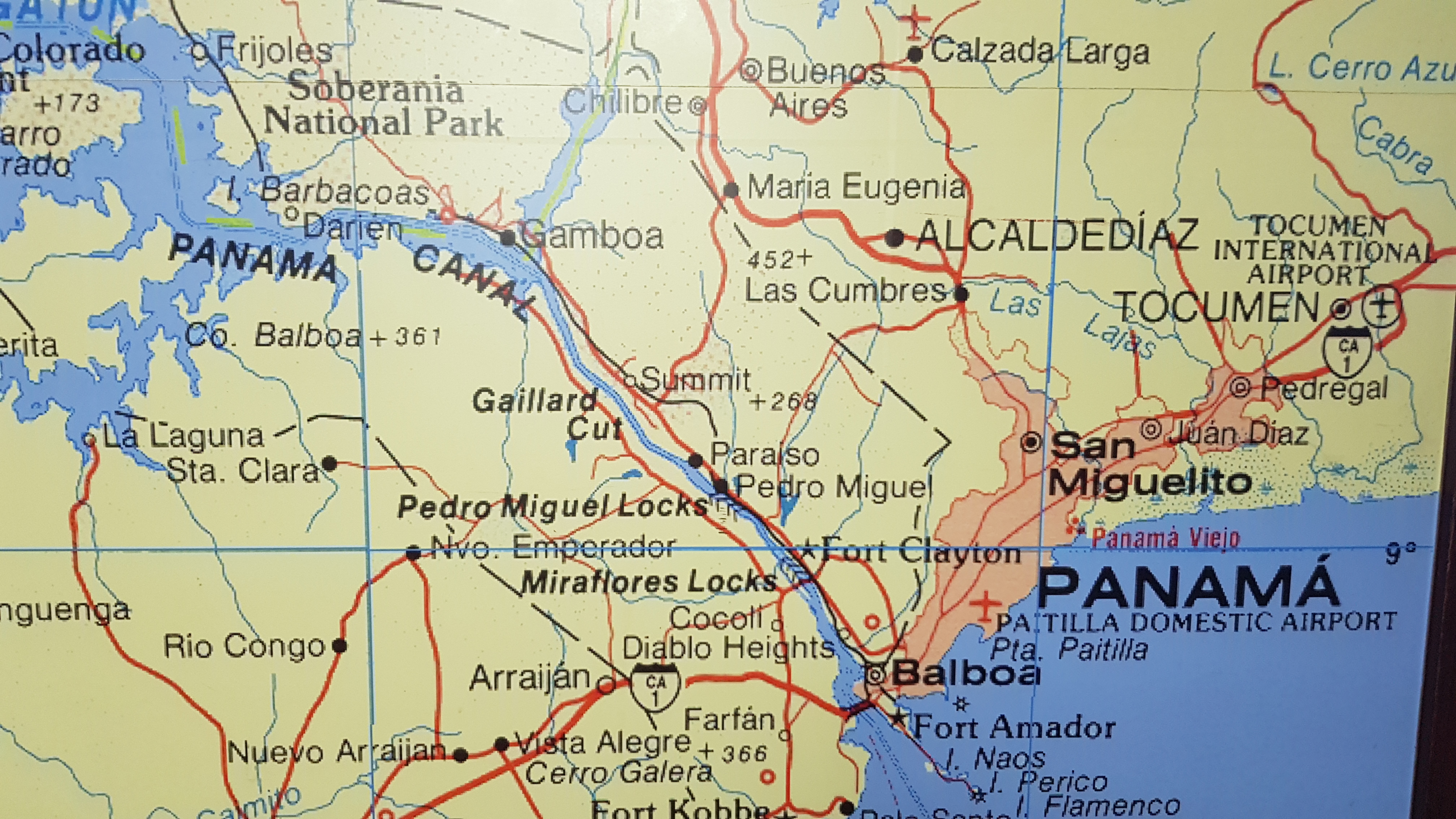
Construction commenced in 1904 and was completed in 1914. The Panama Canal basically consists of connecting the Pacific and the Caribbean by the Gatun lake, which is at a higher level than the sea, hence the reason for the three locks. Gatun Locks near Colon on the Caribbean side and the Pedro Miguel and Miraflores Locks near Panama on the Pacific side.

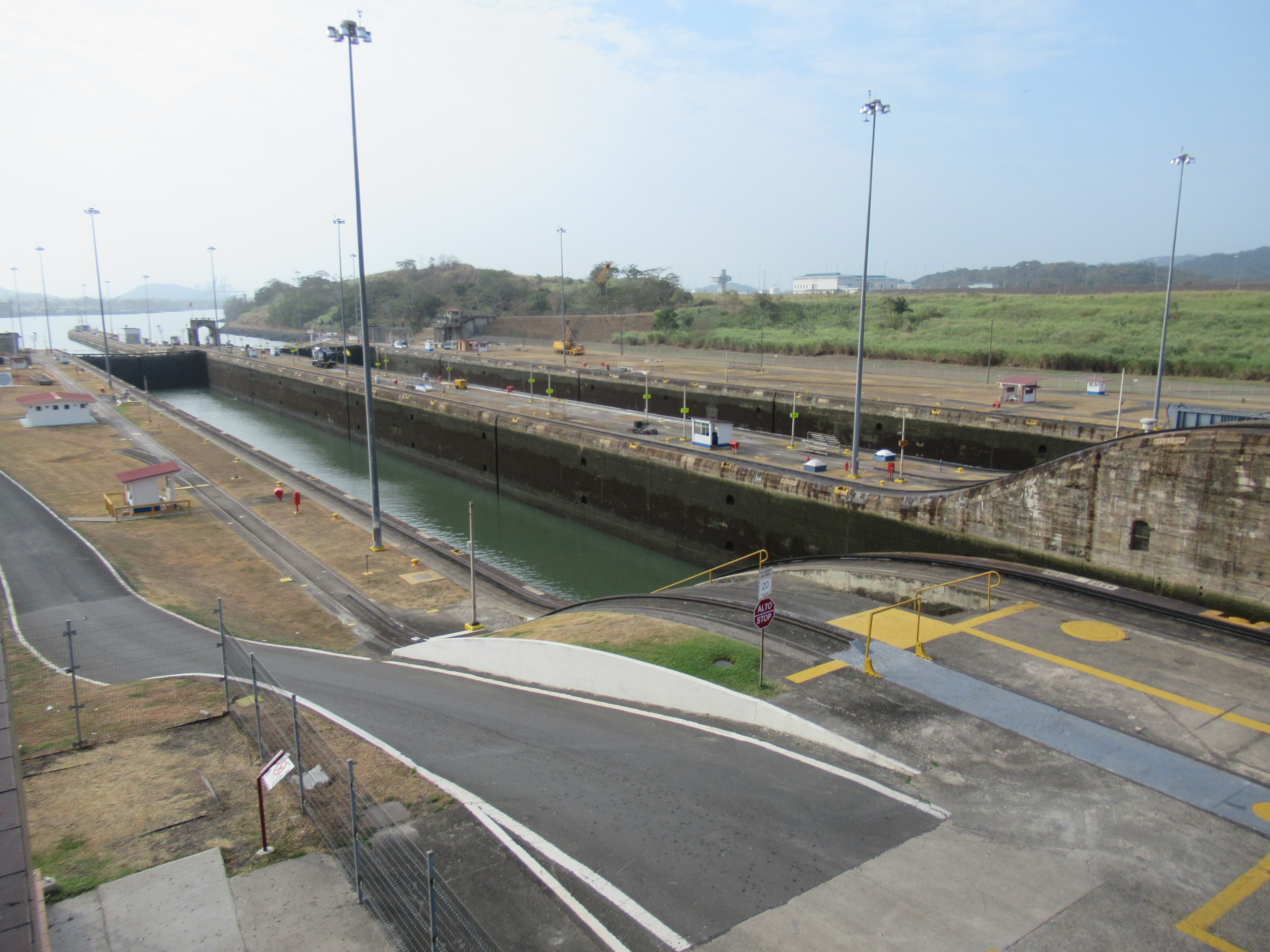
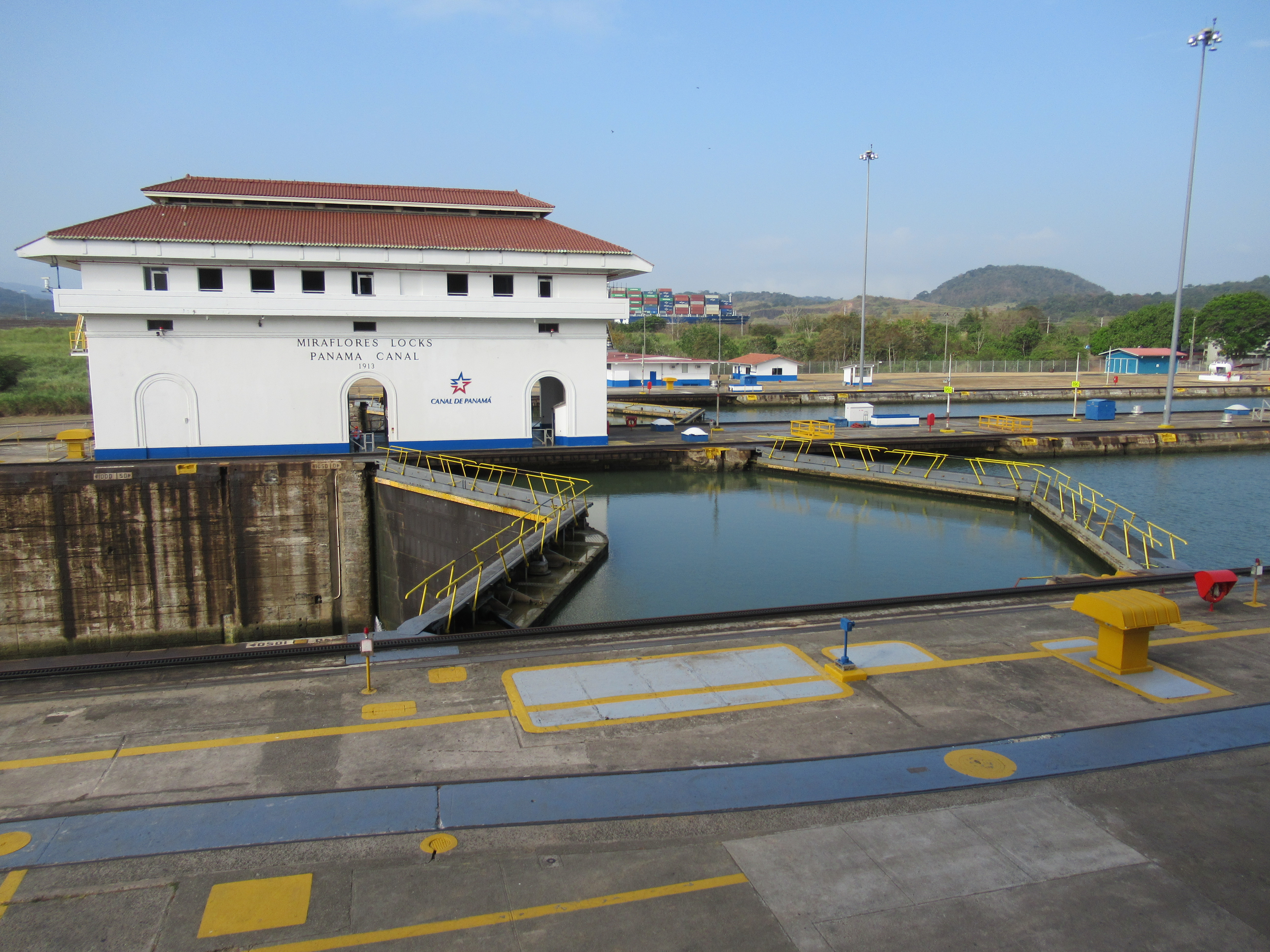
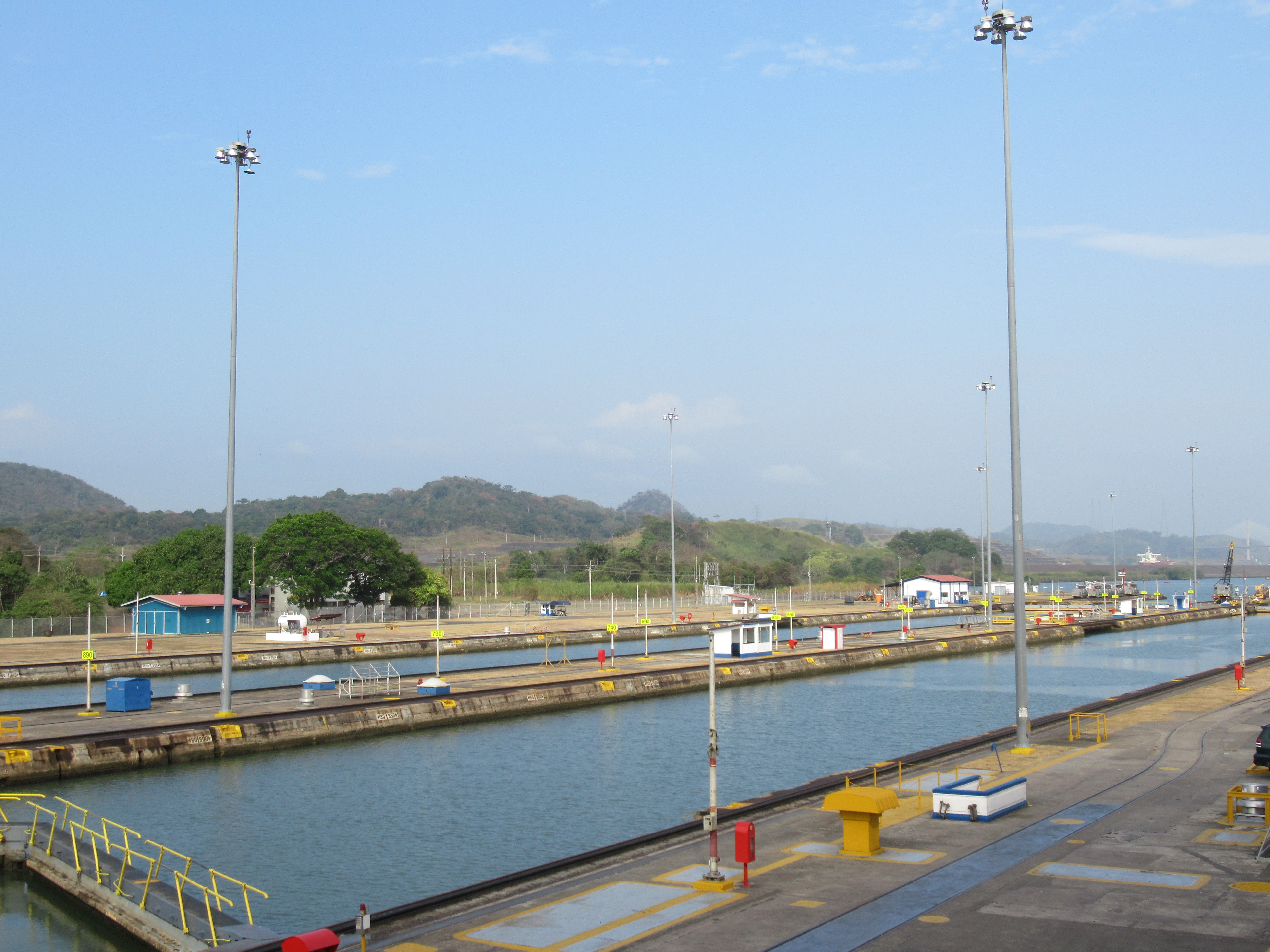
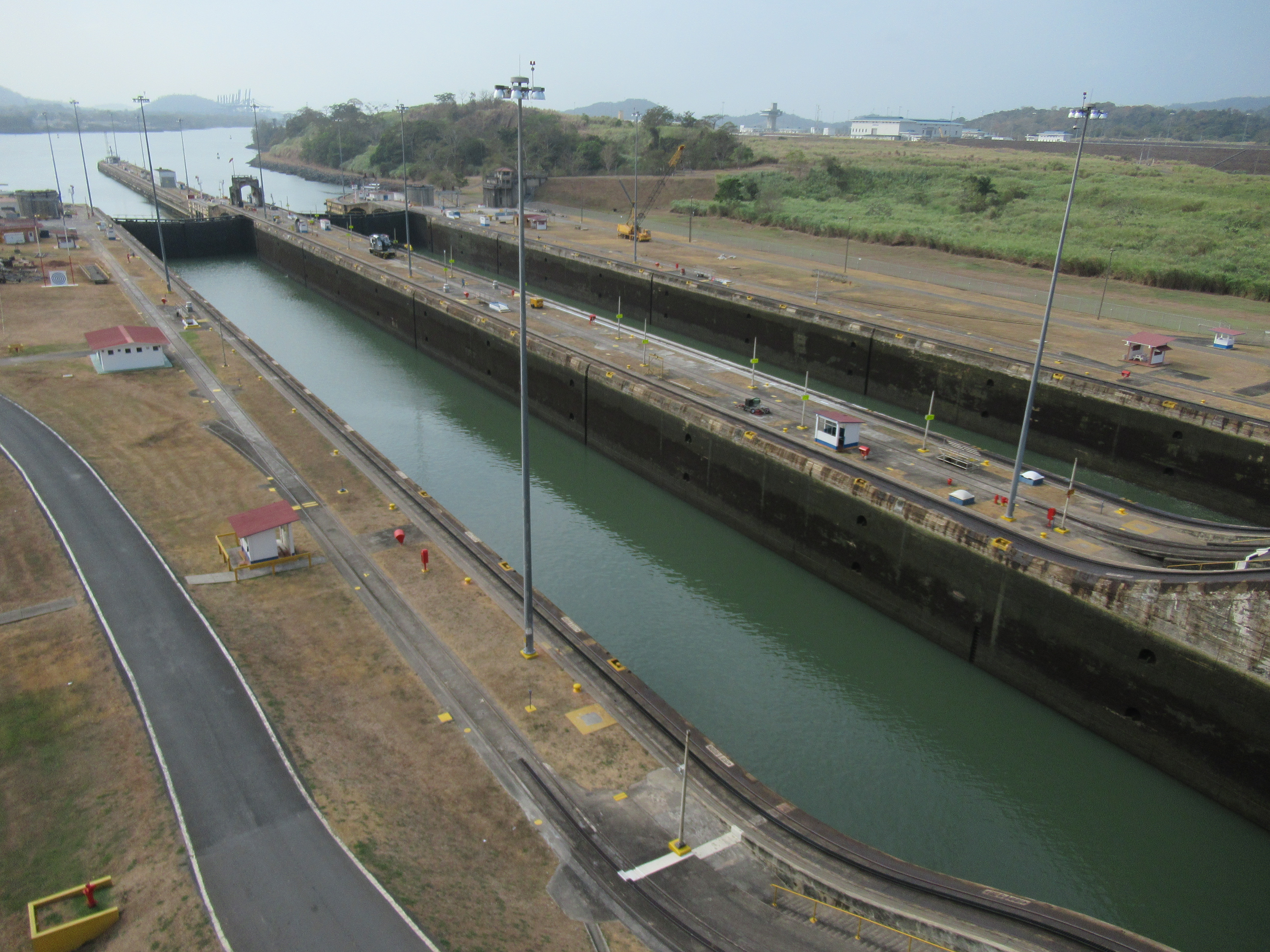
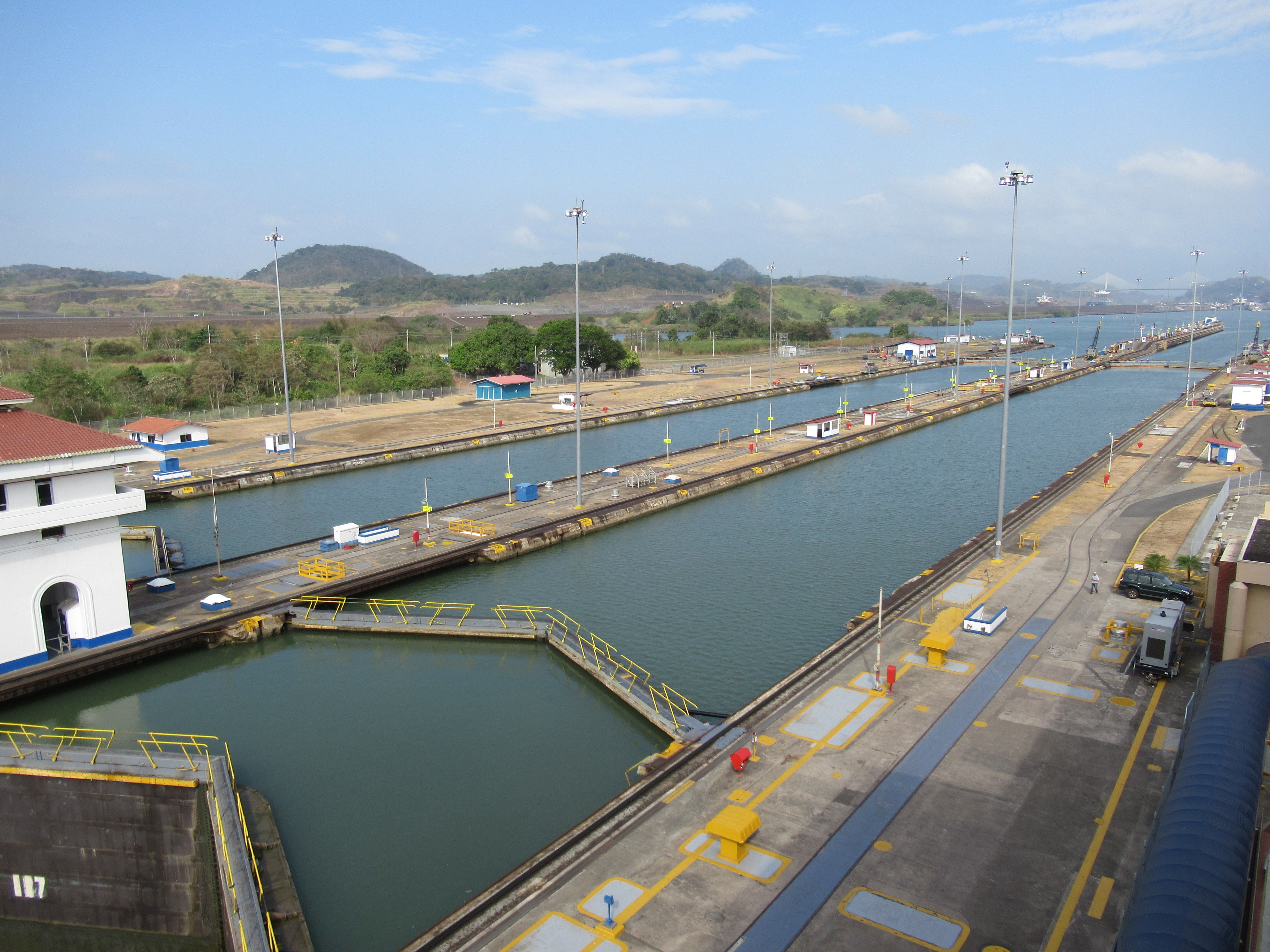
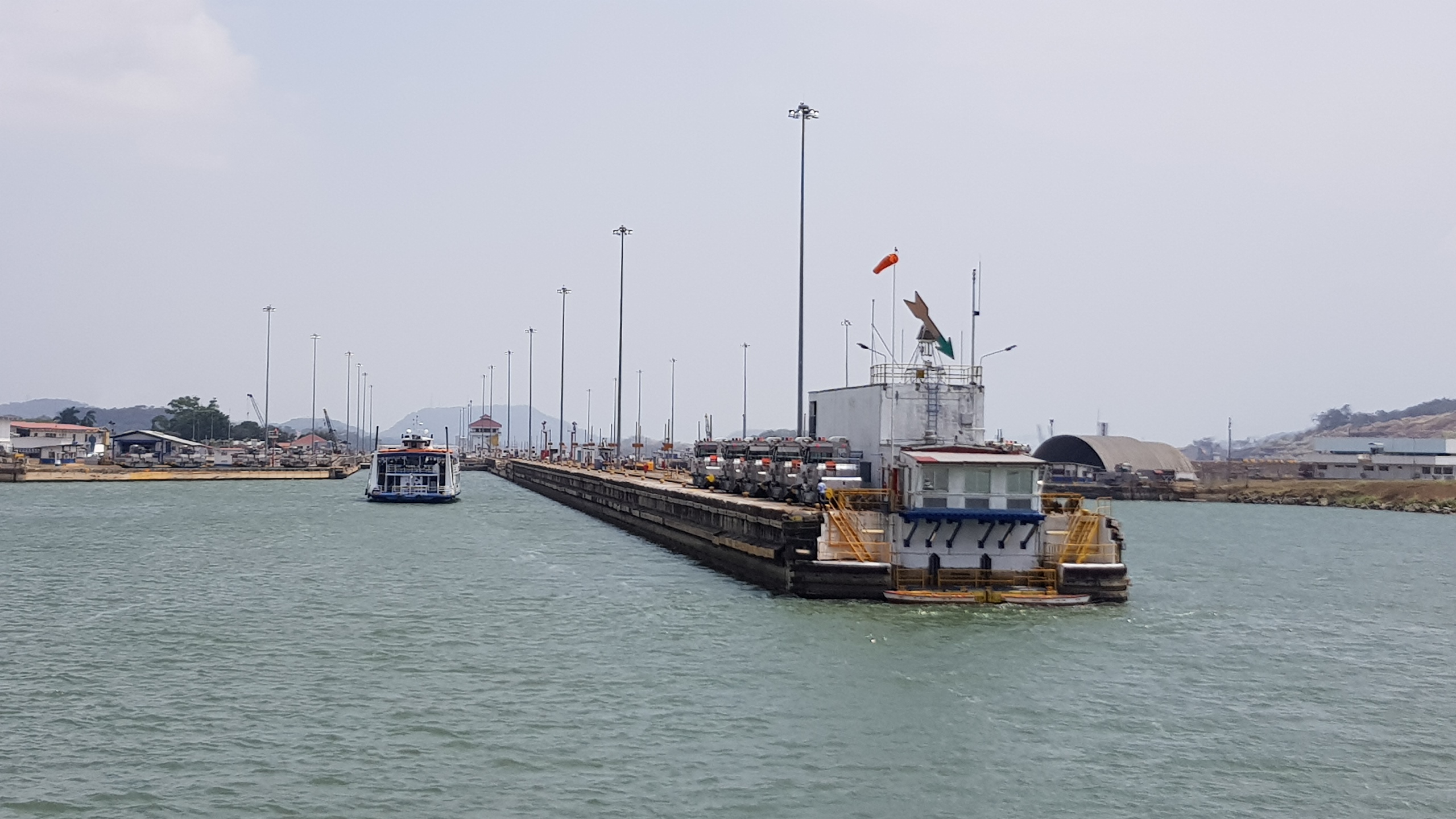
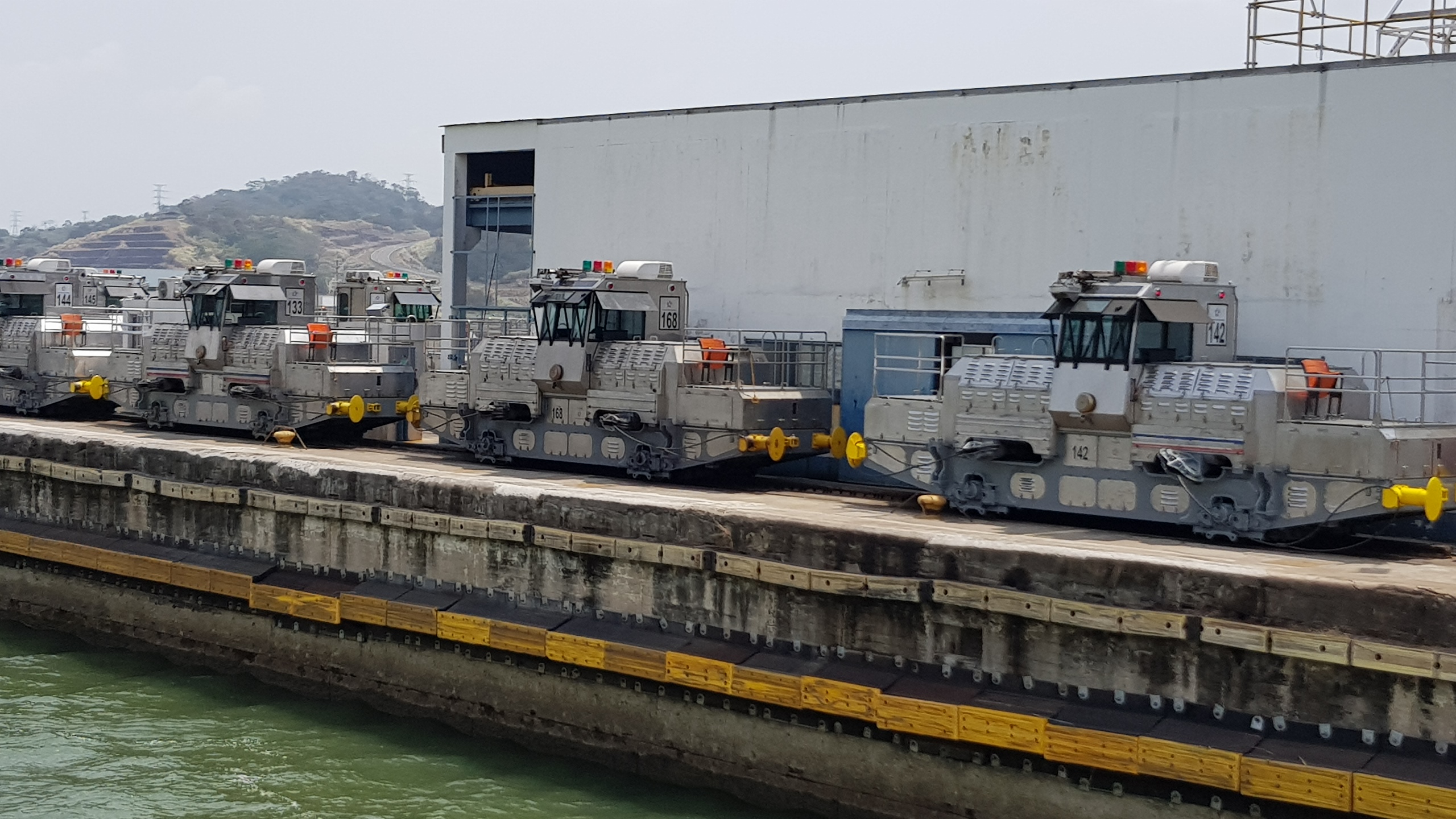
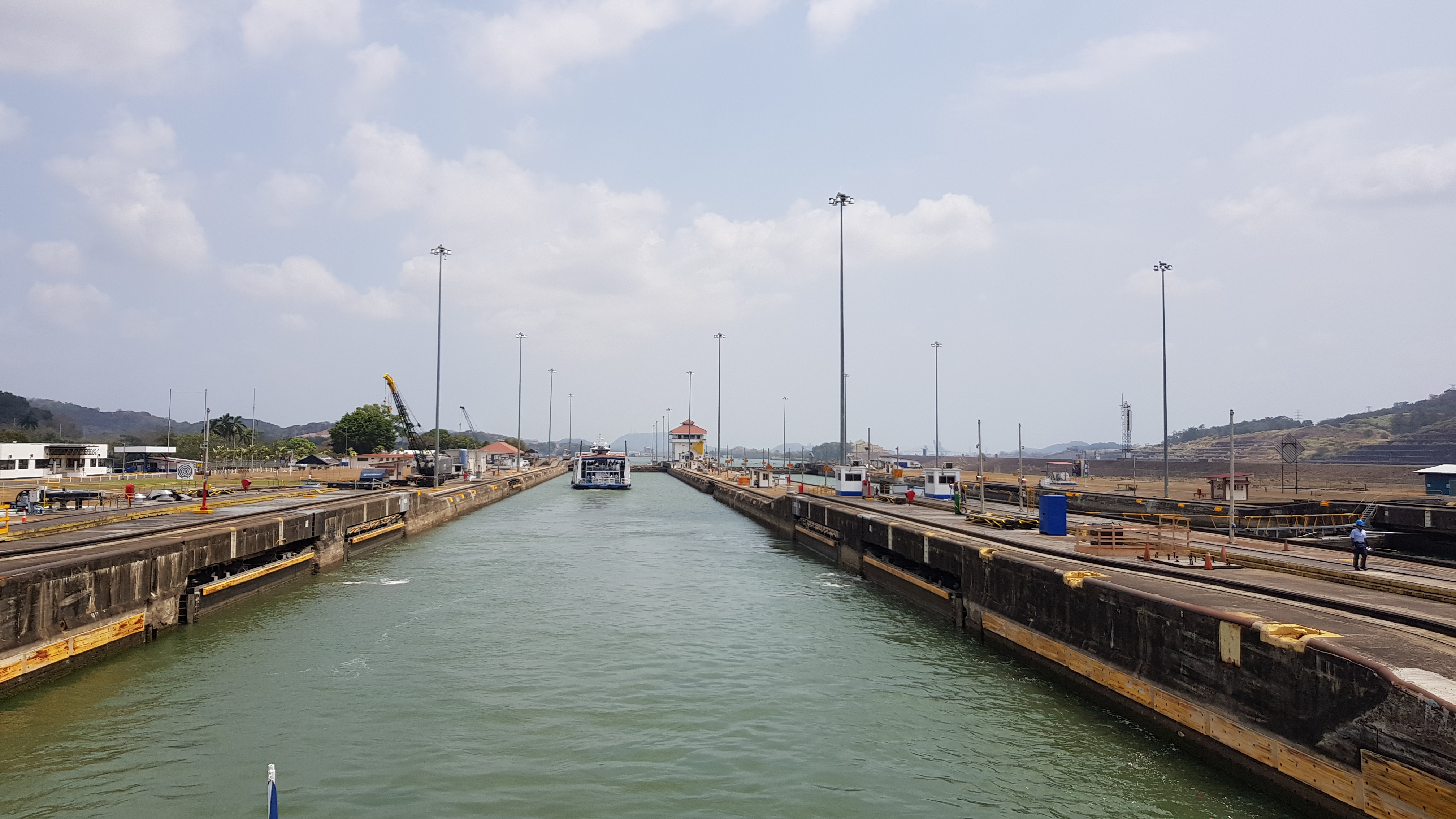
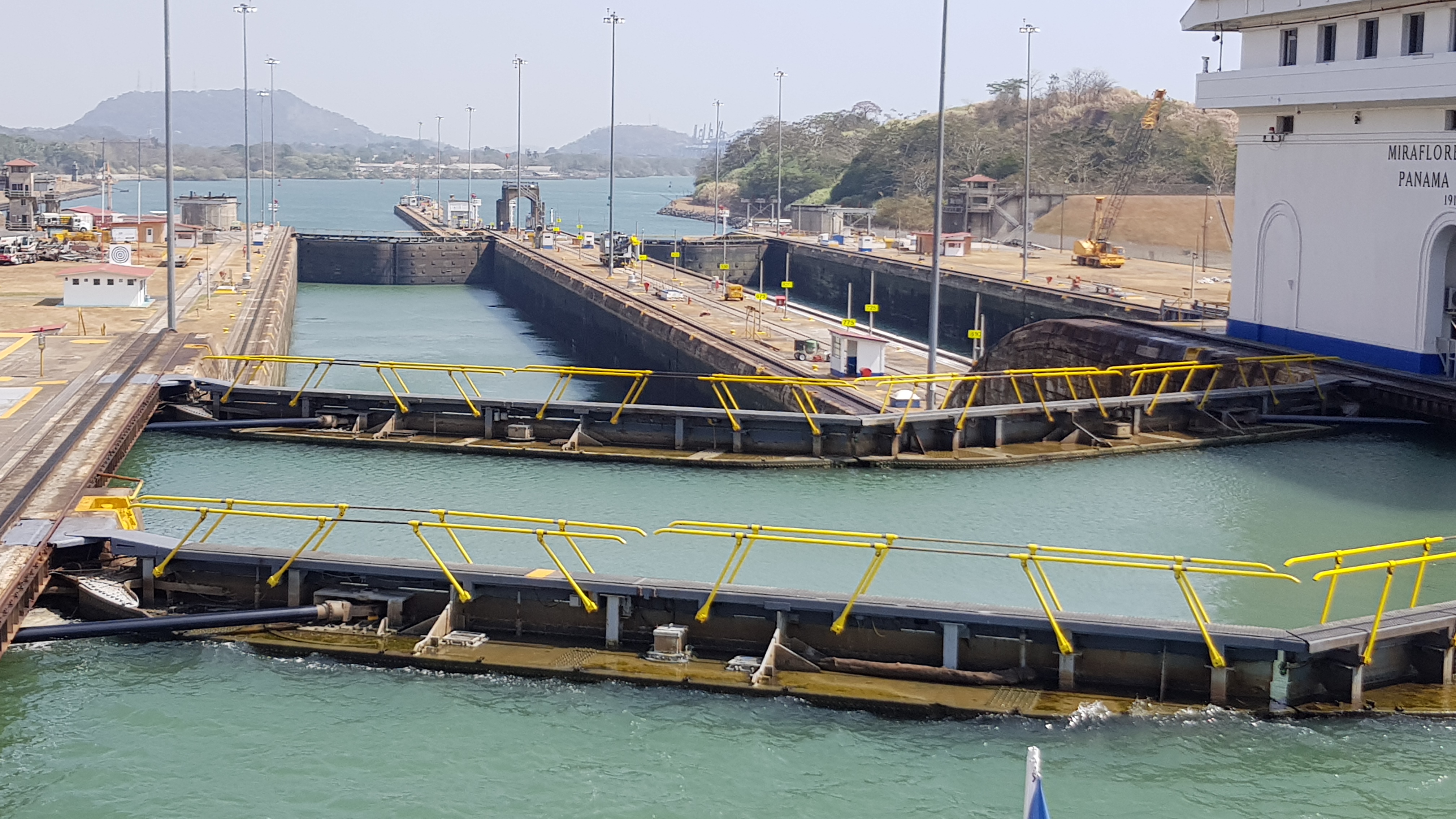
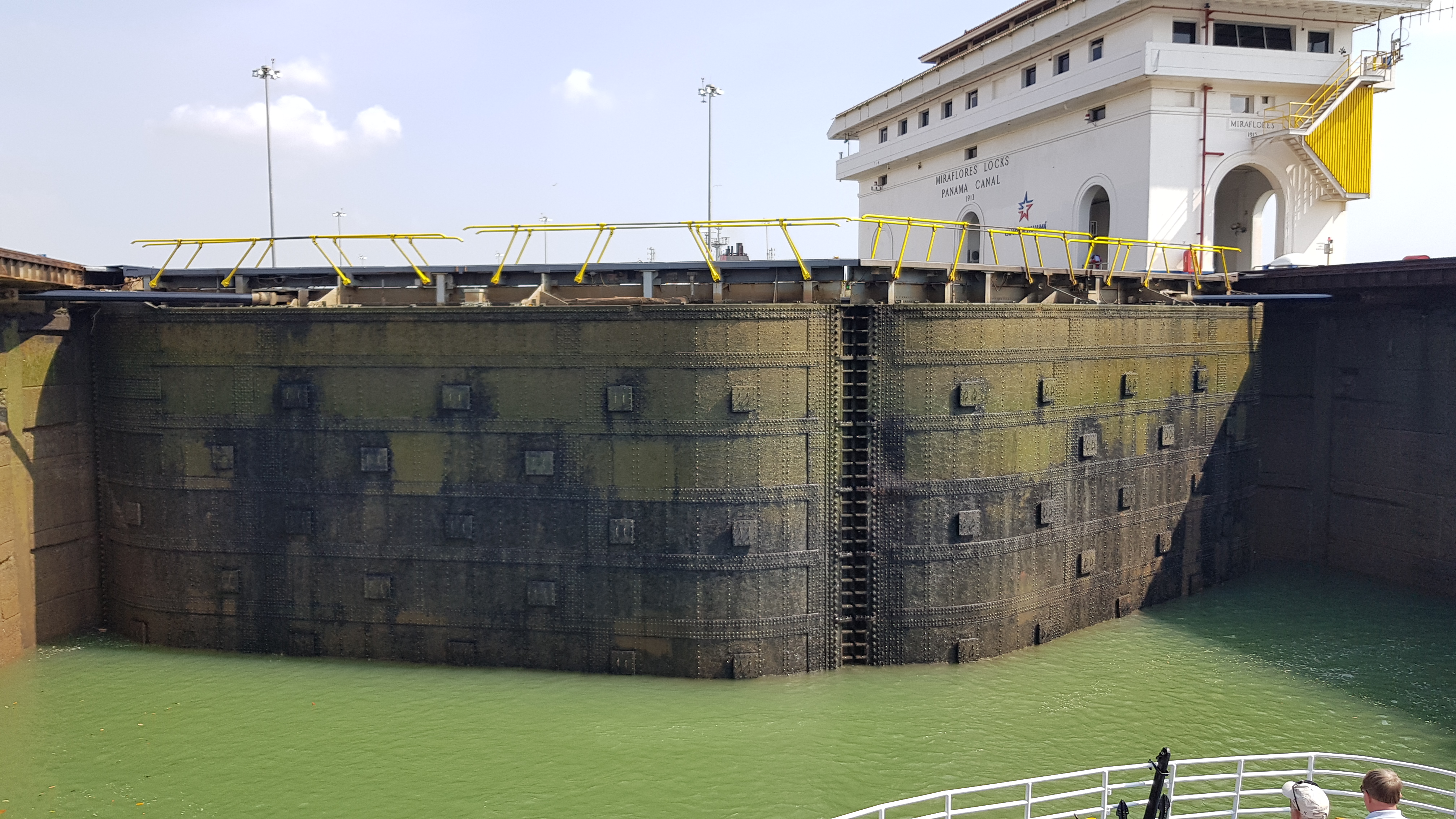
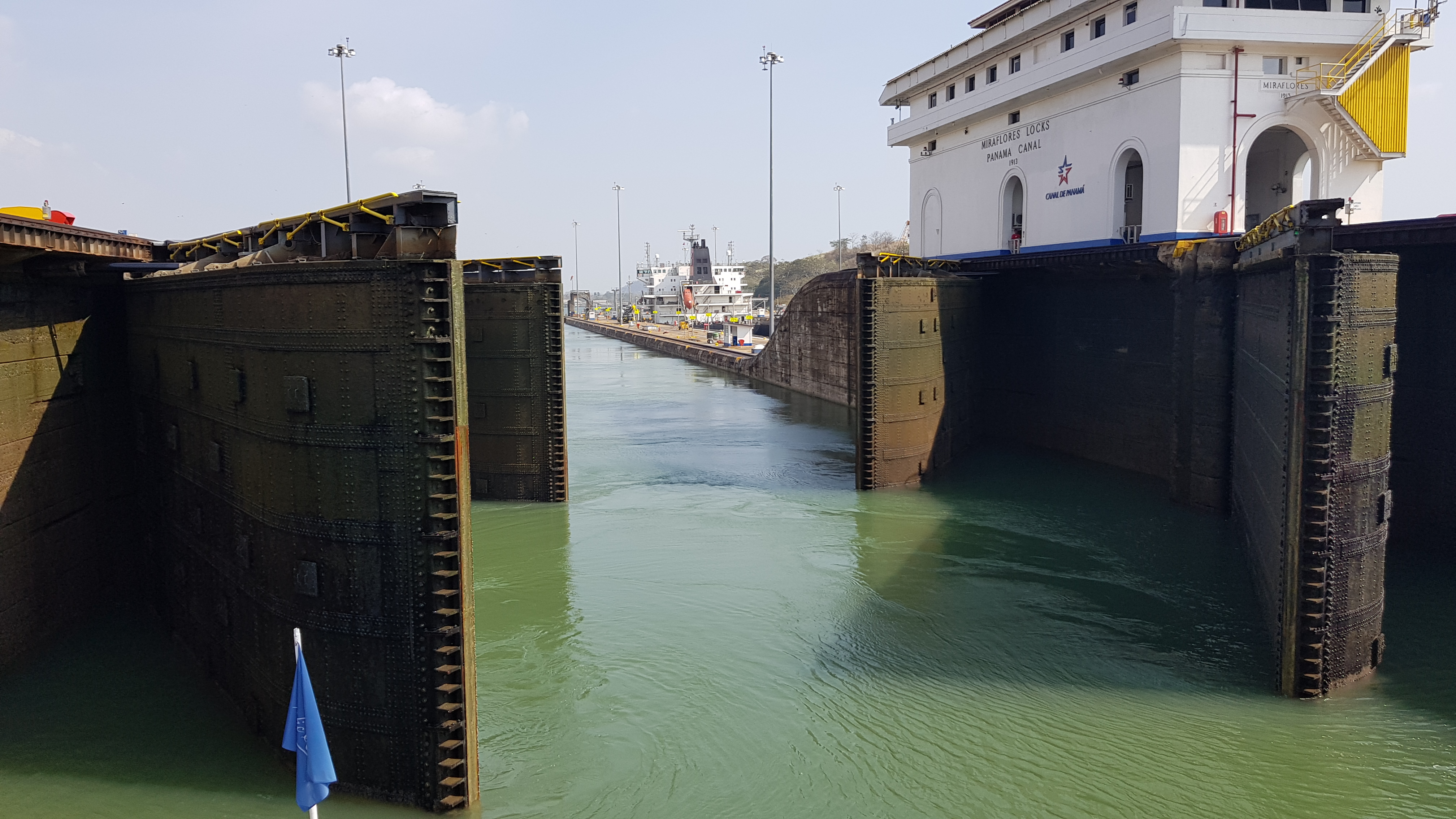
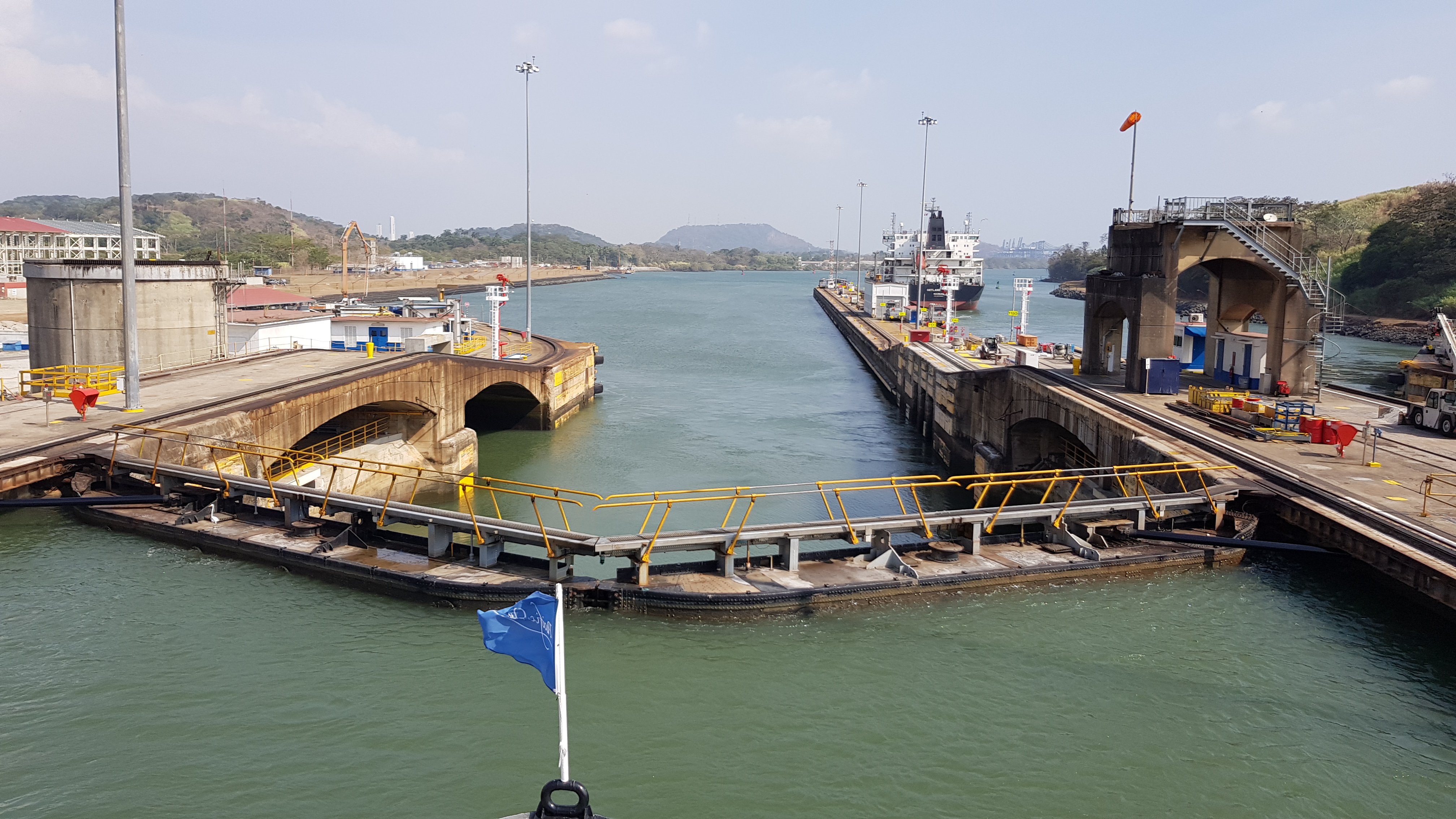
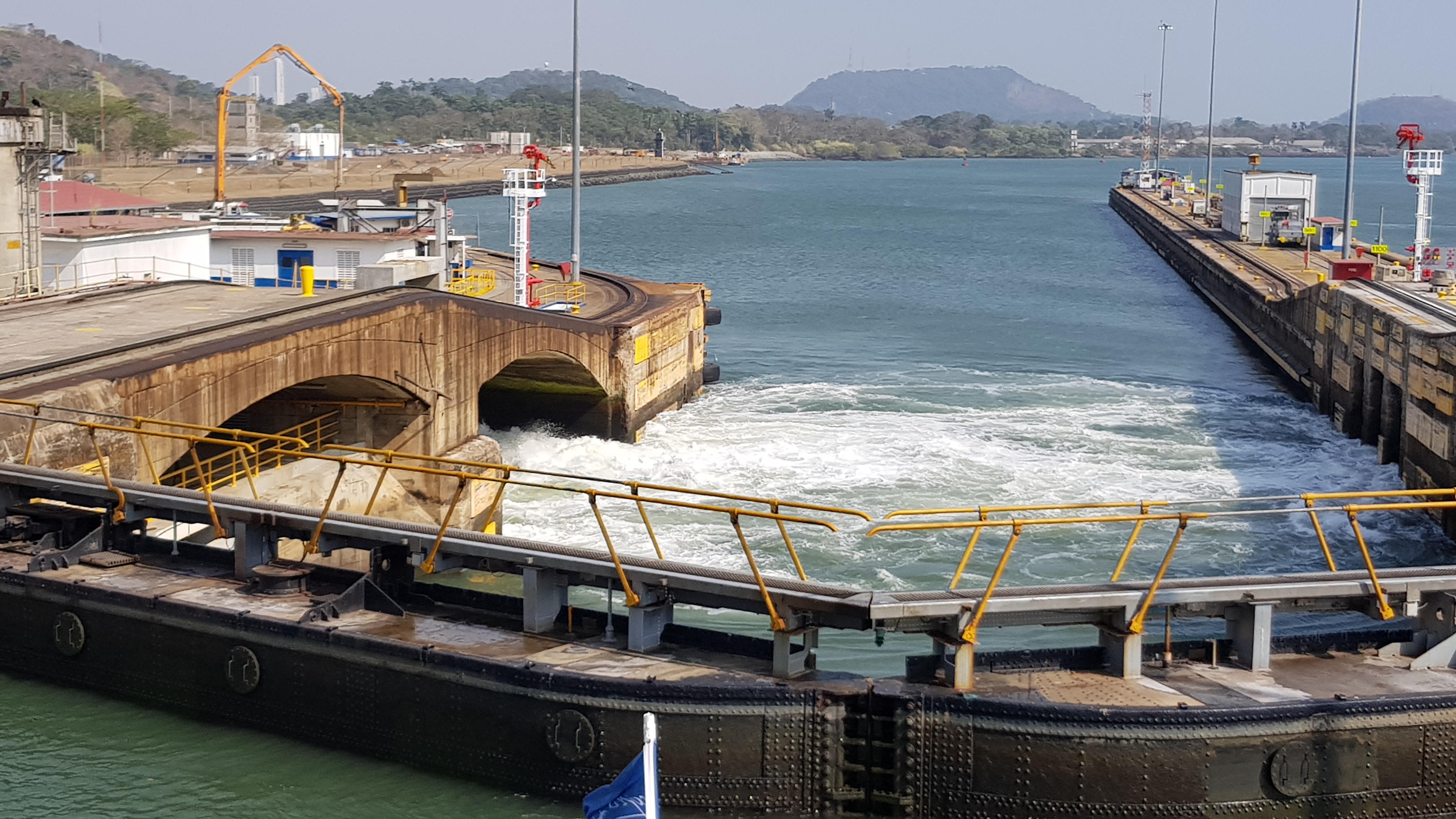
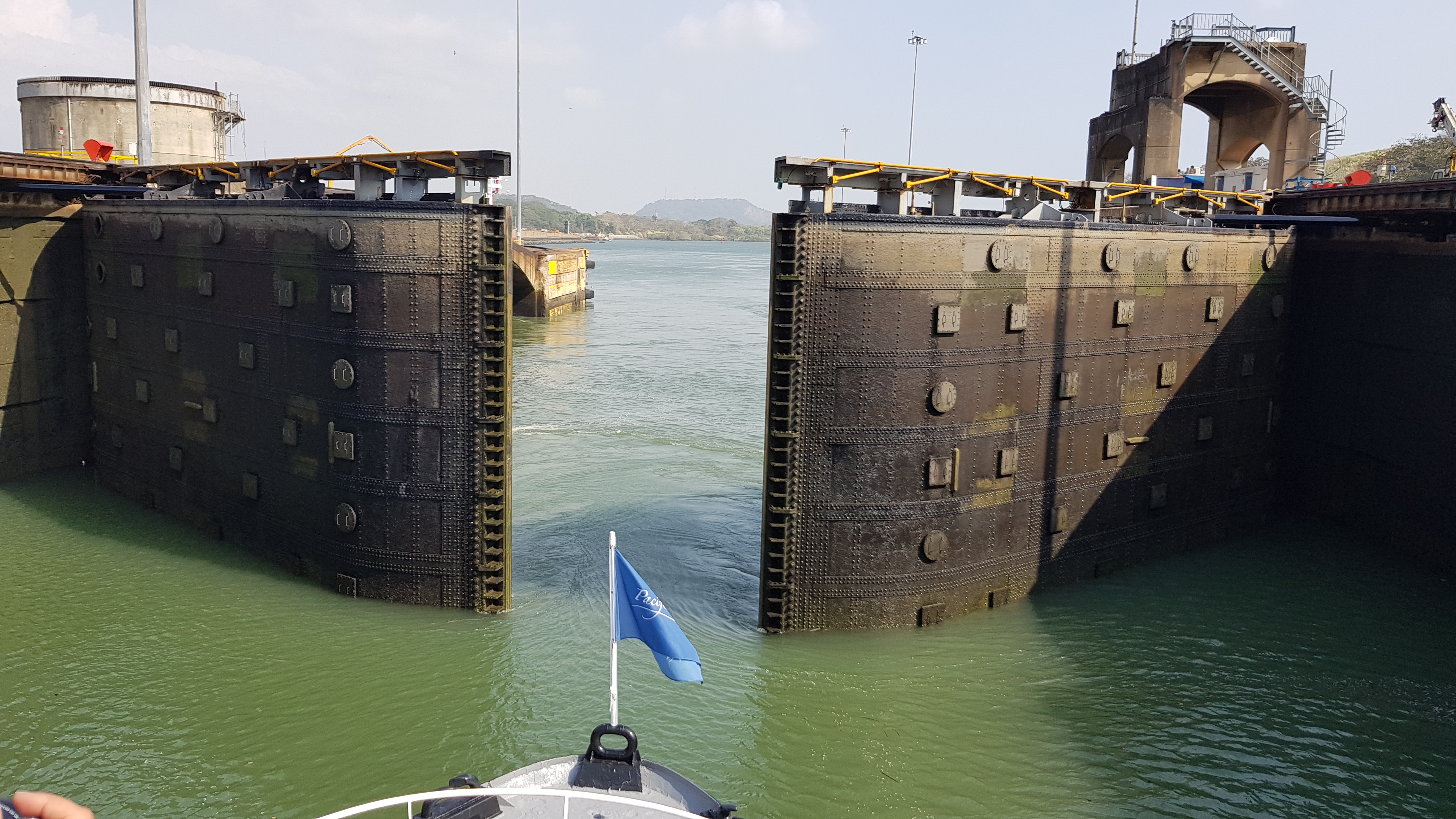
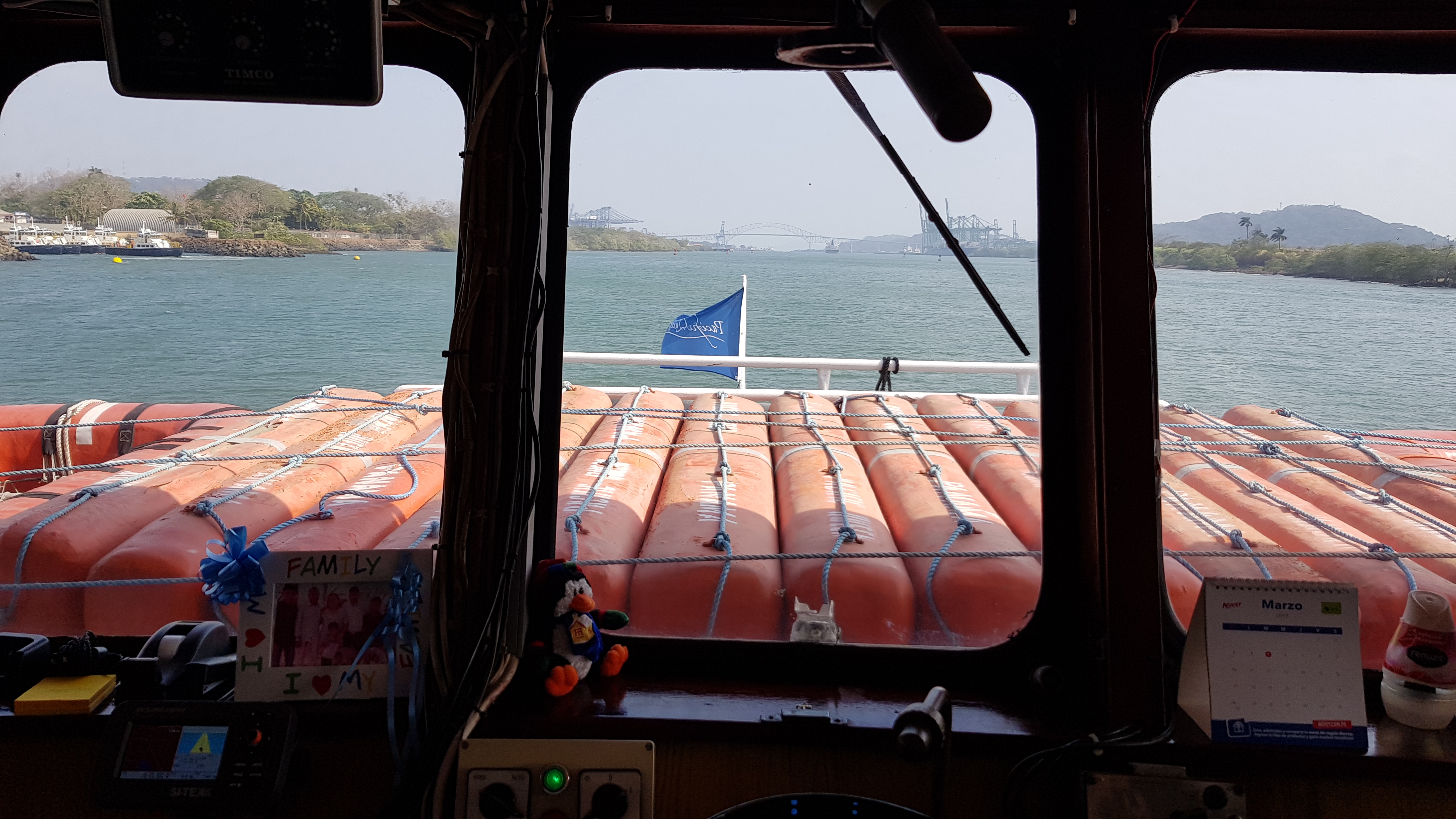
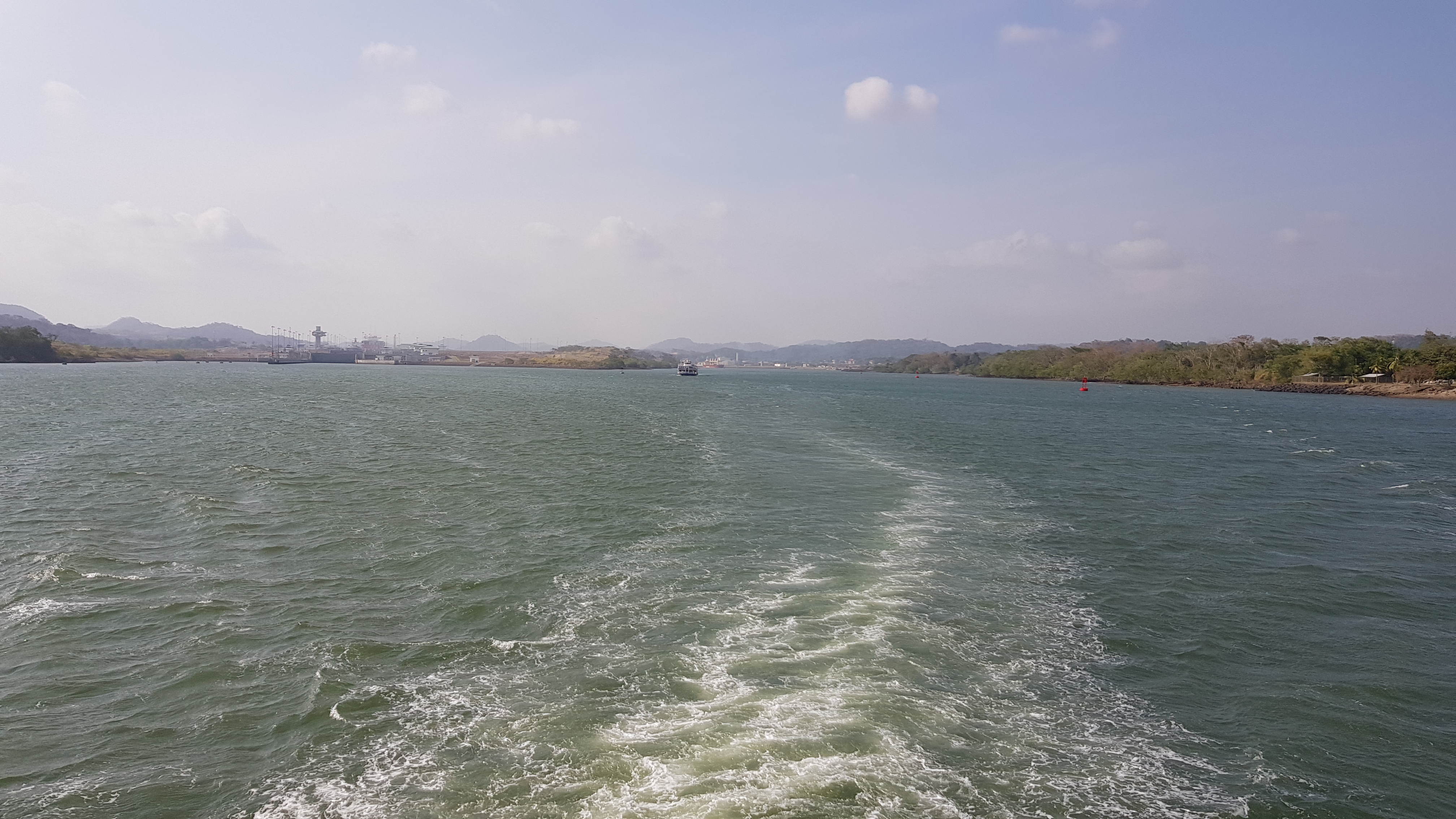
Starting at Gamboa docks at the start of the man made cut, sail through the Gailard Cut, the narrowest part of the canal. First lock is Pedro Miguel. There are two sets of locks at each location to allow transit both ways but today all four boats are going southbound. Once the ships enter the lock they are tethered to mules, locomotives on a rack and pinion rail. The tethers ensure that the ship maintains equal distance between the hull and the lock walls to prevent the hull knocking into the side walls, as there are no fenders. As you will see from the photos below, there’s not much room either side of the ship. There’s no messing and it’s surprising how quickly the ships transit the lock.

Fabulous feat of engineering. Especially as it’s over 100 years old.

Doesn’t take long to reach the Miraflores Locks but as the pleasure boats are substantially quicker than the bulk carrier, it’s quite a wait for it to catch up and enter the lock so we can be lowered down with it (to conserve water). Miraflores Lock is a double stack so have to equalise the water level in both locks then sail into second lock before being lowered down to Pacific Ocean sea level.

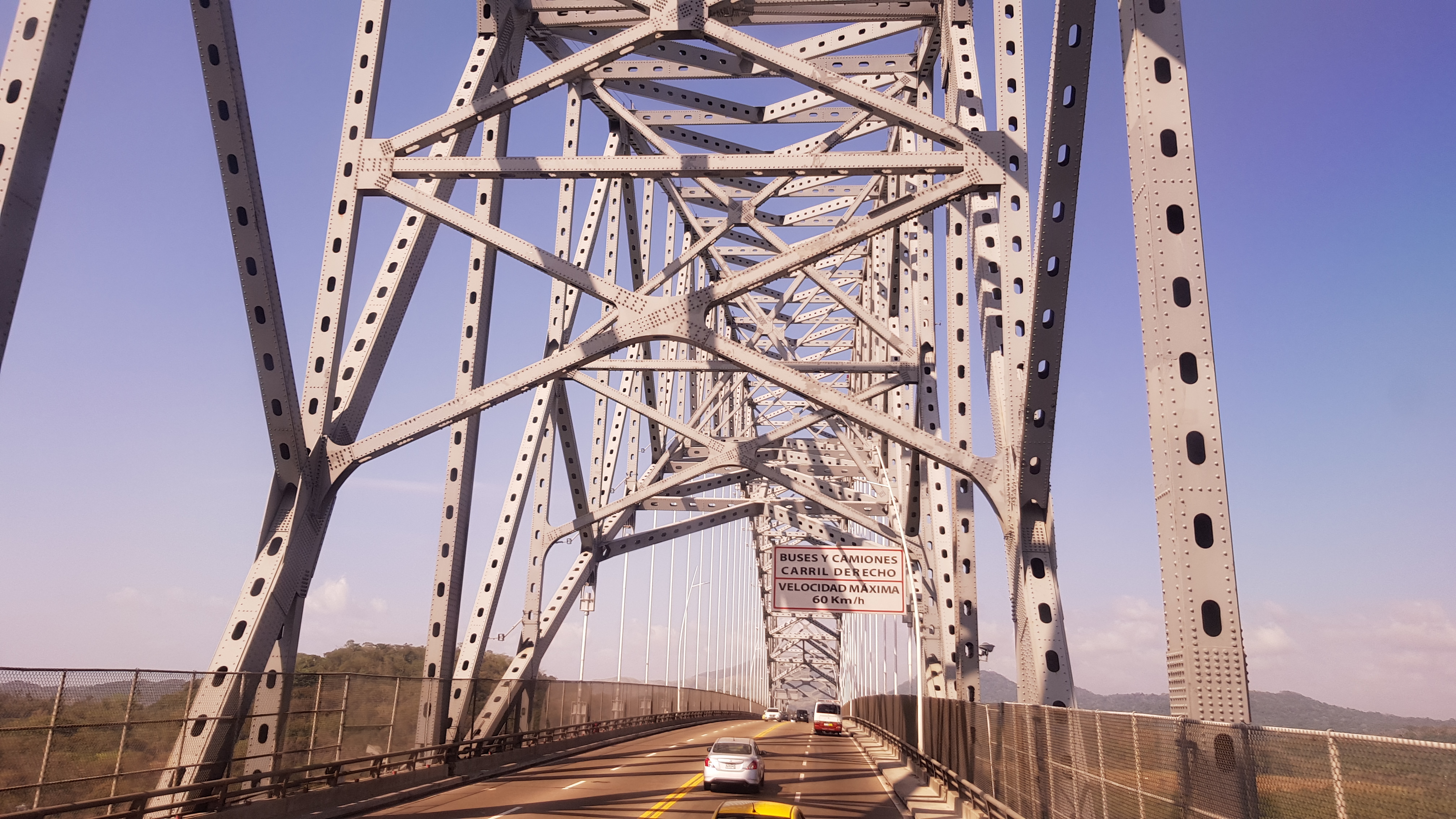
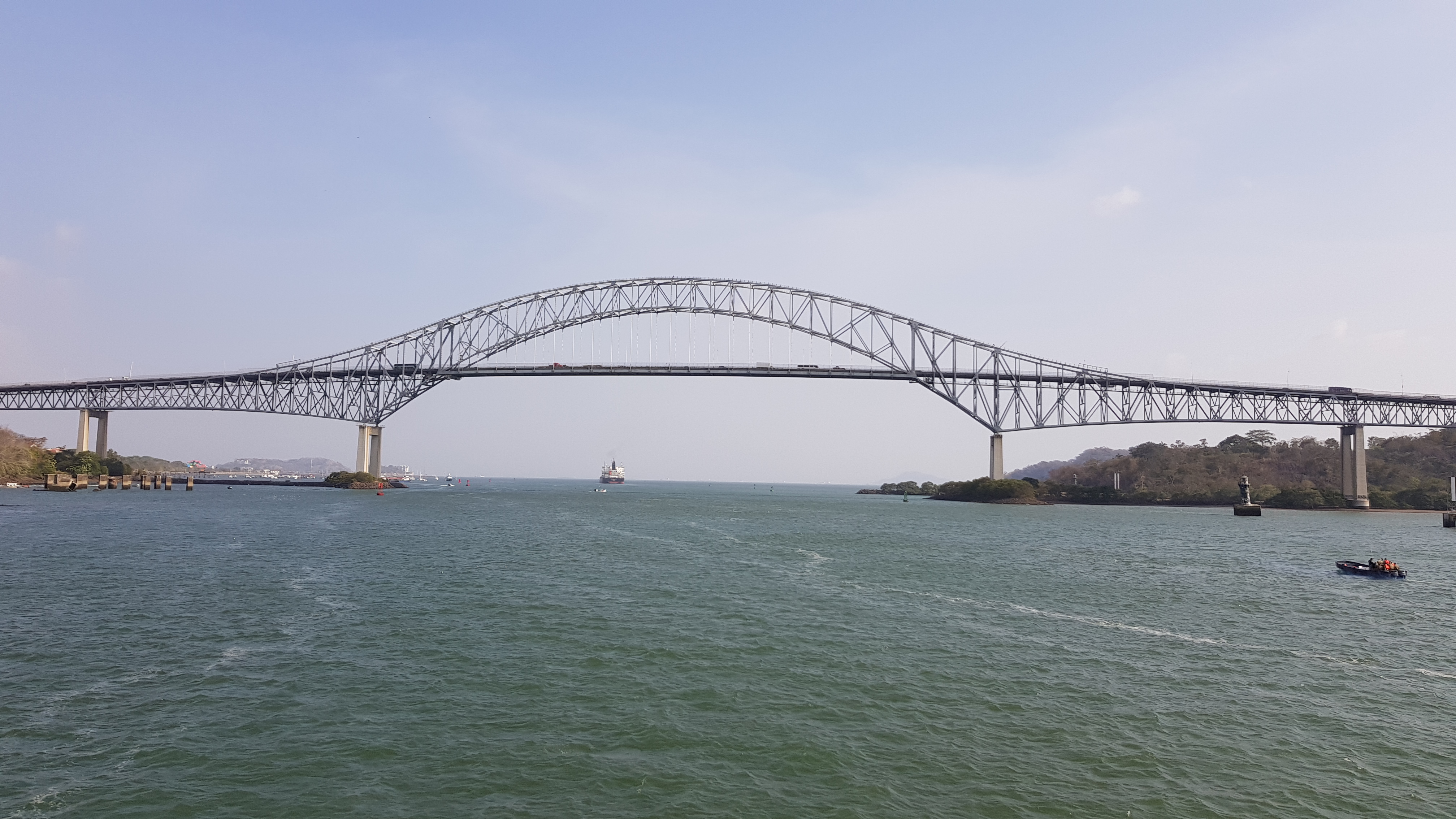
Once out into the Pacific Ocean, sail under the Bridge of the Americas, part of the Pan-American Highway.

A brilliant trip.

68. Denied boarding

Thursday, 28 February 2019

Panama City, Panama


“Can Touring Taurean please proceed to the departure gate 12.”

Here we go. Thought I. It’ll be a passport check as have checked in online as usual.

Ho.

Ho.

Ho.

I’m being denied boarding.

Only have a one way ticket to Panama you see.

And that’s not allowed. Need an onward or return flight to allow them to let me board.

Oh. Crumbs.

Explain that I’m going on holiday and shall be travelling through Central America with a group.

Bizarrely, he doesn’t understand the word ‘holiday’ and keeps repeating it trying to work out what ‘holiday’ means. Nope. The lights are on but no one’s at home.

Asked if I have any vouchers to prove I shall be travelling on from Panama.

Nope. Because it’s a group tour. Just turn up and everything taken care of.

“You don’t have any vouchers?”

Again. No.

And then. A flash of inspiration. On my part.

The only thing I do have is the itinerary. Has to download from email attachment. Which. Takes. Ages. Due to poor reception.

Finally. Show him the itinerary. Thankfully, the entry for 7 March expressly says. “Cross the border into Costa Rica.”

Hmmm. Ponders.

It’s the best I can do mate.

After a bit more pondering, he accepts this as proof that I shall be leaving Panama. But a note is having to be typed into the computer.

Phew.

Only a short sub 1hr flight to Panama City. Only after landing do I realise it’s on the Pacific Coast. Had it in my head it was on the Caribbean coast.

And I did Geography at school.

67. Free entry

Wednesday, 27 February 2019

Cartagena, Colombia


Surprise, surprise. Another hot and steamy day. Was meant to be going on a speedboat cruise to the Rosario Islands today to sit on a beach for the day, with a free lunch thrown in. Those that know me, know that I don’t do beaches. But you could probably have guessed that by the trip I’m doing. In any event, guide advised that it’s not very good and it’s a rough crossing because of the strong wind and tides. Had read about this online anyway so had partially made my mind up but he seals the deal.

So.

Another day walking around Cartagena old town.

In 35C heat and 100% humidity.

It’s a very quick waltz about town. Pop into the gold museum but have been spoilt by the bigger Bogota gold museum. Only takes a few minutes to look at the displays but linger longer to take advantage of the air-conditioning and cool down.

Across the square is the Spanish Inquisition Museum. There’s a large cruise boat group of tourists ambling in en masse. Cheekily add myself to the group and gain free entry. Bypassing the ticket counter.

Sssshhh. Don’t tell anyone.

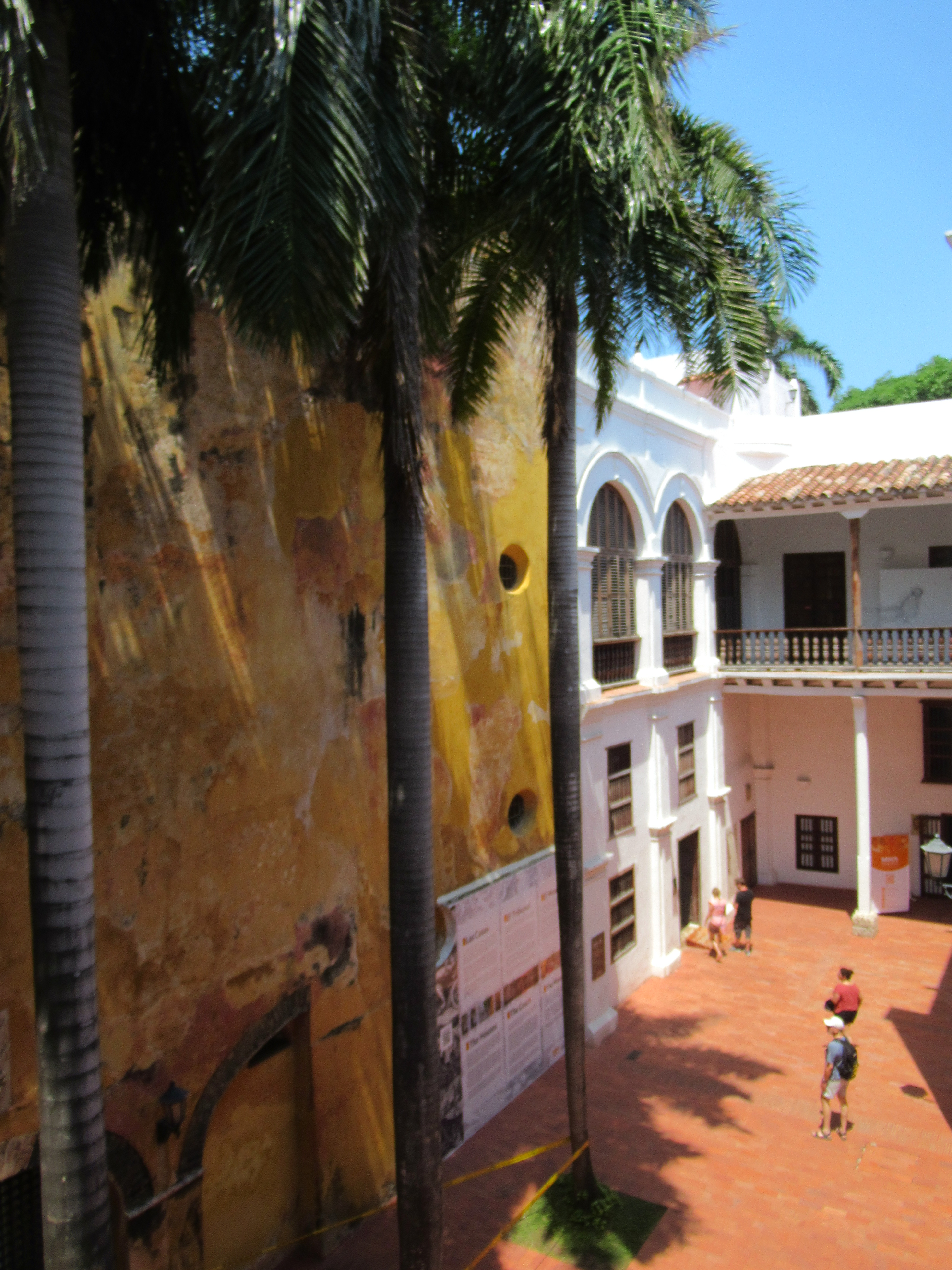
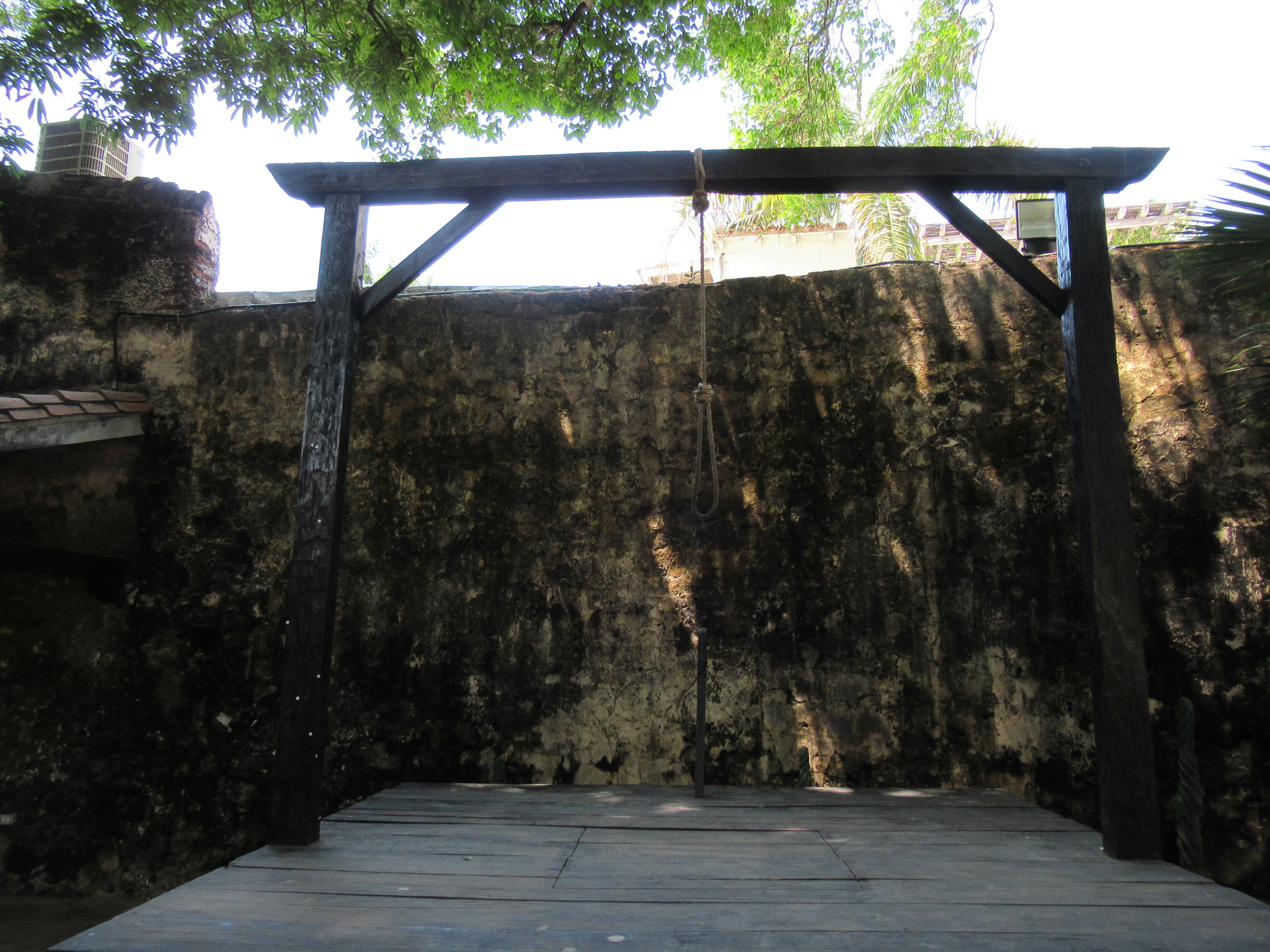
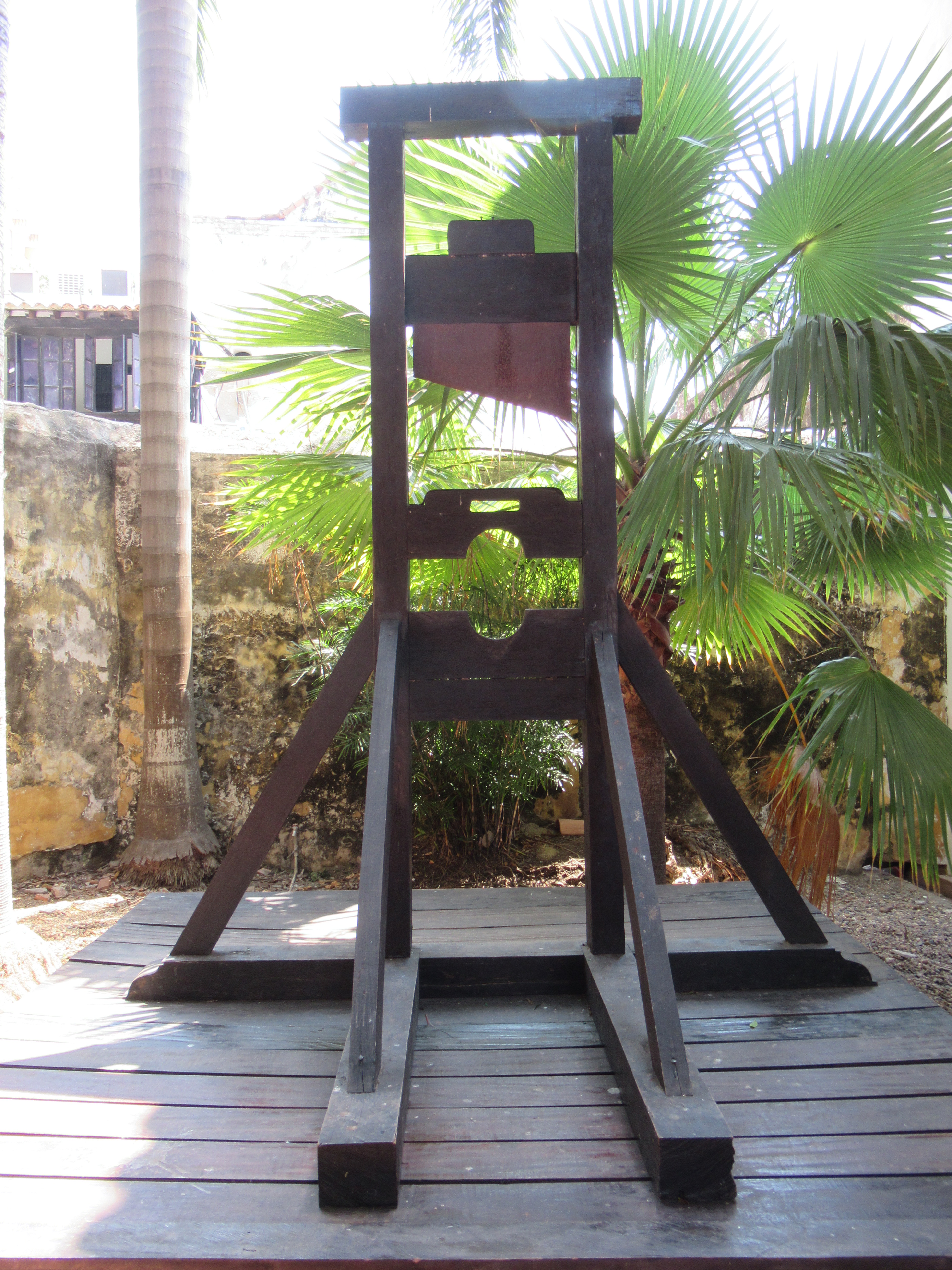
Back in the day, the Spanish did everything in their power to protect the Catholic faith and heretics were tortured and murdered. As the gallows and guillotine in the courtyard confirm.

Have decided lunch will be in the 5 star Sofitel hotel, set in a historic building. The sweaty and scruffy clad TT in his size 13 walking boots and Tilley Hat is stopped at the door by security. Clearly not the type they want on the premises.

“Can I help you, Sir?” says small security serf.

Meaning. We don’t want your type in here.

“No thanks.” And continue walking.

And a very nice lunch it was too.

66. Condoms

Tuesday, 26 February 2019

Cartagena, Colombia


Currently in Cartagena, on the Colombian Caribbean coast cooking quickly in the steamy heat. Can’t begin to tell you how hot and humid it is. Constantly leaking. The last time I felt humidity like this was in Hong Kong.

Not the ideal circumstances to be concentrating constantly to the guide explain the history of the city. Like a walking history lesson at school. There will be a test later he jokes.

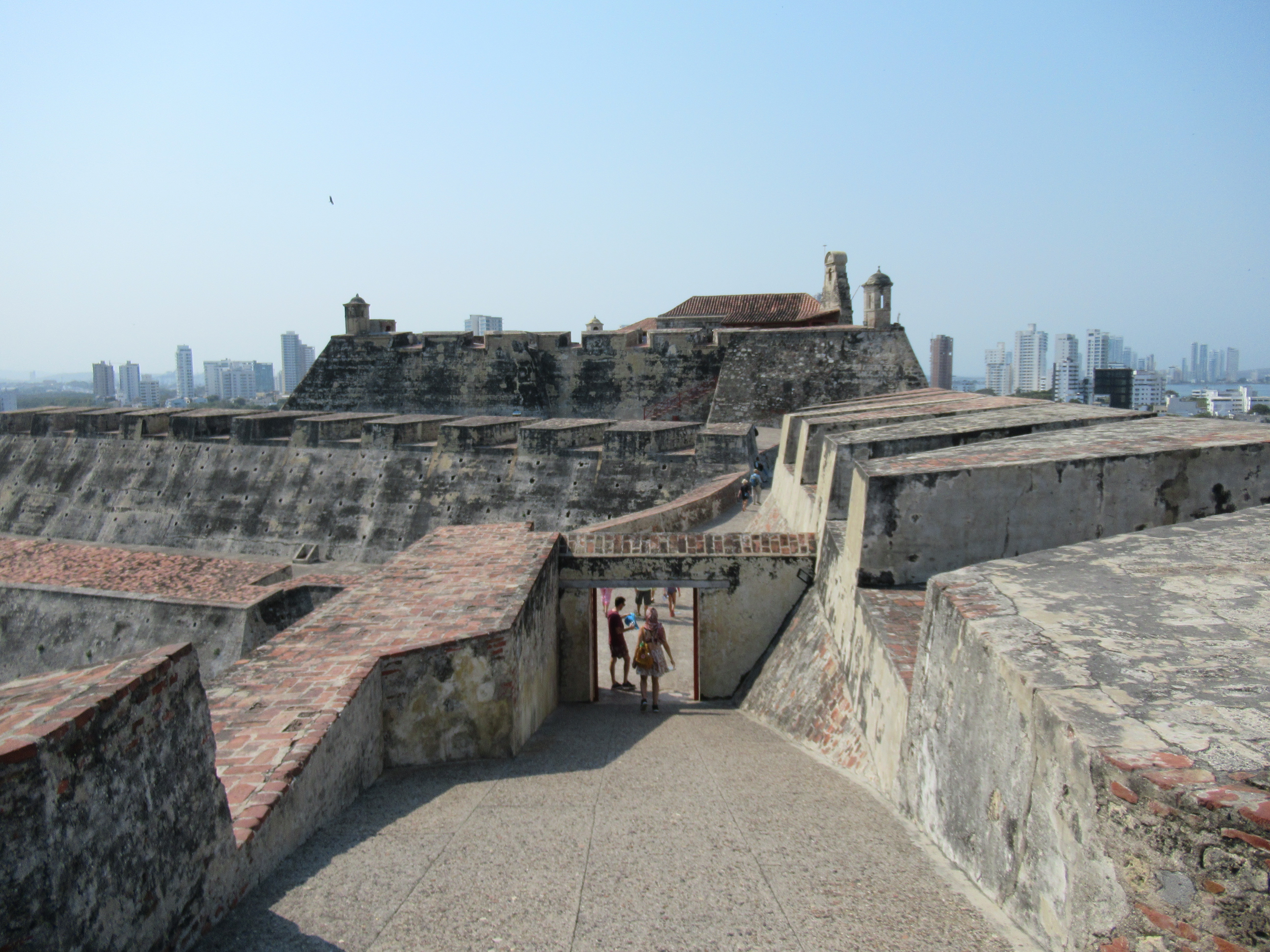
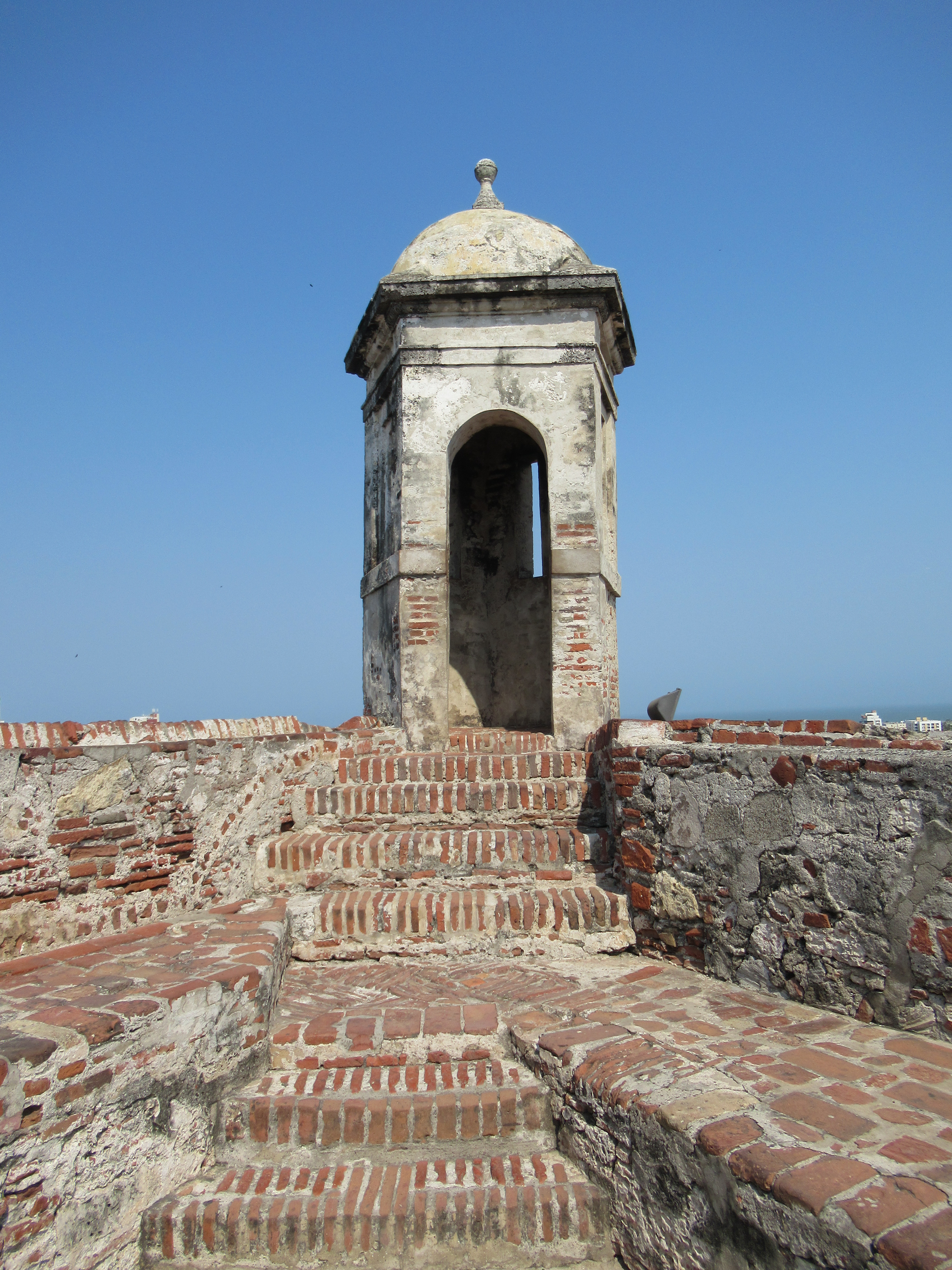
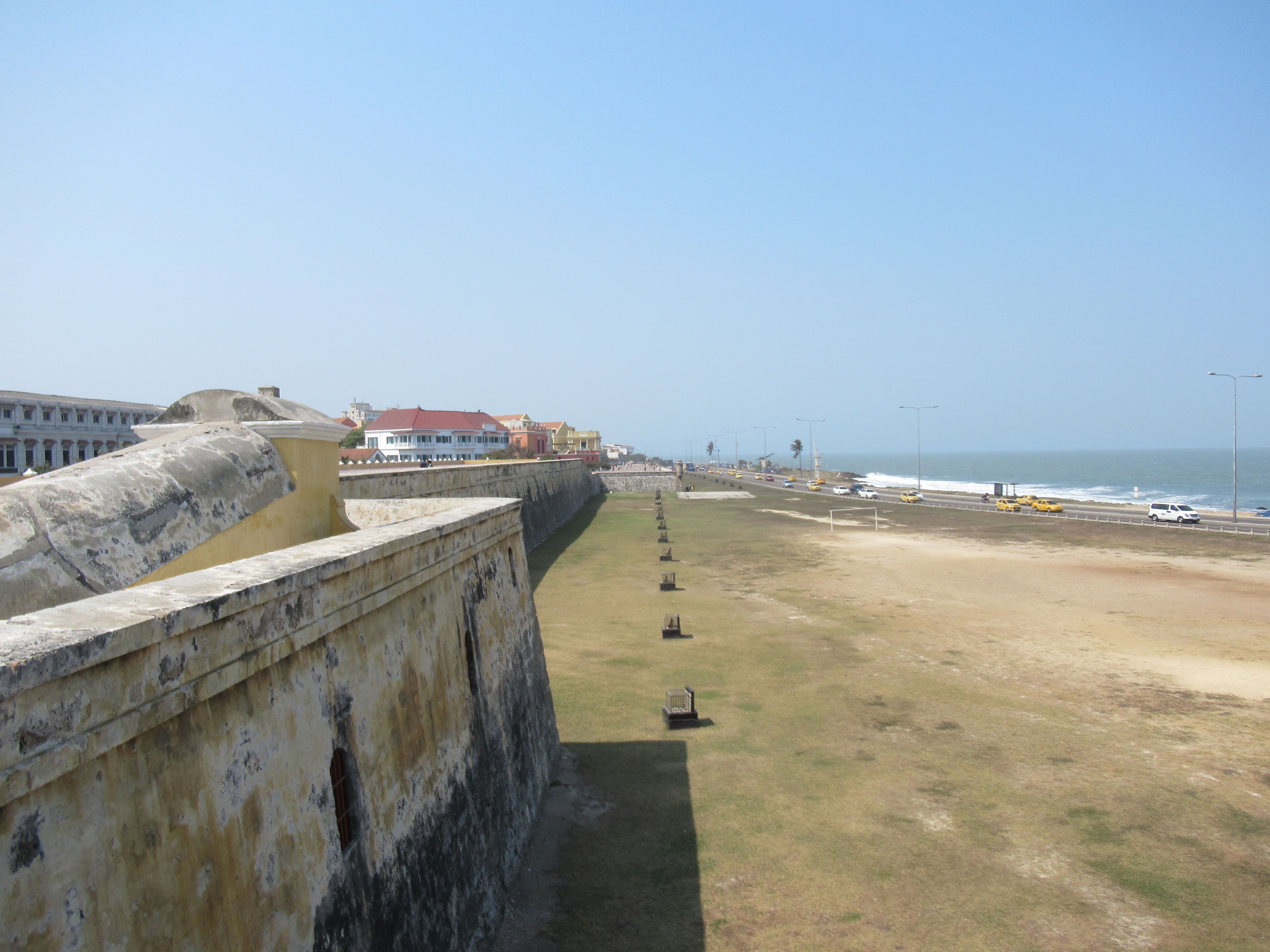
Commence proceedings at Castillo de San Felipe fortress. The main fortress built by the Spanish and their African slaves. Guide is indigenous Carib and not descended from African slaves. Has a heavy accent that you would typically attribute to the Caribbean.

Yeah man.

At the foot of the fort stands the statue to Blas de Lezo, a Spanish Admiral who defeated the British Admiral Vernon thus ensuring Colombia speaks Spanish now, rather than English. What’s also remarkable is that Blas de Lezo was one eyed, one armed and one legged.

Apart from that he was alright.

The statue rubs it in a bit to the British. Vernon turned up with 180 odd ships with a naval force of 12,000 men. Having already breached the outer defences, Vernon sent word back to the Admiralty that Cartagena was theirs for the taking.
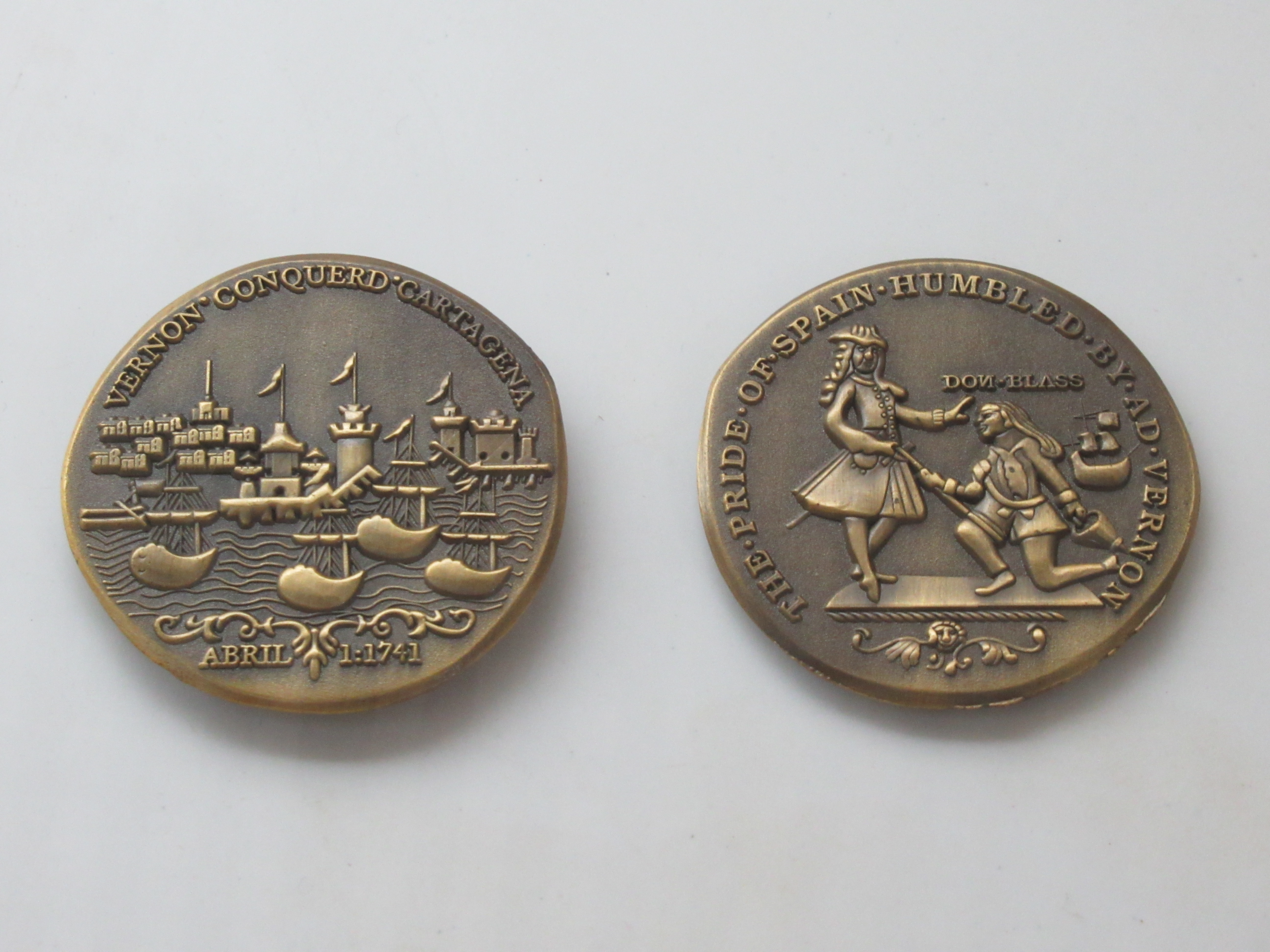
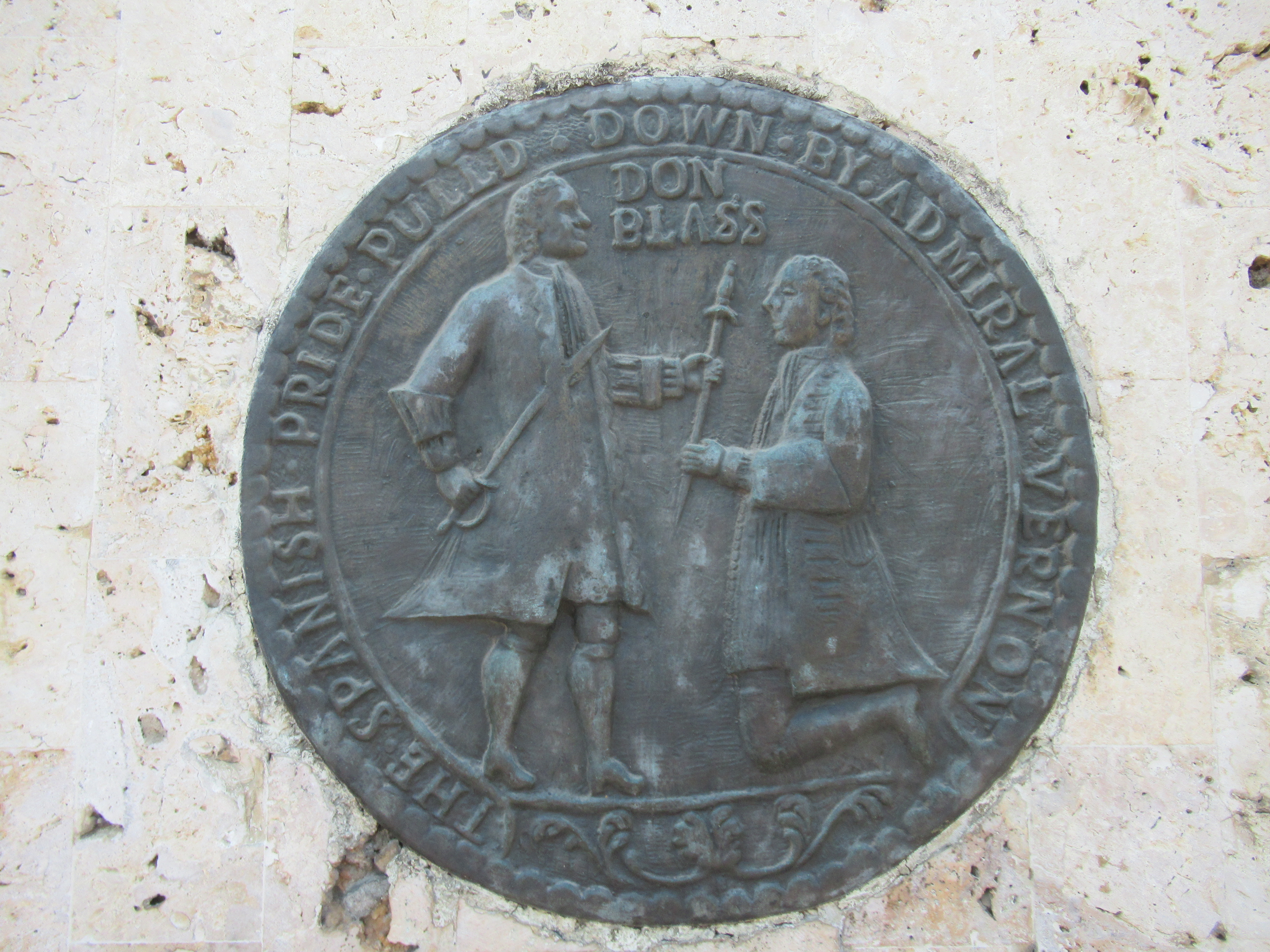
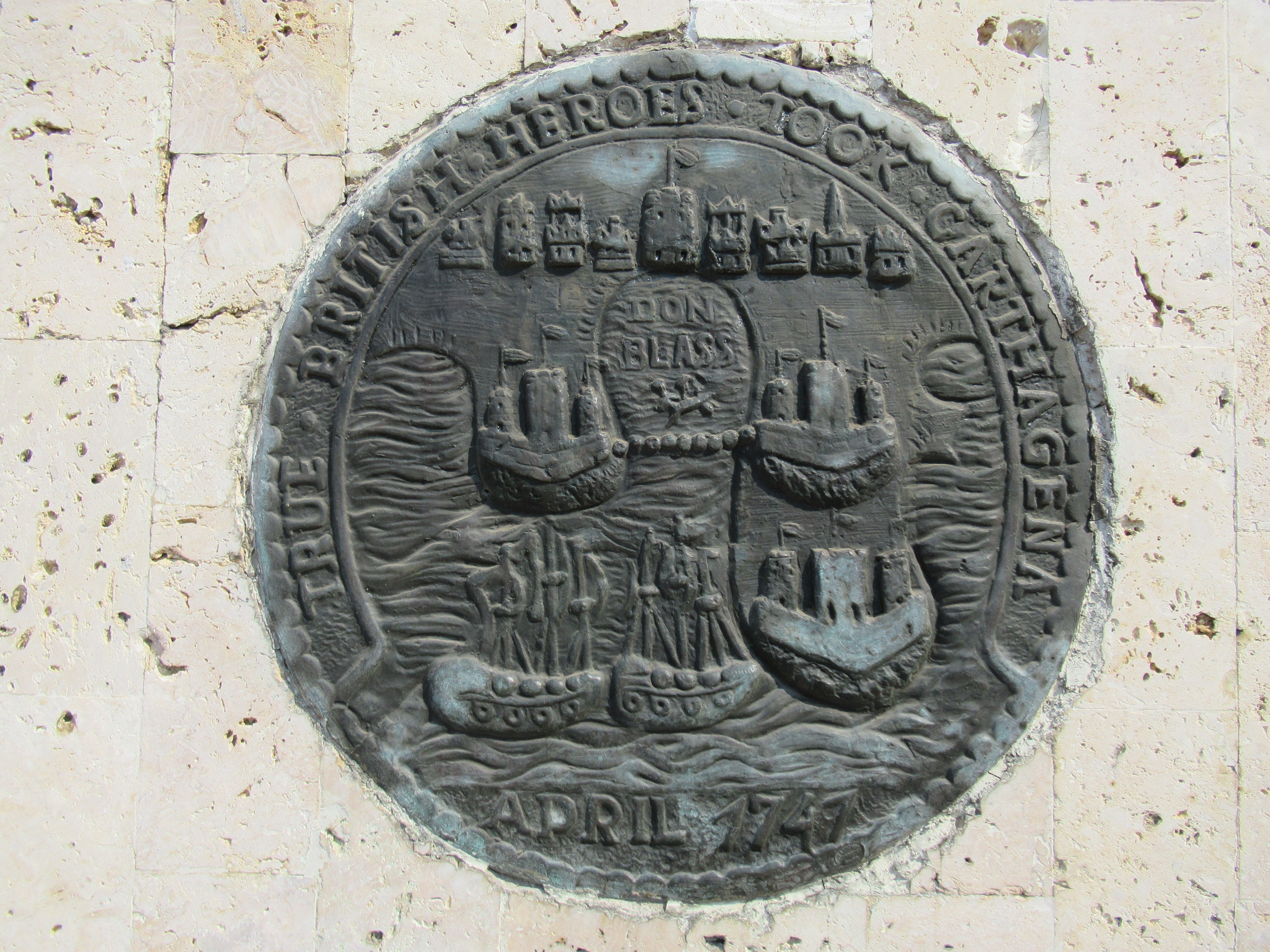
Commemorative medals were quickly struck before the actual anticipated victory showing the Spanish Admiral Blas de Lezo kneeling before Vernon, with the words, ‘The pride of Spain humbled by Admiral Vernon’, albeit the wording on the statue’s medal is slightly different.
Sadly, Vernon’s task force was defeated by the Spanish garrison of 3,000 men.

Over confident git. (I know you’re laughing at that Miss Edwalton)

To rub salt into the wounds, the Spanish statue has copies of the medal on either side, to remind people of Vernon’s over confidence.

It’s a hot and sweaty TT that walks to the top of the fort for spectacular views over Cartagena. So hot and sweaty that one’s brain is not really able to take in all the history. Along with a heavily accented guide.

He points out the new parts of Cartagena and we can see, “Condoms.”

Condominiums even. Stifle a smirk.

Having been around various forts around the world one already has an appreciation of fort architecture but have to listen again.

In. The. Sweltering. Heat.

As we drive to the other side of the old city, see plenty of young girls trying to sell cigarettes and sweets by the roadside. Told they’re Venezuelans who’ve crossed the border to escape the trouble and strife in that country. Sad to hear that although prostitution is allowed in controlled brothels in Cartagena, girls as young as 15 and 16 who have left Venezuela are now bringing prostitution to the streets, which apparently never happened before. Desperate times.

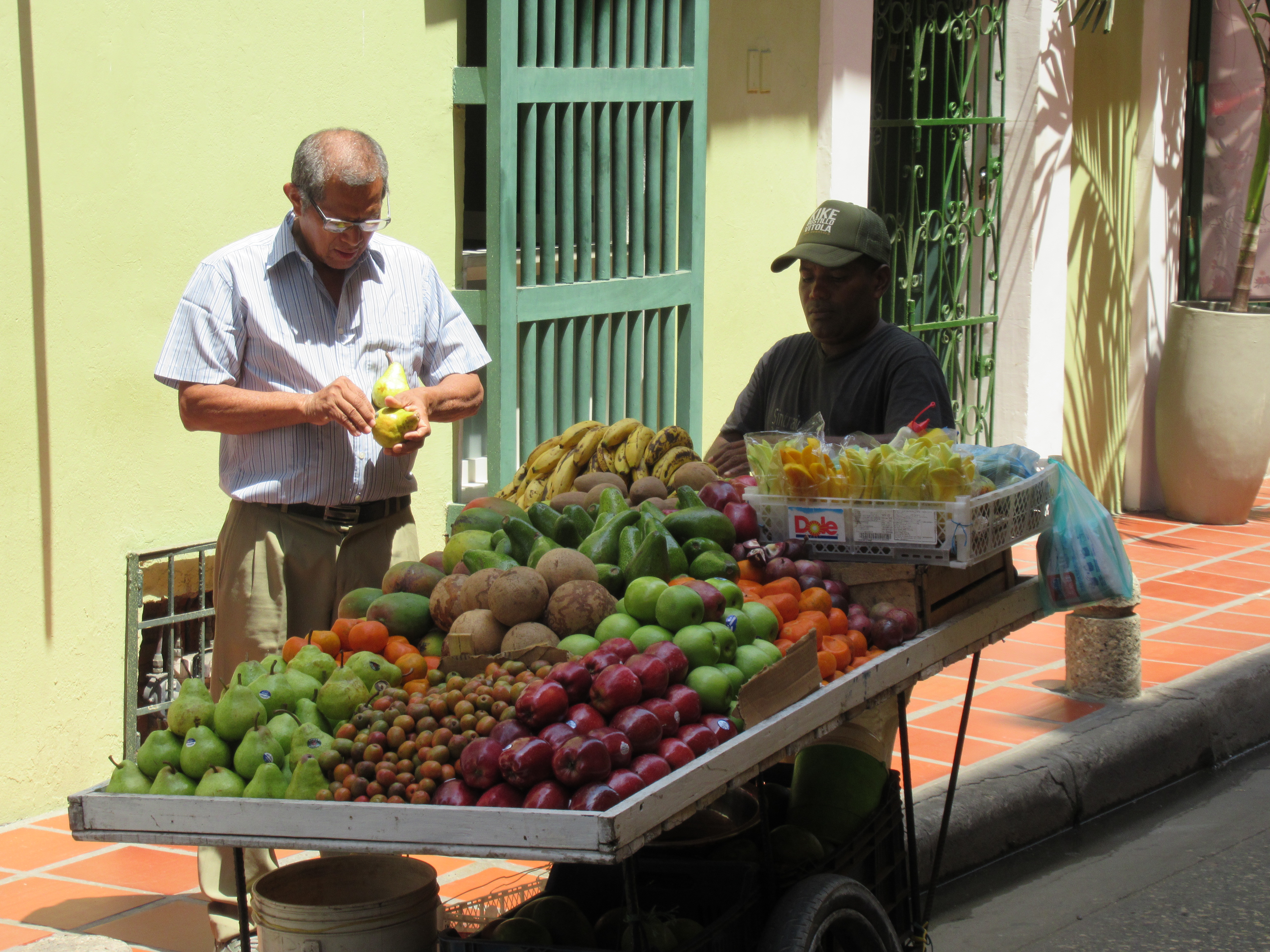
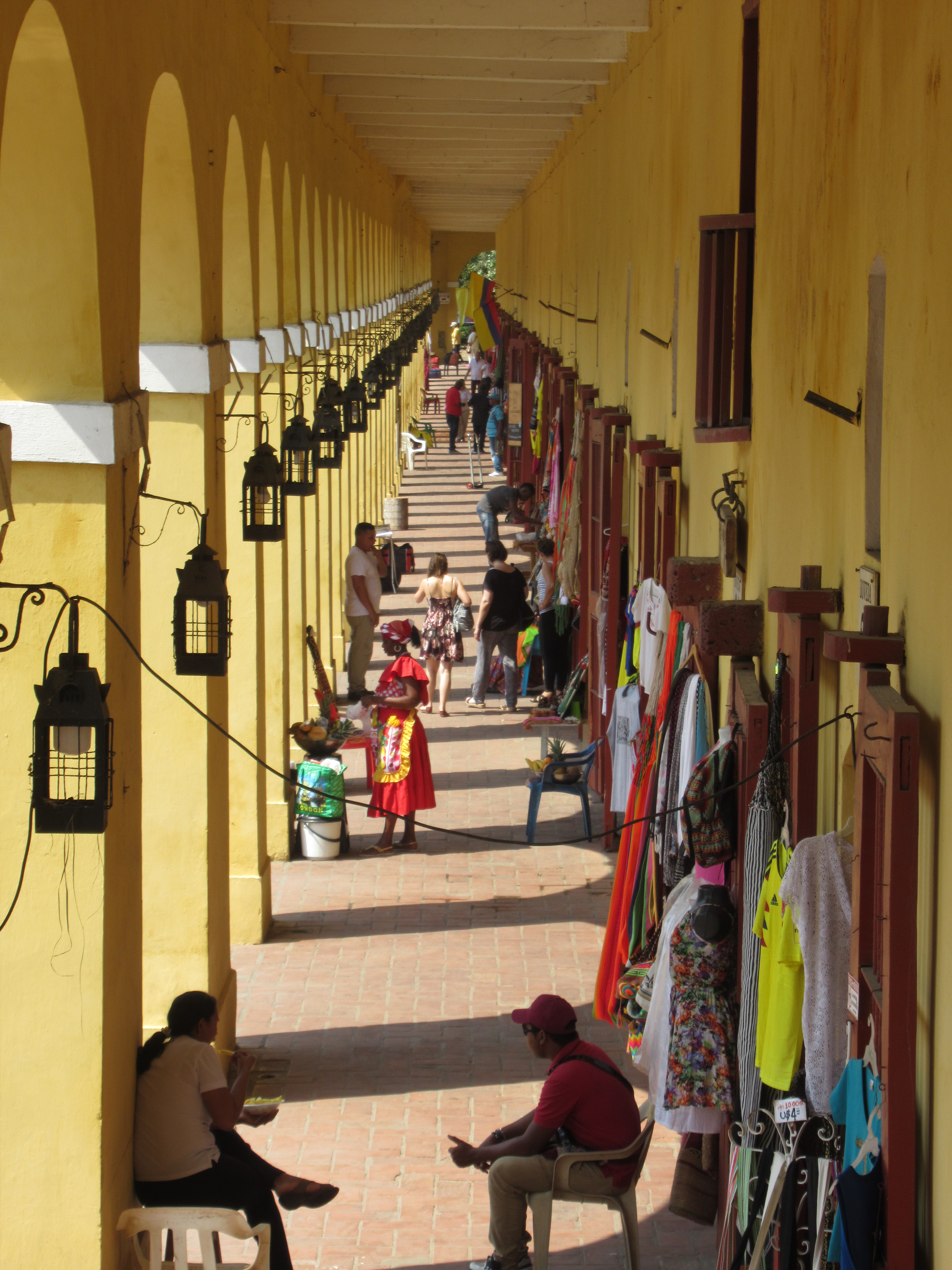
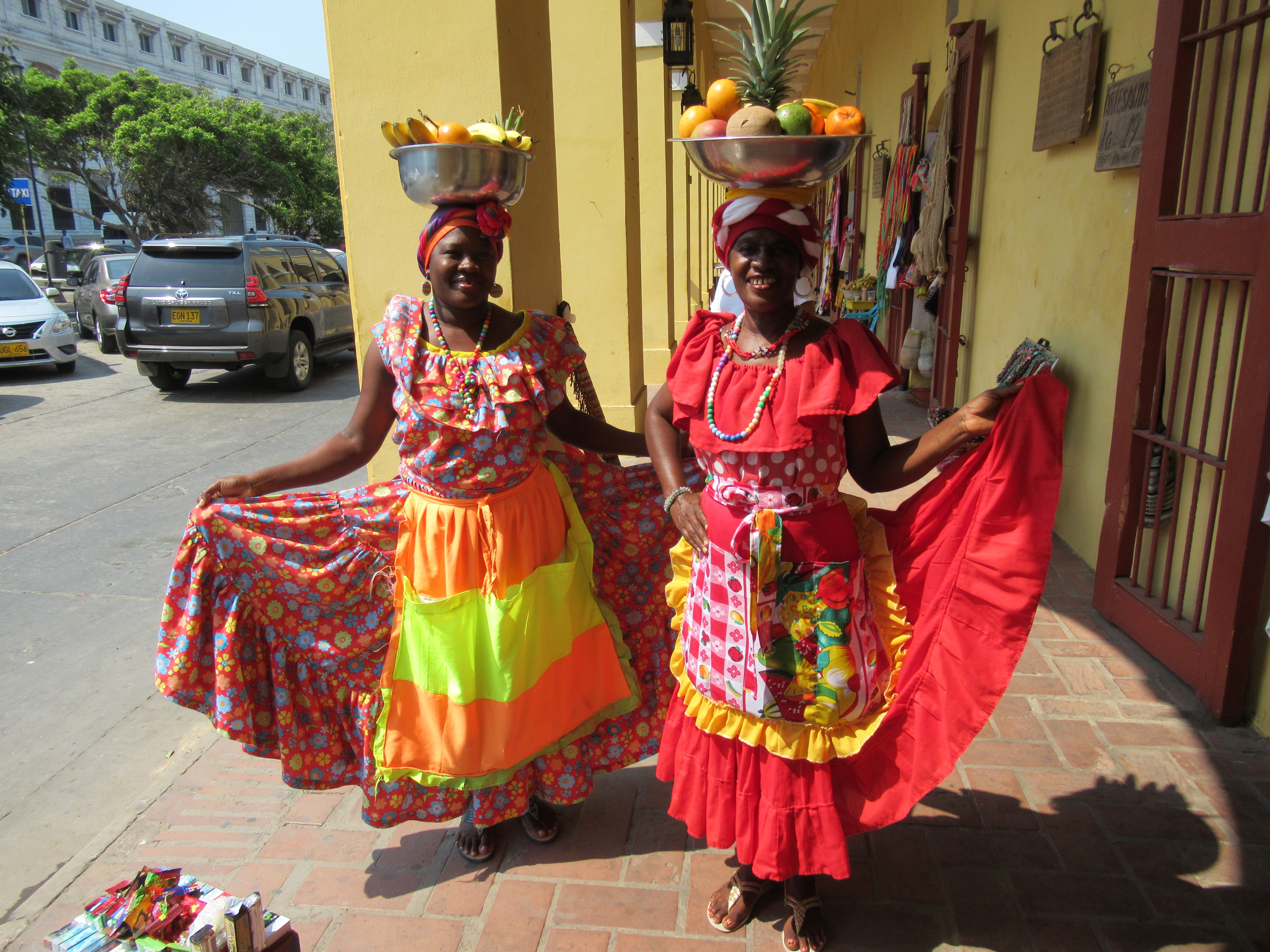
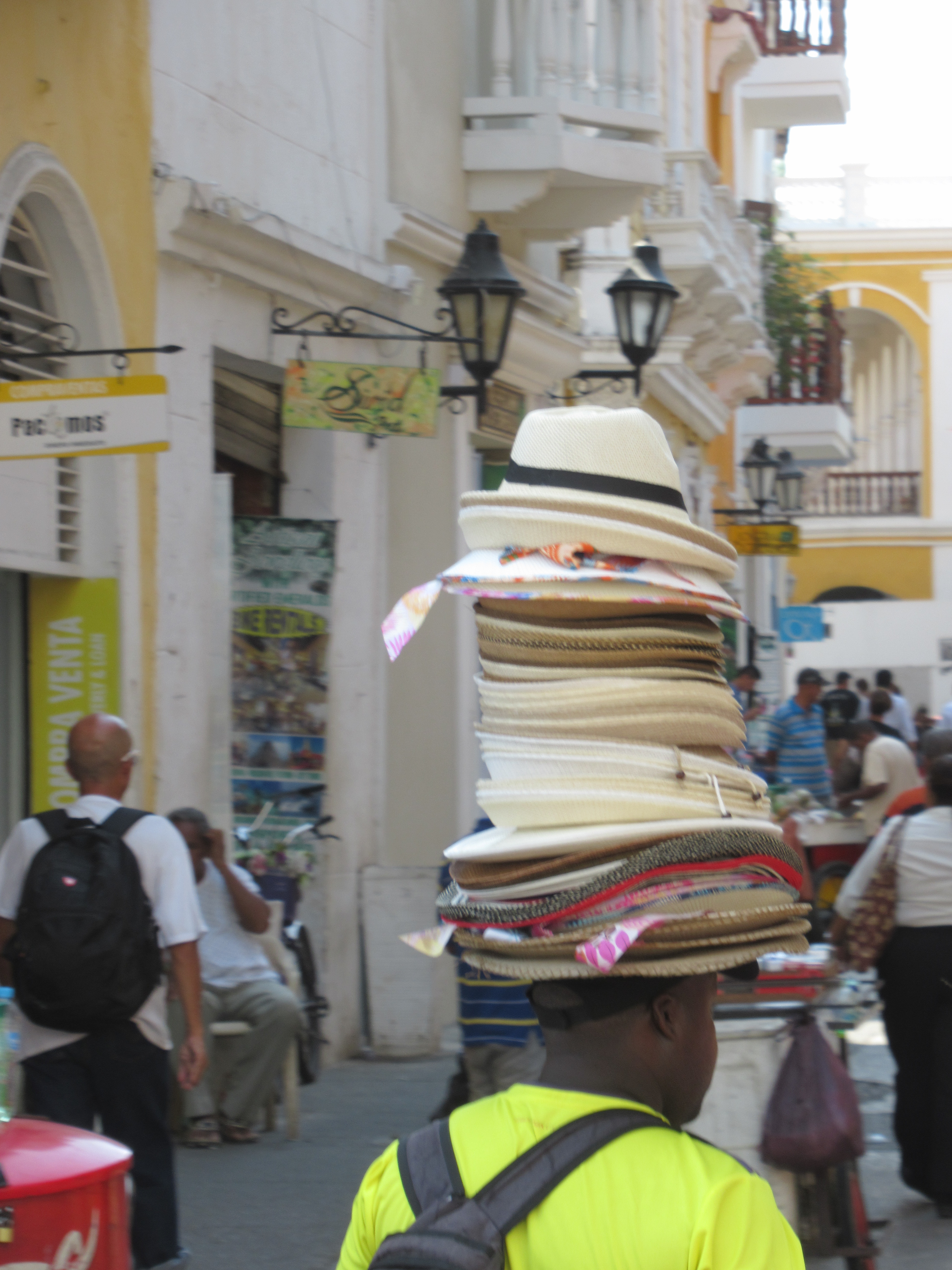
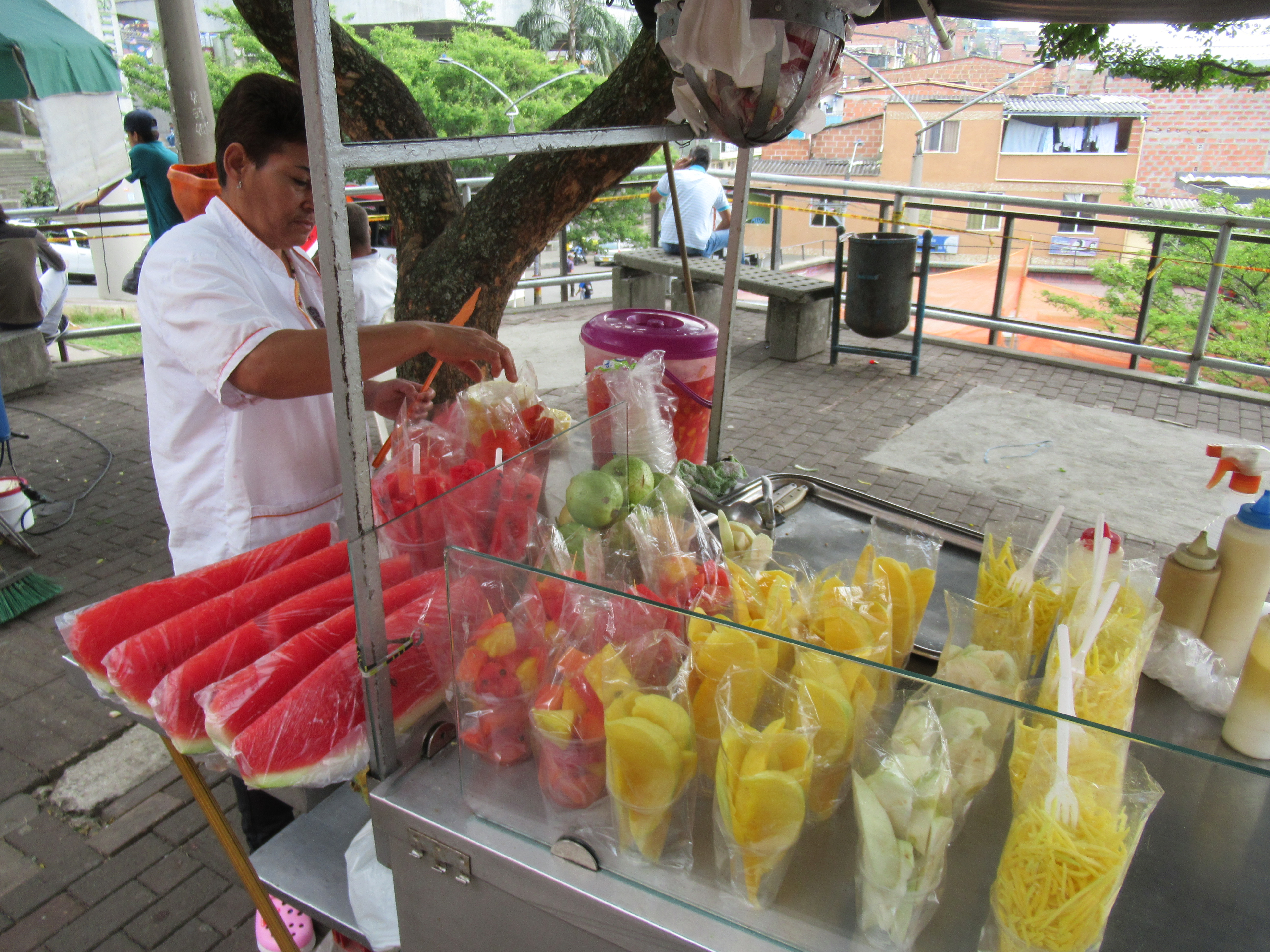
Have seen many Caribbean ladies wearing flowing and brightly coloured dresses selling fruit from pans atop their heads. It requires a photo but am required to pay a ‘fee’. It’s their money spinner.

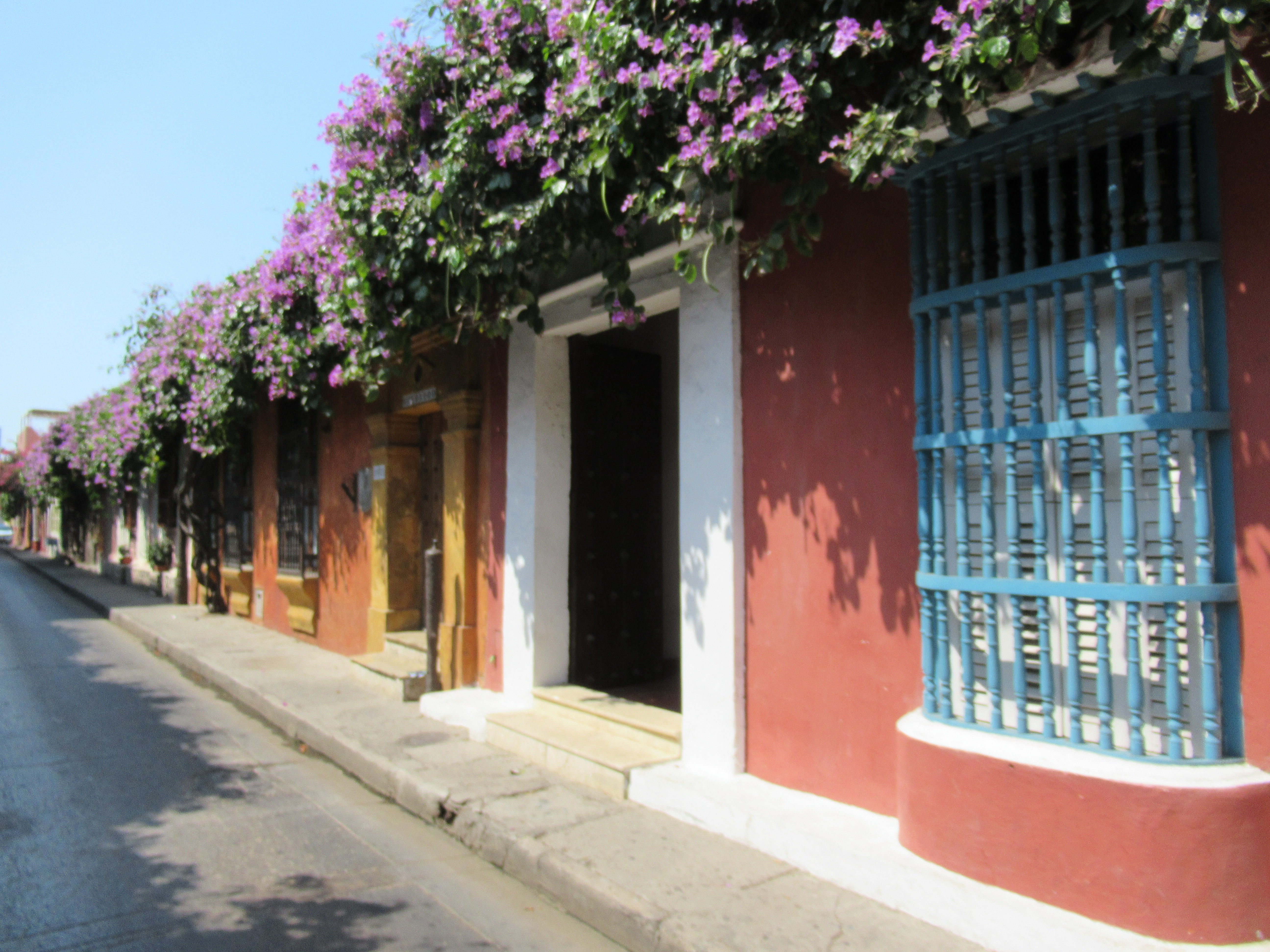
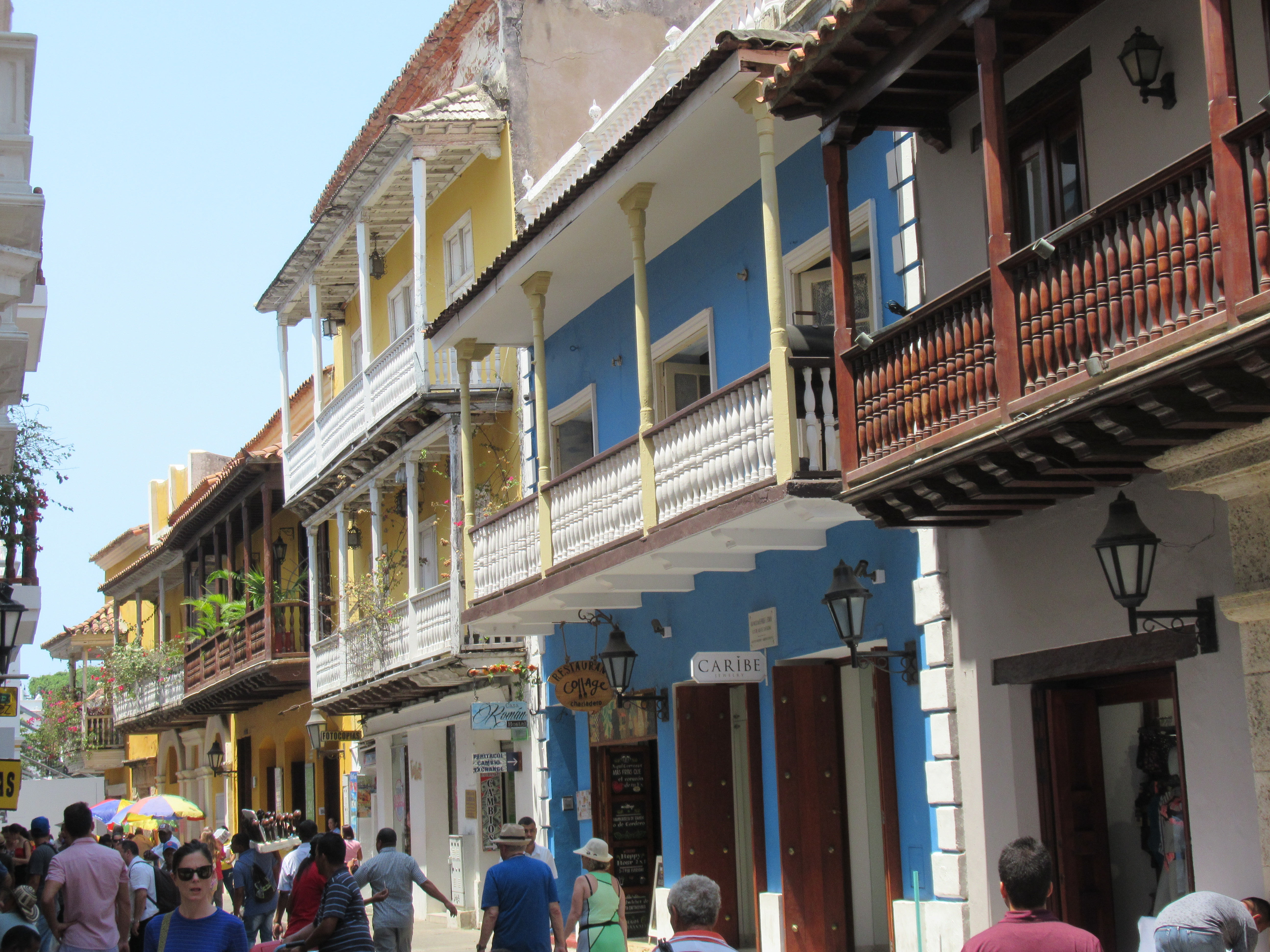
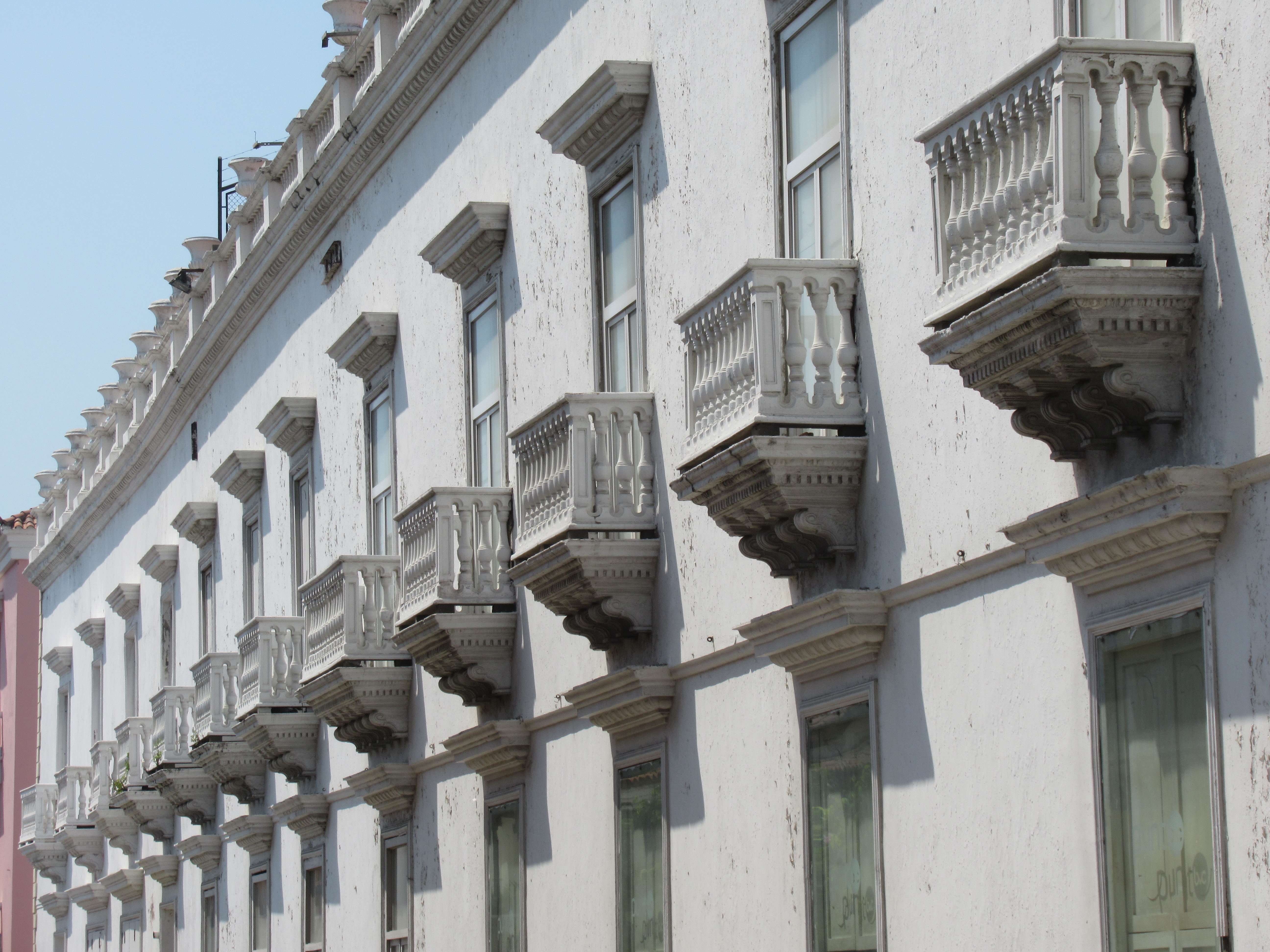
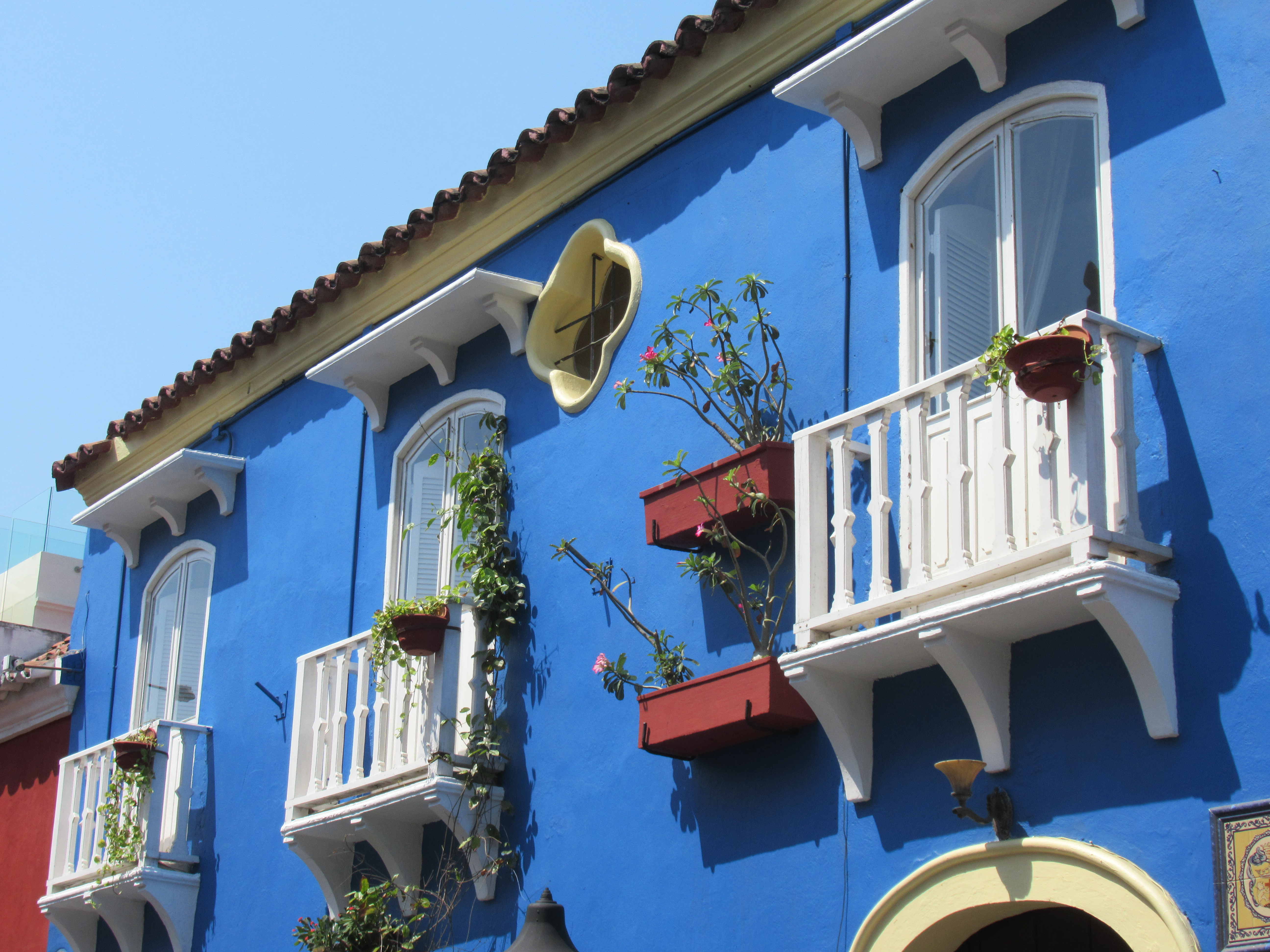
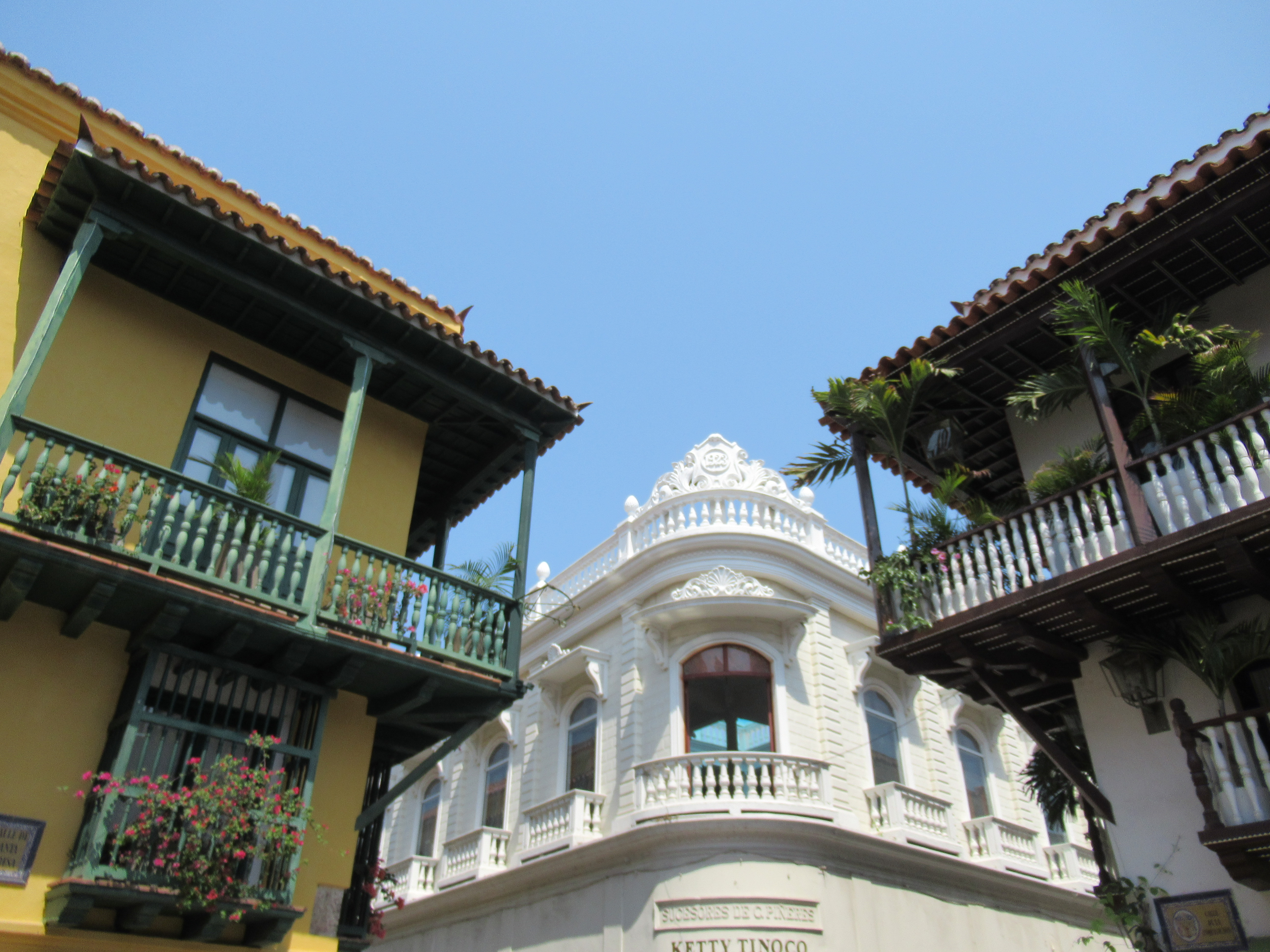
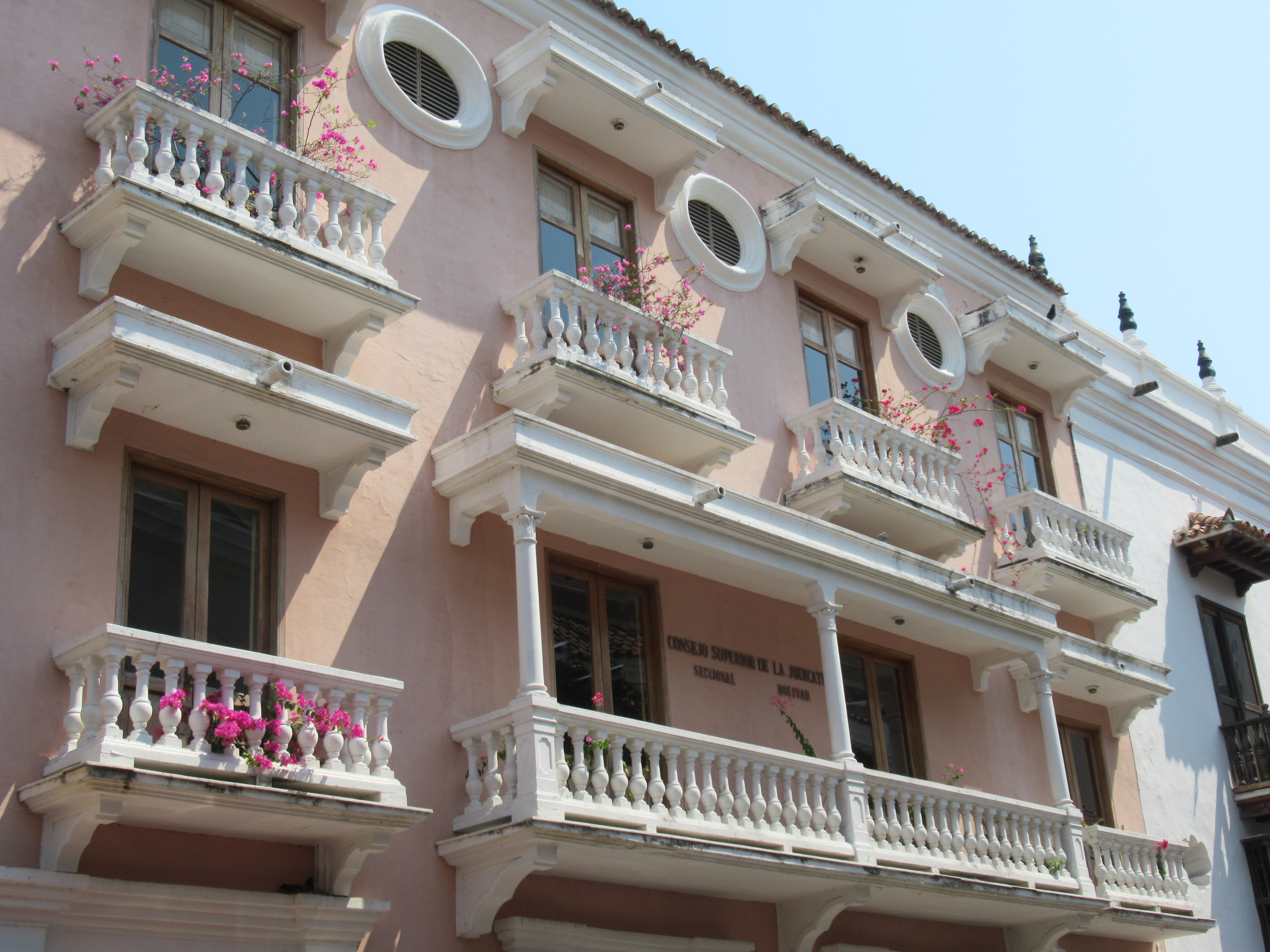
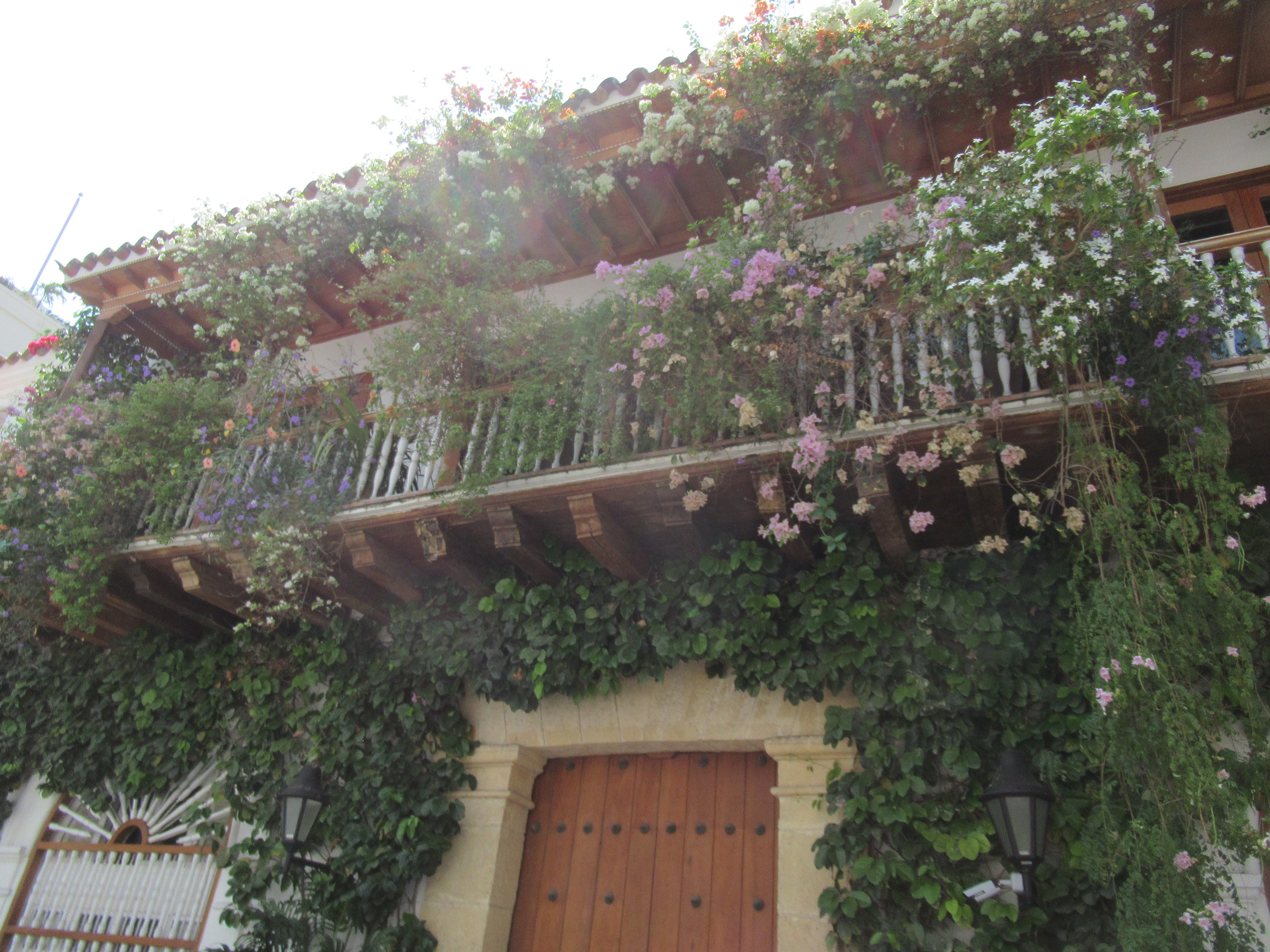
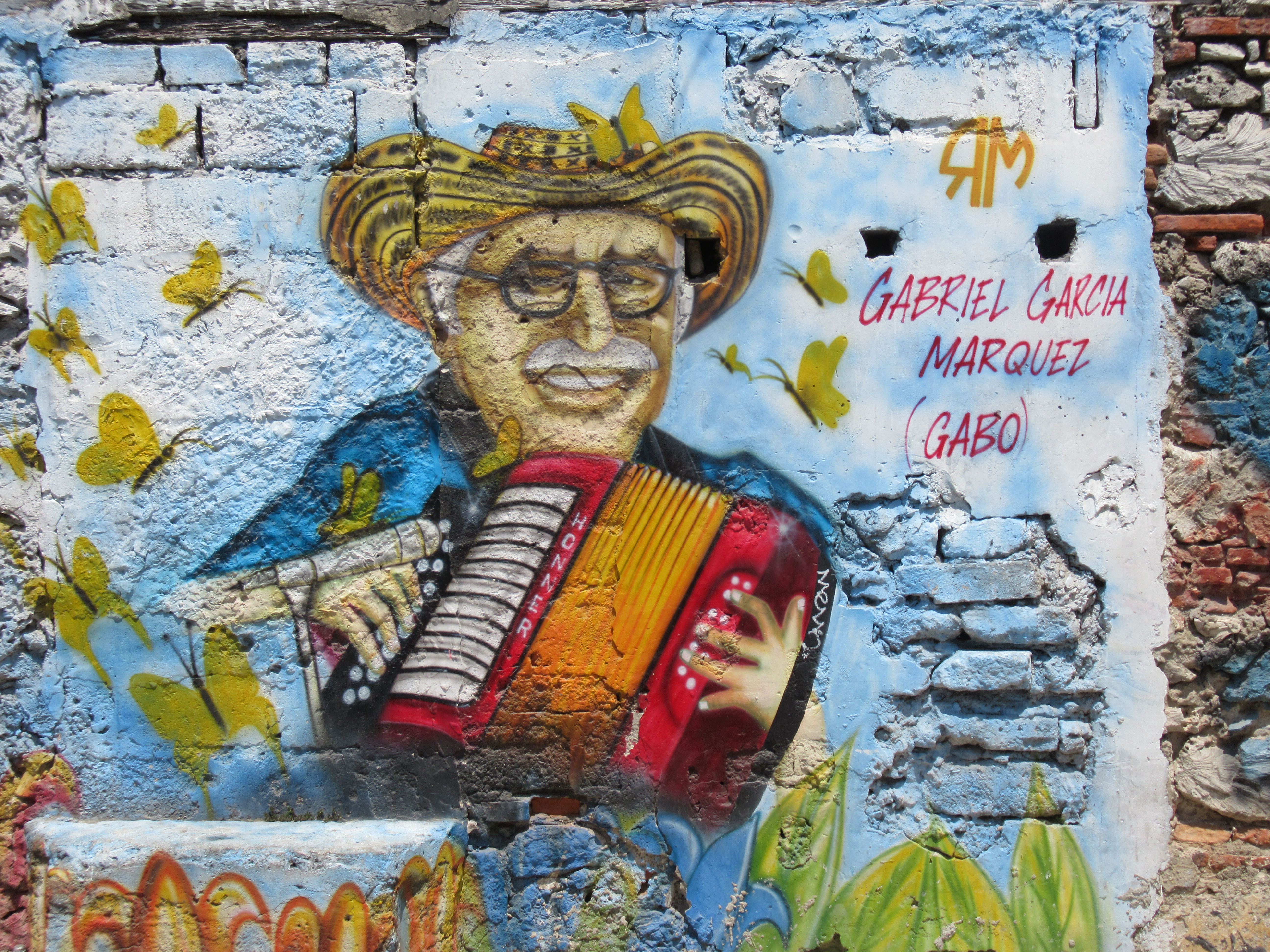
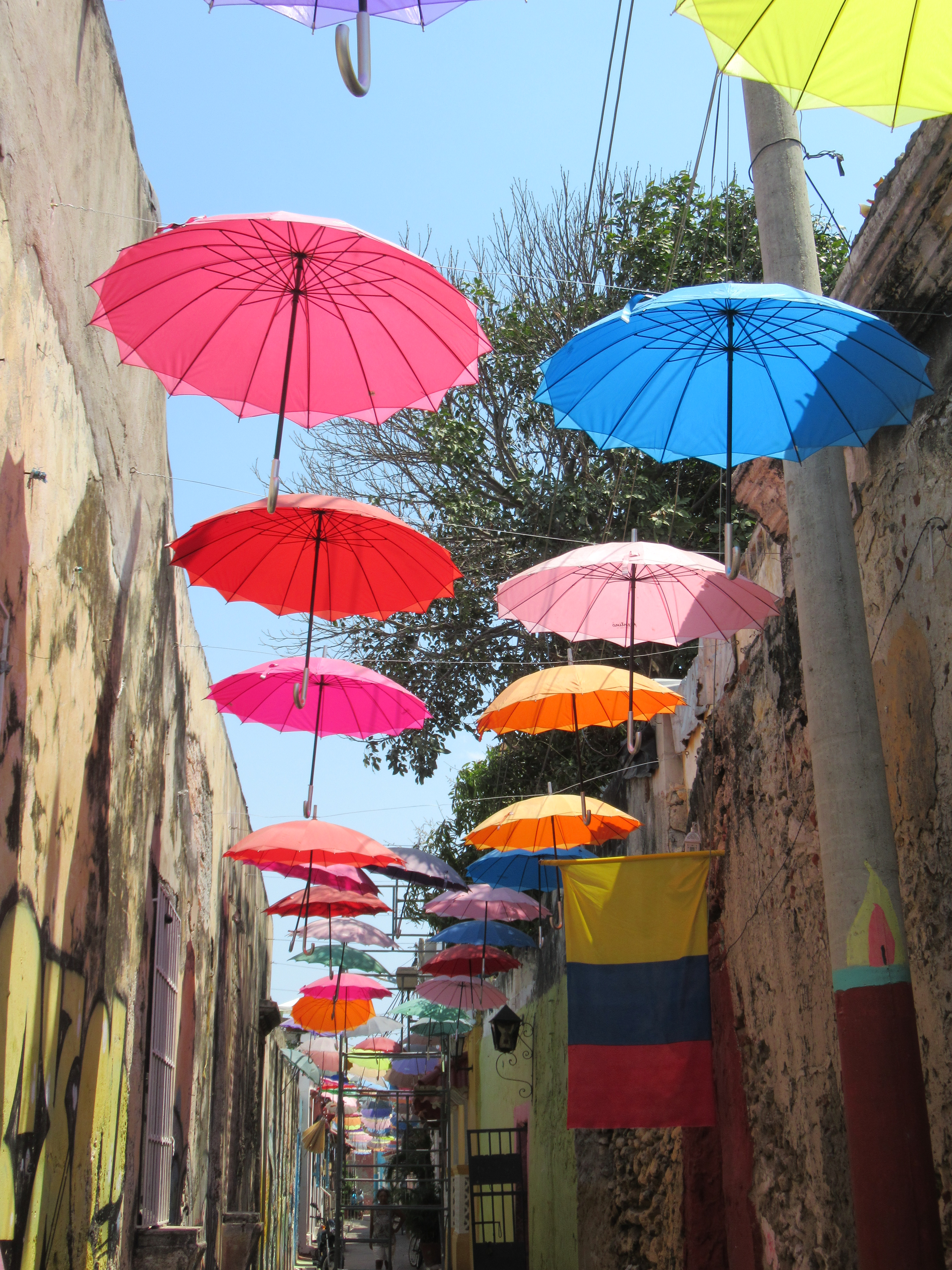
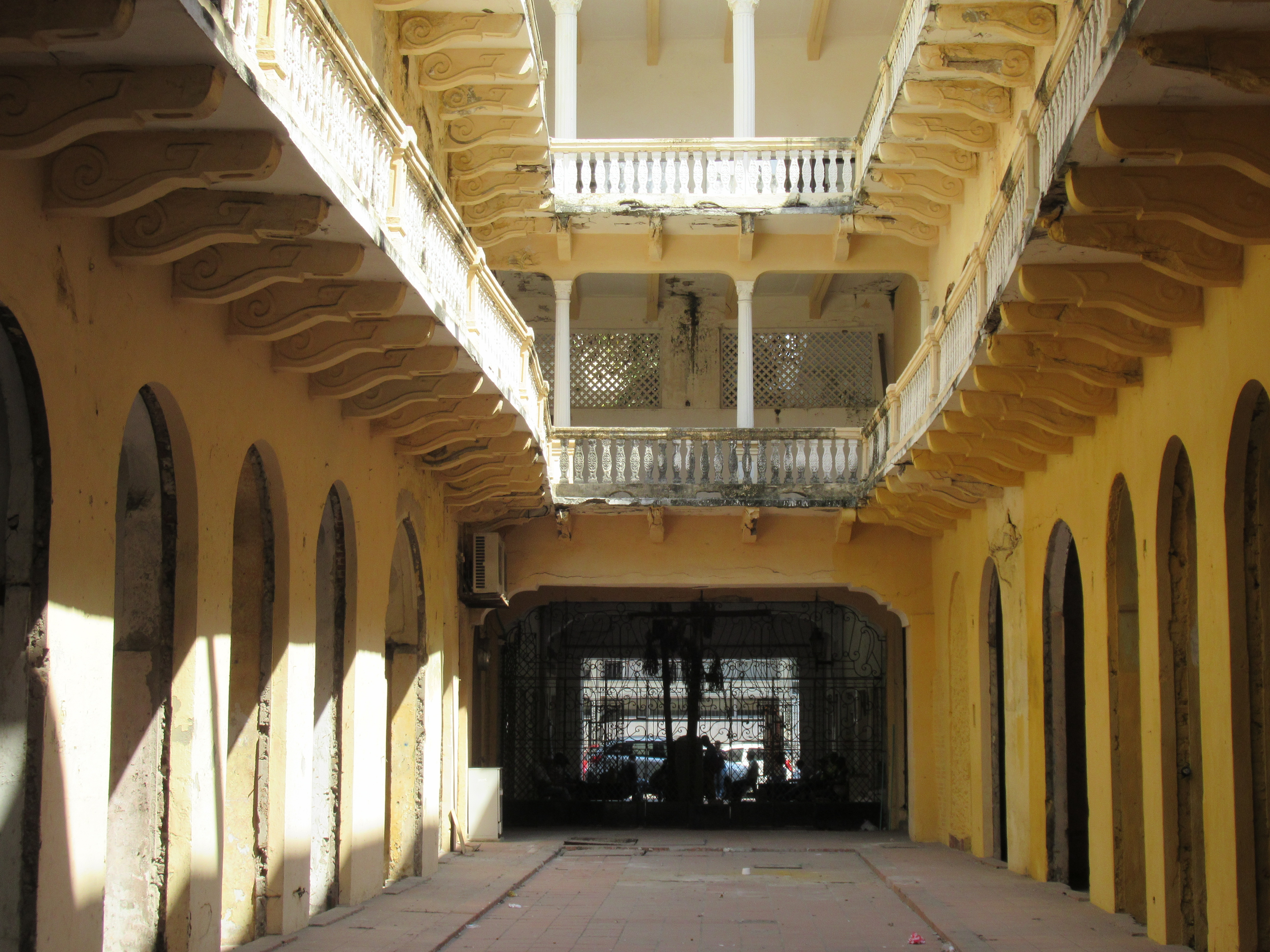
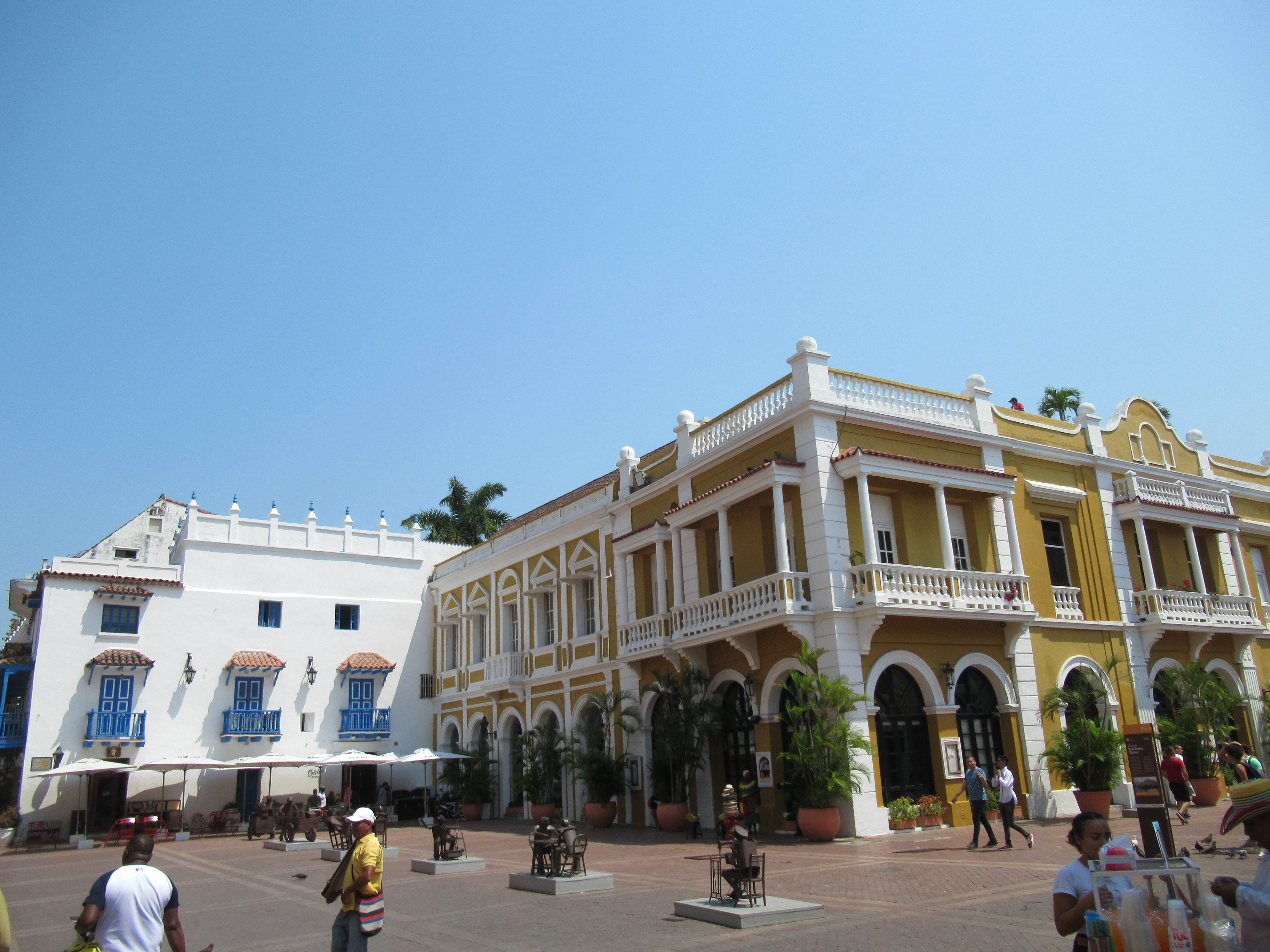
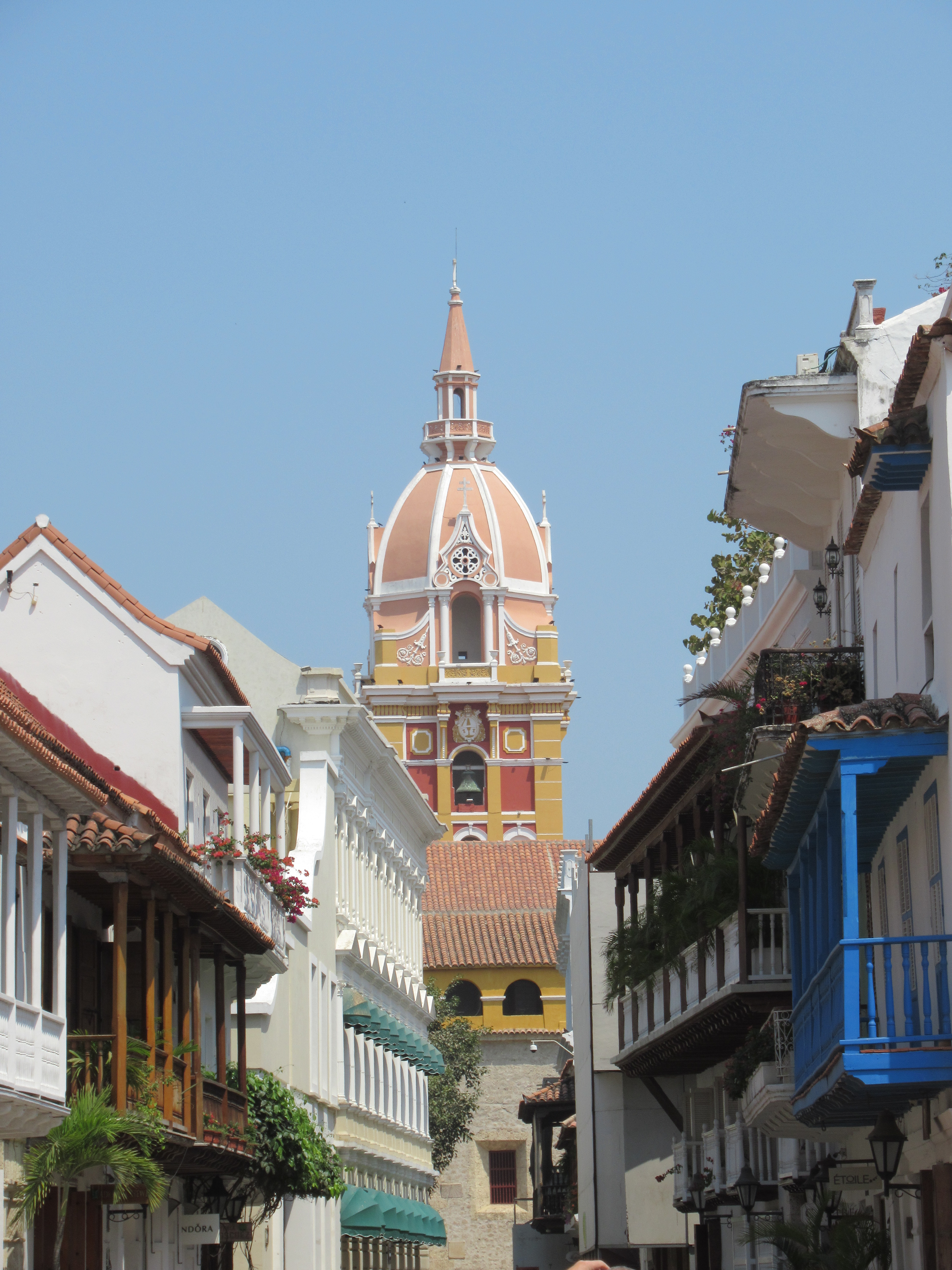
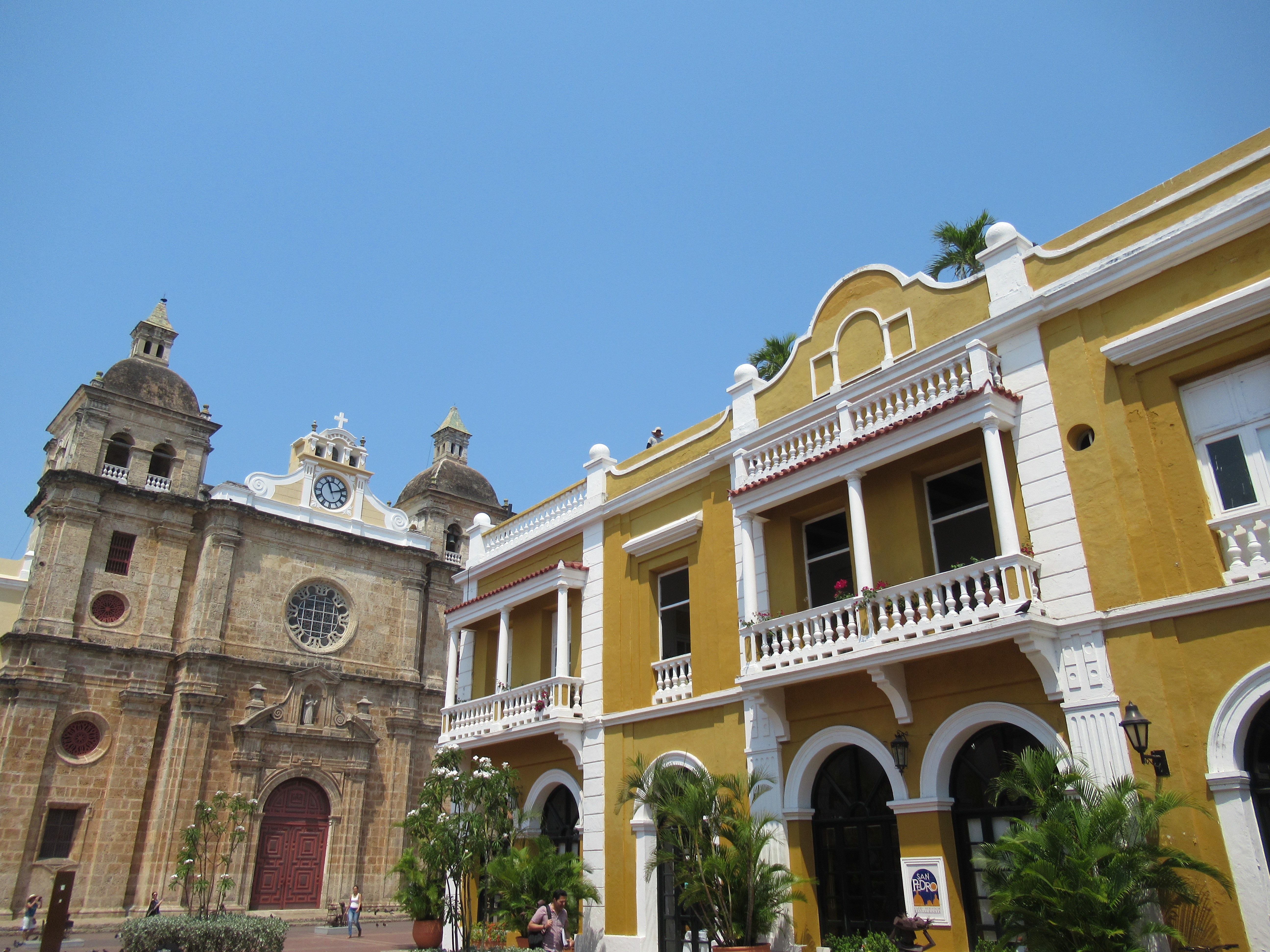
Walking through the narrow streets of old Cartagena see the two main types of architecture. Wooden balconies denote Colonial period of the 19th century, whilst stone balustrades and balconies denote the Republican period from the 1920s and 30s. You see. You learn with these blogs. Many balconies dripping with bougainvillea flowers. A competition is held every year to find the most beautifully decorated balcony. The winner pays no council tax for the year. One house has so many plants decorating its balcony it’s won for the past few consecutive years.

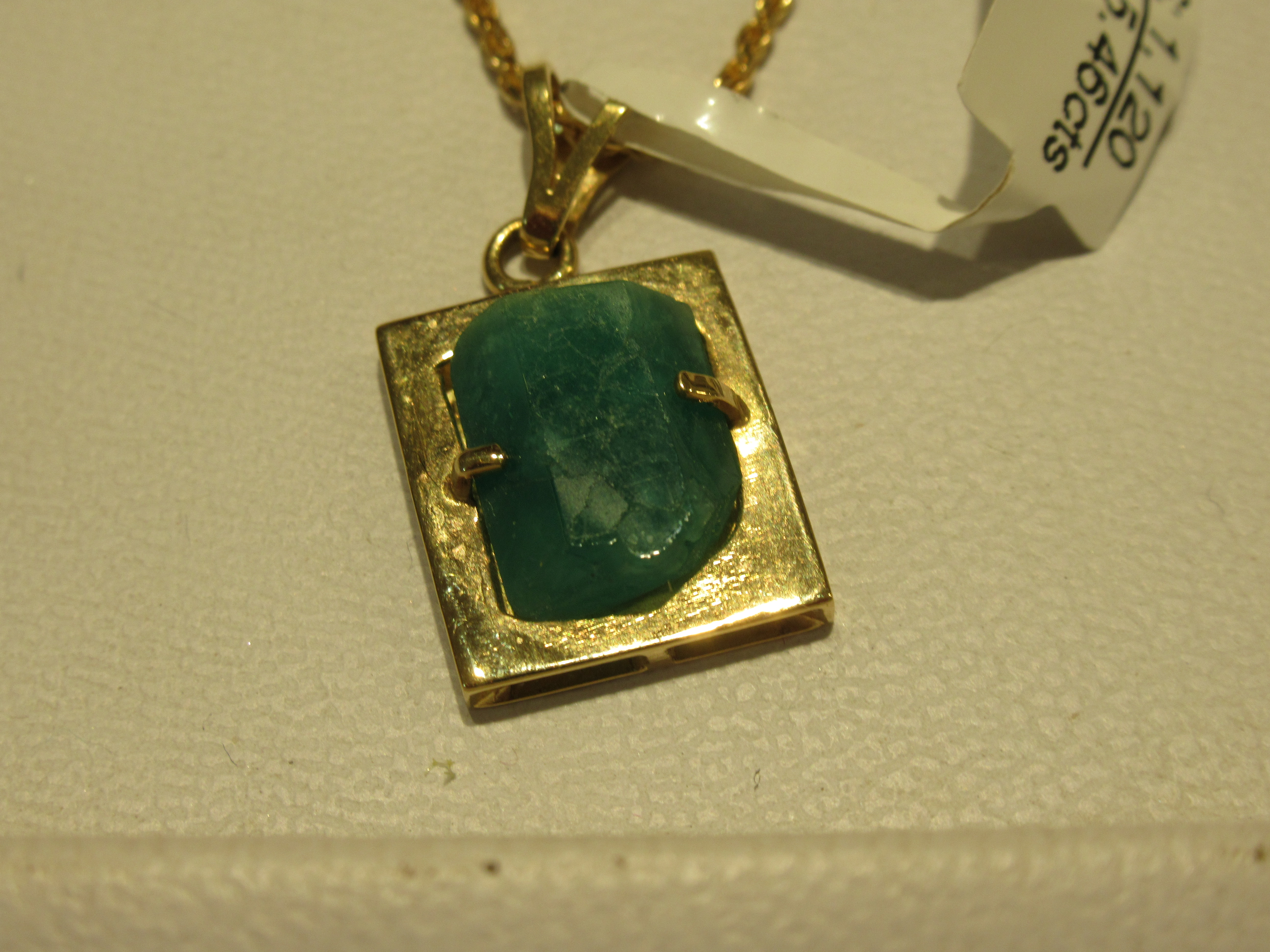
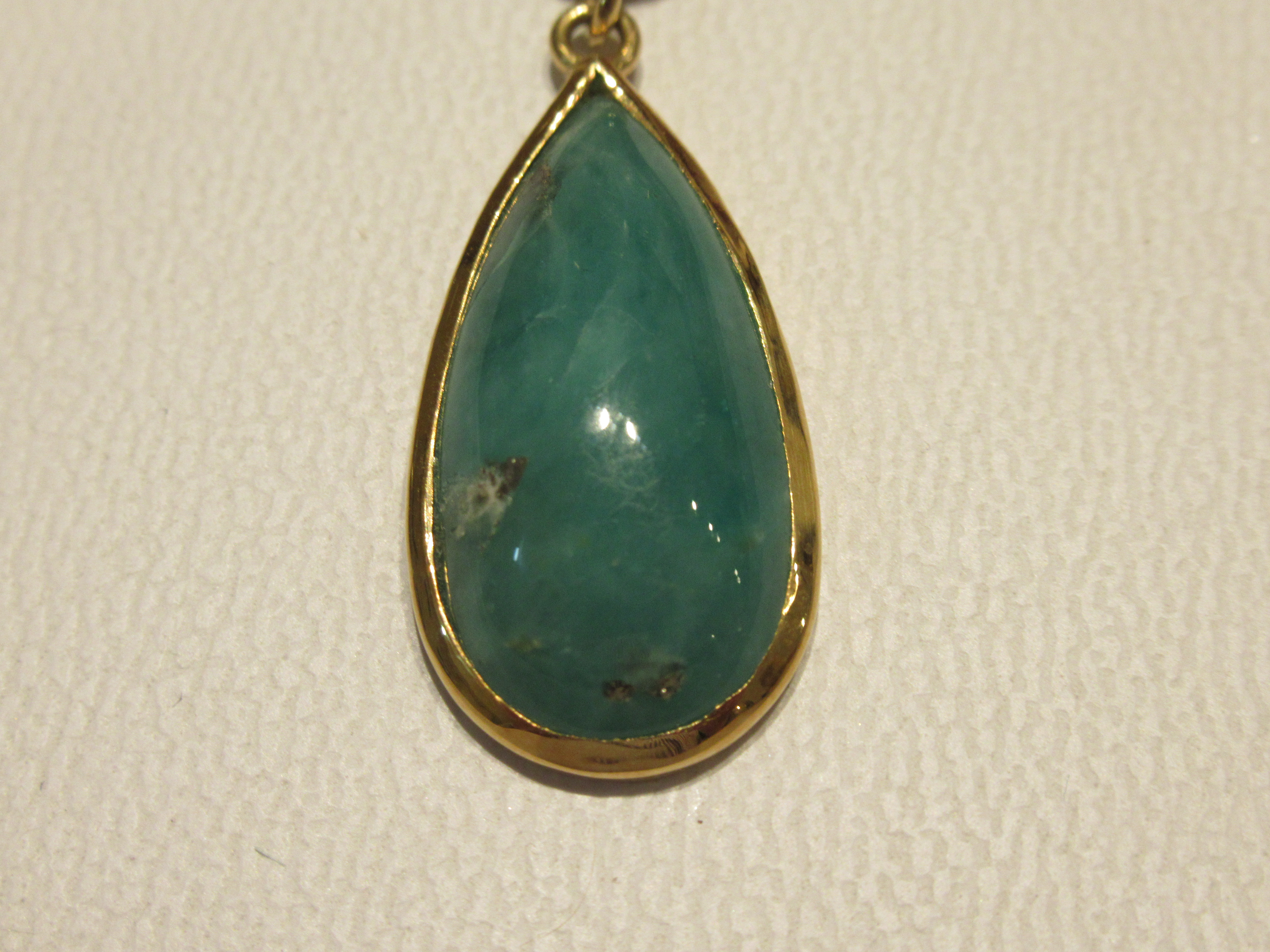
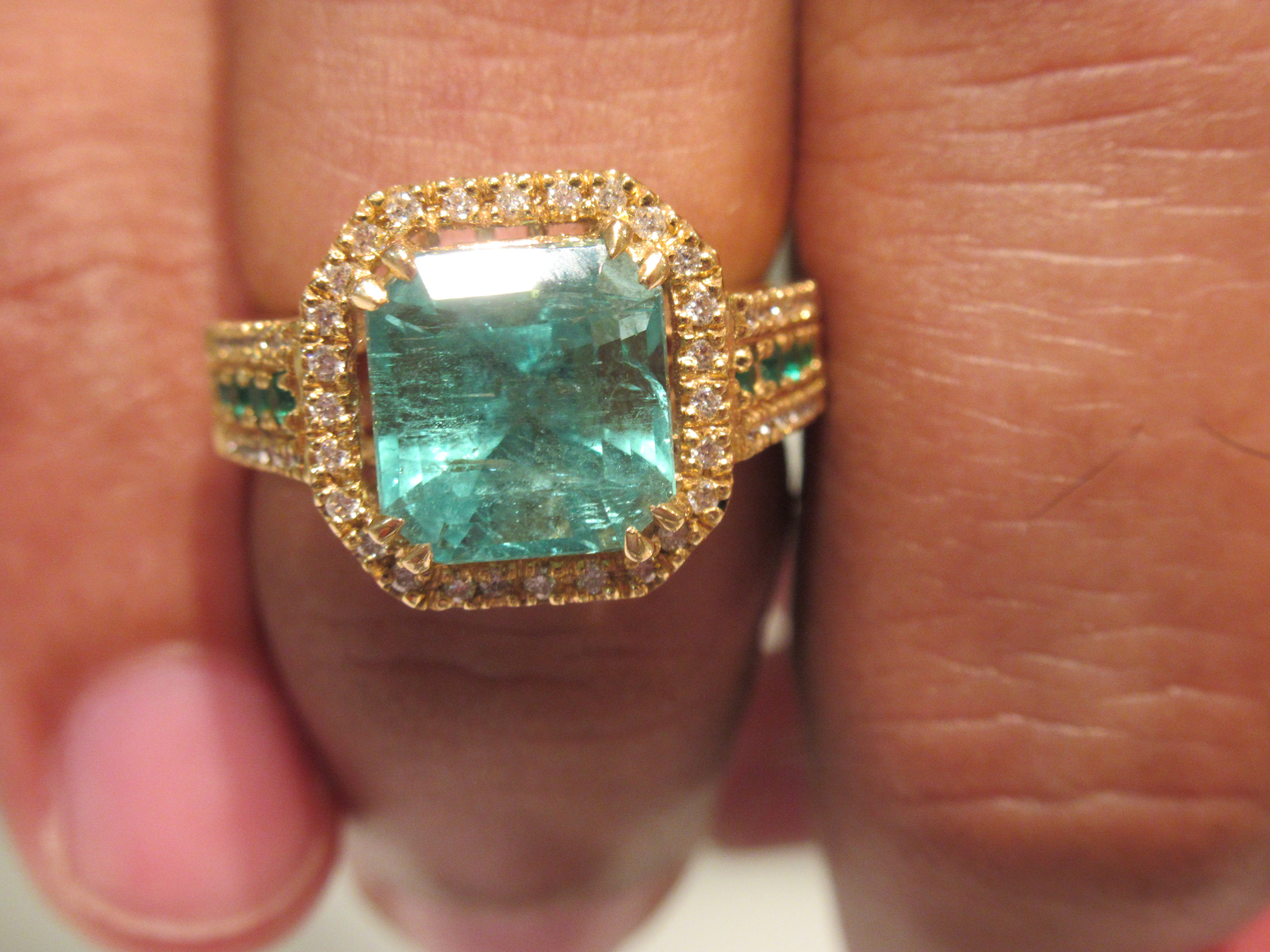
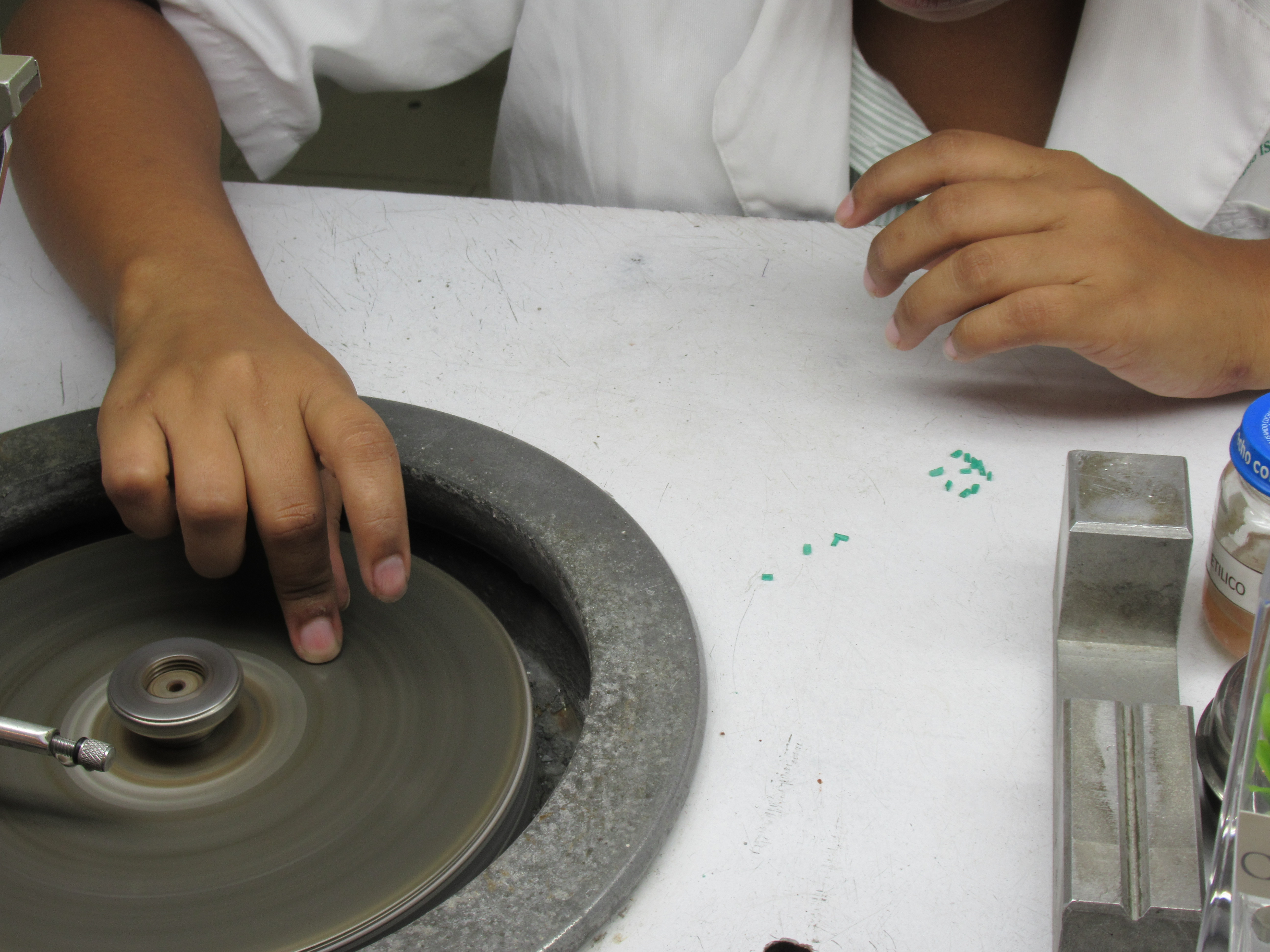
Colombia is well known for its emeralds and a small museum tour is a precursor to the emerald shop. My two favourite ladies may be getting an emerald necklace when I return. Generous Uncle that I am. Don’t hold your breath though. They were the cheapest in the shop.

Emeralds are graded by three things: colour, clarity and transparency. Clarity is how many inclusions the stone has or hasn’t. Transparency is how much light reflects inside the stone. See the photos below which show the difference.

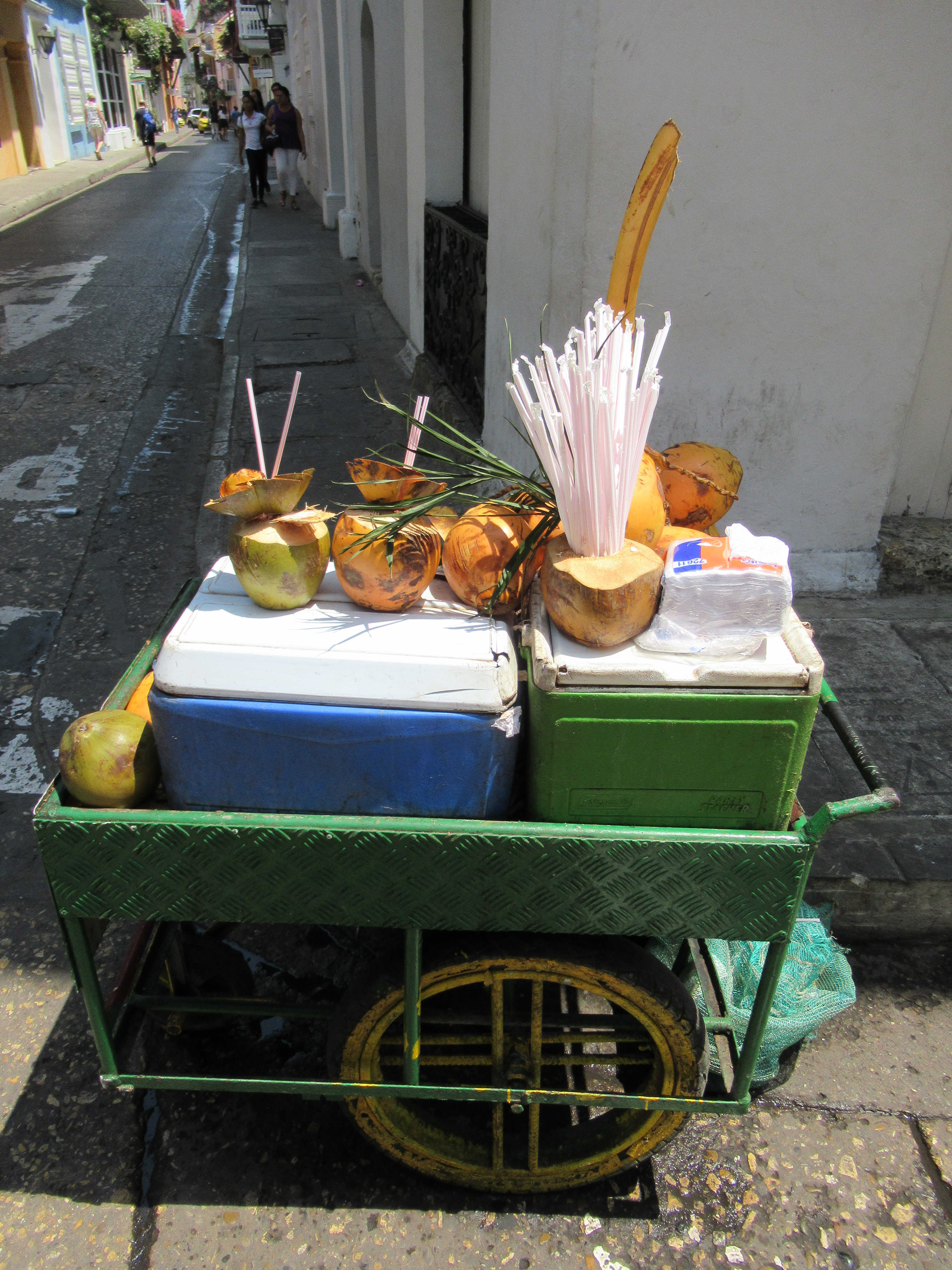
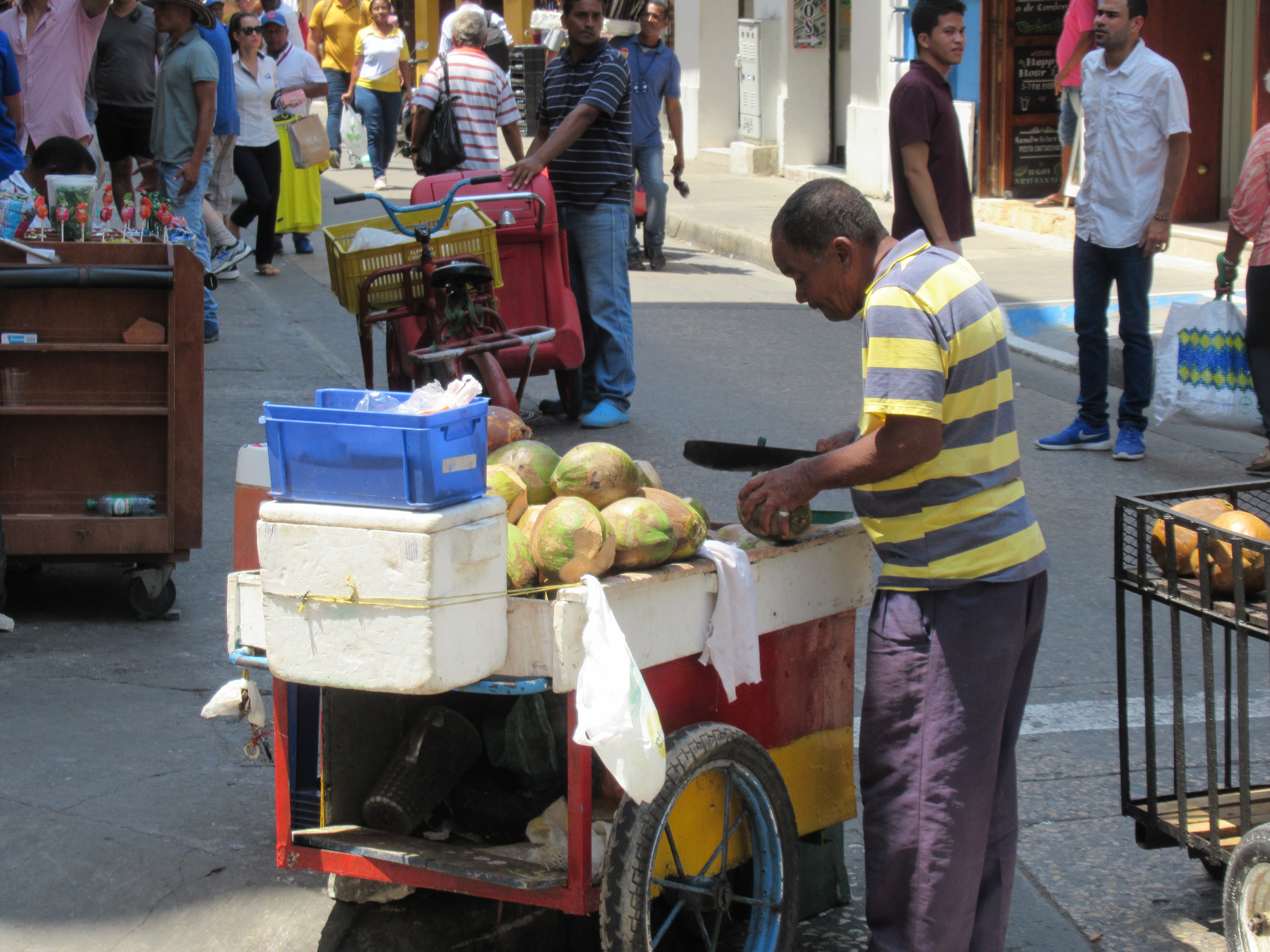
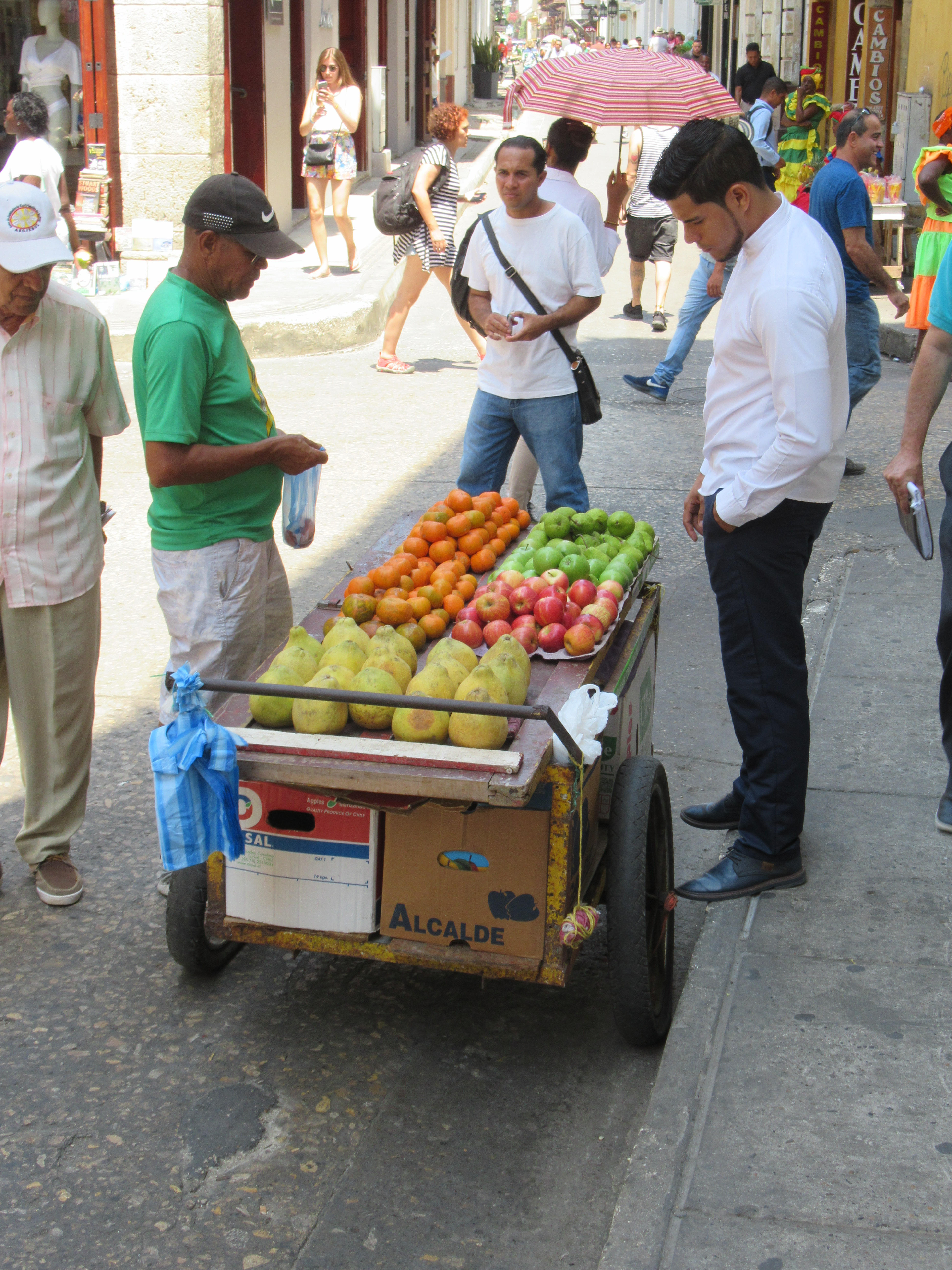
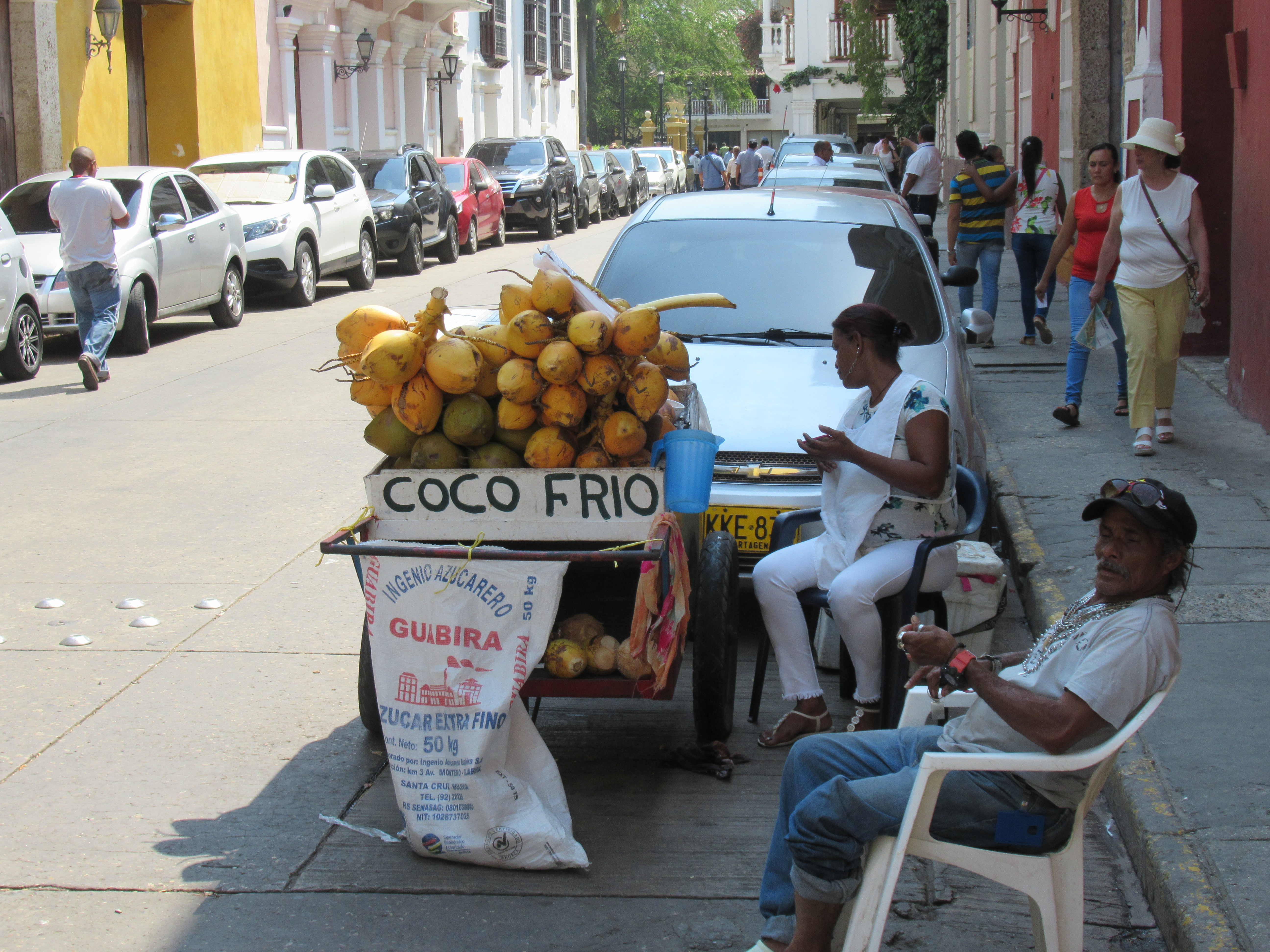
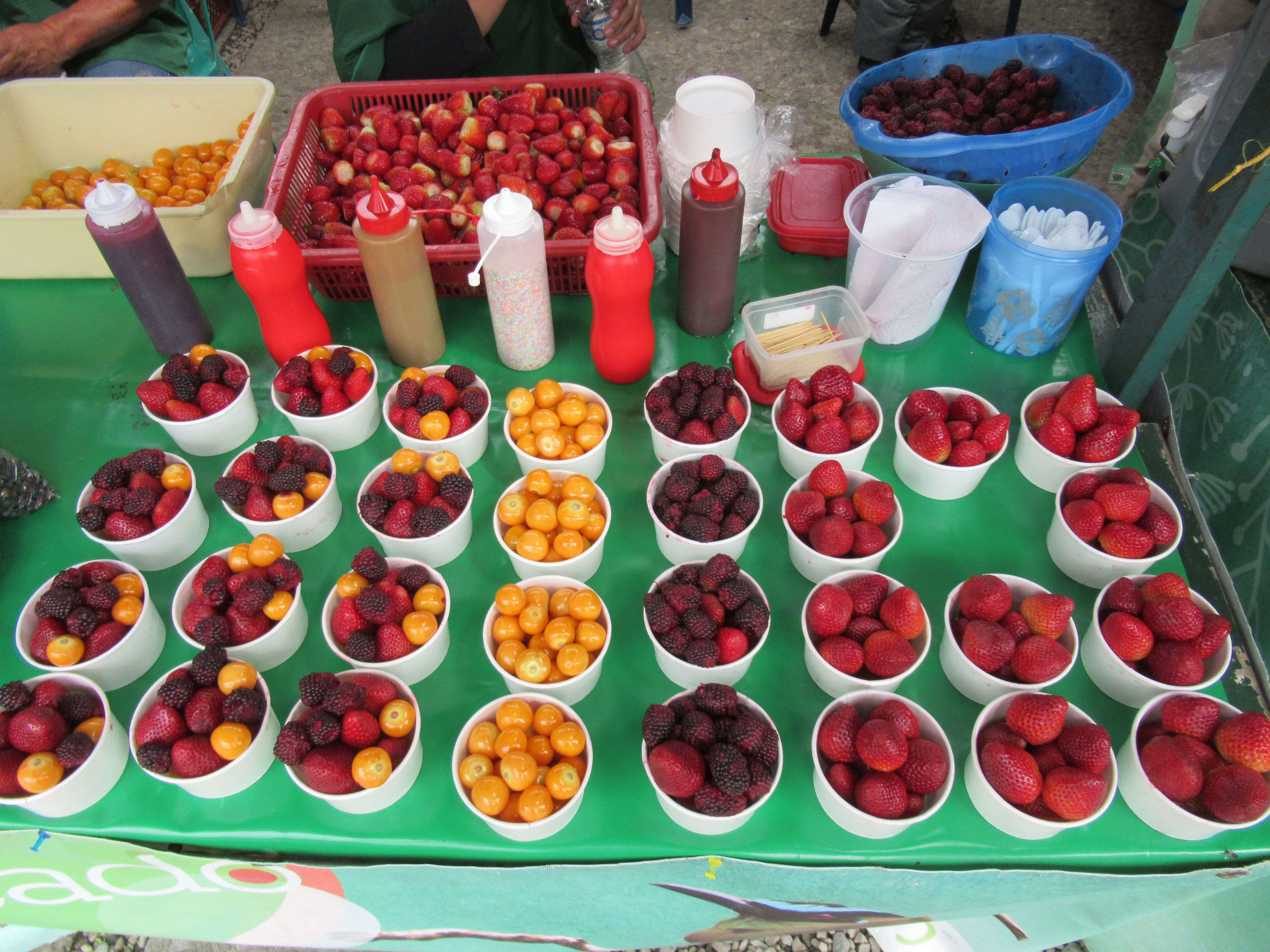
All along the streets are a mix of cruise ship tourists following a flag with a guide with a loudspeaker around his neck so we can all hear his commentary and a variety of street sellers selling anything from dodgy Cuban Cohiba cigars (I have a preference for a Cohiba Siglo VI and know how much they really are, not the few dollars they’re being offered on sale for), fresh lime juice with ice of dubious origin, fresh fruit and the usual bottles of water, necklaces and other such tourist tat. It’s a noisy concoction of people.

Wander over to the less touristy part of the old town. Immediately the ambience changes. Much more local with locals living in the properties rather than the part I’ve been in where most of the locals have been priced out by hotels, restaurants and shops. No. Here is much more native. And a better feel for Cartagena of old.

Having spent 5hrs traipsing around in 35C heat and what feels like 100% humidity, I’ve had enough. Food, drink and a goodbye to guide is in order. The problem with having a private guide is that if you get a good one, it’s a great day out and well worth it, like my guide in Medellin. If you get an OK one who is just going through the motions then it’s a bit tedious and intense as you’re obviously obliged to listen but it’s hard work. Everything I say is responded with, “Berry good, berry good. Yeah.” (they pronounce V as a B).

Slowly cool down over lunch in a nice air-conditioned restaurant. But. Another half hour walk back through the furnace of early afternoon to the air-conditioned Hotel Kartaxa (https://hotel-kartaxa-cartagena.hotels-cartagenacolombia.com/en/). As nice as Cartagena is, it’s way too hot in the afternoon to do any more touring.

Becomes a lot cooler after sunset as there’s a strong coastal breeze.

Thankfully.

65. South America. Tick.

Monday, 25 February 2019

Cartagena, Colombia


Short 1hr flight to Cartagena. Finally arrived at the Caribbean coast after 65 days of travelling. Couple of days in Cartagena before the next leg of the trip. Central America.

So.

That’s that.

South America. Tick.

64. The FARC guerrilla torture chamber

Sunday, 24 February 2019

Medellin, Colombia


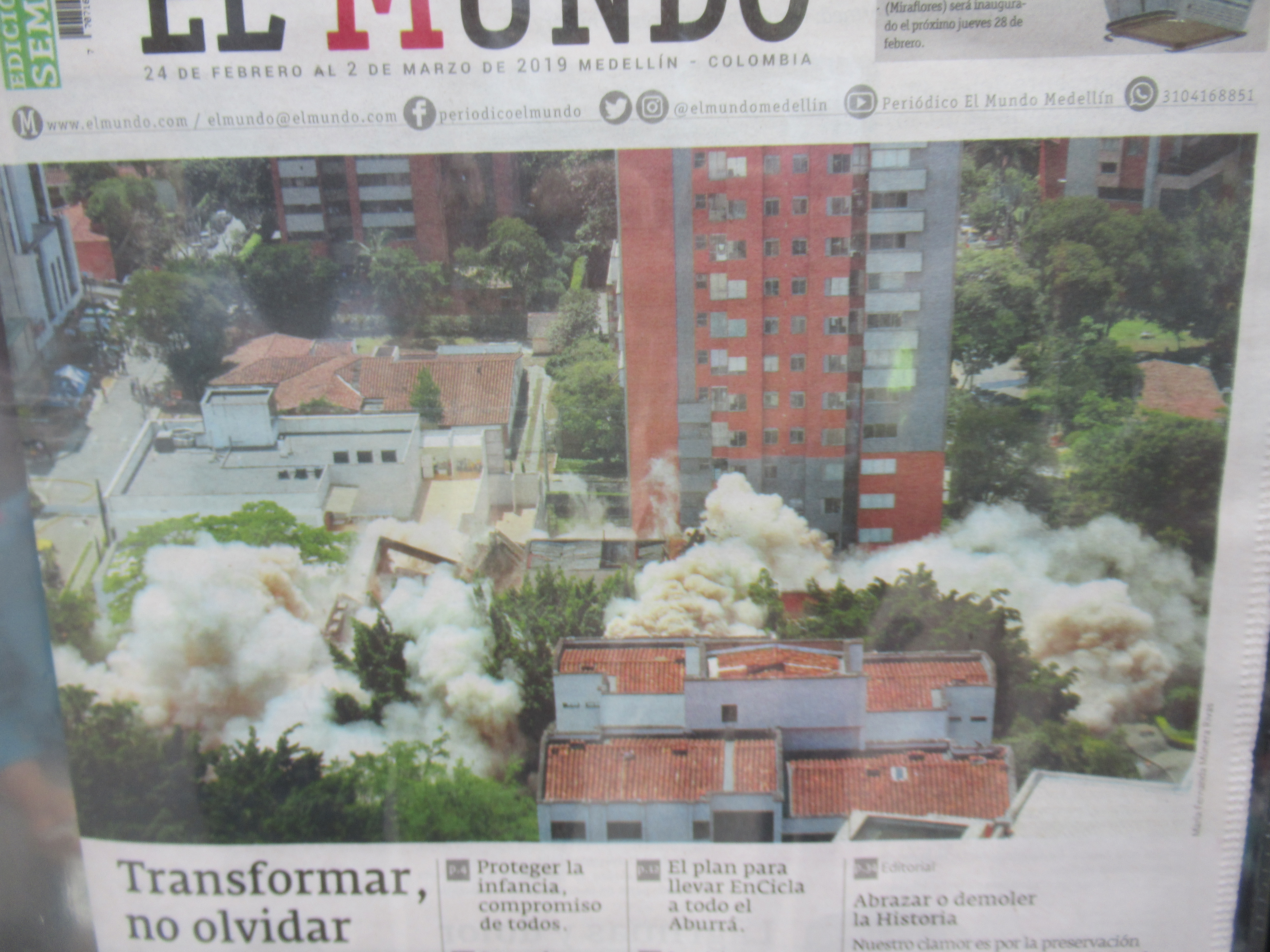
Medellin. Famous for Pablo Escobar and the Medellin Drug Cartel. Was due to visit the area where his house is but the authorities demolished it only two days ago, on Friday. It’s to become a memorial park for all those that were killed by him and his cartel over the years.

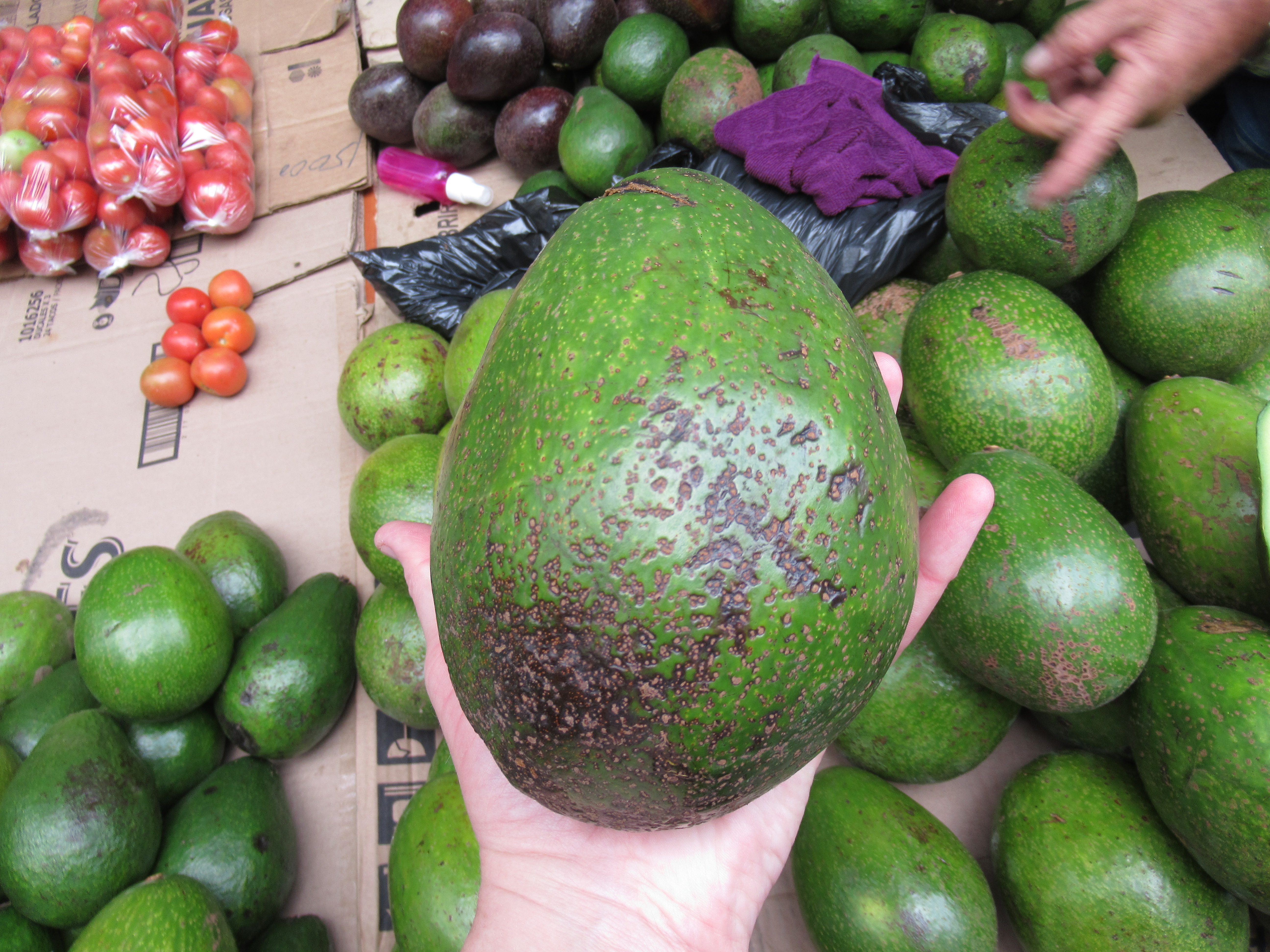
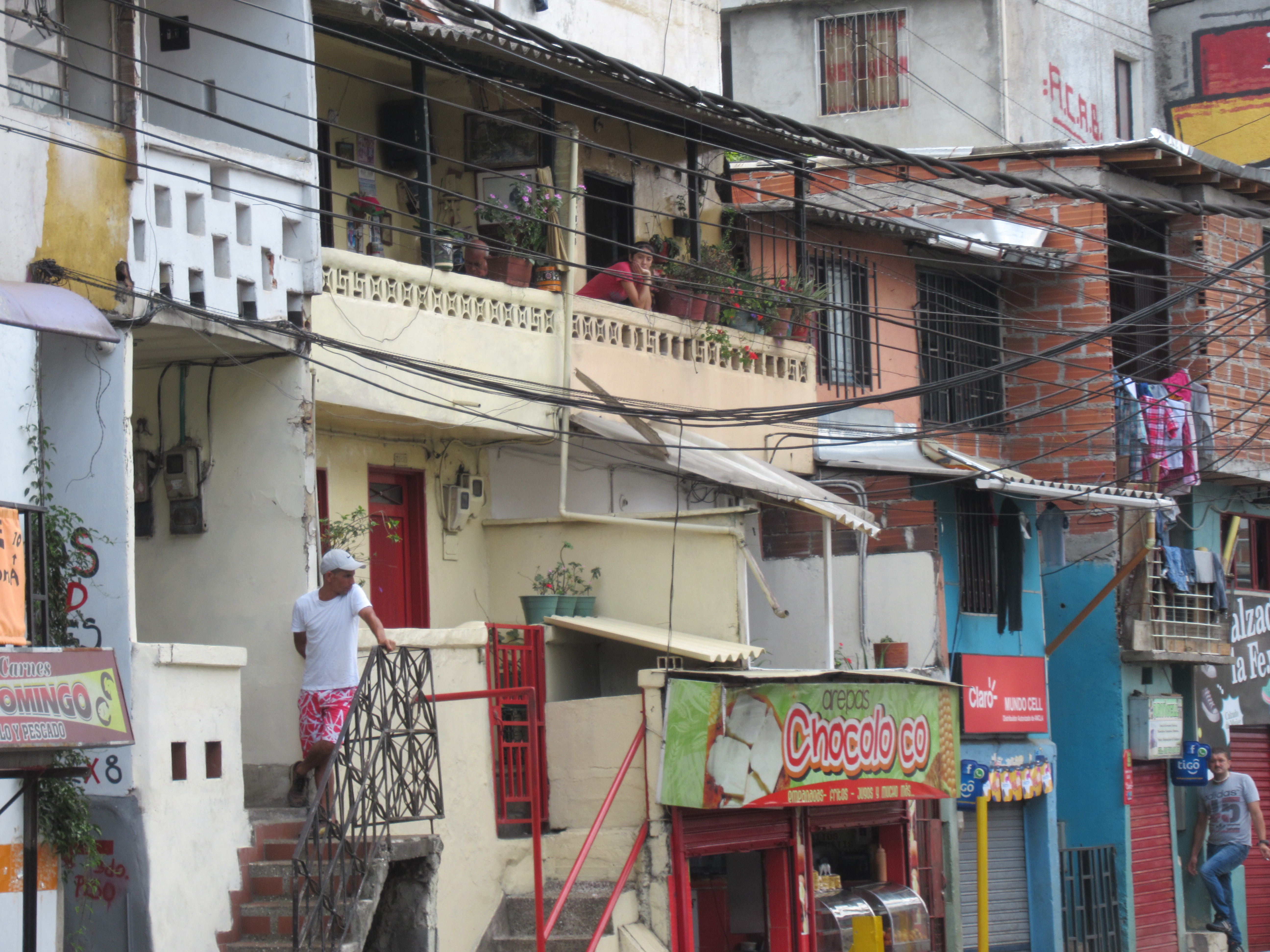
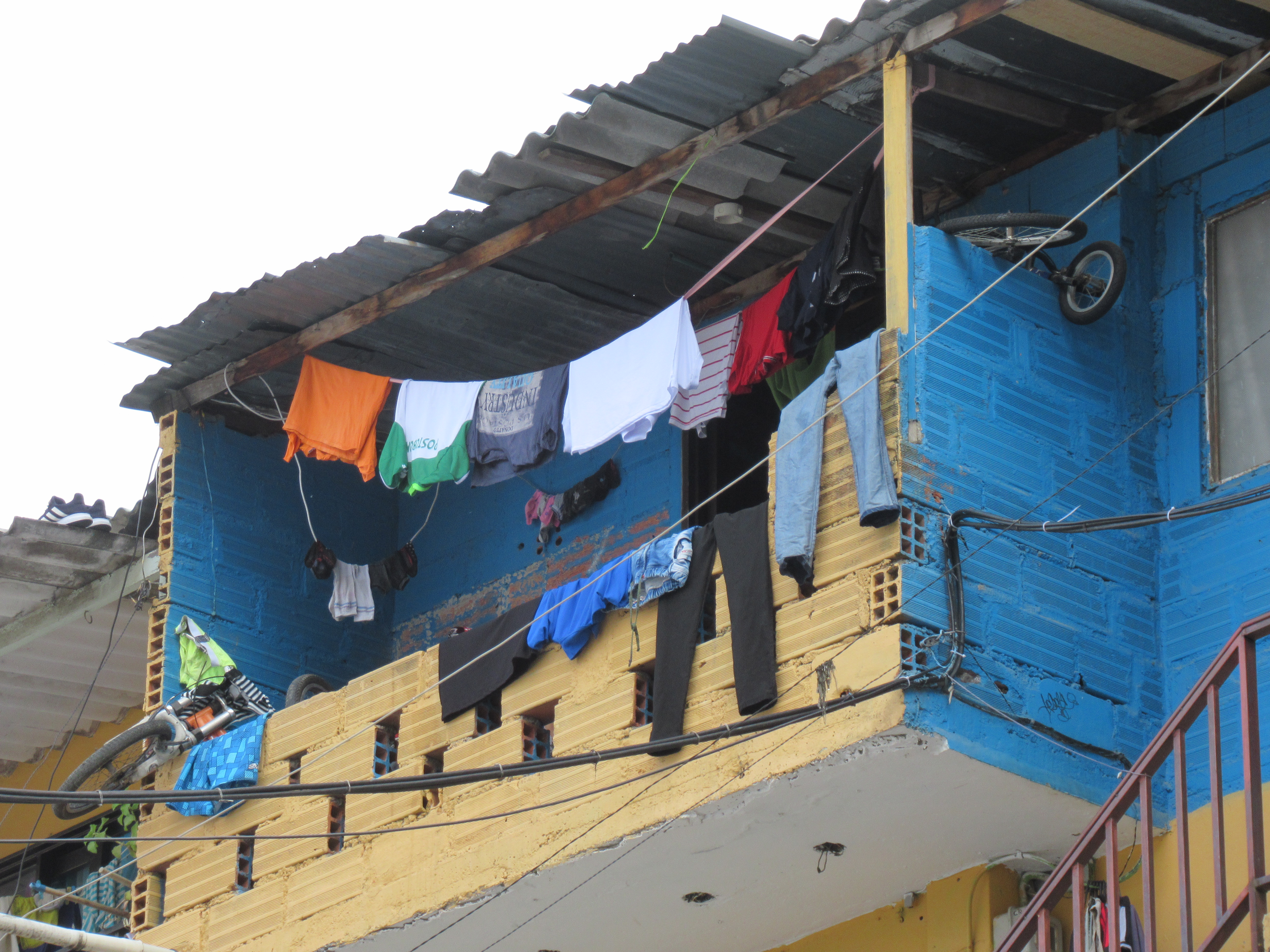
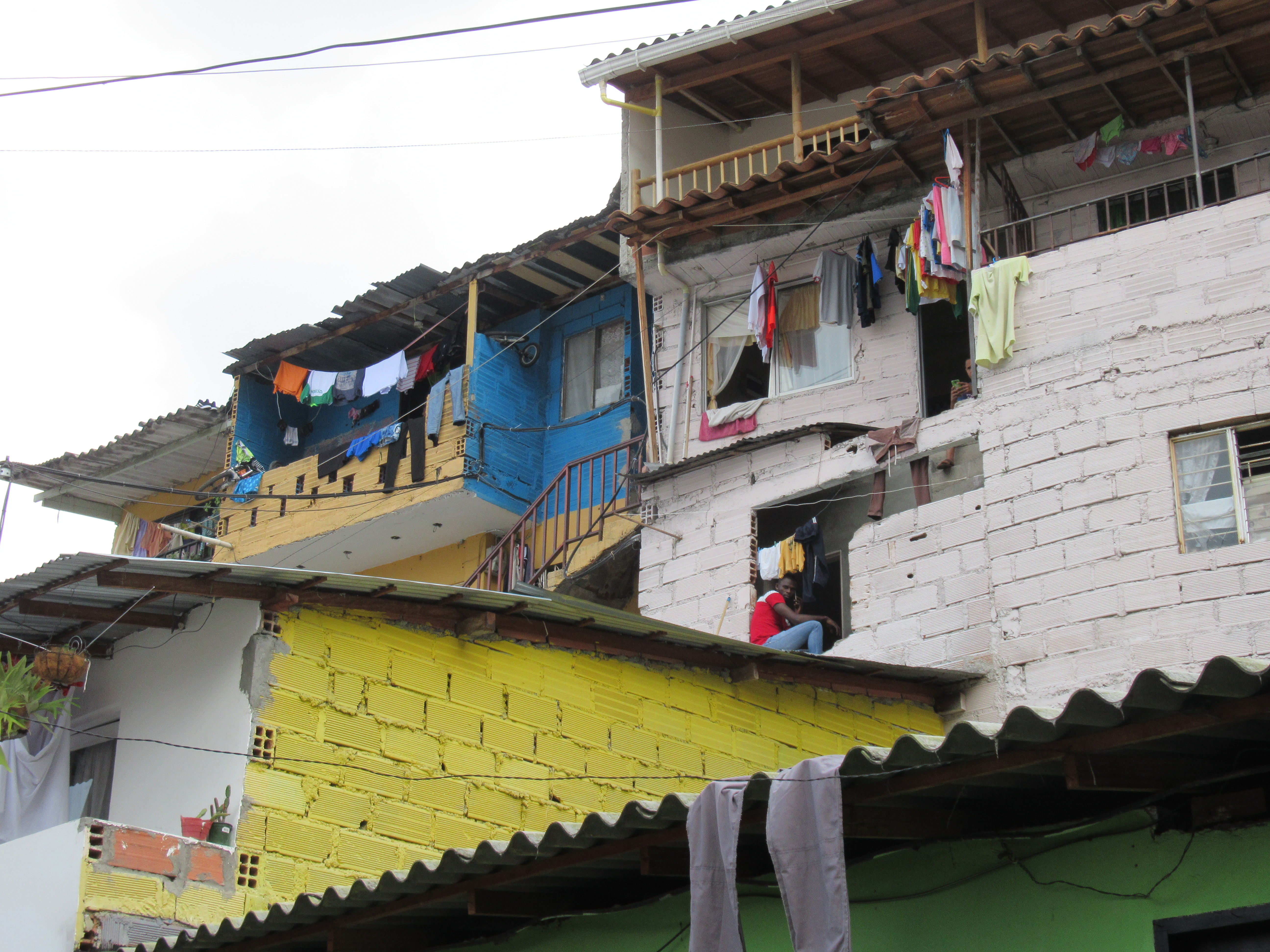
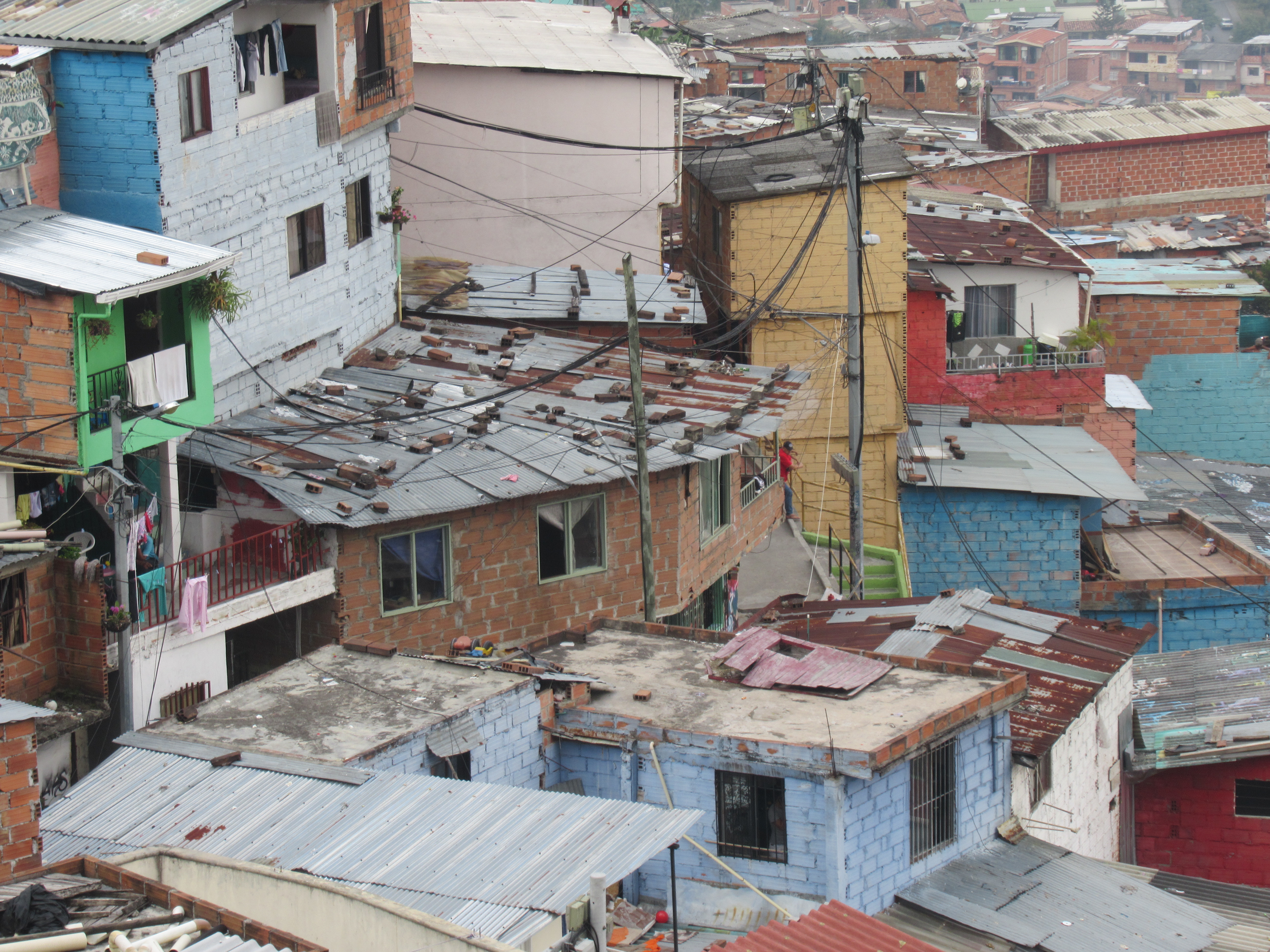
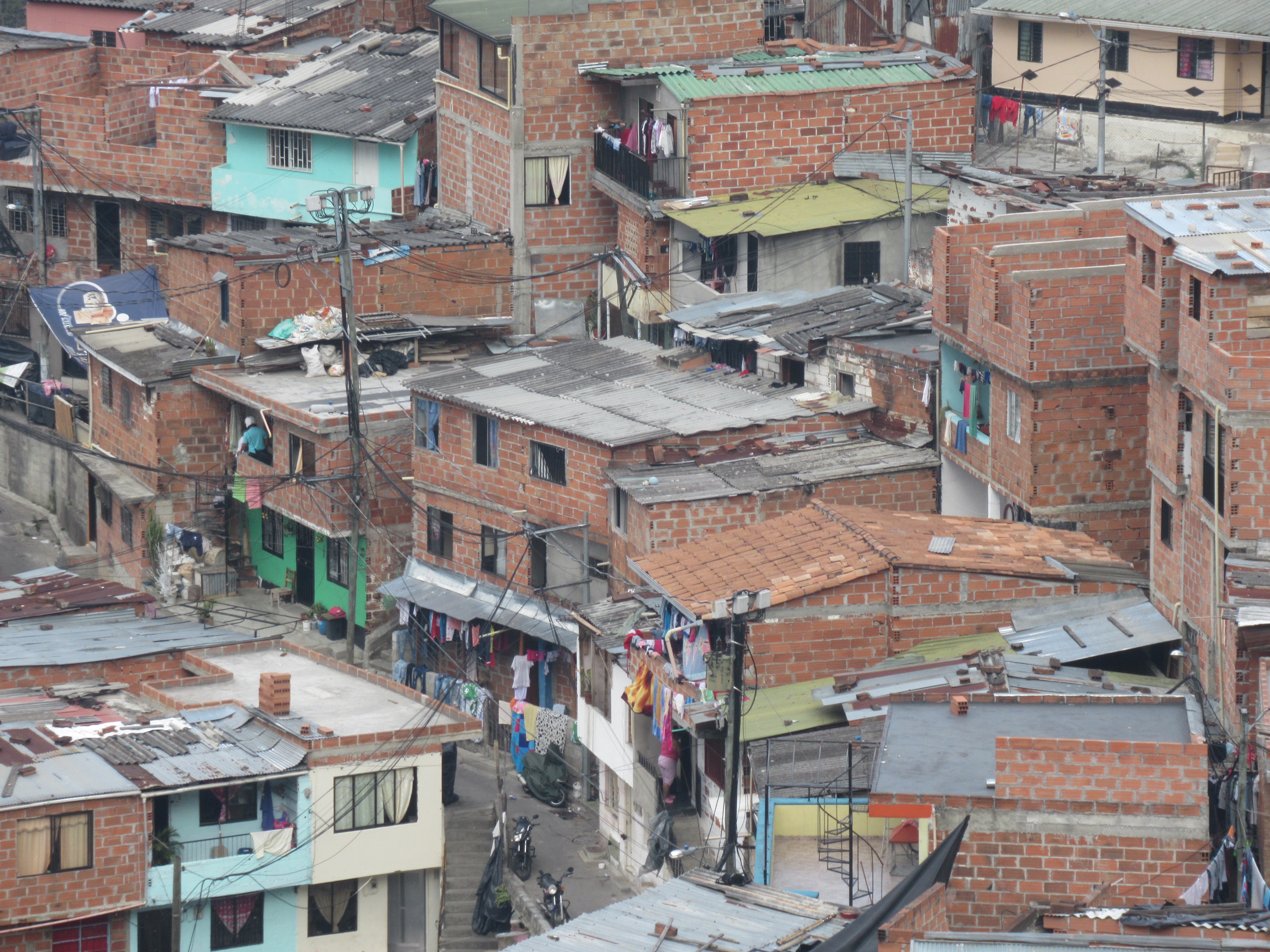
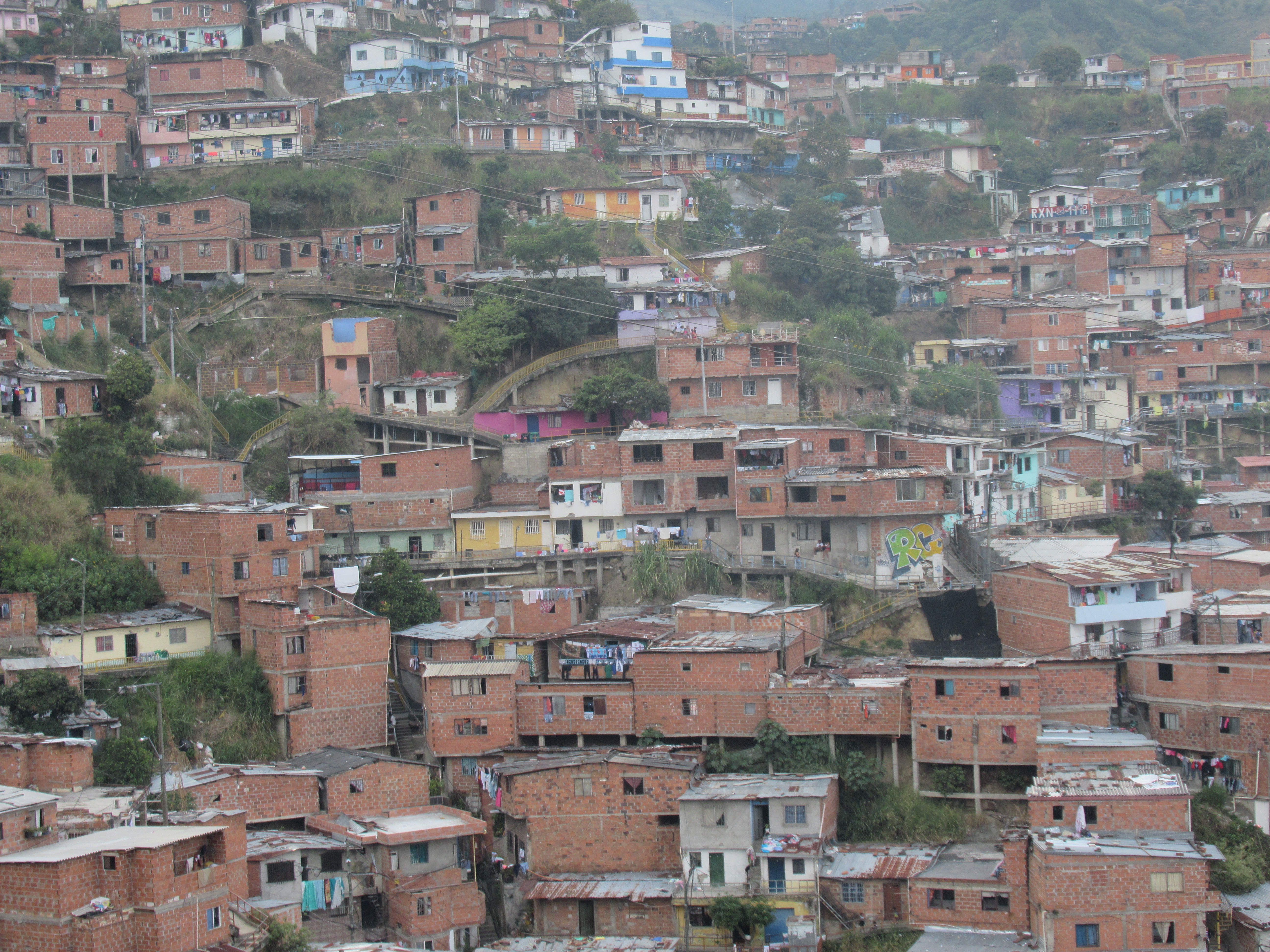
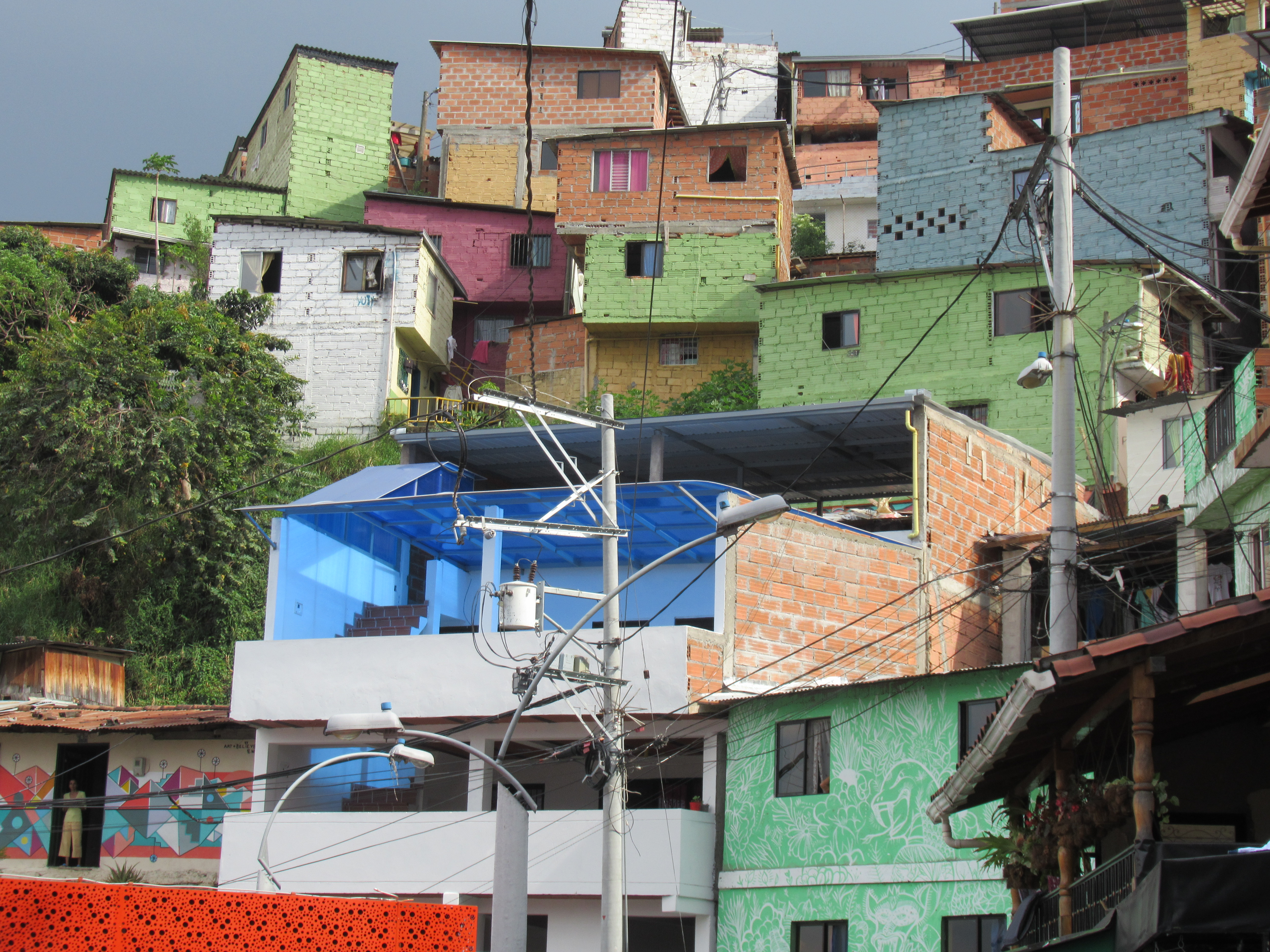
Since the early 2000s, Medellin has undergone something of a transformation from drug cartel and FARC guerrilla controlled favelas to now being much safer and becoming a tourist attraction. The first area to attract regeneration was the Santo Domingo Savio by the construction of a cable car from the river valley, at 1,500m up to the top of the mountain at 2,500m. The cable car enabled the locals to travel from the favela, which clings to the side of the mountain, to the city centre in the valley below to find work. Even so, the dwellings are still a mix of basic brick structures and wooden shacks. The cable car runs further to the top of the mountain and then across the top of the mountain for about 11km to the Arvi Park. Now an outdoor activity area which includes a farmers’ market. Plenty of small farms, or fincas, dotted around the mountain top and they now sell their wares at the regular market including various food stuffs, vegetables and plenty of fresh fruit.

On the return journey, stop off at Santo Domingo station and have a walk around the streets. Feels safe, despite two young lads starting a fight a few yards away, until a girlfriend steps in. It’s the usual argy bargy and pushing and shoving. Great views over the city below from the view point but wary of a young lad hovering about very close to us. He’s touting for business and wants to tell us the local history. For a fee. Obviously. His offer isn’t taken up. Plenty of street sellers and this is the real local habitat with not many tourists stopping off here. We’ll see the tourists later this afternoon.

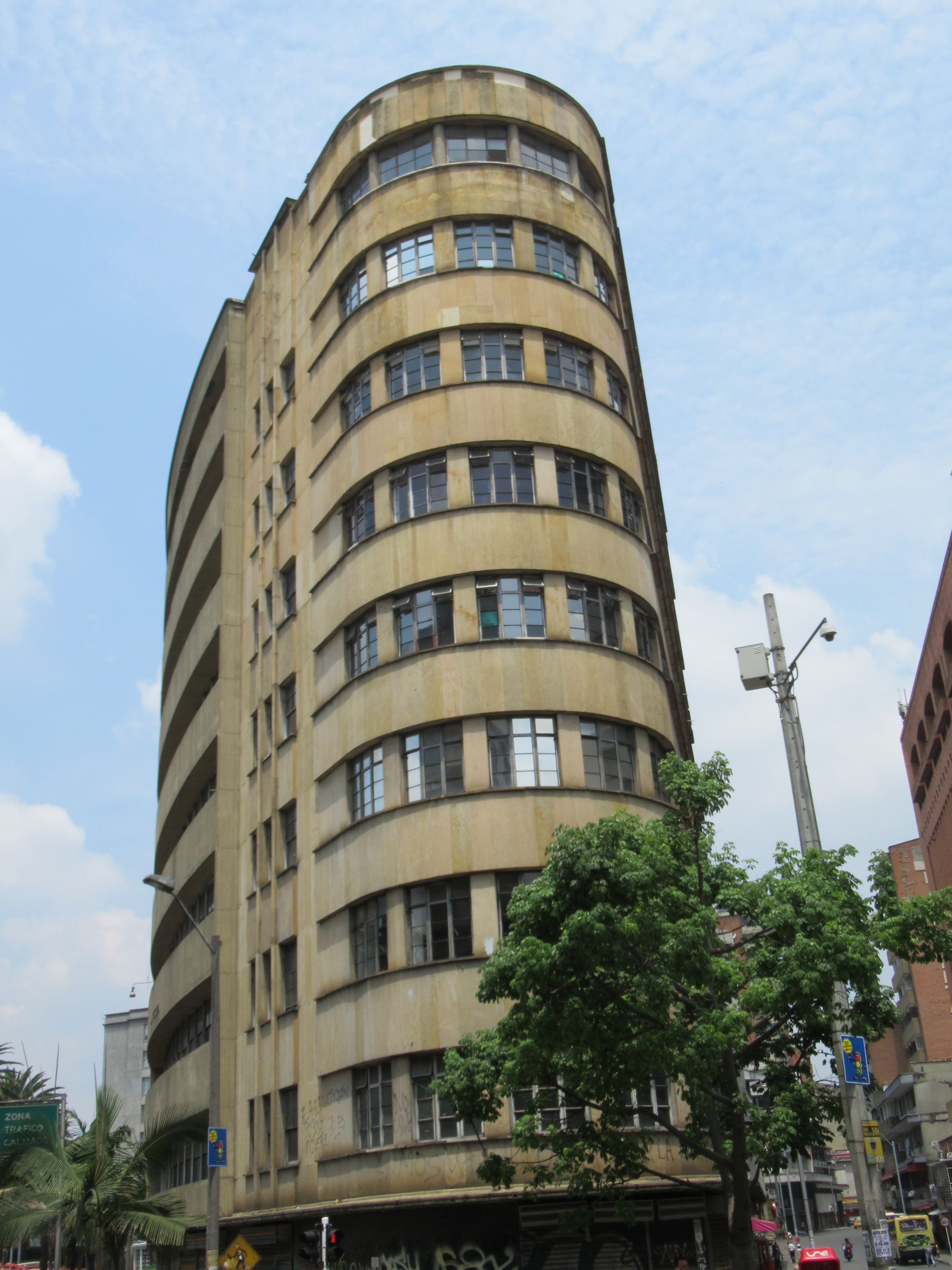
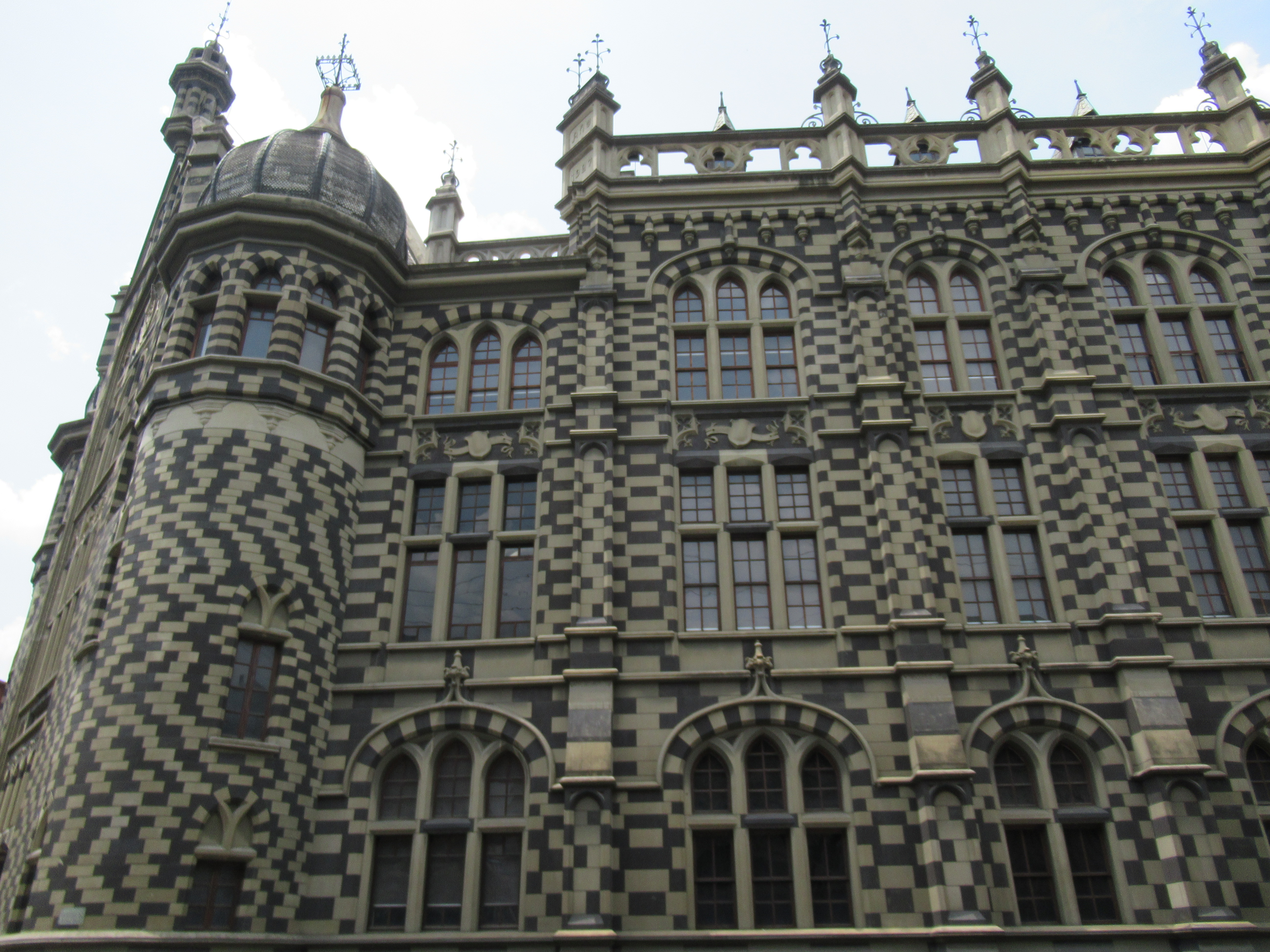
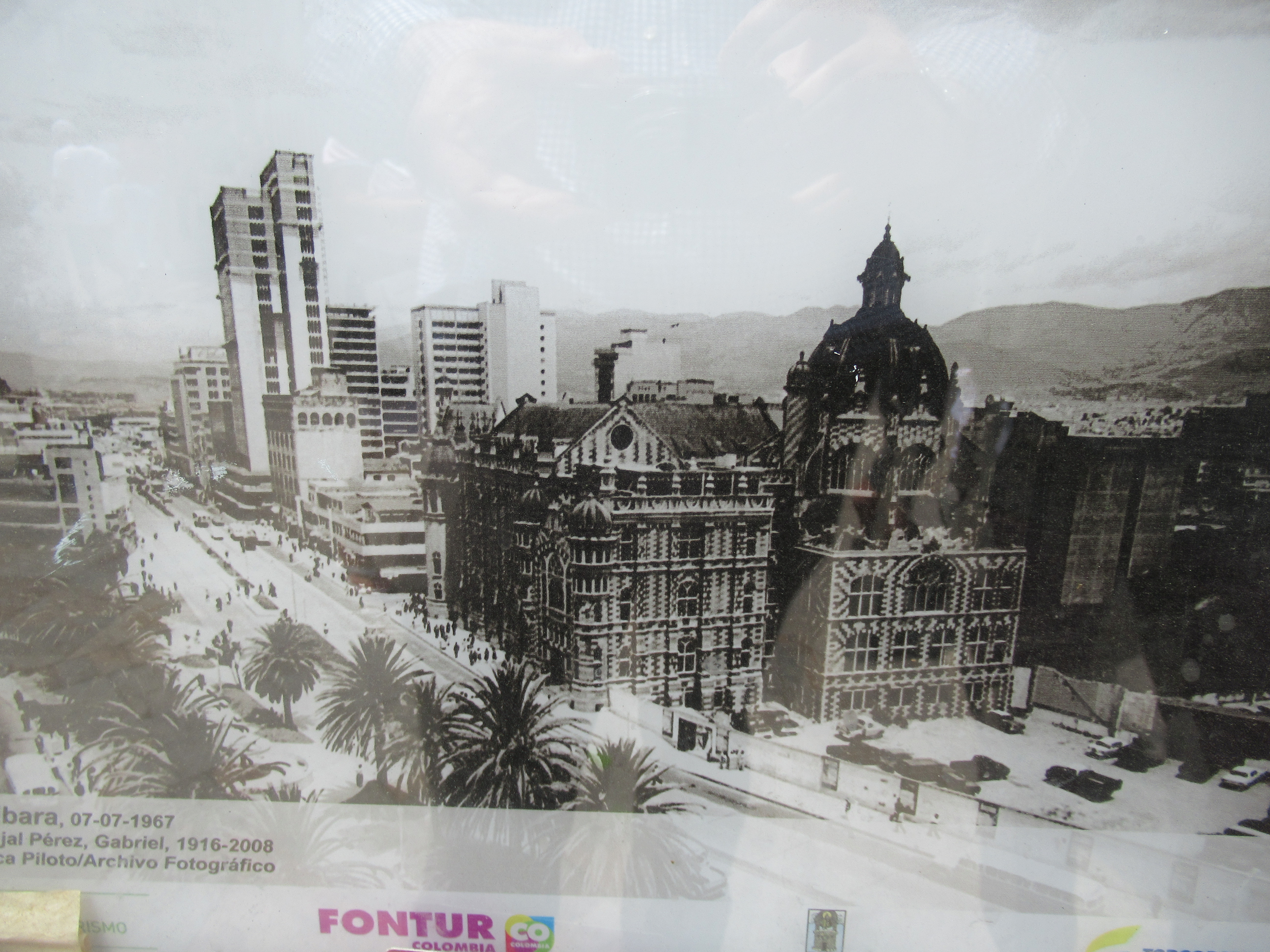
Modern train runs along the river to take us to Parque Berrio in the city centre. This is the main park in Medellin and named after Berrio, a local politician and industrialist who contributed so much to Medellin’s development. It’s normal for the main park in a Colombian town to be named after Bolivar but Medellin is the exception. Bolivar Square is the second square of the city. Parque Berrio is a favourite meeting place for the older generation and there’s lots of people with flasks for selling coffee to those meeting up. Walking through the streets of downtown feels safe and there’s lots of 1970s architecture which was built as part of Medellin’s redevelopment. Trouble is they demolished the old 1920s and 30s mansions to make way for the new city centre. Guide tells me that he has black and white photographs of his grandmother all dressed up in her finery as a young lady with long gloves and fancy dress and hat taking afternoon tea in one of the old cafes that used to line one of the streets we walk along, which is now has bog standard shops.

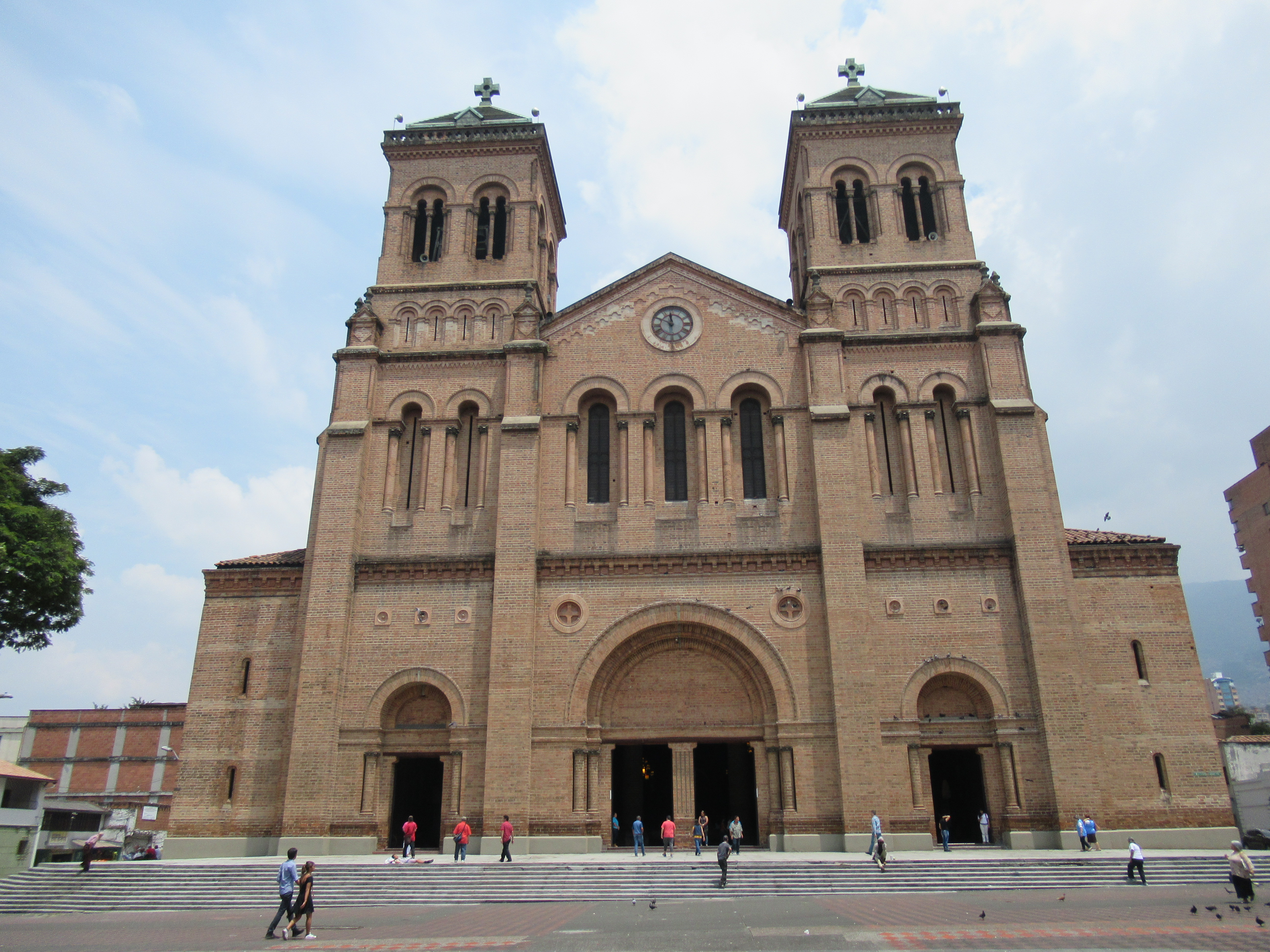
In one corner of Bolivar Square, one old private house remains and it must have been quite an upmarket area to have had all these private houses lining the square, at the end of which stands the largest brick built cathedral in the world. Apparently.

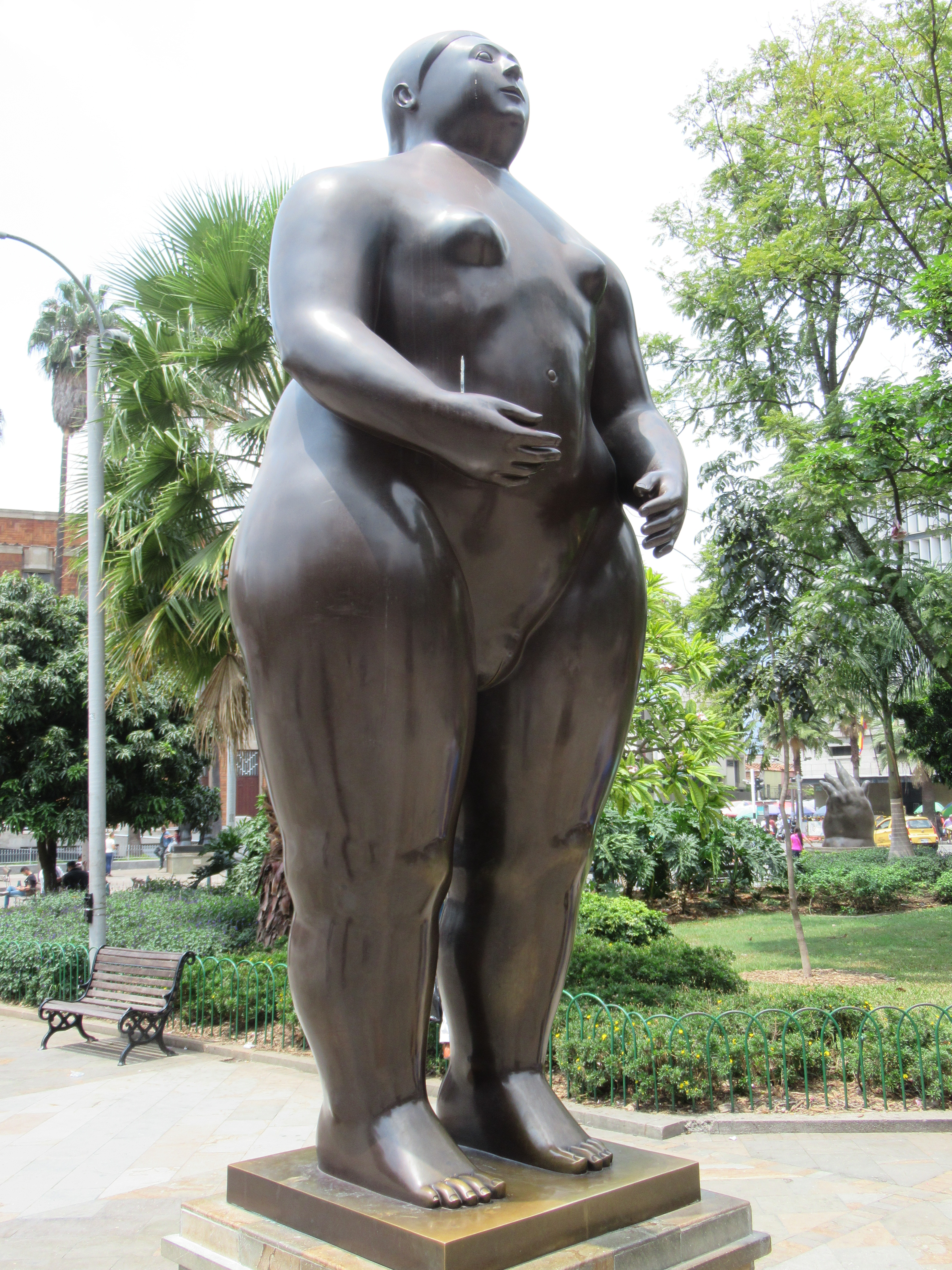
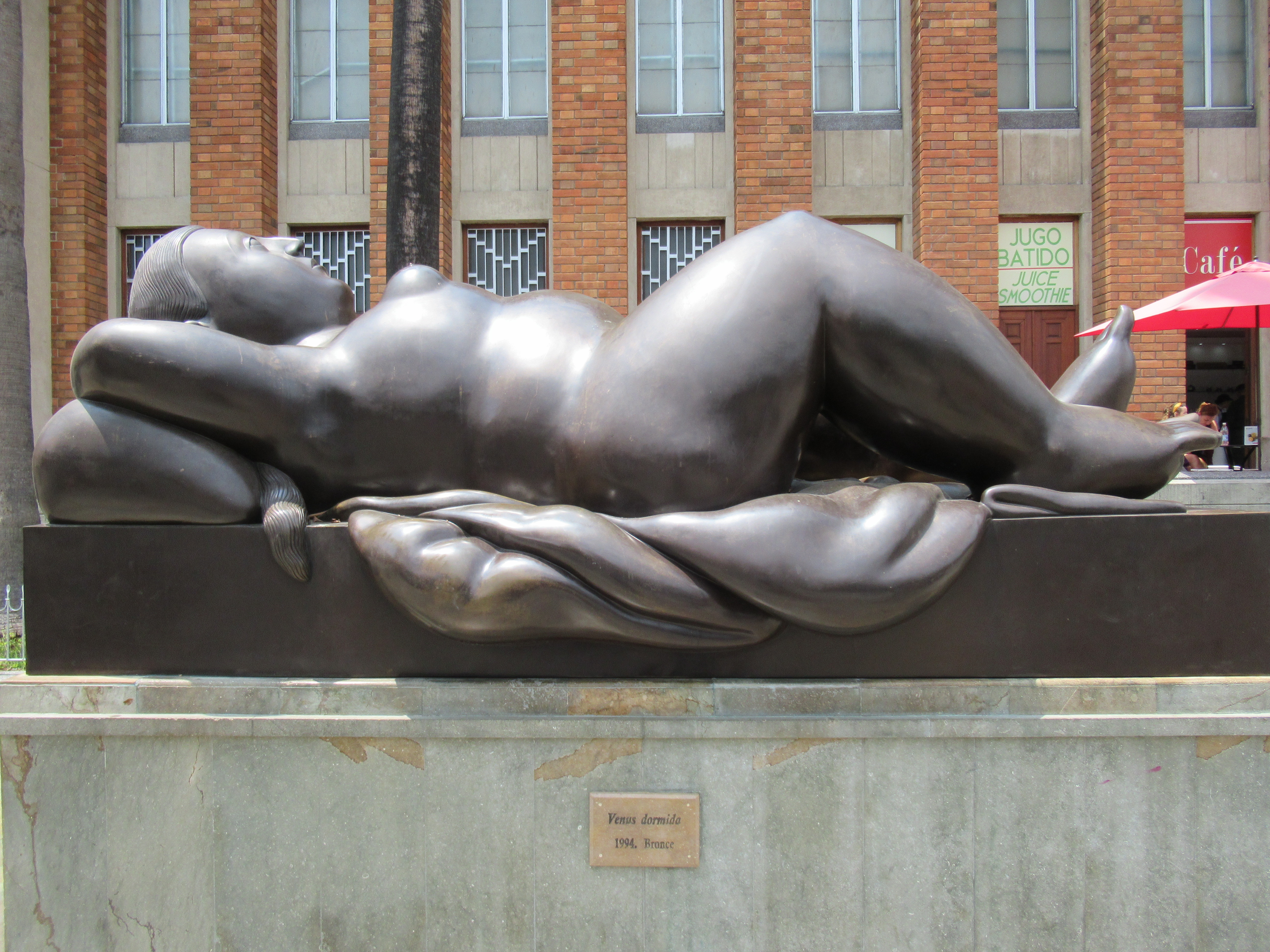
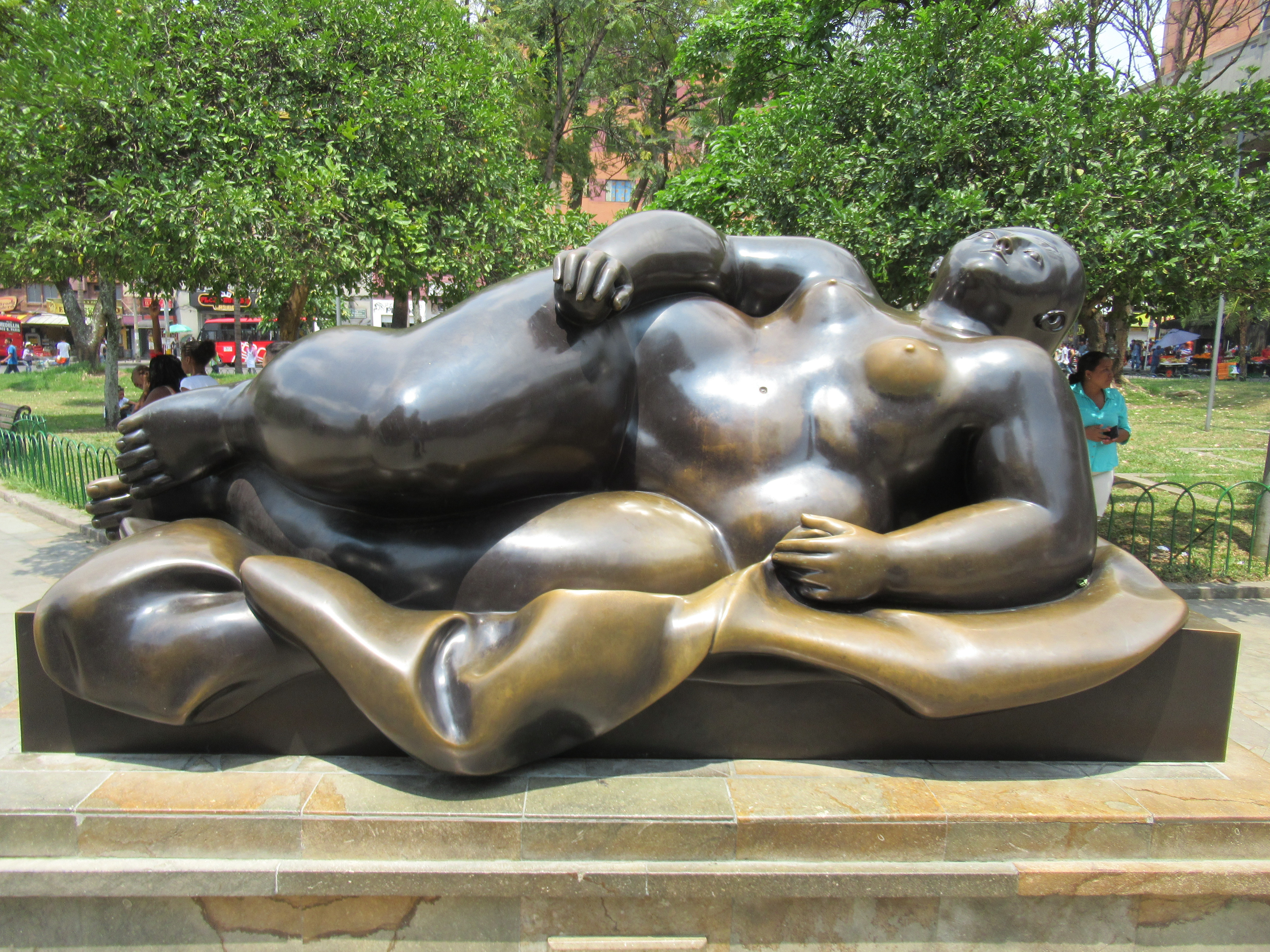
Returning to the main station, walk through Botero Square. For those that take an active interest in these blogs, and have a good memory, you will recall that I visited the Botero museum in Bogota a few days ago. Botero being a famous Colombian artist who caricatures large sized people. Well. Botero Square houses about 20 or so large Botero bronze sculptures. They’re everywhere.

Excellent lunch and discover guide is an avid Top Gear and Grand Tour fan (car shows on BBC and Amazon with Jeremy Clarkson and co). The Grand Tour has just broadcast a Colombia special (which is worth watching for the stunning scenery even if you don’t like cars or Clarkson) and am told that the scene with the donkey is real. There actually is an area in Colombia where the local men like having sex with a donkey.

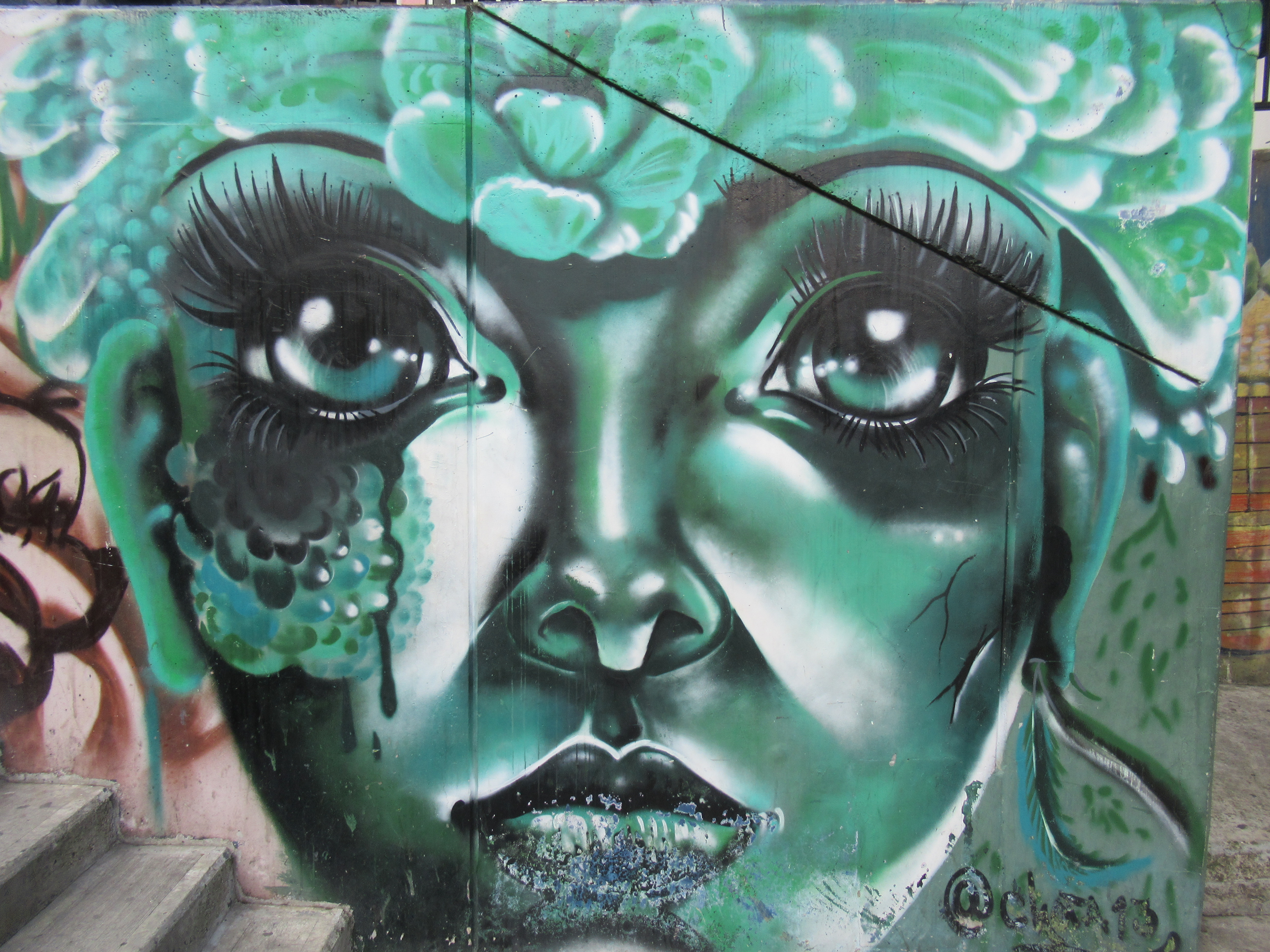
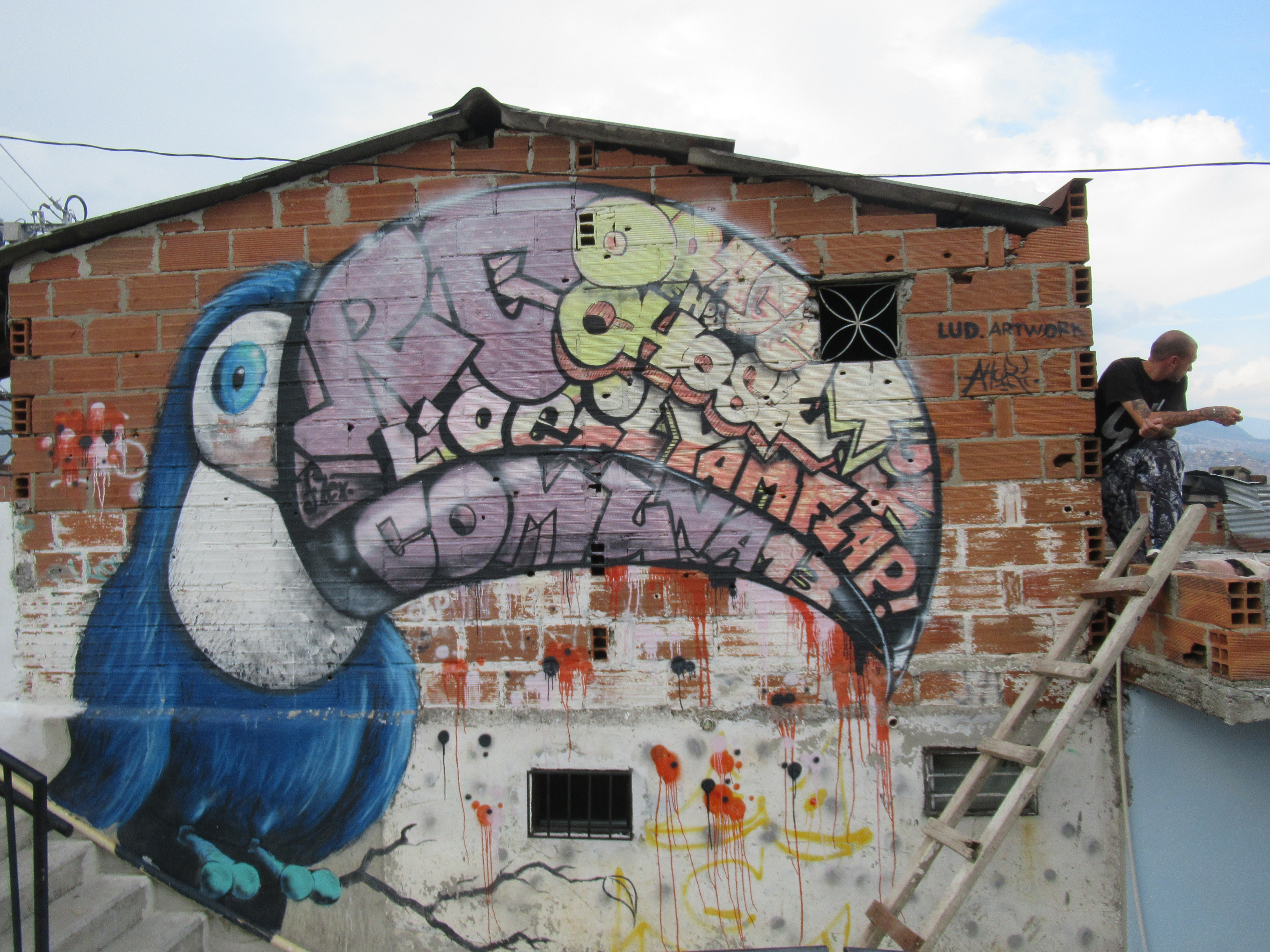
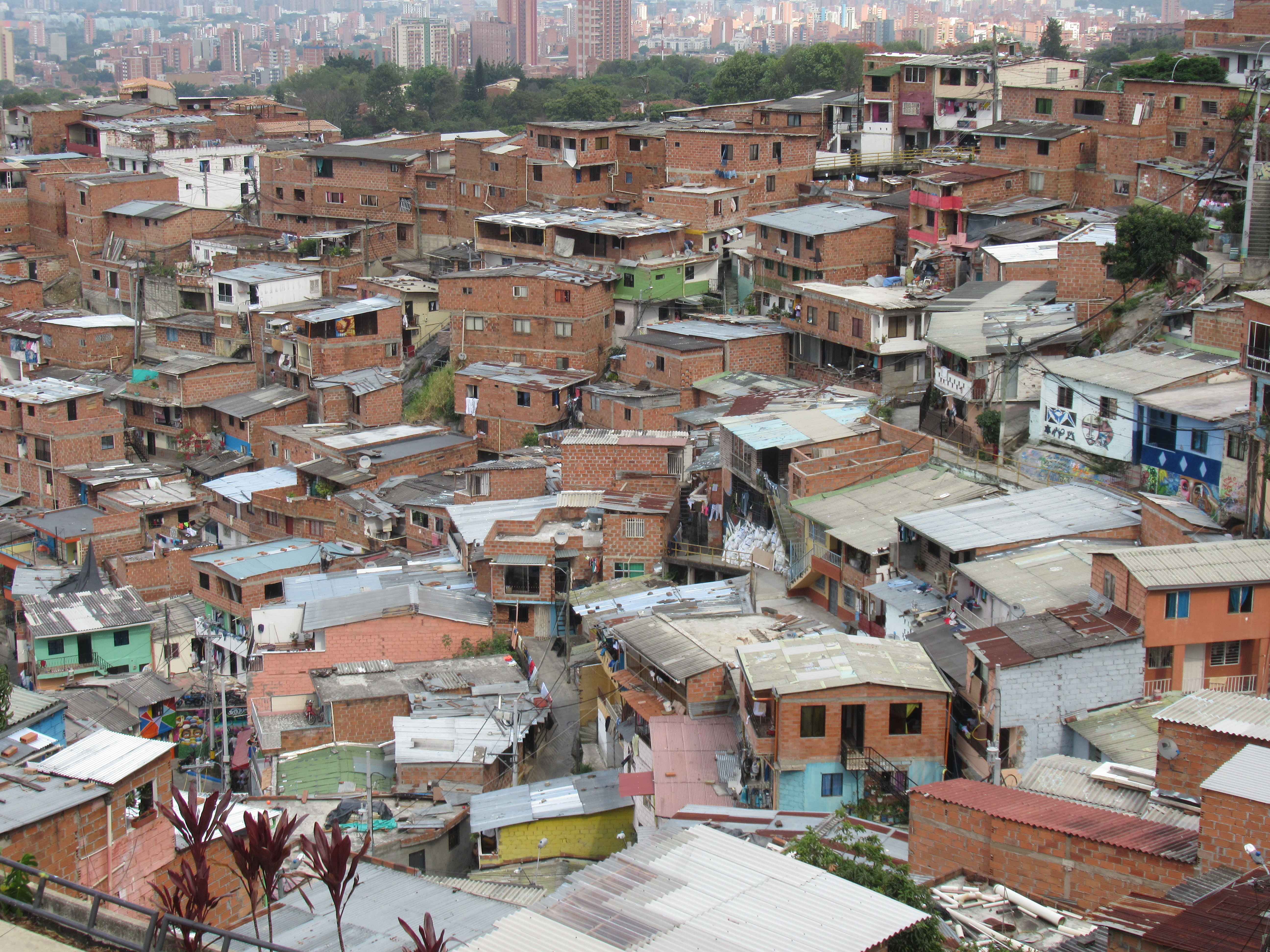
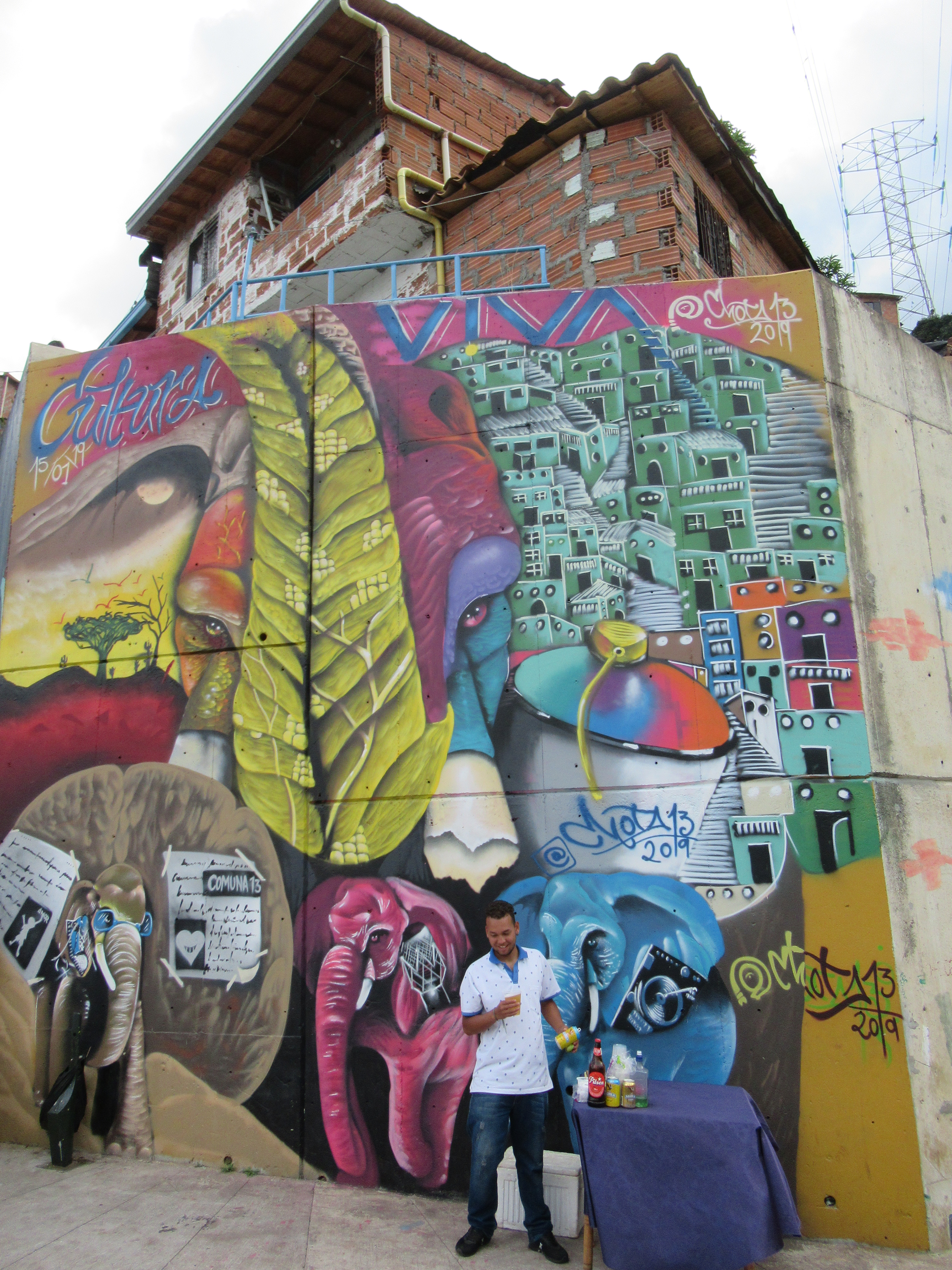
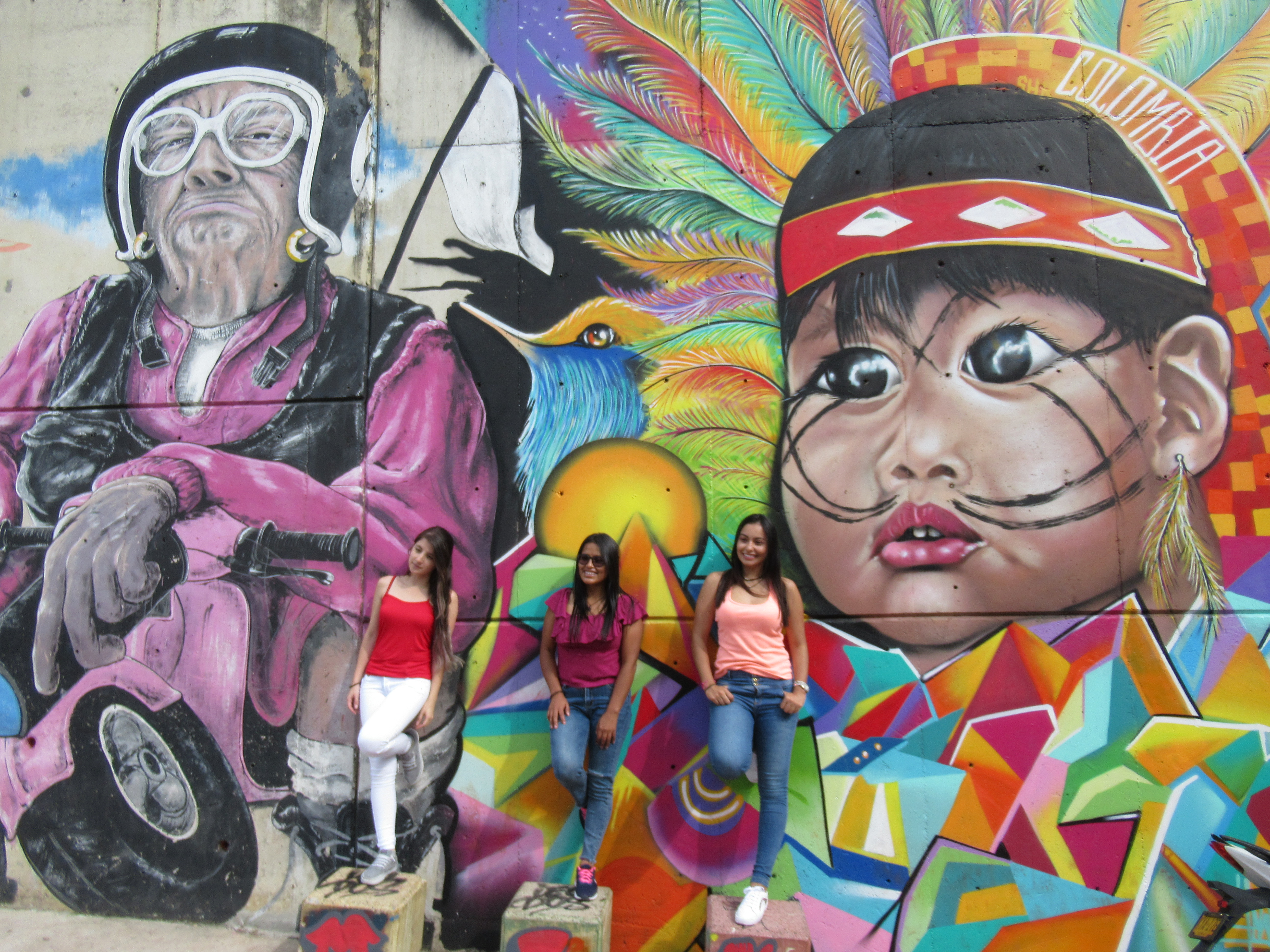
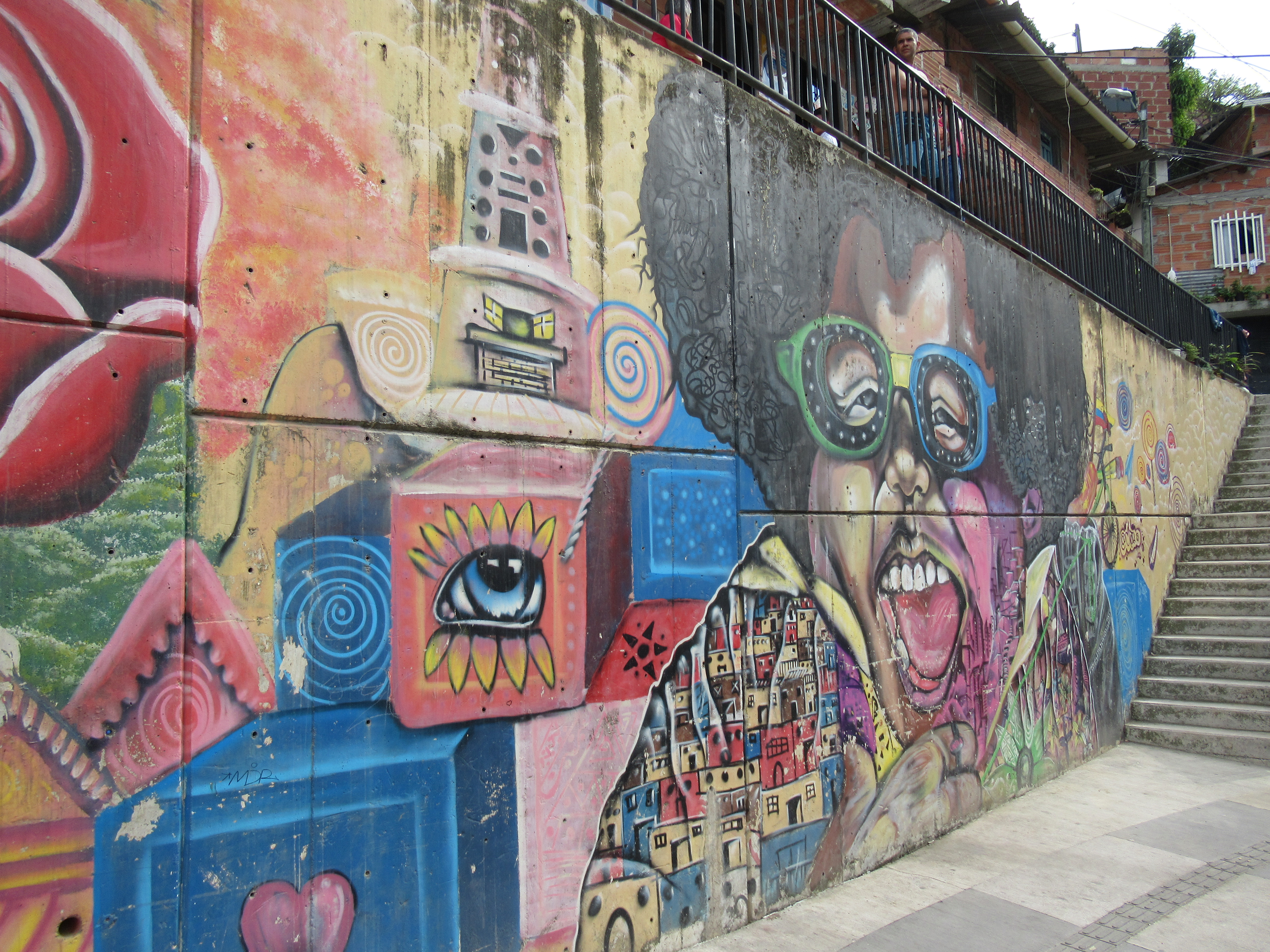
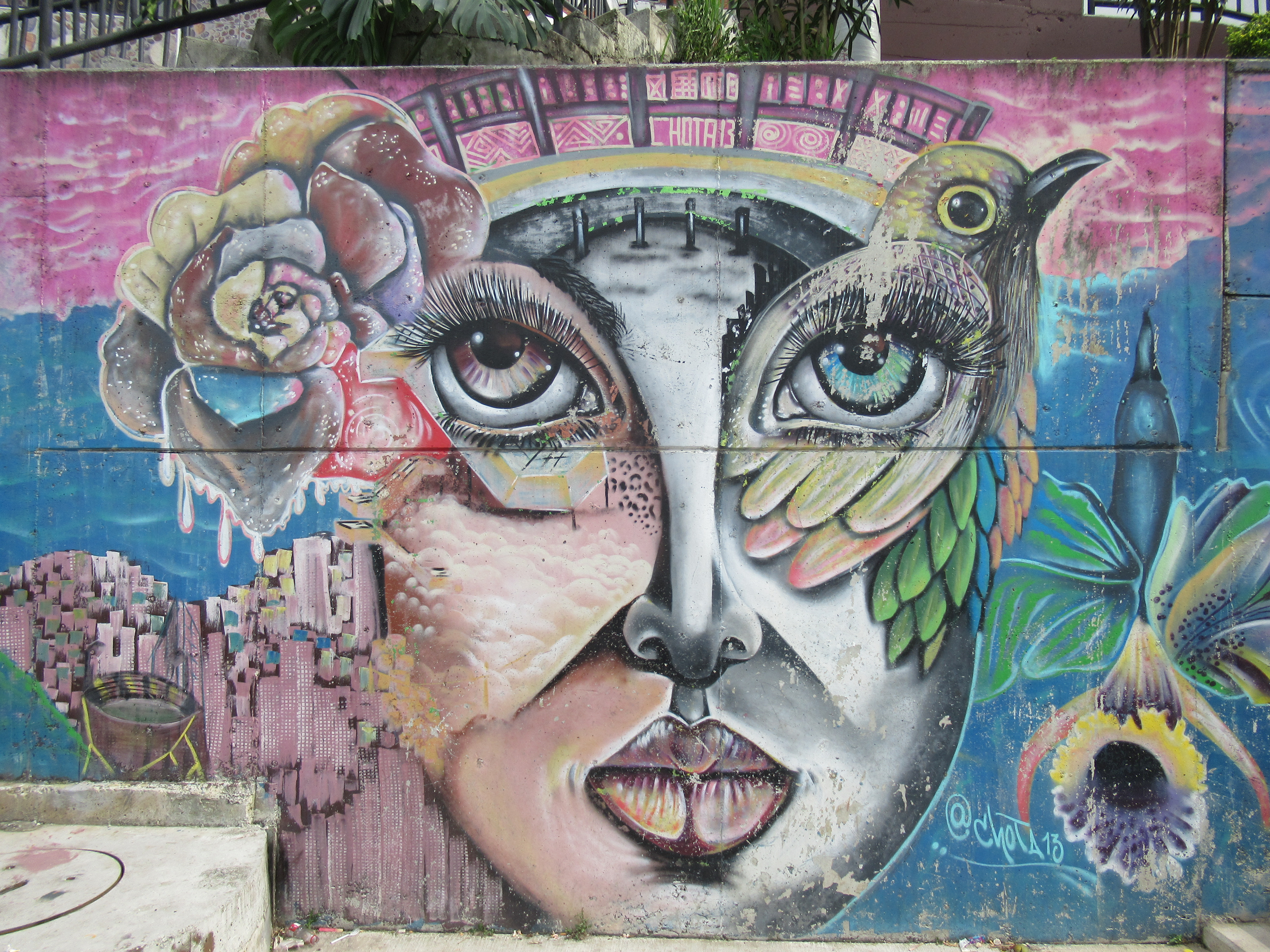
Very interesting afternoon as we enter Comuna 13. Comuna meaning neighbourhood and one of 16 in Medellin. This was one of the most dangerous comunas in the city due to its strategic location in the west of the city which is the main supply route into Medellin for drugs, guns and whatever. As recently as 5 years ago, you would not come here. But it started to change in 2011. The city built a series of ‘electric stairs’, or as we know them, escalators, travelling about 380m up the mountainside. Like the cable car on the other side of the valley, the escalators enabled the area to be regenerated and allowed locals to travel easily to the city below. Local artists have now painted large murals on the walls to brighten the place up and chart the transformation.

Back in the day, the comuna was held by FARC guerrillas and it’s easy to see how as the whole favela is a rabbit warren of narrow alleyways and steps. Over the years the government tried to raid the area and on the 21st attempt, Operation Orion was successful. Plenty of street fighting between the left wing FARC, the right wing paramilitaries and the government. The paramilitaries were set up more as private security force by wealthy people who wanted protecting from FARC guerrillas and the drug cartels so were on the government side in trying to eradicate FARC from the area. Inevitably in such confined spaces, there were many innocent locals killed in the cross fire.

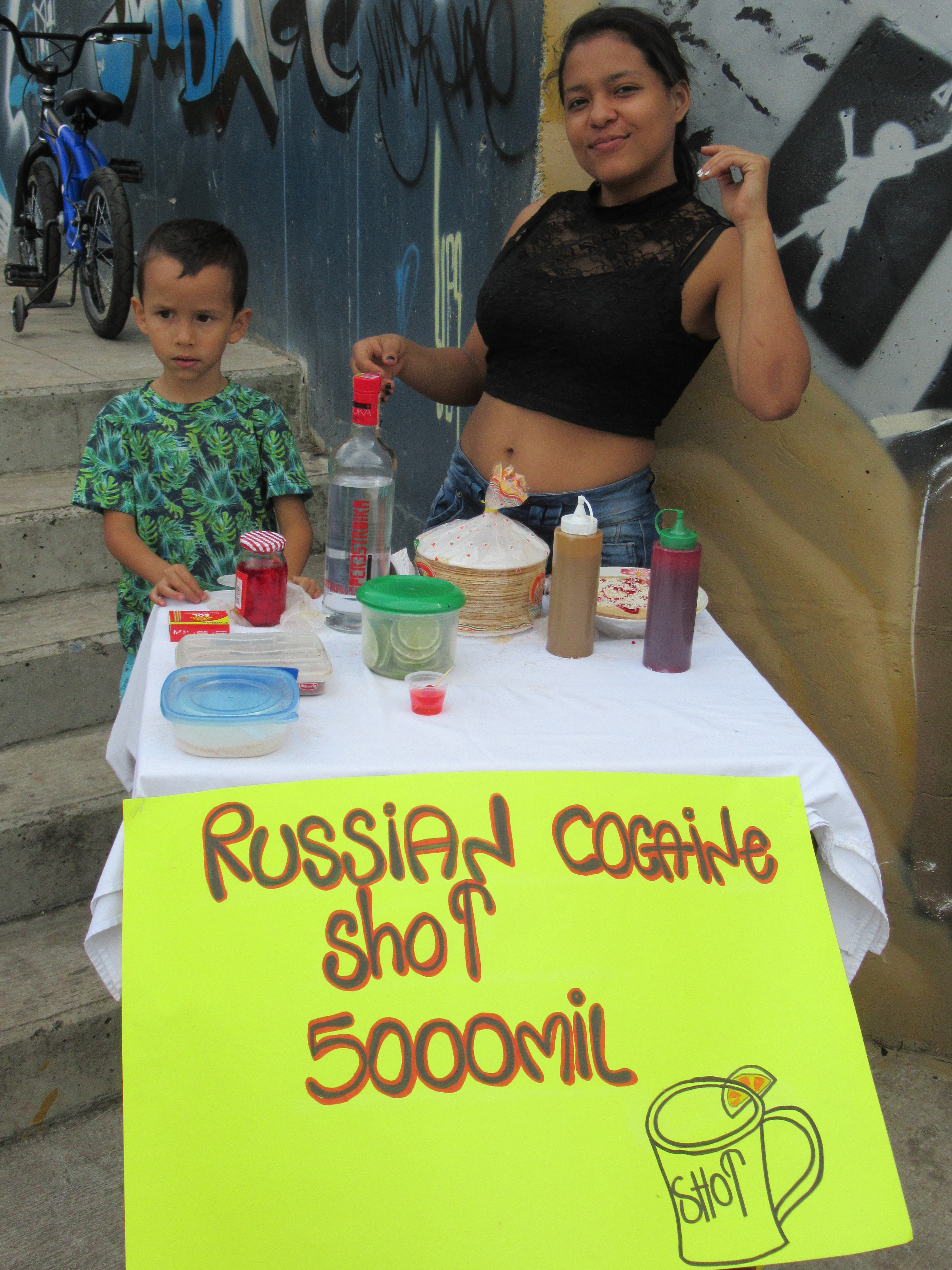
The amount of tourists visiting is staggering but it has brought plenty of benefits to the local community and many restuarants, cafes, bars and shops have opened up creating greater wealth for the comuna. Great atmosphere as we travel up the escalators which pass by people’s windows. The proximity reminds me of the Central-Mid-Levels escalators in Hong Kong I went up in 1995.

One of the local artists is Chota who has painted a large mural with a hand throwing dice at some houses. It represents the hand of government coming in to the comuna and shooting willy nilly so anyone caught in the cross fire who died was all down to the throw of the dice. Sort of thing.

Once at the top of the escalators, a concrete pathway runs along the side of the mountainside to further enable locals to easily access the escalators. One of the houses still has bullet holes in its walls. A remnant of the battle that took place. And am told that as recently as two weeks ago, another house was riddled with bullet holes following a gun fight between two local gangs because of turf wars.

Instead of returning by the escalators, am asked if I would like to go off-piste and make our way through the alleyways back down. Well off the tourist trail. This is more my sort of thing. Bit of urban exploring.

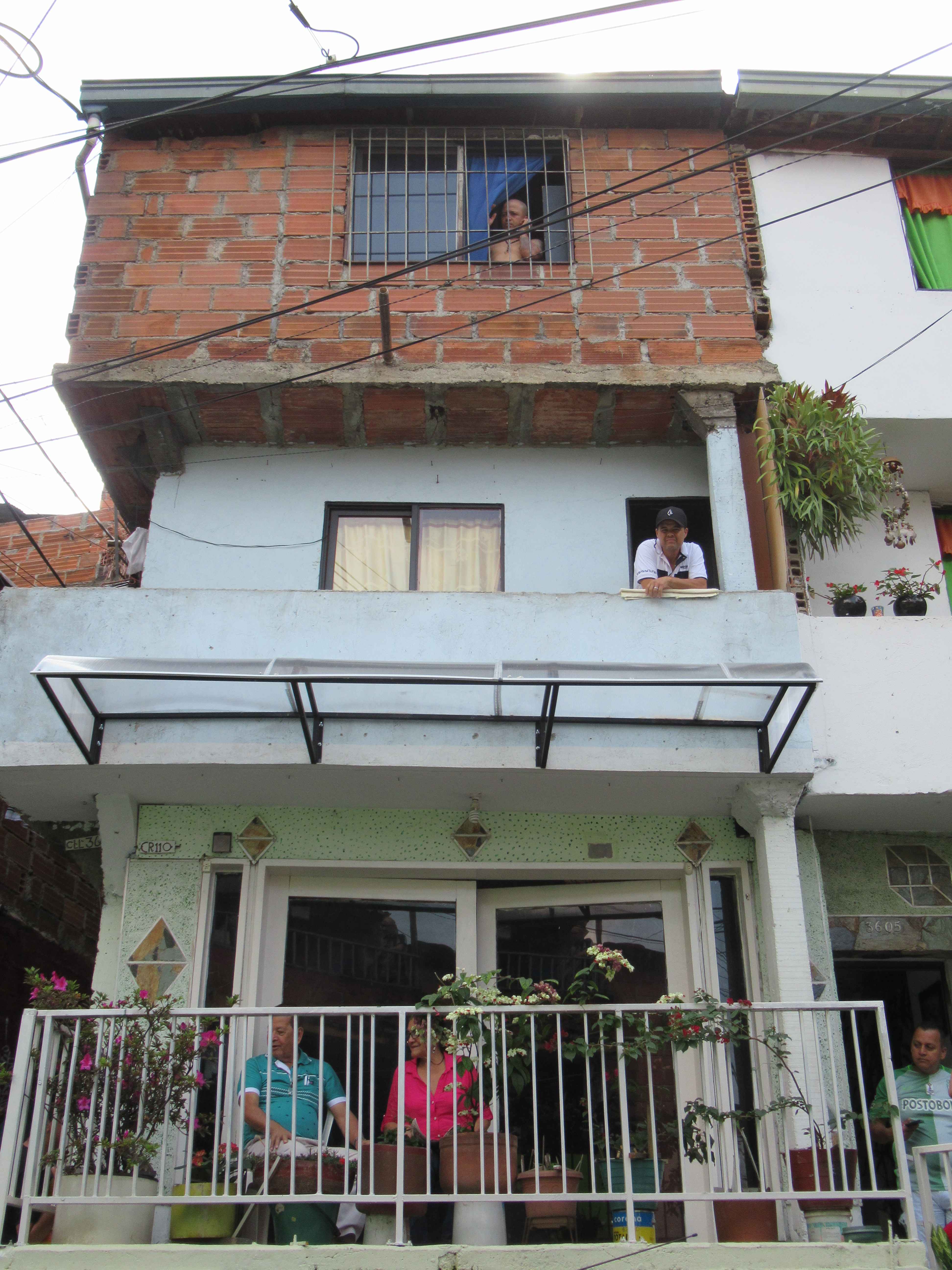
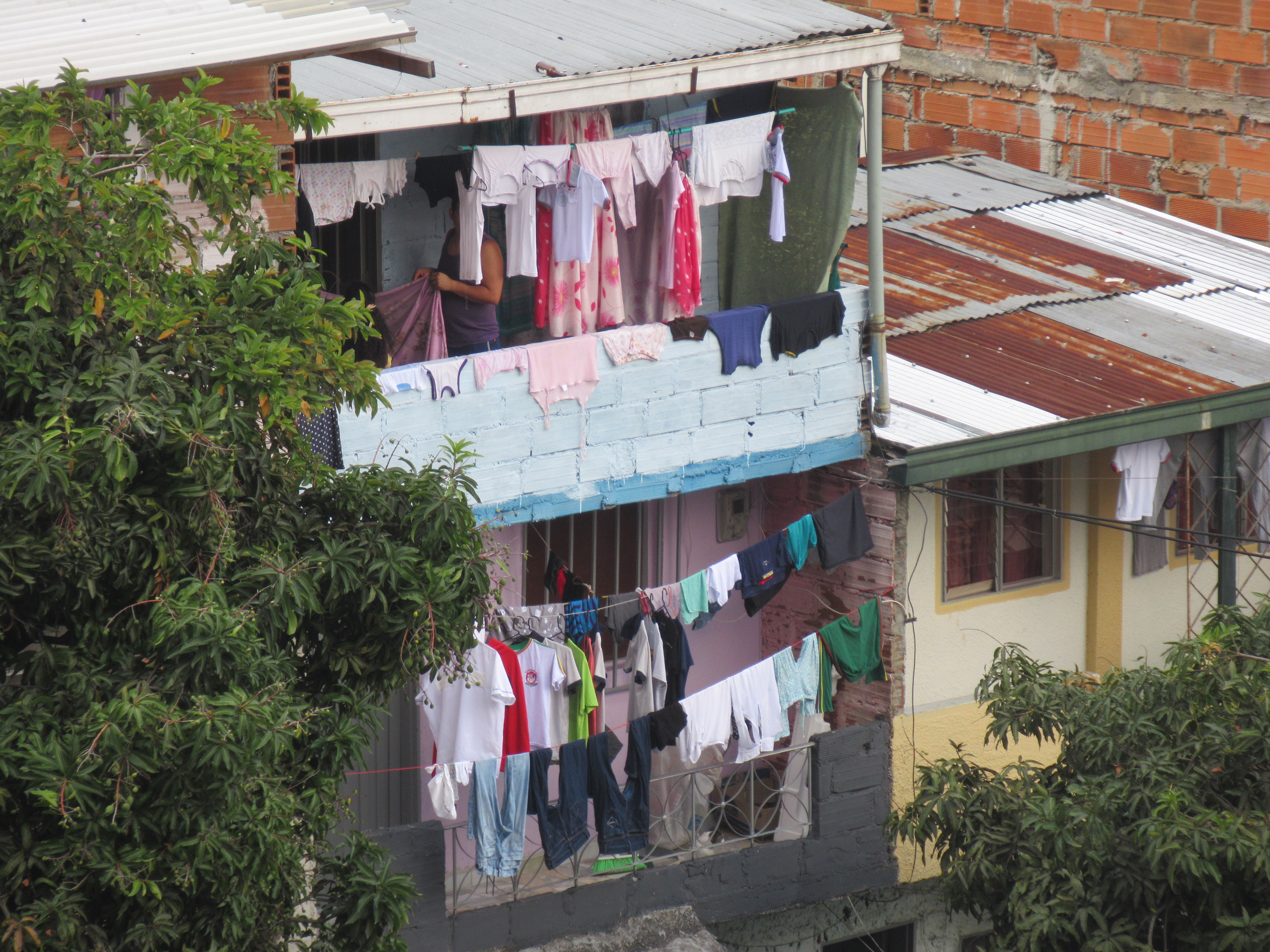
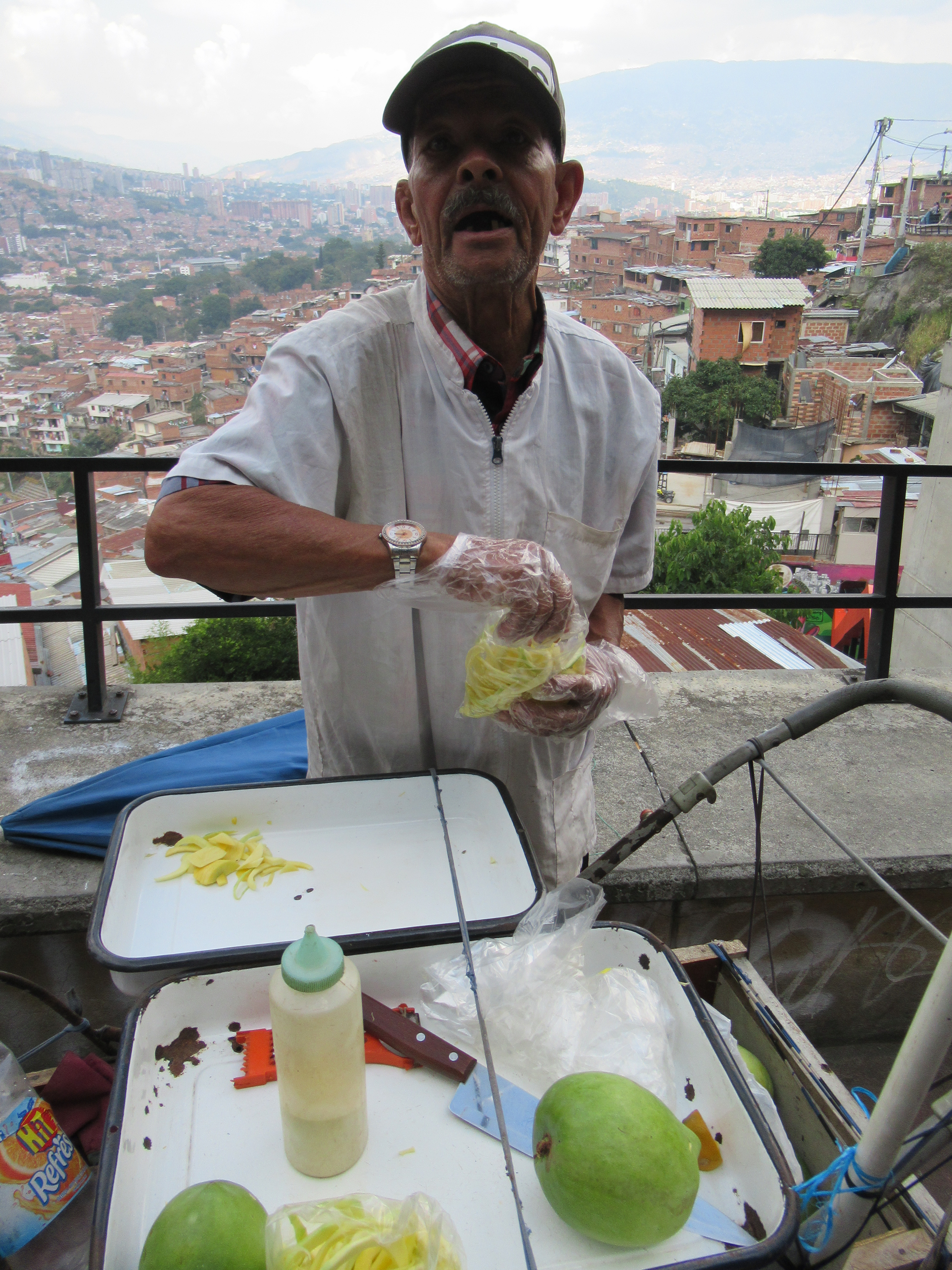
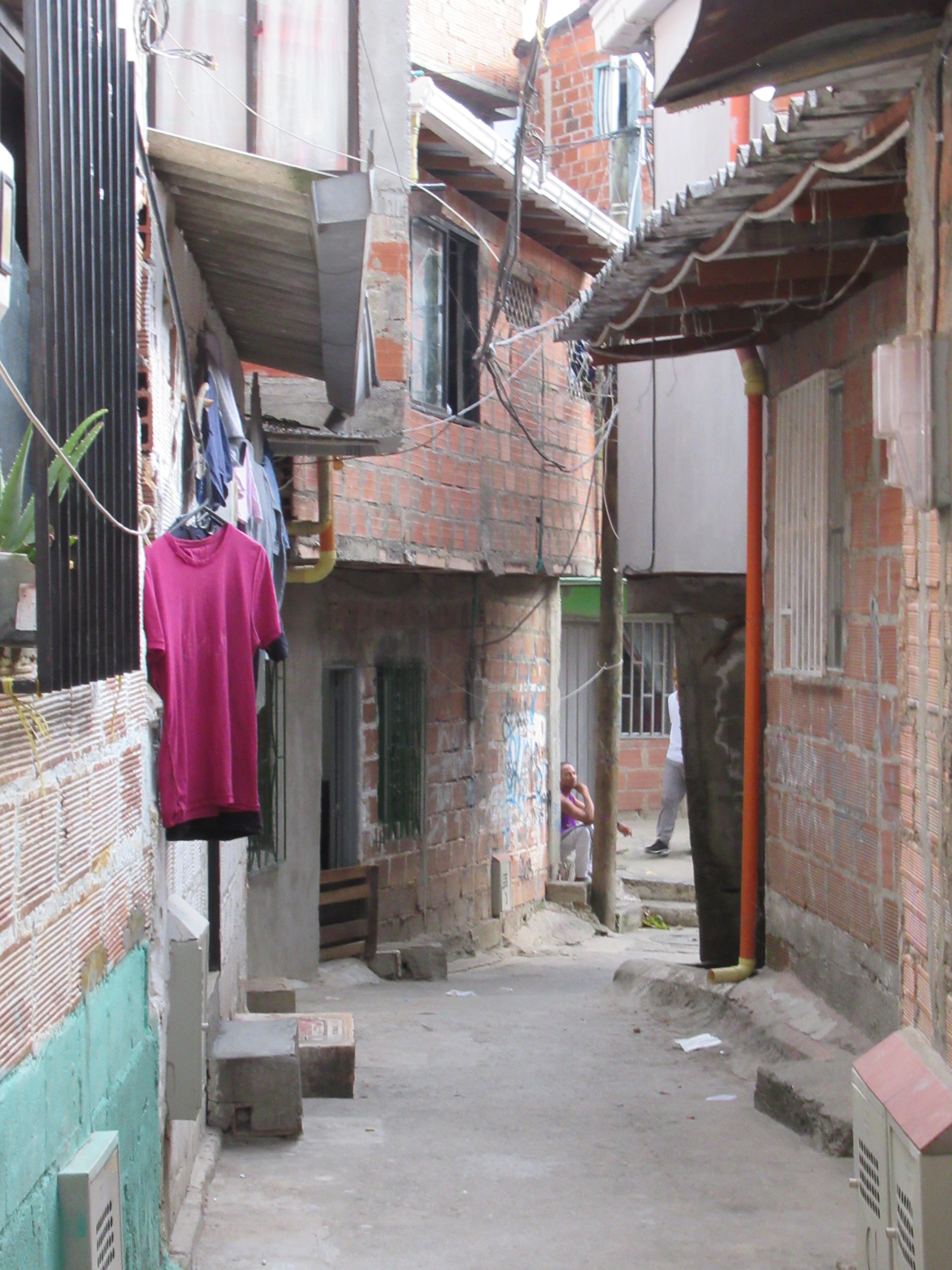
The narrow alleyways and stairs create a rabbit warren and it’s easy to see how difficult it would have been to re-take the area in battle. Fascinating insight into people’s lives. Very densely populated area with lots of small brick built dwellings. On the odd occasion an open door permits peering into the property you discover a single room acting as kitchen, lounge and bedroom. Though there are some slightly larger dwelling which appear to have separate rooms. One particular dwelling has its door open. Three old ladies sit on a couch watching TV. A small kitchen and a bed at either end of the room. They wave back and shout hello in response. A small sign on the door offers fresh mango juice for sale.

This is their life.

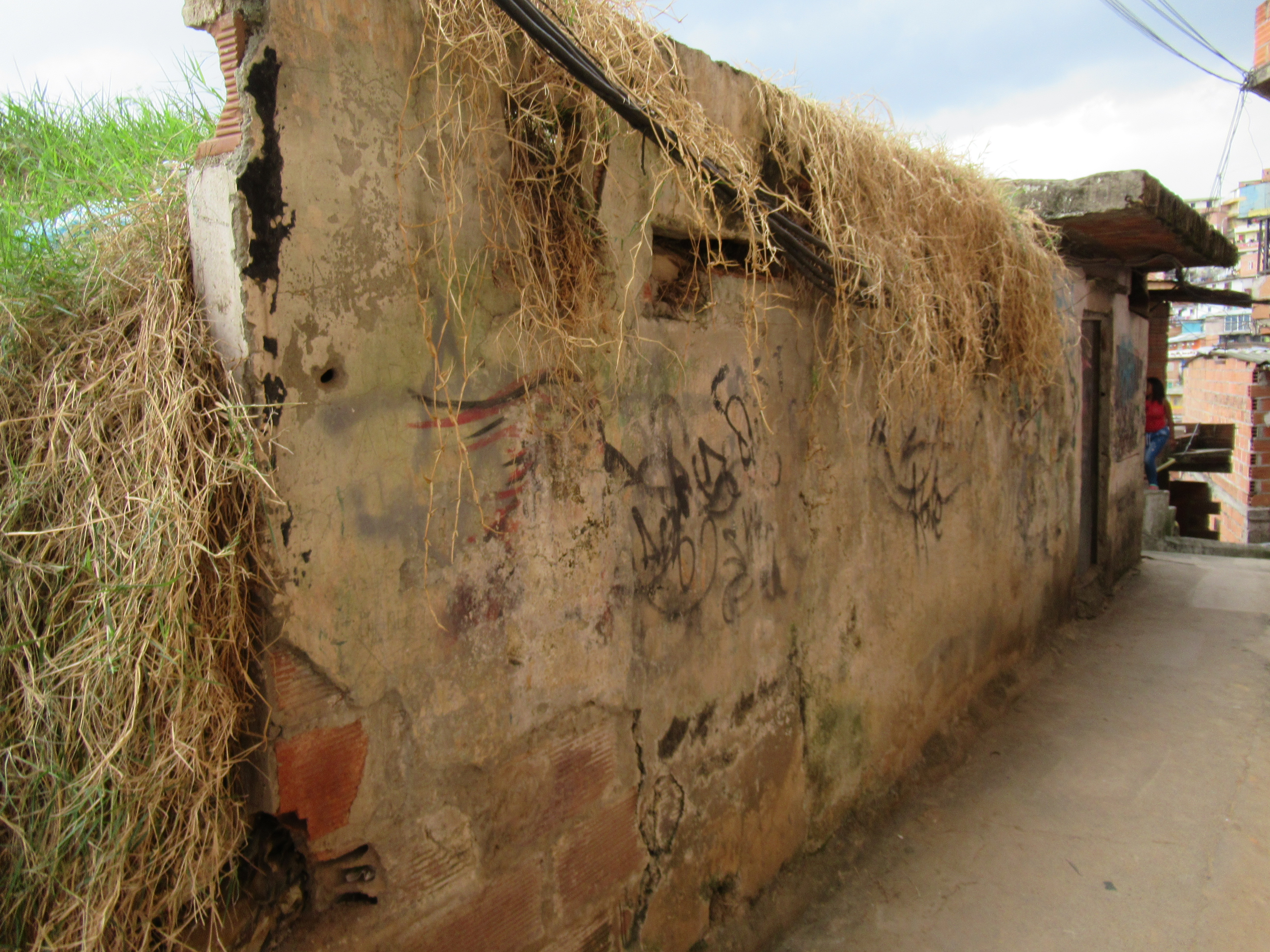
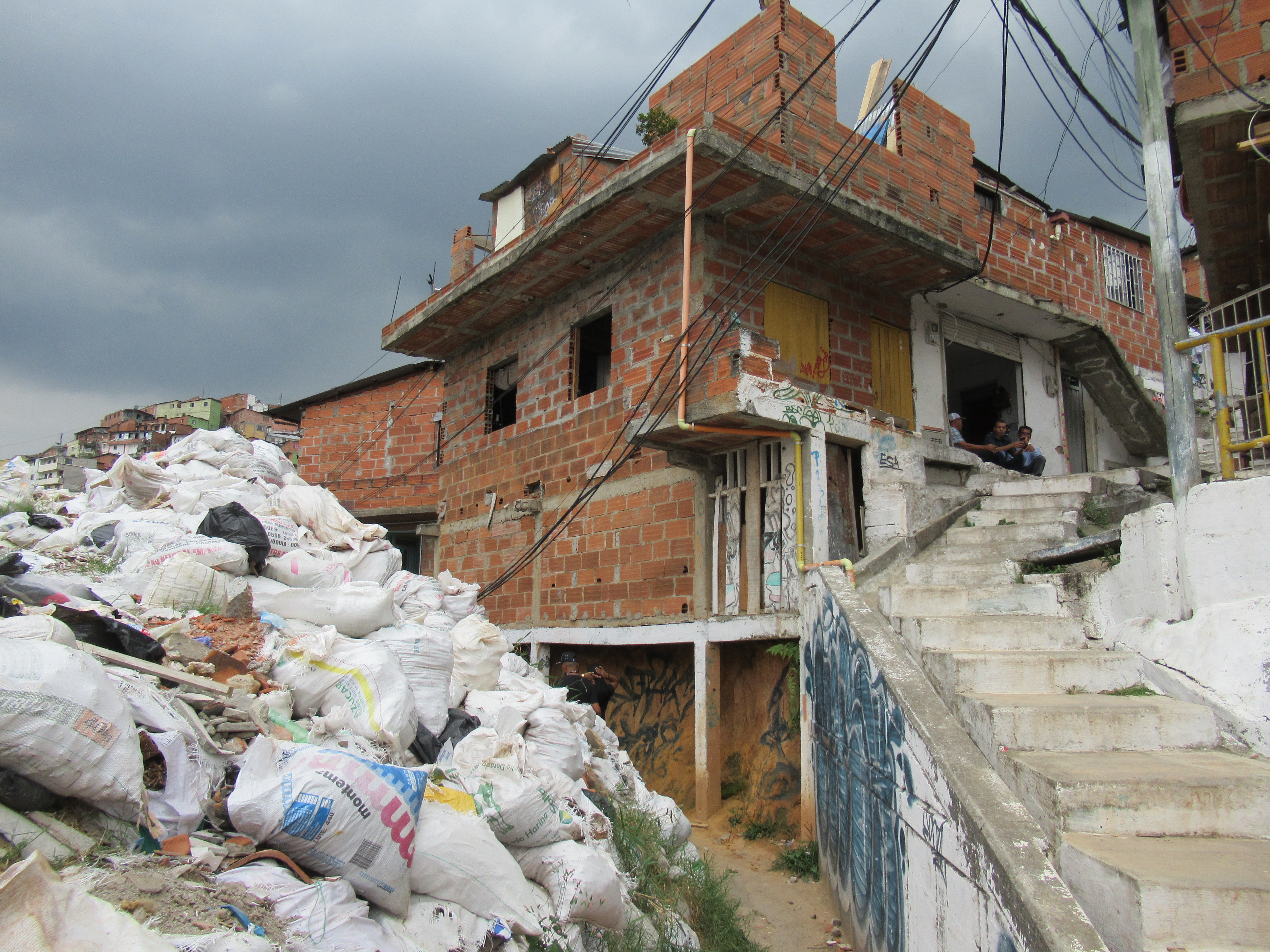
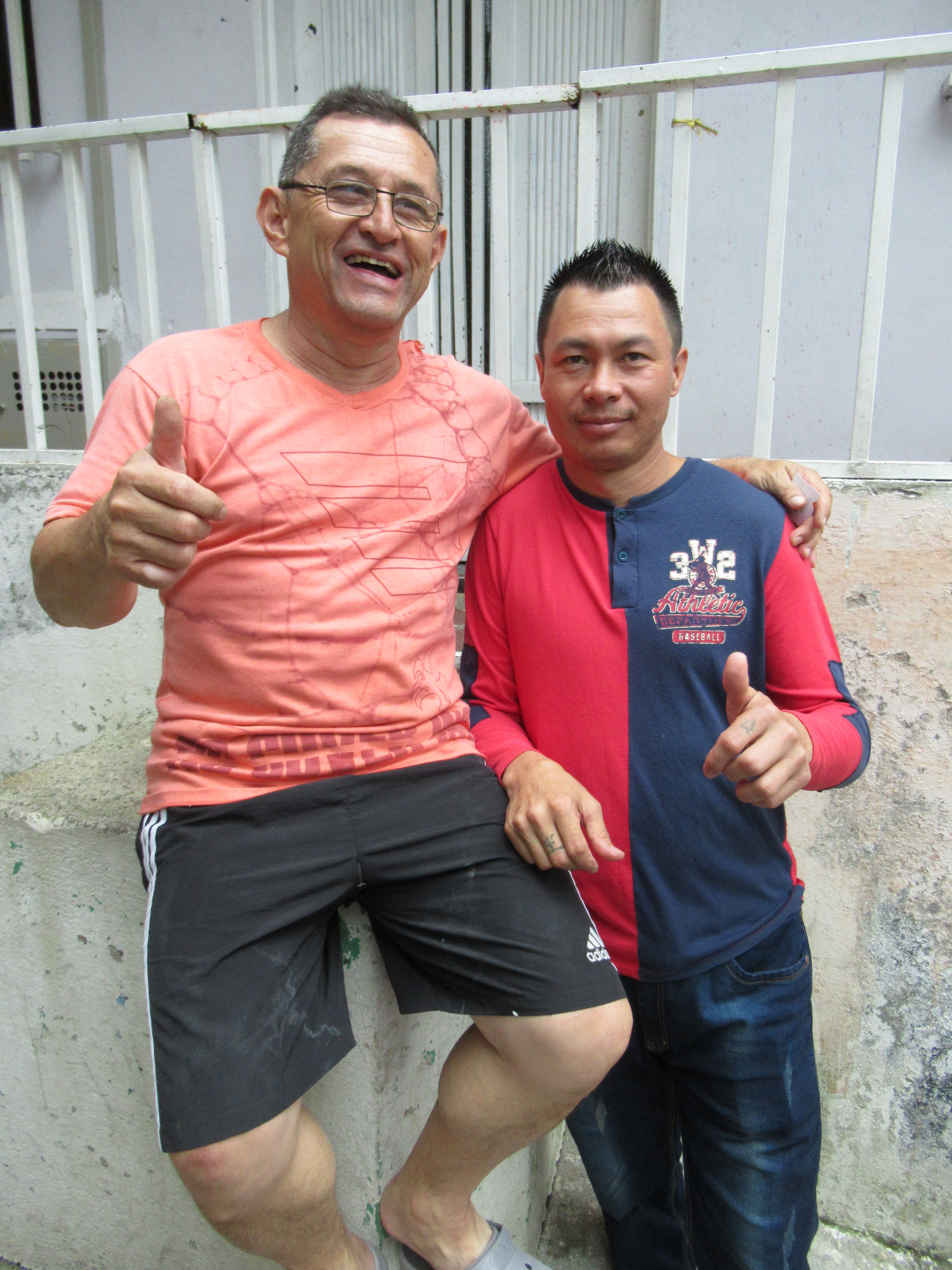
Continuing down the stairs and through the alleyways, stop to chat with a bloke sweeping the path. He’s Orlando, a former community leader before retiring from the post. Having lived here since 1984, he’s seen, and heard, it all. Now the guerrillas have left, he helped to shape the comuna and the regeneration that took place. He takes us up a few levels to a derelict adobe dwelling. It’s roof missing and now used as a dumping ground for sacks of rubble it used to be a local’s house. One day FARC turned up, interrogated him and shot him. Assume he was an informant. His wife was hiding in the level below and eventually escaped, leaving the house empty.

Now vacant, FARC took possession and used it as torture chamber.

And all this within the past 20 years.

It’s reported that over 400 people ‘disappeared’ from the comuna during the FARC period.

To stand here today outside a torture chamber shows how much the city, and Colombia as a whole for that matter, has changed in such a short amount of time.