Category Archives: Antarctica to Alaska

90. More churches than you can shake a stick at

Friday, 22 March 2019

Antigua, Guatemala


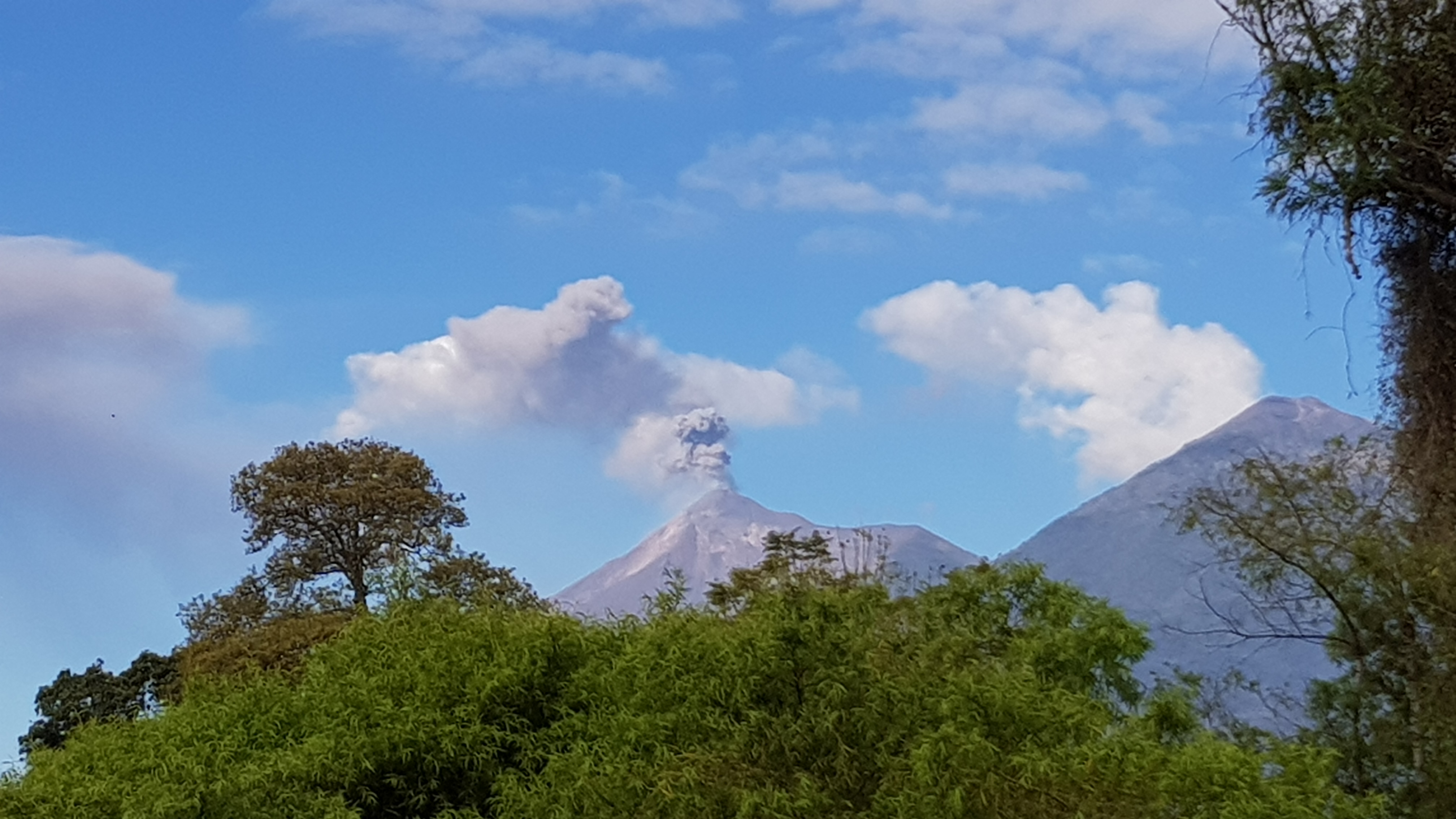
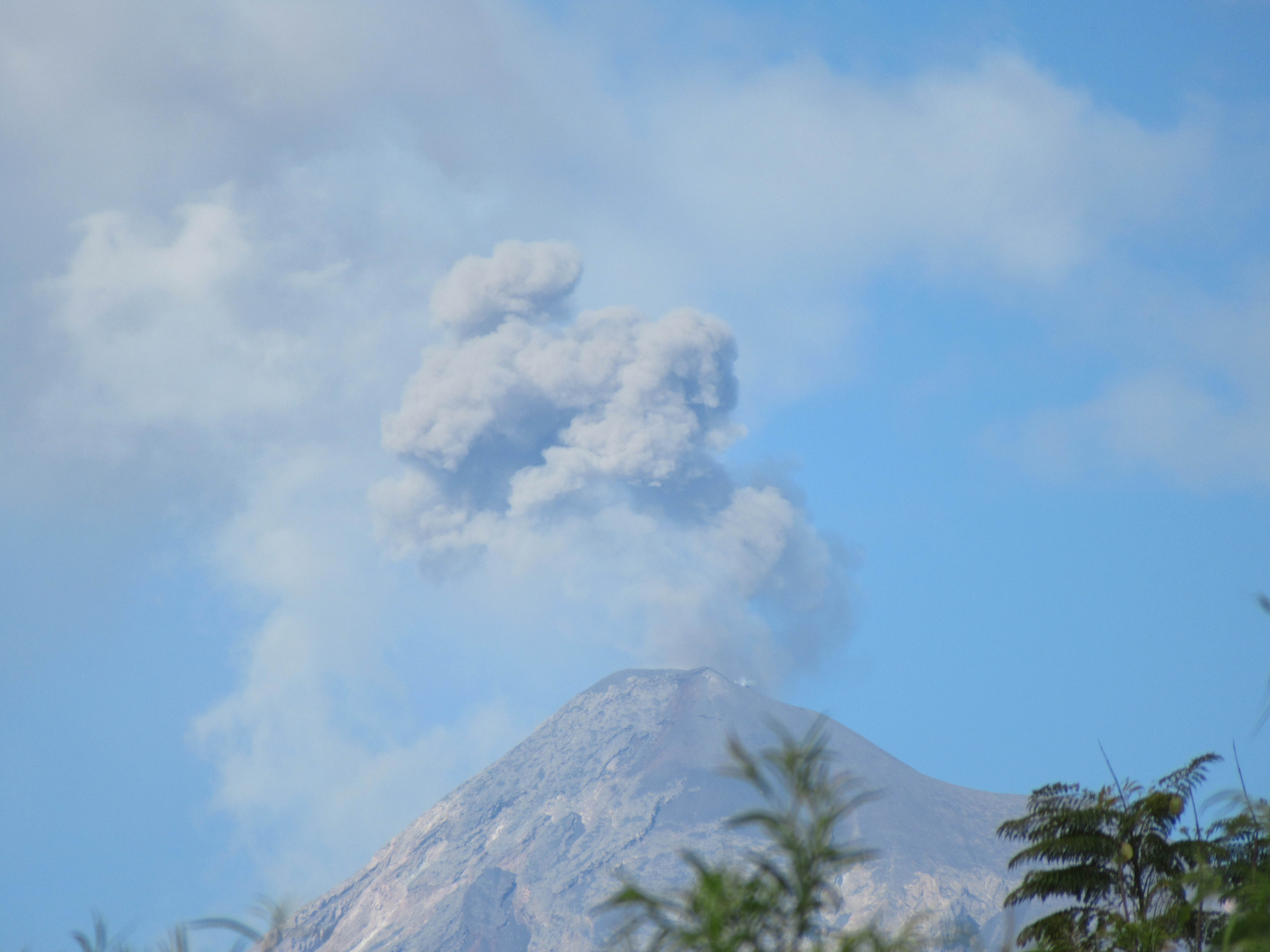
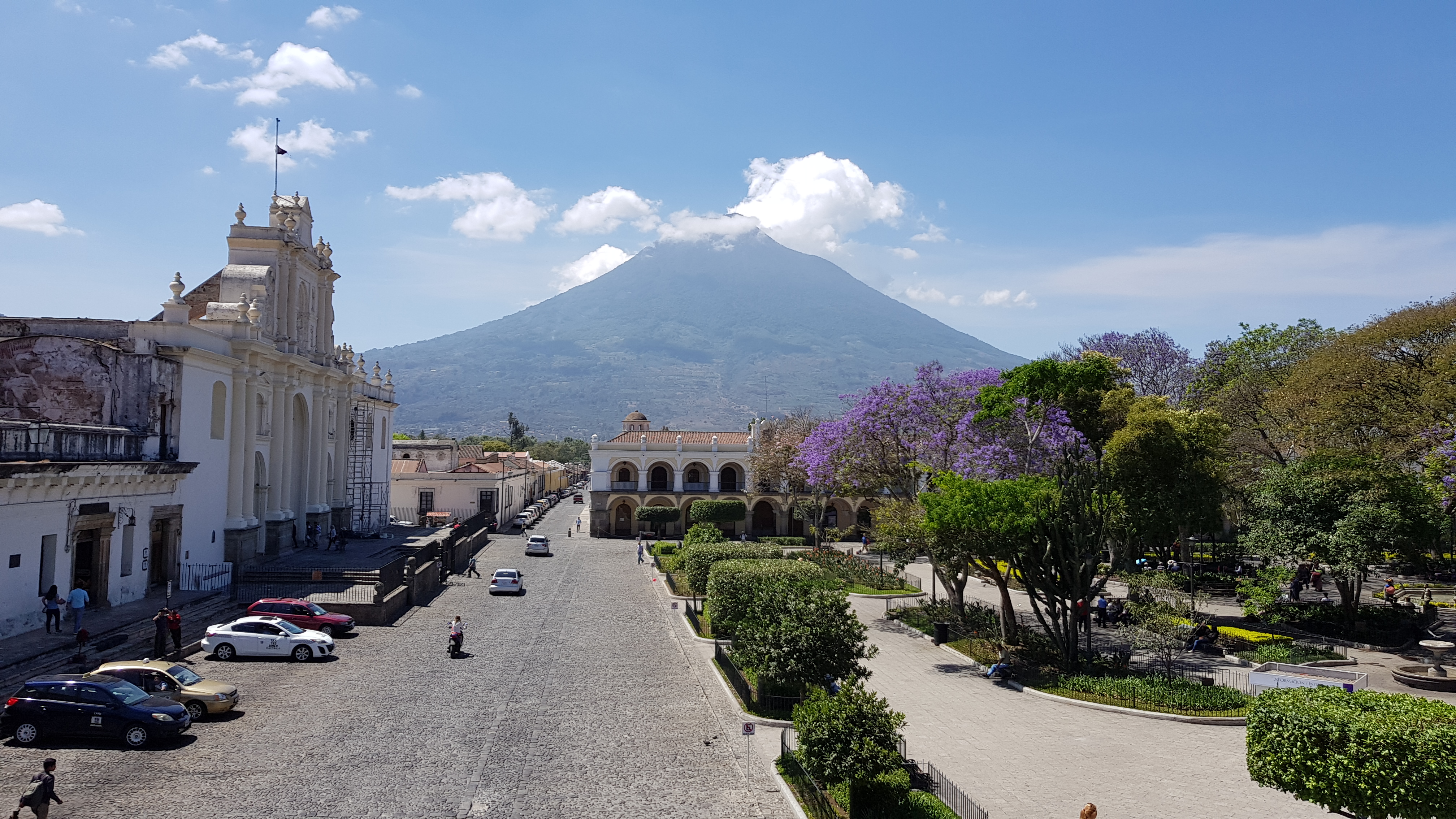
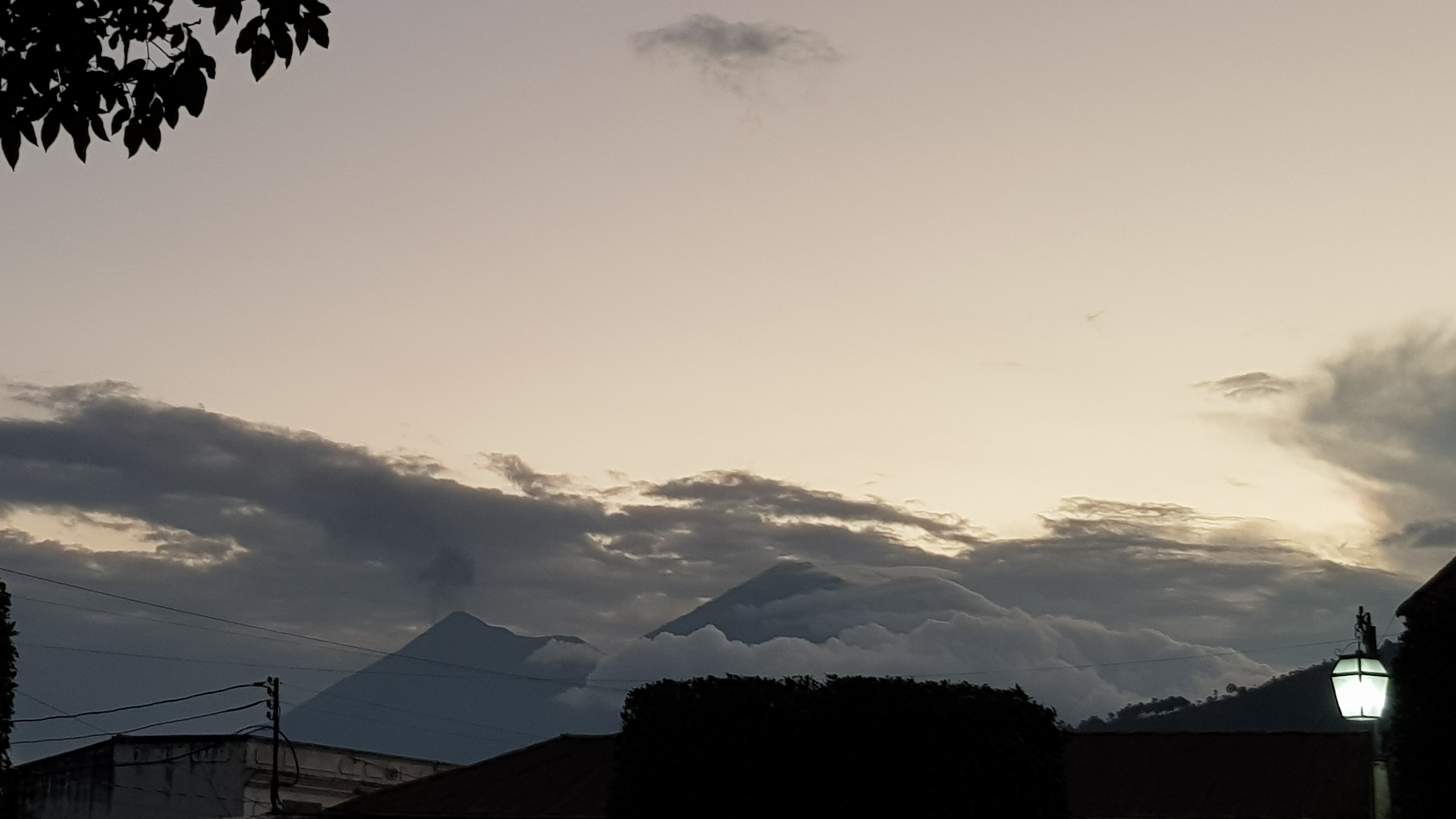
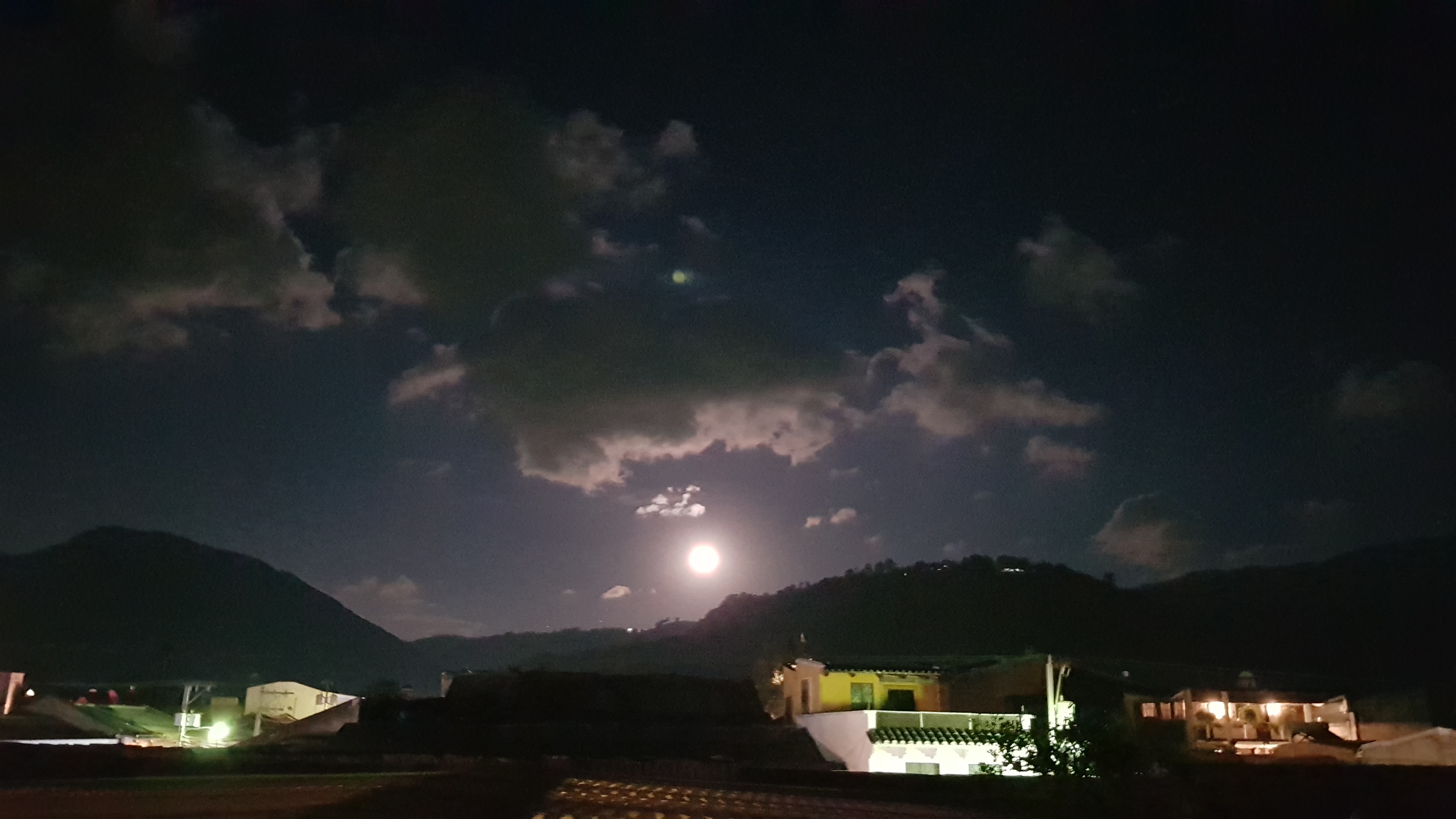
Sitting having breakfast on the terrace watching the volcano erupting. It’s quite a sight spewing big black clouds of smoke out every few minutes. There was a major eruption last summer, killing about 200 people. The current eruption is even featured on the news bulletin.

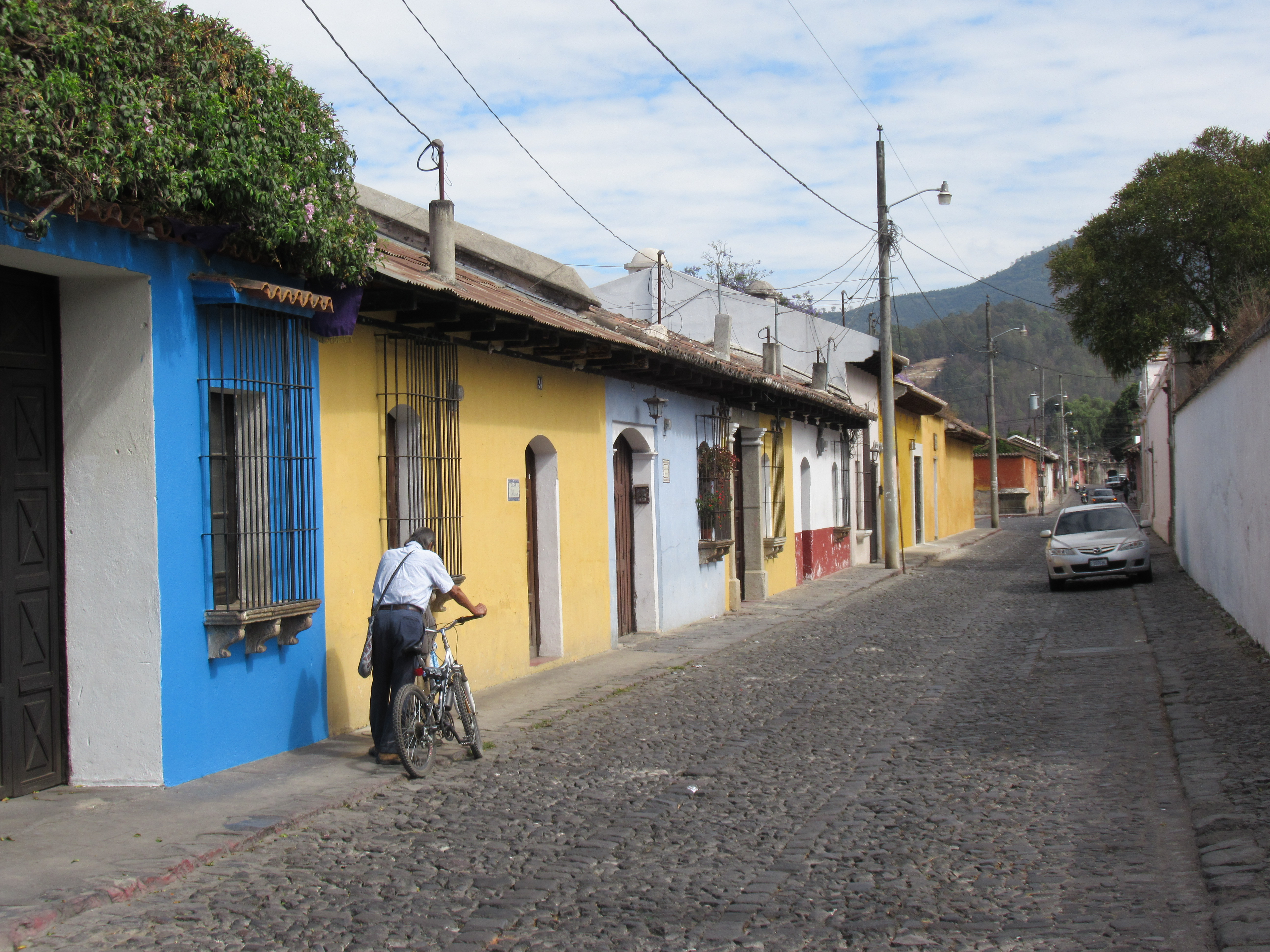
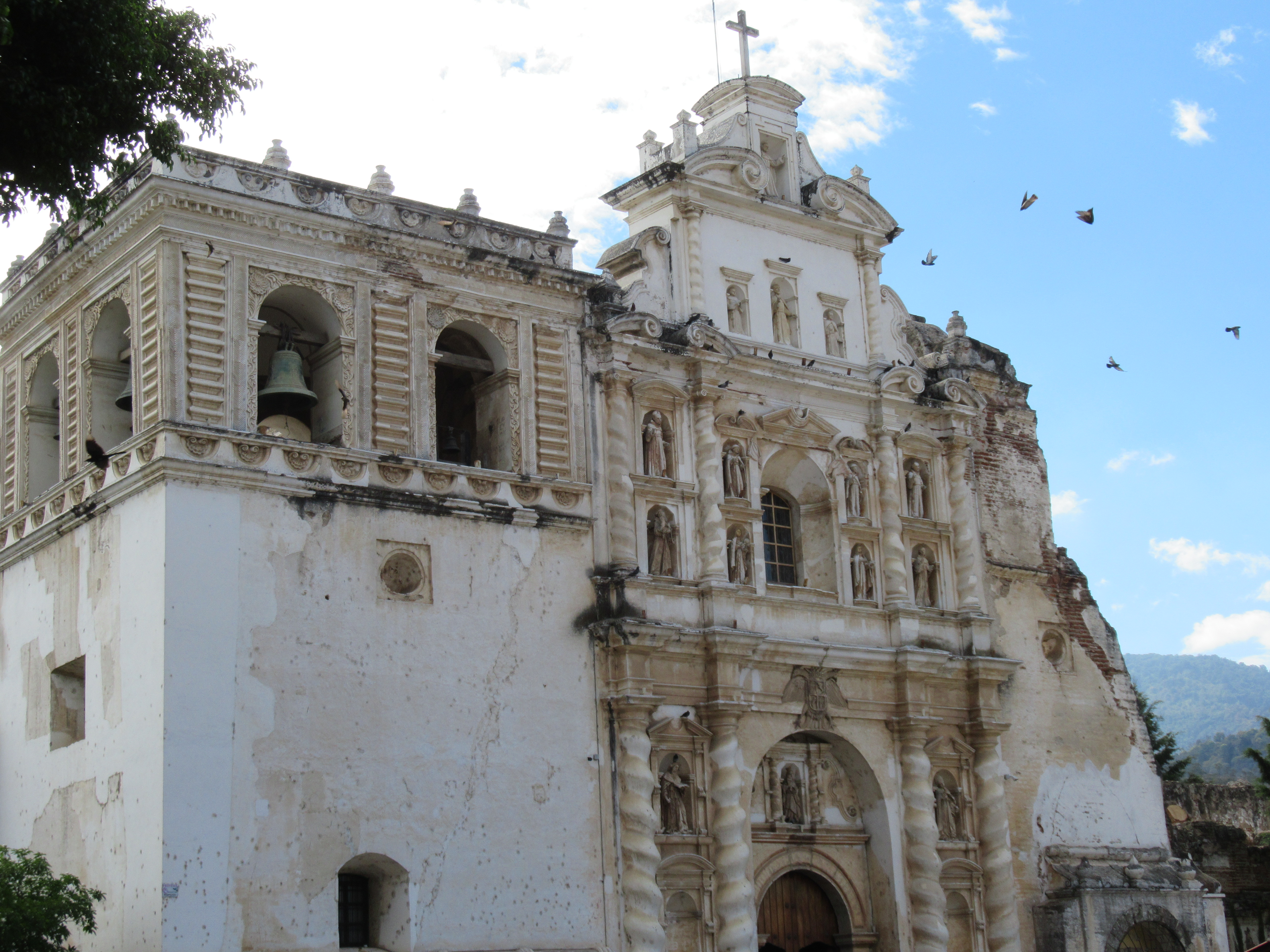
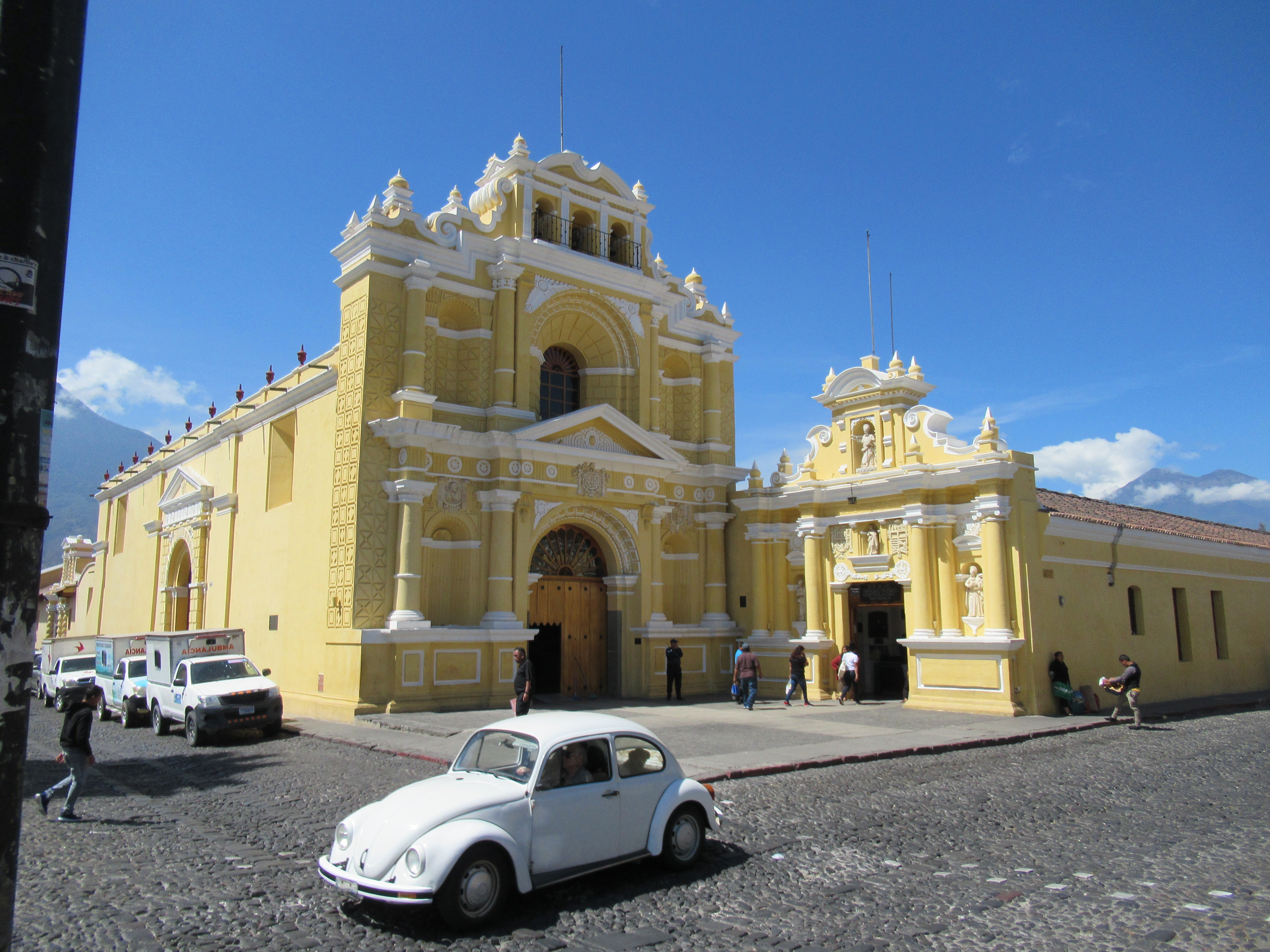
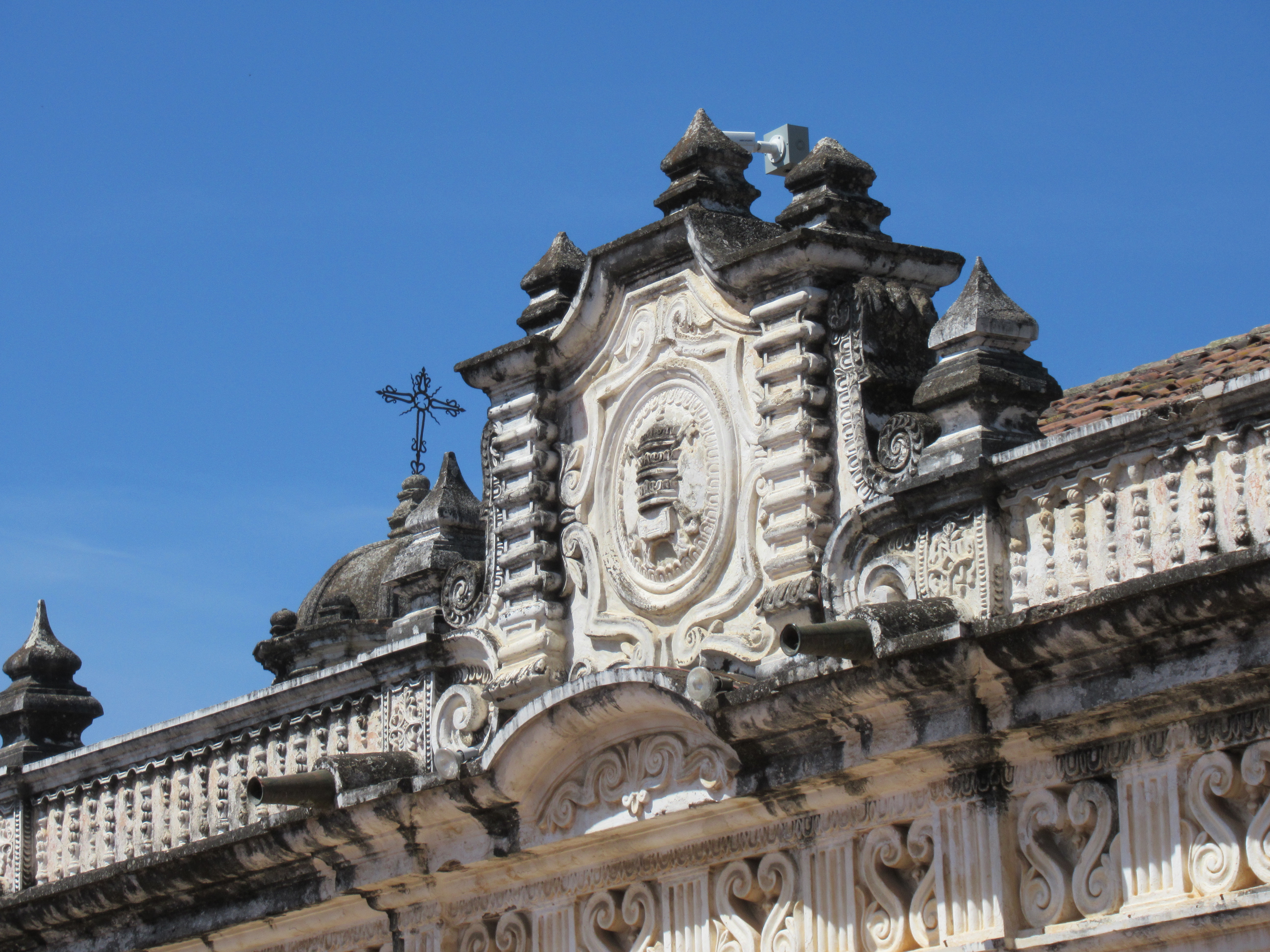
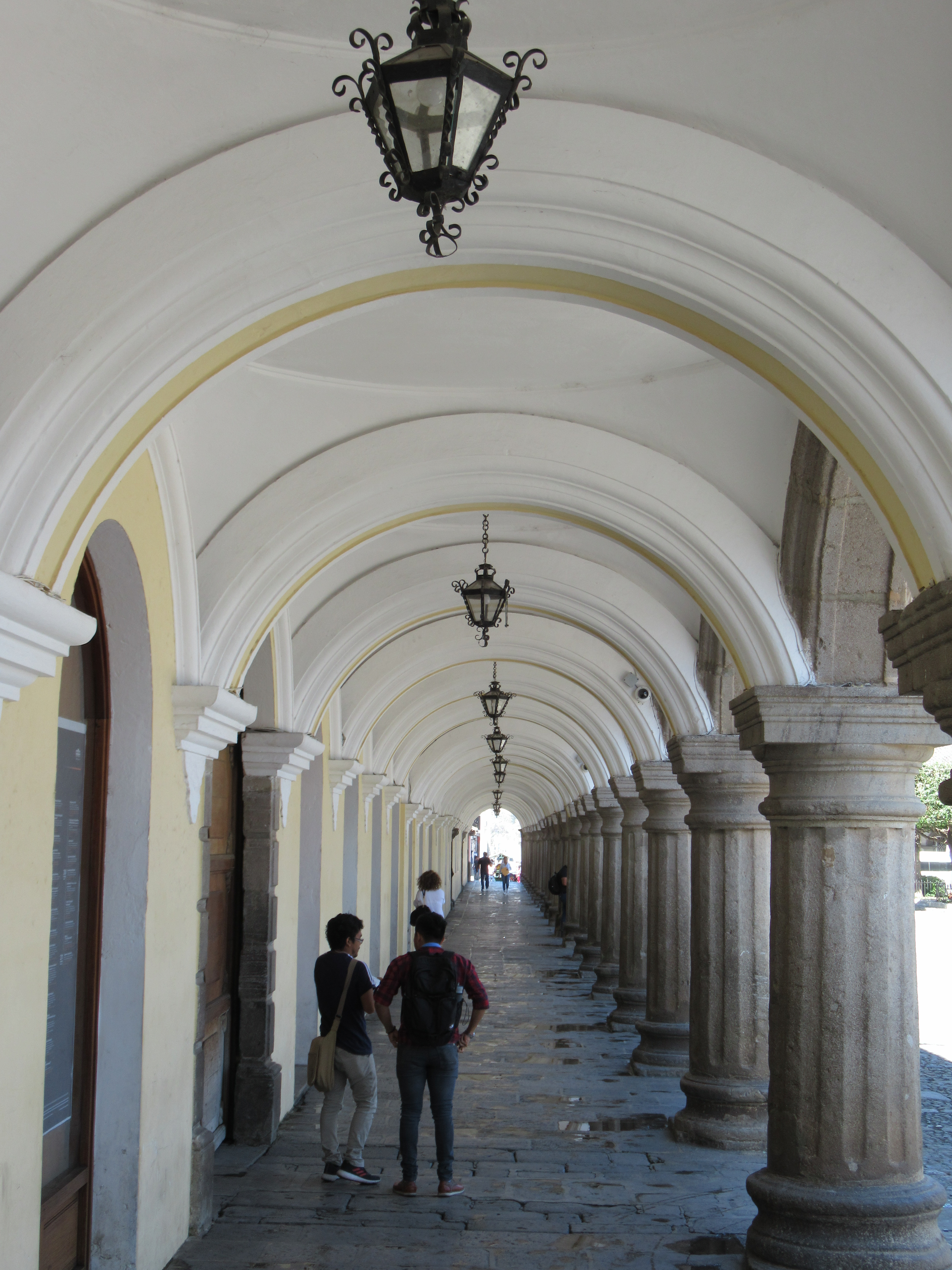
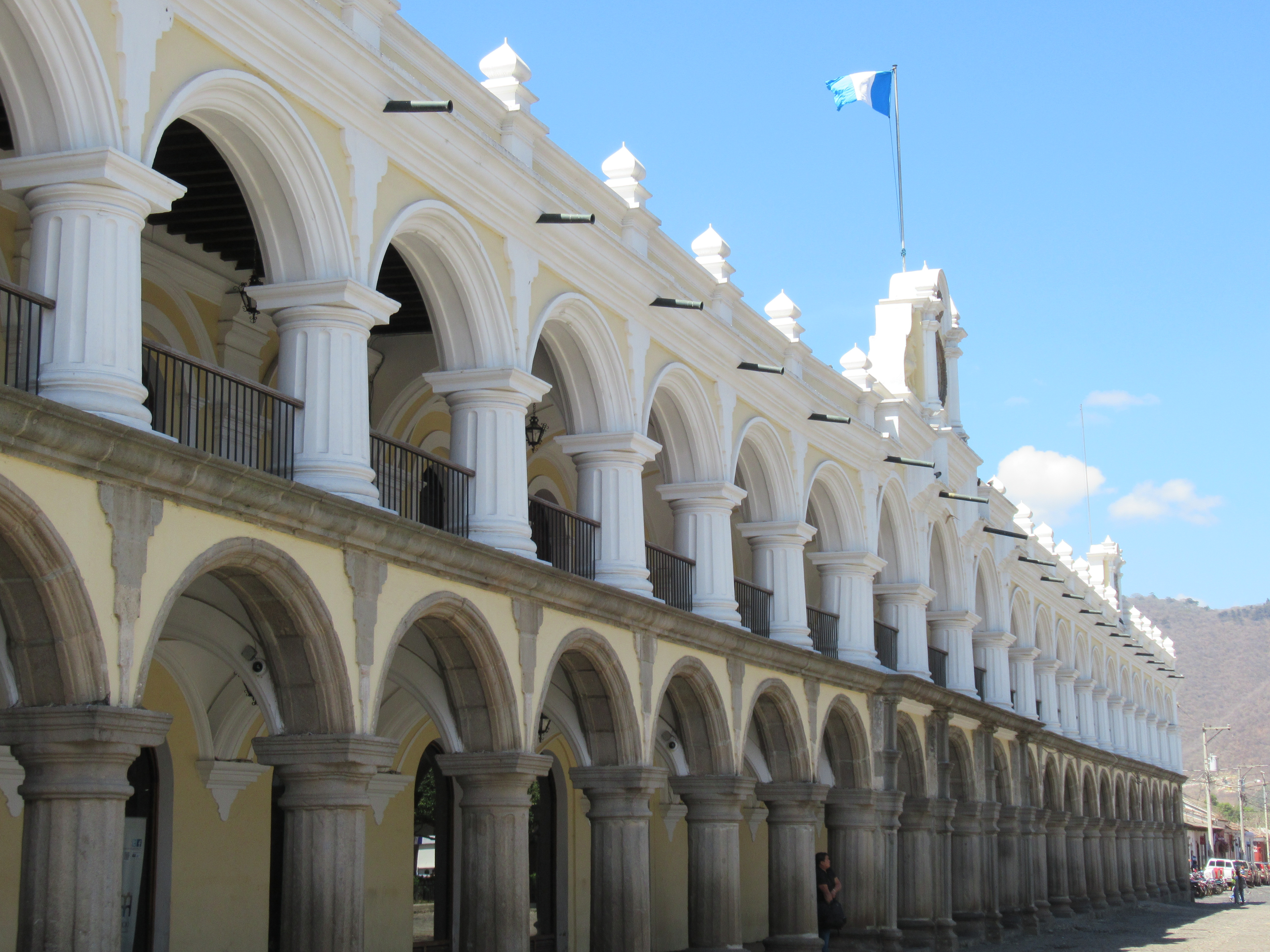
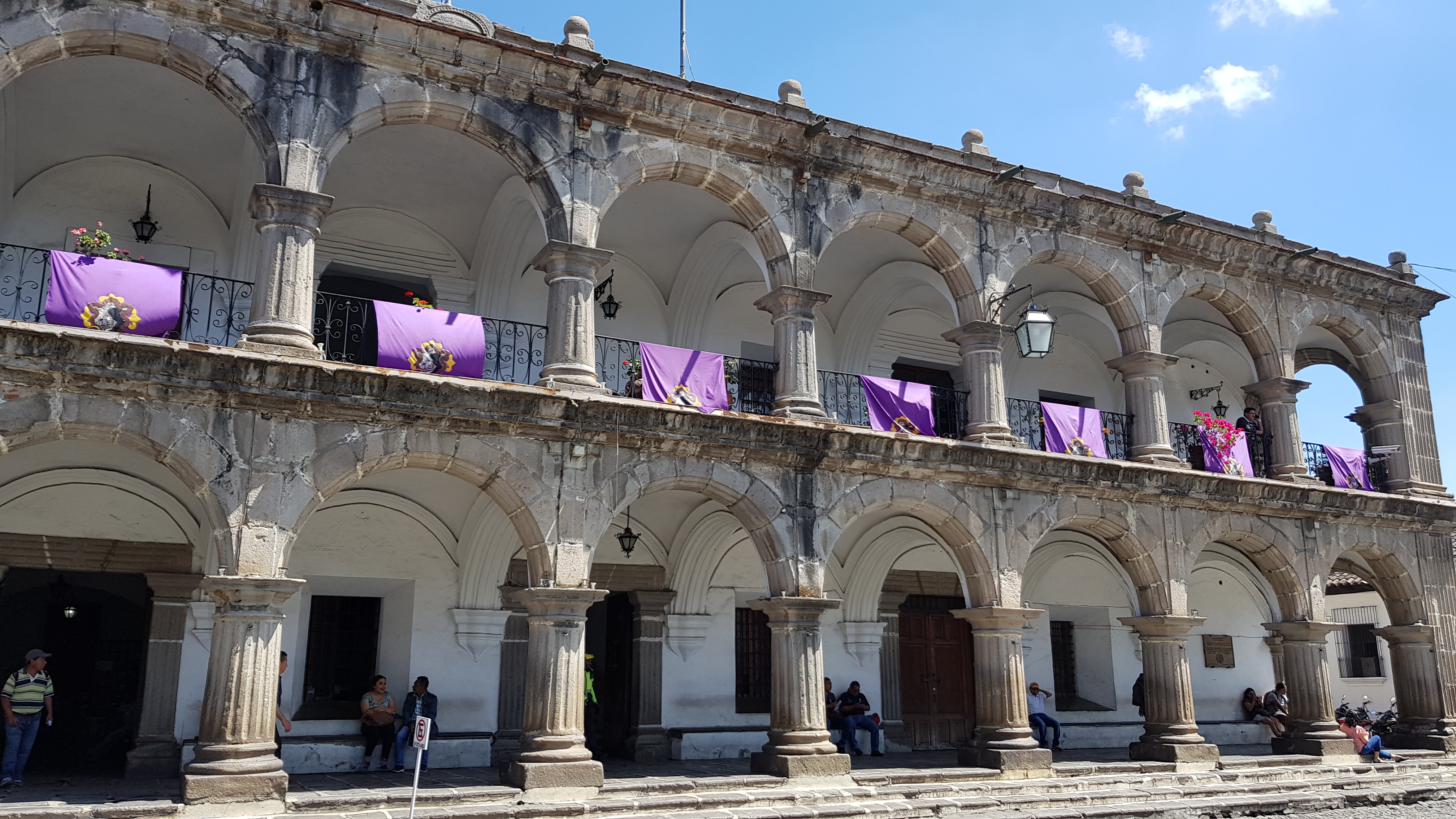
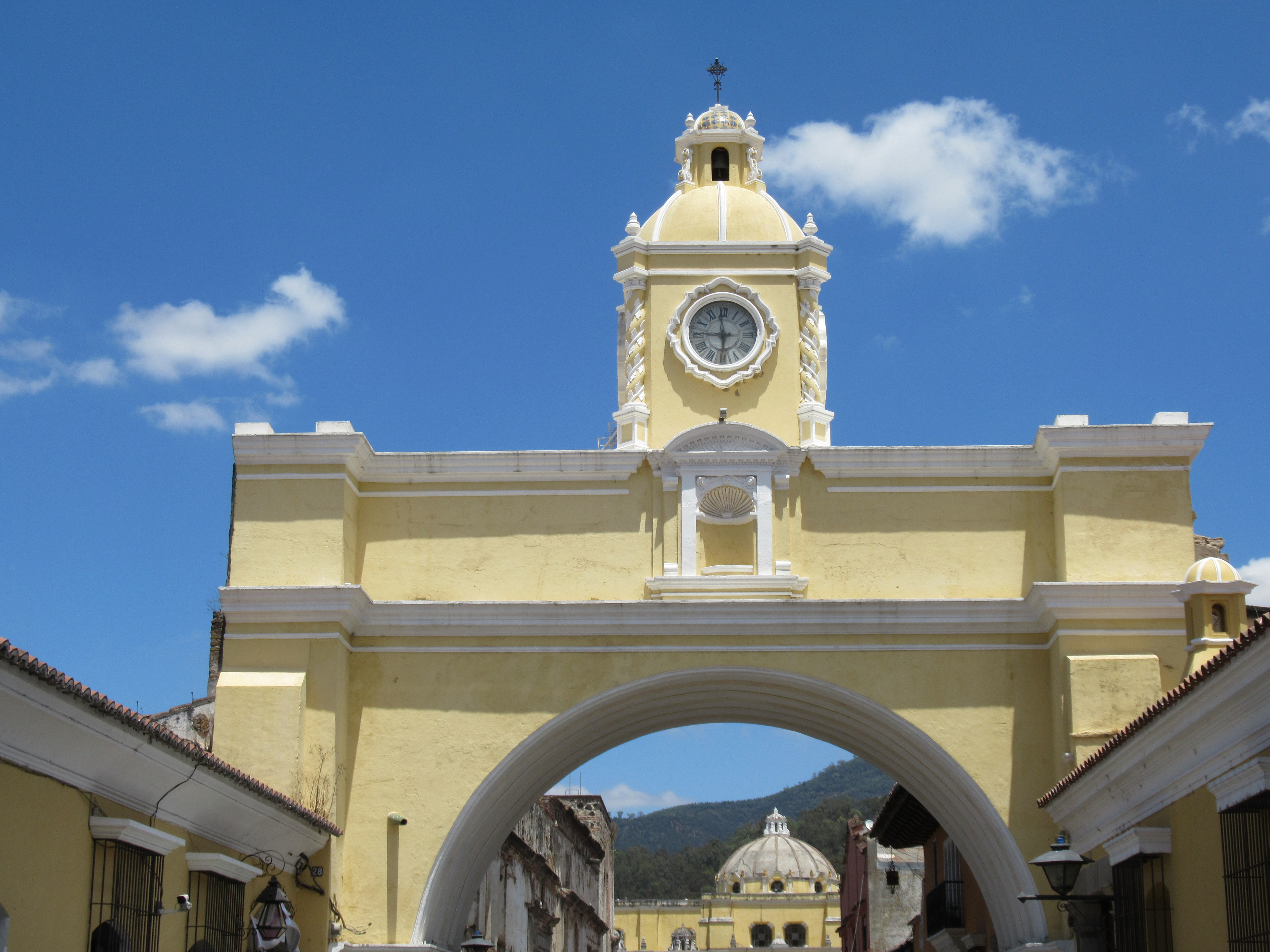
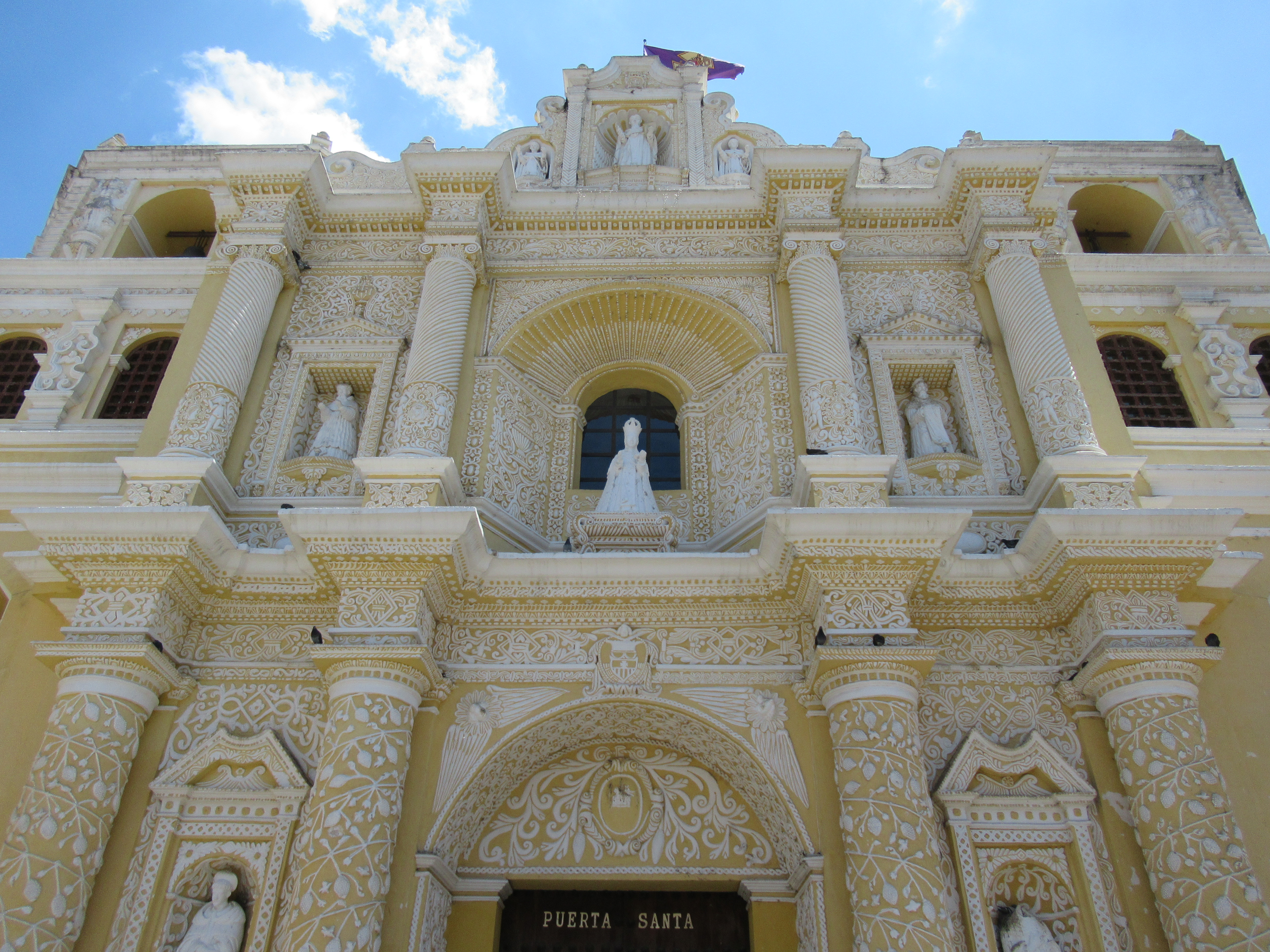
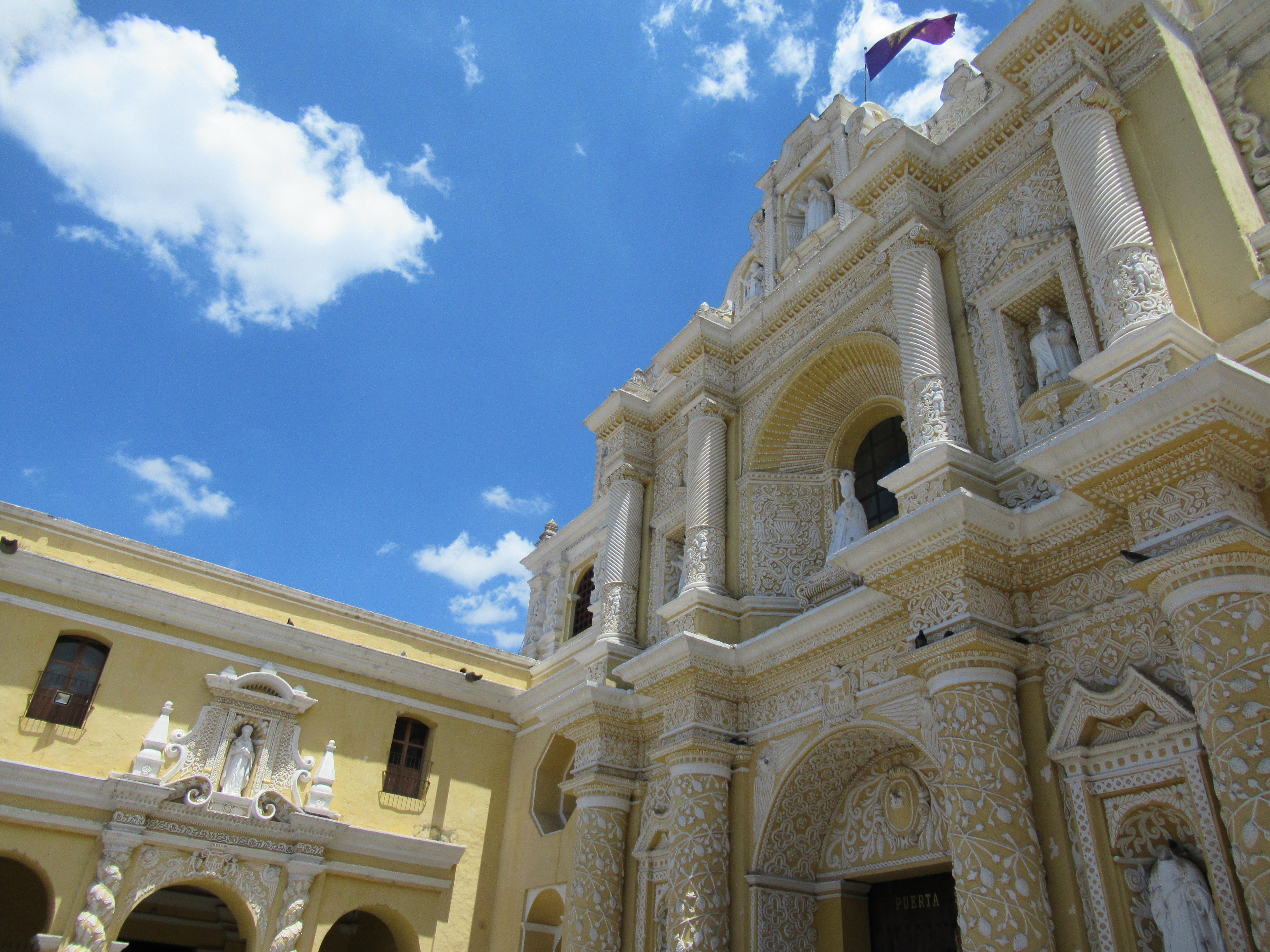
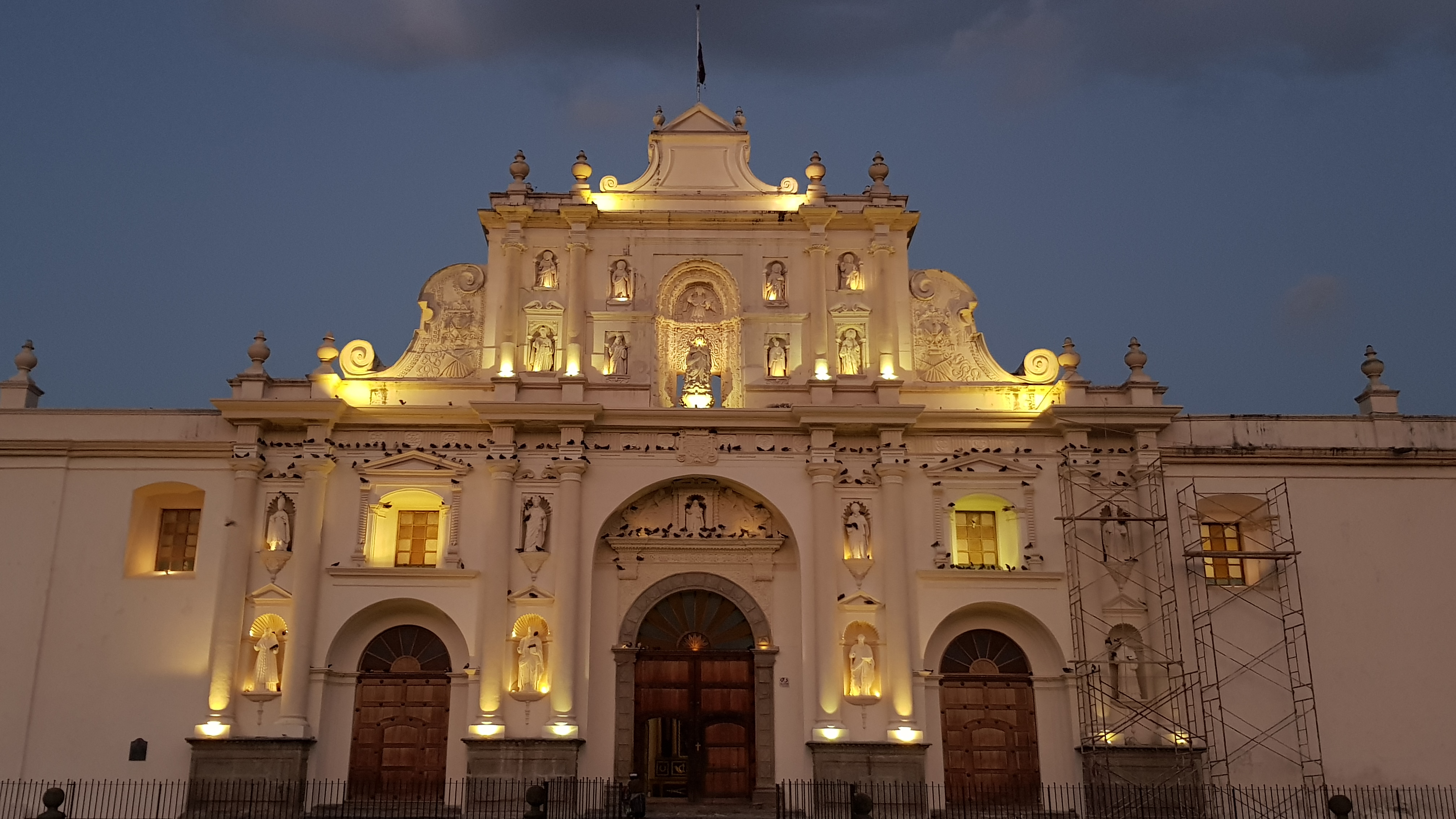
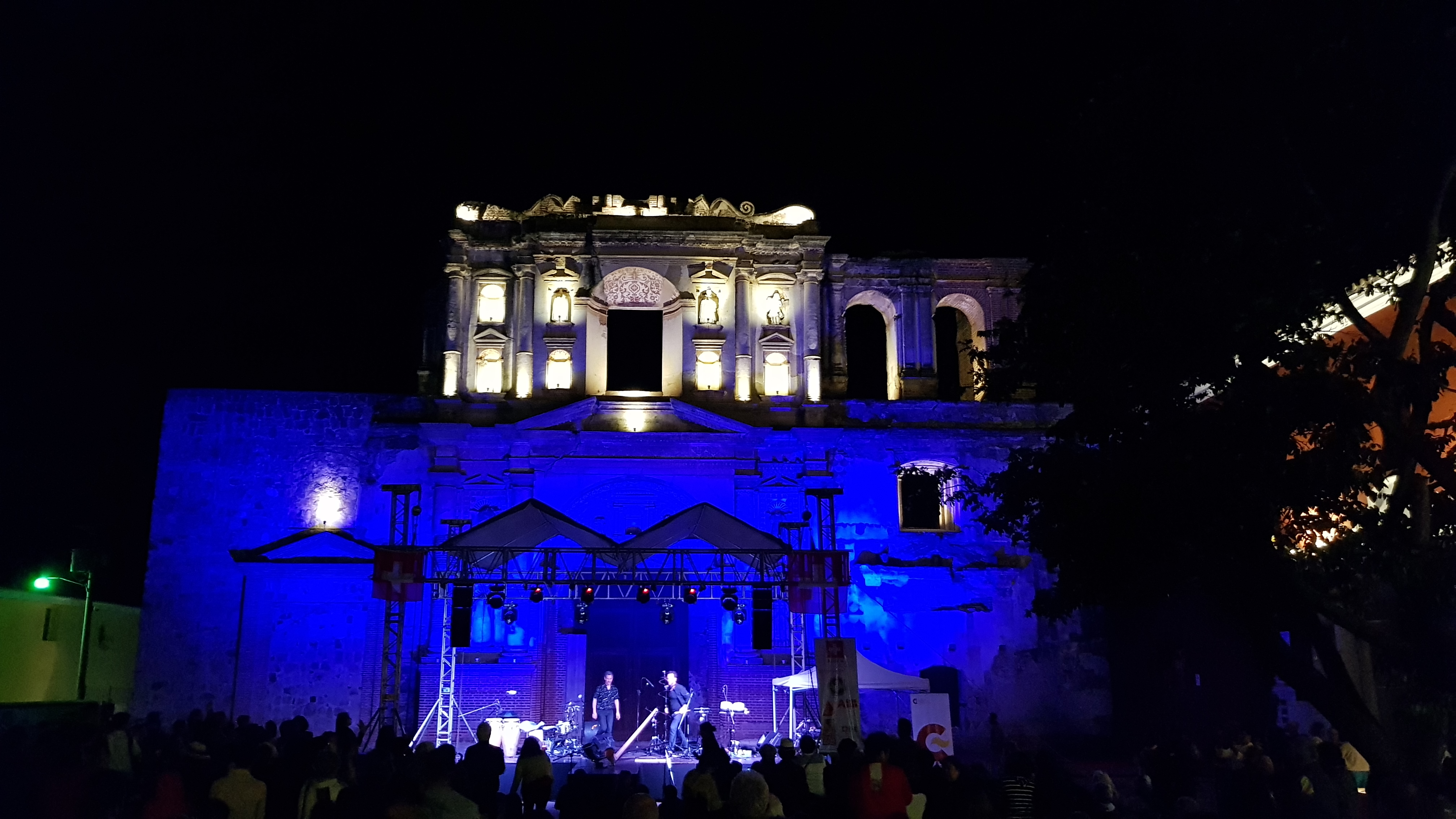
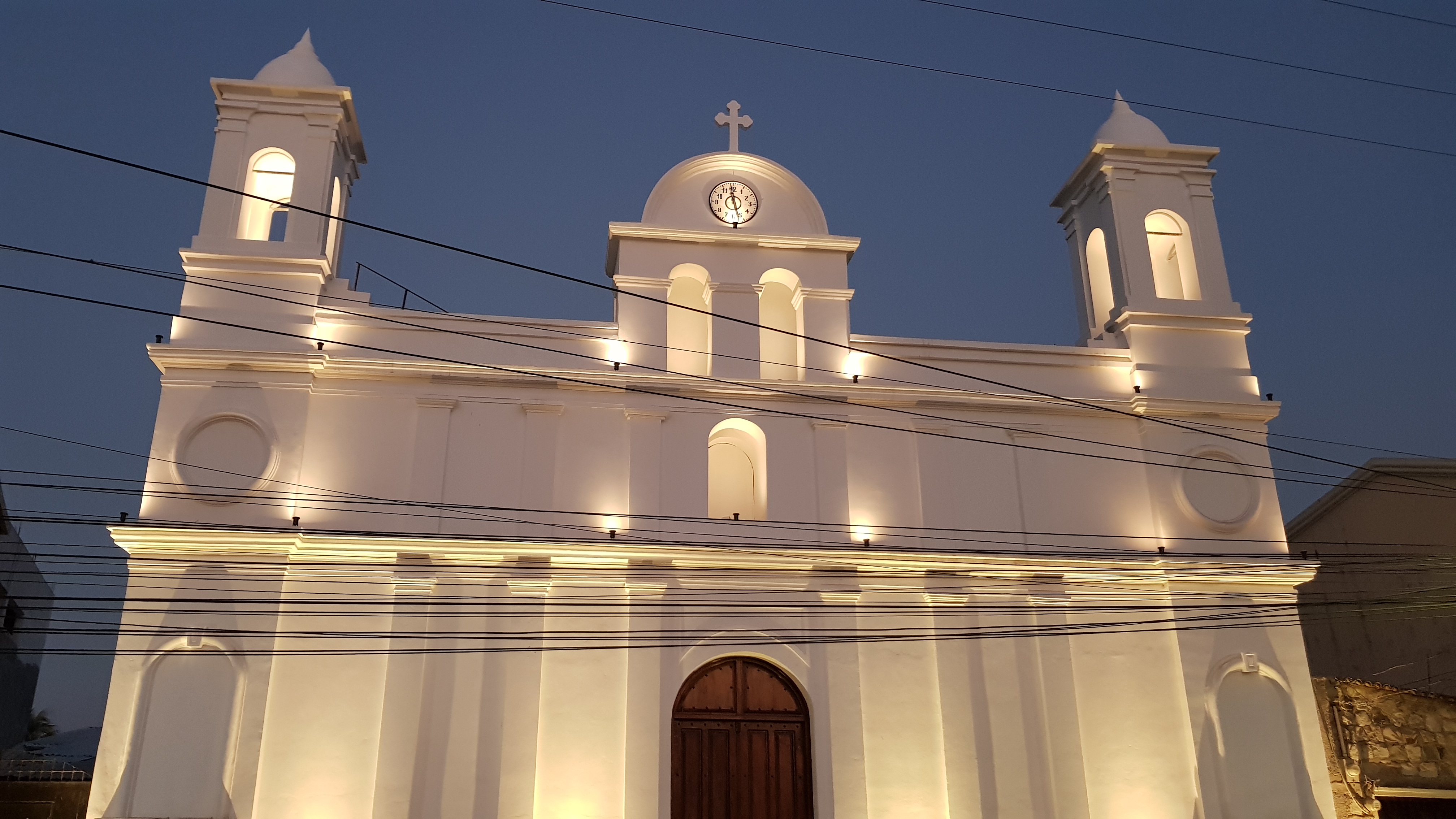
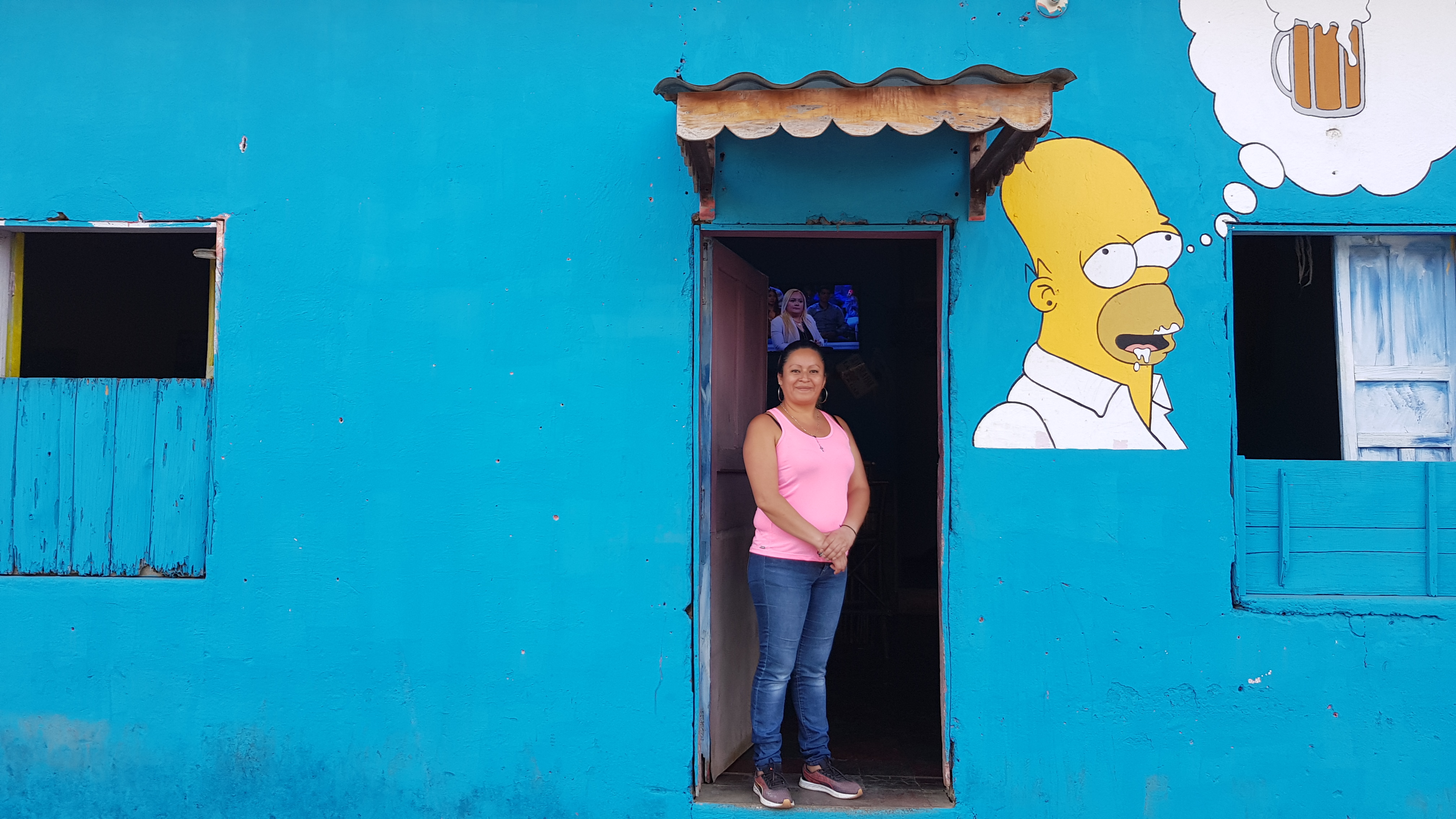
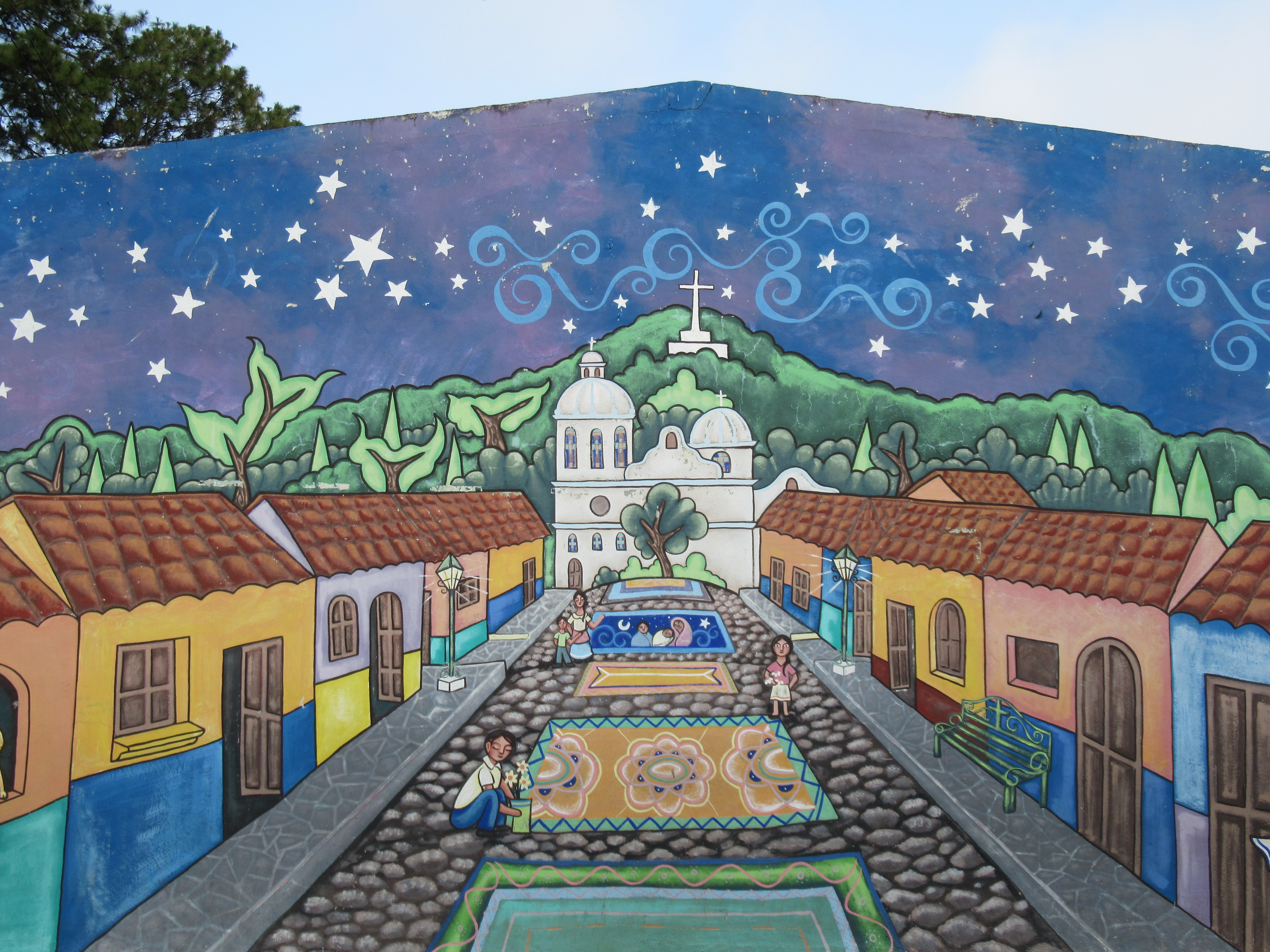
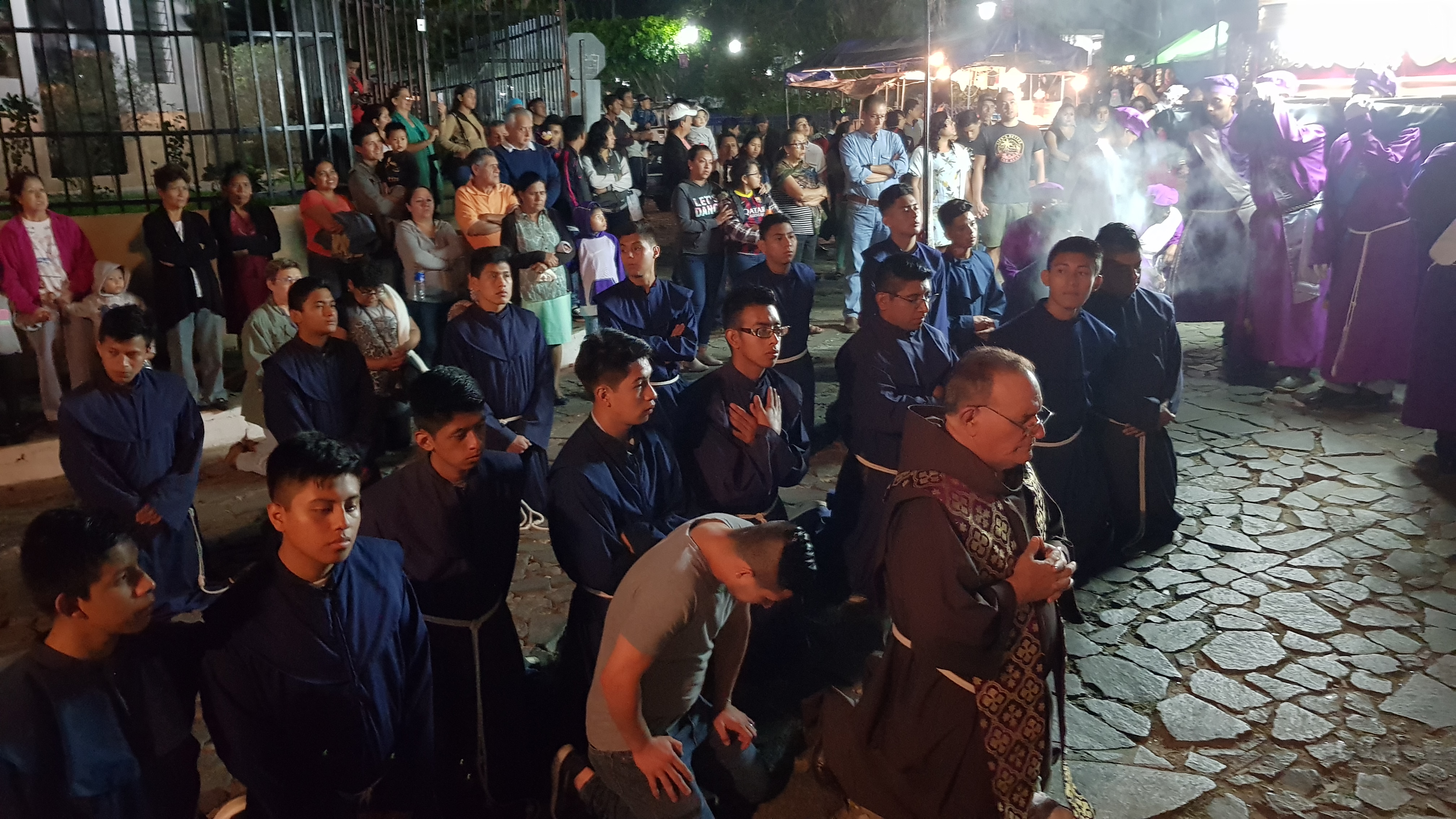
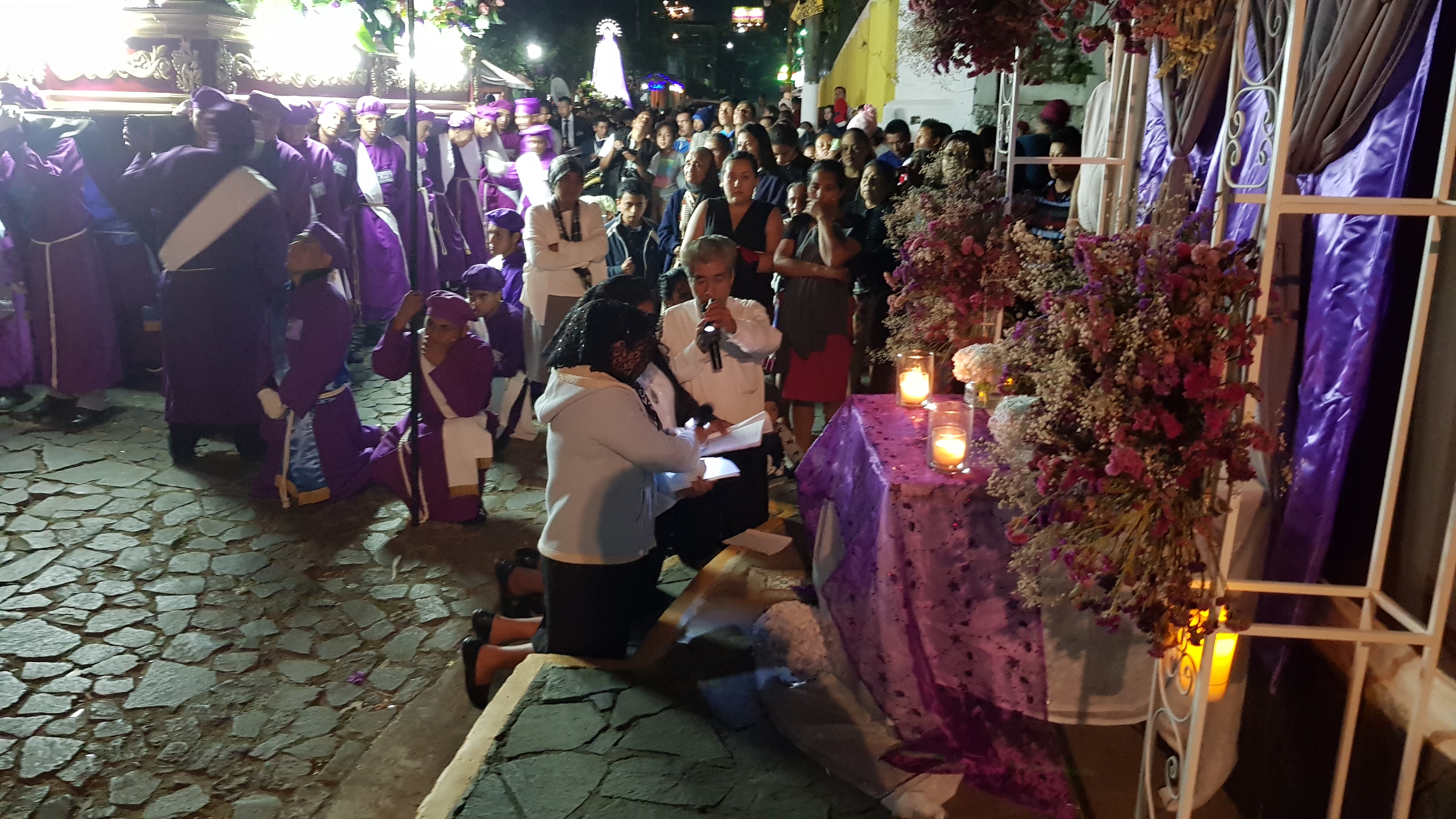
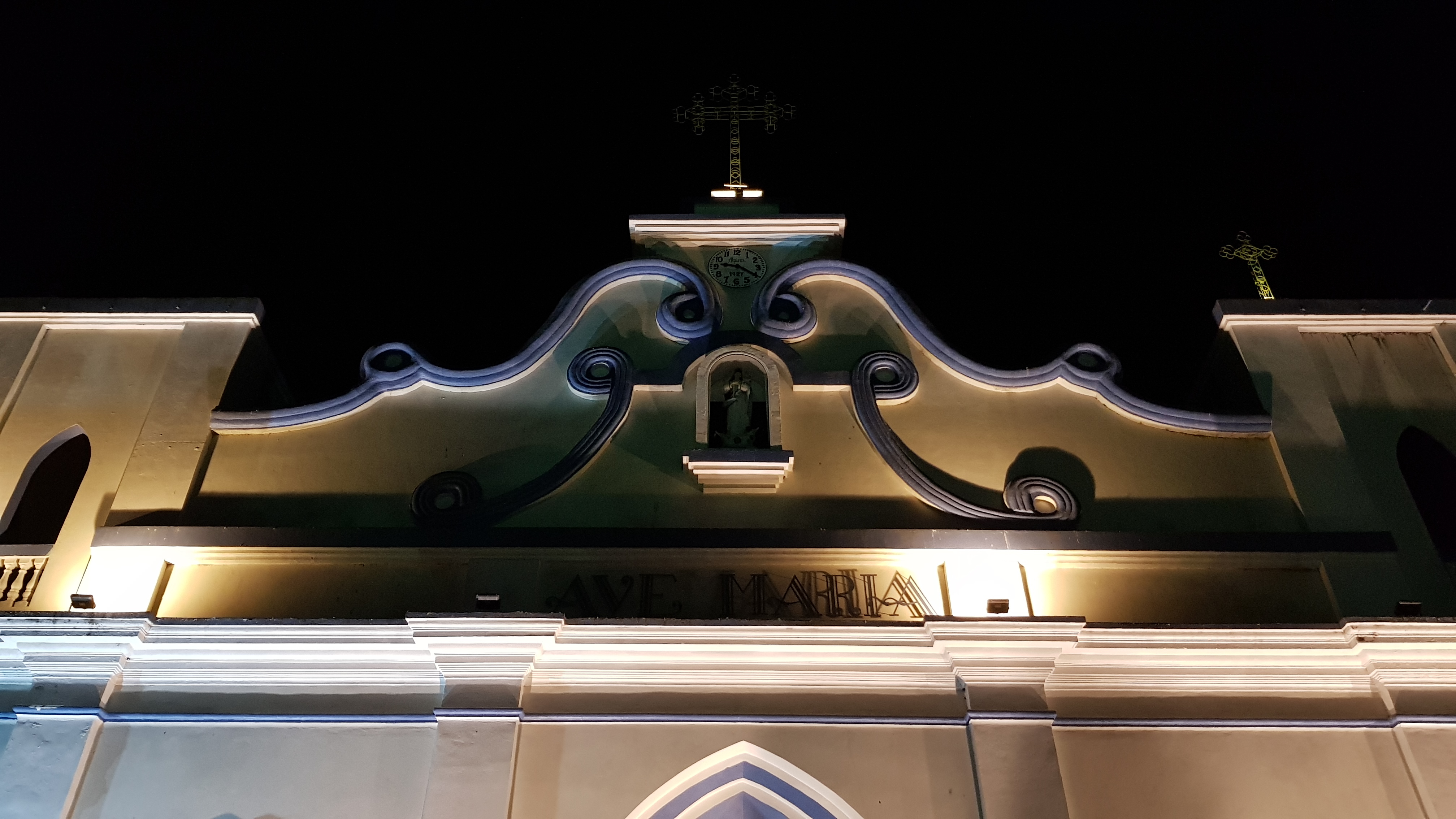
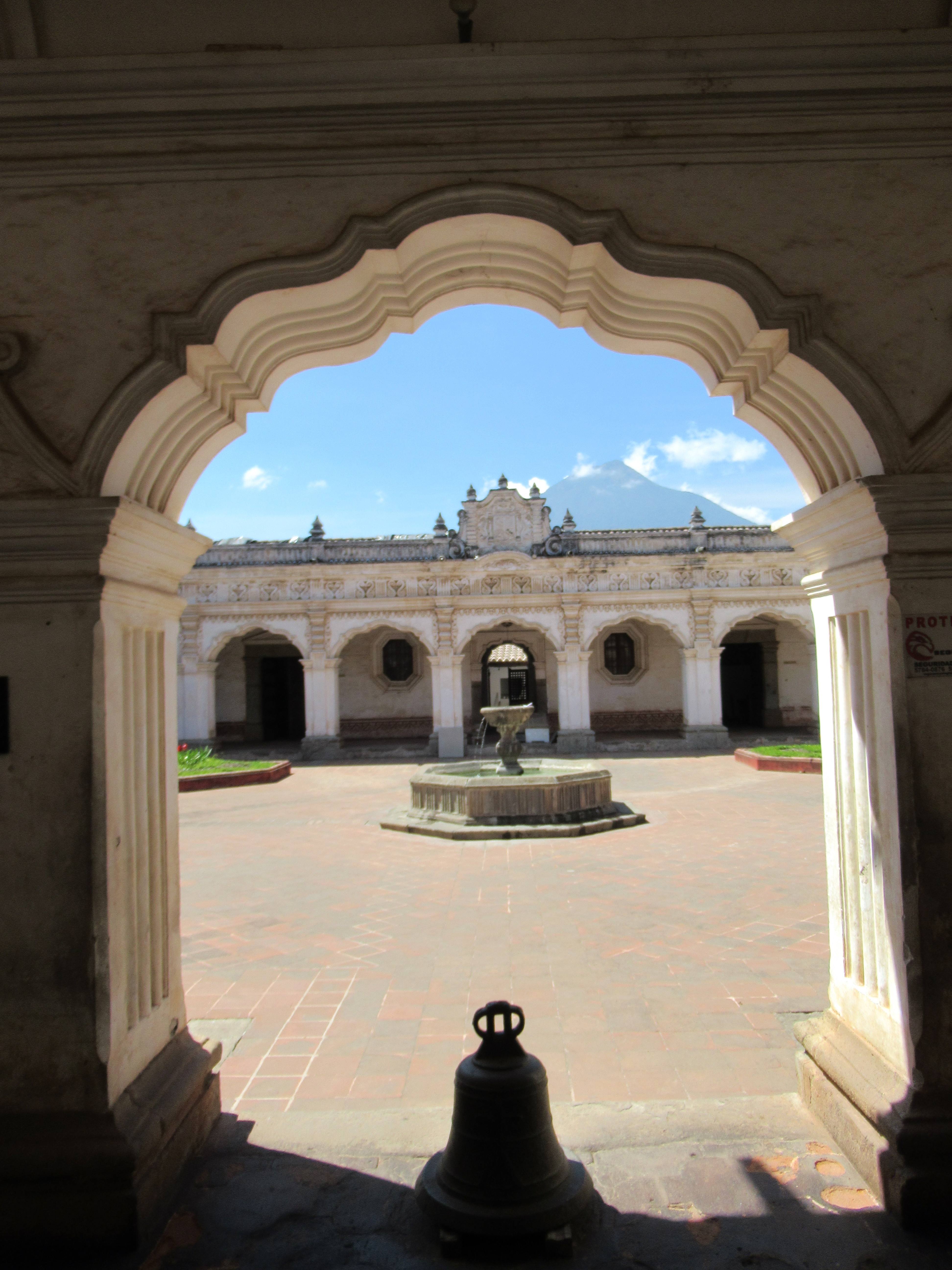
Walking tour of the town. Used to be the old Spanish colonial capital until it relocated to Guatemala City because of the volcano. There’s a lot of churches. It’s not really a town tour, more a church tour. Churches. Everywhere.

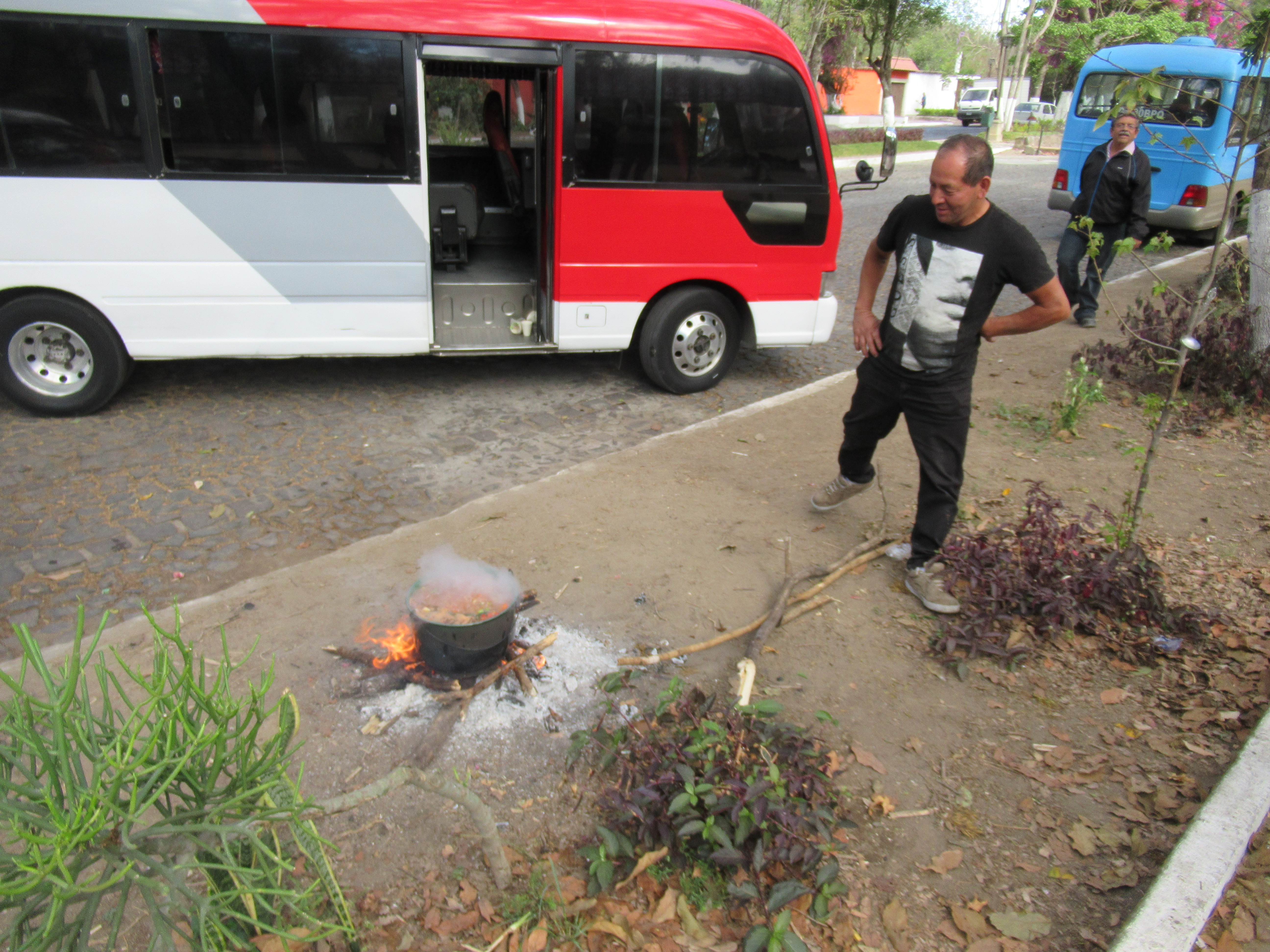
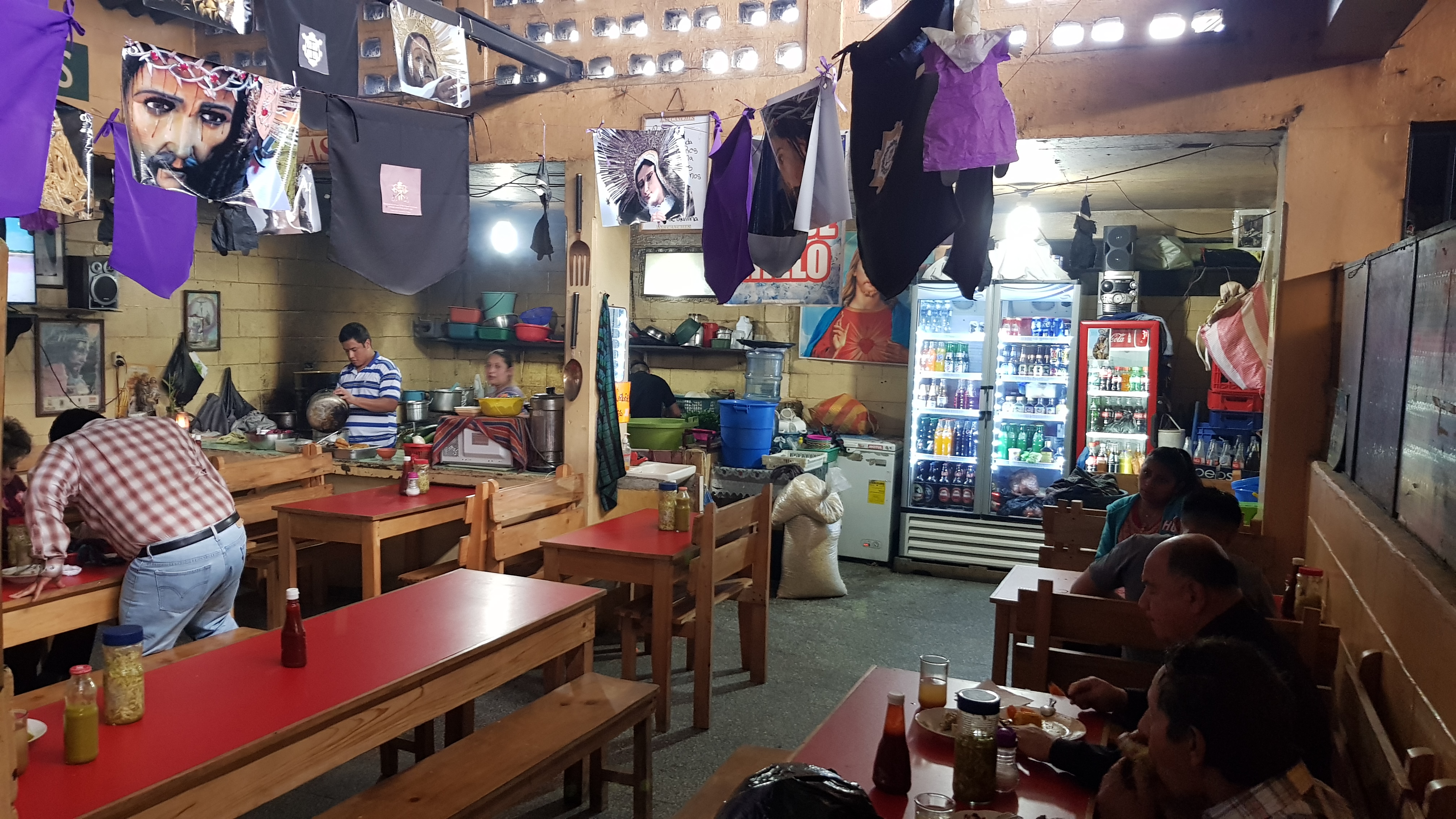
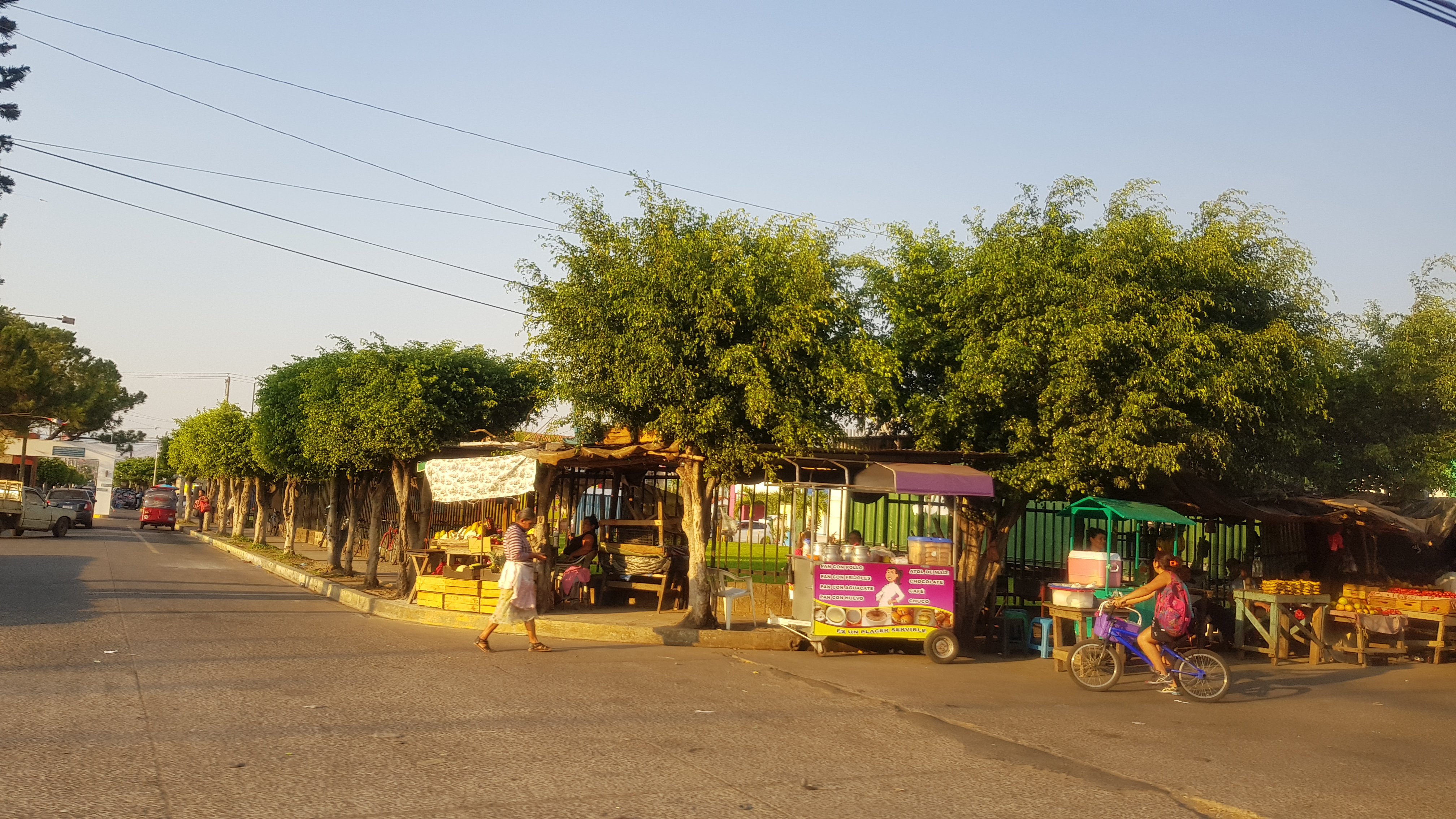
Walking along the main road into town, see a bus driver tending a large cauldron of soup on a wood fire by the roadside. All the tourist bus drivers come here for lunch and share the soup. It’s bubbling away good and proper.

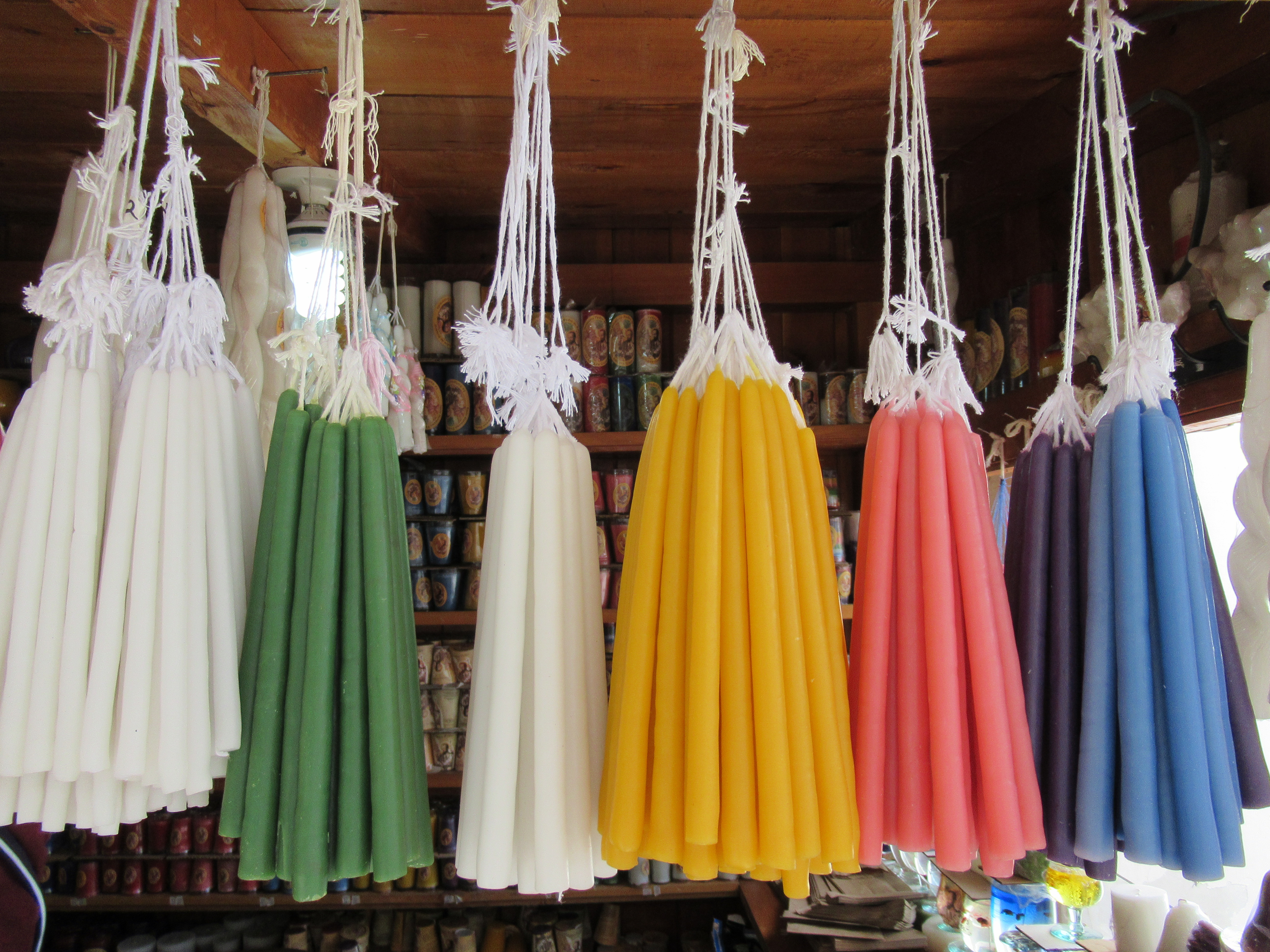
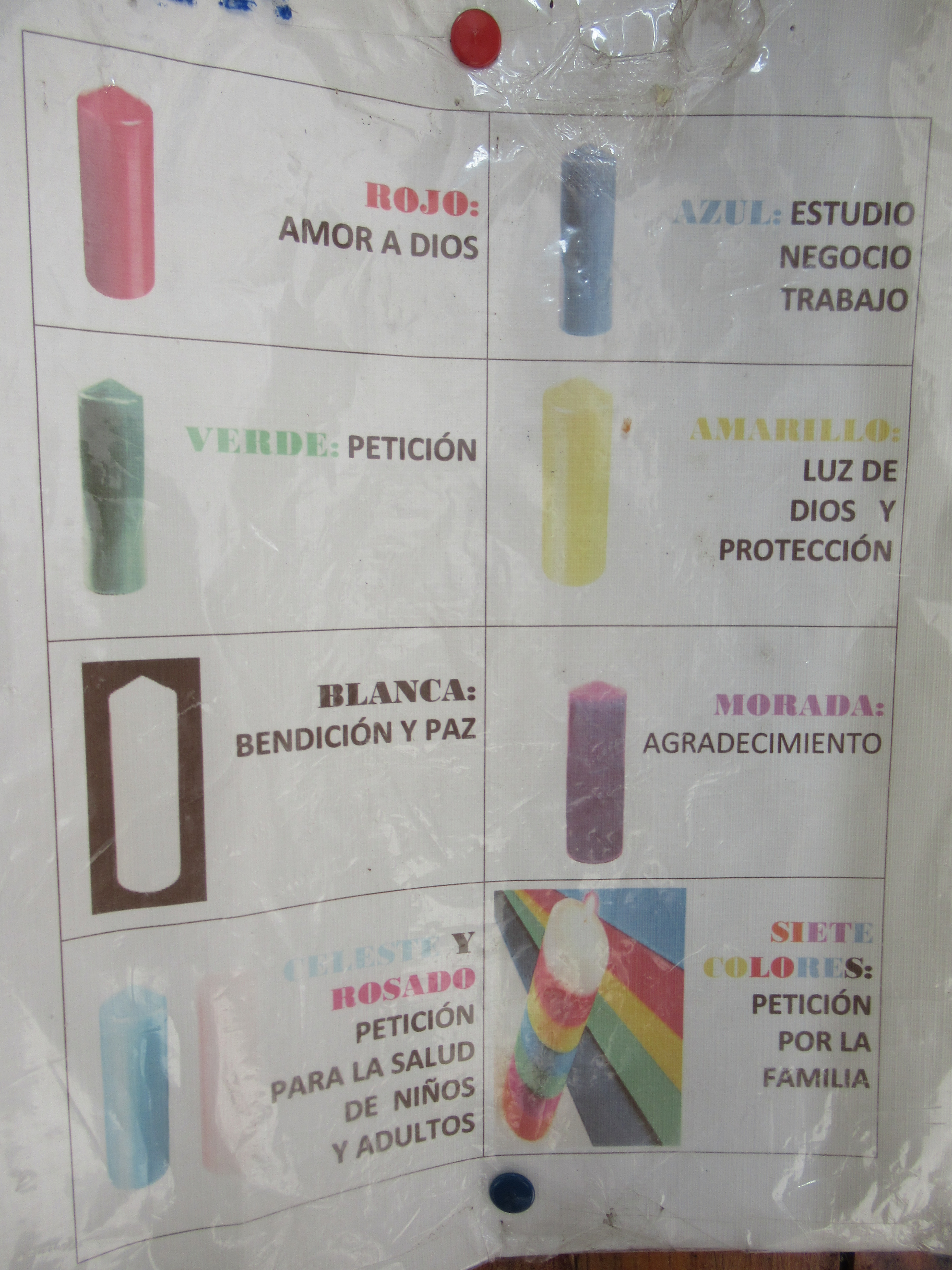
Outside one church are plenty of stalls selling different coloured candles. You buy a candle for 10 pence, light it and then pray for what you want. So, for example, if you need help with money, studies or business, you buy a blue candle. For love and relationships, a red candle. Each to their own but I’m a bit cynical about such things.

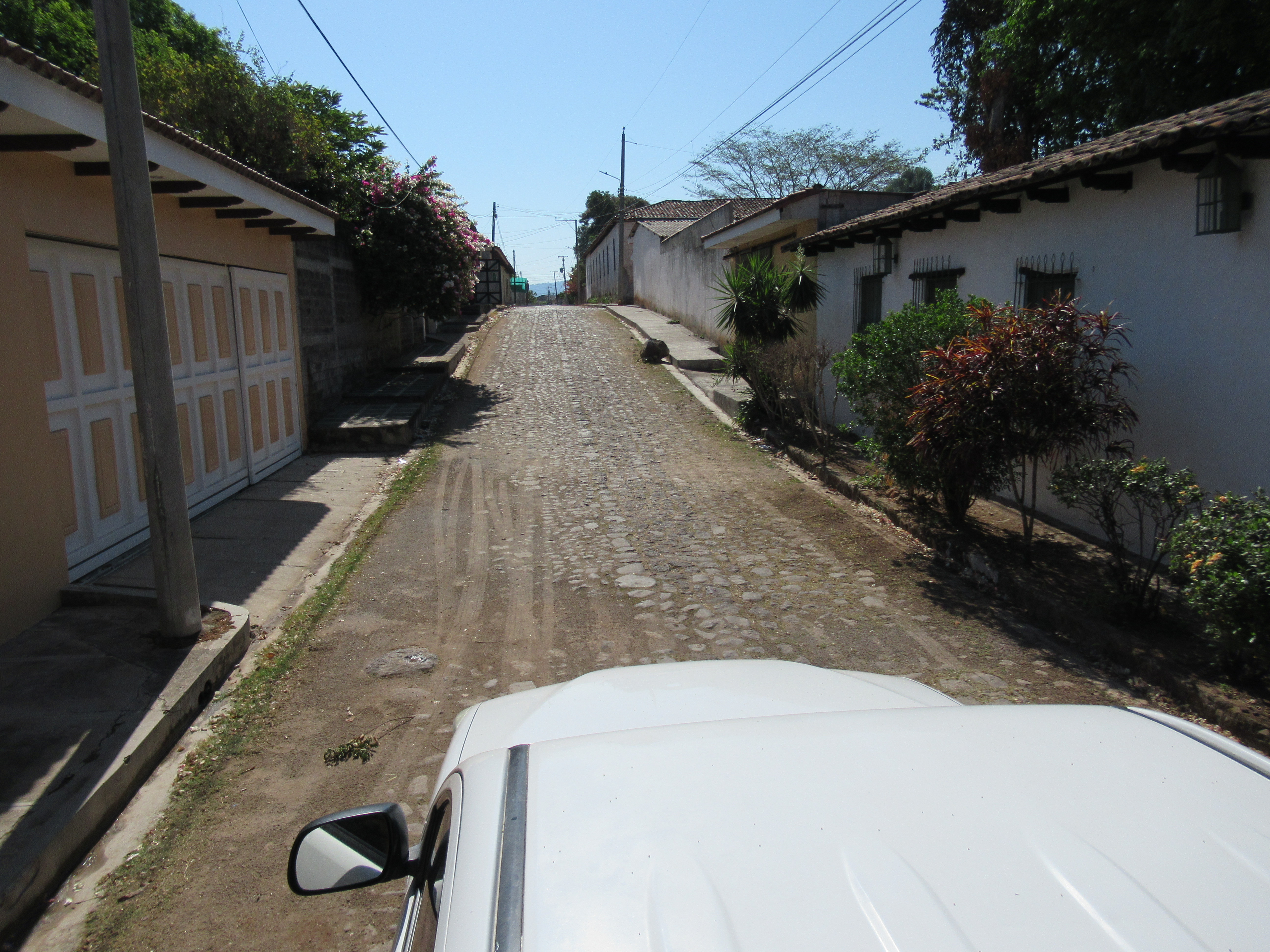
As with most towns in Central America, all the buildings are single storey and the roads are set out on a grid pattern. Most of them cobbled. Which is a pain to walk on.

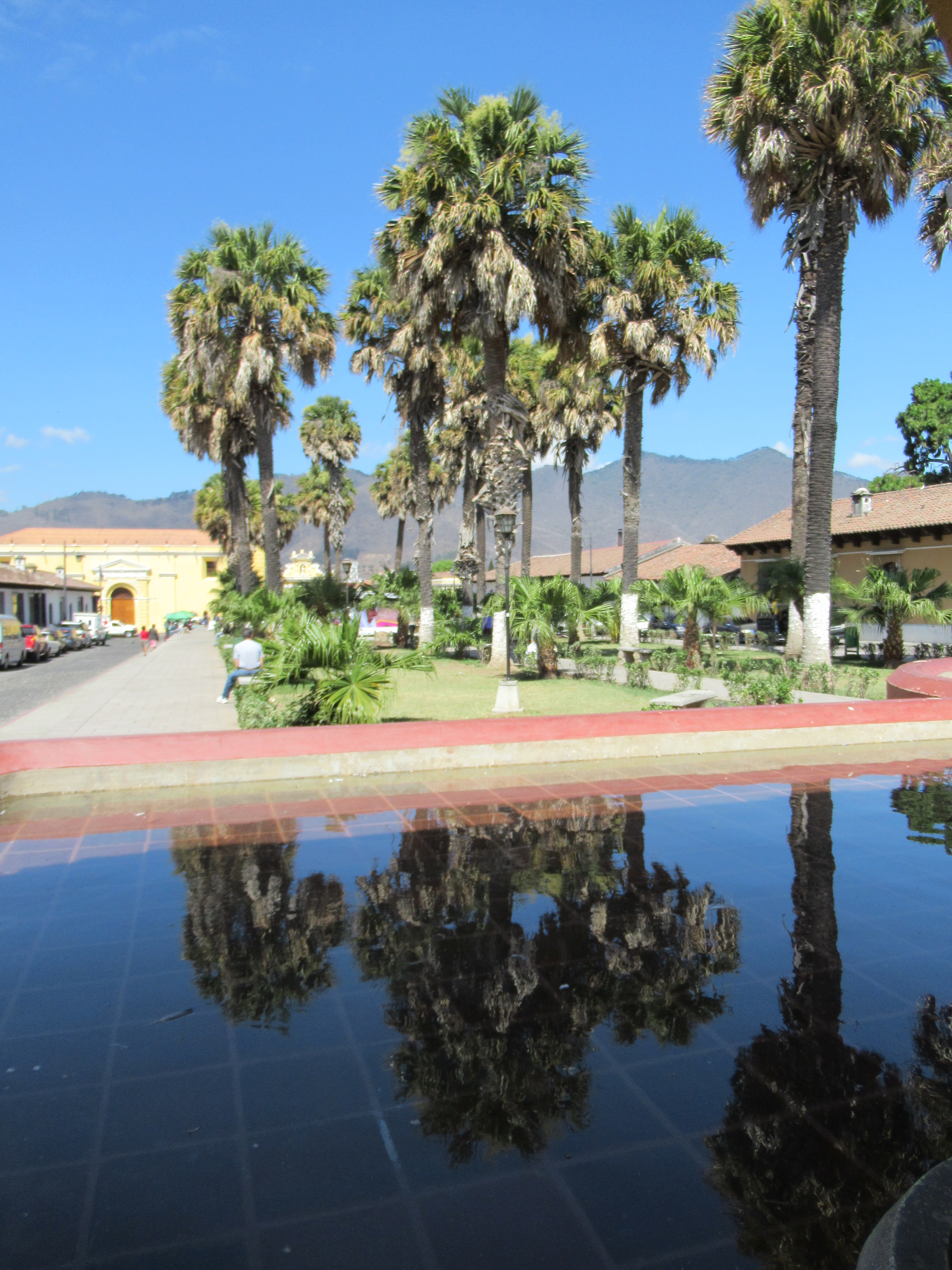
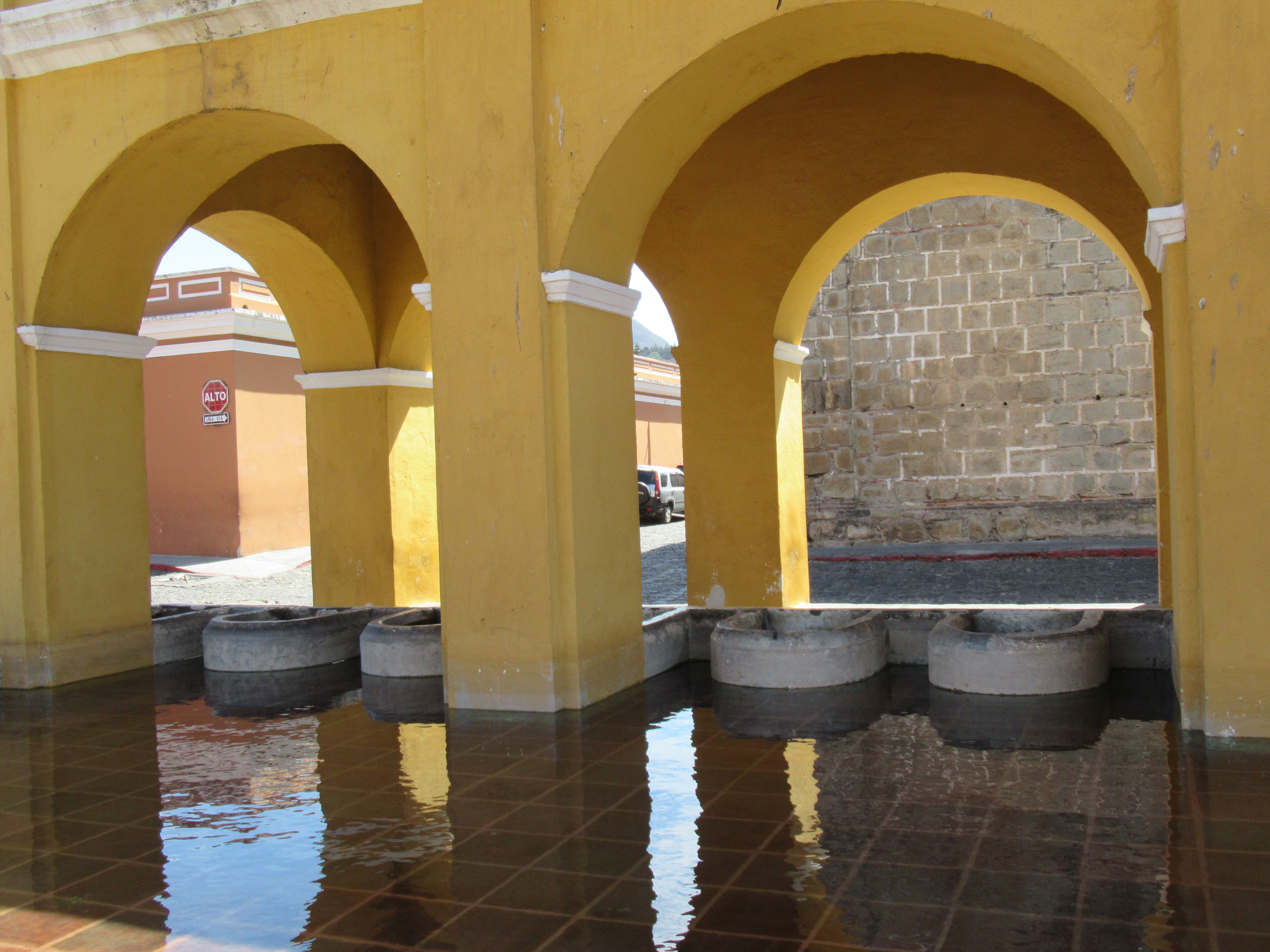
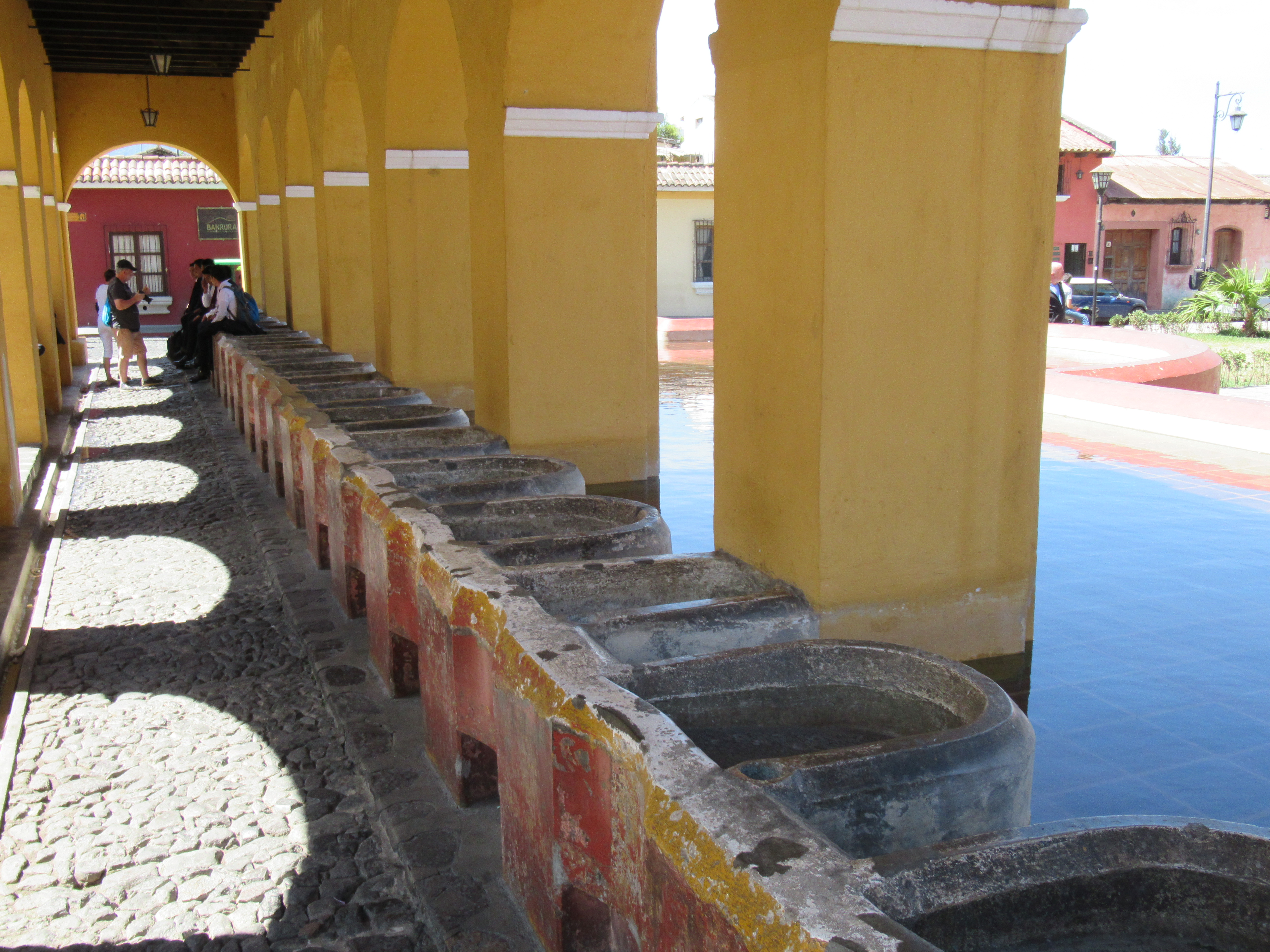
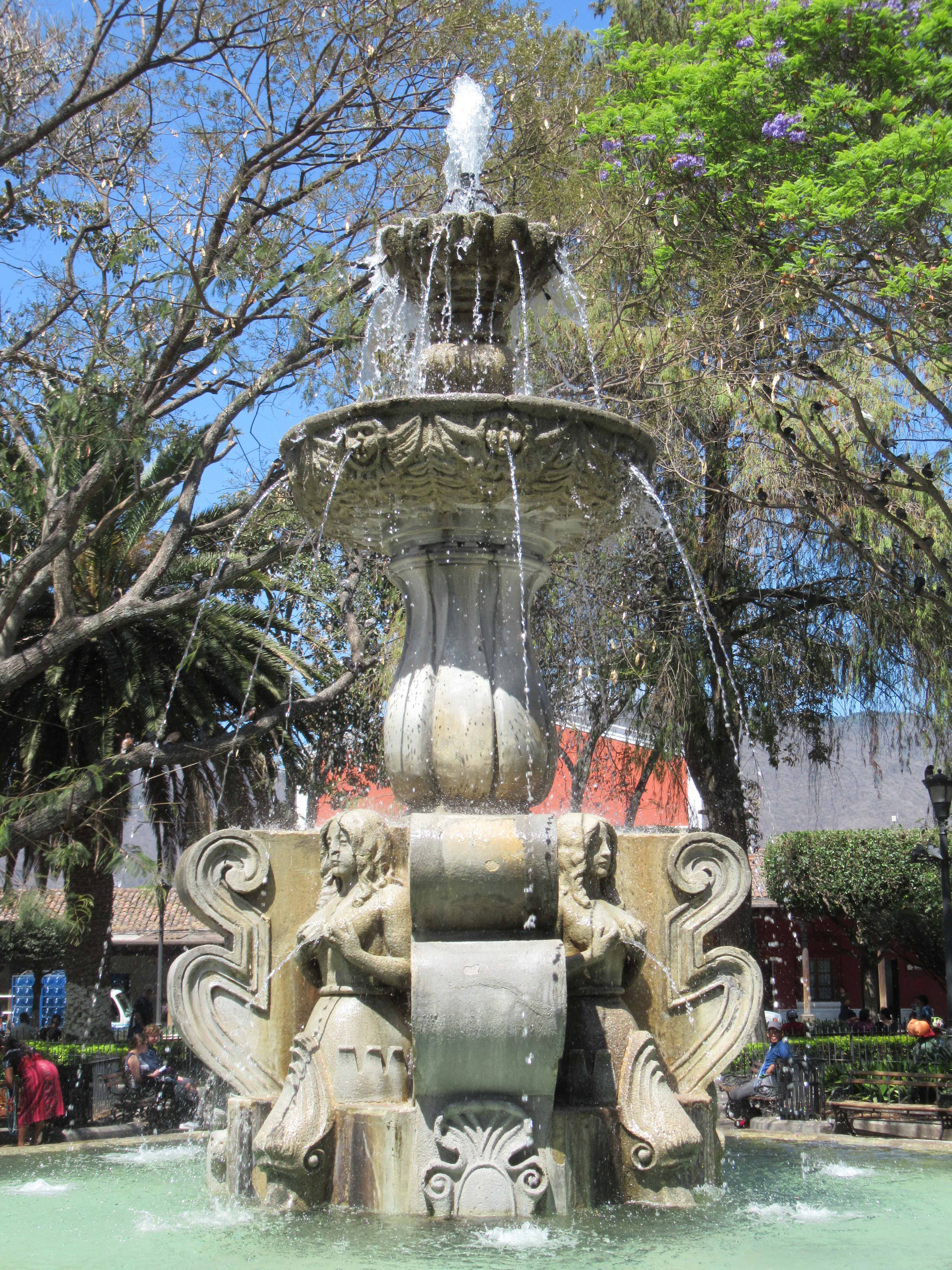
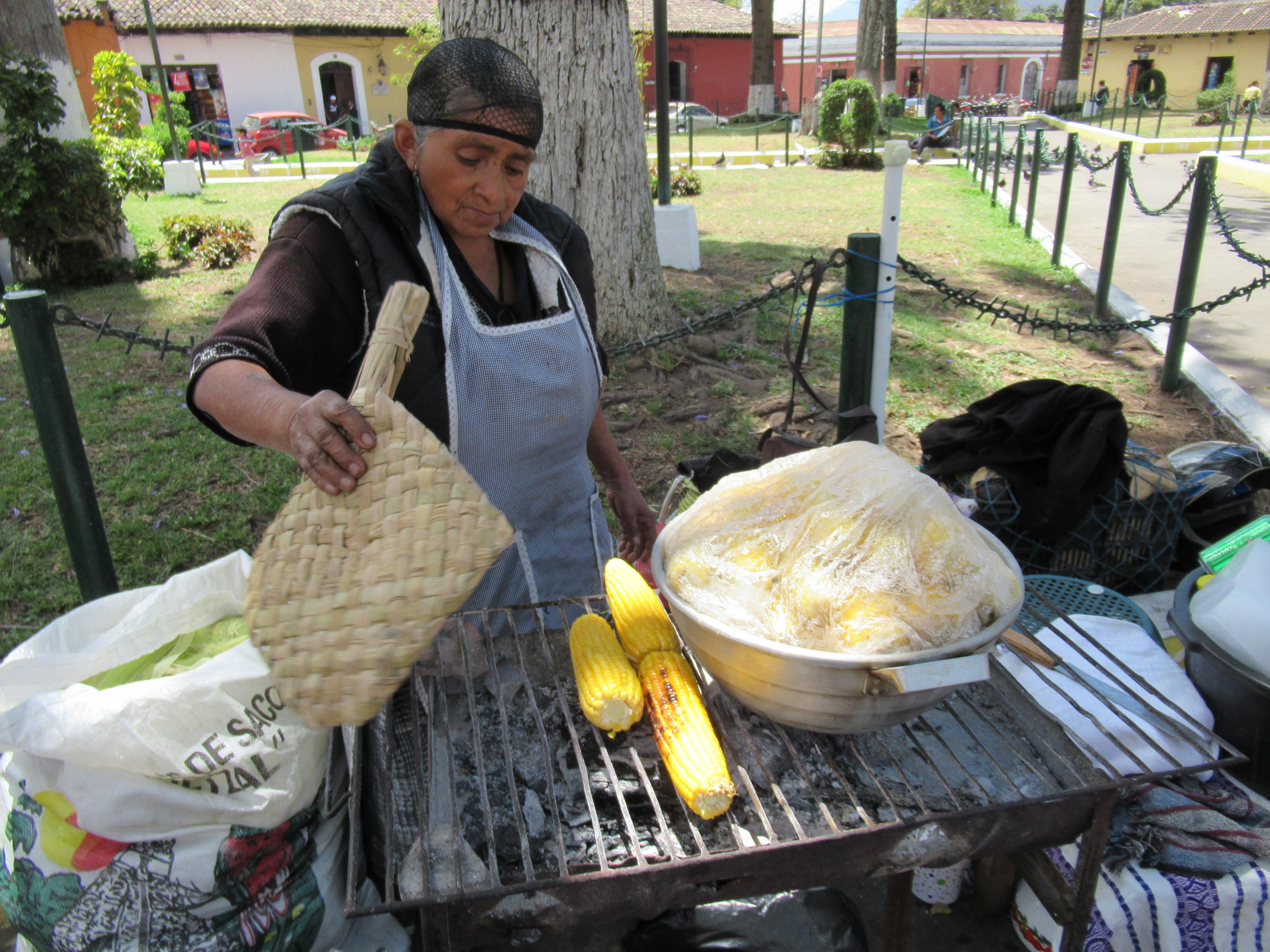
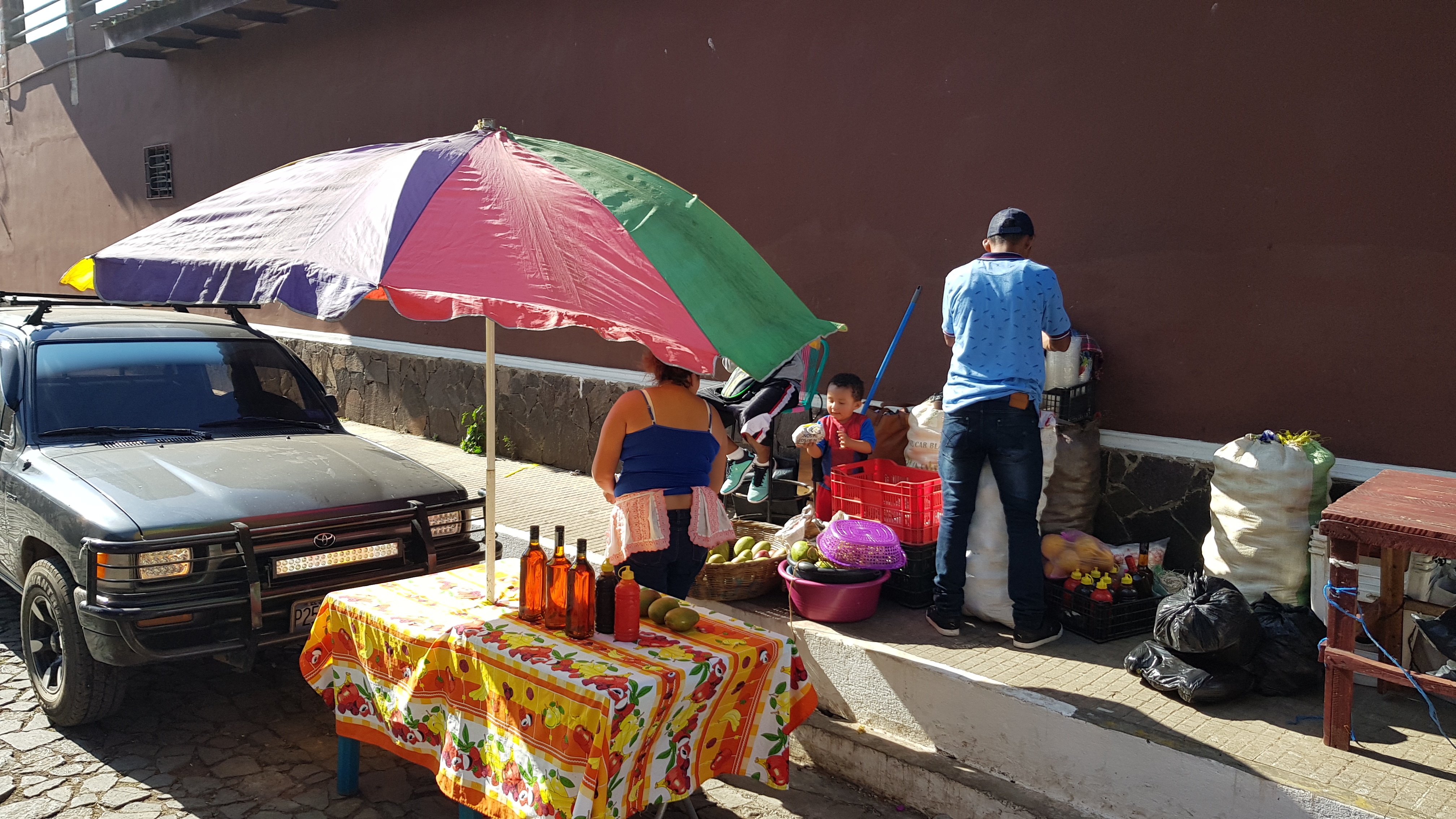
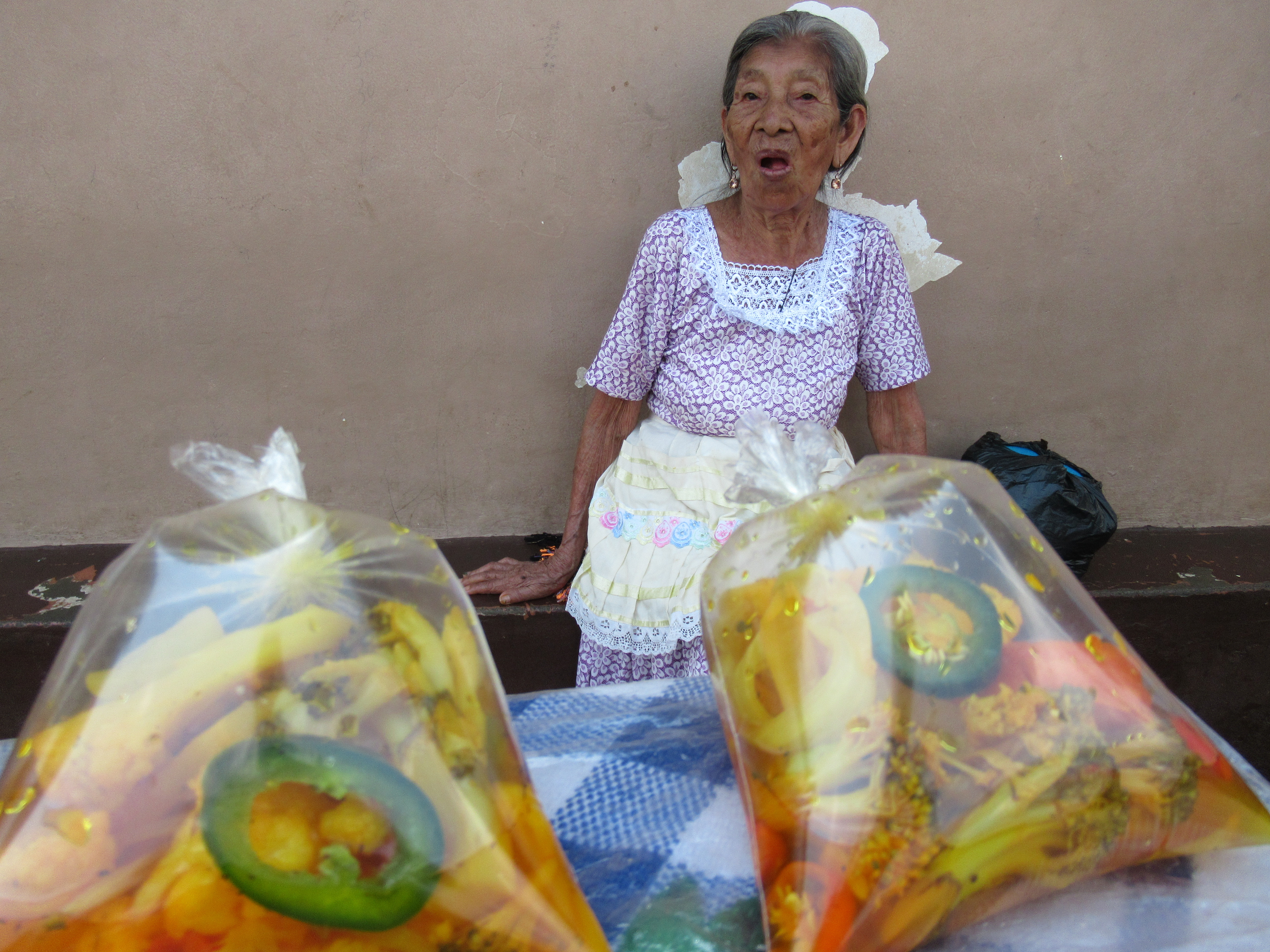
In one of the squares is a public fountain bordered on one side by stone basins. This is the local laundry. Local women still come here to do the laundry. Small recesses in the basins act as place to hold soap. It’s the local Facebook page too where they all come to trade gossip. In the same square an old woman is fanning the charcoal grill to cook the sweetcorn. She’s 72 and having to work still as there’s no pension to fall back on.

Whilst Antigua is a really nice town, there’s not many interesting points of interest. Unless you like churches.

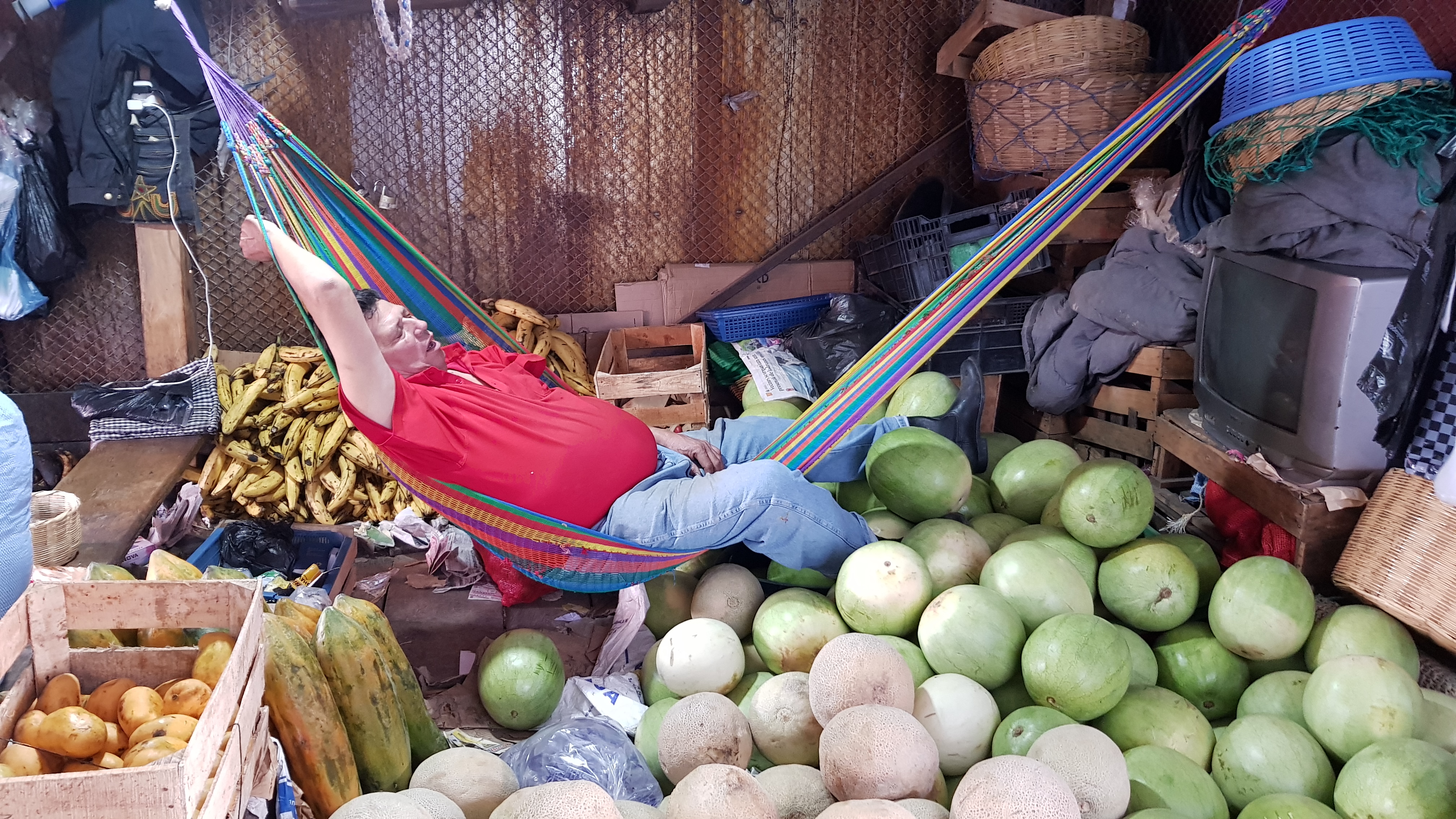
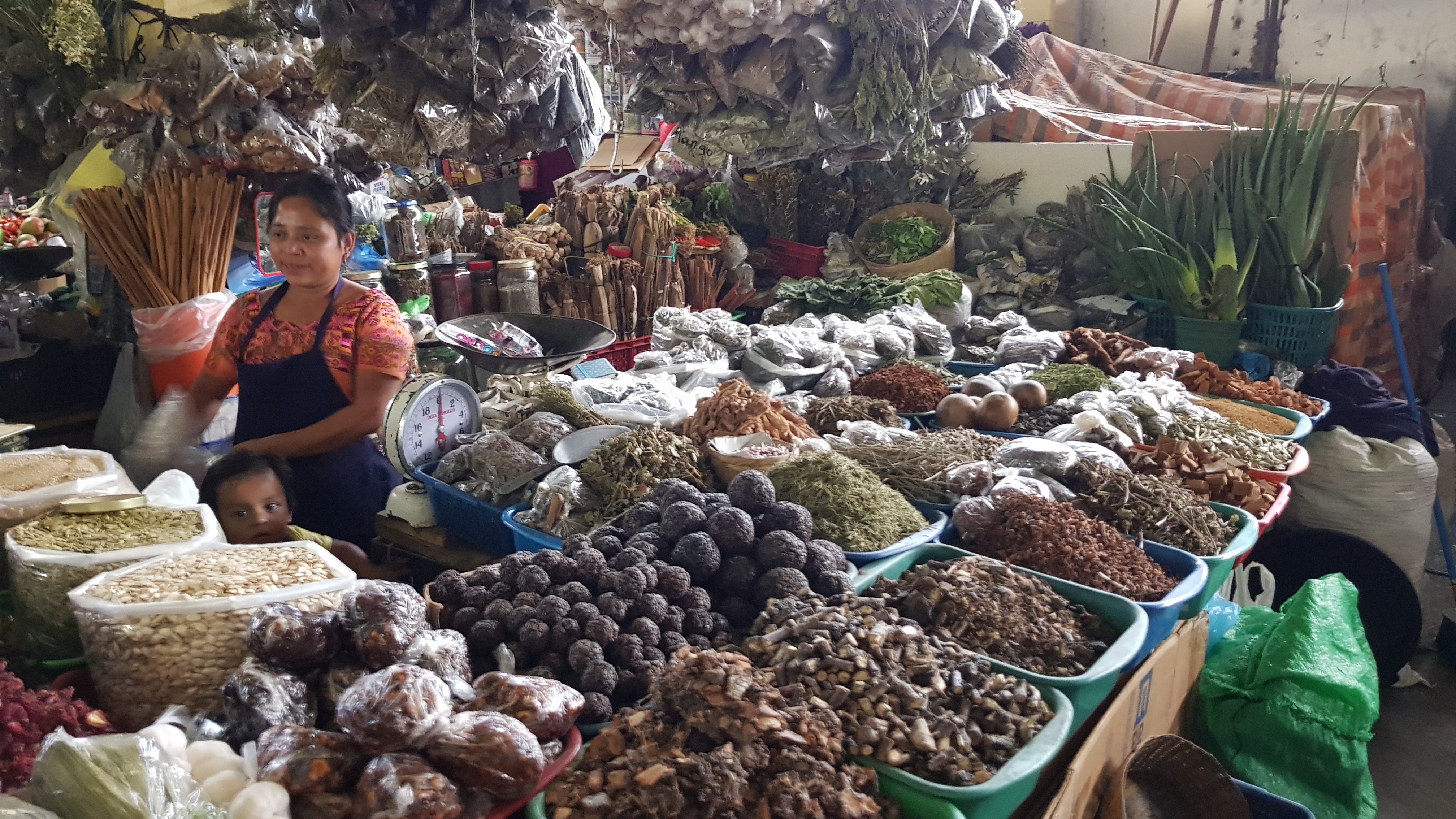
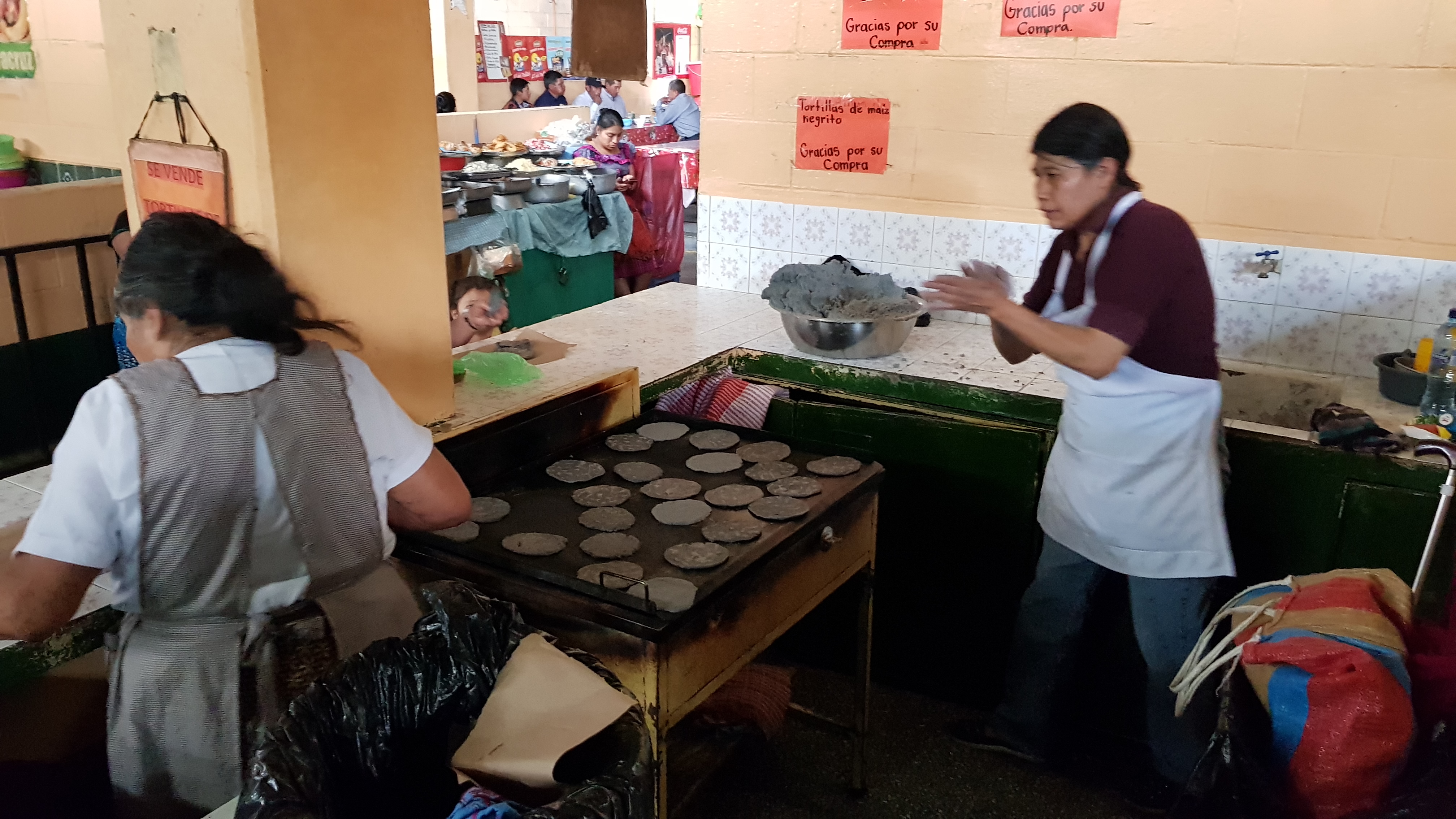
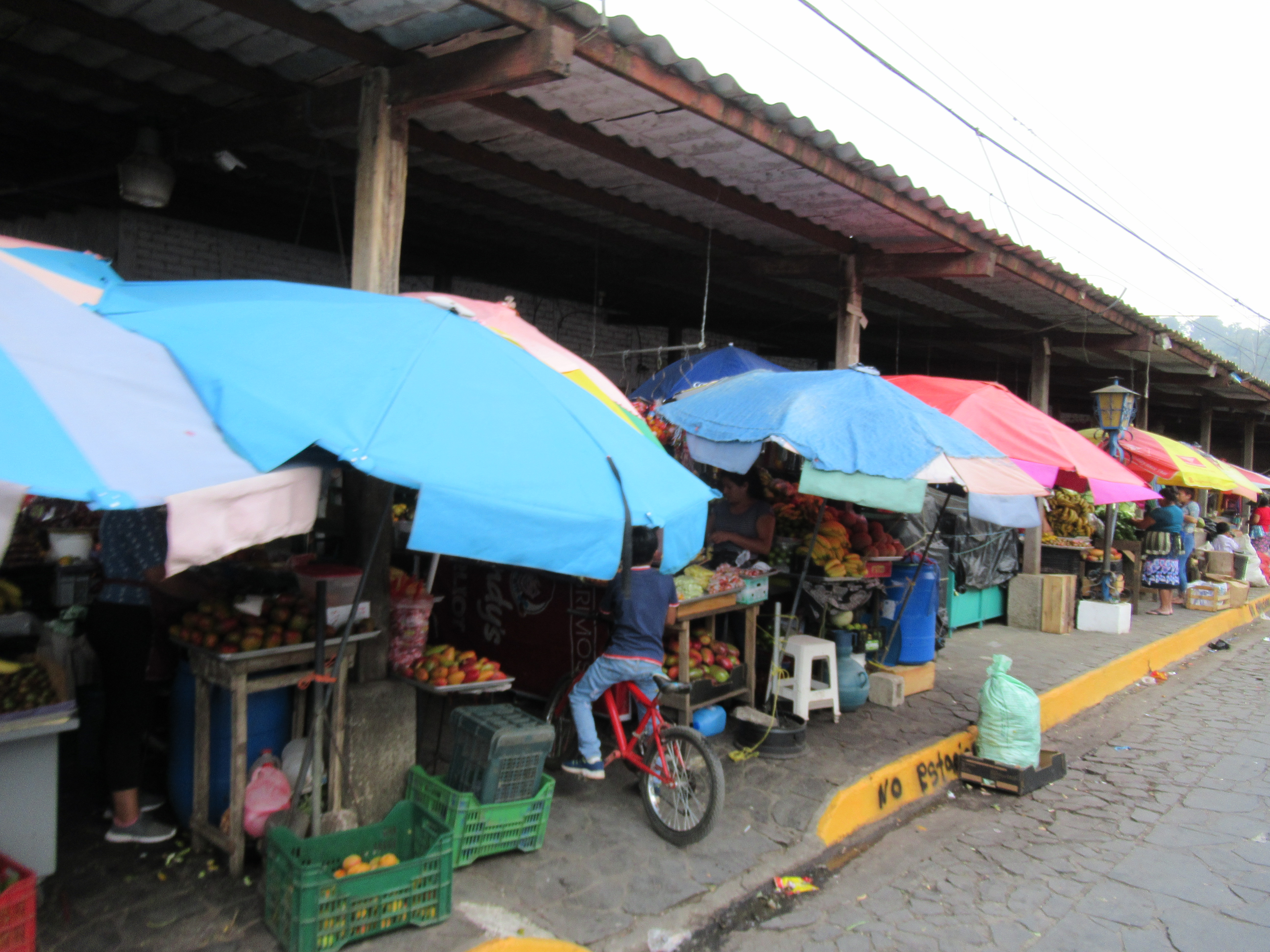
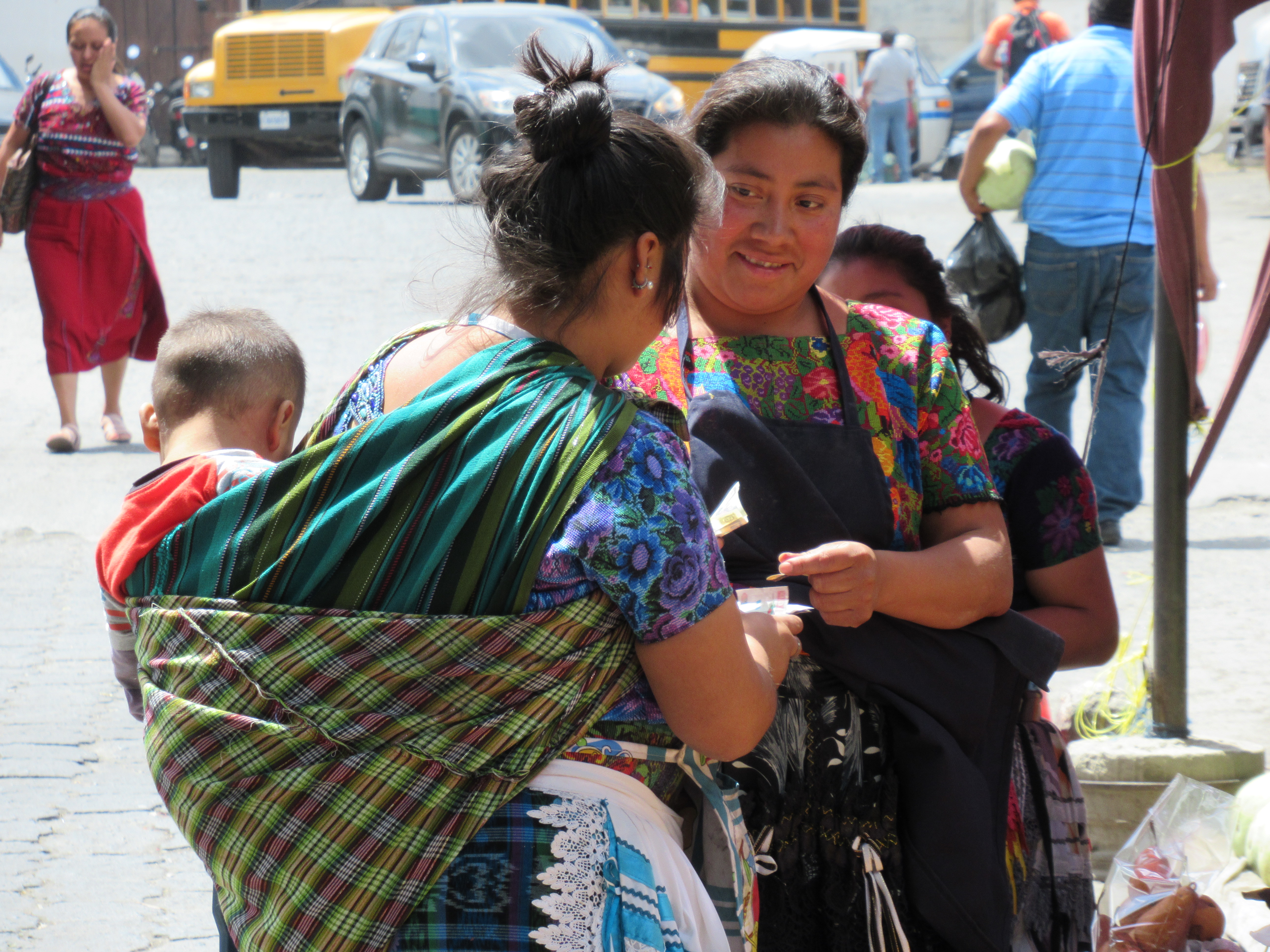
Quick visit to the market after lunch and told not to take photographs of Mayan children in the market. There’s an element that come to Guatemala who are either paedophiles or child snatchers. It’s been known for Mayan kids to be taken and sold on in the US. Told a story of a tour group in Nicaragua. A married couple were on the tour. One day the husband said he’d pass on that day’s excursion as he said he was feeling ill. Wife returned to bedroom after the day trip to find him with an 11 year old boy.

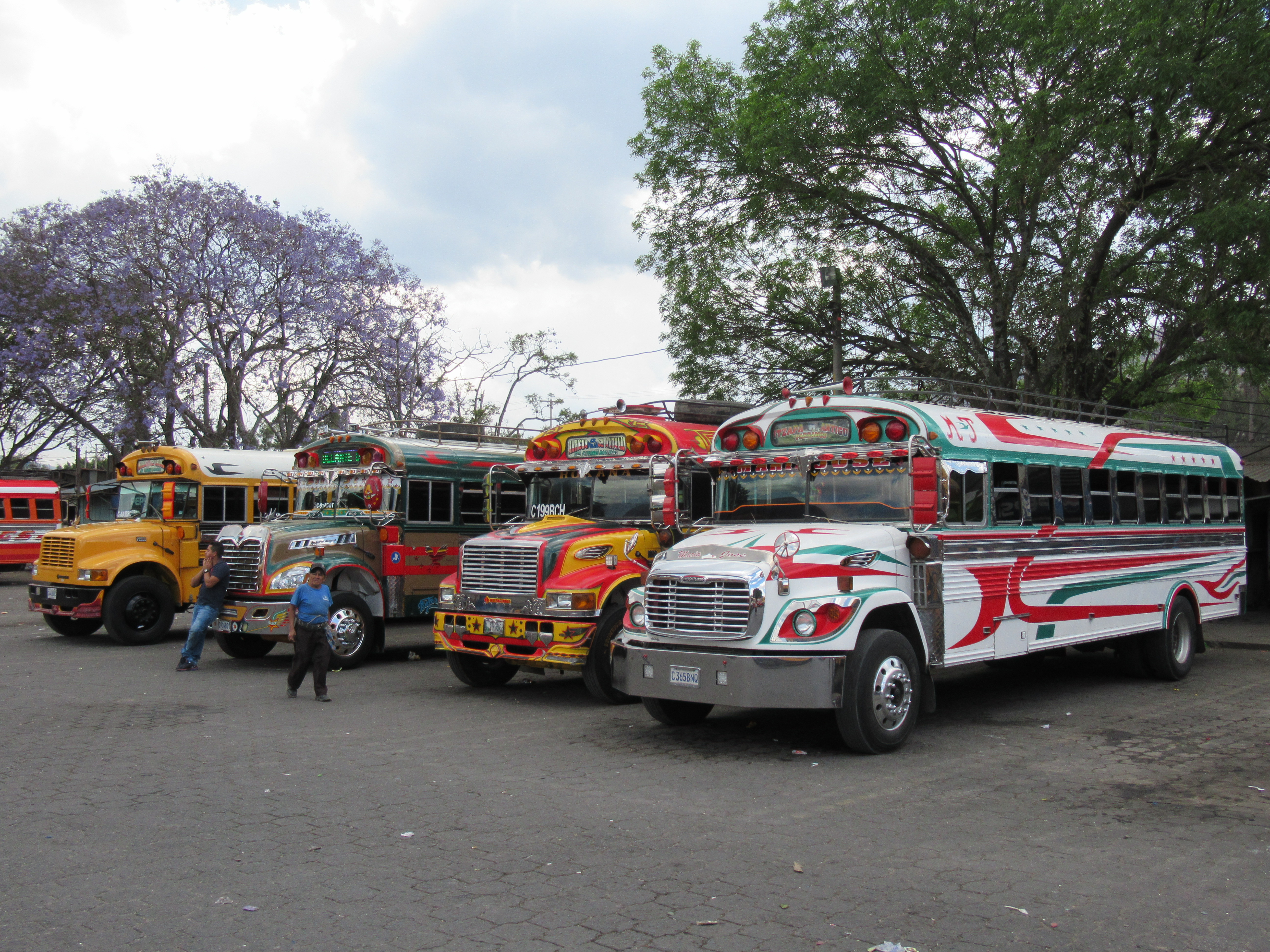
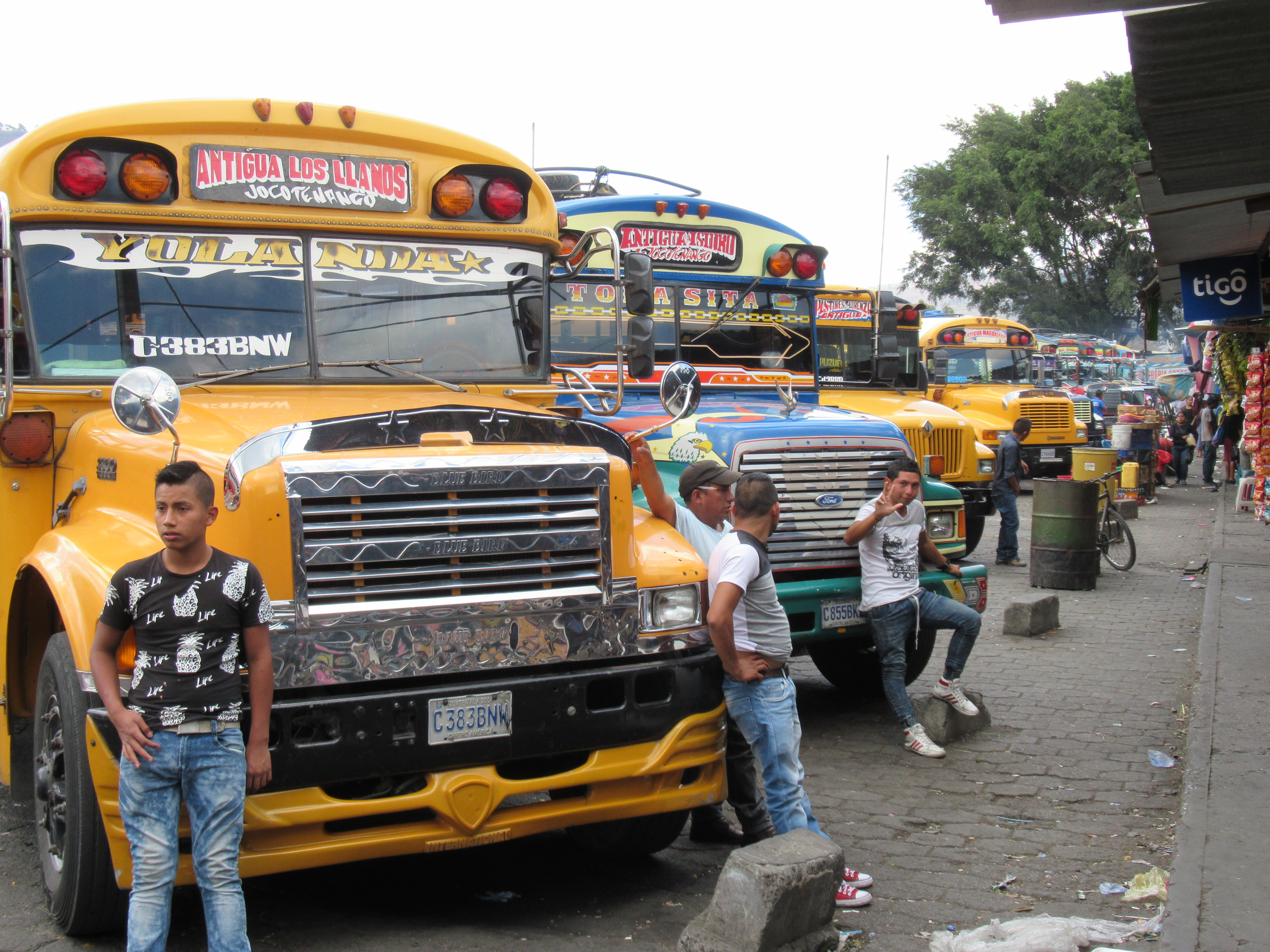
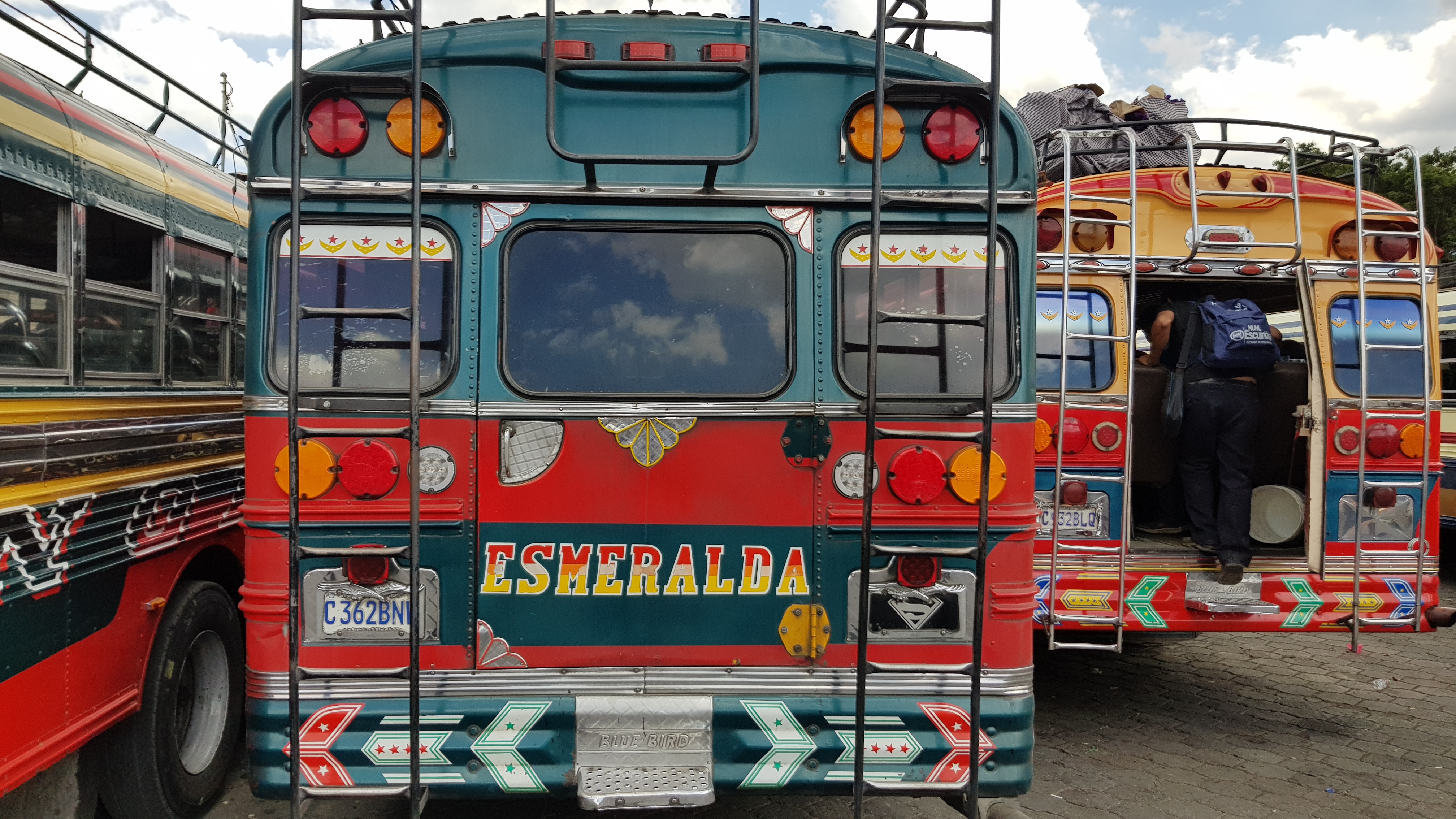
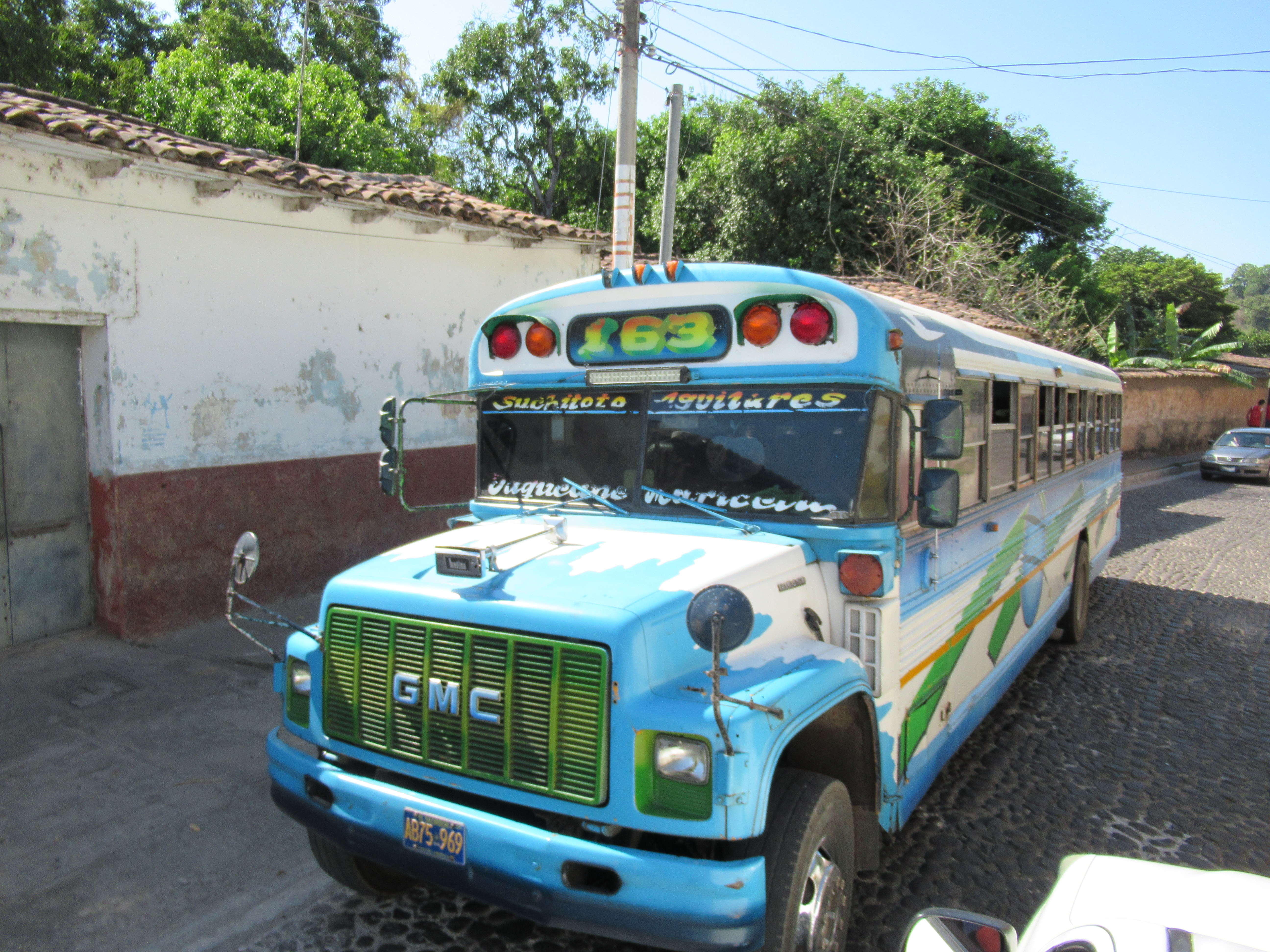
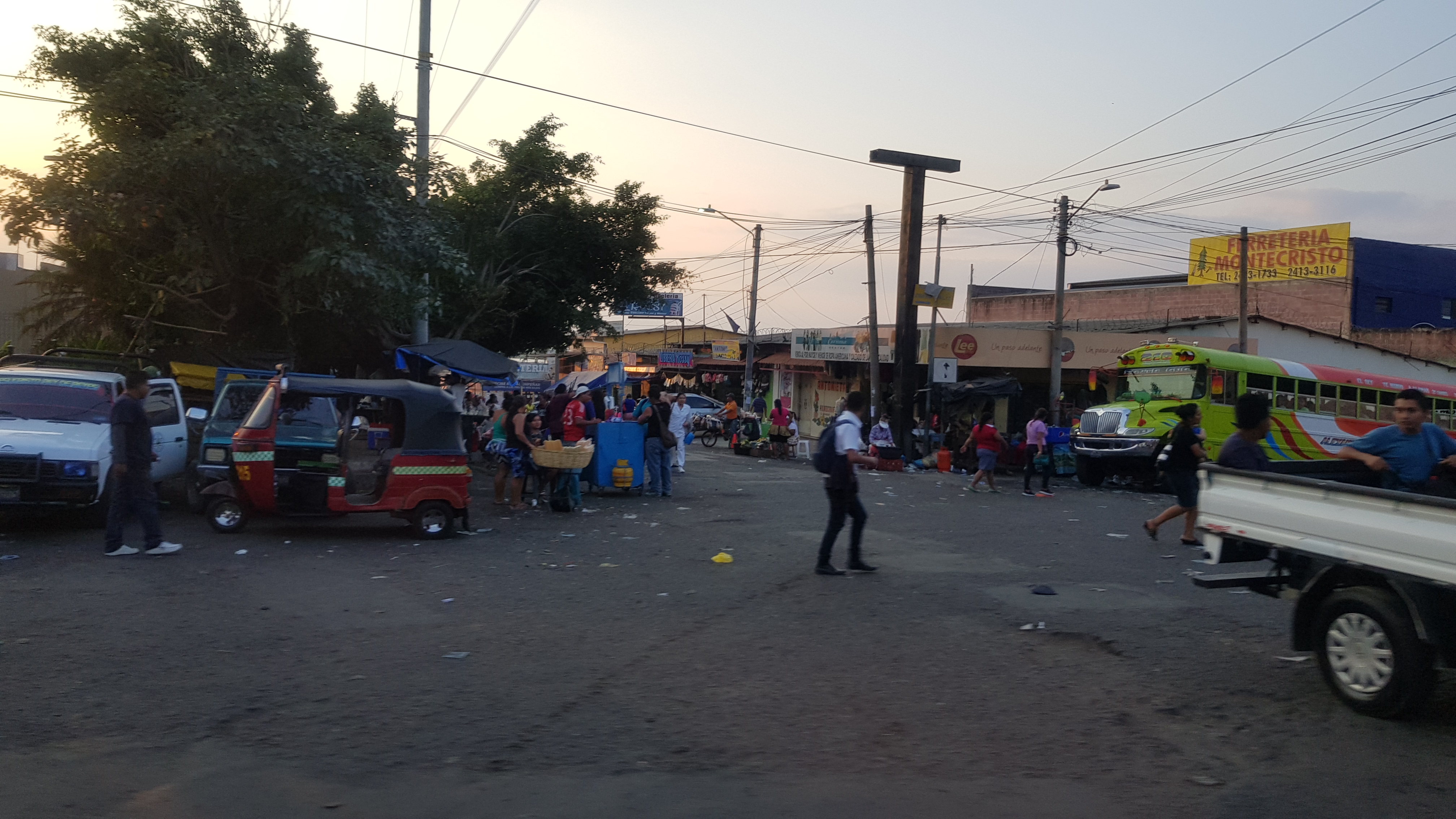
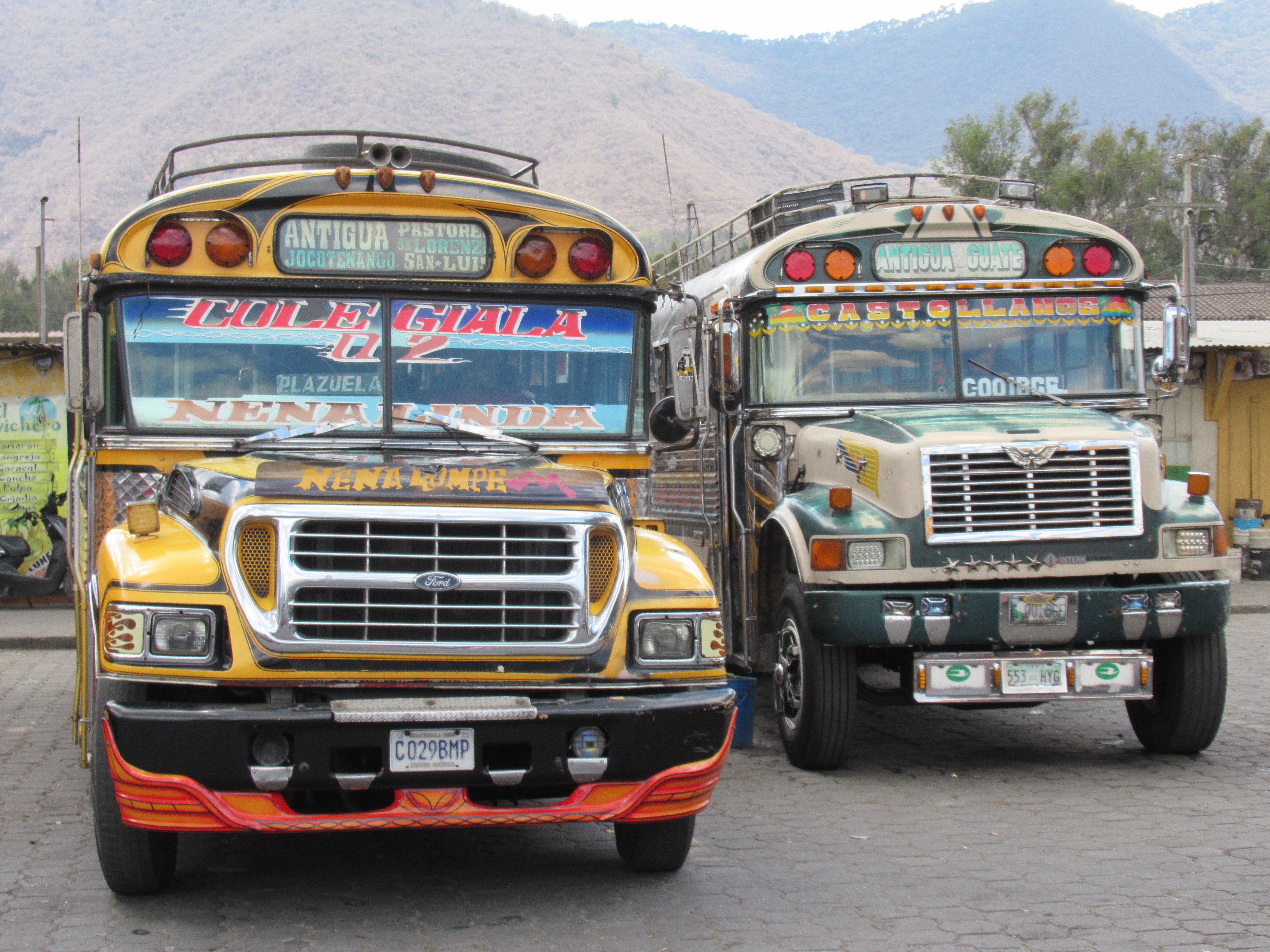
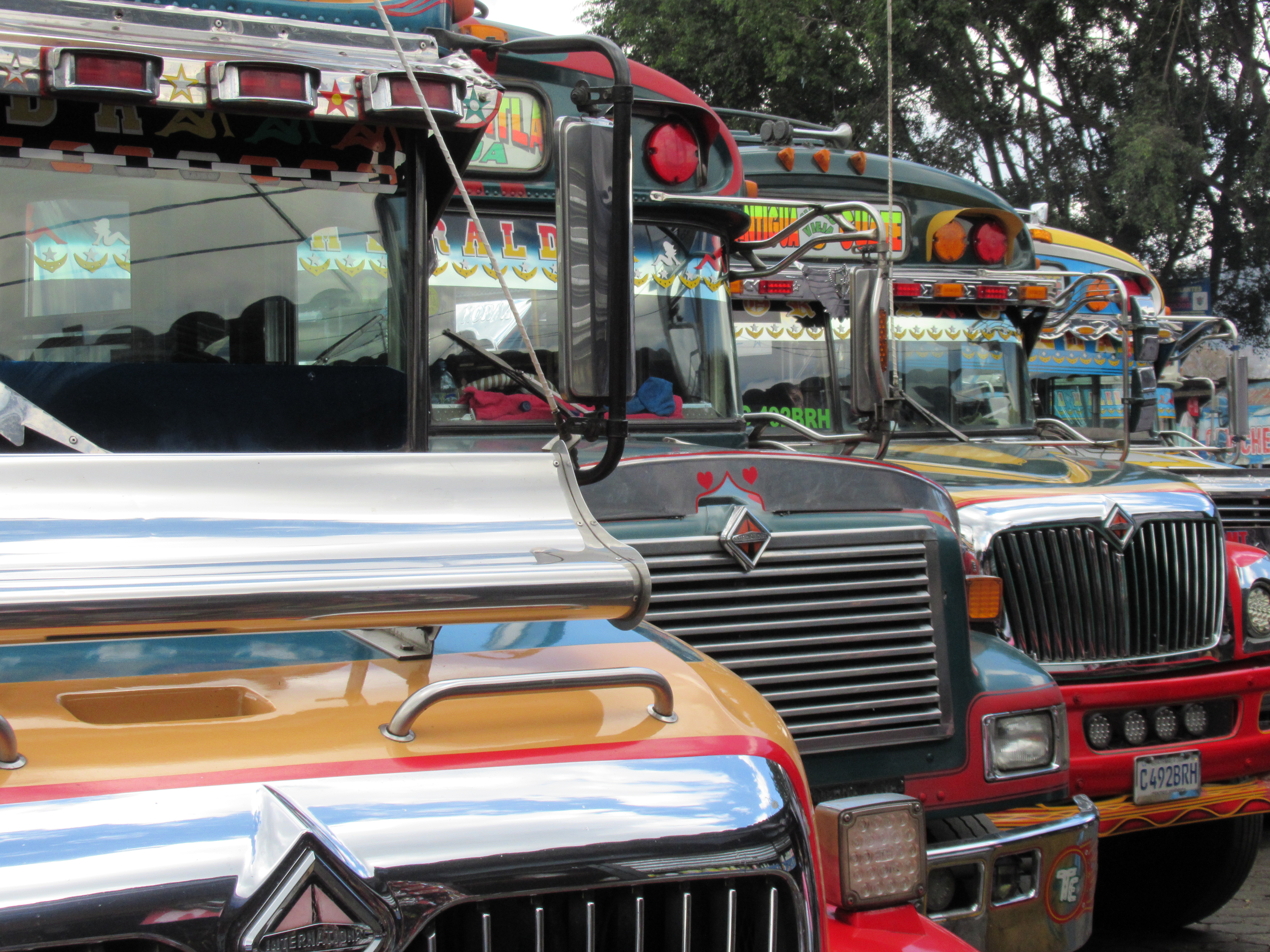
Adjacent the market is the ‘chicken bus’ station. Brightly decorated former US school buses. They have different colours to denote different destinations. Many people can’t read or write, especially in the indigenous Mayan population, and so they can only tell the destination of the bus from the colour.

Excellent dinner at Hector’s Bistro. The best meal we’ve had on this trip. Off to the airport first thing in the morning so we all say our goodbyes. There’s been a frisson of niggle between the two women and one remarked, “They’re too left wing, even for me.” So must be bad. It’s not been the best group I’ve travelled with, I have to say.


Tell them not to start the revolution until I get back to the UK.

Fortunately. They laugh.

89. Erupting volcano

Thursday, 21 March 2019

Antigua, Guatemala


7hr drive to Antigua in Guatemala. Border formalities crossing from Honduras to Guatemala are none existent. Just drive through the border without stopping.

Long journey sitting in a mini-bus. Slow going around the outskirts of Guatemala City. It looks a dump. Most shops and restaurants we pass have an armed guard on the doorway.

Arrive Antigua. The old colonial capital city.

They’ve saved the best until last.

This is nice. This is upmarket.

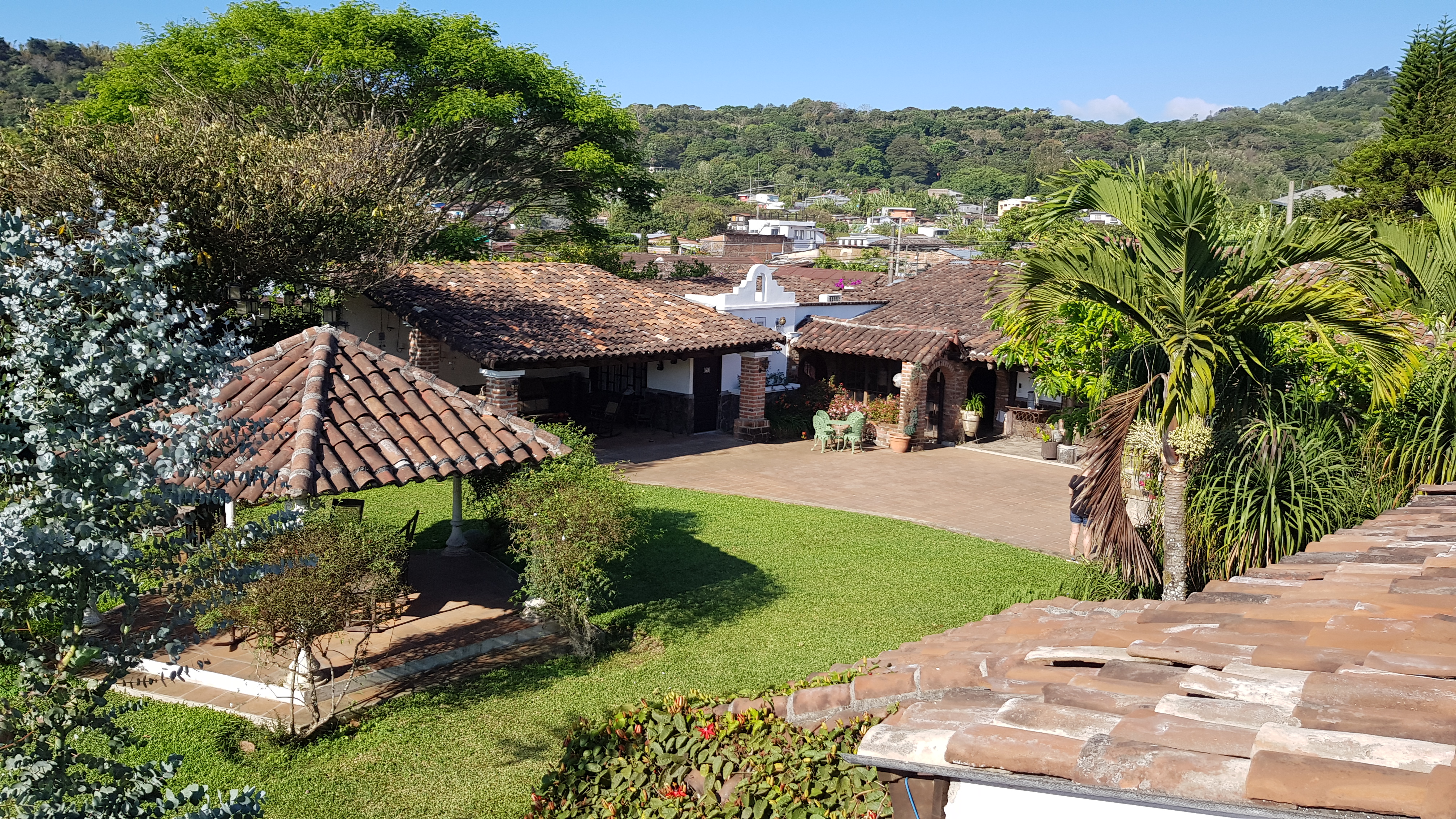
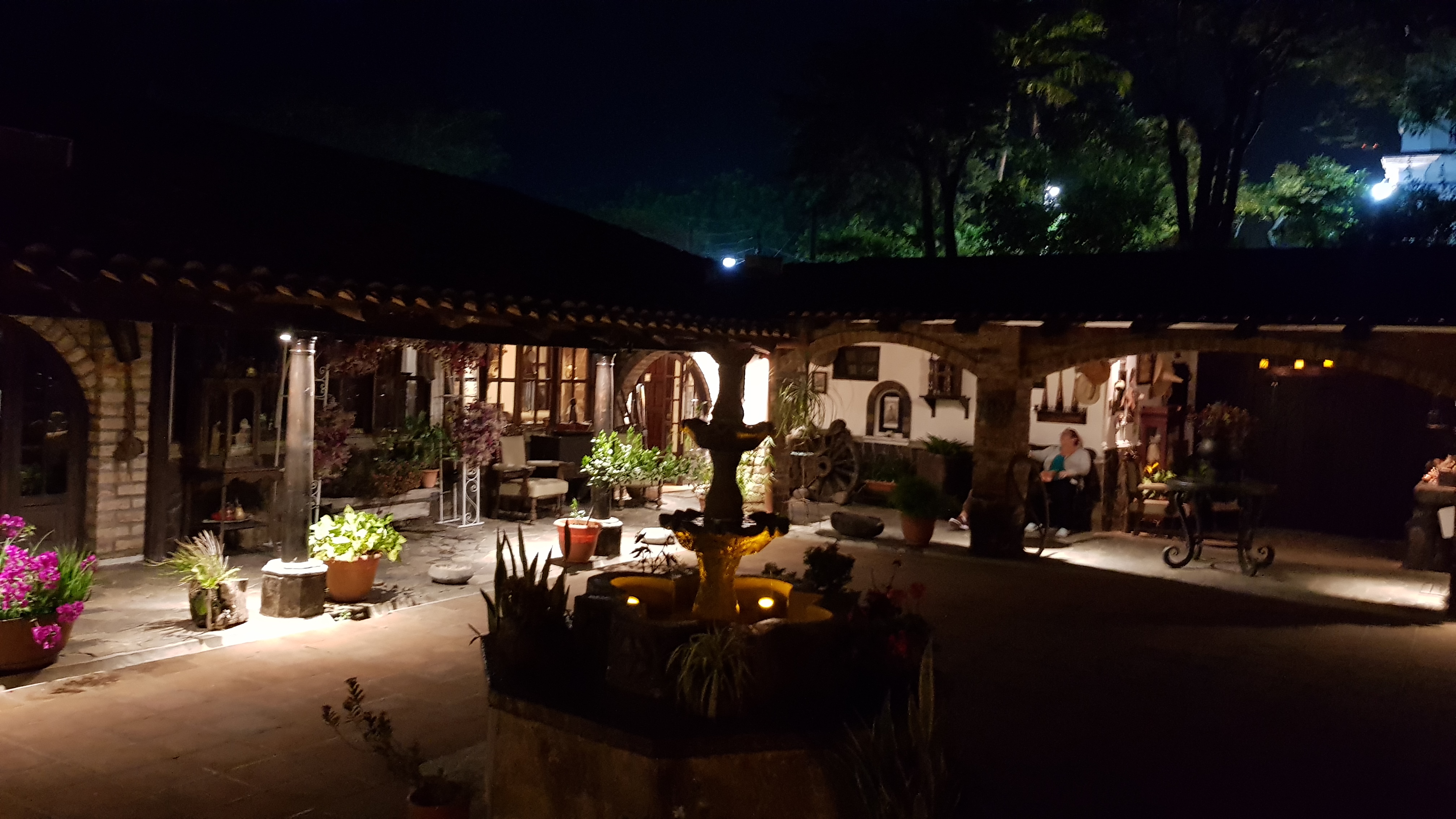
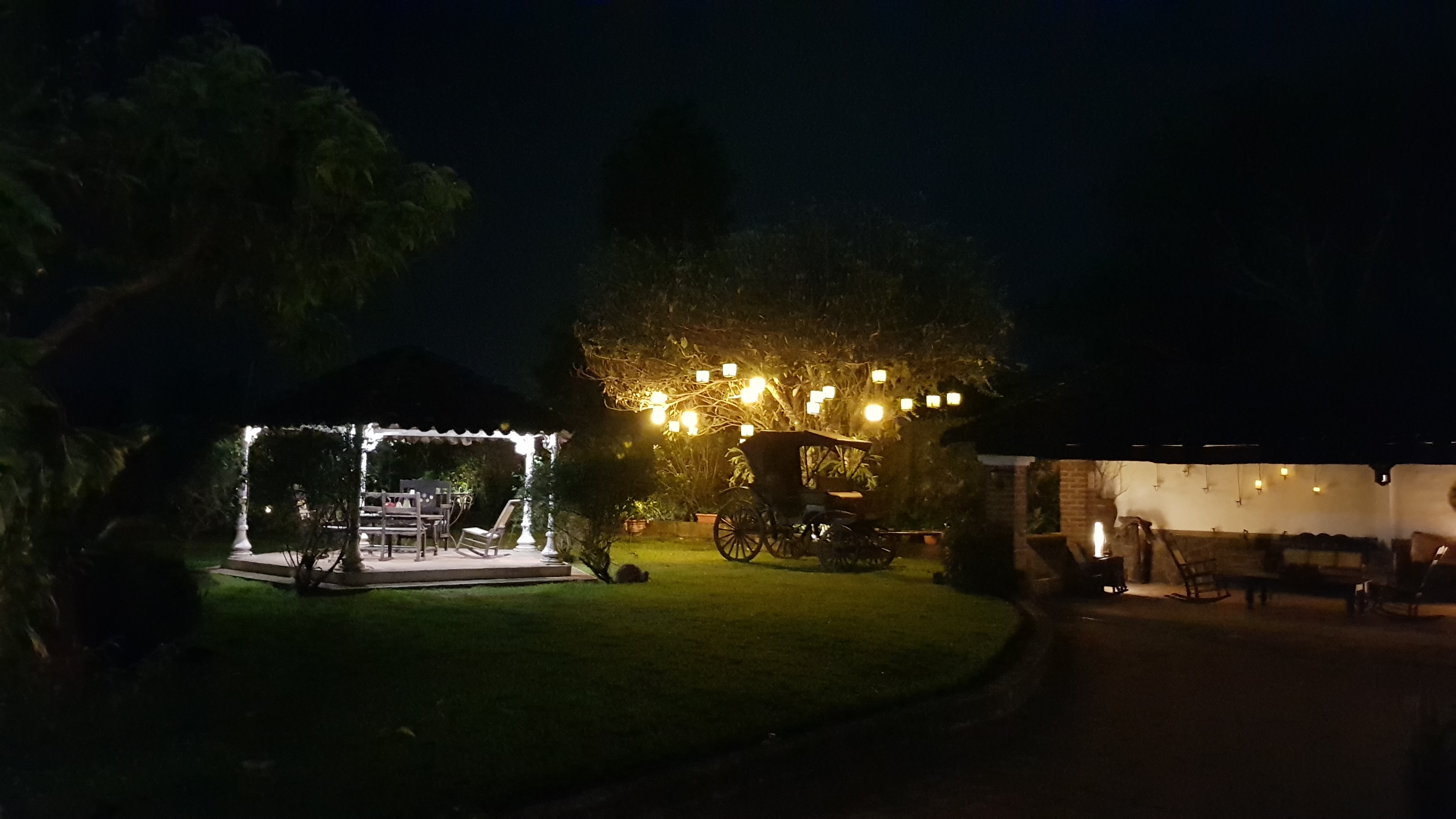
Check into the Hotel Villa Colonial (https://villasdeguatemala.com/esp/villa-colonial). Volcanoes to the left, right and front of us. An amazing sight.

Volcano to the west is smoking. Big black plumes of smoke puff out every so often.

As it gets dark, see the glowing red lava spewing out of the top every so often. Never seen a volcano erupting before.

It’s got the wow factor.

88. Flying rainbows

Wednesday, 20 March 2019

Copan, Honduras


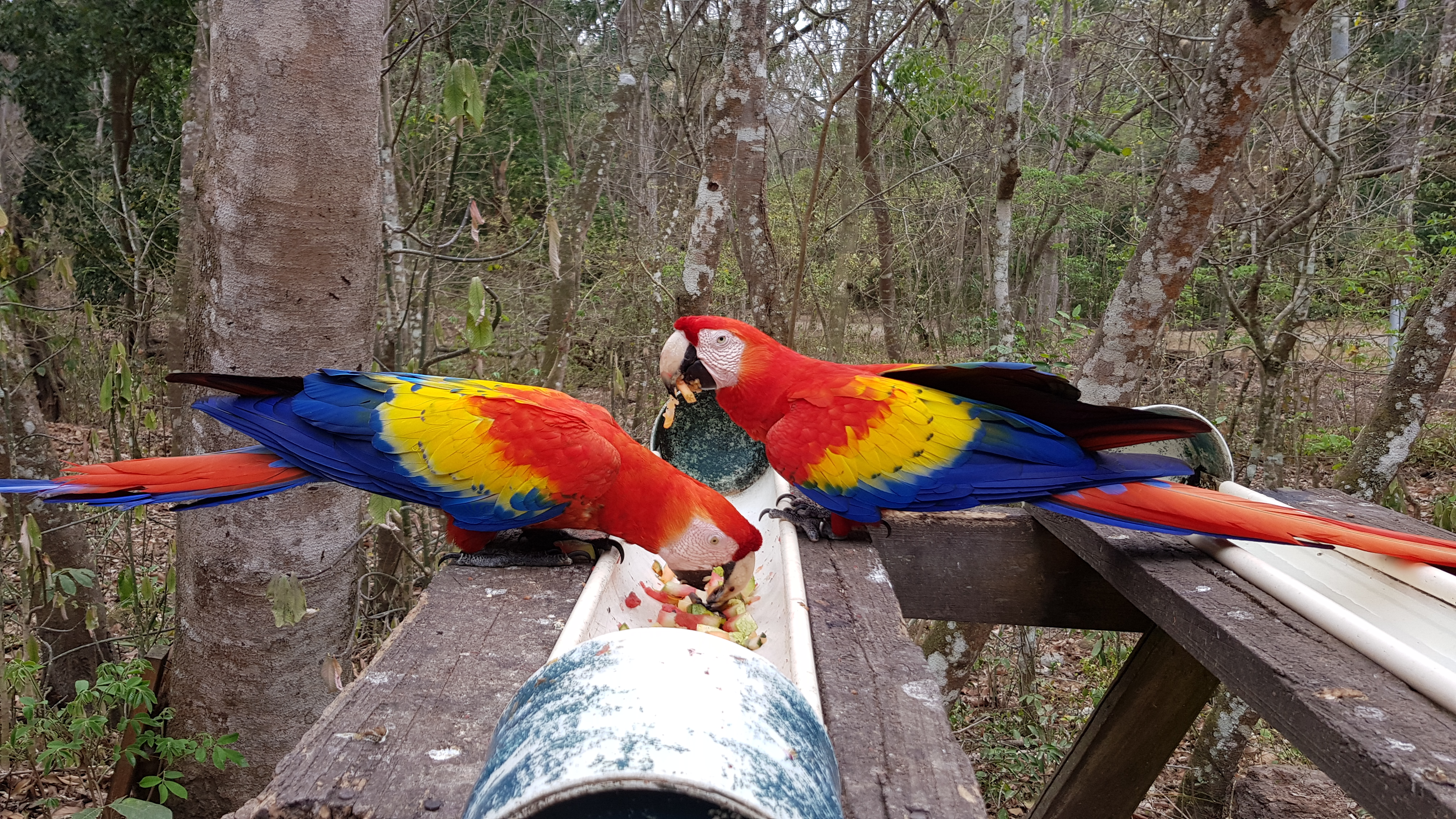
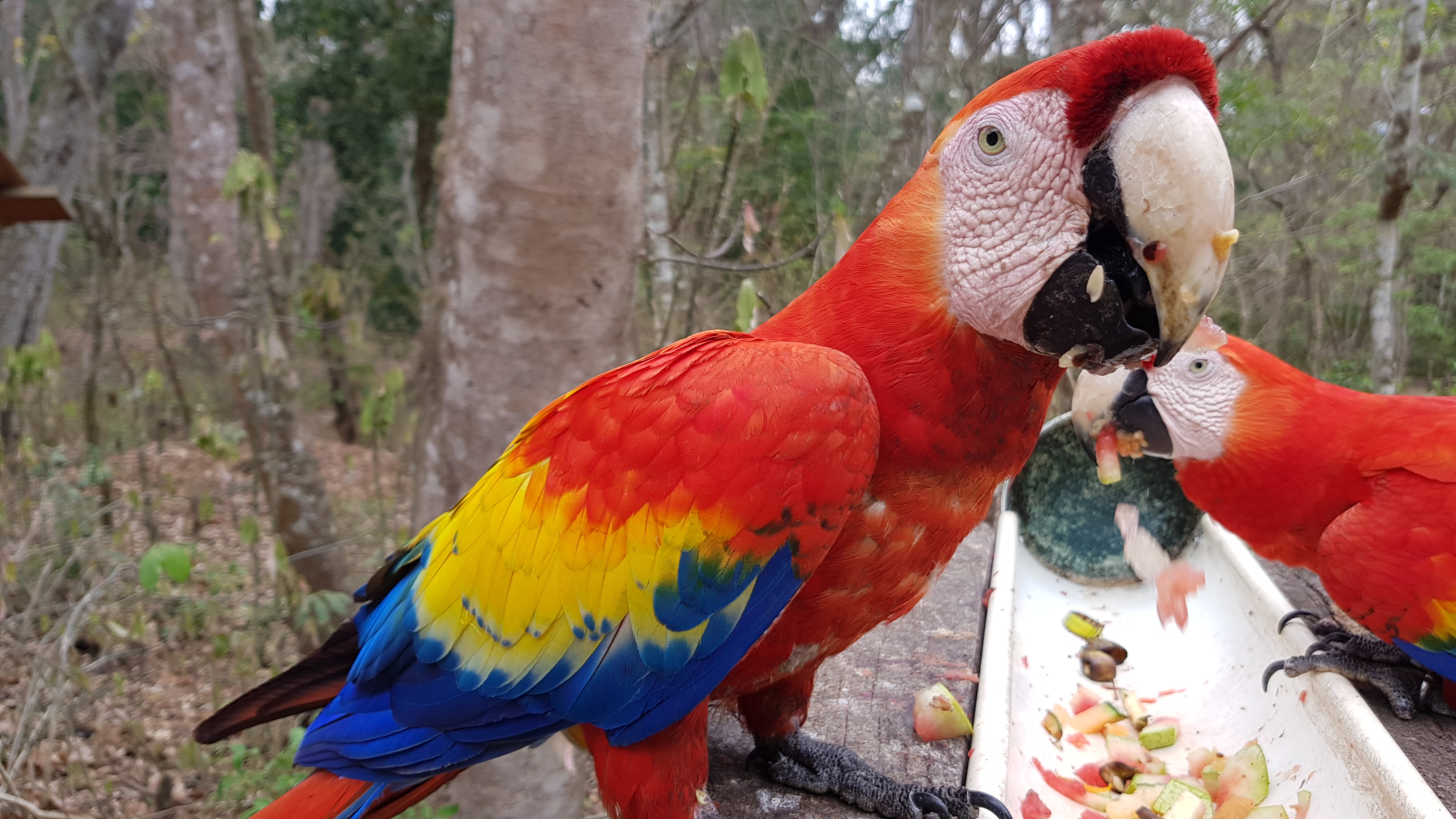
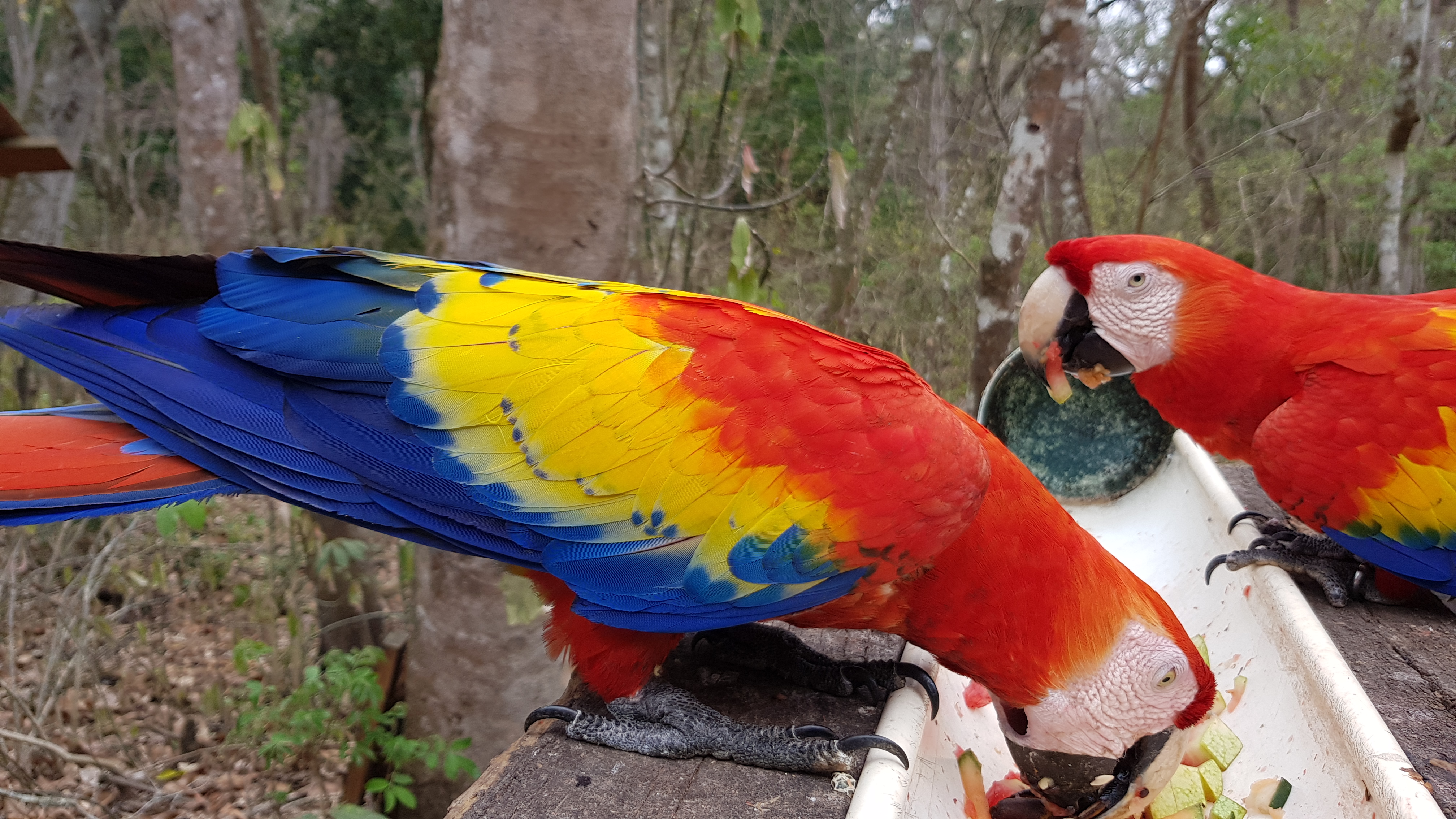
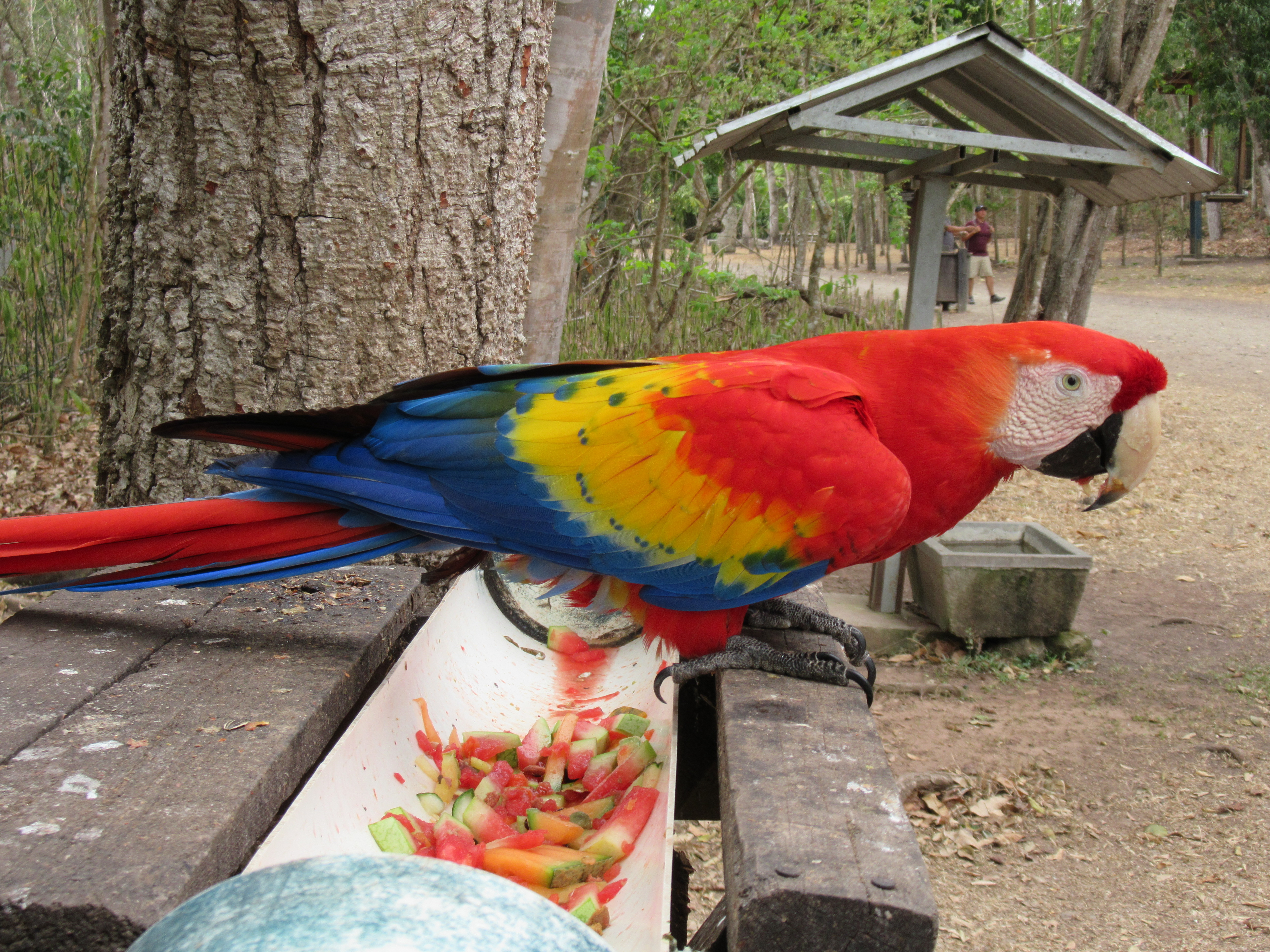
Short tuk-tuk ride to the Mayan Ruins of Copan, the most southerly point of the Mayan empire. Amazed by the sight of lots of brightly coloured macaws flying about. It’s like they’re wearing the Amazing Technicolor Dreamcoat. Never seen a macaw before and it really is startling how colourful they are. They fly in formation between the trees like a scene out of a Disney cartoon.

They’re like flying rainbows.

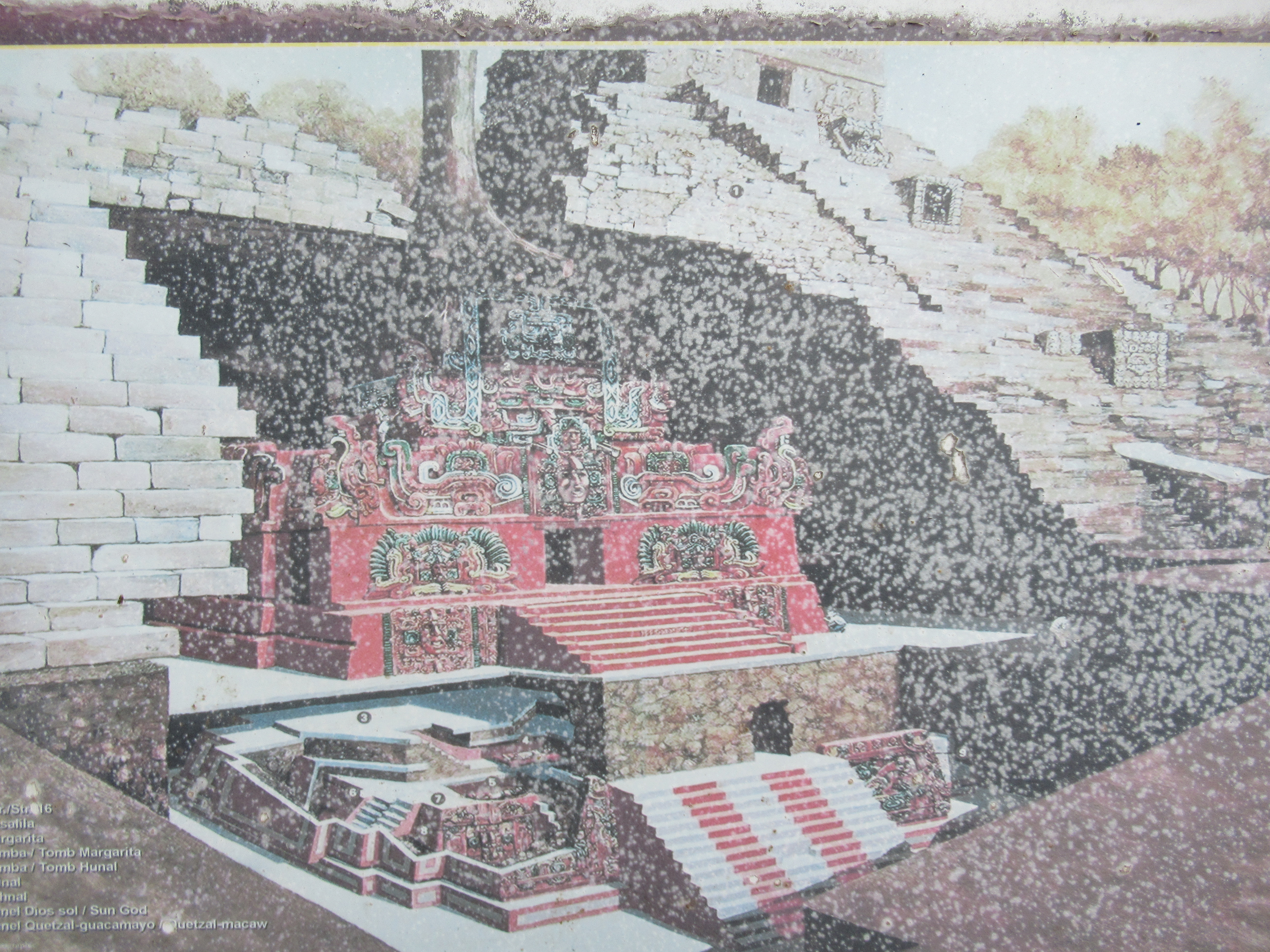
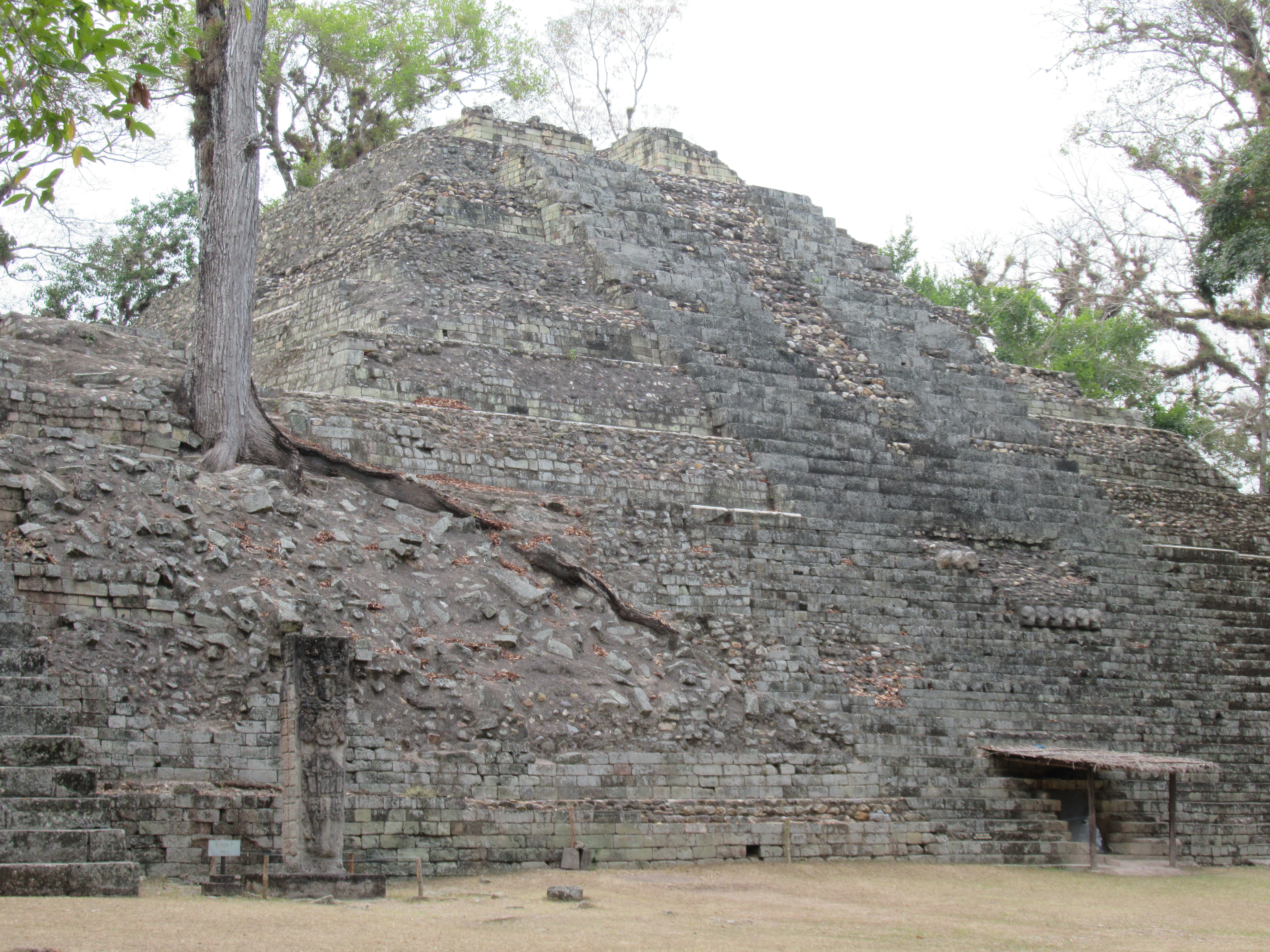
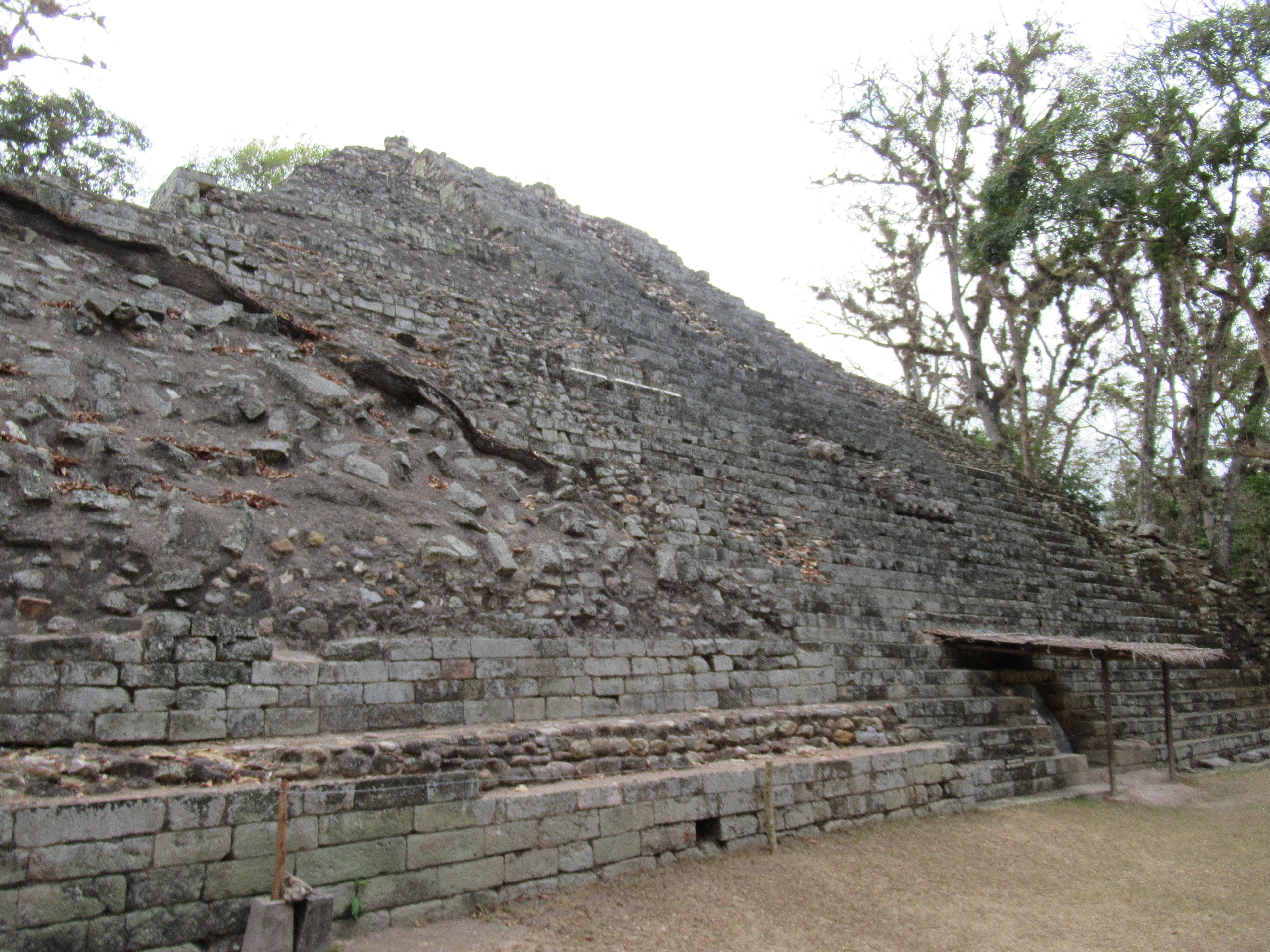
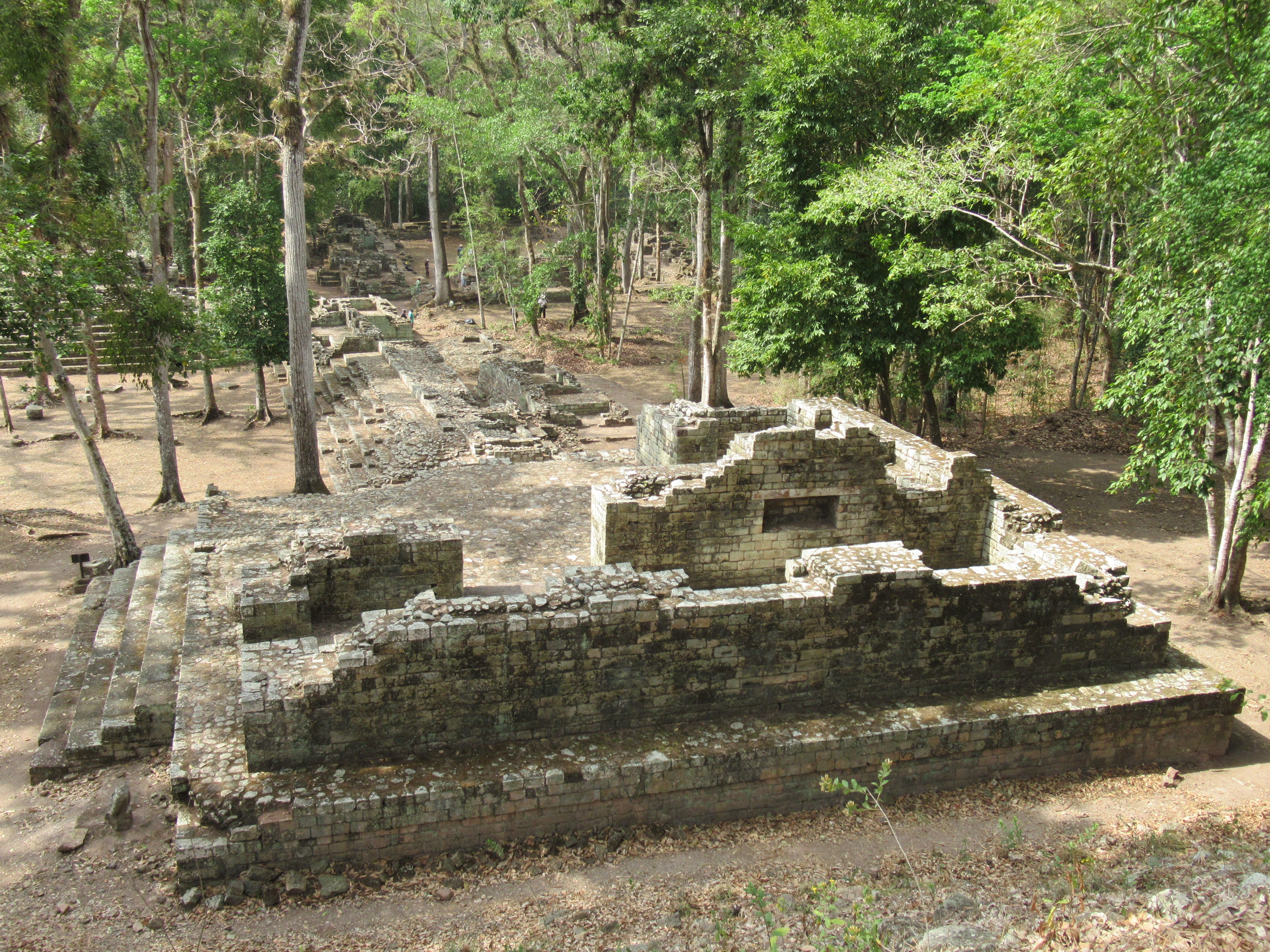
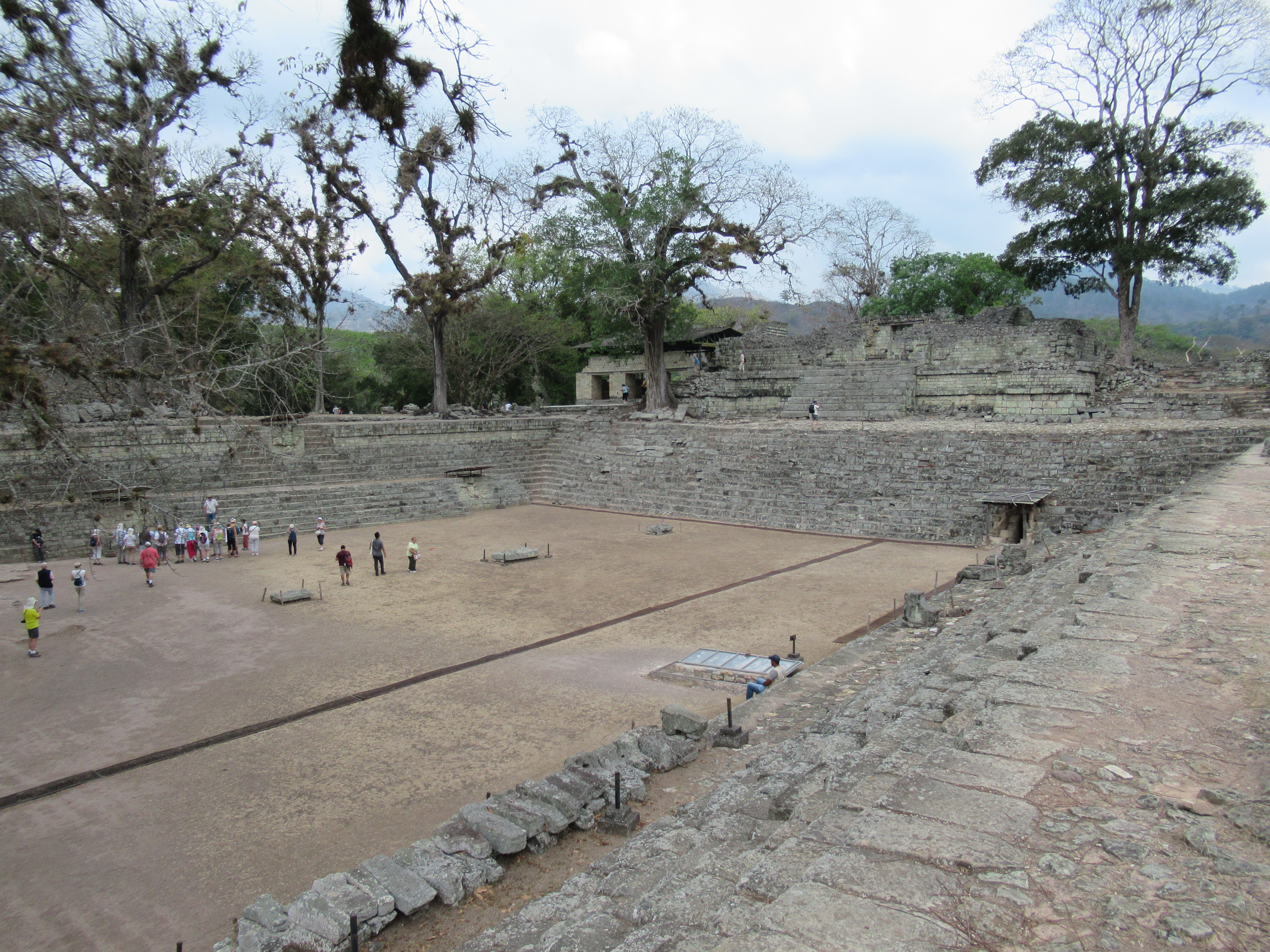
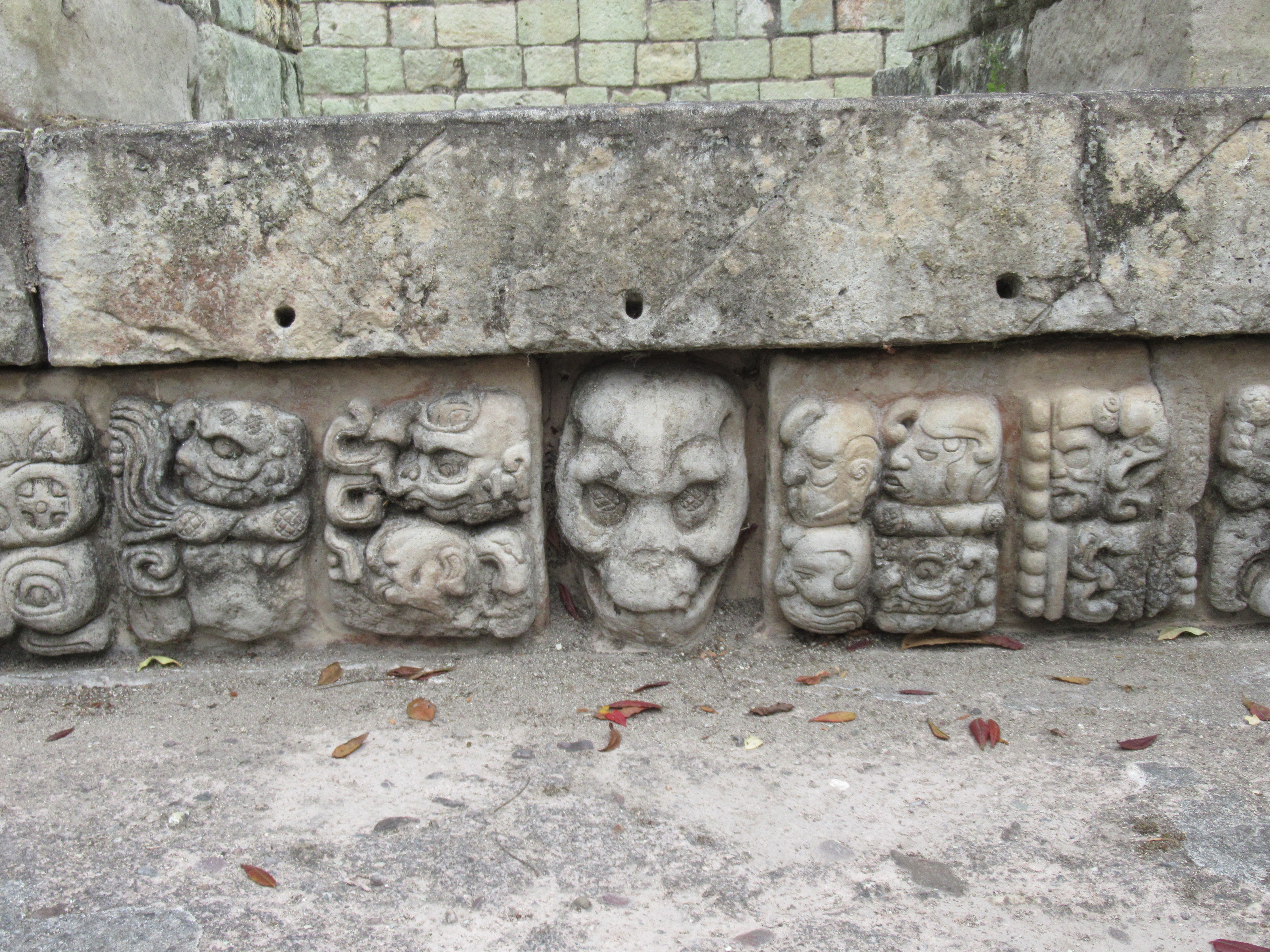
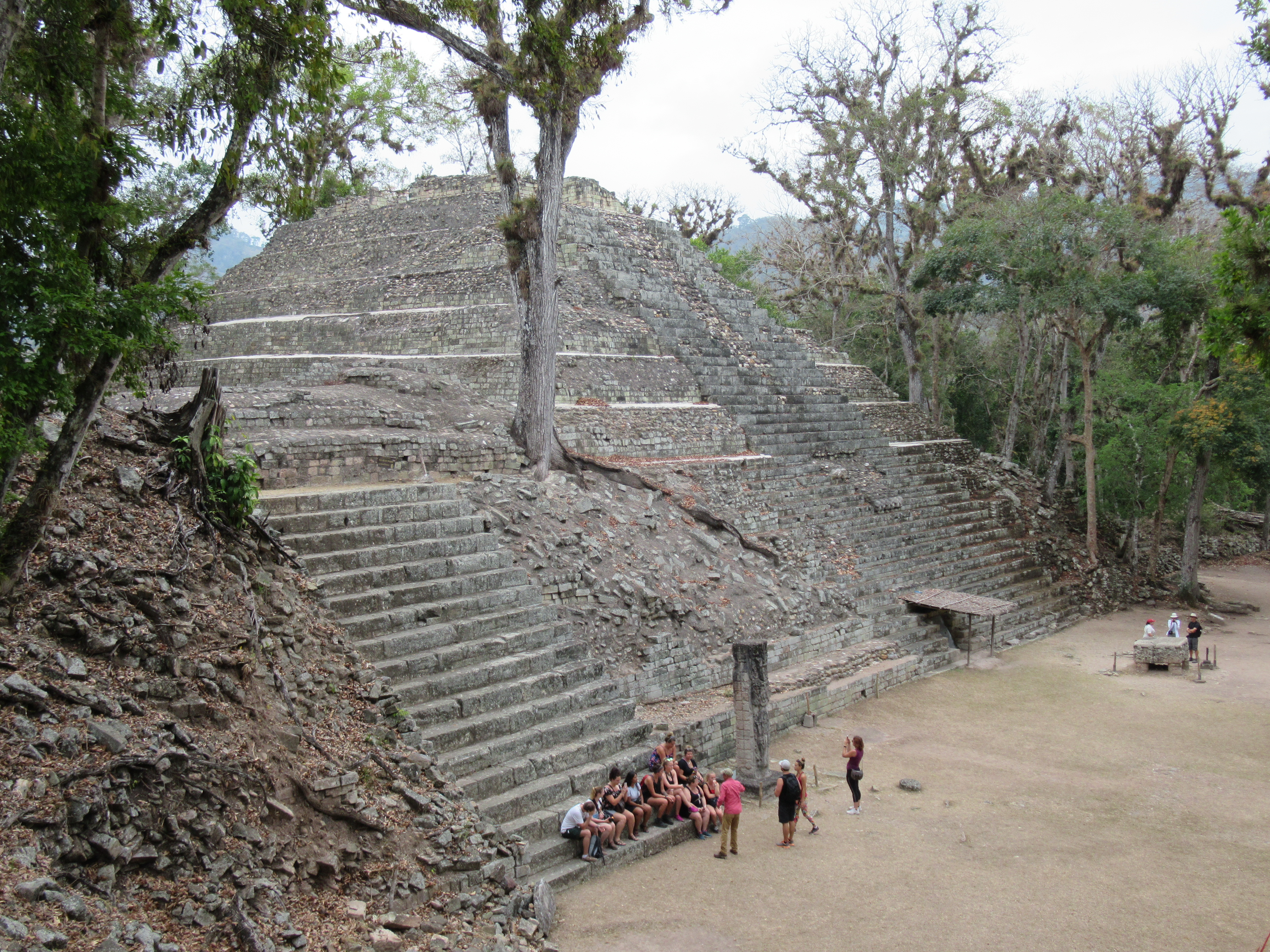
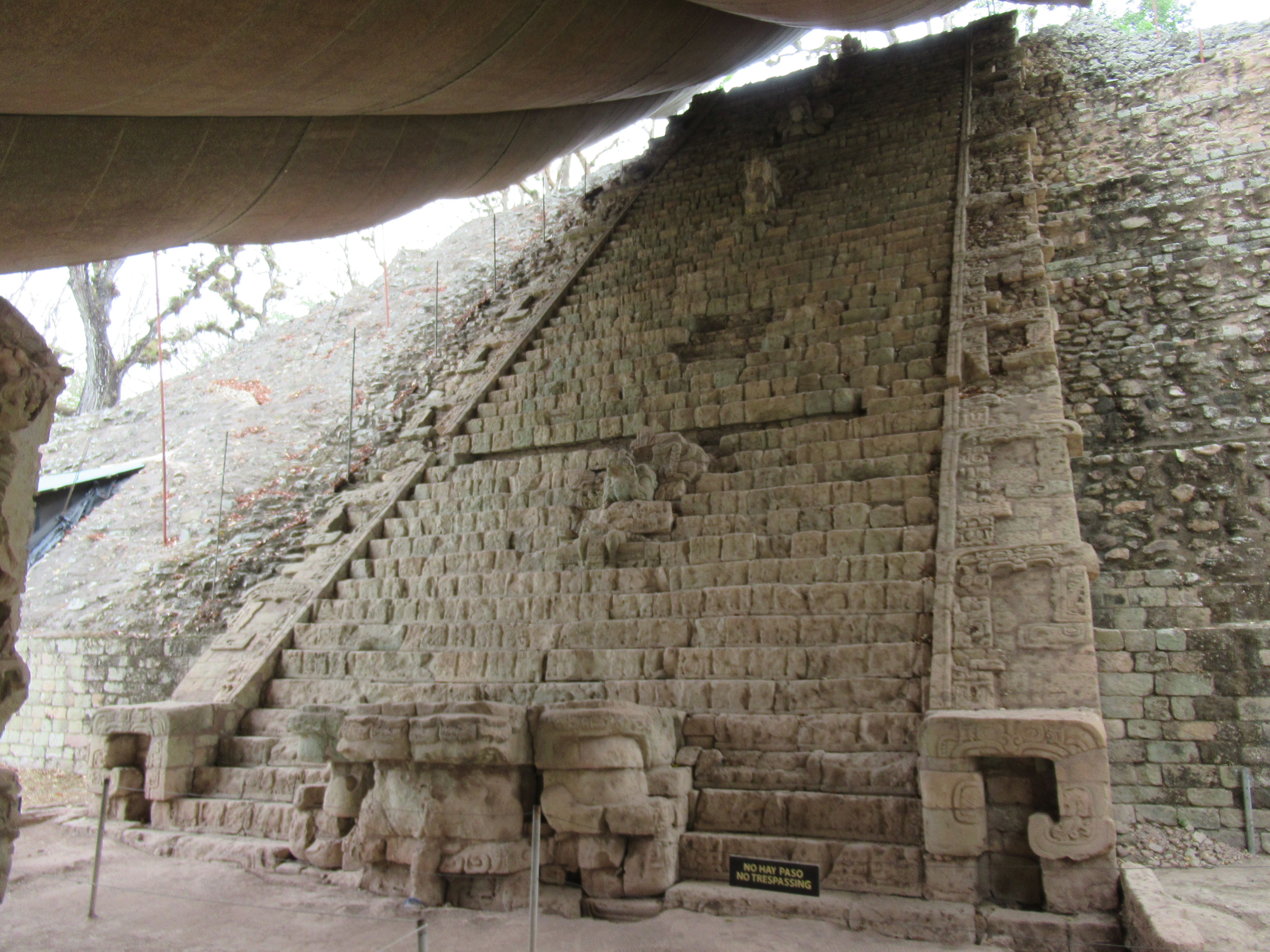
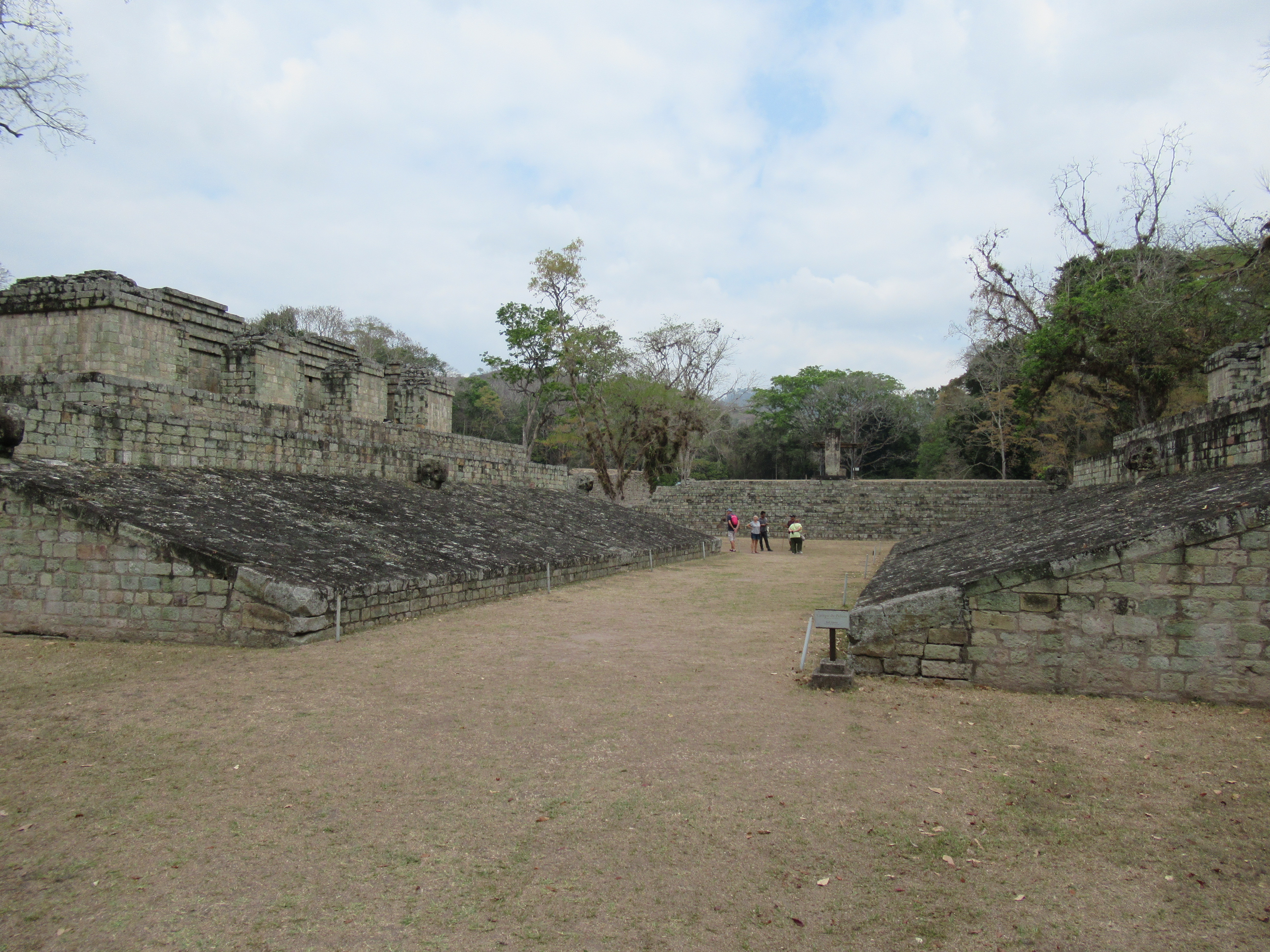
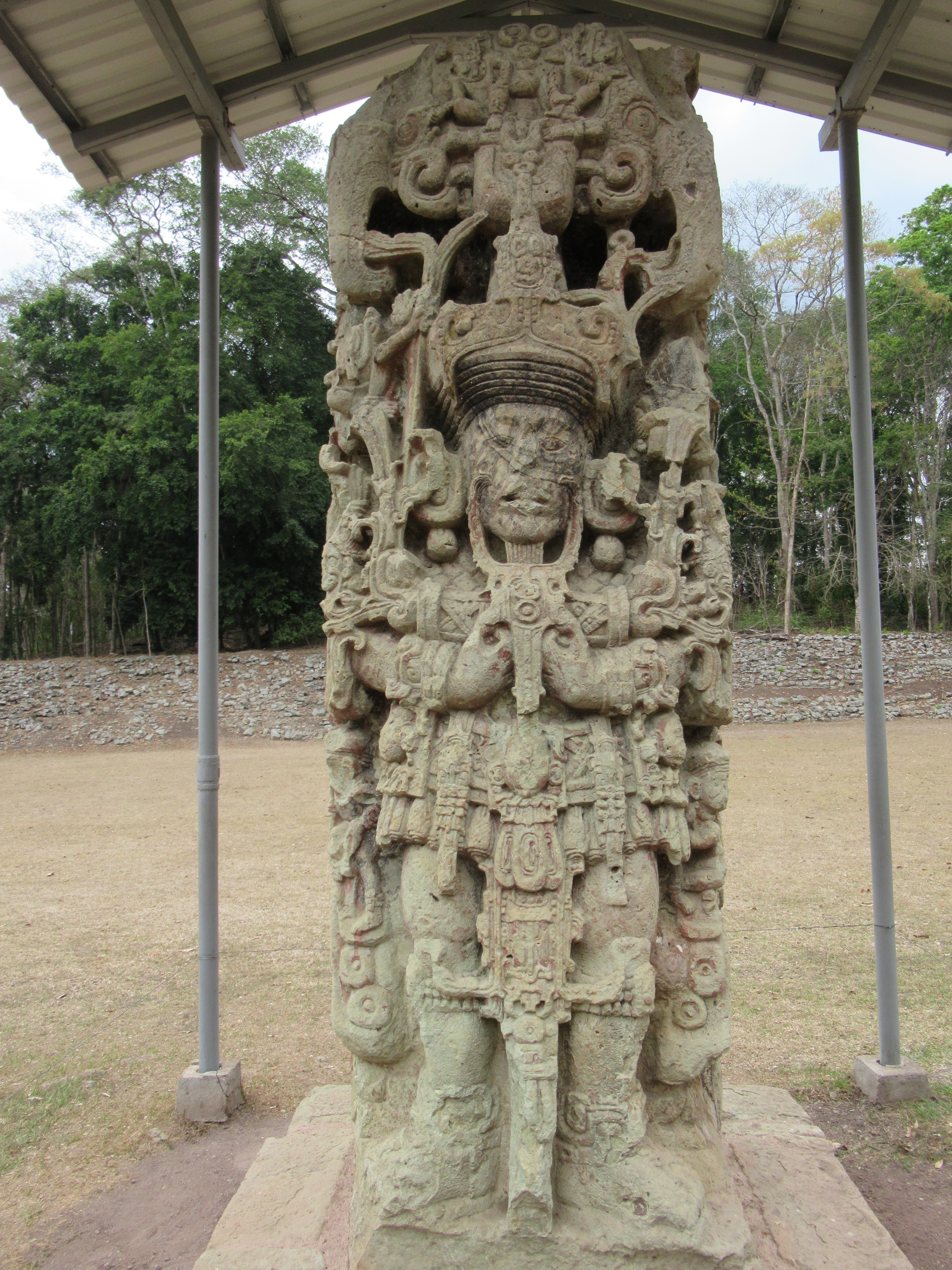
The Mayans built temples here in the 8th century AD. The pyramids are solid bases upon which temples were built at the top to be nearer the sky and the Gods. The highest pyramid has a Hieroglyphic Stairway. If you were a peasant looking up at the king/priest in his temple you’d certainly be in awe. The complex has number of pyramids in addition to a residential quarters for the king/priest plus a large open space for the people. Listened for 4hrs to a guide telling us all about it. But you’ll have to Google the rest as it went in one ear and out the other. Just like at school. Very difficult to take it all in.

There. Some homework for you. And when you’ve found out, please do let me know.

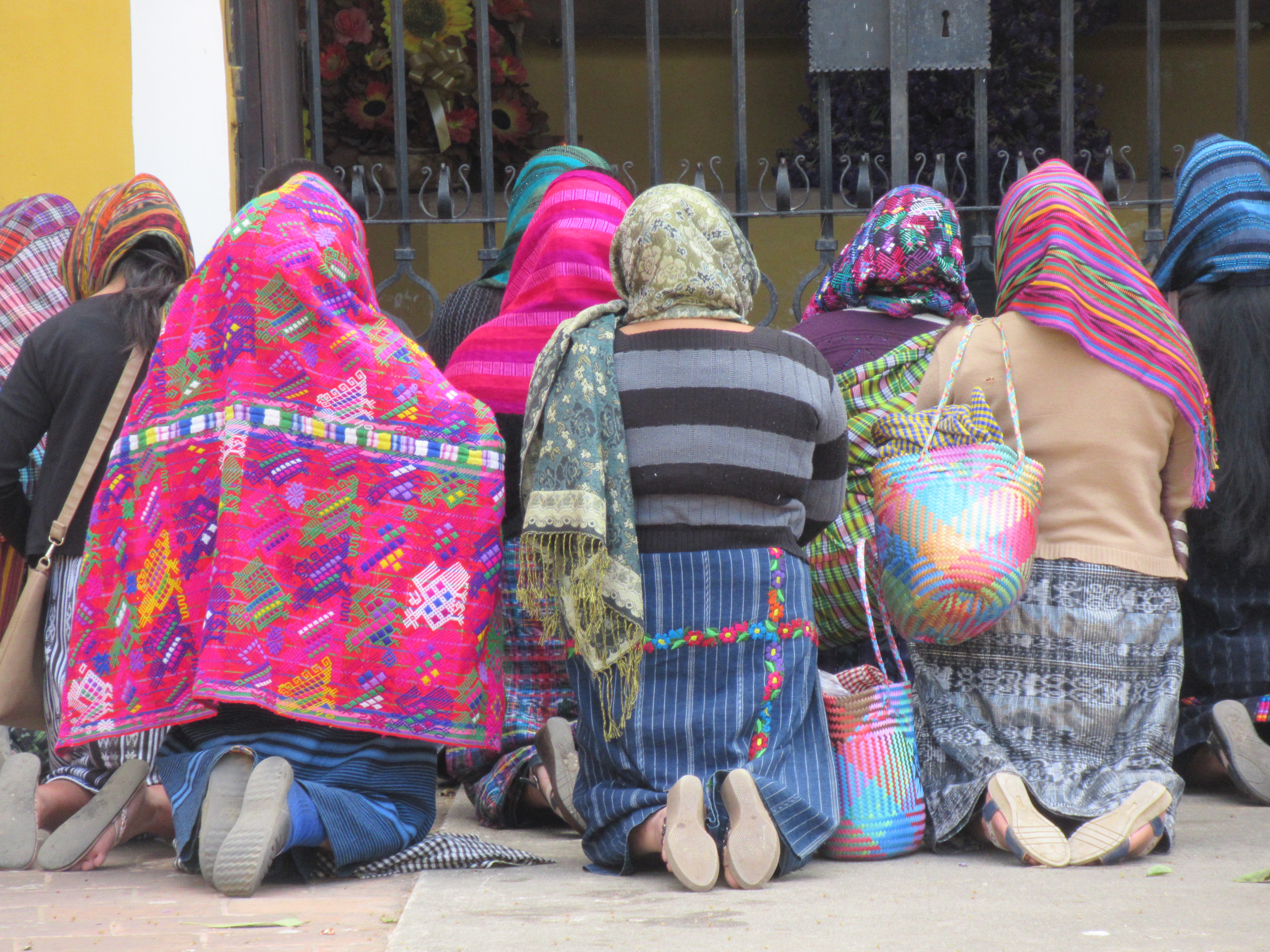
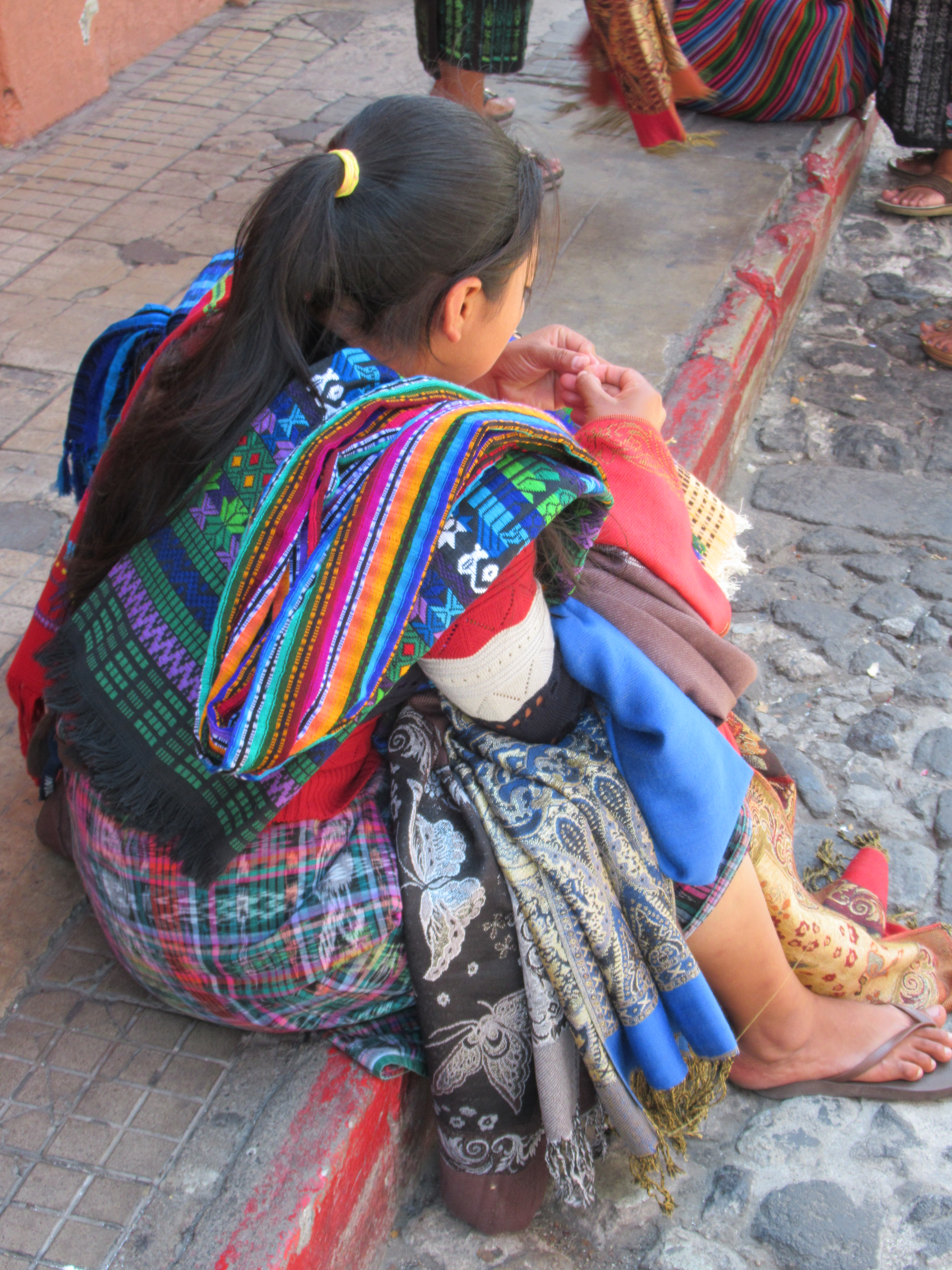
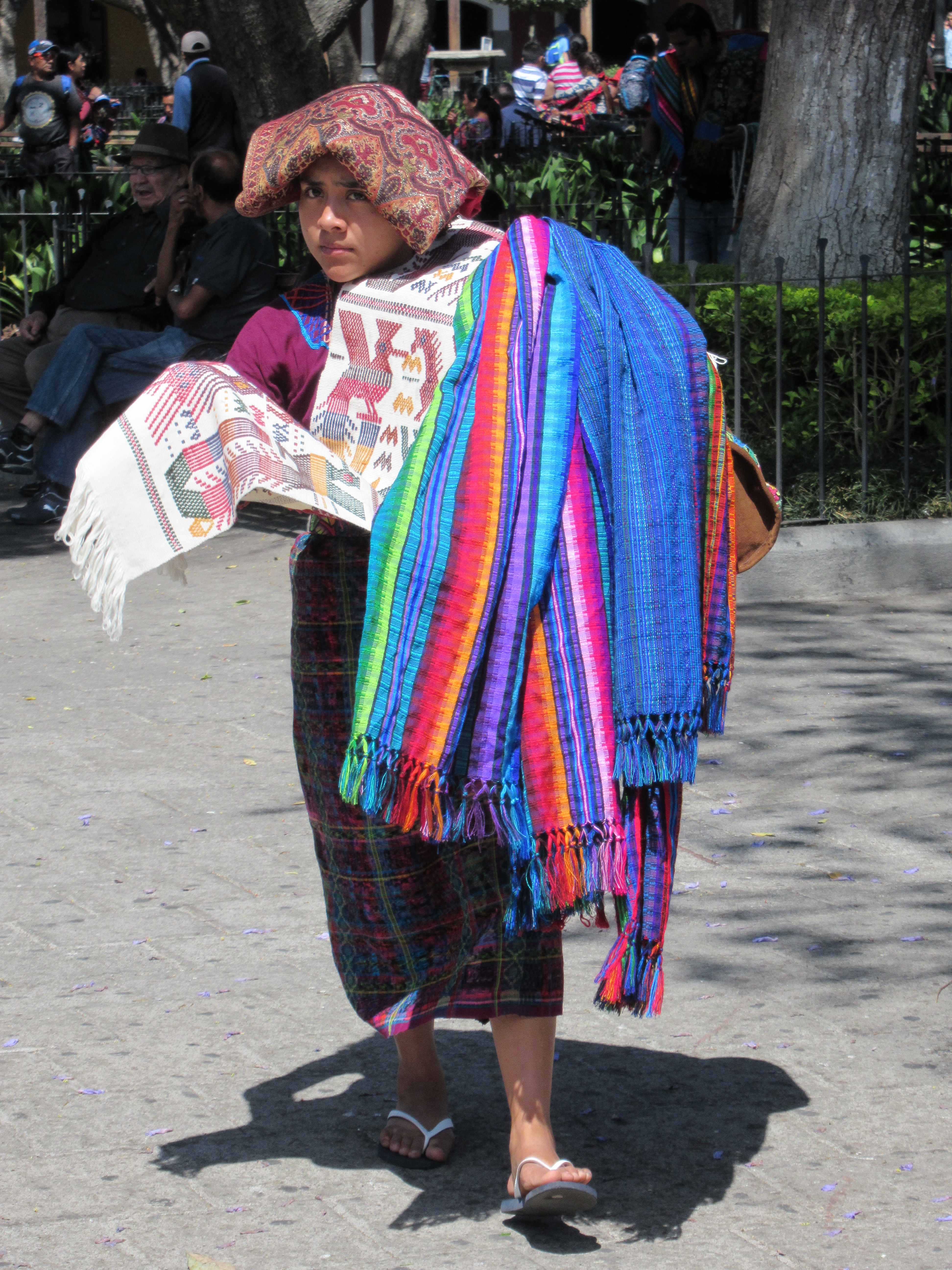
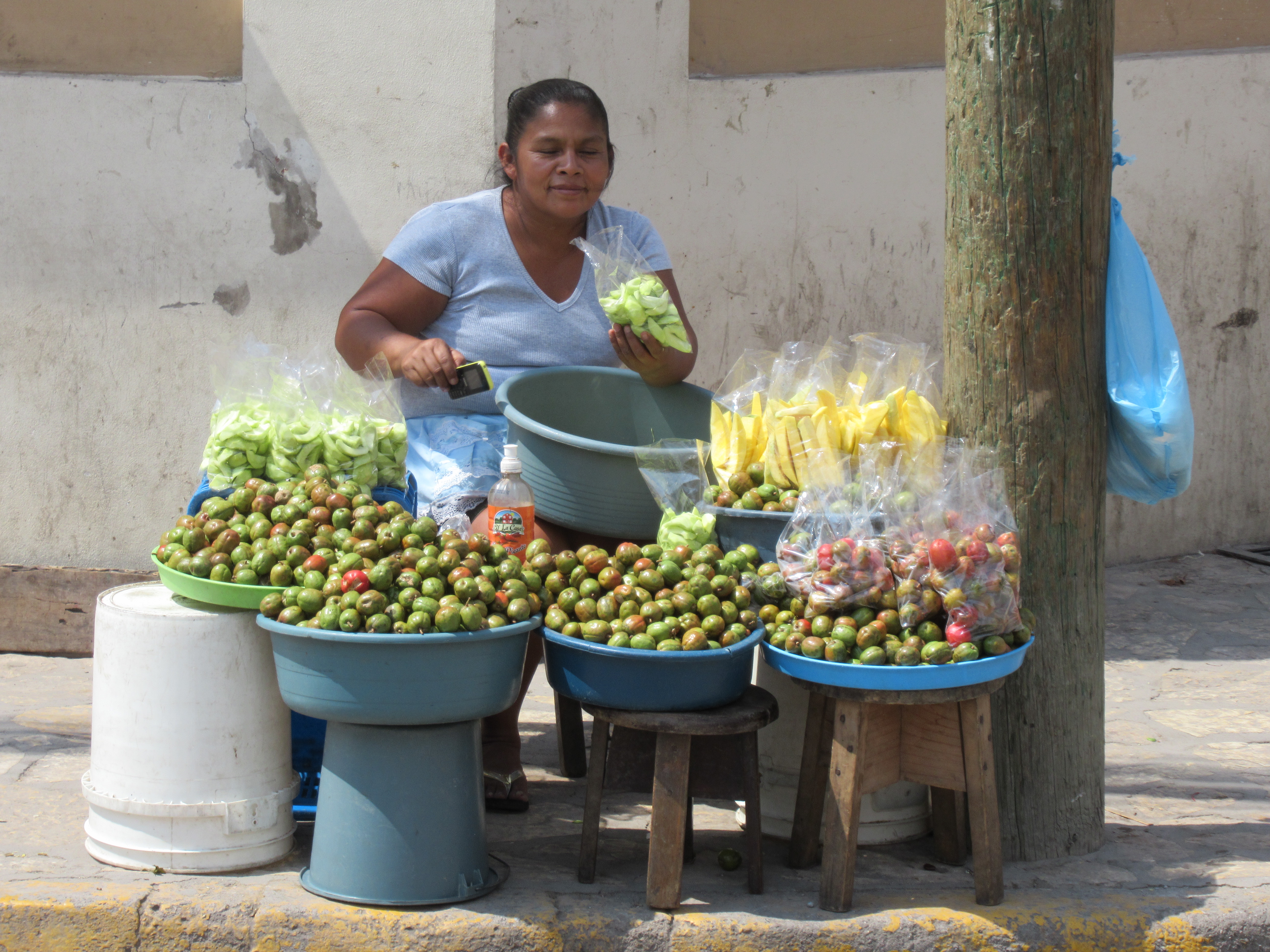
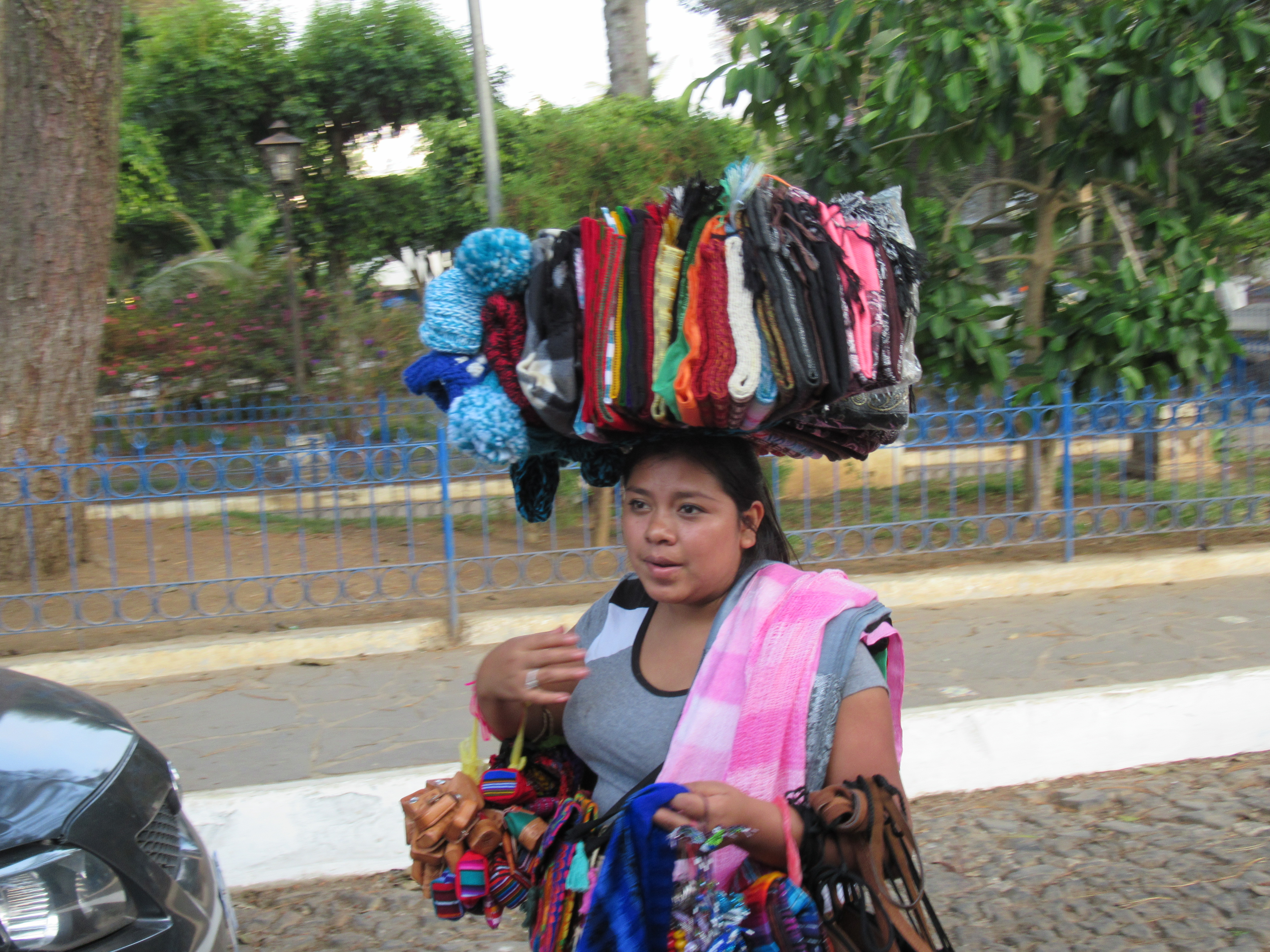
You can tell the indigenous Mayan people as you walk about town. Quite small people and dark skinned. The women wear brightly coloured clothes.

As you can perhaps tell, am racing through these blogs desperately trying to catch up as a week behind!

87. The one with the Catholic priest and a firework

Tuesday, 19 March 2019

Copan, Honduras


Breakfast in El Salvador.

Lunch in Guatemala.

Dinner in Honduras.

Three countries.

Two border crossings.

One day.

Hard life innit.

5hr drive to Copan. First border crossing El Salvador/Guatemala is a quick passport stamp on both sides of the border. Takes minutes.

Second border crossing Guatemala/Honduras is even quicker. Guide takes passports into immigration and shortly returns with a bit of paper which has been stamped. It’s a 72hr pass to enter Honduras without any immigration and customs declaration. Can you remember something similar when visiting France for a day trip in the 1980s?

Many money men at the border wandering about touting for business with huge wads of local cash in exchange for US Dollars.

Only a 15 minute drive into Honduras for a couple of nights at the Hotel Casa de Café (http://www.casadecafecopan.com/) in the small town of Copas Ruinas. The site of a Mayan complex. You can look forward to a bit of Mayan history in tomorrow’s blog.

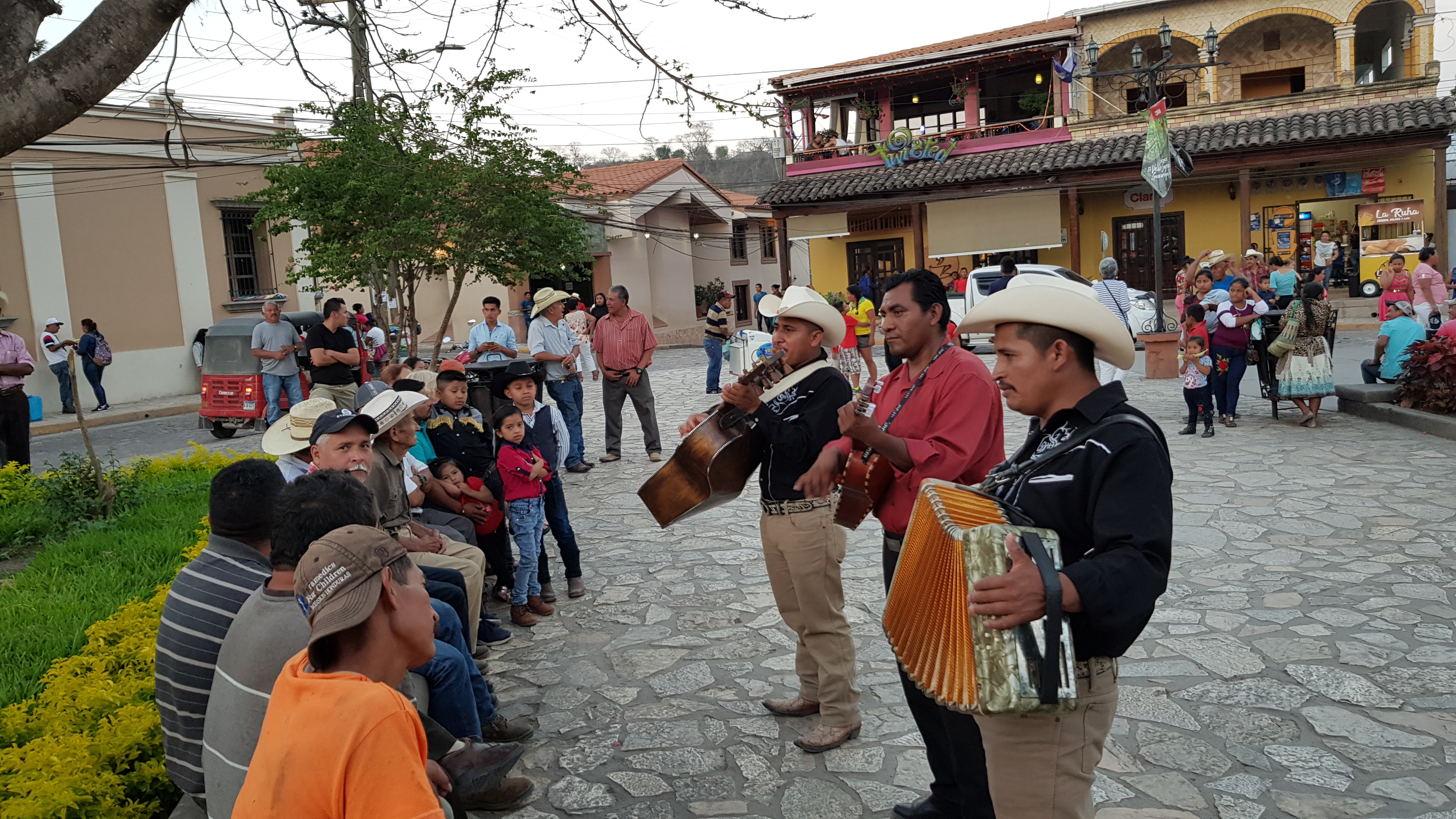
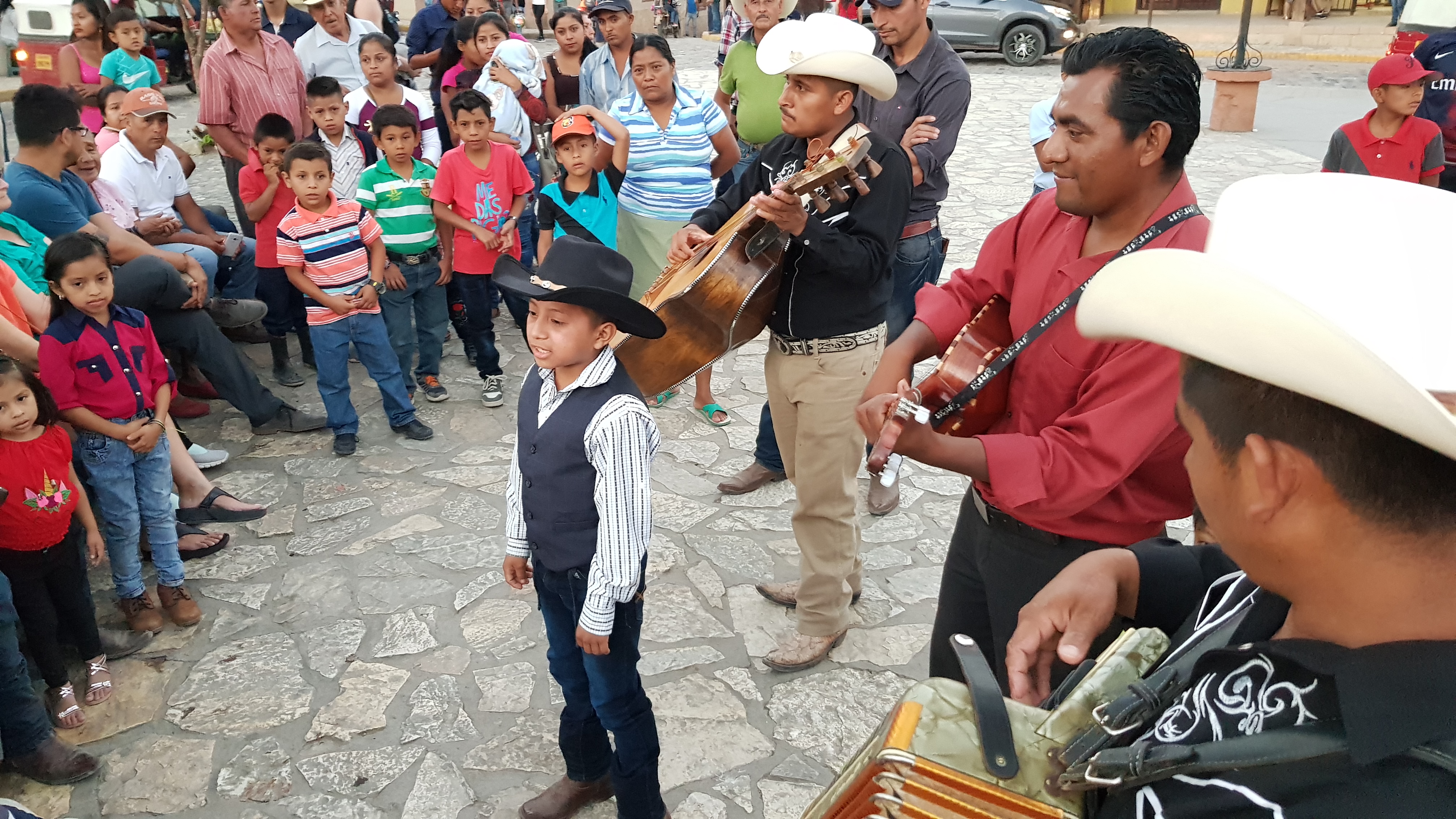
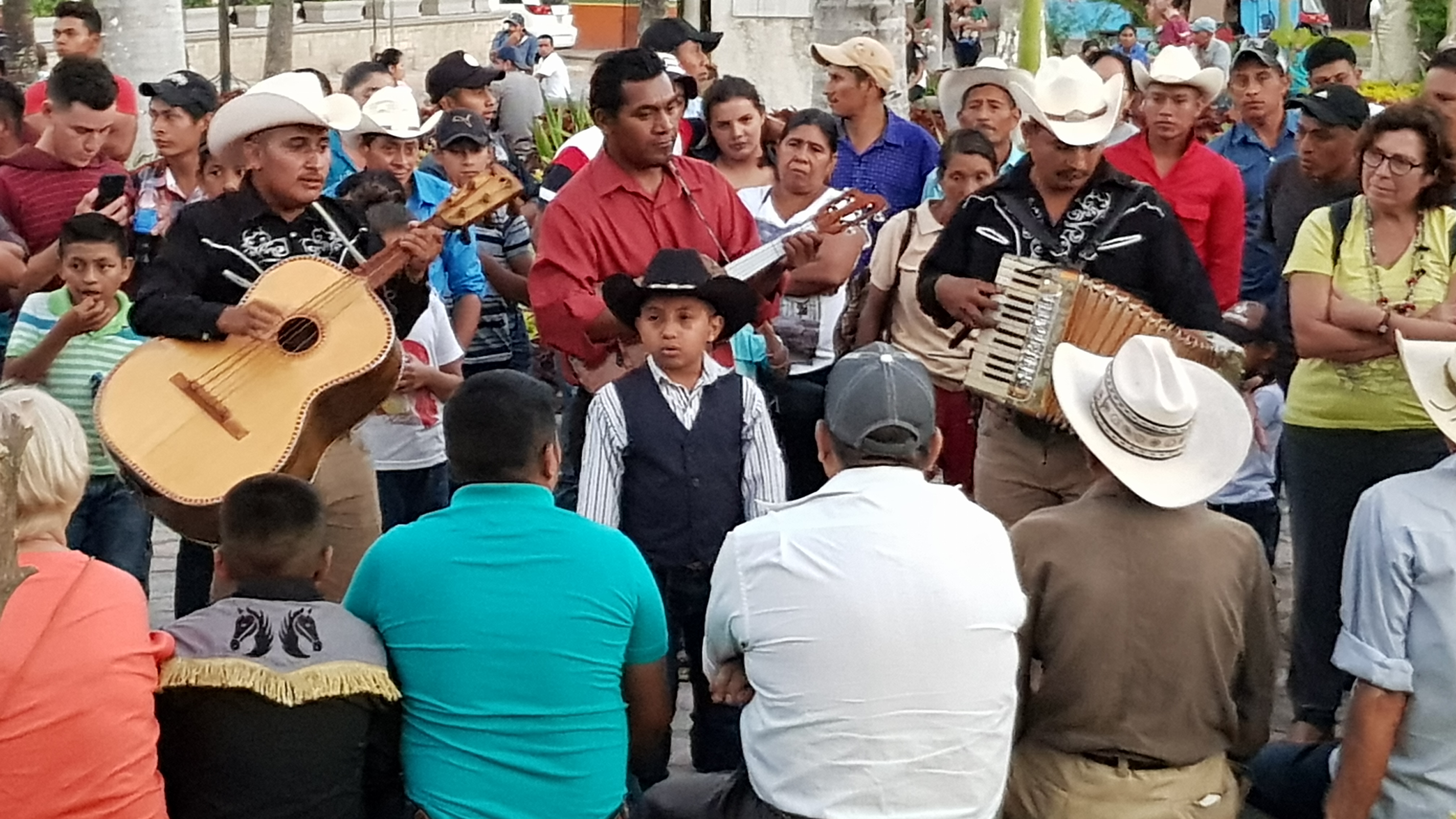
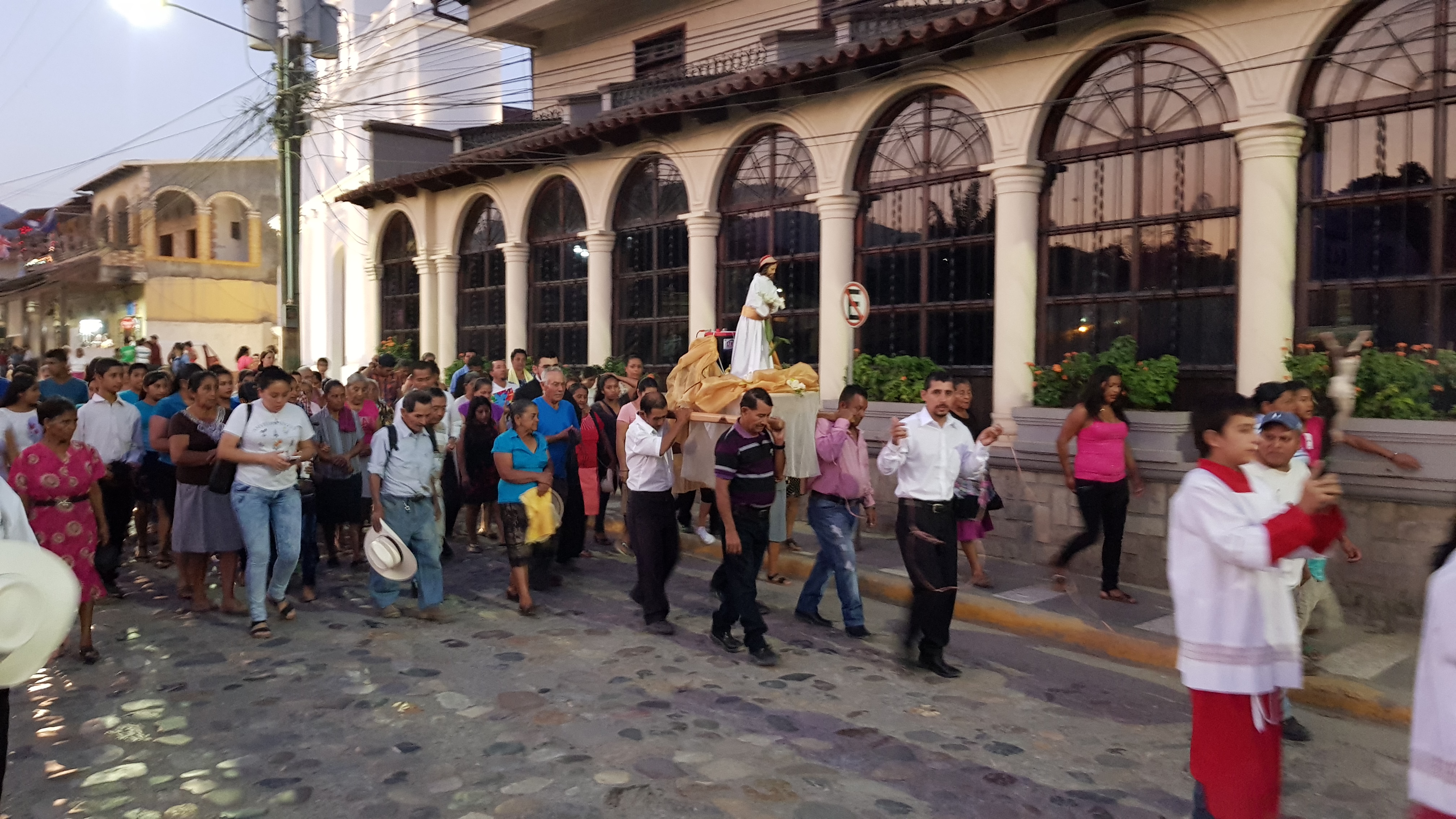
As it’s the town’s patron saint’s day, there’s yet another church procession. Treated to a small bunch of musicians playing in the main square to the people perambulating. How Banana Republic is this, I think to myself. They’re a rag tag bunch and many men wearing cowboy hats. A young lad soon joins them and starts singing which draws a crowd cooing at his angelic singing.

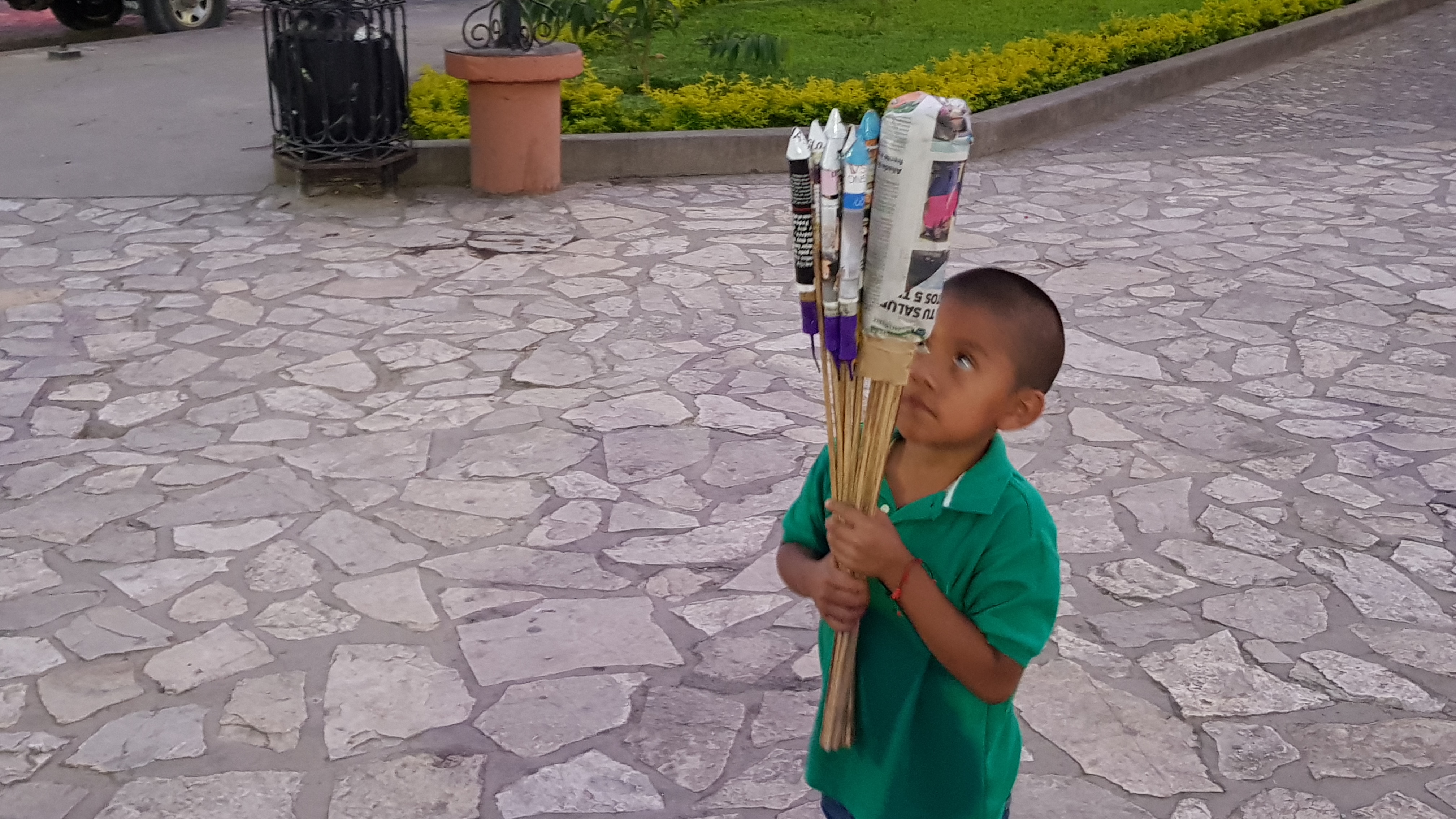
Just before the procession of Jesus through the streets, a few fireworks can be heard. Upon closer investigation it’s the Catholic priest setting them off. He’s assisted by a local who is putting homemade rockets (rolled up newspaper stuck to a stick holds the gunpowder) in a litre sized plastic bottle and launching them from the bottle in his hand. The first few captured on video below go off and whoosh up into the sky and explode over the church roof. As intended.

Don’t video the next bit as it’ll be more of the same.

Or.

So. I. Thought.

Priest puts rocket in plastic bottle held by bloke and lights the fuse.

Bloke points the bottle upwards but not vertically upwards. Stupidly.

The rocket goes off with a whoosh.

Hits the church wall a few feet above them.

Rocket now has momentum and ricochets off church wall to the other wall across the driveway.

Simultaneously, bloke and Catholic priest immediately duck for cover and scarper away from the wayward rocket.

Which is going off on one ricocheting off walls.

It eventually flies into the open terrace of the first floor restaurant next to the church. Priest is no doubt praying.

Fortunately, rocket veers right into an empty room and not left into the diners. As soon as it enters the room it explodes. We’re all wetting ourselves laughing at the running priest and the rocket whizzing about an enclosed space. Fortunately, no one is hurt.

Priest disappears and starts the procession whilst the bloke moves on down the road with his two sons holding the batch of homemade rockets and setting them alight  once they’re in more open space.

So funny. I’m told that later on that evening they set off a load of Chinese lanterns but these all burned up as they rose into the air and landed setting fire to stalls, small bushes and the electrical equipment of the concert in the square.

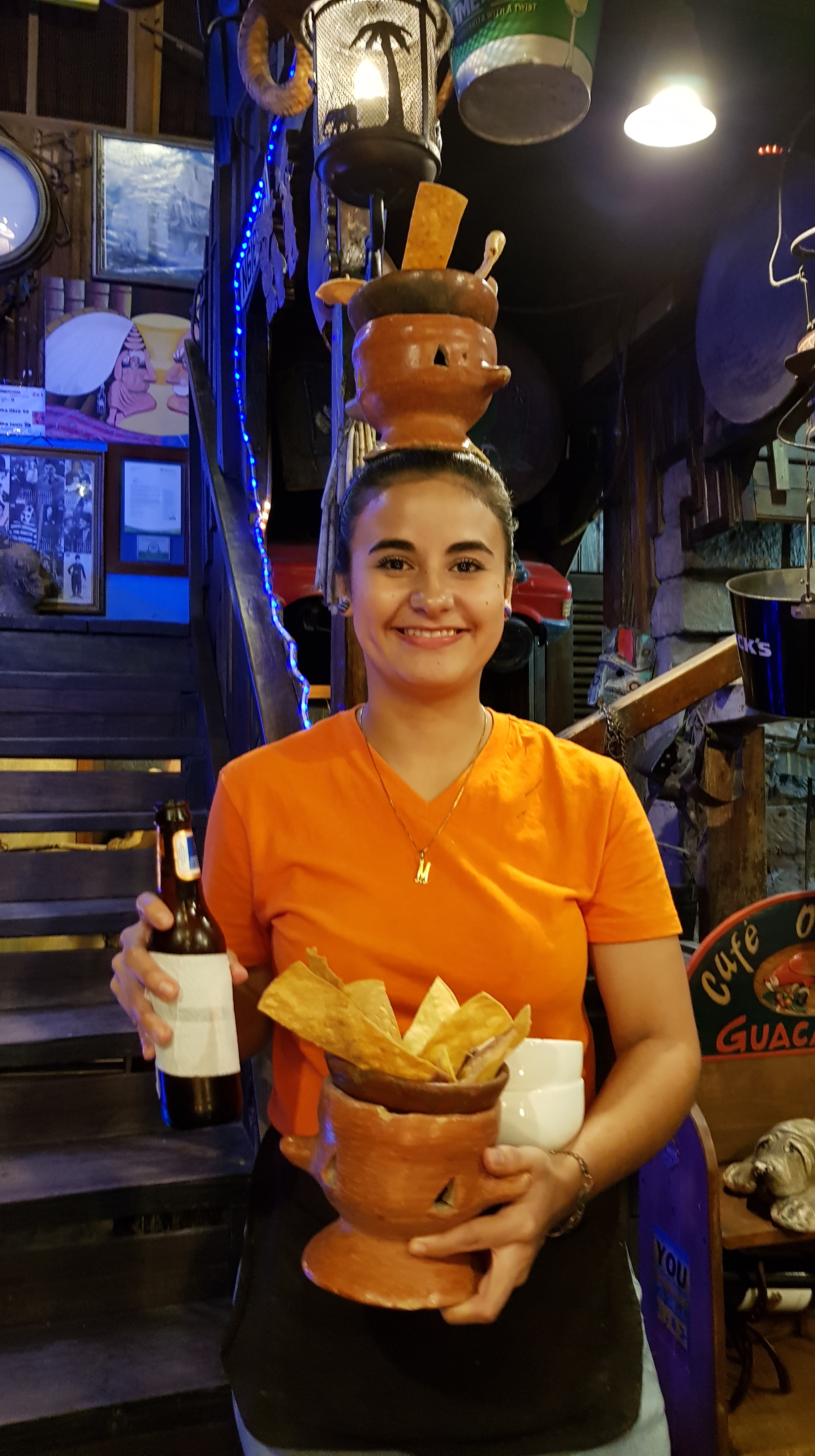
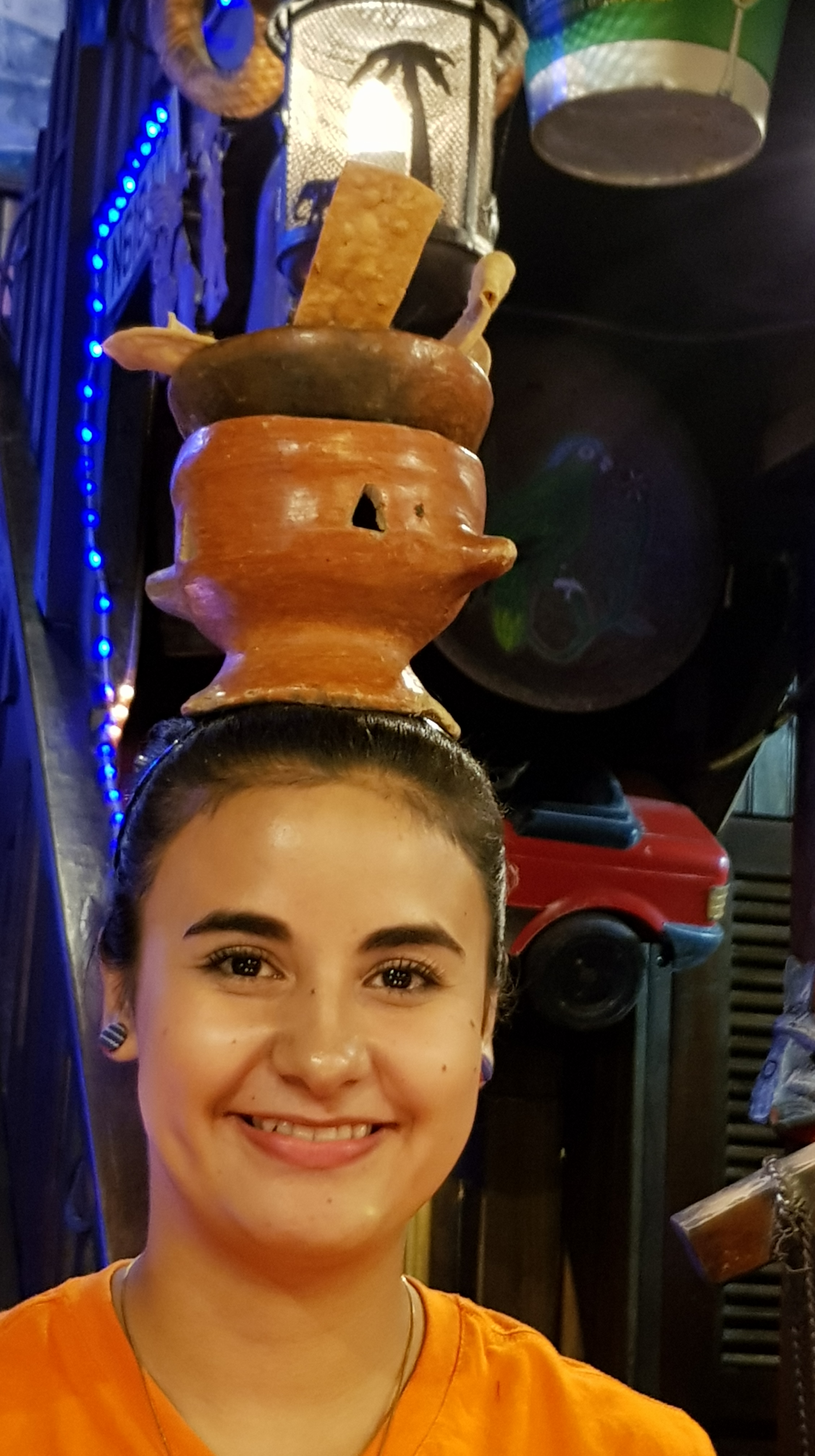
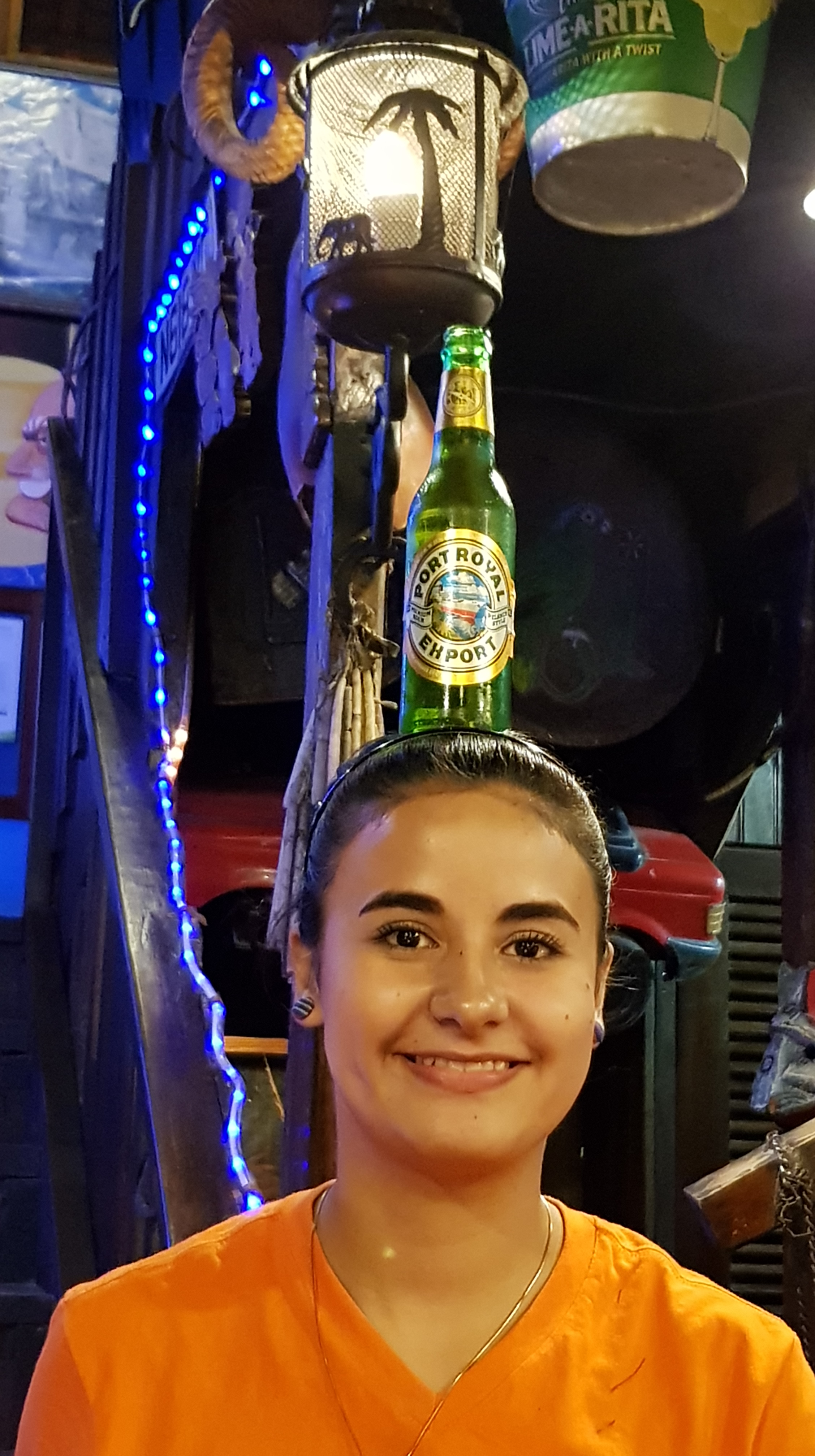
Excellent dinner at Carnitas Tia Lola restaurant. The waitresses serve up nachos and beer balancing plates and bottles on their heads.

86. Guerrillas in the midst

Monday, 18 March 2019

Suchitoto, El Salvador


Afternoon drive to Cinquera for a mile’s hike up a mountain to a viewing platform. In 35C heat.

Mad dogs and Englishmen.

The mountains around Cinquera were full of left wing guerrillas during the civil war. Dense forest ideal to hide in and soon come across a 19th century indigo processing bath. Before the forest, the whole area was given to indigo plants which were processed on the mountainside. The whole indigo industry being decimated when the German chemist, Bayer, discovered how to make indigo blue dye from chemicals. Which is when coffee became the main crop in El Salvador.

You see. You learn stuff with this blog.

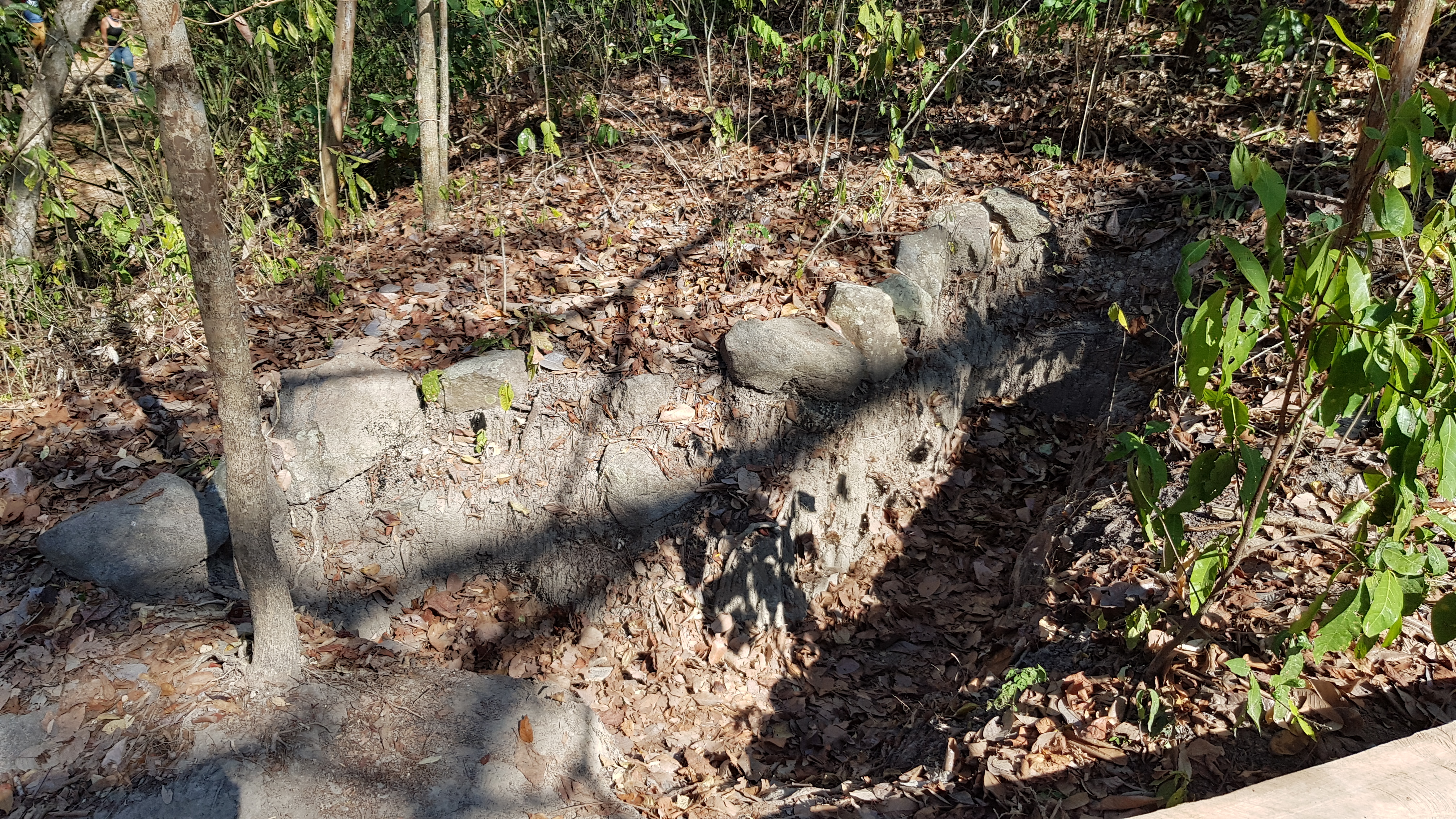
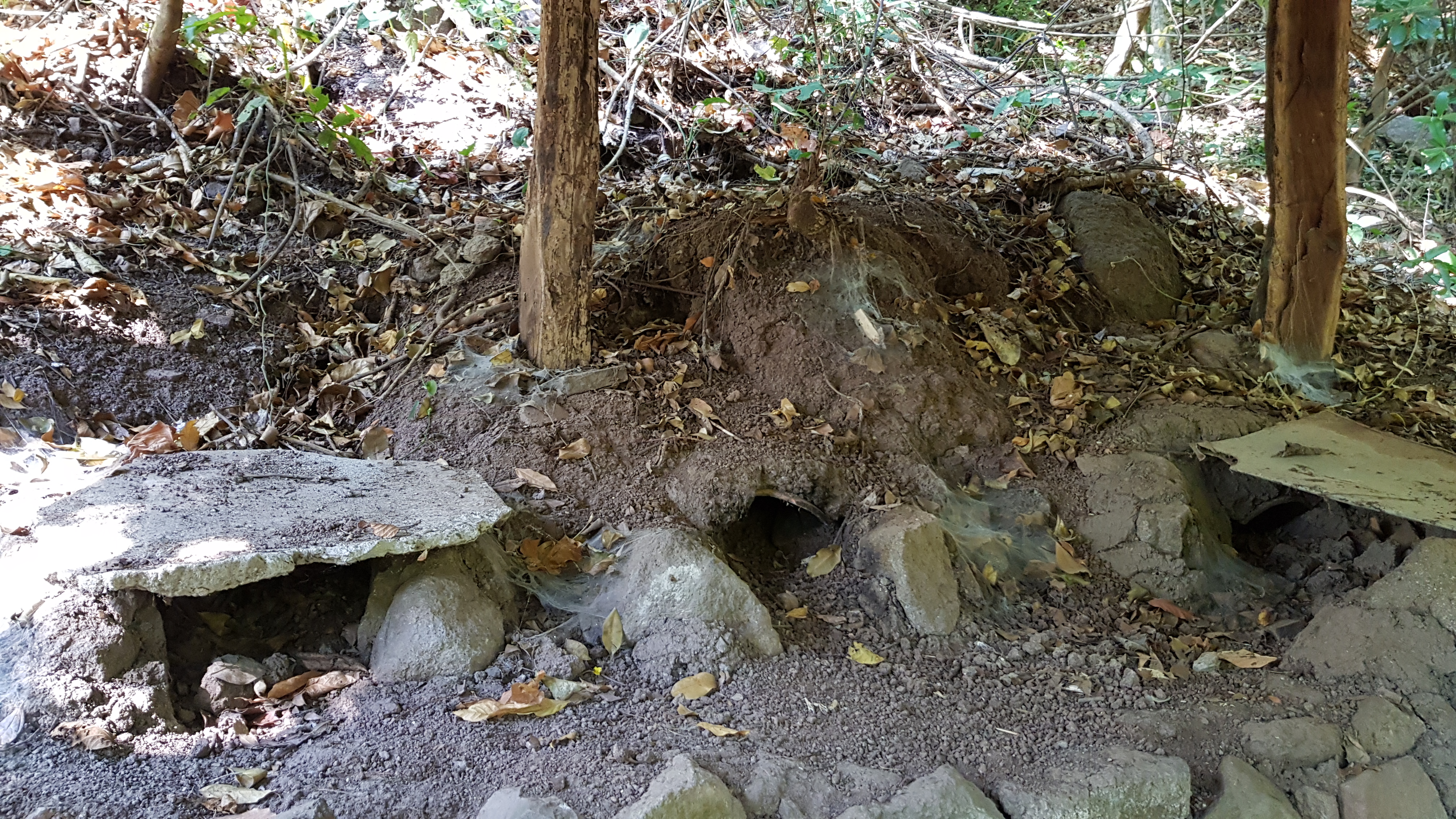
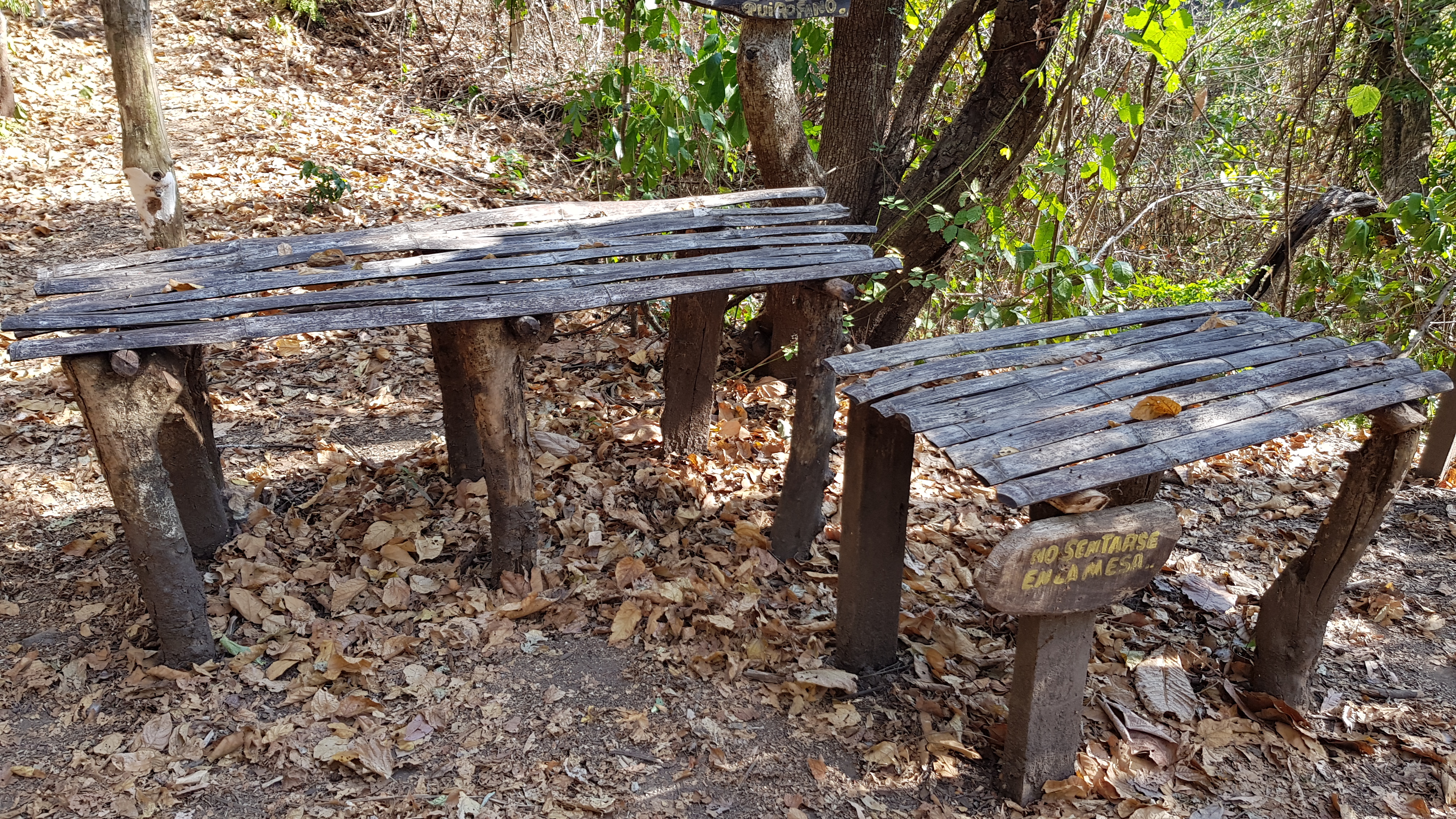
Further up the mountain, find an old guerrilla trench used to protect the top of the mountain from below. Further up is what’s known as the Vietnamese Kitchen. The Viet Cong provided the guerrillas with advice during the civil war and showed them how to set up kitchens with a system for eradicating smoke from the wood fires. Basically a 50m small diameter tunnel that runs up the hillside with small holes in it to percolate the smoke away from the source to prevent detection by government forces. The kitchen is located adjacent to a natural spring but to further protect the guerrillas, a few hundred metres away from the camp. Here, in the camp that we see, were about 40 people. Women, children, civilians and fighting guerrillas. Plenty more dotted around the mountainside. A table has been built using bamboo slats. This was apparently the hospital operating table for injured guerrillas. A rusting metal wire hangs from a bamboo pole running above the table on one side. The wire was used to hang IV drips. We’re told that they used coconut water as the liquid in the drips. Any medical people reading this, is this possible?

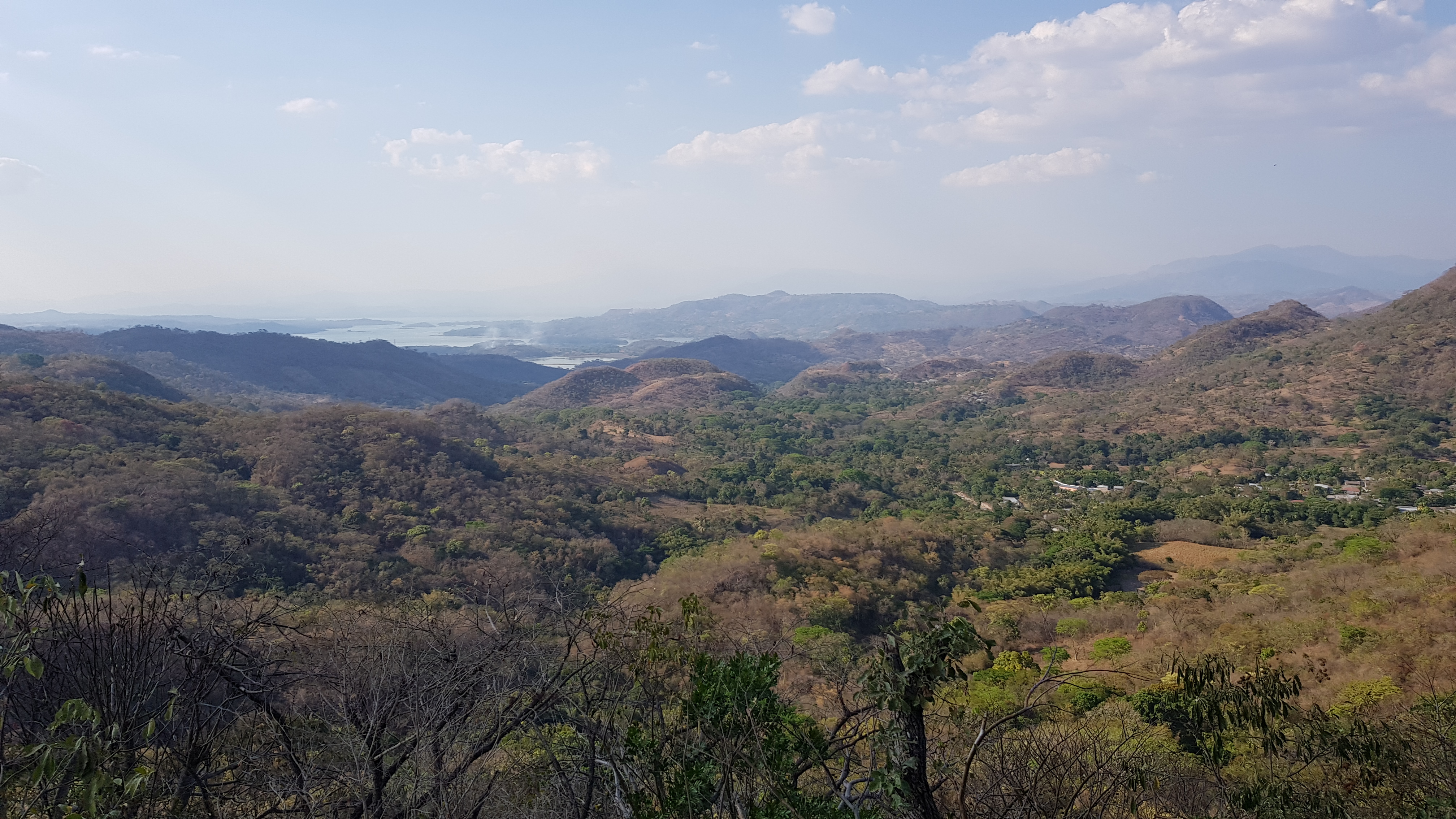
Continue climbing in the mid afternoon heat up the trail. Huffing and puffing. The view from the top of the viewing platform is well worth it though. Spectacular scenery.

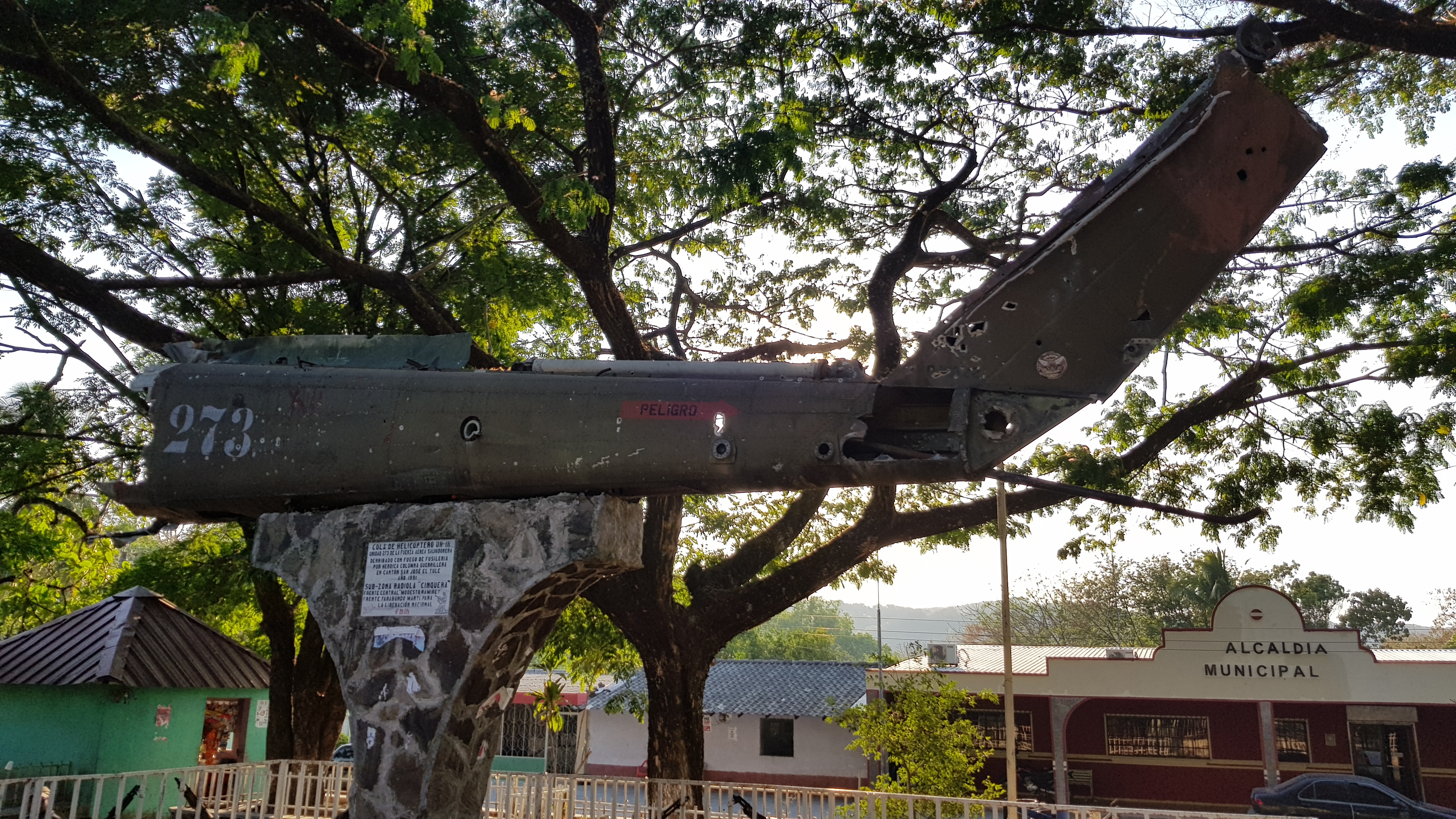
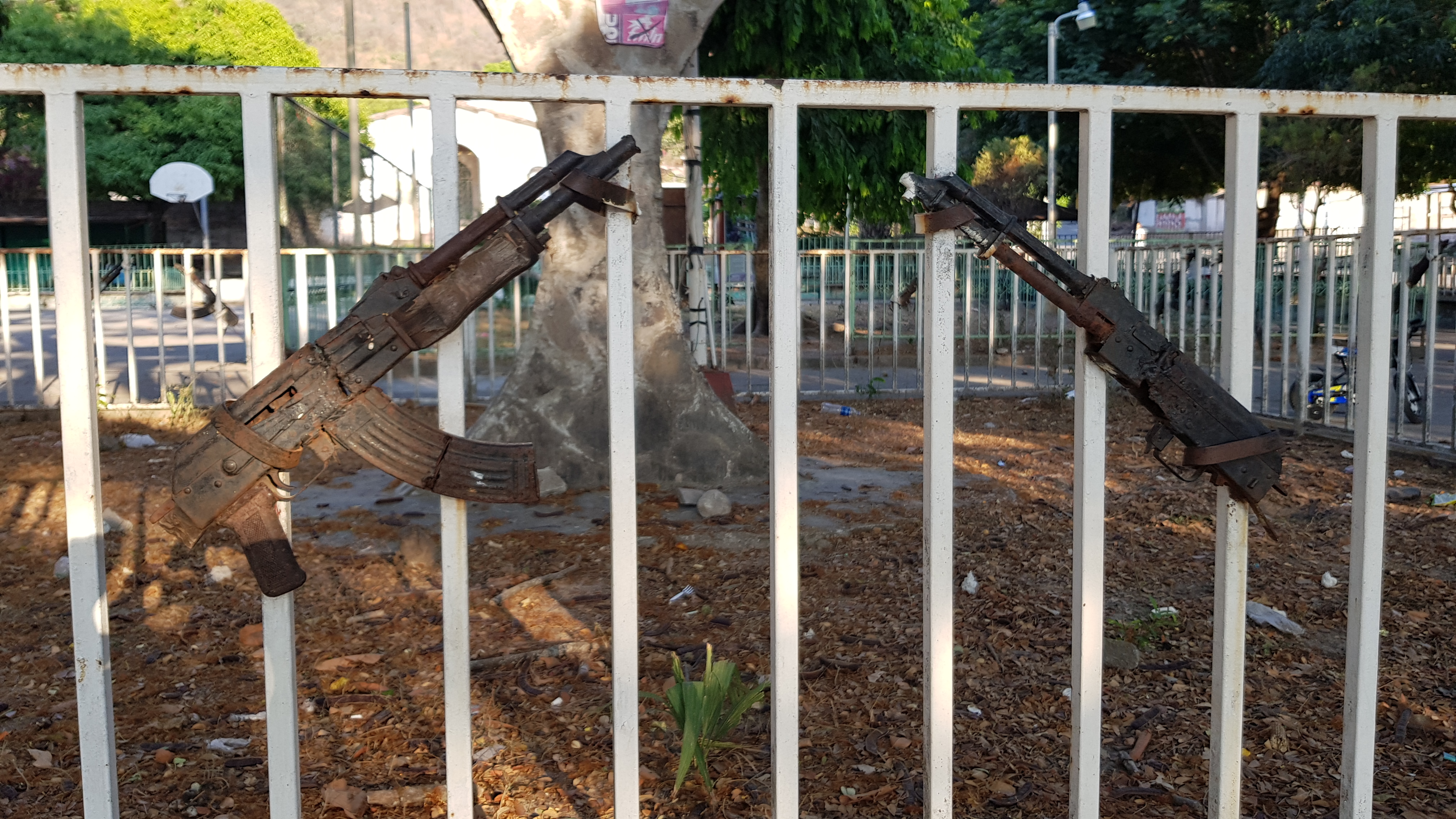
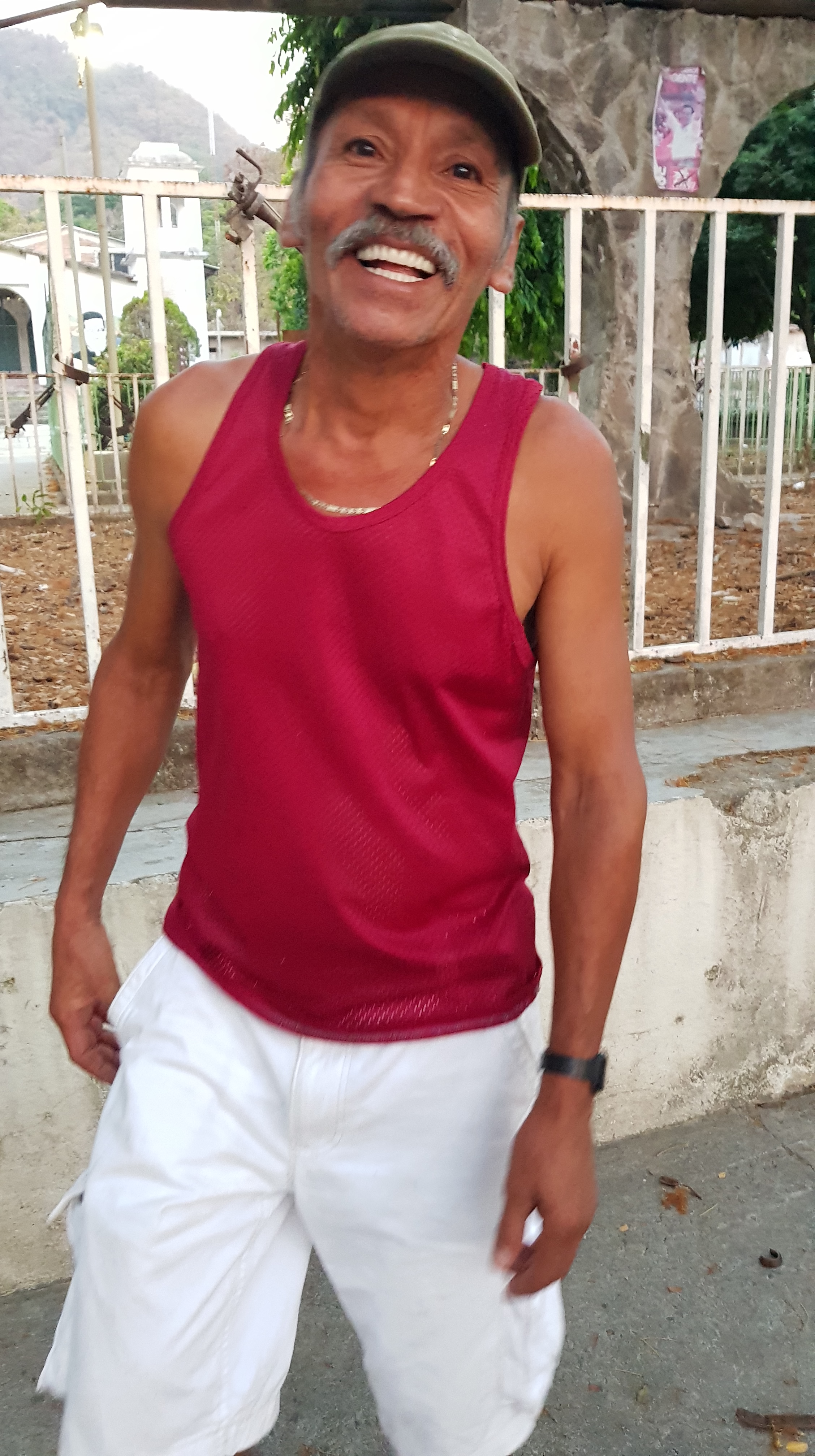
Back in Cinquera, meet with a former guerrilla. Rafael is 57 years old, has a wicked smile and cheeky glint in his eye. Fantastic set of teeth, which we later find out are false. He now runs a small kiosk in the main square, notable for the remnants of the fuselage of a Huey helicopter that was shot down by the guerrillas. The fence surrounding it has pairs of rifles bolted to it. Each rifle has been chopped in half and rendered useless by the UN, as part of the Peace Accord. The guerrillas were given special training to shoot down helicopters and were under orders to shoot at every helicopter that flew by. Just in case they got lucky. This helicopter was shot down in the mountain behind us and now on display.

Guerrilla Rafael was born into a middle class right wing family who ran a farm. As a young boy, he became aware of the social inequality around him and by the time he was sixteen, moved to the capital San Salvador, against his father’s wishes. Whilst in San Salvador he became more involved with the left wing FMLN party and engaged in protests. When the civil war kicked off, he returned to Cinquera and his father asked him if he’d been involved with FMLN. Having avoided the subject for years with his father, he finally admitted to his Dad that he had joined FMLN and left the family home to go and fight in the mountains nearby. He became a guerrilla commander and has killed a number of the armed forces. His family don’t allow him to speak or see his father, even now. At the end of the civil war, he returned to live in the town again and says that he’s never had any repercussions for being a guerrilla, apart from one man in the town, a former military person, who shouts abuse at him if they pass in the street. He’s now something of a local celebrity as he acts as a storyteller to tourists and locals about being a guerrilla.

As a result of the civil war, there’s now a minimum wage of US$350 per month. A call centre worker will earn US$600 per month on dayshift and US$950 per month on nightshift. Our local guide used to be a call centre worker, where they acted for Visa, so he regularly spoke with people in the UK. Next time you ring a call centre, ask where they are. You might get a surprise.

Local guide is from a right wing relatively wealthy family as he was privately educated at the same school as the current young El Salvadoran President. President used to date a female friend of his and we’re told that President is from a very wealthy family and has never had to do a day’s work in his life.

Well, dear reader, someone has been missing my blogs at least. Younger sister of an old friend has been concerned by the lack of blog posts for the past 6 days. At least someone was worried about me. Elder sister hadn’t noticed. Think I need to trade her in for the younger model.

Thank you Bloss. Nice to know you’re thinking of me. Unlike big sis.

85. The cigar maker

Sunday, 17 March 2019

Suchitoto, El Salvador


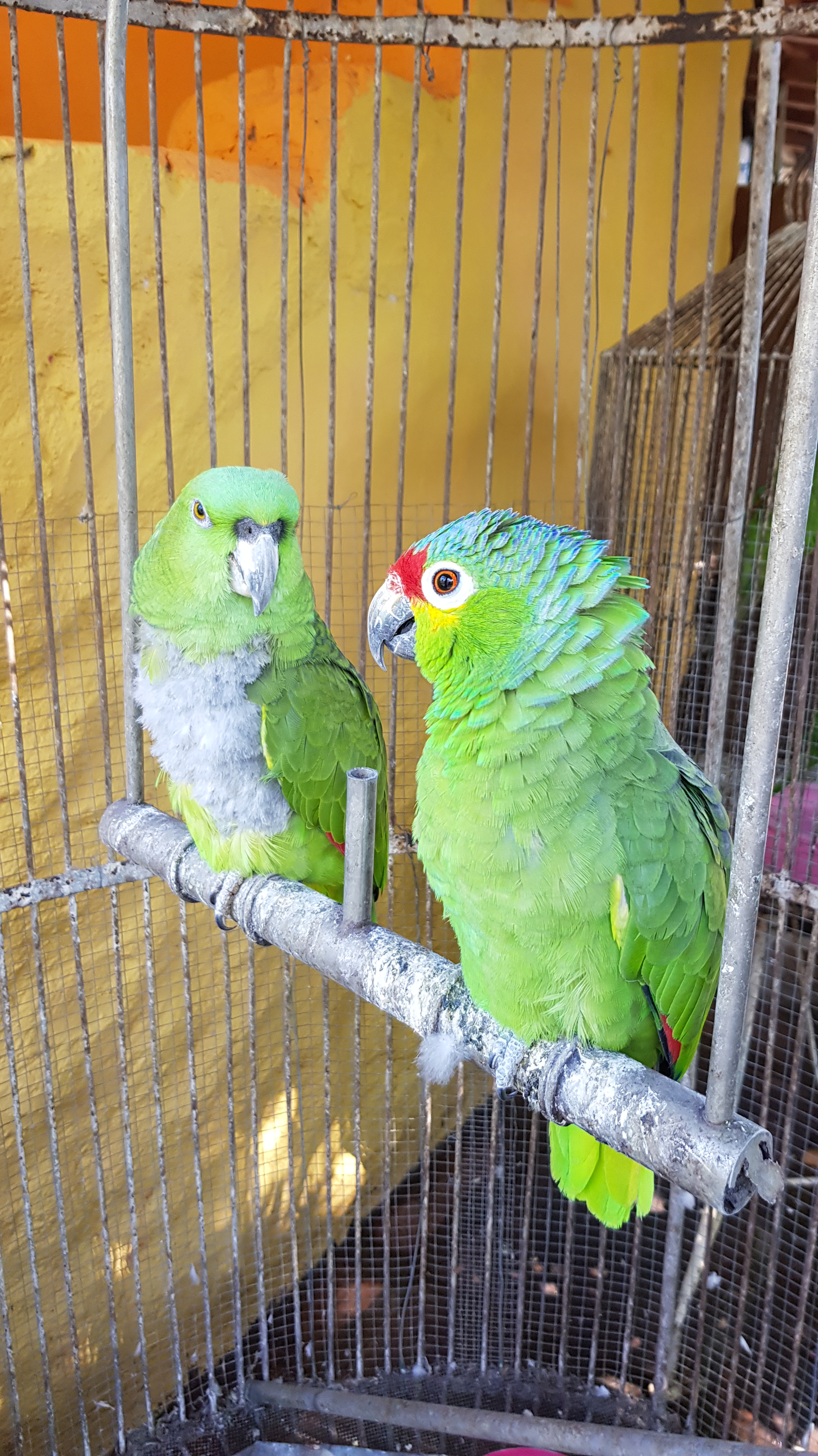
Marvellous view overlooking the lake for breakfast on the terrace. Reminds me of being in Arba Minch, in the Rift Valley of southern Ethiopia. Amusing soundtrack for breakfast as there are a few large cages with four parrots perched. One is constantly shrieking, “Roberto”, in a very clear and commanding voice. Roberto is the owner’s son and can imagine the parrot is mimicking mother calling her son. The parrot never stops. The only other time I’ve heard a parrot speak was when working in Cologne. Used to stay in a guest house run by an elderly couple. He a large beer bellied German with a black leather waistcoat. She a petite little thing. He used to call her “Moppel” (an old colloquial name for ‘woman’ I am told) quickly followed by the parrot shrieking, “Moppel”.

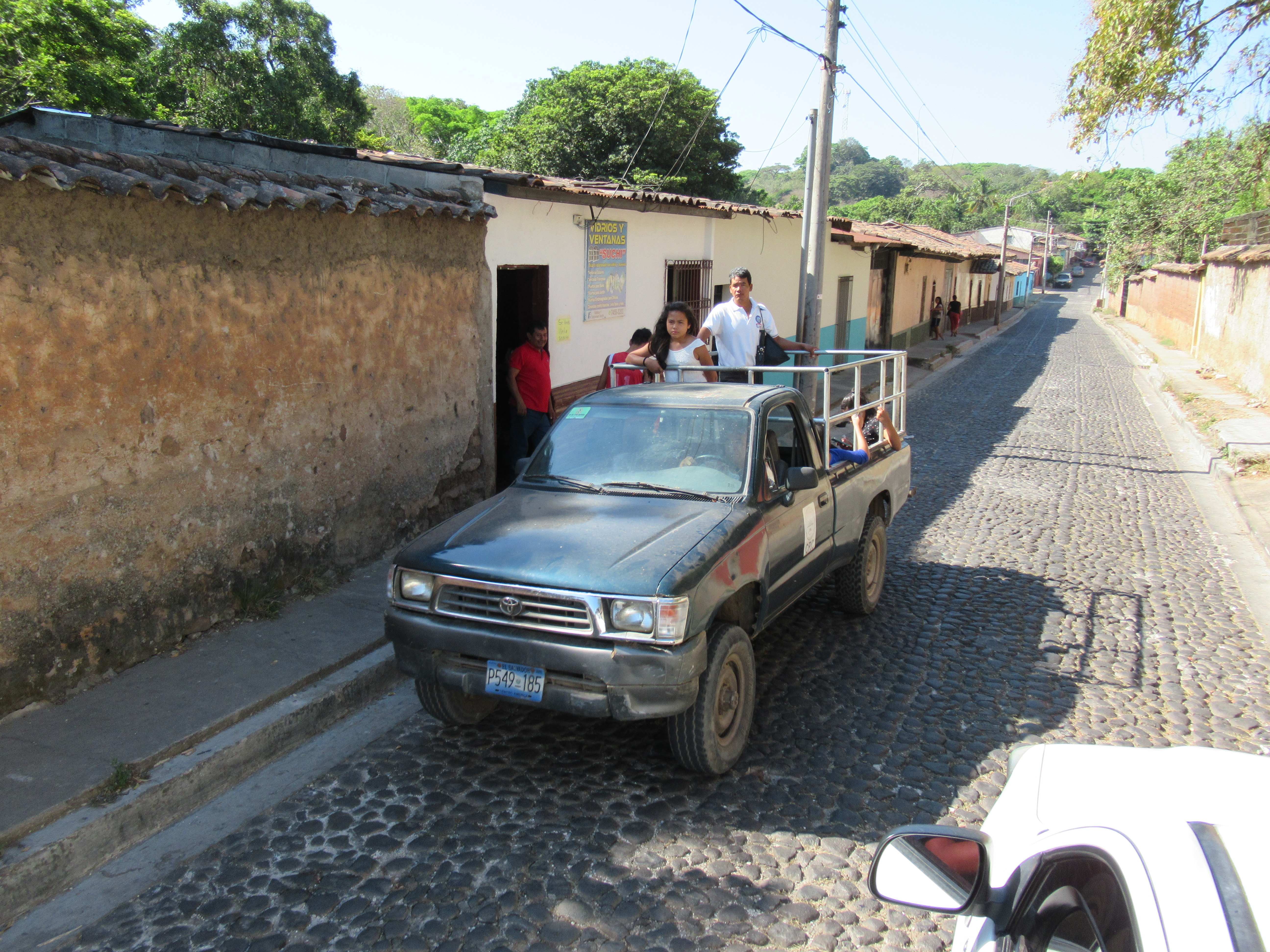
Today’s transport is a Toyota Hilux. You can either go western and sit in the cab. Or go local and stand in the pick up section. Jump at the chance to stand up in the pick up section at the back. Great fun. Never be allowed to do that in Europe. Trundle along the cobbles surfing in the back grabbing onto the safety rails. Given my height, hanging tree branches are a major hazard.

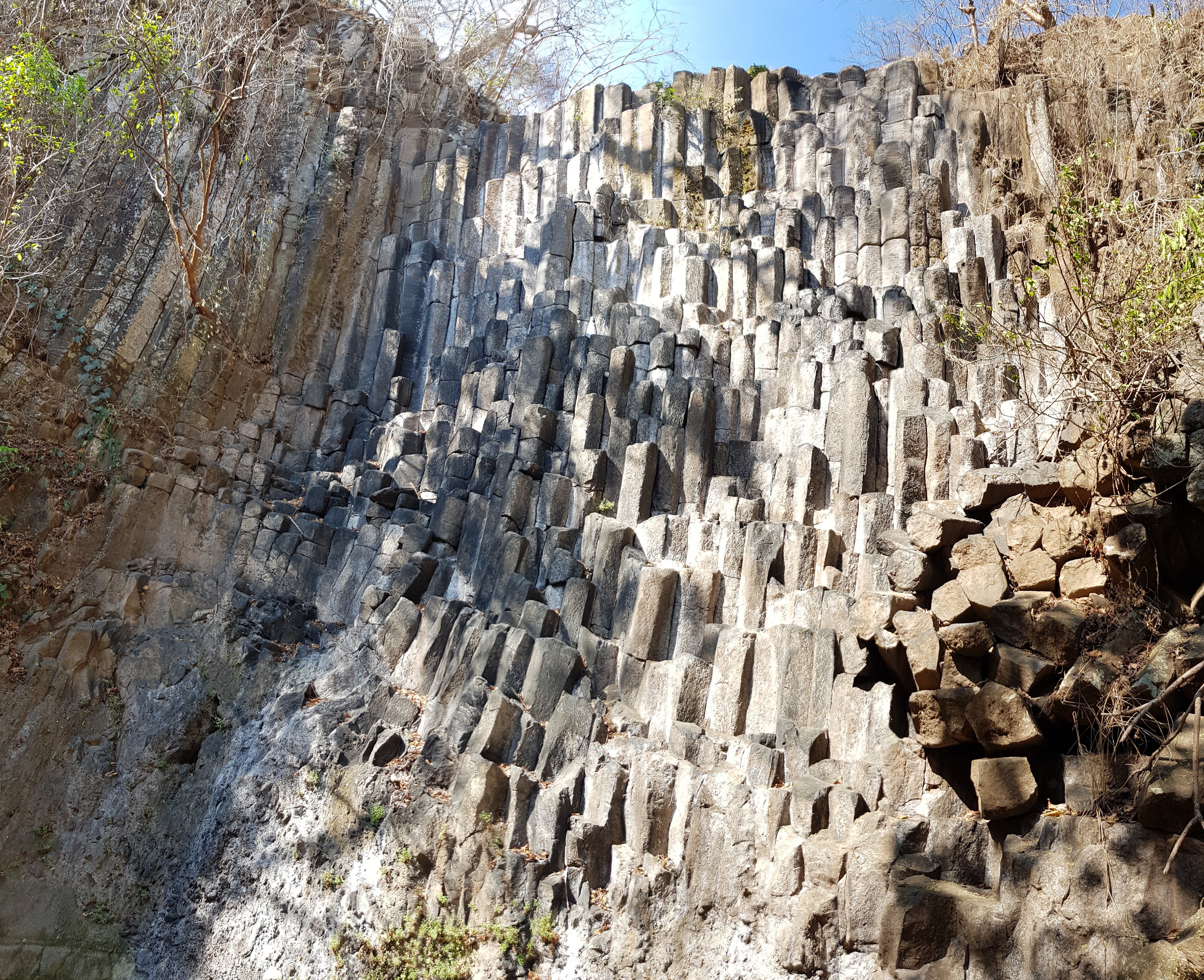
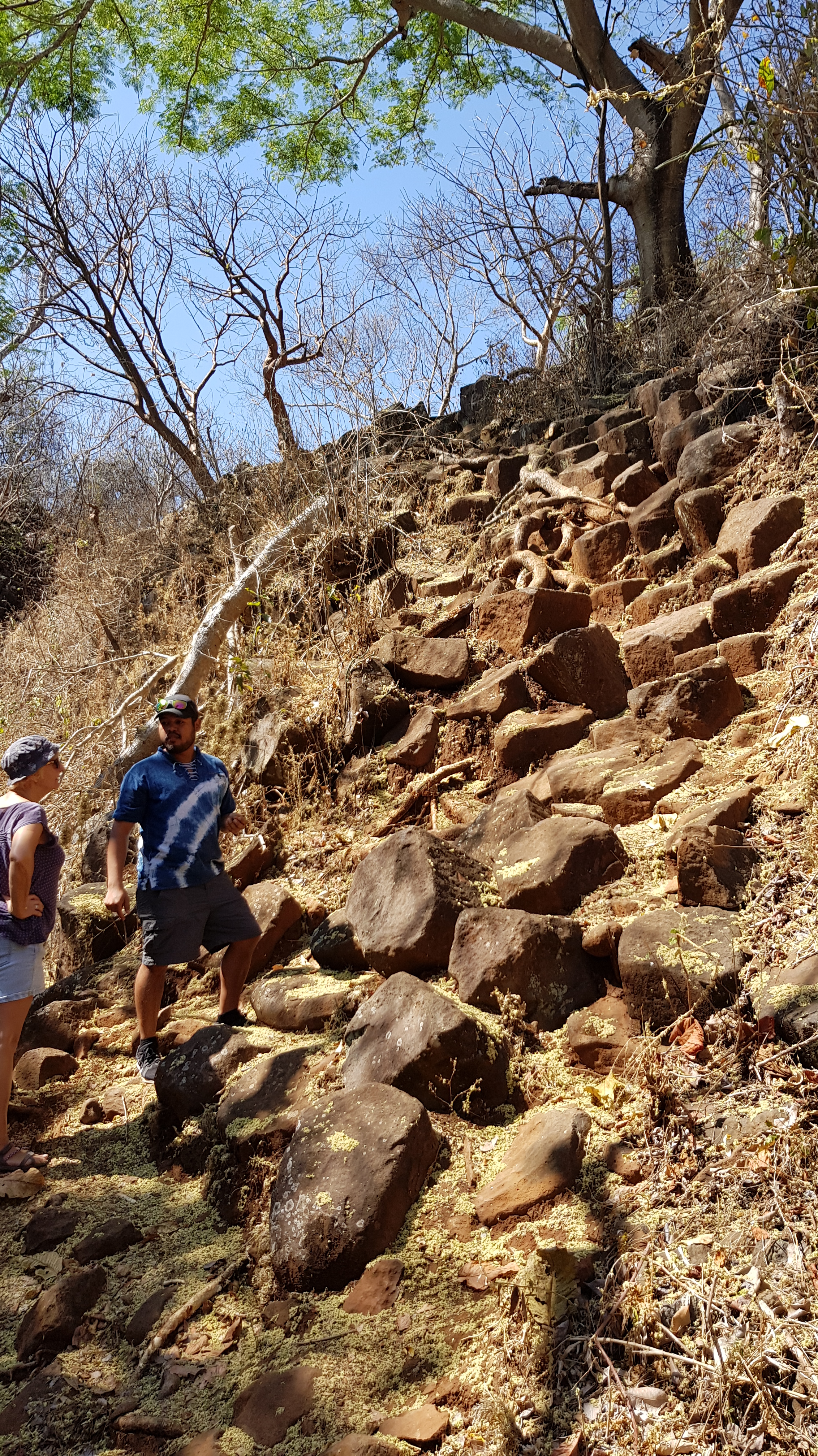
After 10 minutes driving out of town arrive at Cascada Los Tercios. A dried up waterfall (as not the rainy season) reached by climbing down a near vertical cliff face comprising hexagonal stones caused by volcanic action. Well worth the climb down to look up at the rock face. El Salvador’s answer to the Giant’s Causeway in Northern Ireland. Tall vertical hexagonal rock sections tower over us.

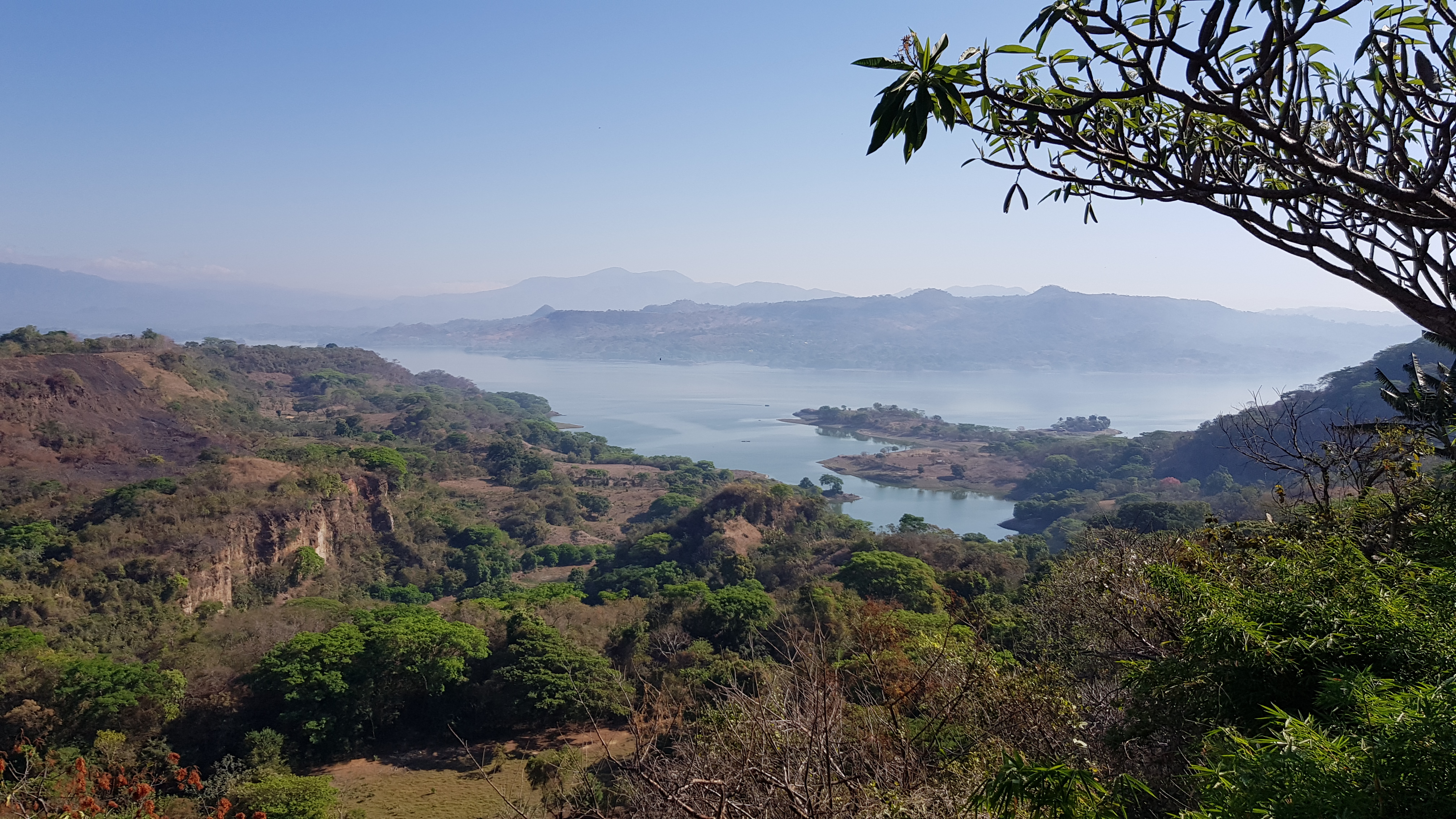
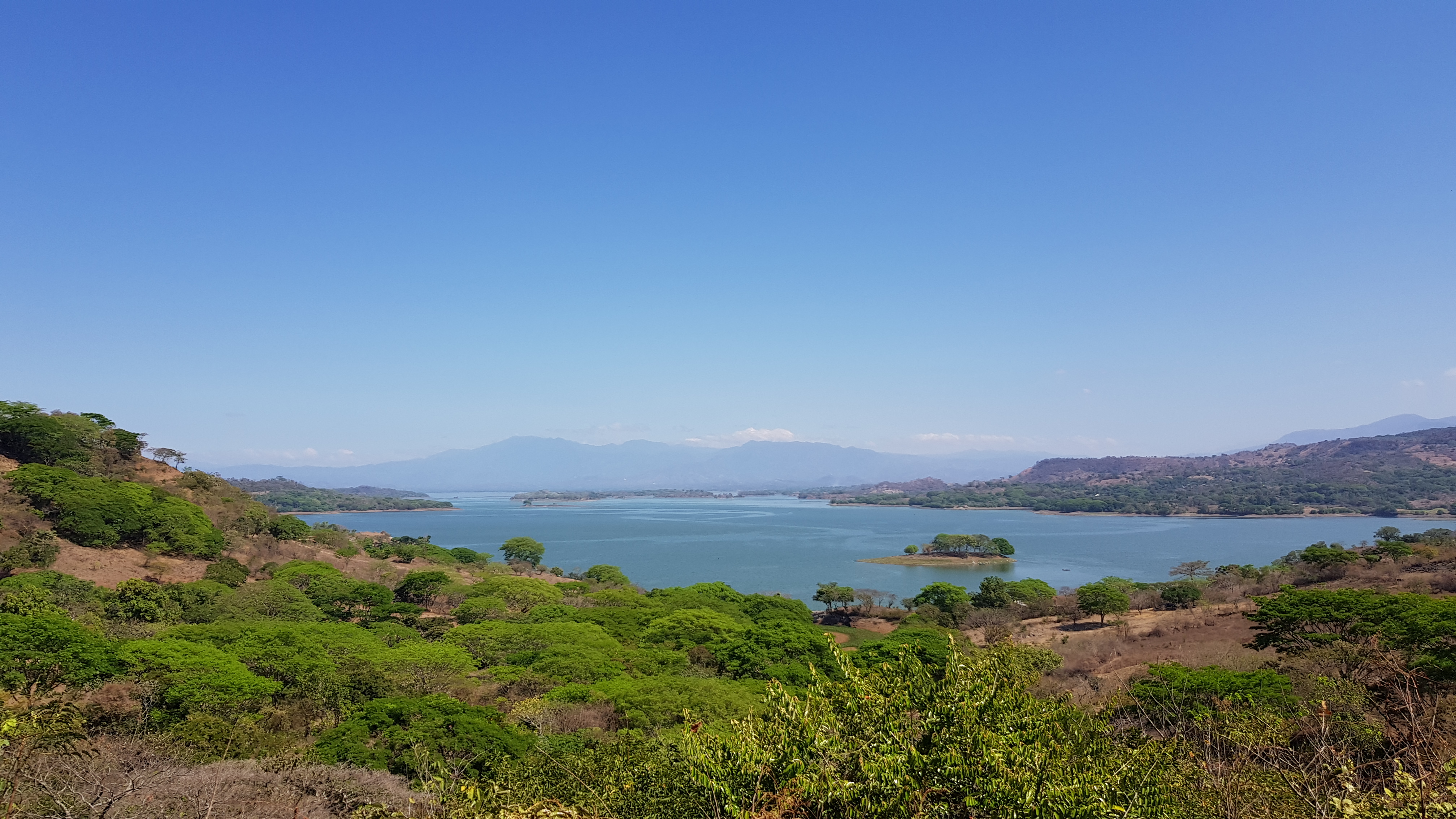
What goes down must come up and it’s a steep scramble up the rocks to the top again and a panoramic view overlooking Lake Suchitlan. Man made in the 1970s to create a reservoir for the hydro electric power station, it flooded a valley and displaced about 14,000 people. Used to be a 15 minute drive across the valley to the other side but now takes 2hrs by road. Or there’s a rickety ferry.

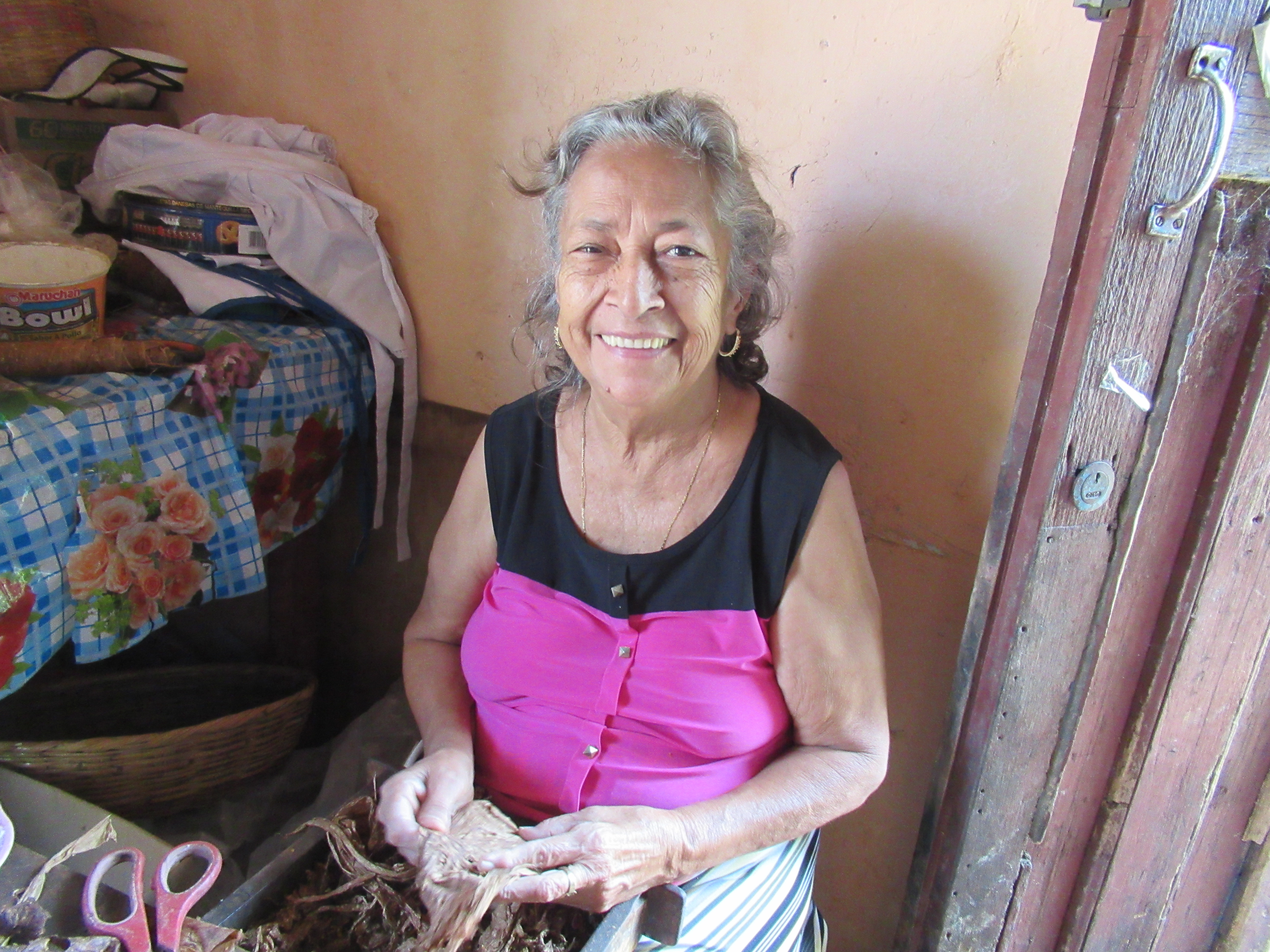
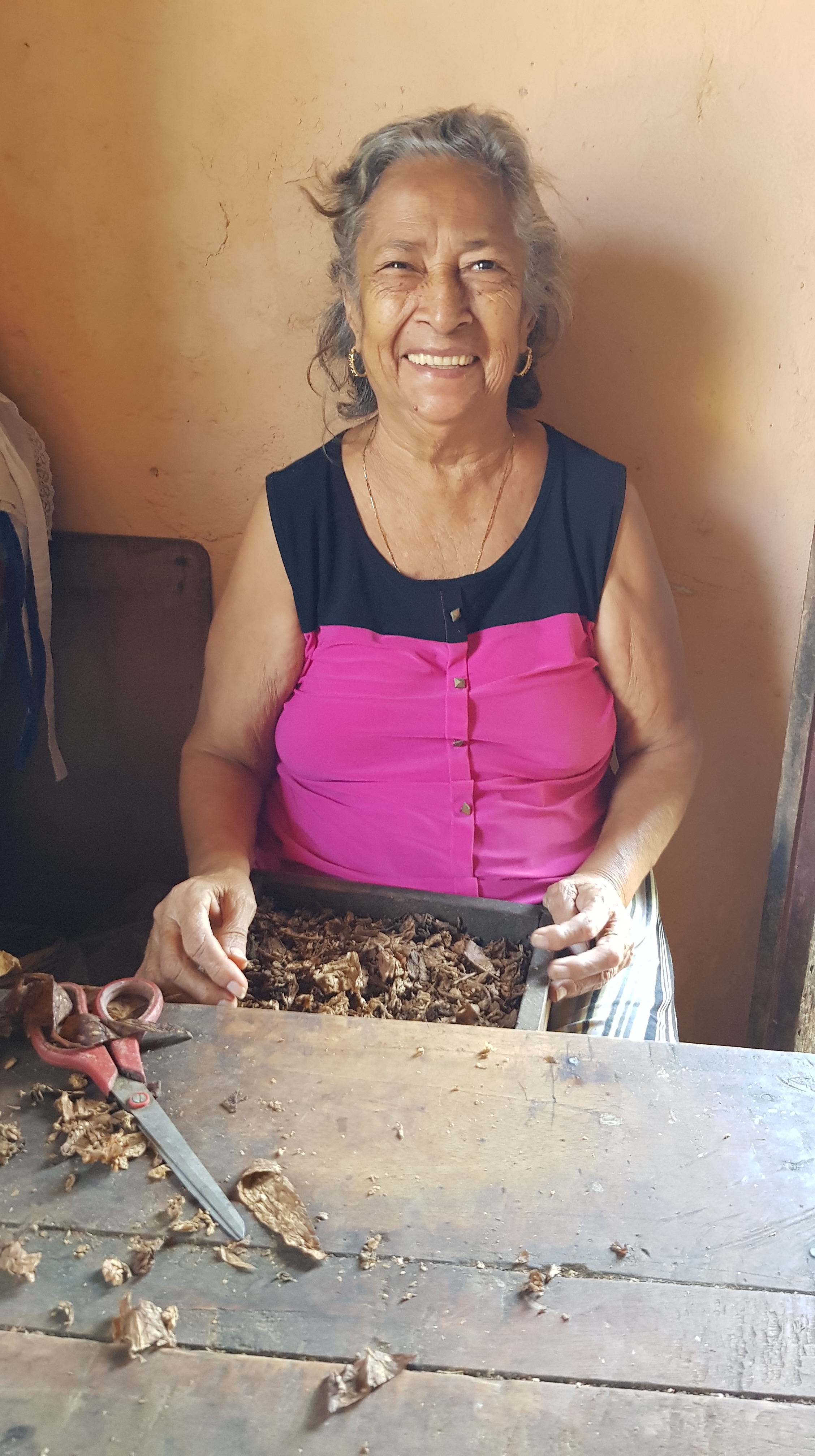
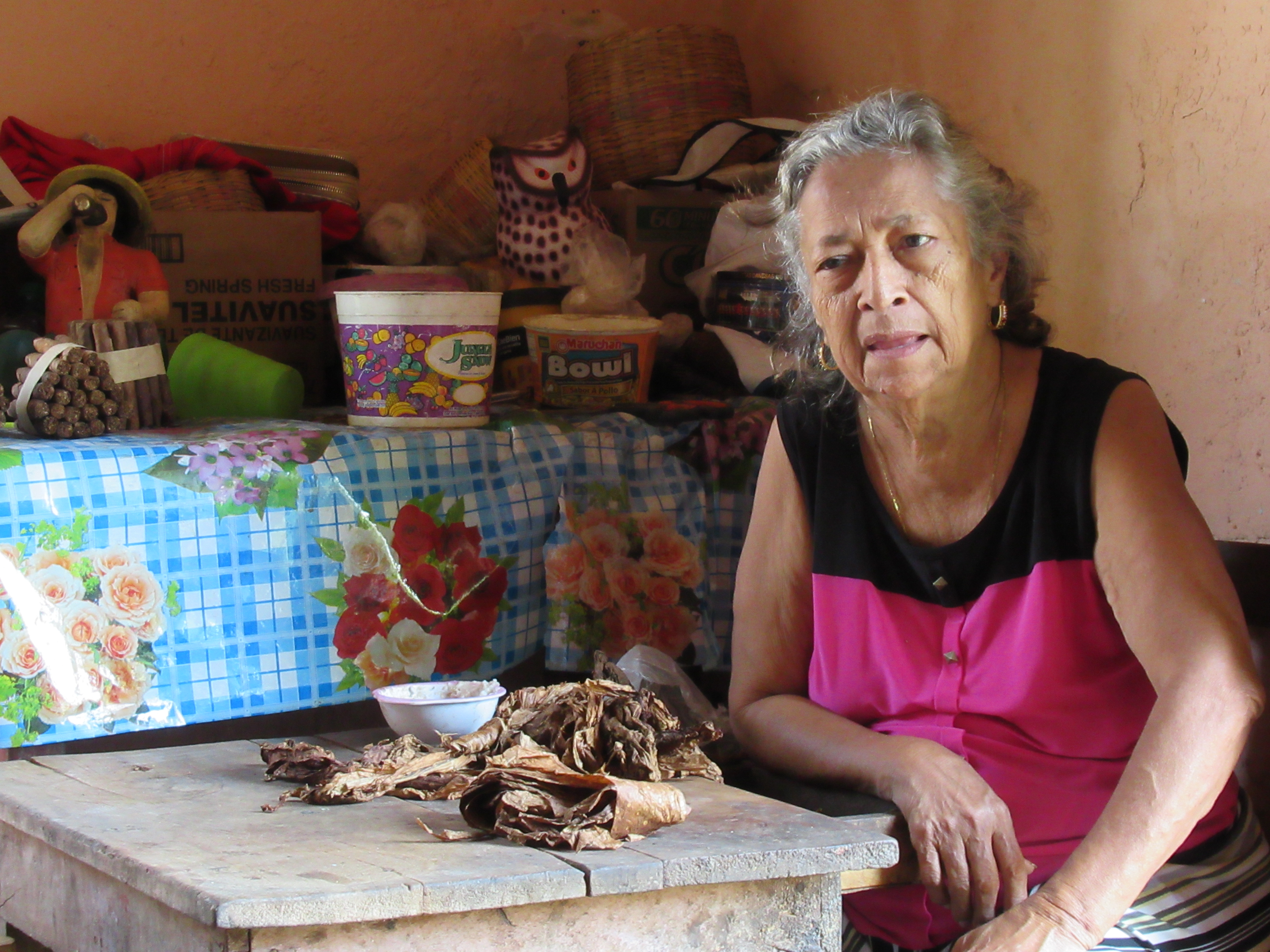
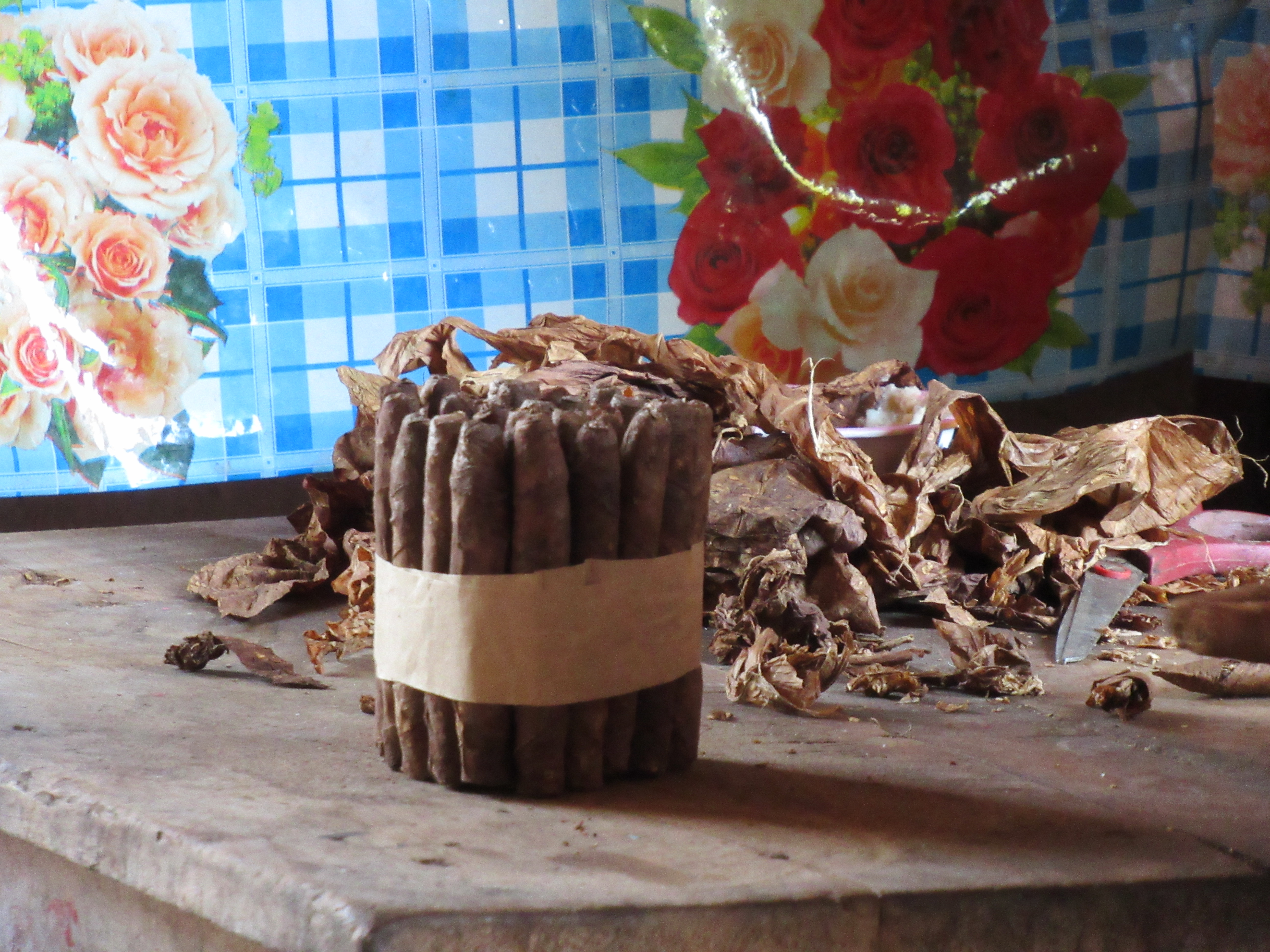
Back in town meet one of the last surviving cigar makers. A 76 year old woman who has been rolling cigars since she was 7 years old, way back in 1951. Back in the old days, there were lots of women rolling cigars to meet the local supply. Gradually, the industry died out and now, it’s just her demonstrating for the tourists and selling to the odd local. In the good old days she used to earn 2 colons per day. The equivalent of 22 US cents PER DAY. And hand rolled 1,000 cigars each day.

That’s all she’s done for most of her life. Sit in her shop and roll cigars.

Just think about that for a moment.

Given a demonstration on how to roll a cigar. Having been to Cuba and seen how proper quality cigars are rolled, it’s clear that these are cheap and nasty cigars. Smell like it as well. Vile. Not that I’m a connoisseur by any stretch of the imagination but I do enjoy a Cuban Cohiba Siglo 6 cigar once a year in my favourite cigar bar in Berlin. I know what a good cigar smells and tastes like. For the cigars she’s making, the fill is full of offcuts and other crappy bits of leaf. Cuban cigars have a complete leaf as fill with a quality wrapper. She uses any old leaf as the wrapper which is pockmarked. And as with most things, you get what you pay for. She sells a single cigar for US$1. A quality Cuban cigar can retail in the UK for US$30-50.

That’s the difference.

Now that she’s given a demonstration, we’re let loose to roll our own. The guide tells me that she’s impressed with my cigar and she gives me a wry smile with a glint in her eye. I think I’ve pulled.

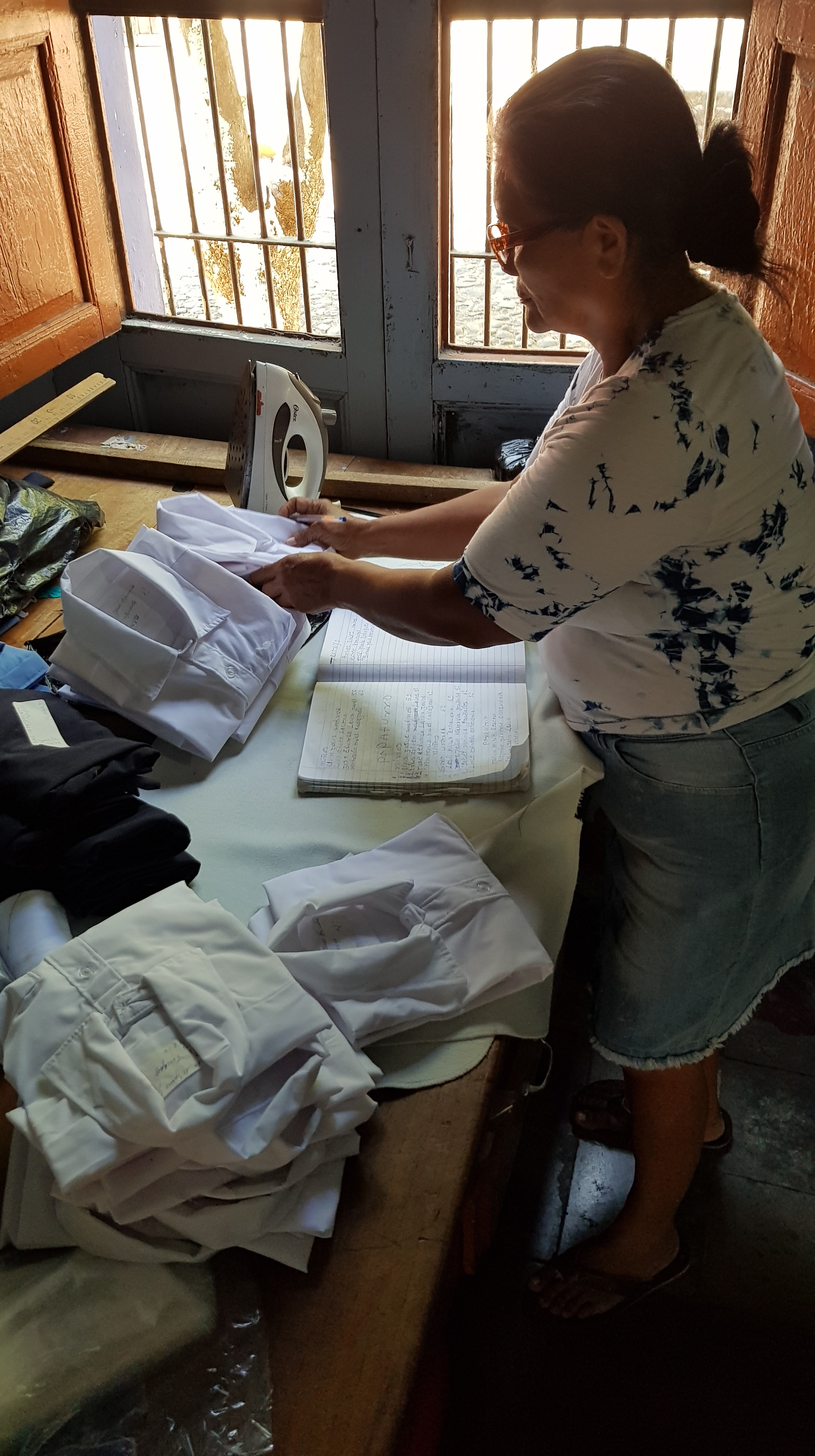
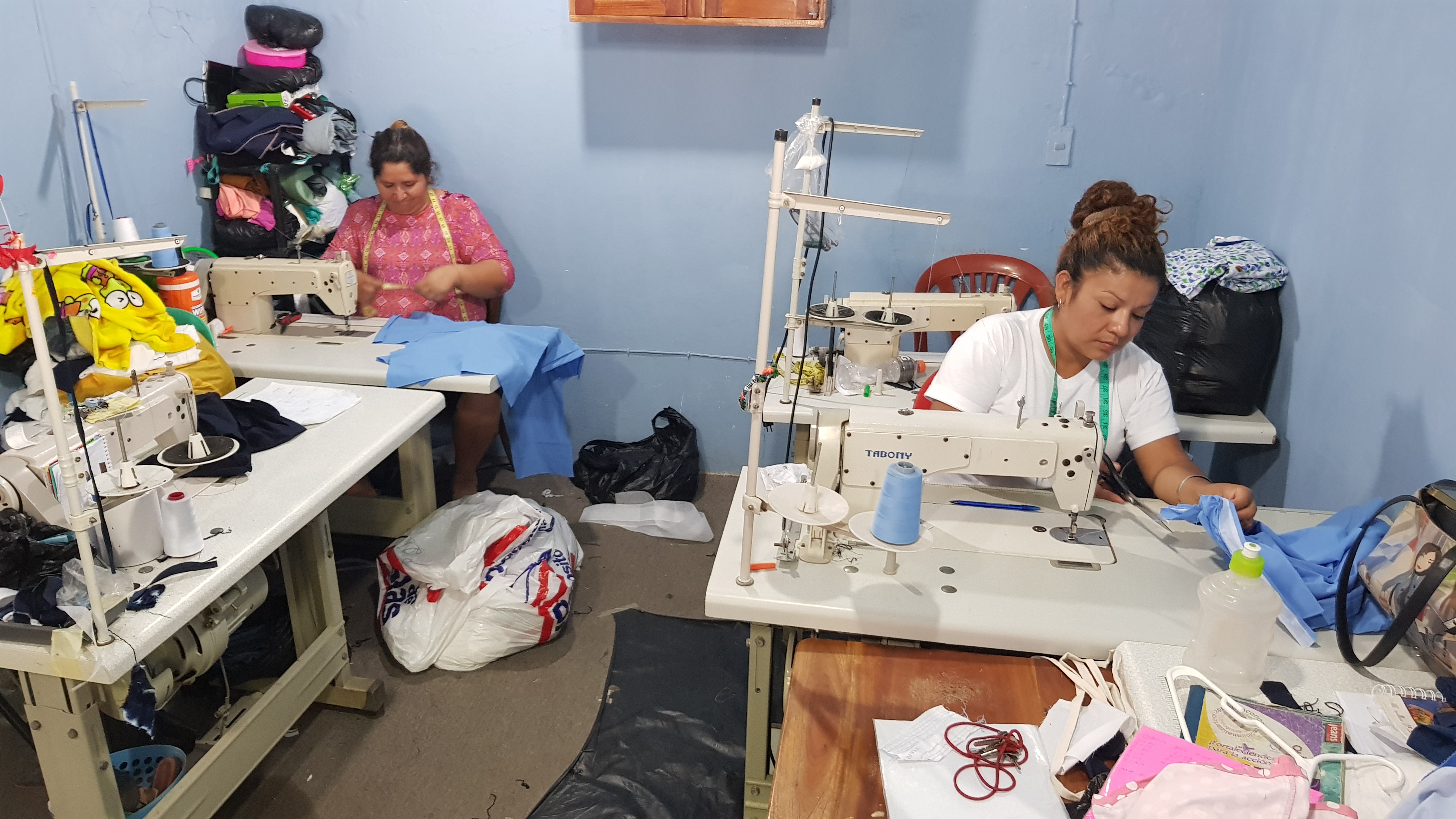
Nearby is a women’s charity ‘Women against violence’ who specialise in making clothes with indigo. Indigo used to be one of El Salvador’s main crops until the arrival of coffee. They specialise in that 1970s staple…tie-dye clothing.

As I’m not a hippy or a loony leftie, forego the opportunity of buying such garments.

Across the road is the local theatre. During the civil war one of the directors was friendly with a military person. One day he was tipped off to vacate the town as they were going to bomb the area because of all the left wing guerrillas in the vicinity. In order to protect his theatre, he invited the US Ambassador to a gala performance he hastily arranged for the night of the bombing. He then invited the Canadian Ambassador and said the US Ambassador had been invited. Likewise, the Mexican Ambassador and other dignitaries. He then rang his friend back in the military and told him that on the night of the bombing all these ambassadors would be attending a gala performance in the town. The bombing was called off, his theatre was saved and he became something of a local hero.

Given a brief overview of the El Salvadoran Civil War. In a nutshell. The lower working classes were fed up working for low pay and poor working conditions. Over a number of years they assembled themselves under the umbrella of FMLN (Farabundo Martí National Liberation Front) and started uprising and protesting trying to win a better deal, which led to the right wing government suppressing them through death squads, which led to guerrilla warfare, until the Peace Accord in 1992.

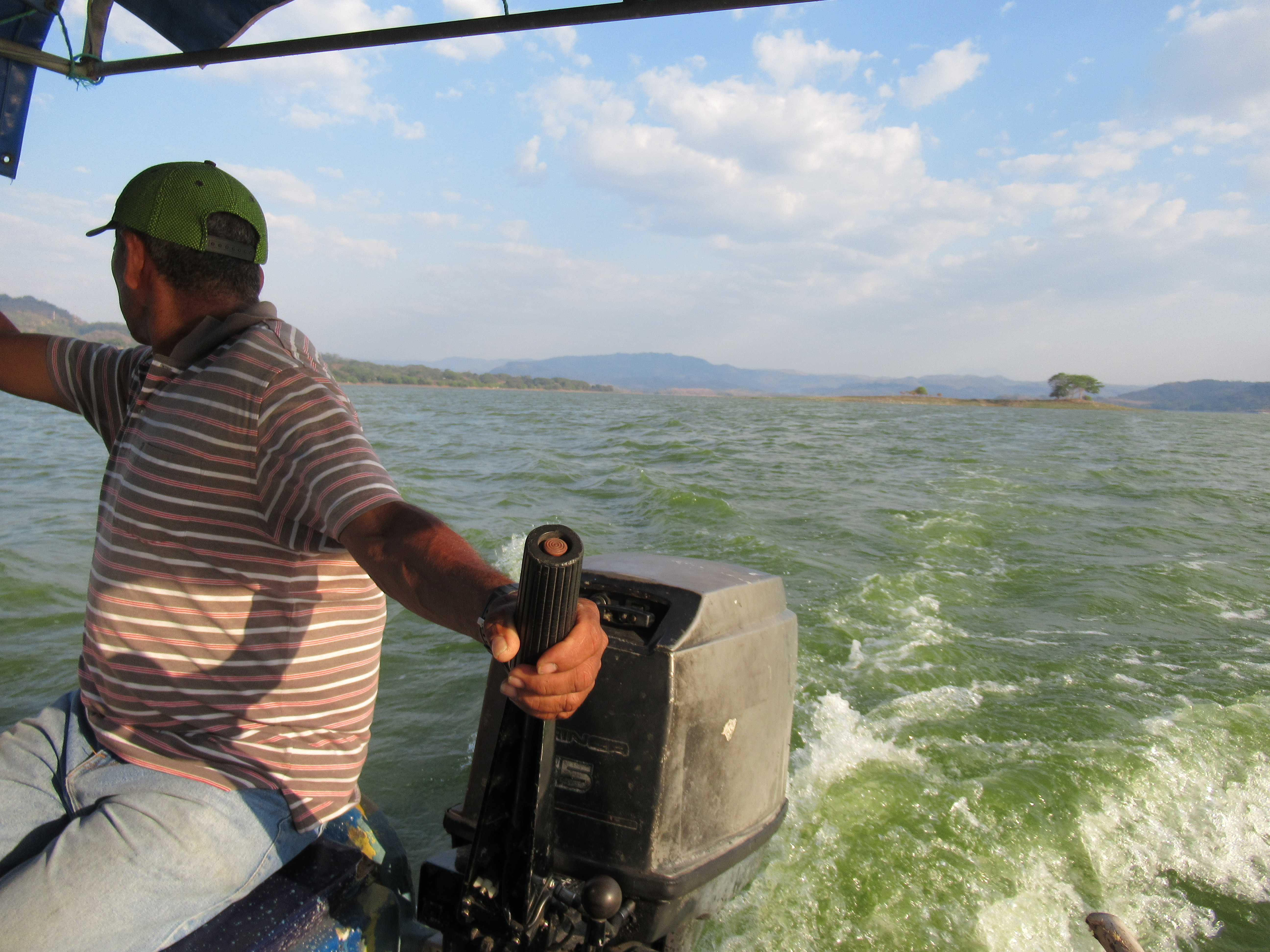
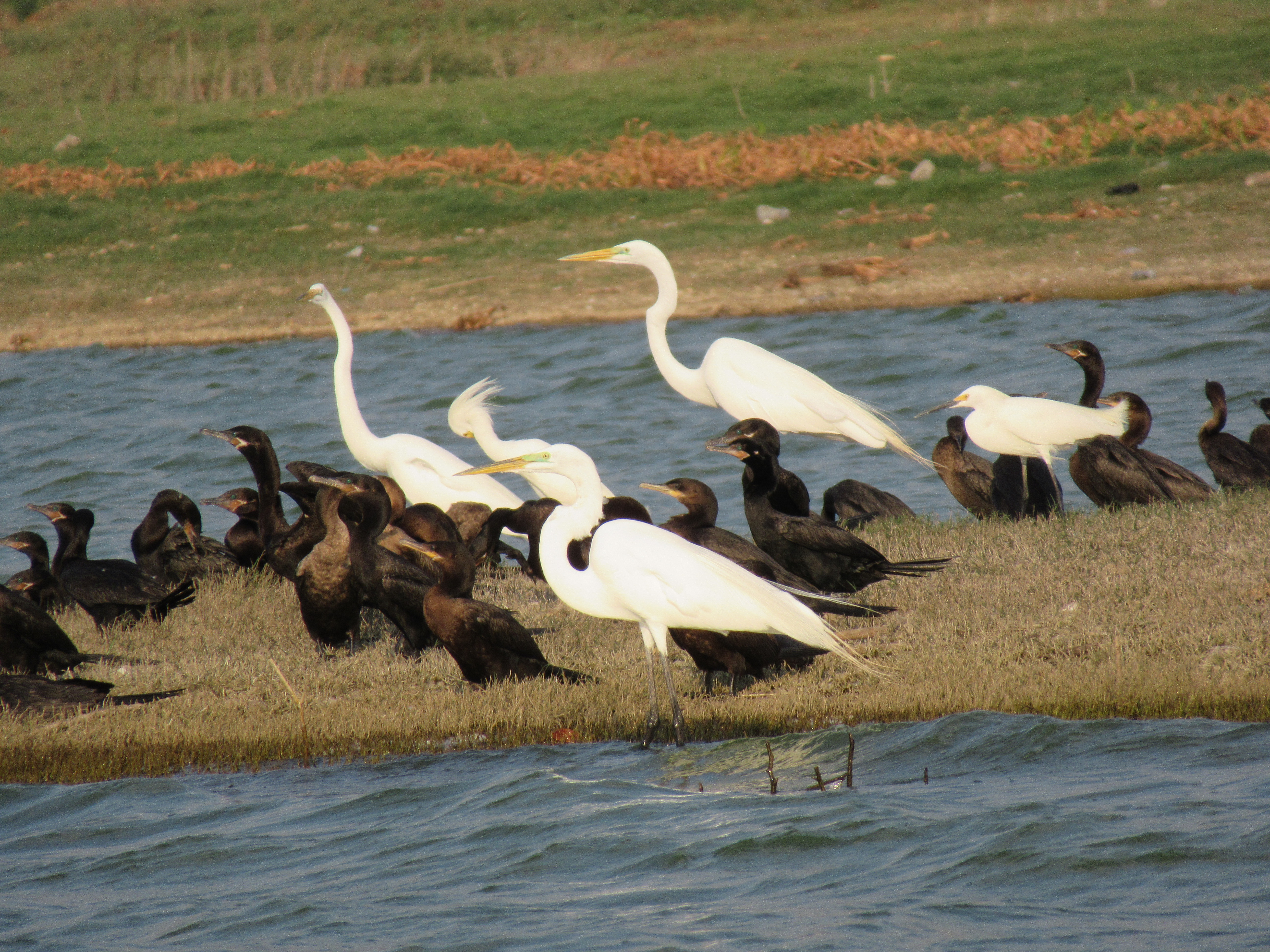
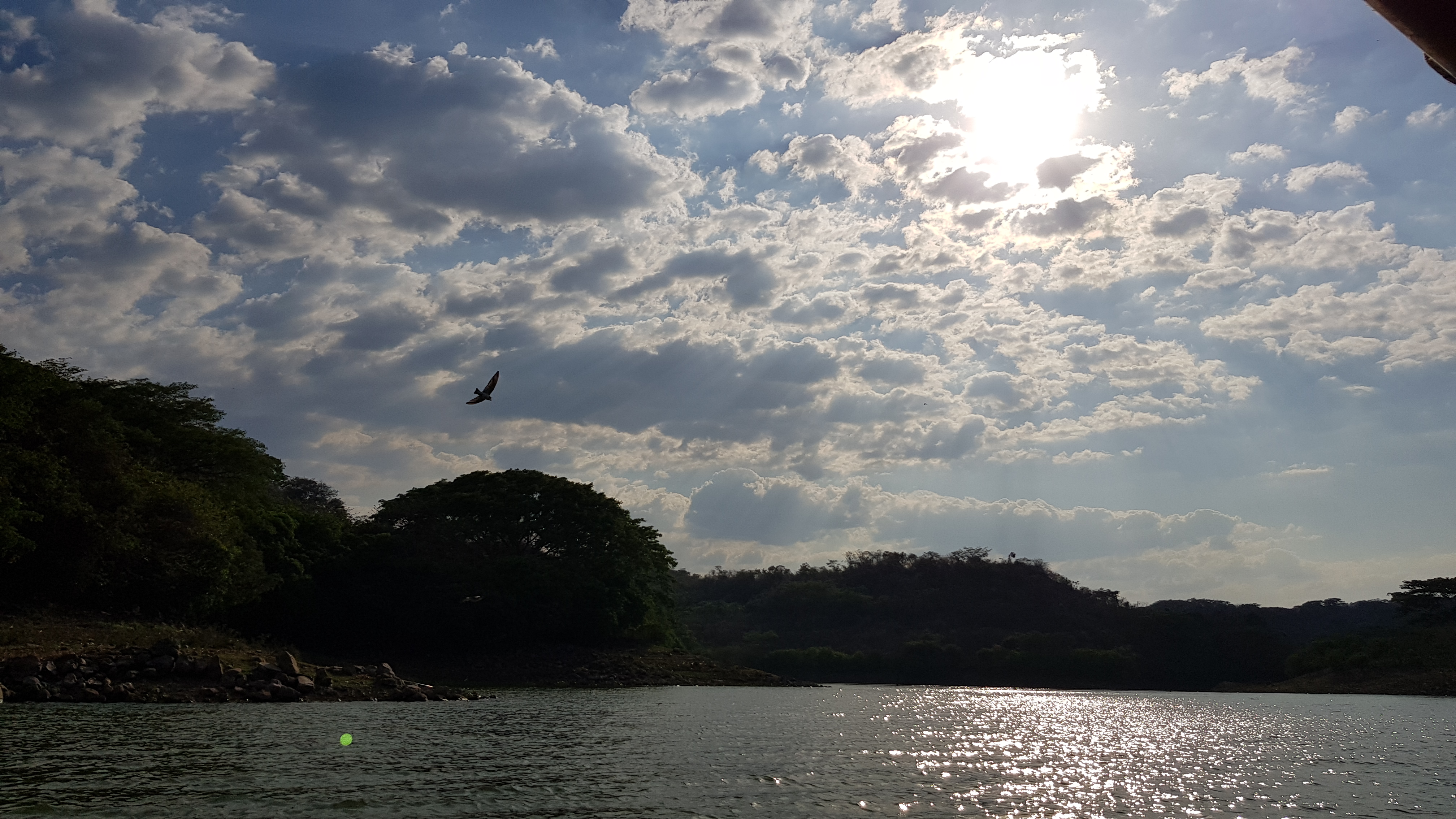
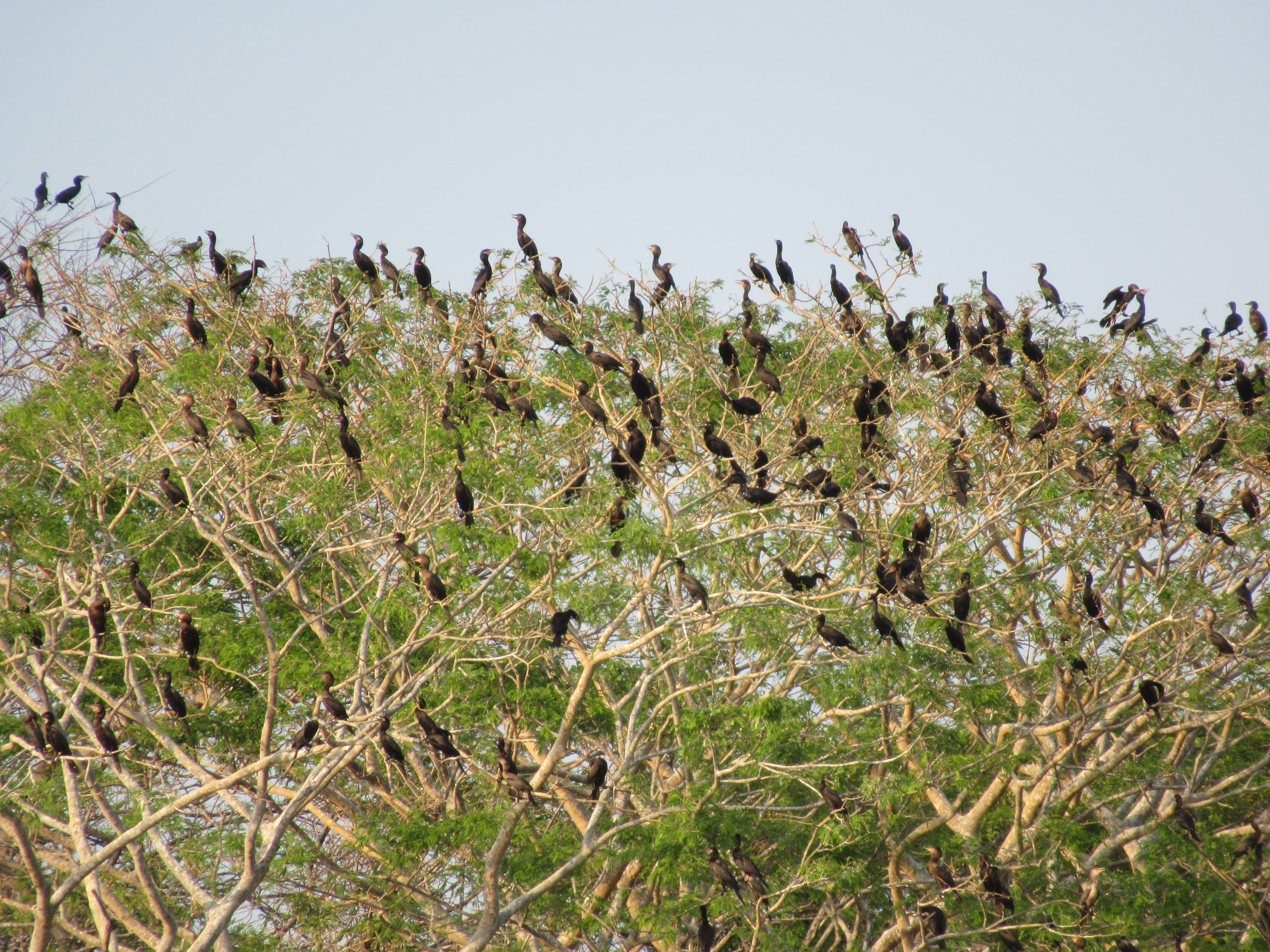
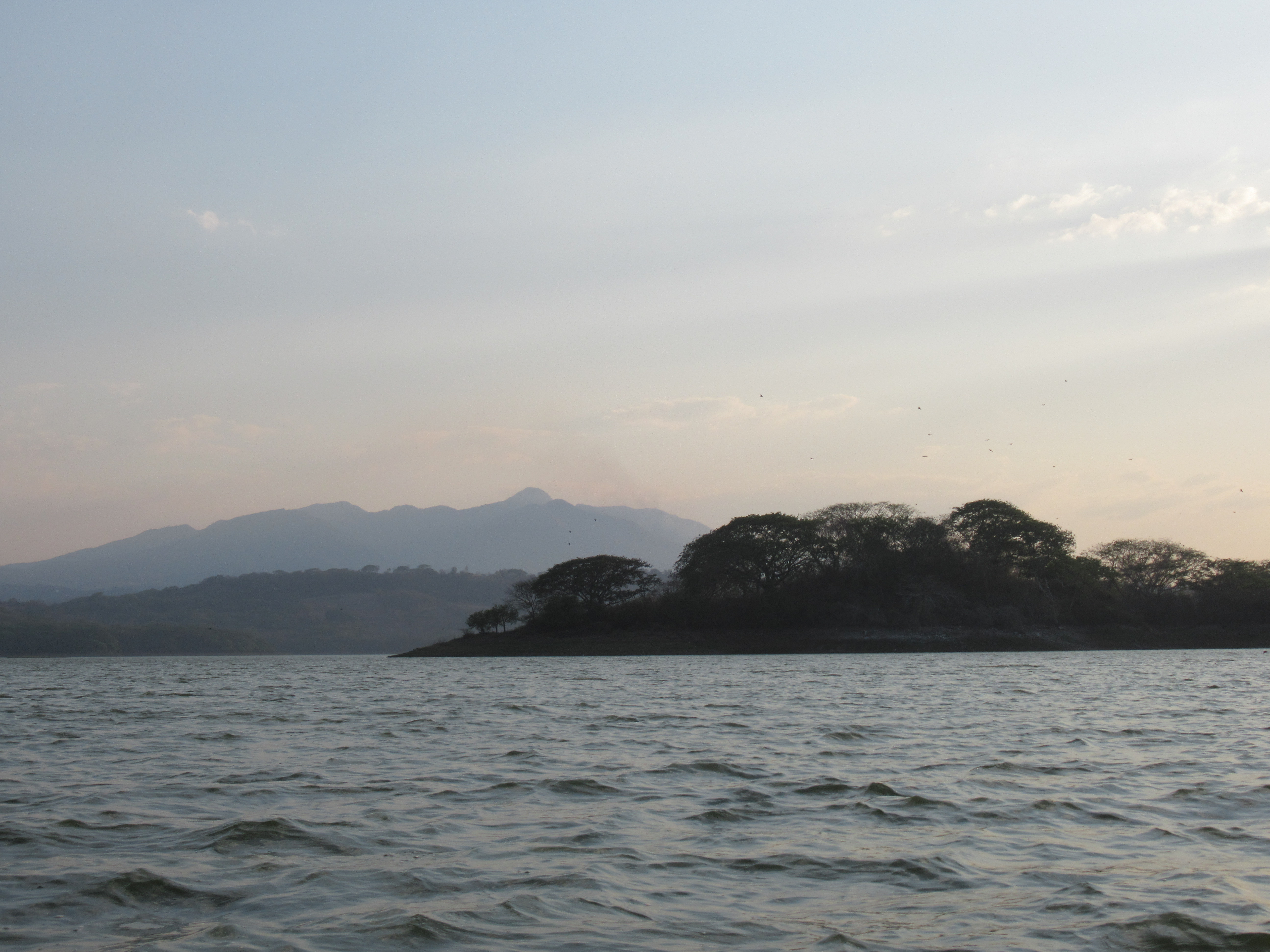
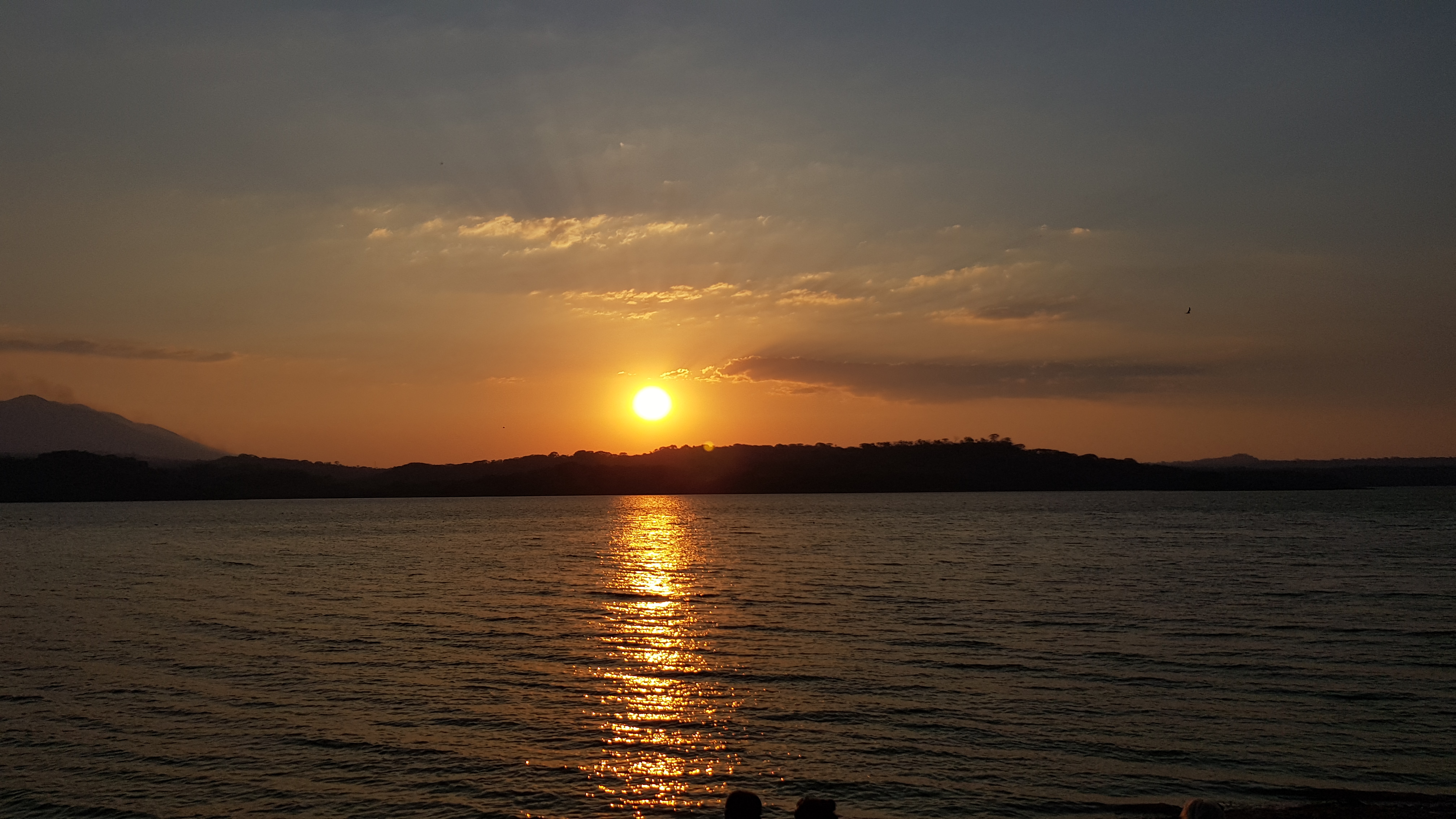
Afternoon boat trip on the lake. To see the birds. But. Once you’ve seen one egret and one cormorant. You’ve seen them all. Nevertheless, the highlight is a stop at San Francisco Lempa. To see the sunset. Across the lake.

A rather pleasant end to yet another interesting and fun day.

El Salvador.

The gift that keeps on giving.

Put it on your bucket list.

It’s been a highlight of the trip.

84. Loving El Salvador

Saturday, 16 March 2019

Suchitoto, El Salvador

Awesome start to the day having breakfast on the roof terrace overlooking Ataco. We’re all loving El Salvador.

And it’s not over yet.

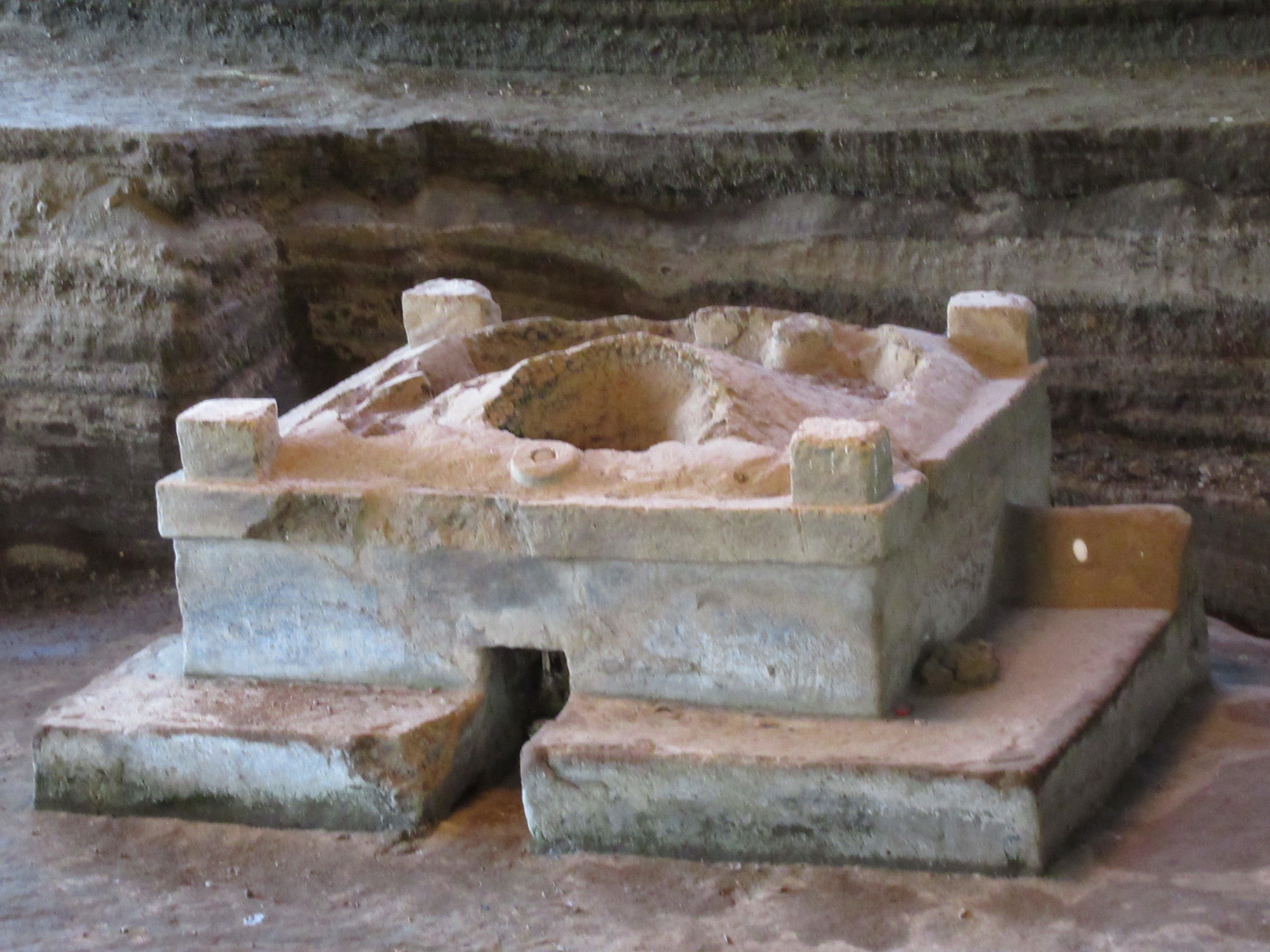
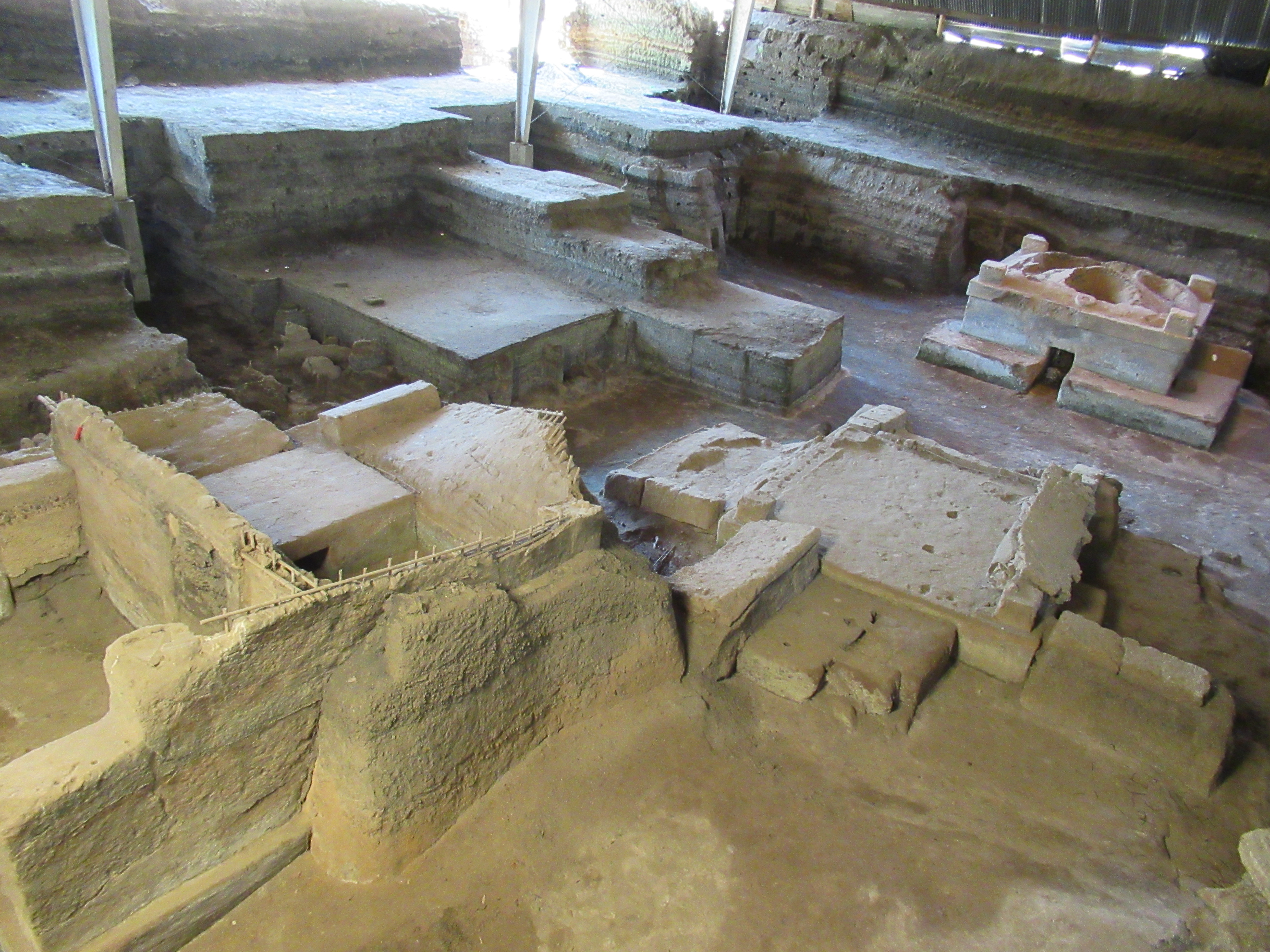
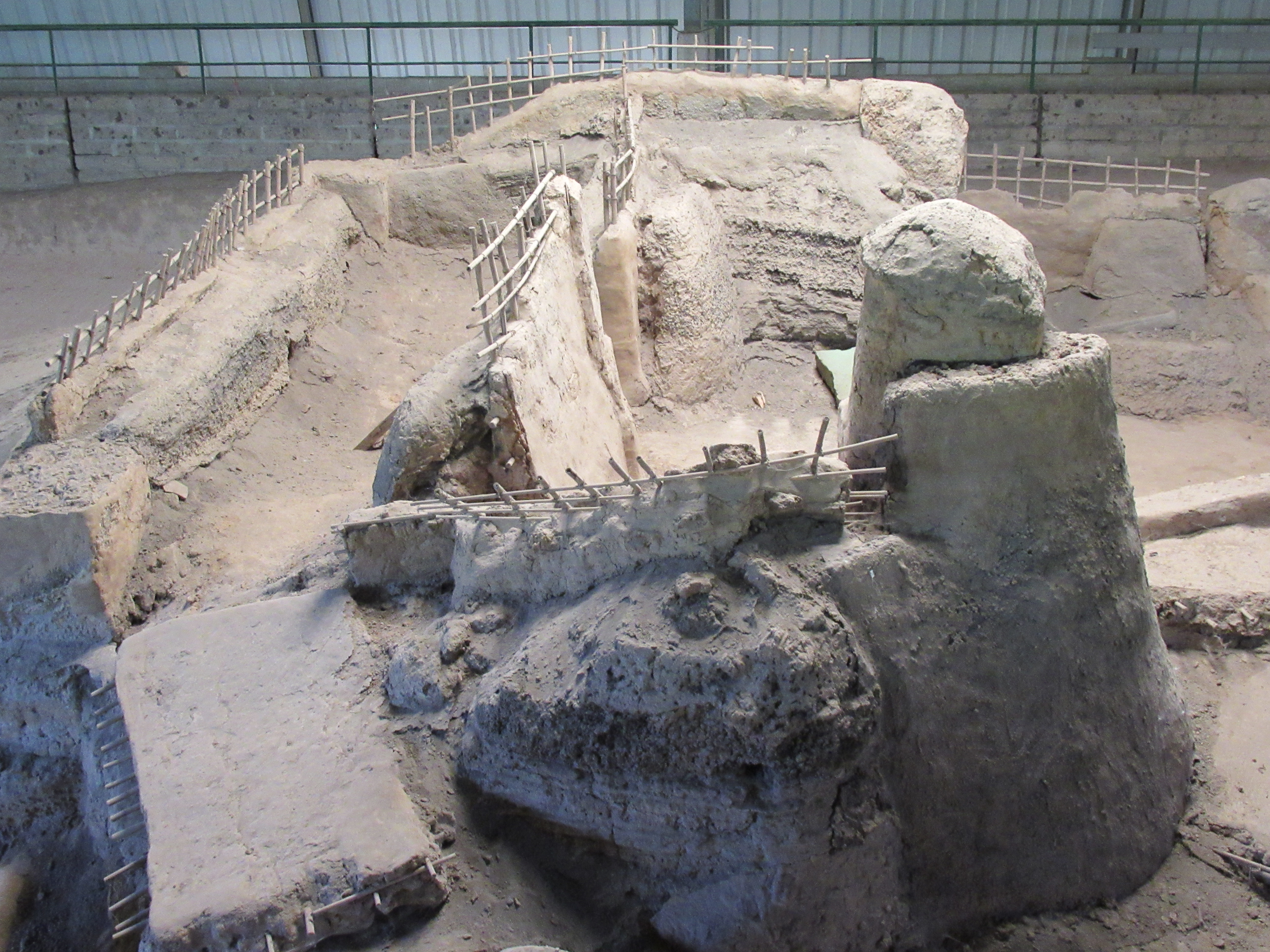
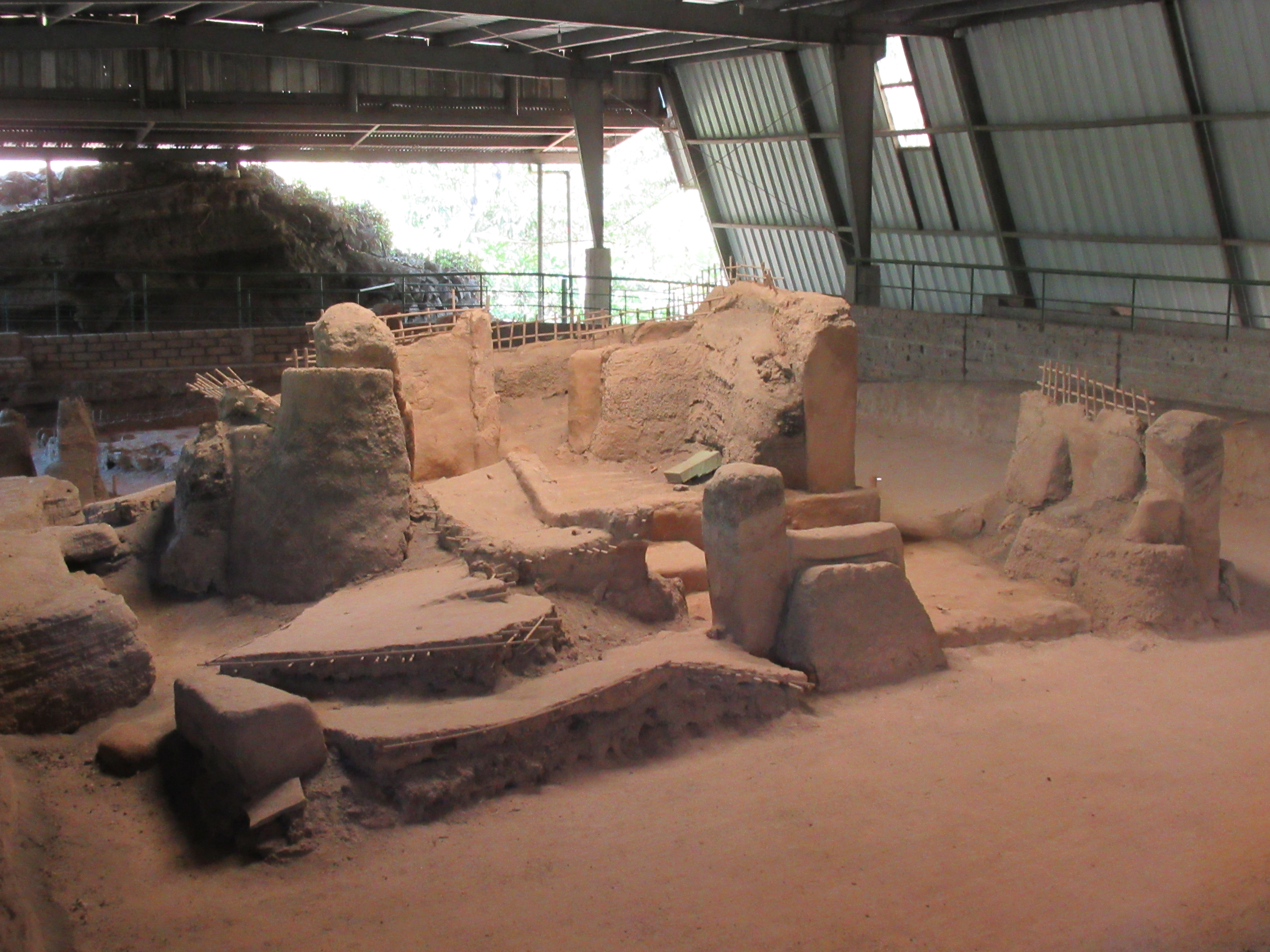
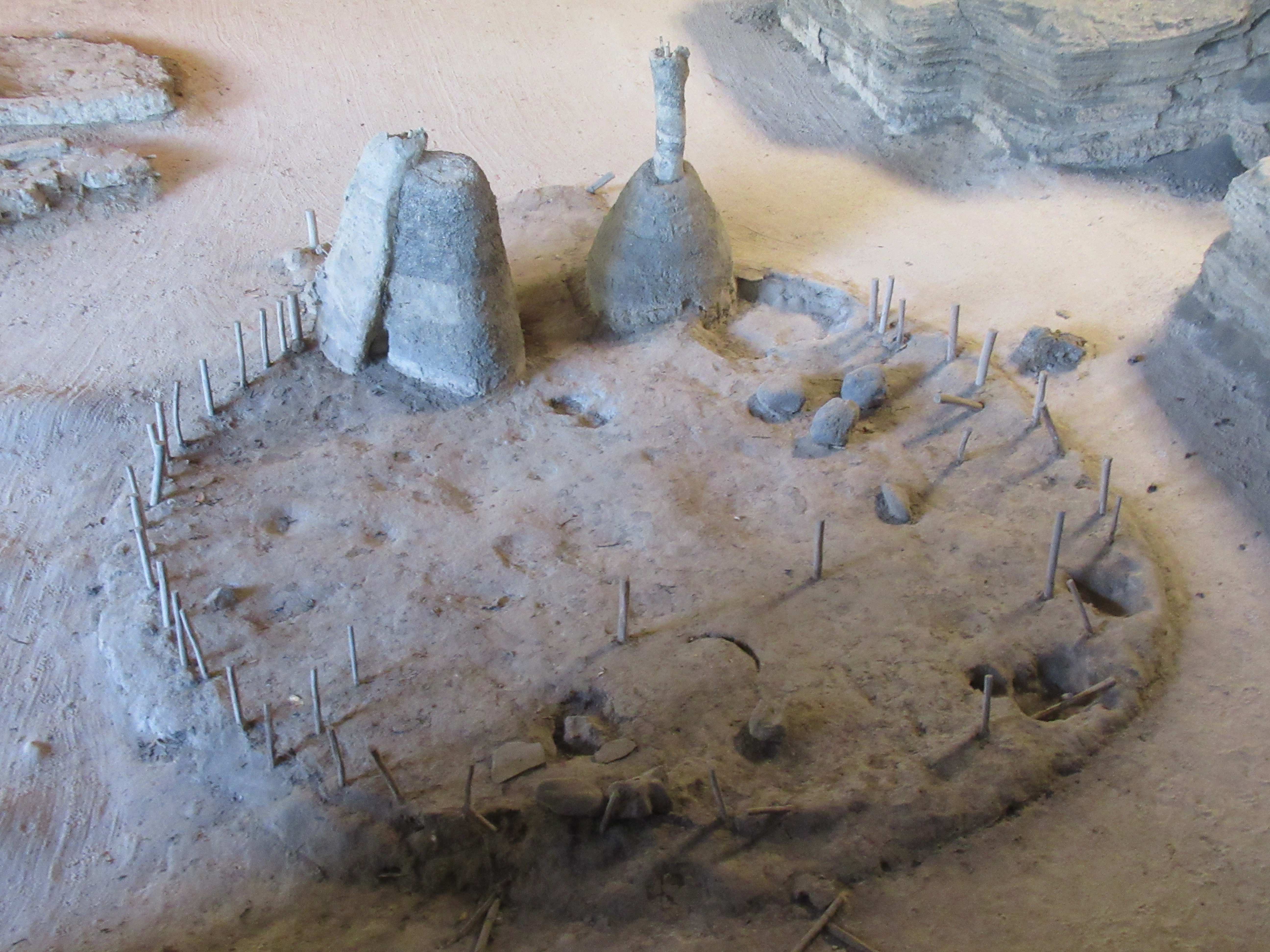
At Joya de Ceren, are the remains of a Mayan village that was covered in volcanic ash in about 650AD. It’s El Salvador’s Pompeii.

Only discovered in 1972 when workers were excavating for foundations to build a new development. Such was the archaeological interest in the site that NASA were involved in scanning the ground to determine where best to start investigations. The volcanic ash petrified the small village and you can even see the stalks of maize still popping out of the ground that were petrified. The huts are so well preserved by petrification that they look like they have recently been built, yet they’re 1400 years old. There’s a shaman hut, sauna, storage and living hut.

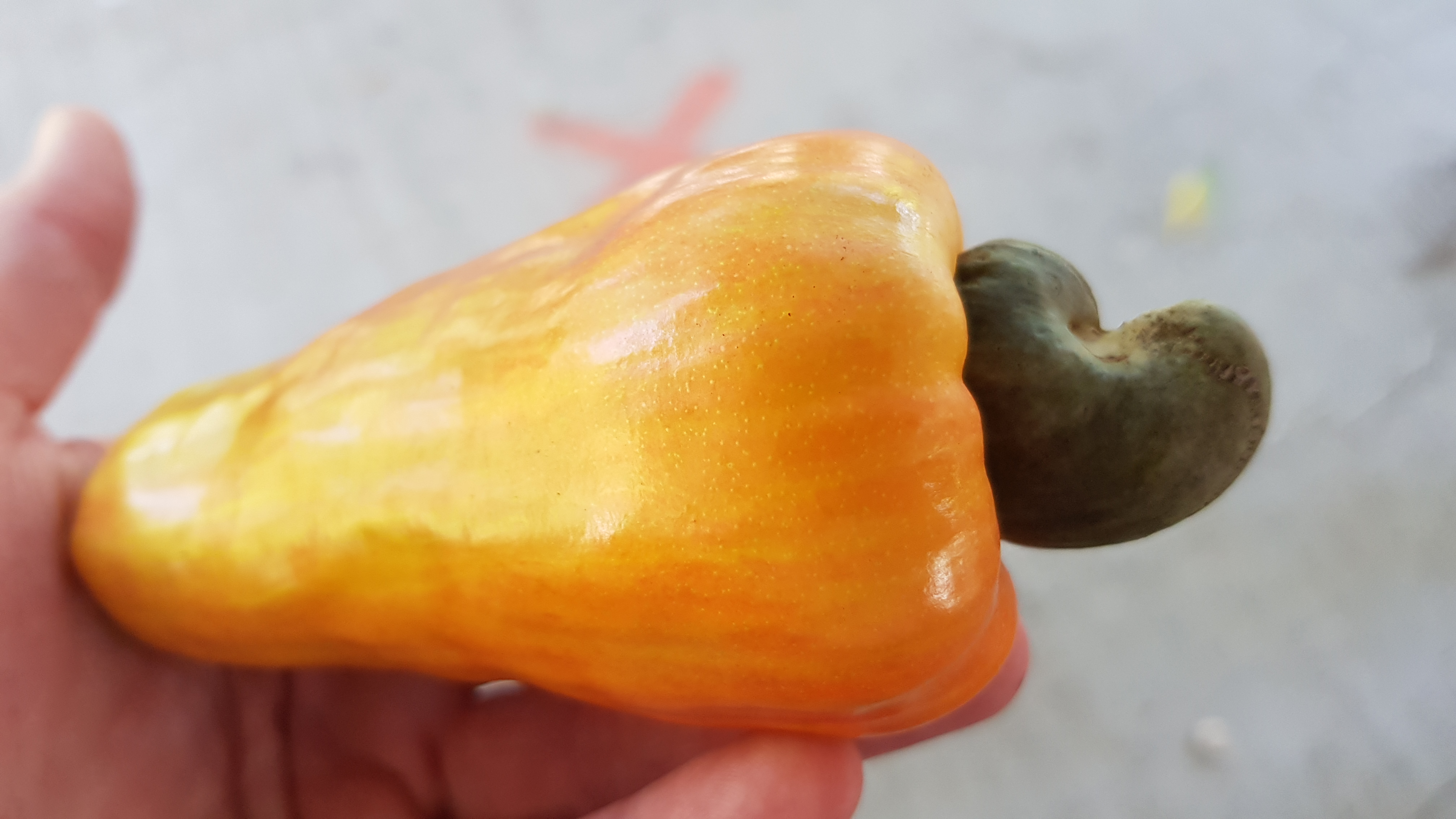
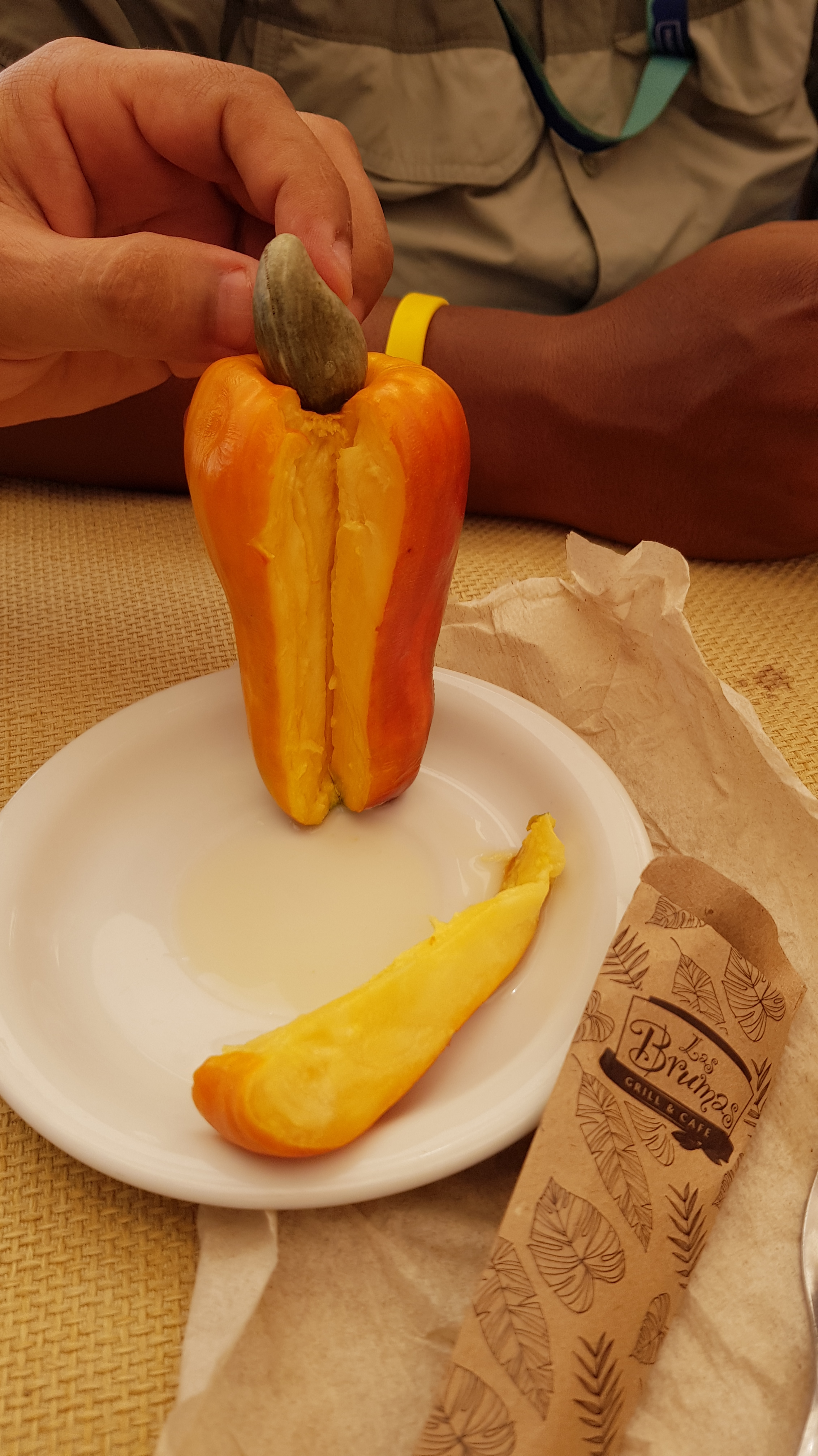
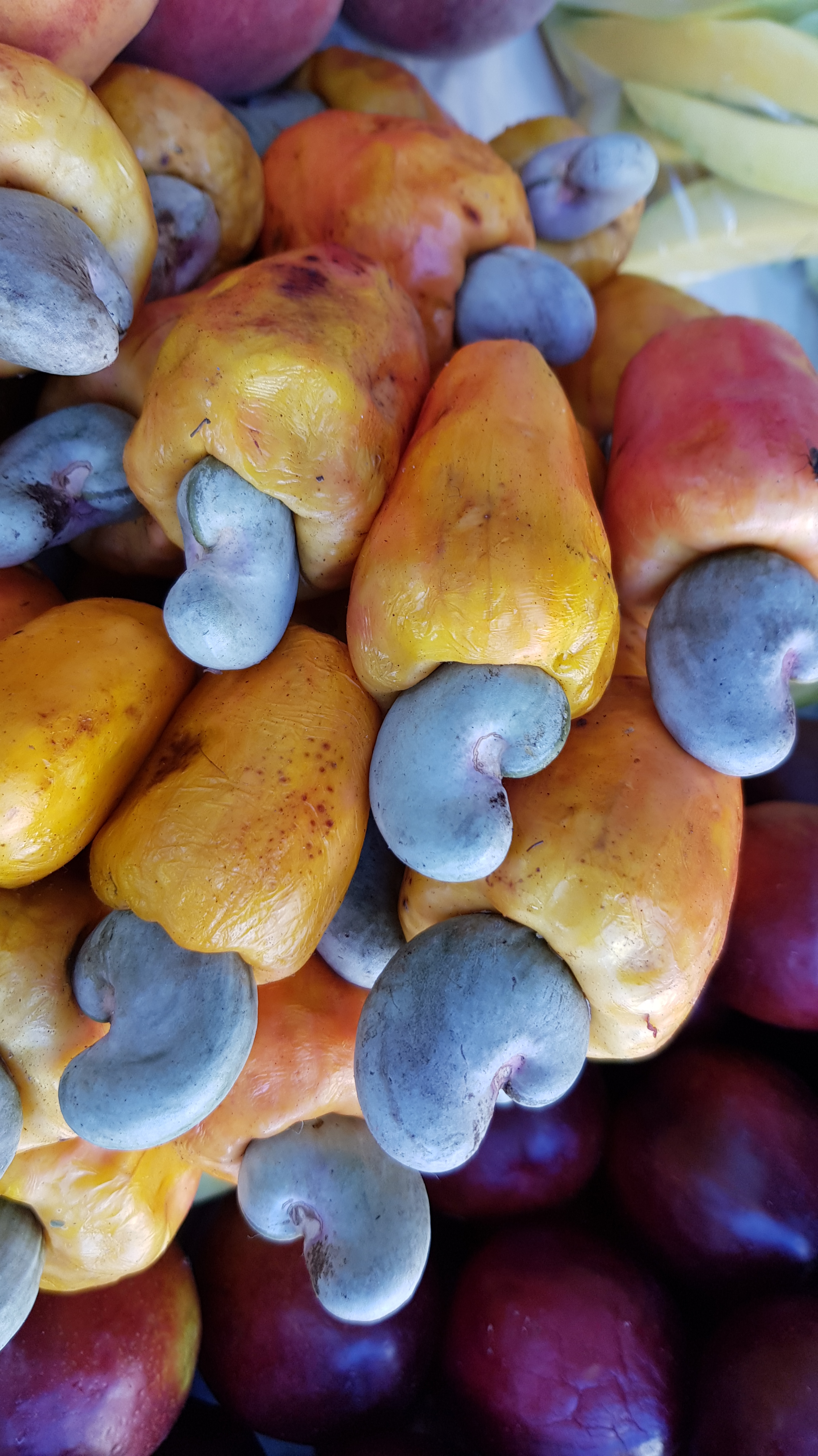
A cashew tree stands in the gardens surrounding the site. Now. Have you ever wondered where a cashew nut comes from. Having never thought about it and never seen a cashew tree it’s quite surprising to see. A large orange fleshy fruit with a greeny/grey kidney shaped thing at the end, which contains the cashew nut. Cutting open the orange fleshy piece reveals a mango like texture which can be eaten (see photos below).

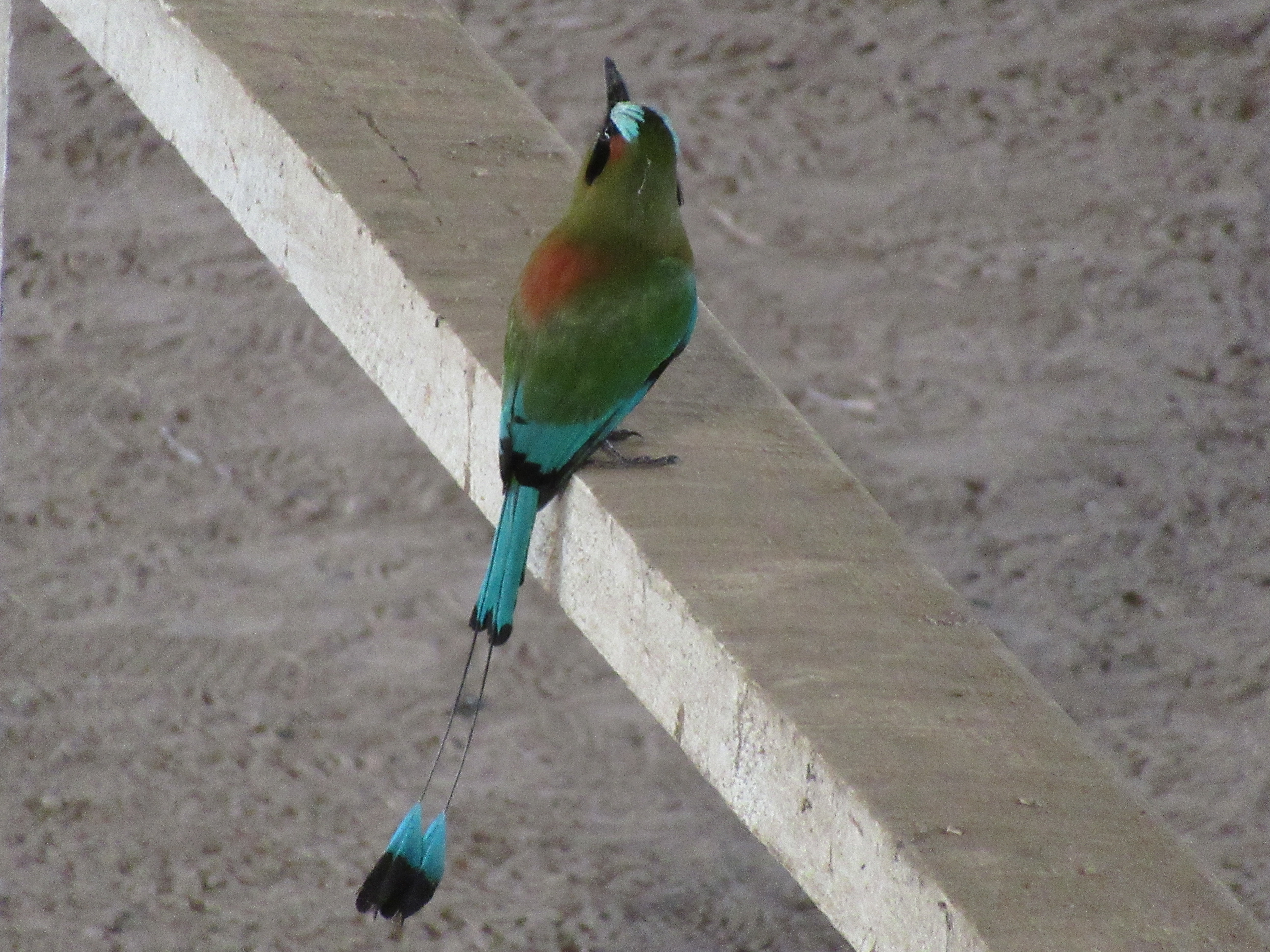
Flying about the rafters of the roof protecting the buildings are motmot birds. The national bird of El Salvador. Brightly coloured with a long tail. Called the motmot because of the noise it makes.

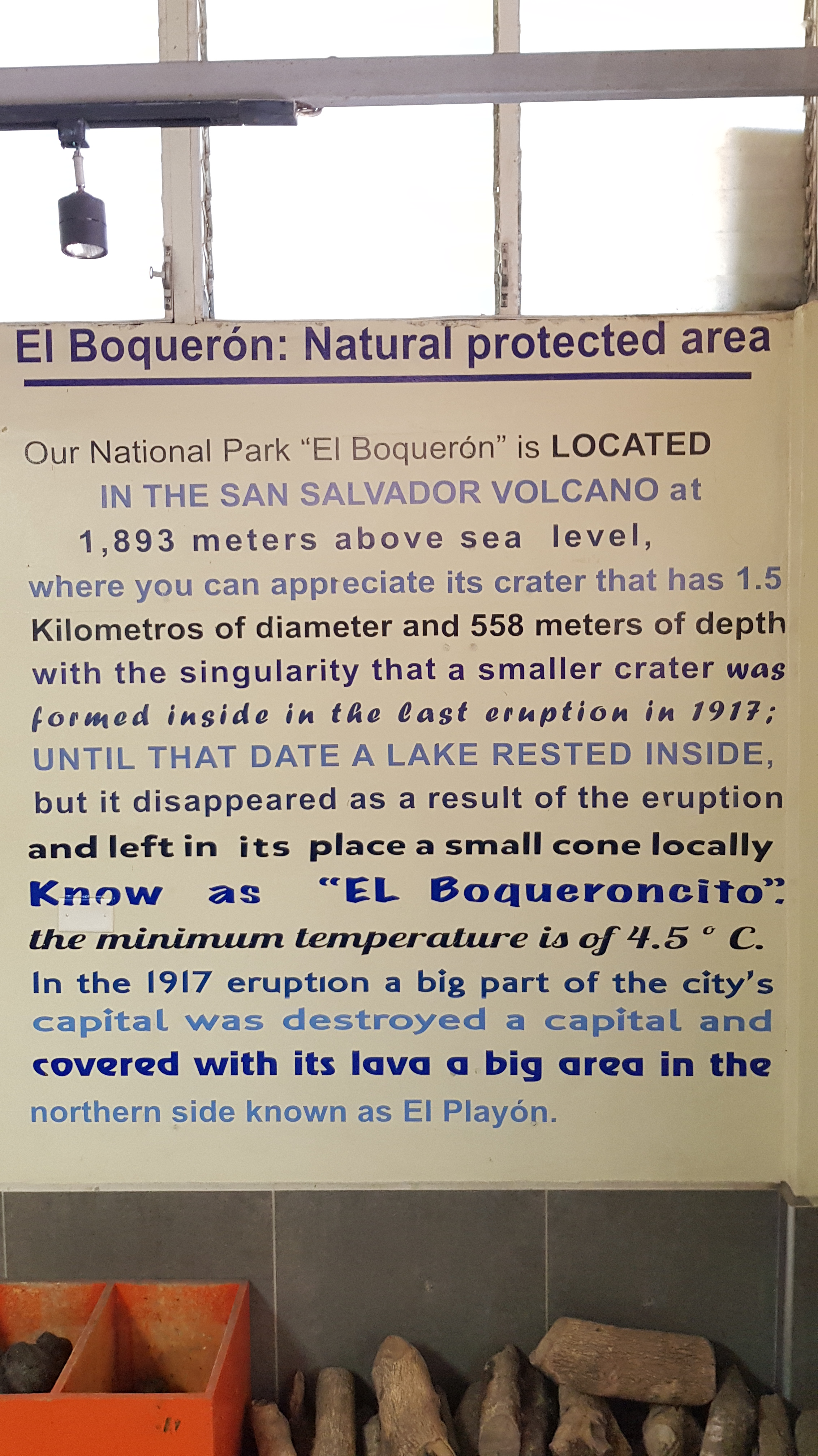
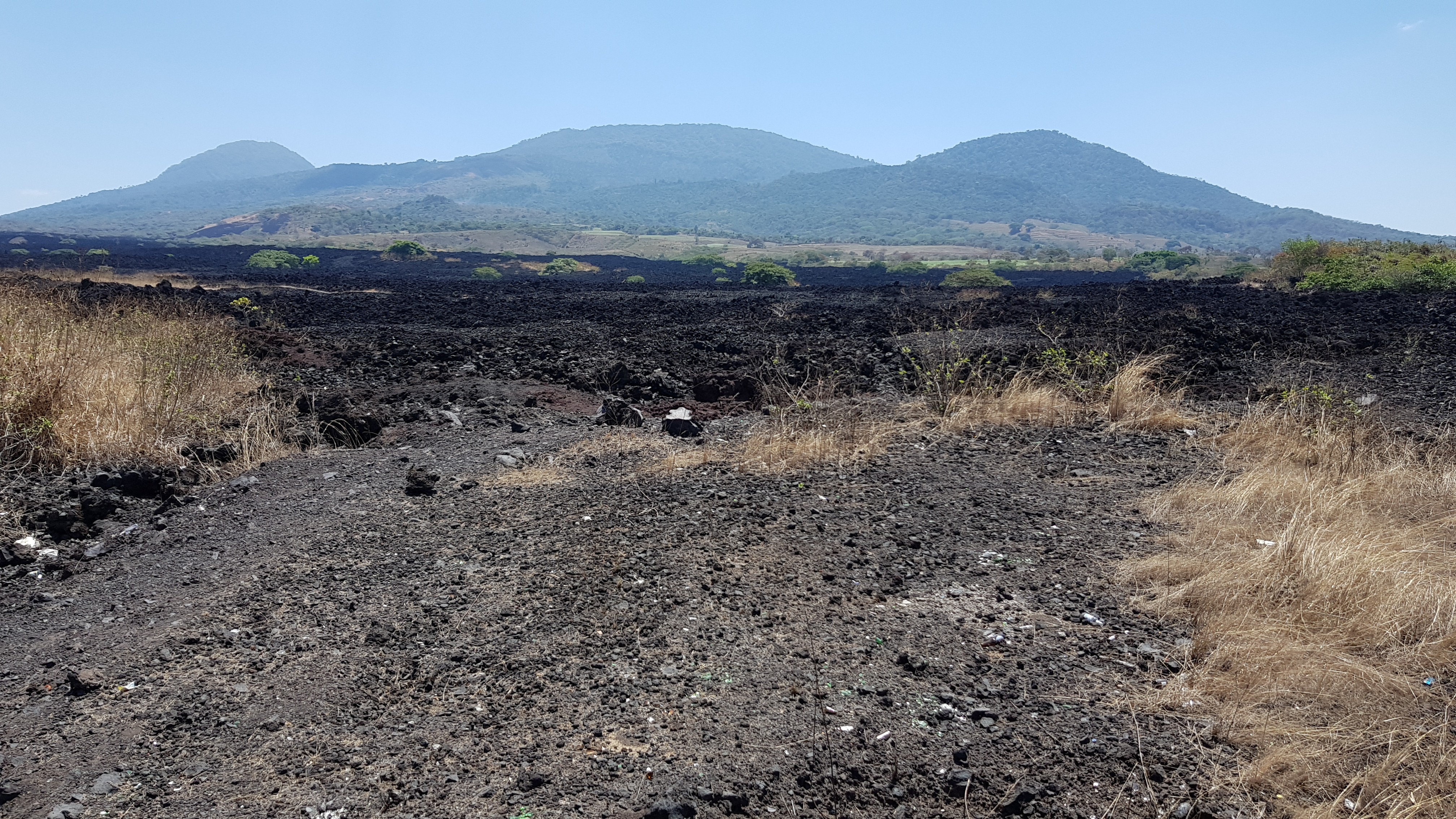
As we drive along the valley at the base of the Boqueron volcano see a vast black lava field following its eruption in 1917. Not being able to be cultivated it remains a sea of black in an otherwise lush green valley. Steep drive up the side of the volcano followed by a steep walk up to the rim through the woods. Once at the rim, it’s an impressive sight looking down into the caldera. Prior to the 1917 eruption the original caldera was a large lake. Now, it contains a secondary crater and the whole area is dry.

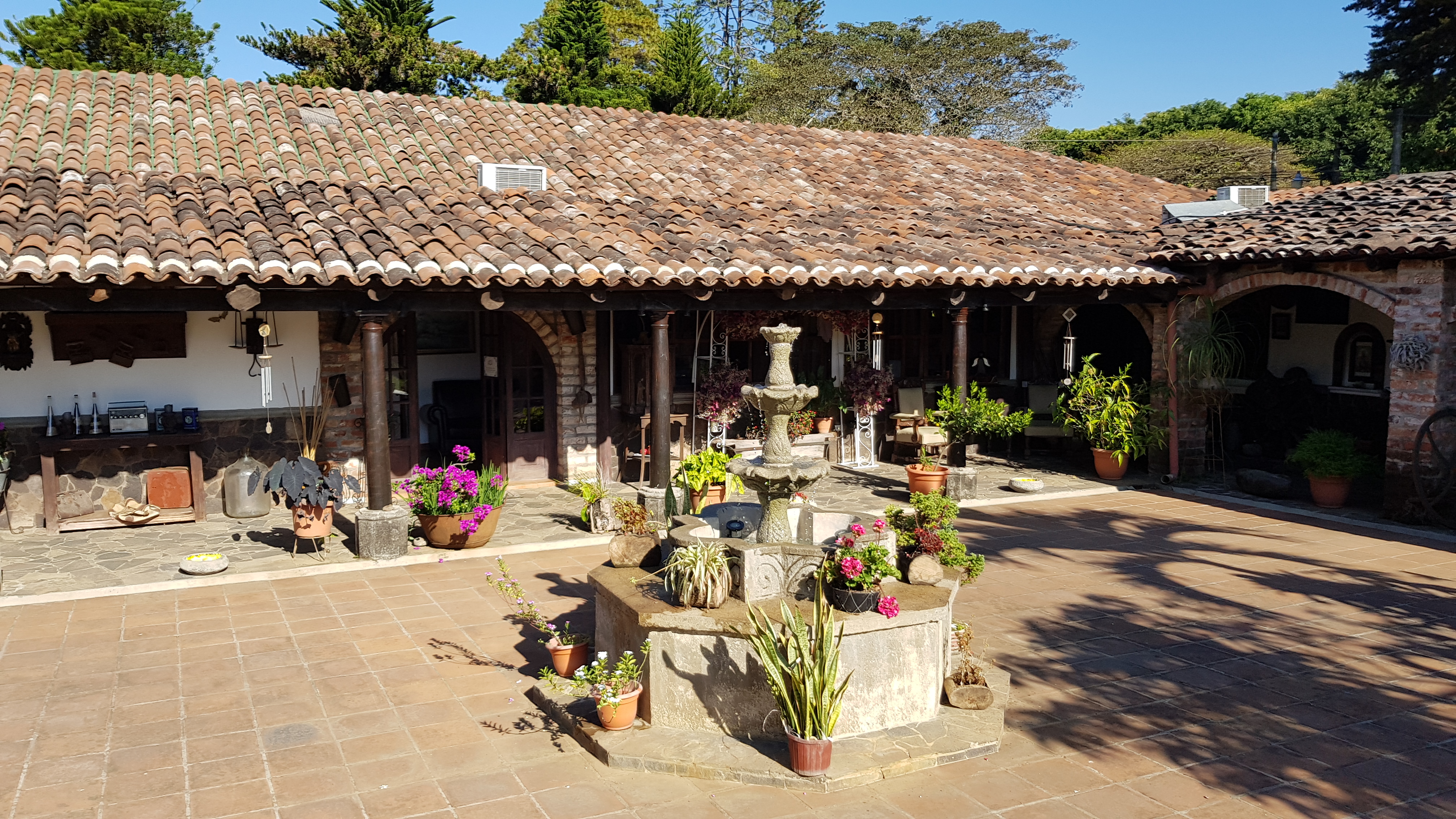
Arrive at Posada Suchitlan (http://www.laposada.com.sv/) on the outskirts of the town. Basic hotel set in a courtyard but with amazing views over the lake.

83. Left wing revolutionaries

Friday, 15 March 2019

Ataco, El Salvador


Great start to the day sitting outside on the terrace eating breakfast surrounded by lawns and a rustic courtyard set against a bright blue sky. Life is good. Very good. We’re all very happy where we are. This is a nice place to spend a few days.

Morning spent driving to three local towns to see the markets, churches and museums.

People. Places. Things.

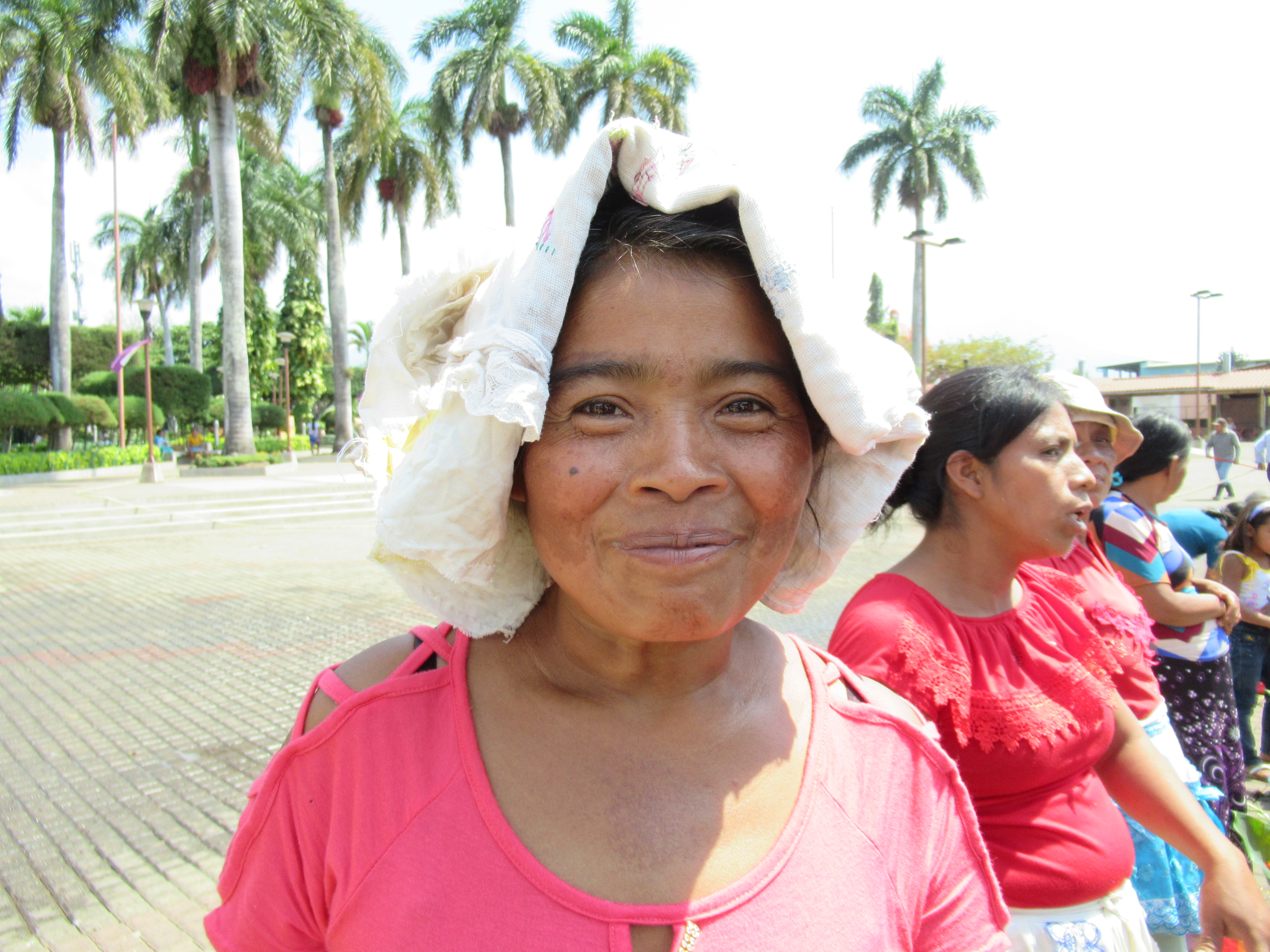
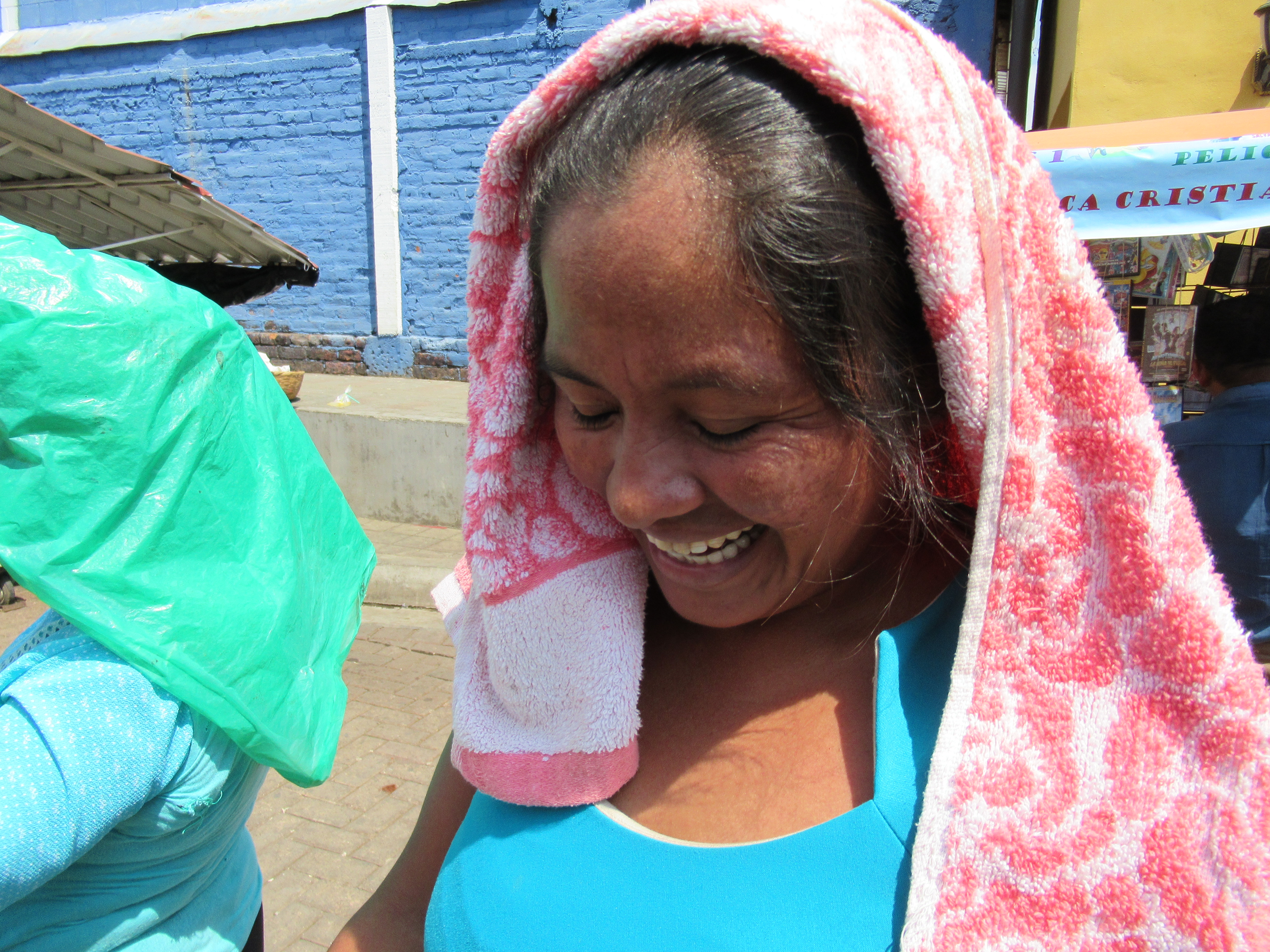
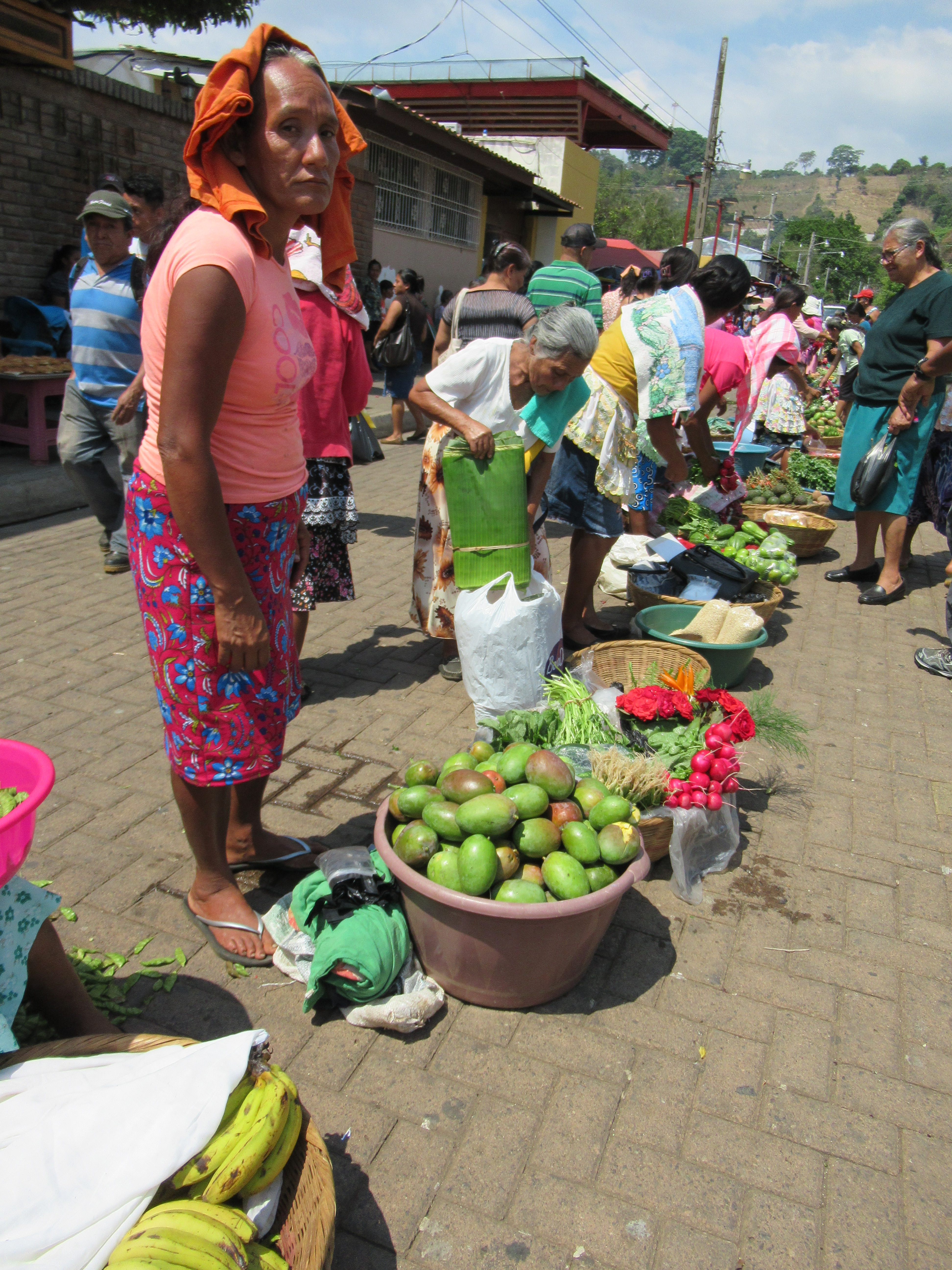
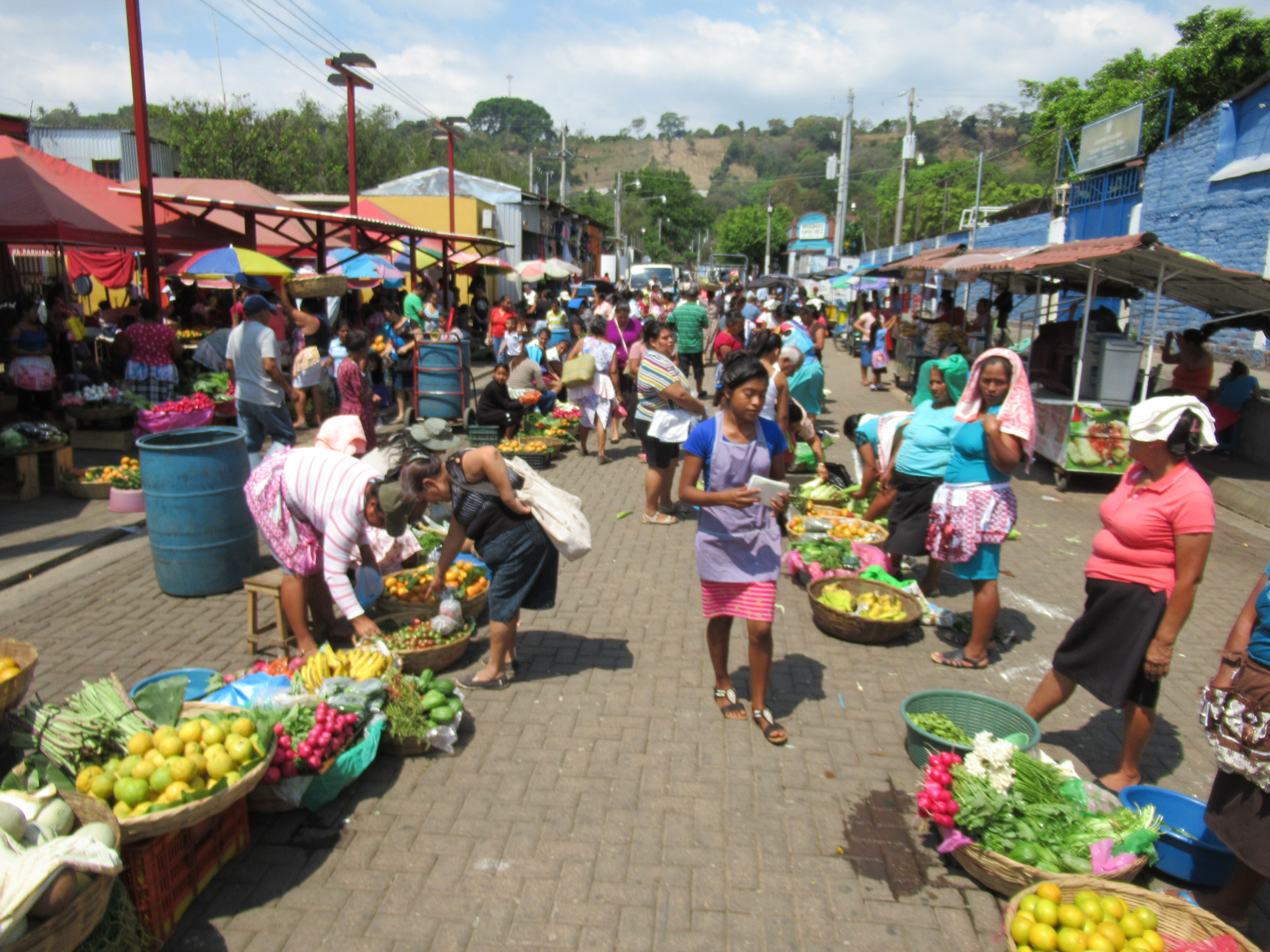
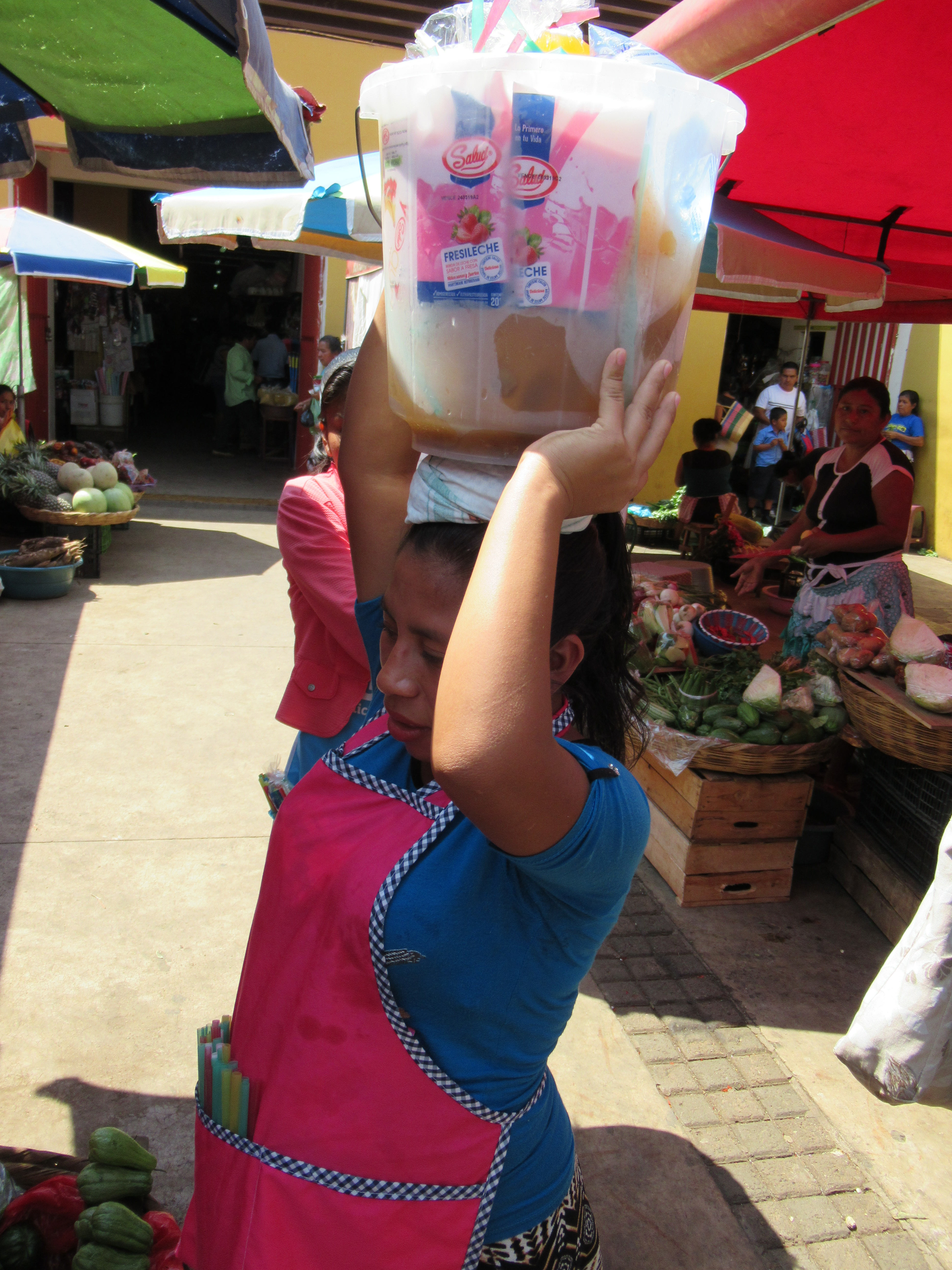
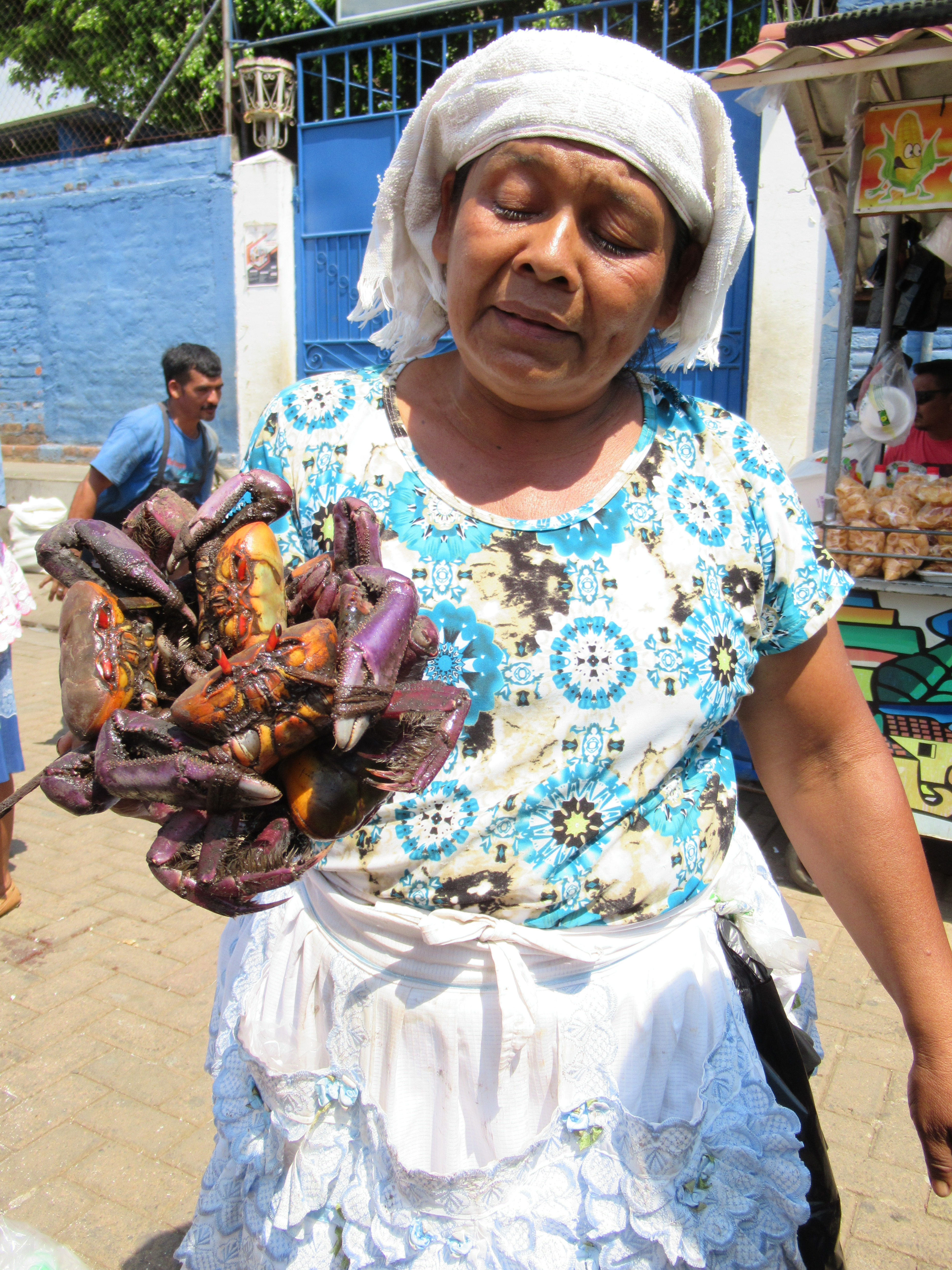
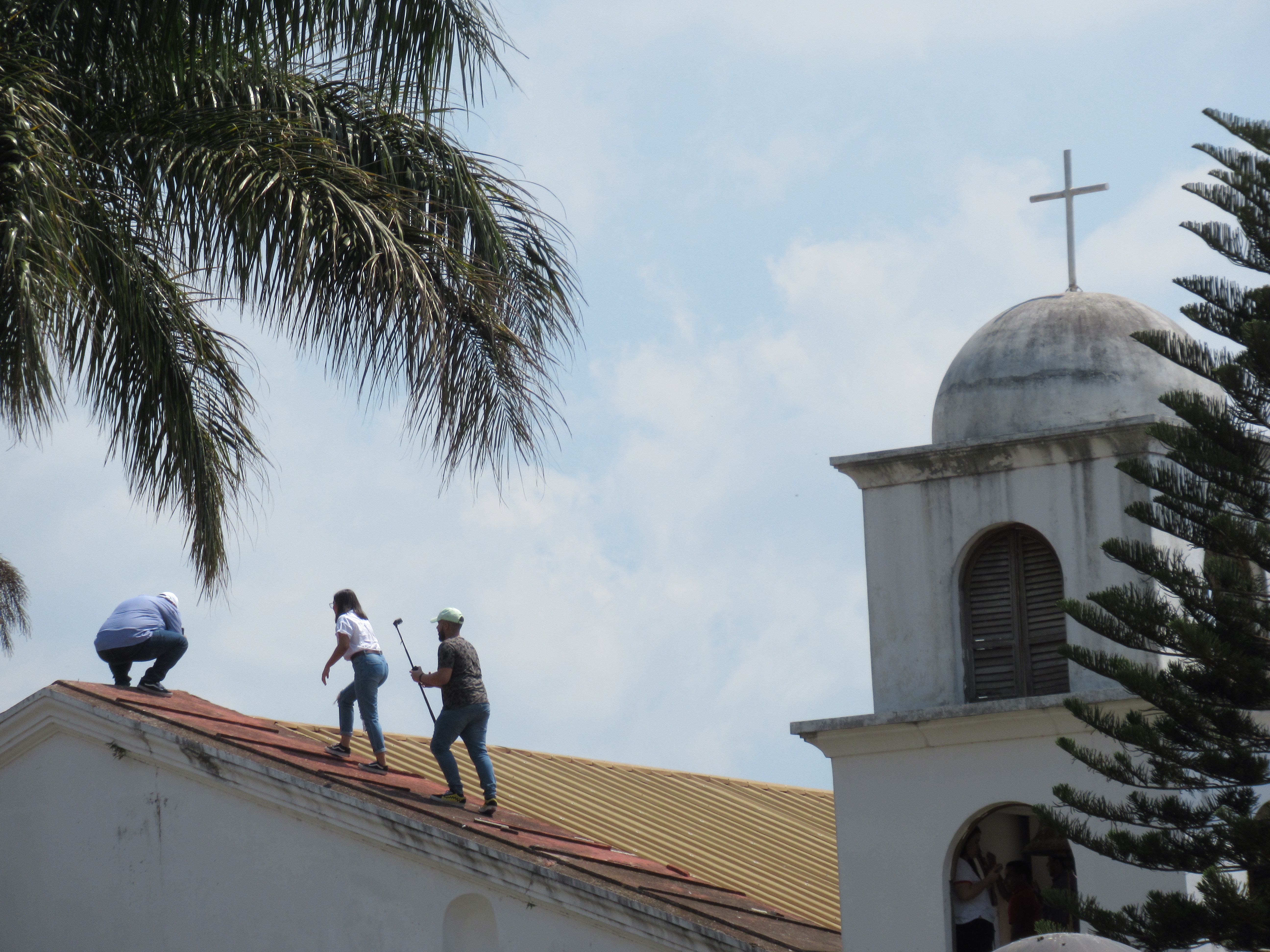
As is usual with all these small towns, there’s the central square with a church at one end. Entering Nahuizalco visit the local market. Plenty of fresh produce on display being sold by women in their brightly coloured dresses and most of them wearing a tea towel on their head to protect against the sun. See a woman selling fresh live crabs from a large bowl. Last time I saw crabs for sale was Alausi in Ecuador all those weeks ago. Seems a lifetime ago though. See some local tourists climbing onto the church roof through the belfry tower with a selfie stick. They climb to the top of the roof with their selfie stick. One of the more bizarre things I’ve seen on this trip. Small museum dedicated to the 1932 massacre of a number of peasants who were revolting against low pay and poor living conditions. It’s a precursor to what happened during the 1980s Civil War.

Can’t begin to tell you how friendly everyone is here in El Salvador. Feels very safe and not what we were expecting at all.

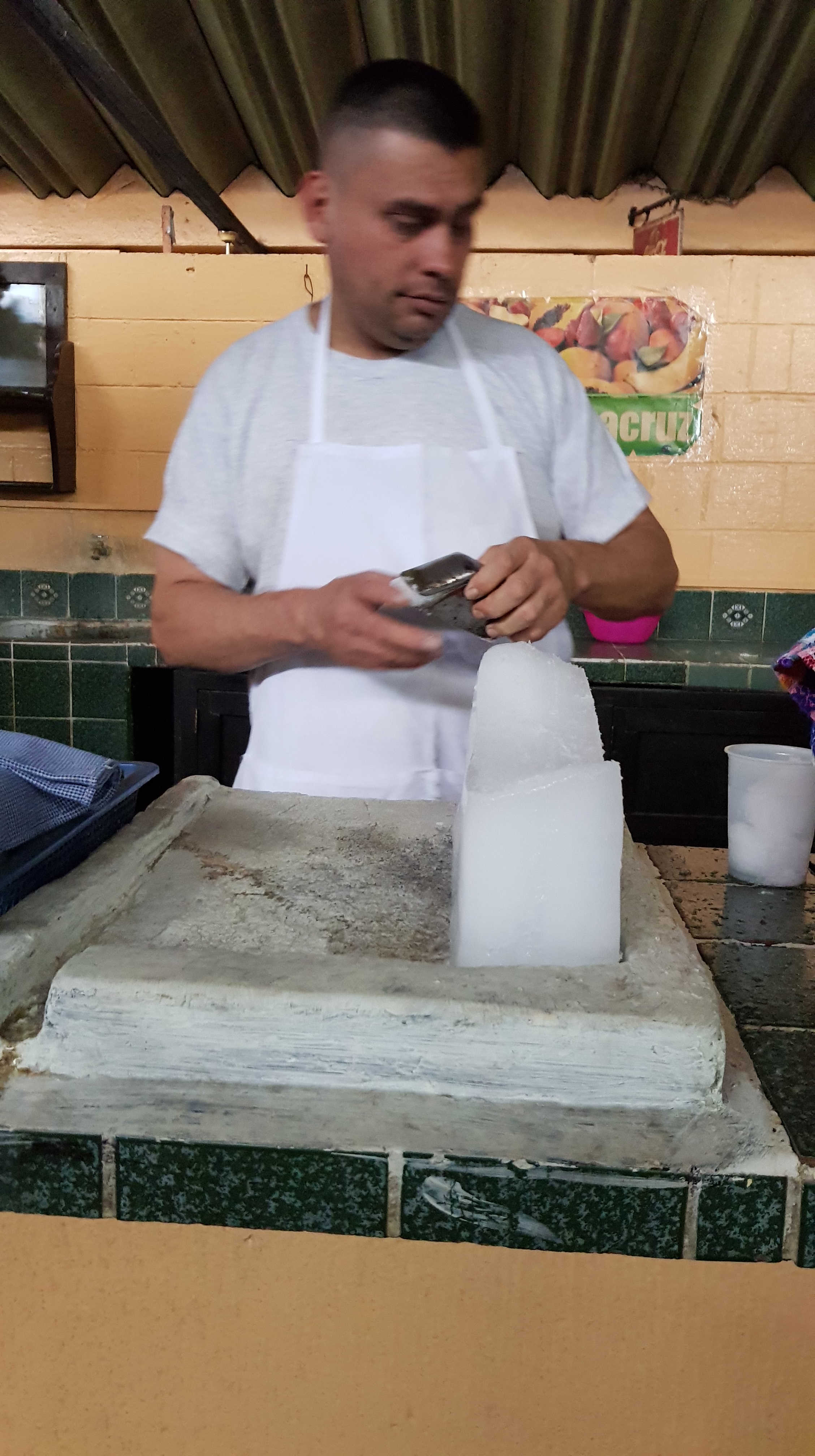
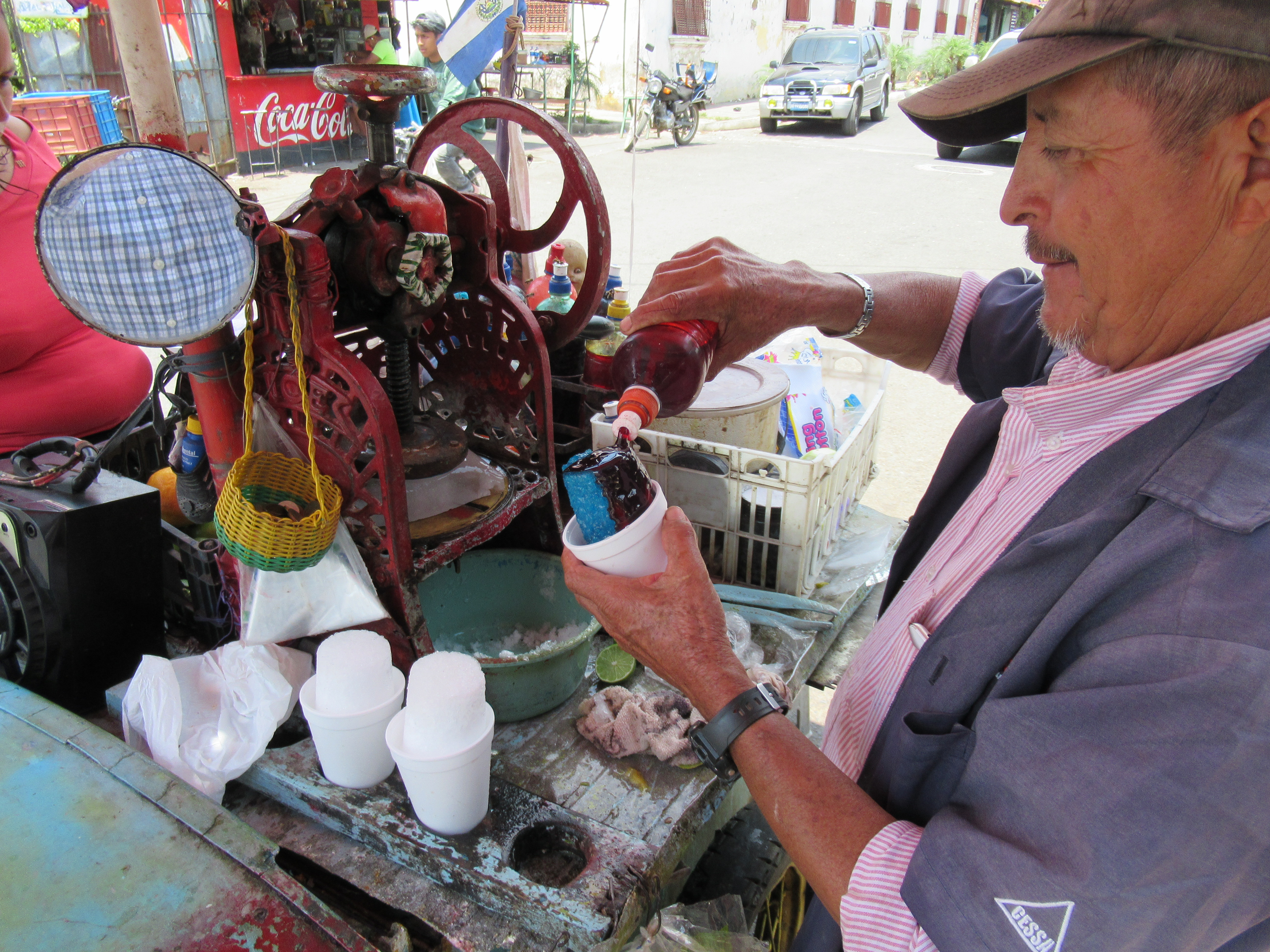
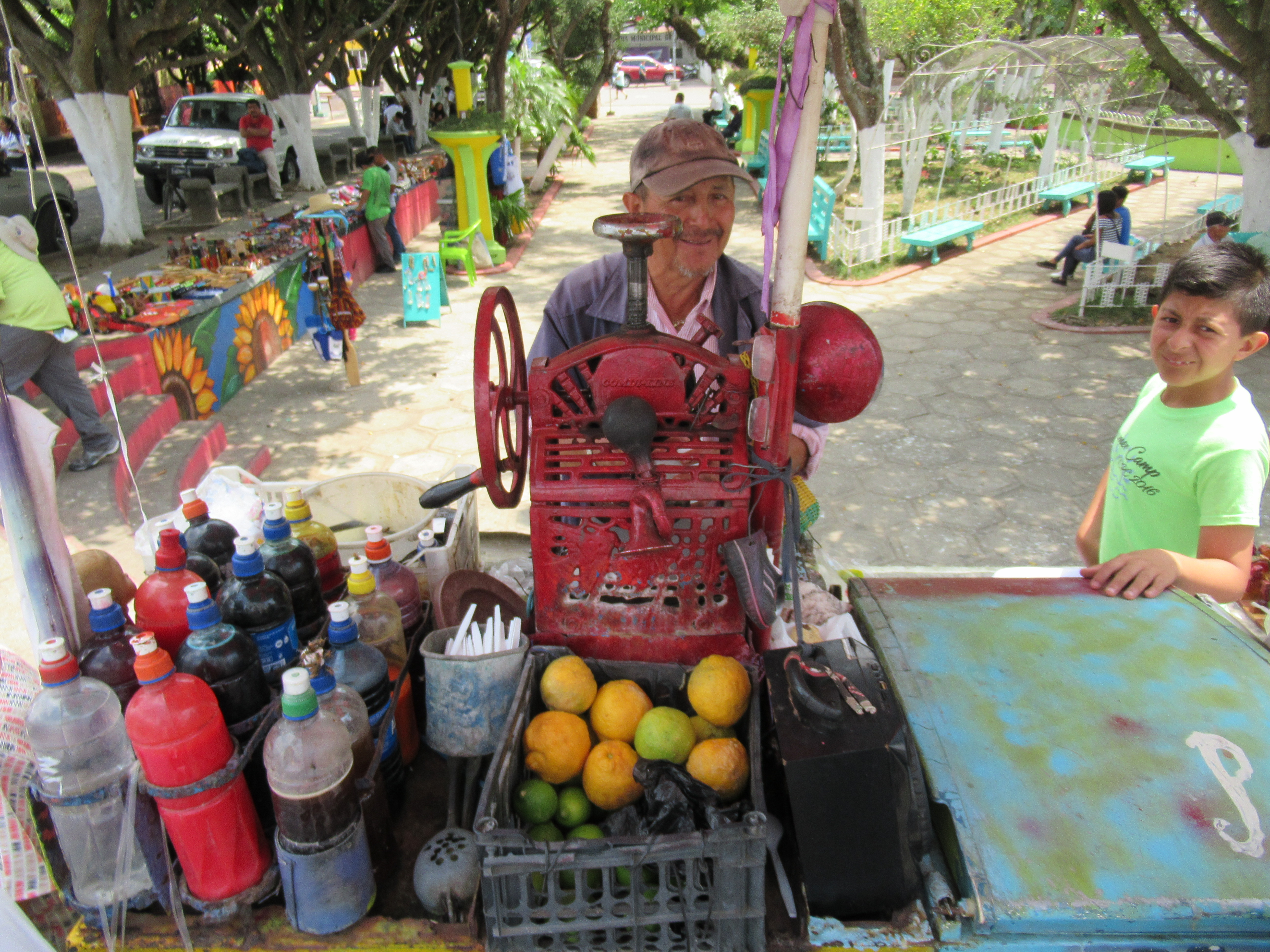
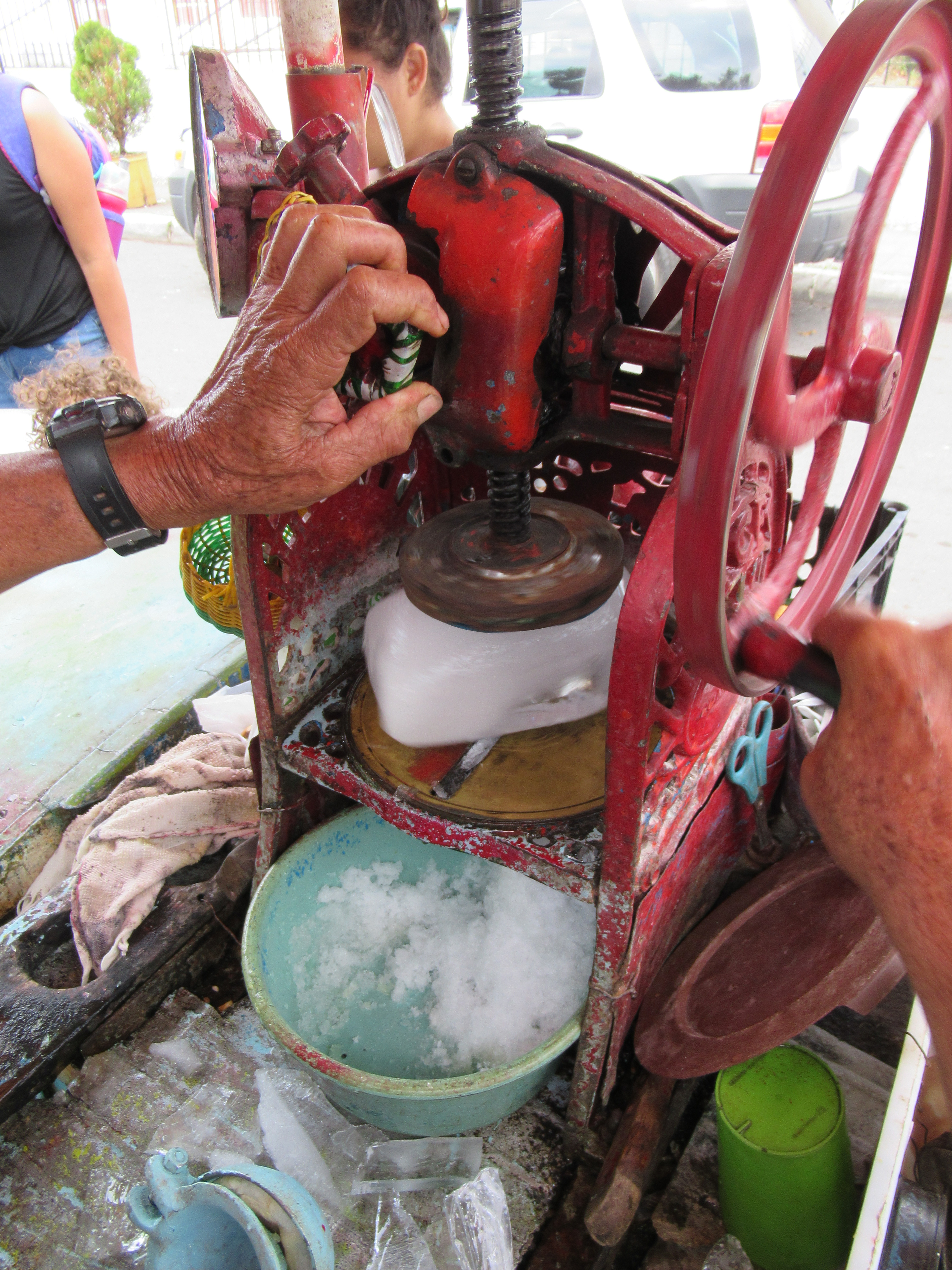
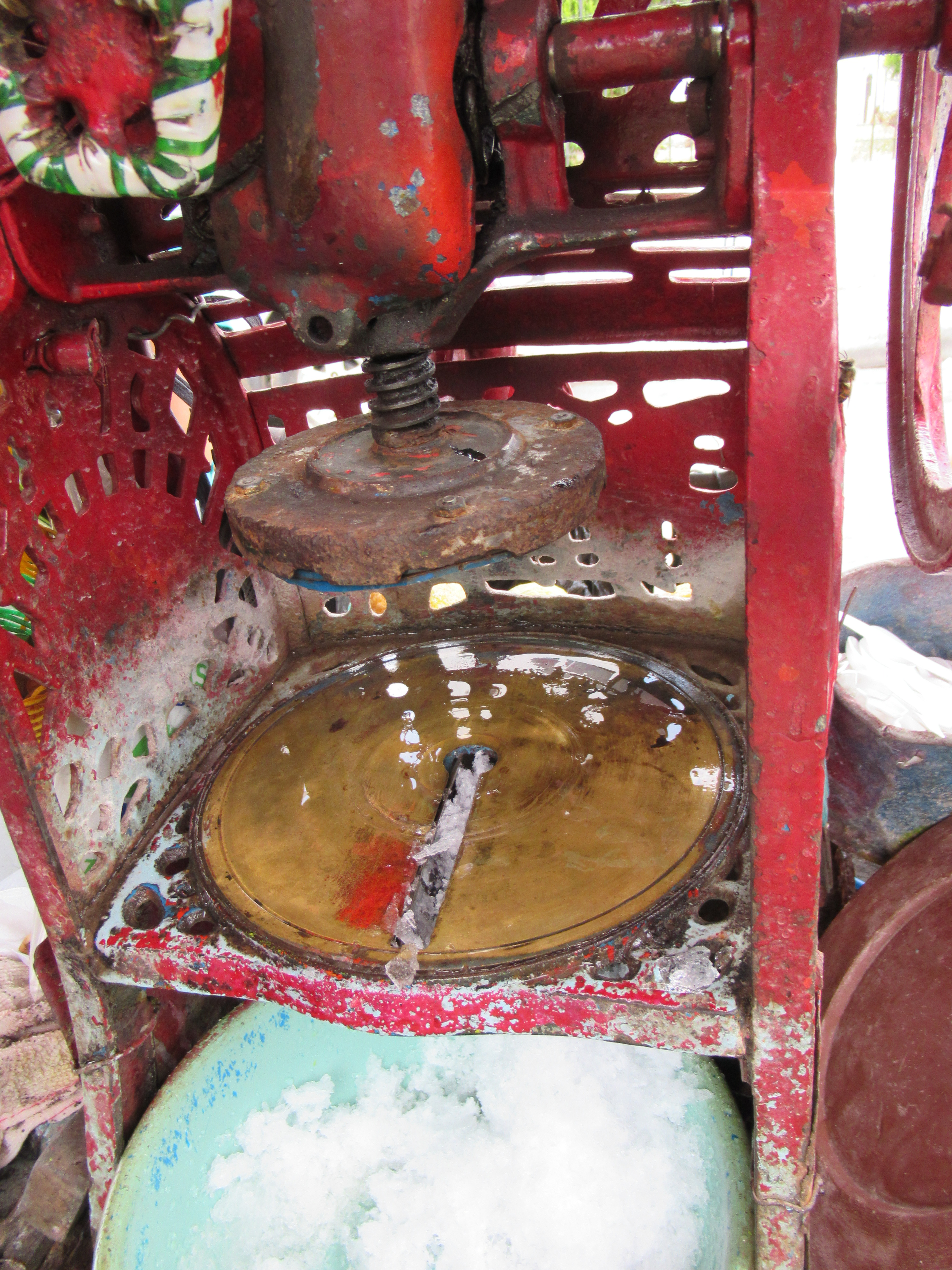
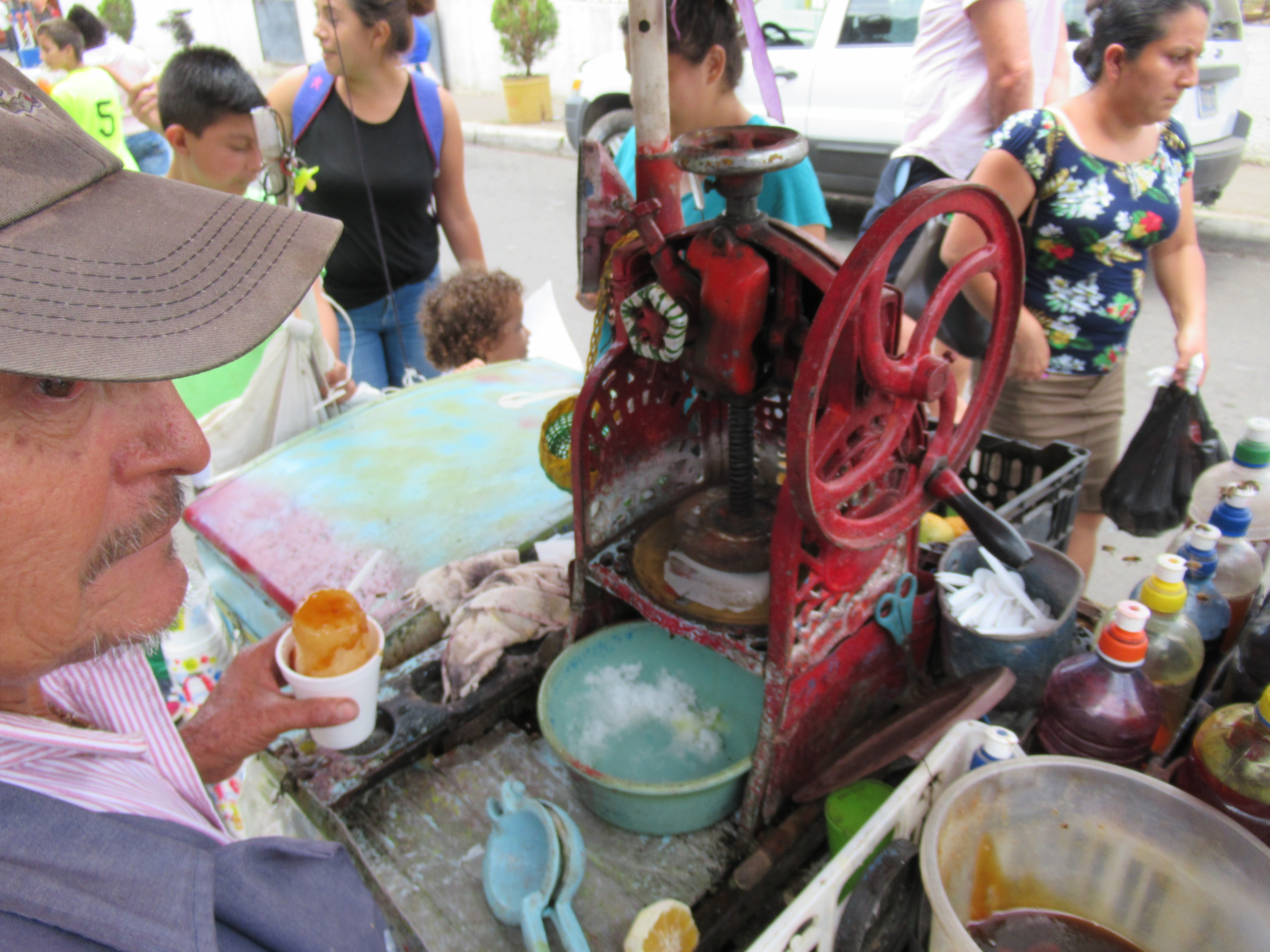
The next town of Juayua is know for its church with a black Jesus. The theory being that the Spanish bought a white Jesus but the locals didn’t take to a white Jesus as he wasn’t the same colour as their skin so the Spanish painted him black so the locals would have a greater affinity with him. Outside the church, an old wisened man is selling what can best be described as Slush Puppies from his mobile stall. A block of ice is turned on a metal grater to create ice shavings. These are scooped up in a cup and compacted to which various flavourings are added (see video below). Incidentally, Juayua’s local supermarket stocks Lea & Perrins Worcestershire Sauce. Not what you’d expect to see in the middle of El Salvador!

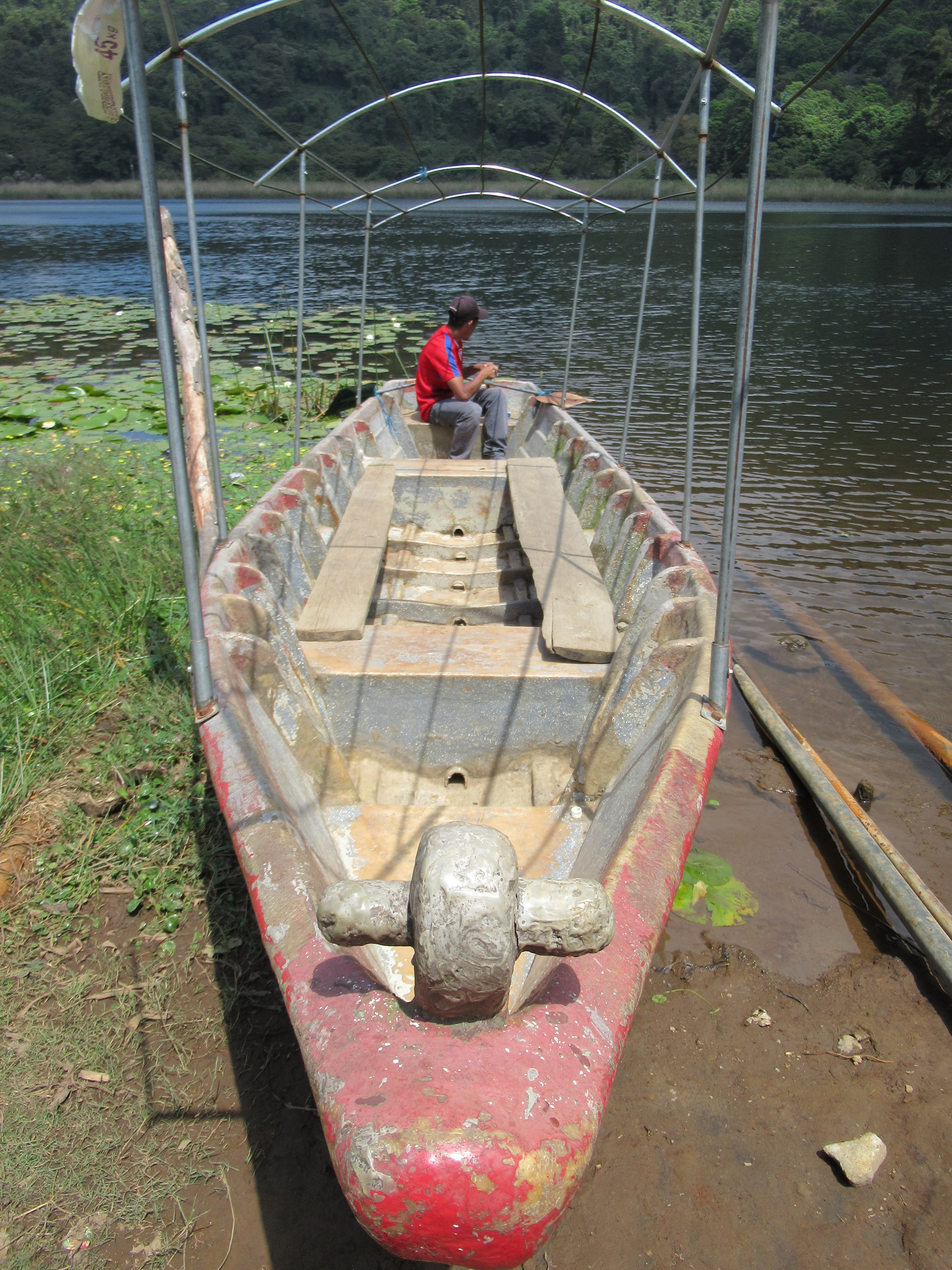
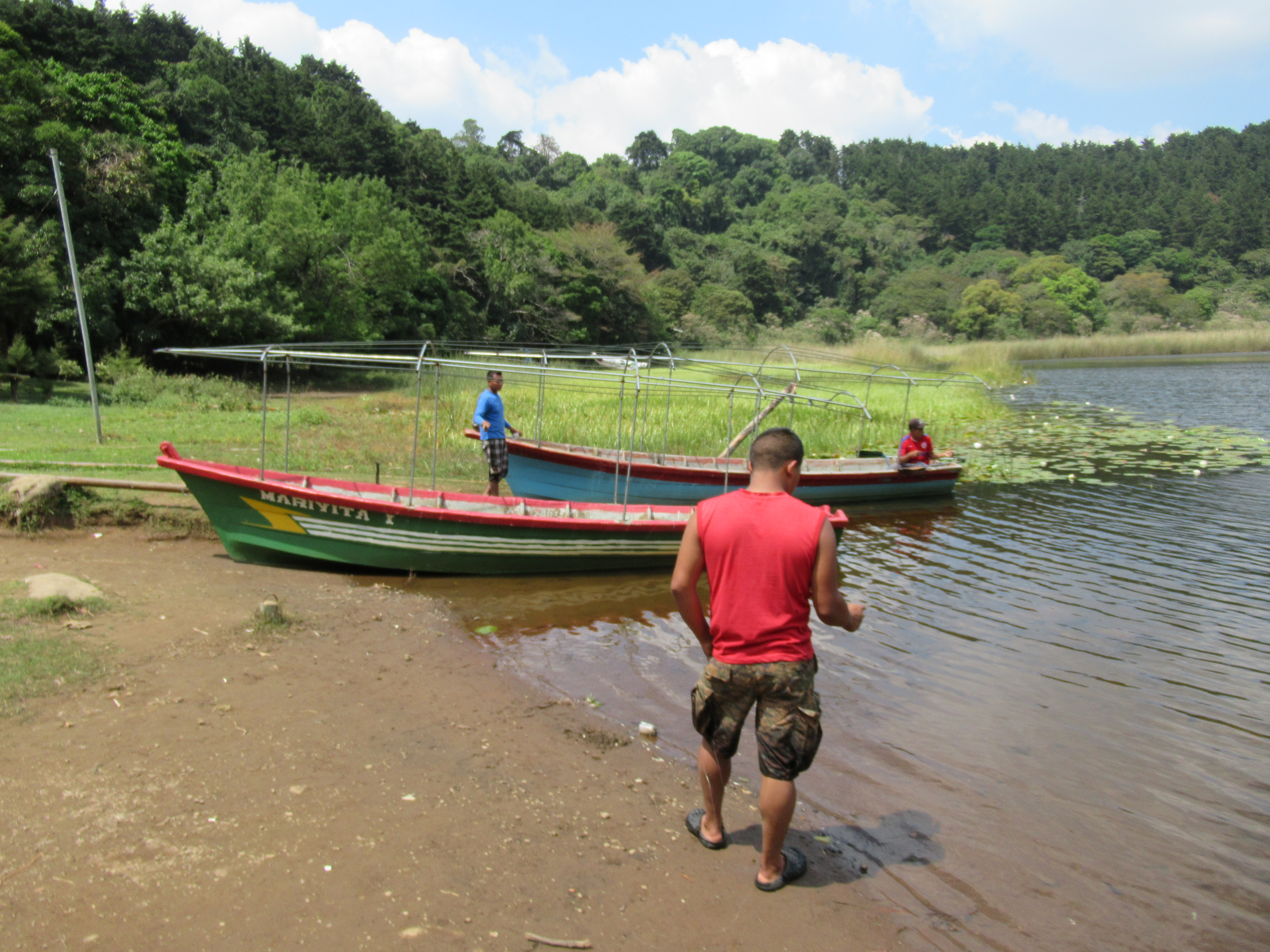
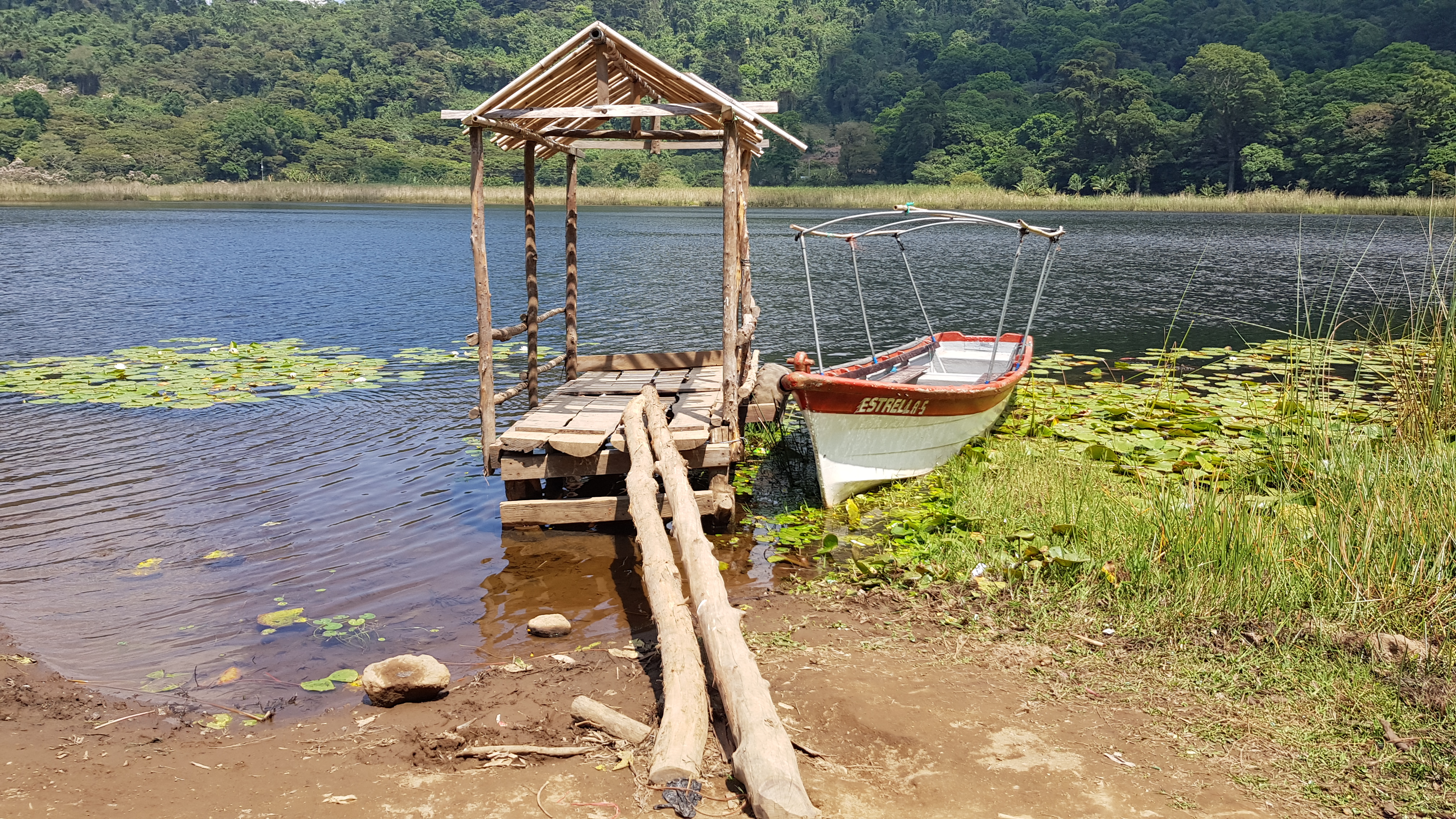
Nearby is the Green Lagoon. A lake formed in the caldera of a dormant volcano. Steep roads up the side of the volcano then steep and twisty down into the caldera. Heavily wooded with a tranquil lake, locals enjoying picnics and fishing. Very idyllic spot and you get the sense of being closed in by the volcano sides.

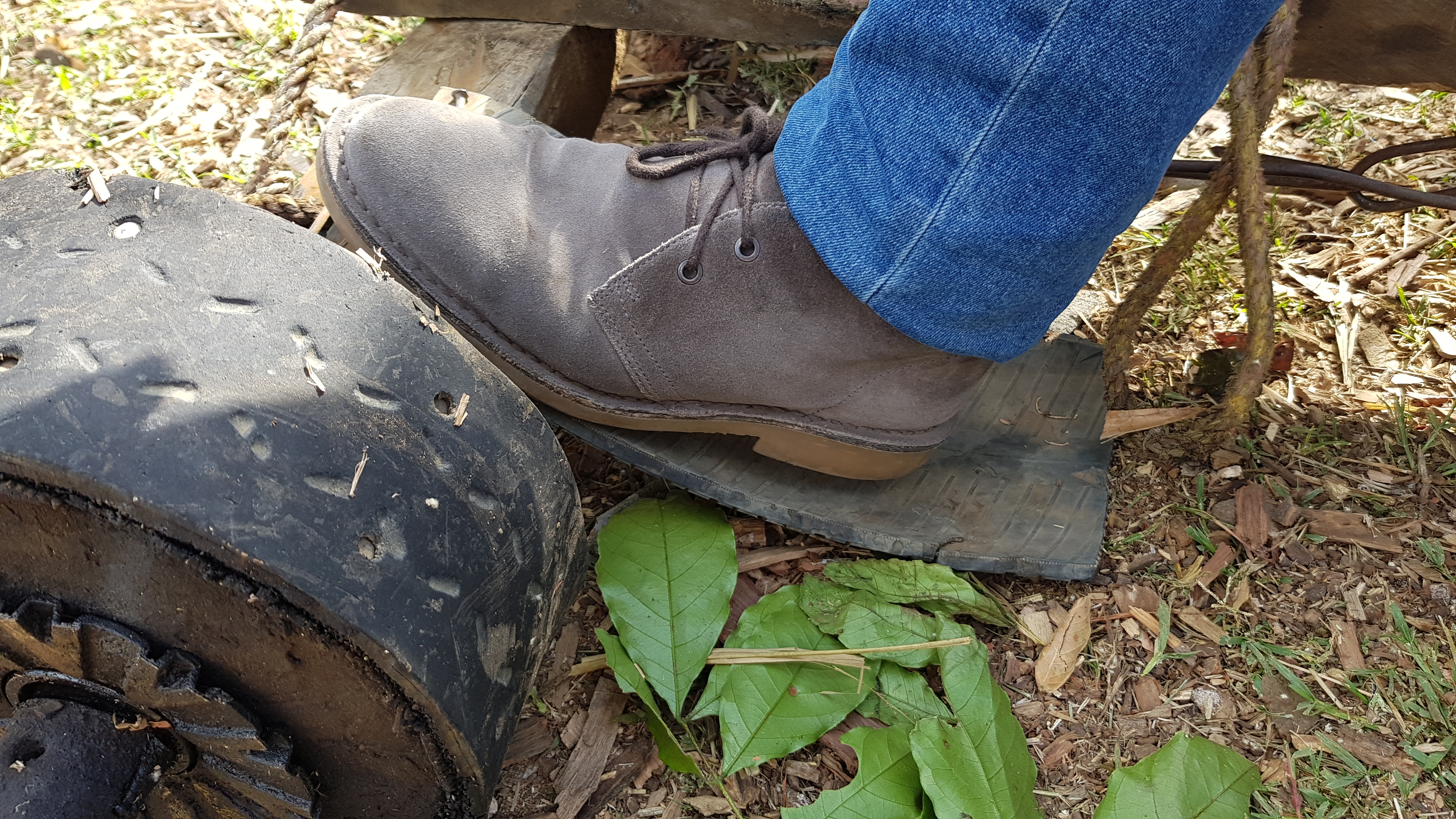
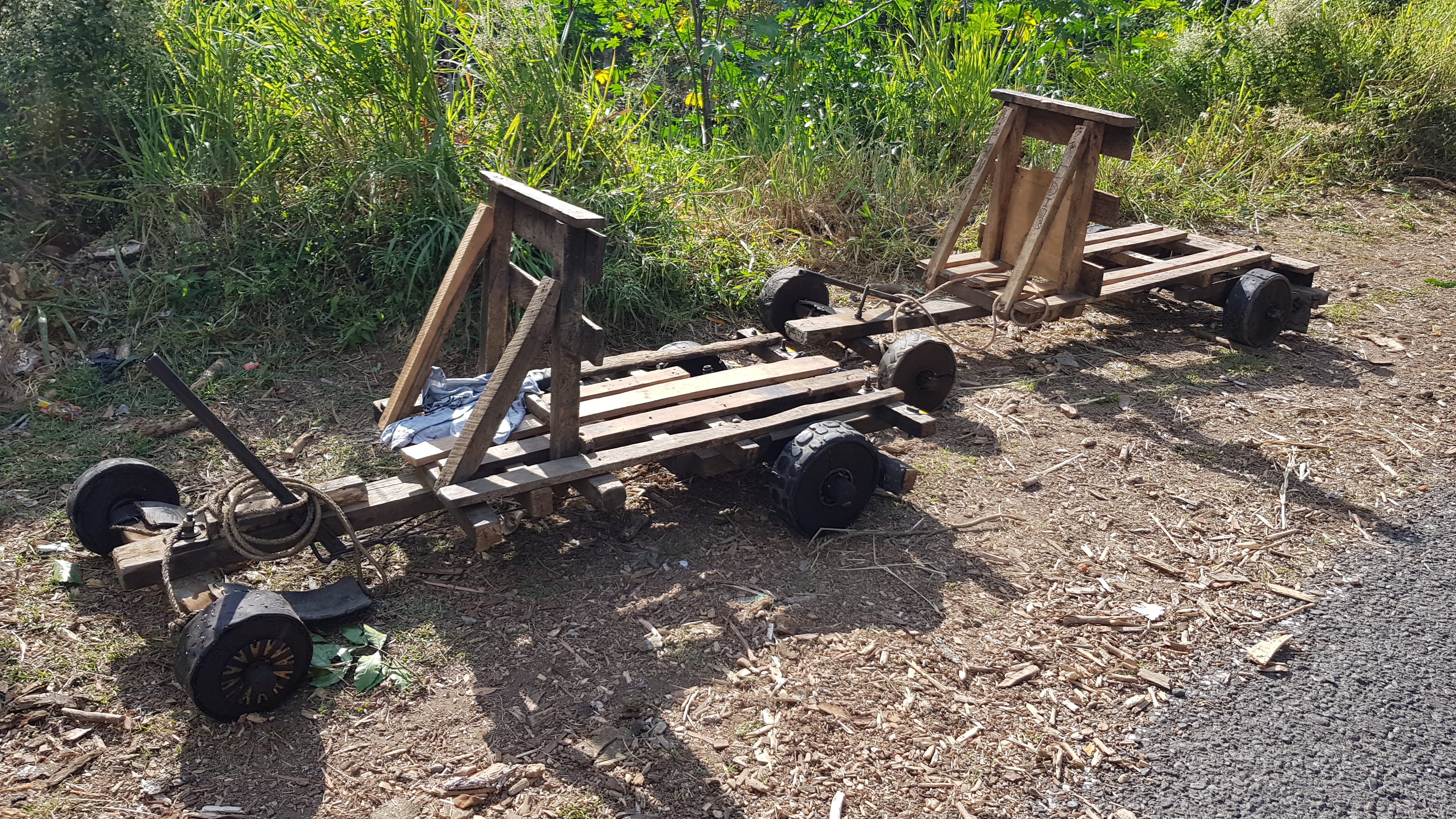
Returning to Ataco, see go-karts racing down the mountain roads. They’re gravity driven and carry firewood from the forests above to the towns below. Quite some speed they get up to and the only brake is by applying pressure with your feet onto two strips of rubber (made from an old car tyre) onto the road. You’d have to apply some pressure though given the weight and speed.

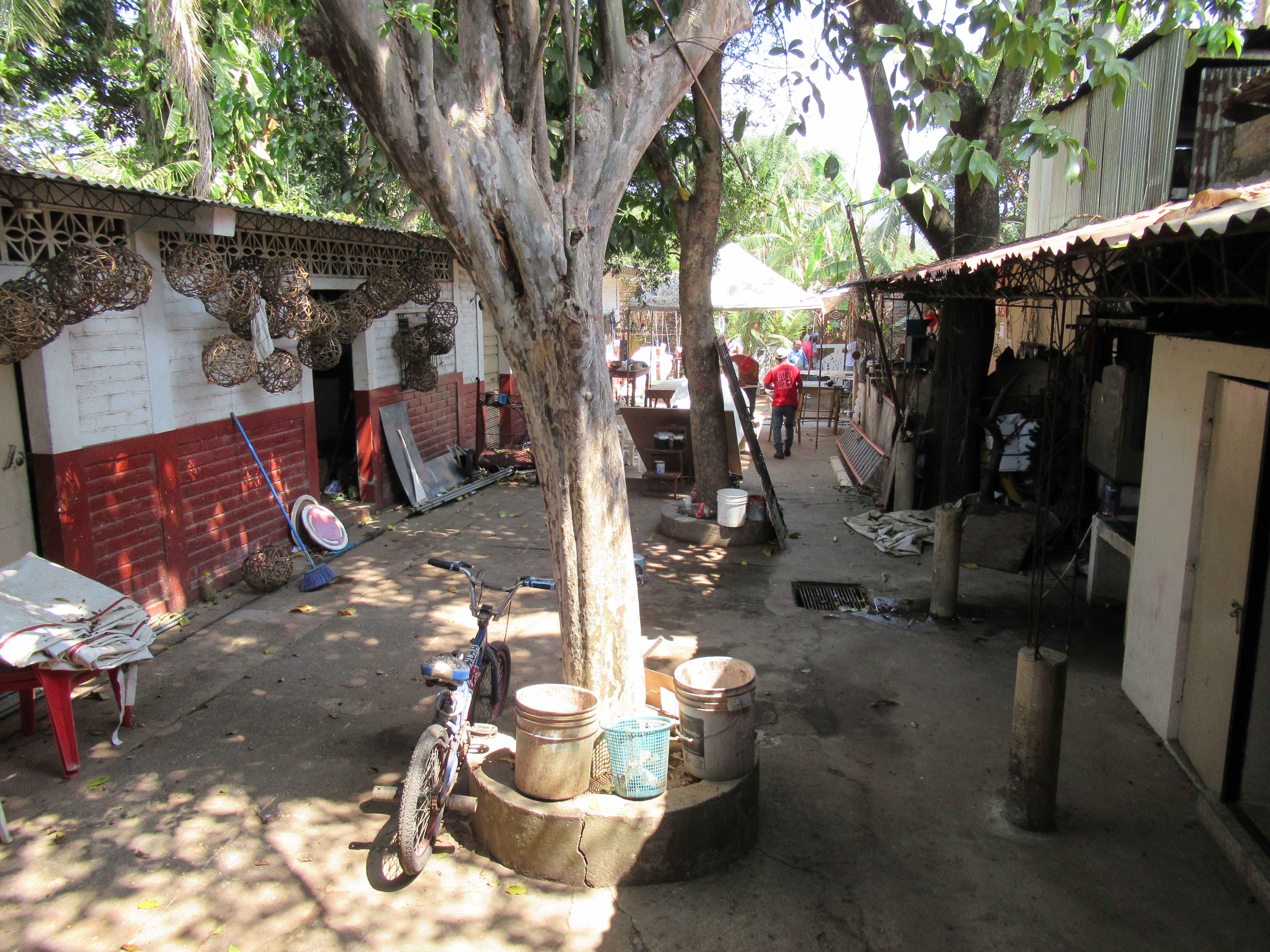
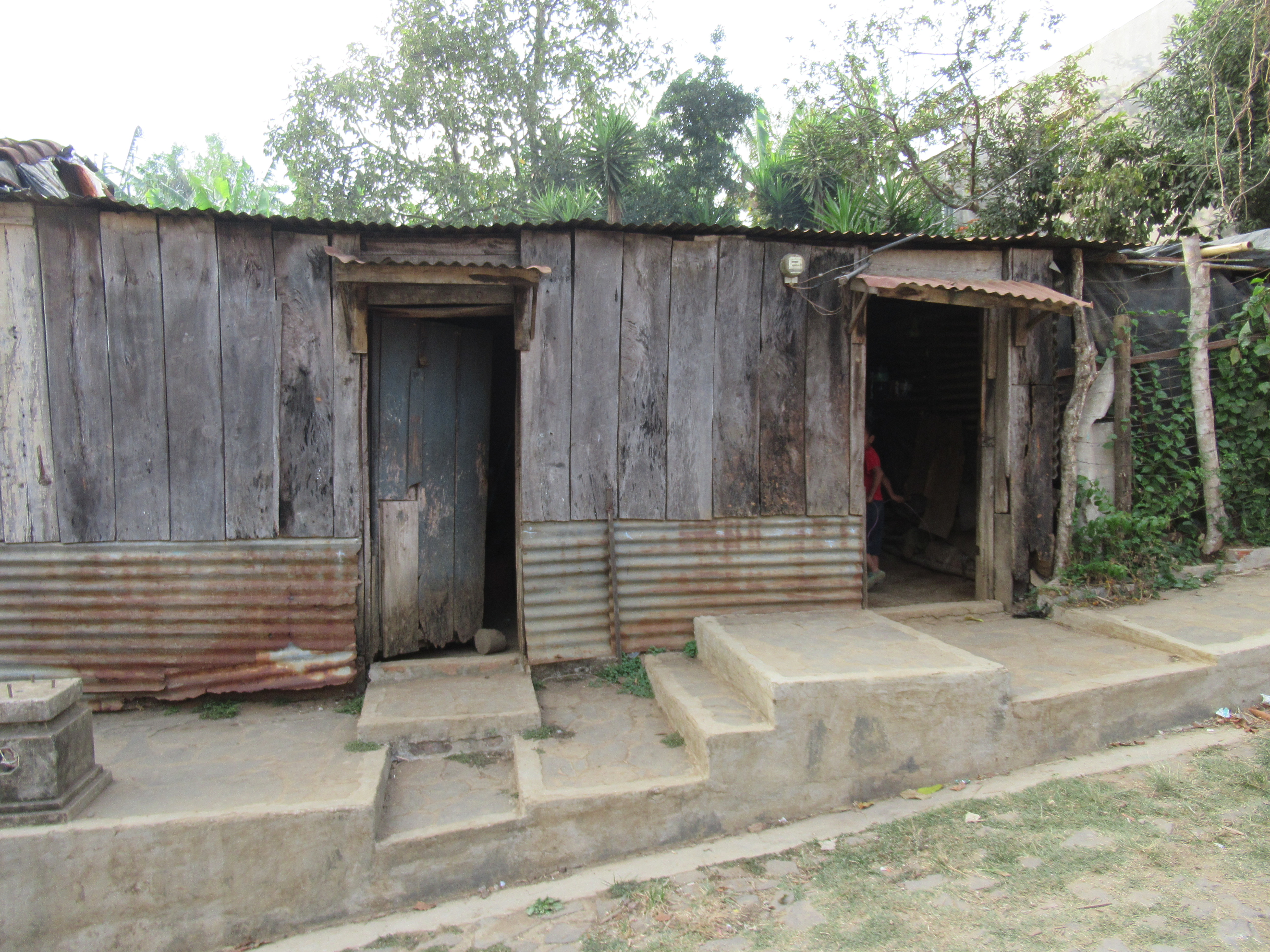
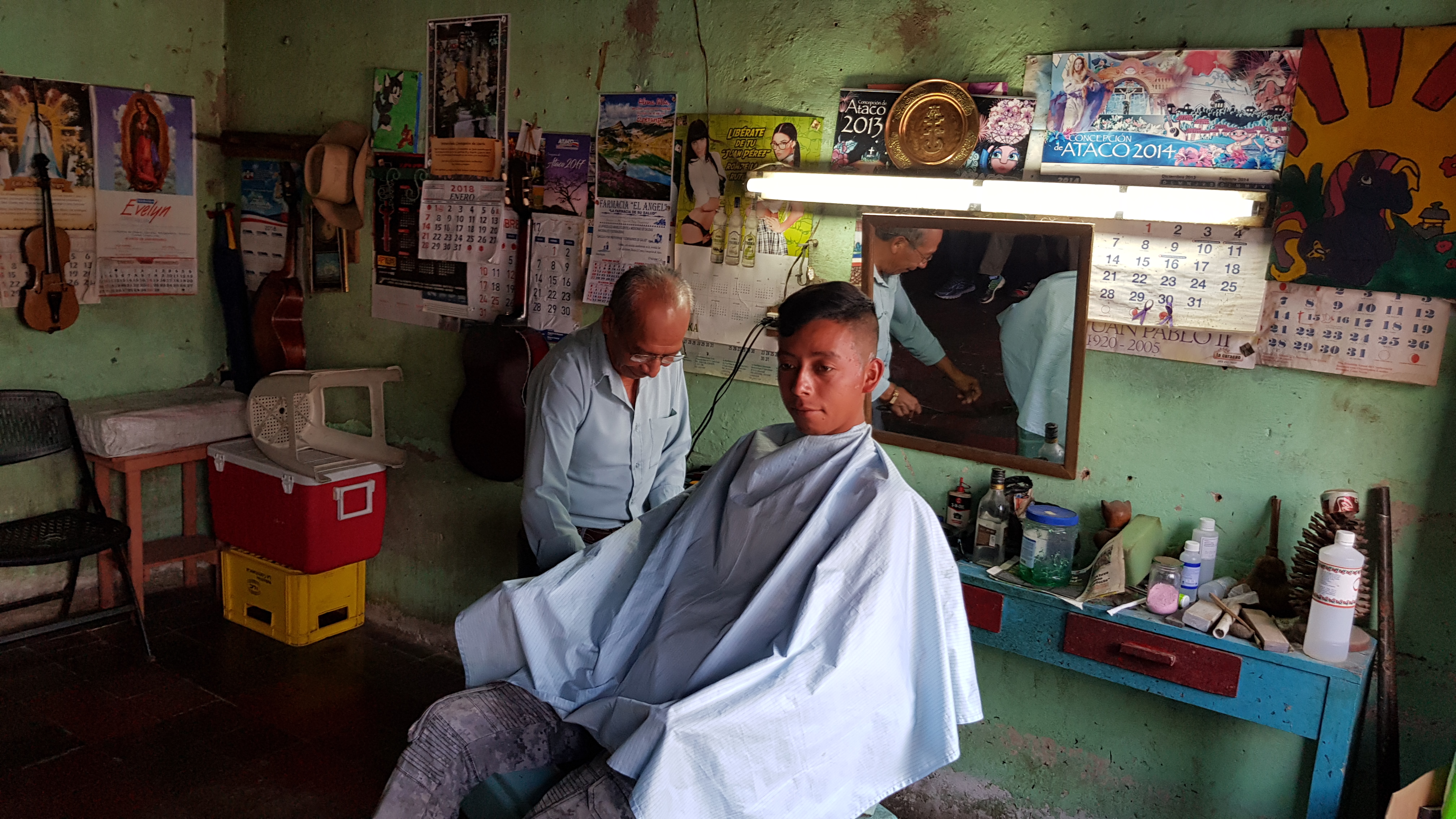
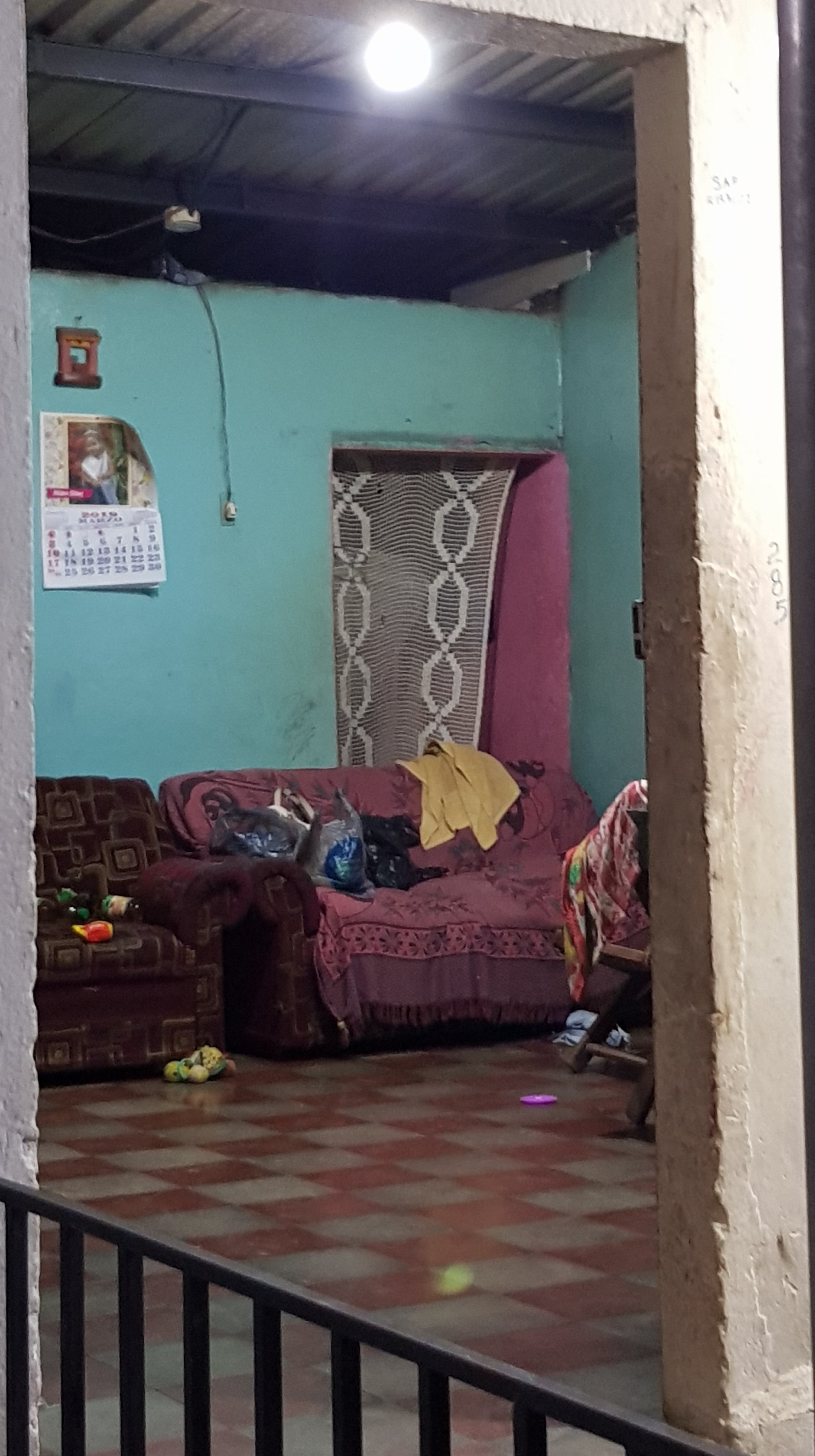
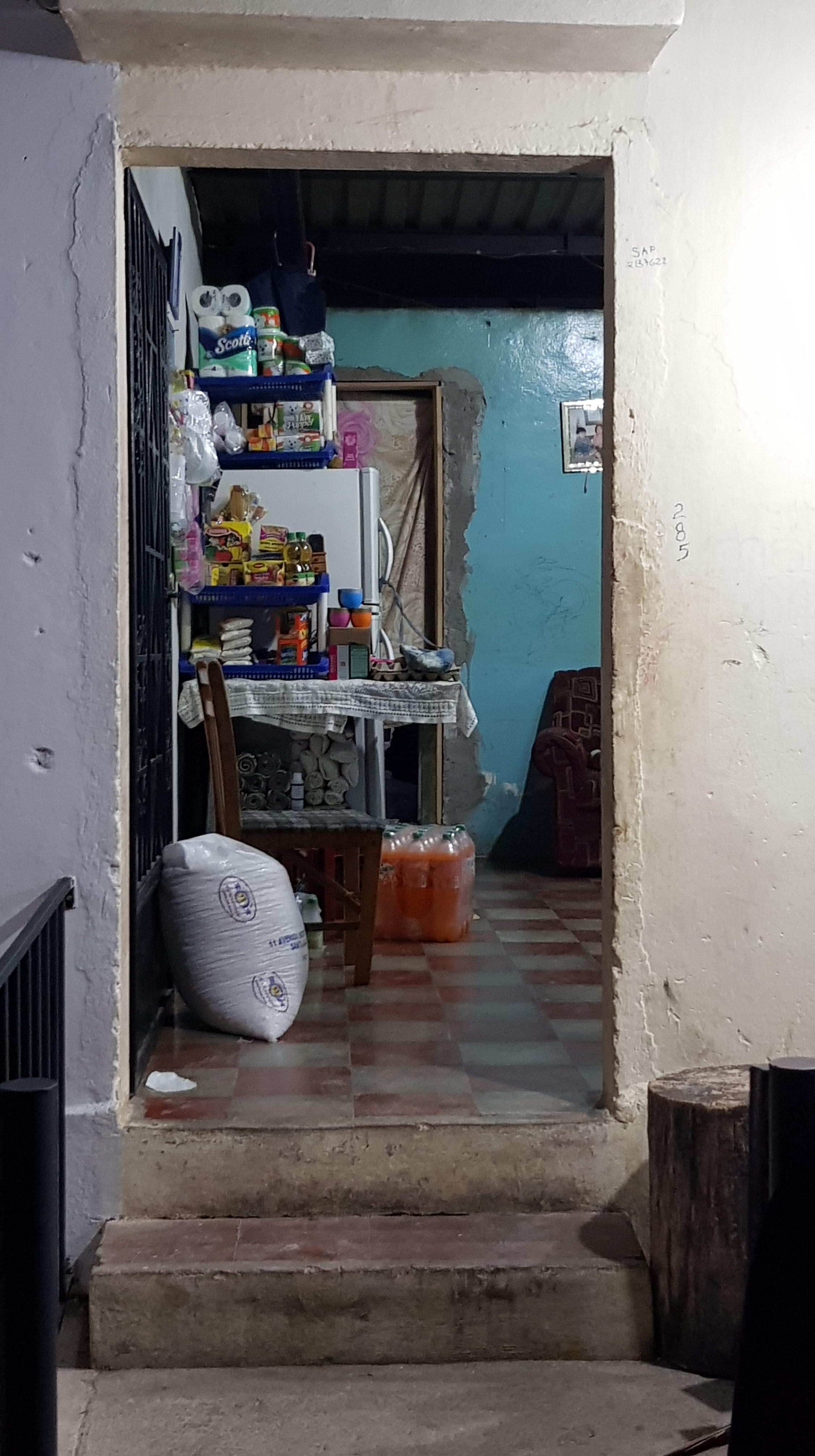
Wander around Ataco. It’s a lovely old town and very friendly. Poke my head into a barber’s shop to see what’s what. Old bloke is cutting young lad’s hair. Ask if it’s OK to take a photo. No problem. If you look closely at the photo below, you’ll see that the walls are lined with old calendars. Next door is a bar so pop my head into that to see what’s what. My fellow traveller decides now is a good time for a beer so an order goes in to the young woman whose bar it is. She tells us there’s a courtyard out the back. Assuming it’s a beer garden, go and have a look. It’s not. It’s a courtyard lined with shanty type dwellings. Thirteen shacks to be precise. Made of odds and sods. Corrugated iron. Plastic sheeting. Pallets. The sort of thing you might build to house animals in back home. Except. These are people’s homes. USD35/month rent for one of these out the back or USD80/month rent for a stone built dwelling that fronts on to the street. Which means you can use it for a business. Like the small bar she’s created. As we walk through to the back, see the small lounge area. Her daughter is busy colouring in a book on the sofa, surrounded by dining table and TV set. That’s their living and sleeping space. A timber framed enclosure covered in plastic sheeting adjoins the outside wall. Inside is a large plastic water butt and a toilet. That’s the bathroom. Very basic. Next door to her we start chatting with an old man. It’s her 82 year old grandfather. He’s ex army and looks fit as a fiddle. His living space is very small too and a table in the room has a small Catholic shrine set up with religious figurines. His outside wall consists of torn plastic sheeting. As I wander about the courtyard, an old woman pokes her head out of her door and comes to see what’s what. As I have camera in hand and having a nosey, she asks if I’m a journalist. No. Just a simple tourist. Her husband soon appears from the shack and they allow me to take their photograph, which they find amusing when I show it to them. Fascinating insight into people’s lives.

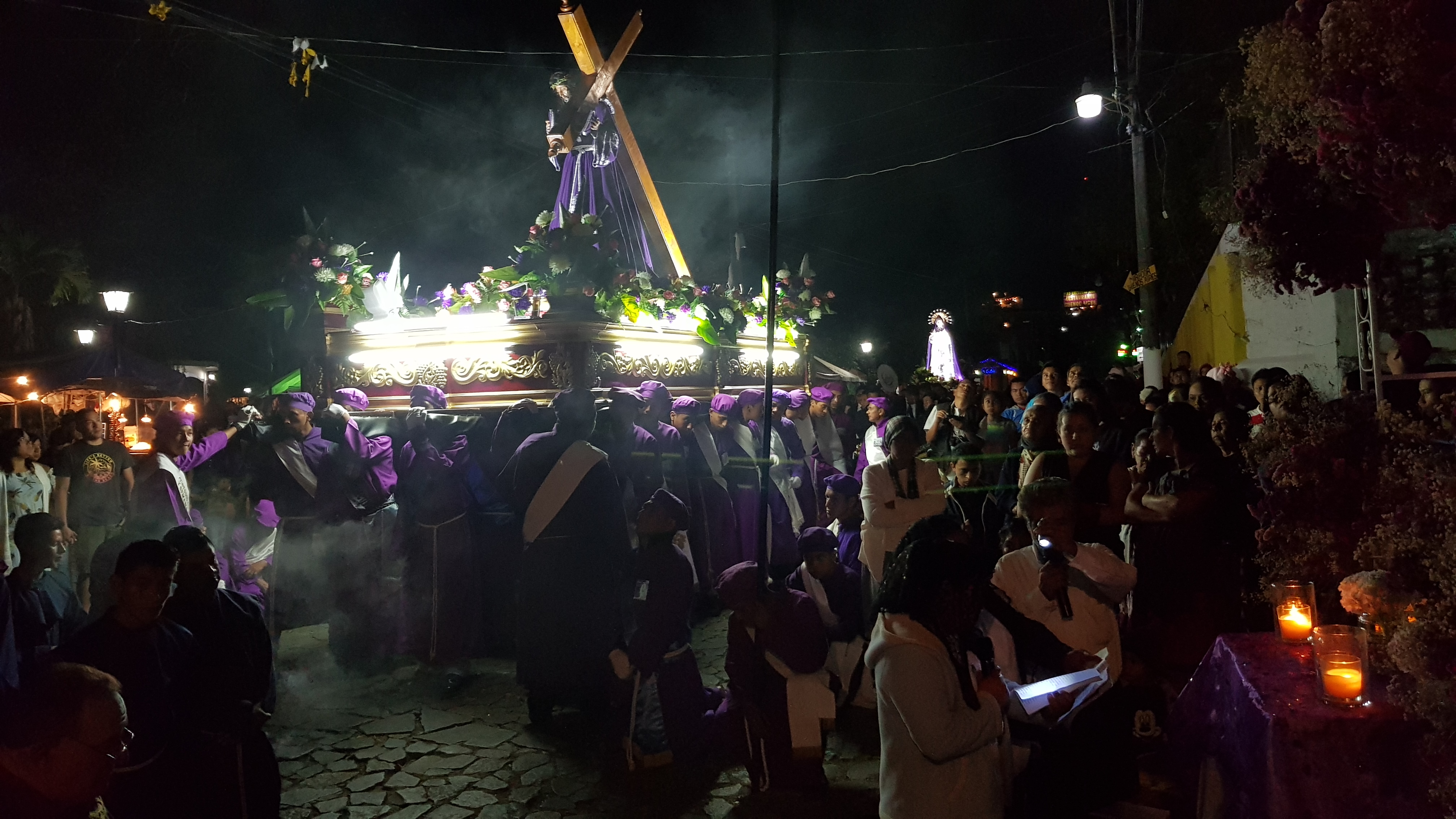
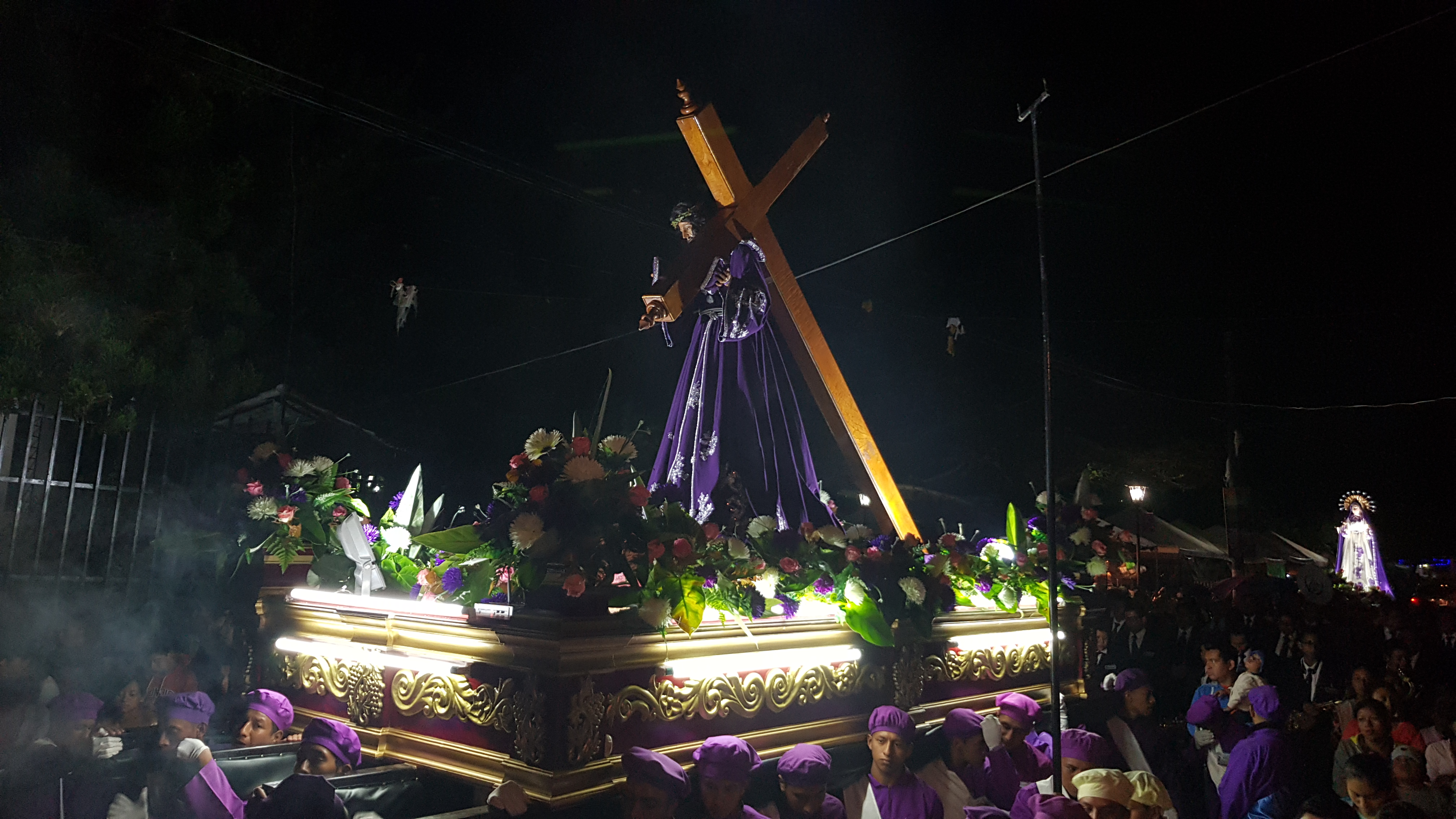
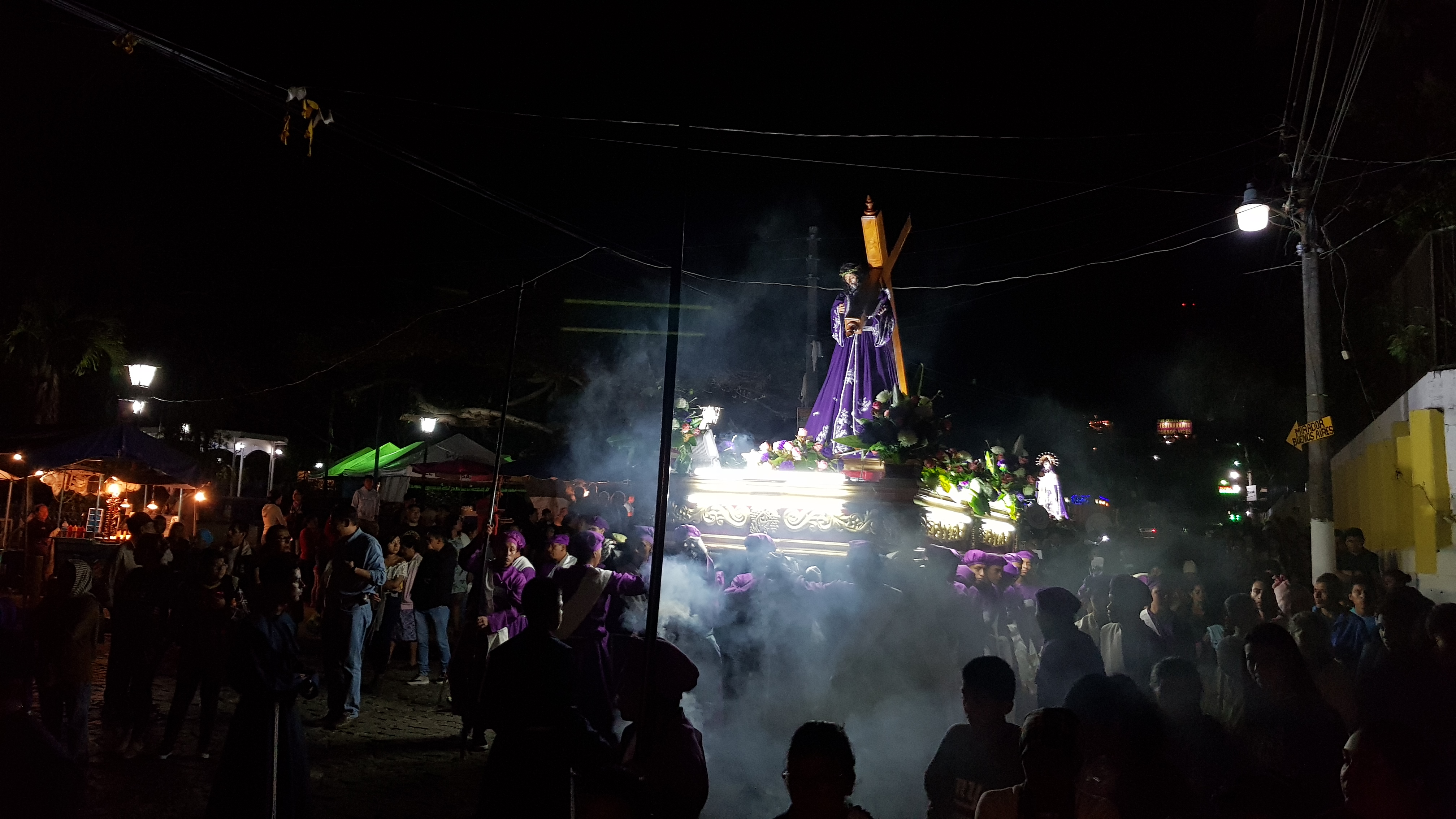
Walking back to hotel, see the hotel staff setting up a table on the street corner. Assume it to be a publicity thing to entice people in for dinner. As we’re walking out for dinner later on, realise there’s a religious procession about to take place from the church opposite. Prime location to take photos is the street corner where the dining table had been set up. So stand there. To watch proceedings.

The processional music is awful. Think of some old film set in a Central American dictatorship which has your stereotypical town band playing crap music. That’s what we’re listening to. Jesus appears on a ‘raft’ held aloft by lots of young men on their shoulders. It looks heavy and is quite big. A few men have poles to lift the electricity and phone wires up, that are strewn across the road, so Jesus doesn’t garrotte himself. As Jesus approaches, two young women kneel at my feet and start praying. I have this effect on people. After a few seconds, realise they’re praying at to the dining table I’m standing at. A few seconds more, realise the dining table isn’t a publicity stunt for dinner but is in fact full of religious figurines (it’s dark and hadn’t paid much attention). Oh. It’s a religious shrine. Move to the side of the table so they can see the table and pray.

Few minutes later the Catholic priest and his entourage of young boys appears behind the two women praying in front of me. He then kneels down, along with his boys, and starts praying towards the table. Erm. Think I’m standing in the wrong place here. Move a couple of steps away from the table.

And then.

The two women produce a radio mic and start praying such that the prayers are coming over the PA system. The procession stops. People stop. They turn and look at me next to the table. And they all start praying enmasse.

Oh ‘eck.

Have hundreds of eyes looking at me next to table photographing the scene before me.

Now is a good time to move well away from the table.

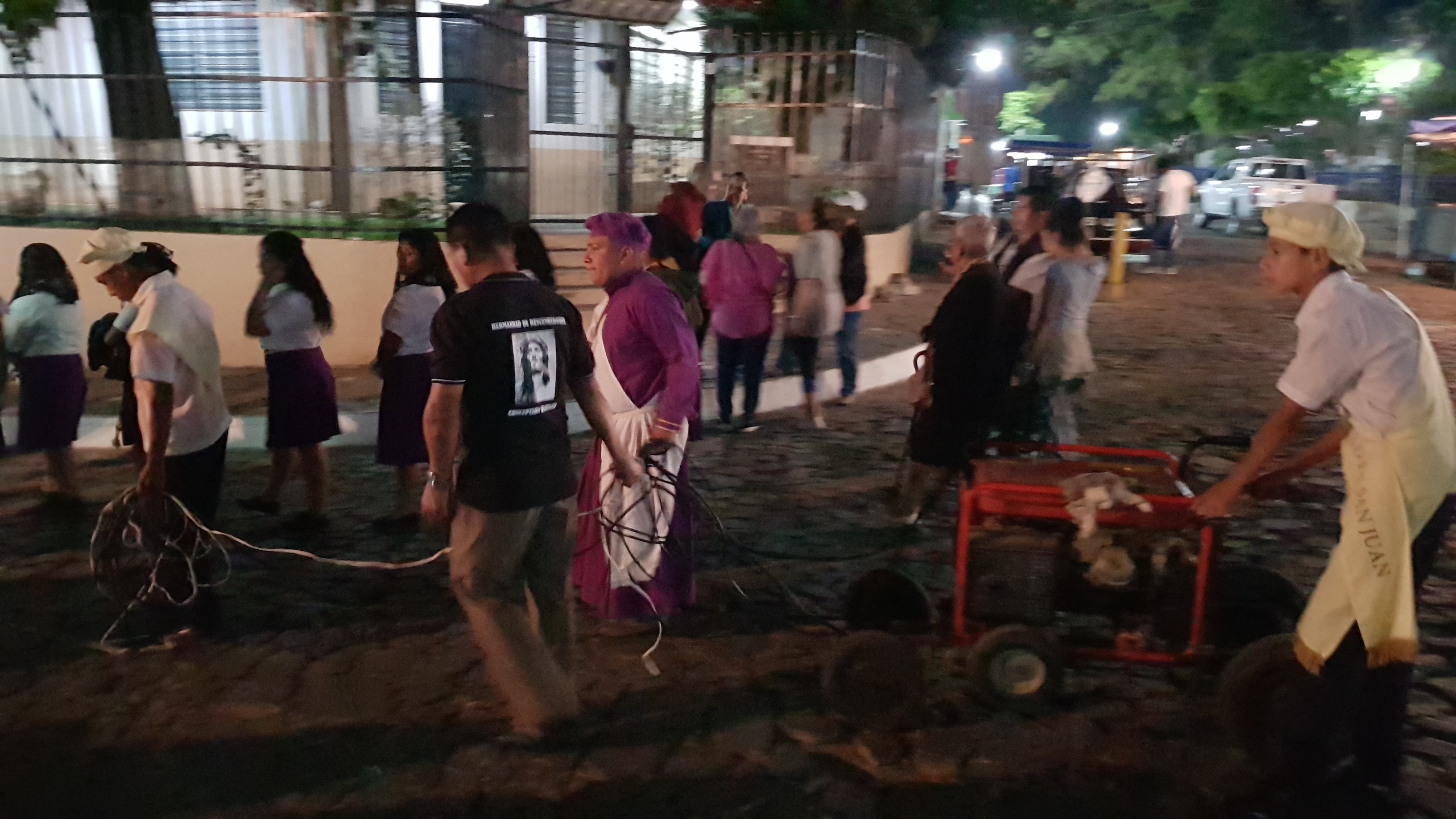
Praying finished and the procession continues. Jesus makes his way down the road all lit up with fairy lights. Followed by Mary. Followed by a load of blokes carting a diesel generator and a load of cable to power up the lights.

And if that wasn’t enough excitement…

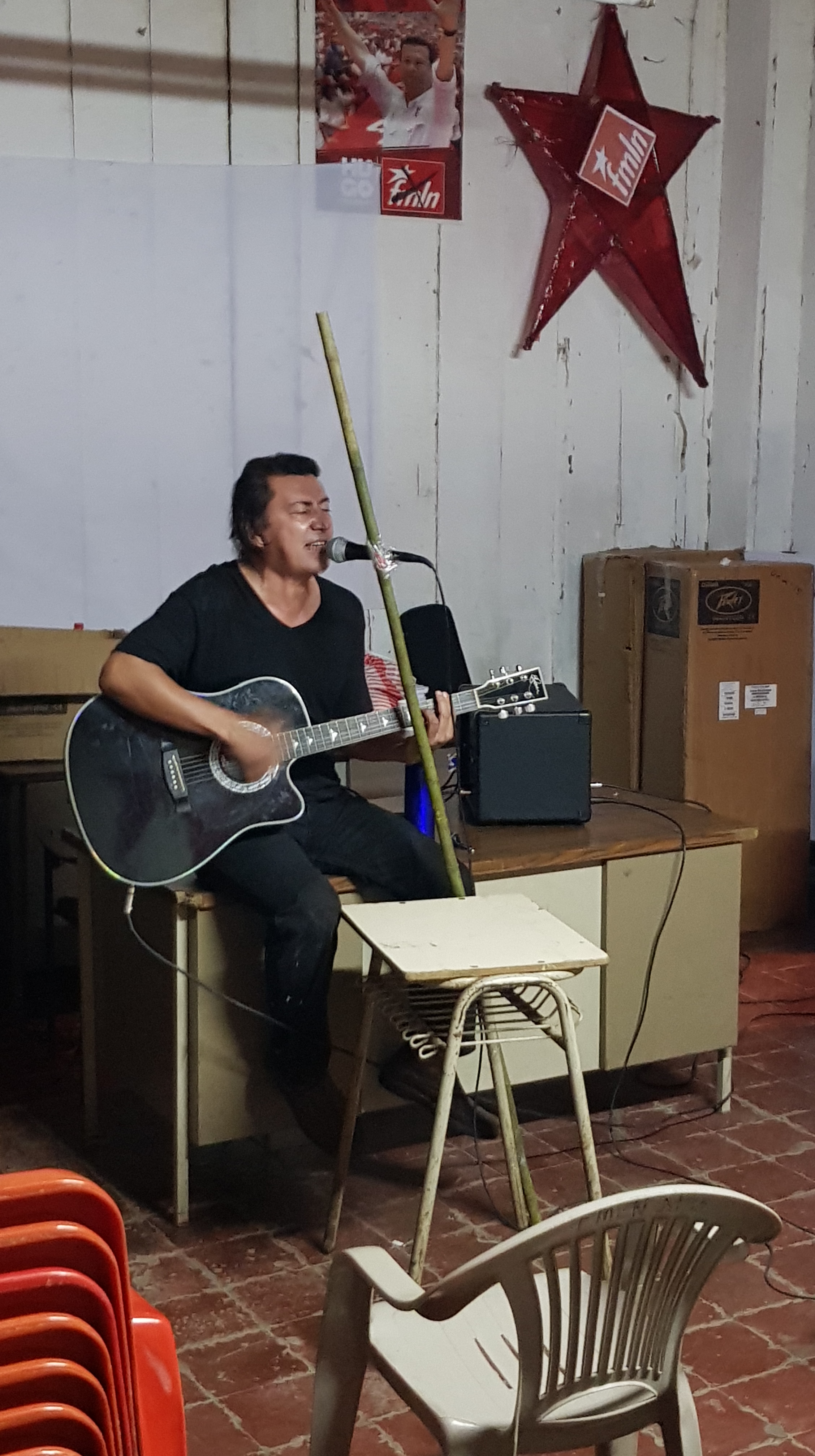
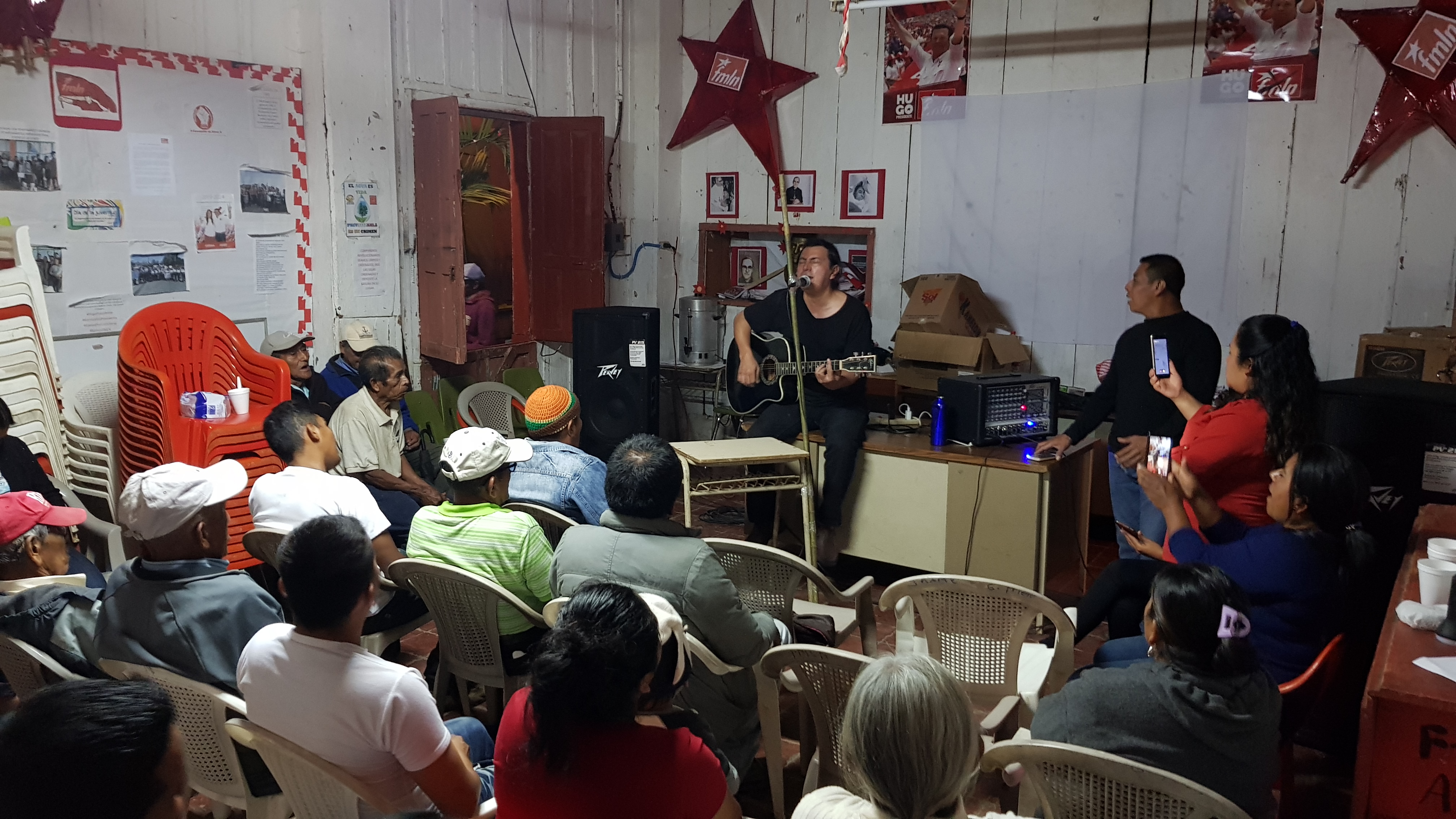
Walking back from dinner, hear music emanating from a bar. As it sounds quite good, go and investigate. Poke my head around the open door. A bloke is singing with his guitar in a basic room filled with people sitting on plastic chairs. The back row see me and, being very friendly, they motion for me to come in and sit down. This then causes the front rows to turn around to see what the commotion is. So I’ve now got the whole room of about twenty five people looking at me, motioning for me to come and sit down and enjoy the music. Am then joined by my three fellow travelling companions plus the local guide. The singer is still singing whilst all this commotion is going on. Assume it’s a local bar with live music so we make our way to a few vacant seats at the back. Singer finishes his song and then welcomes us to the group. Tell him we’re English but as his English isn’t brilliant our local guide translates.

Anyway.

Turns out that we’ve gatecrashed the left wing revolutionary party’s benefit gig. The FMLN political party were the left wing guerrillas during the civil war. They’ve just lost the local election to a right wing party and so having this gig to pep up the local lefties. You know how easily these leftie socialists get upset by not winning elections.

Now. As some of you may know. I’m not left wing. This may surprise some of you.

However. My three travelling companions are leftie socialists. Hard left.

And don’t I know it.

Stupidly mentioned Brexit one evening. Deary me. Hysterical.

The married couple, in particular, actually protested at the US Embassy in London in the 1980s in support of their fellow left wing revolutionaries in El Salvador.

Amongst other protests.

But they do enjoy their second home in France.

So.

You can imagine the glee that they’re here now amongst former left wing guerrillas and revolutionaries. This story is translated for the benefit of the assembled crowd.

Well.

This gets the audience going no end.

The round of applause they got was loud and long.

And there’s lots of thank yous.

Making my way back to the hotel, everyone I pass in the street says, “Buenos noches.” (Good evening). Really friendly.

El Salvador.

Loving it.
82. Ooh that’s a big one

Thursday, 14 March 2019

Ataco, El Salvador


Short 1hr flight to El Salvador. Flying over Nicaragua unfortunately. The itinerary was meant to take in Nicaragua but the British Foreign Office advise against all travel there due to ‘disturbances’. One of our group was there last year on holiday and tells us it’s the most amazing place. She keeps rubbing it in.

Sit next to an elderly Canadian woman who is rather petite. As we’re disembarking she makes the mistake of pulling my rucksack out from the overhead locker. She nearly breaks her back and crumples under the weight when she realises the error of her ways because of the weight of it. “Ooh that’s a big one!”, she says.

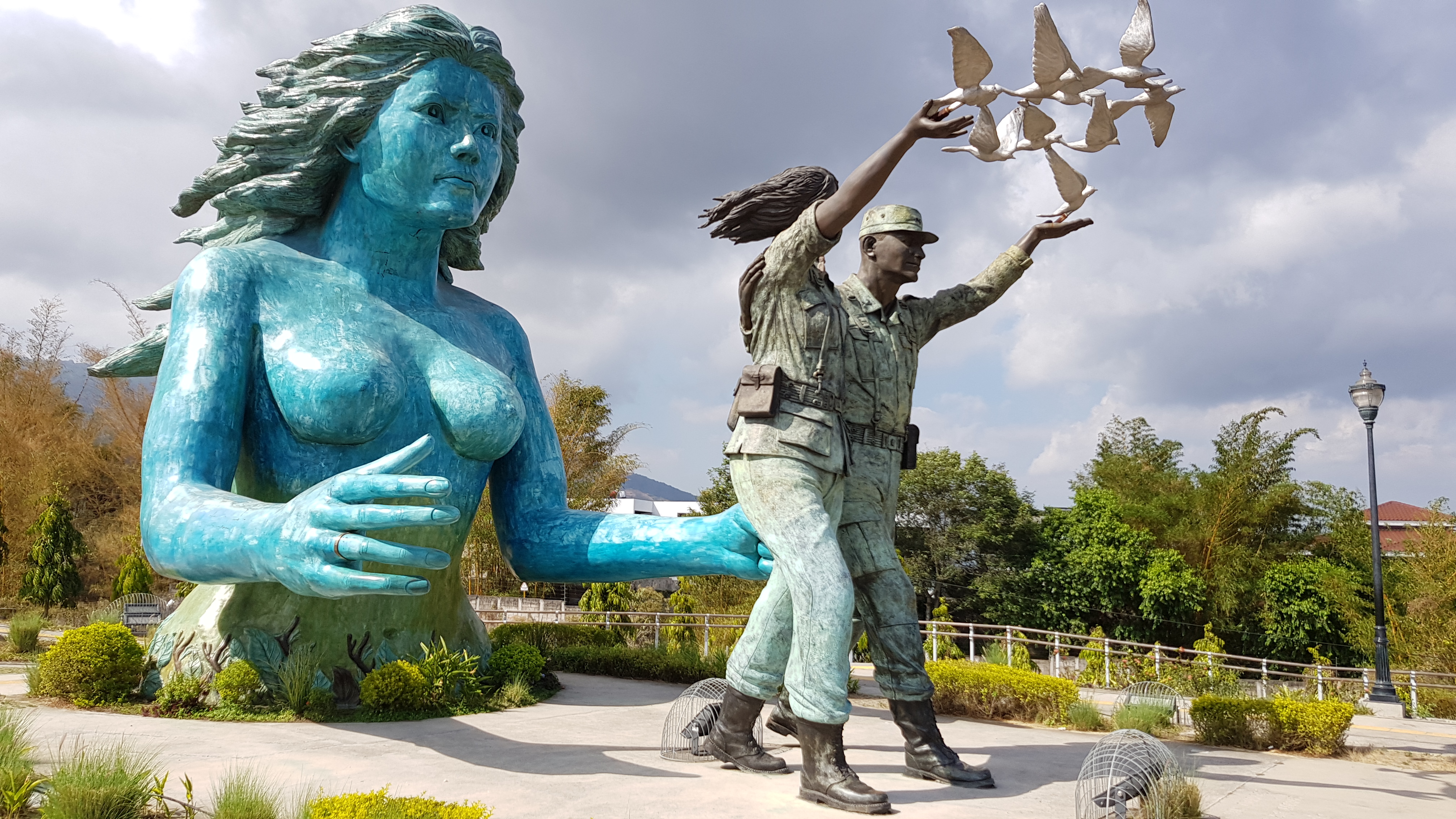
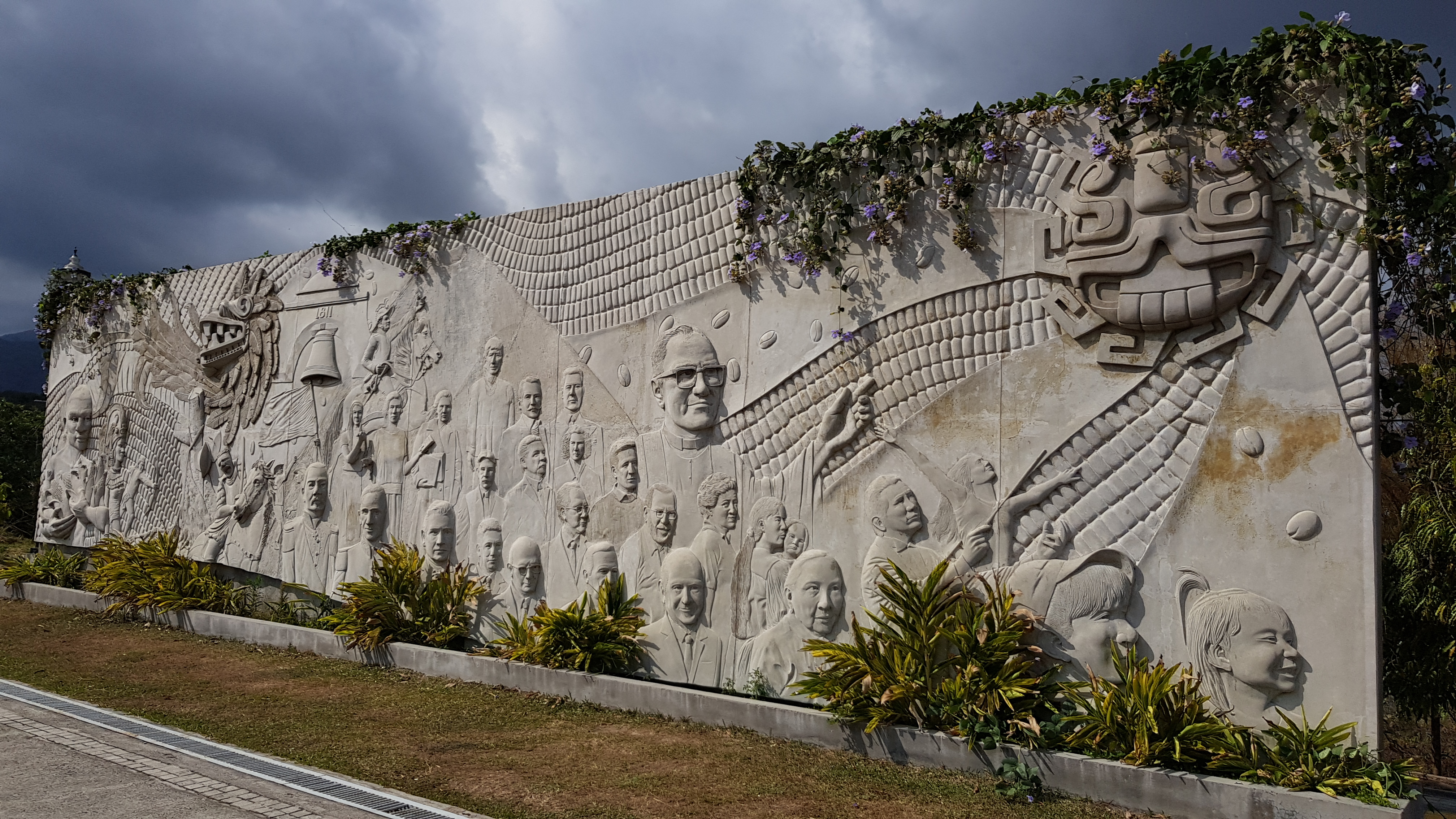
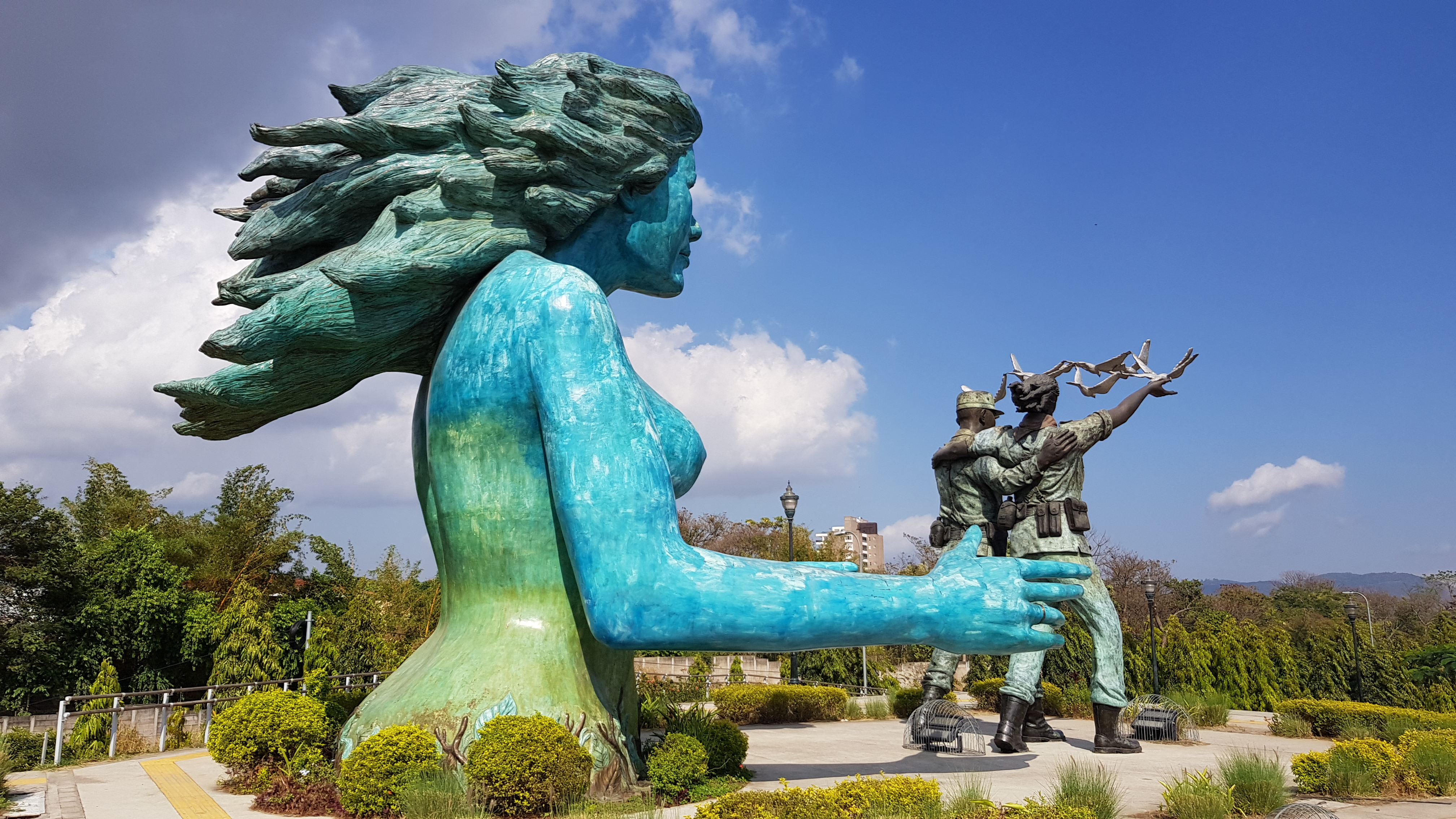
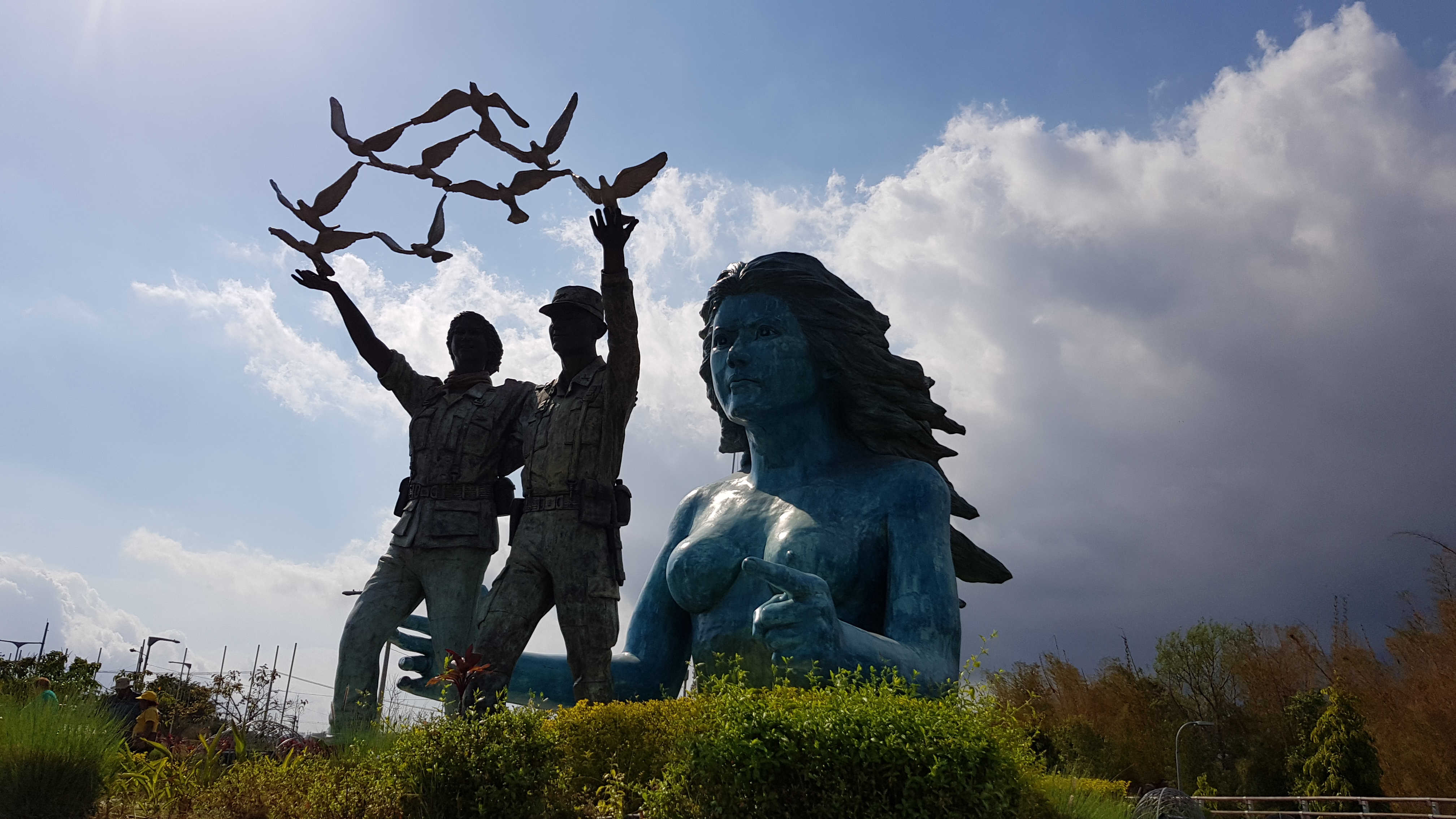
Very hot and very humid in the capital San Salvador. Before driving the 2hrs to Ataco up in the volcanic mountains, briefly stop at the Reconciliation Monument. The El Salvador Civil War lasted from 1979 through to the peace accord in 1992 between the military led government and left wing guerrillas under the name of FMLN (Farabundo Martí National Liberation Front – take note of this FMLN as it features in tomorrow’s blog!!). The civil war came about because of socio-economic inequality and the government, supported by the USA, suppressing various uprisings with death squads. The monument shows an army person joining together with a guerrilla to promote peace. Quite an impressive sculpture (see photos below).

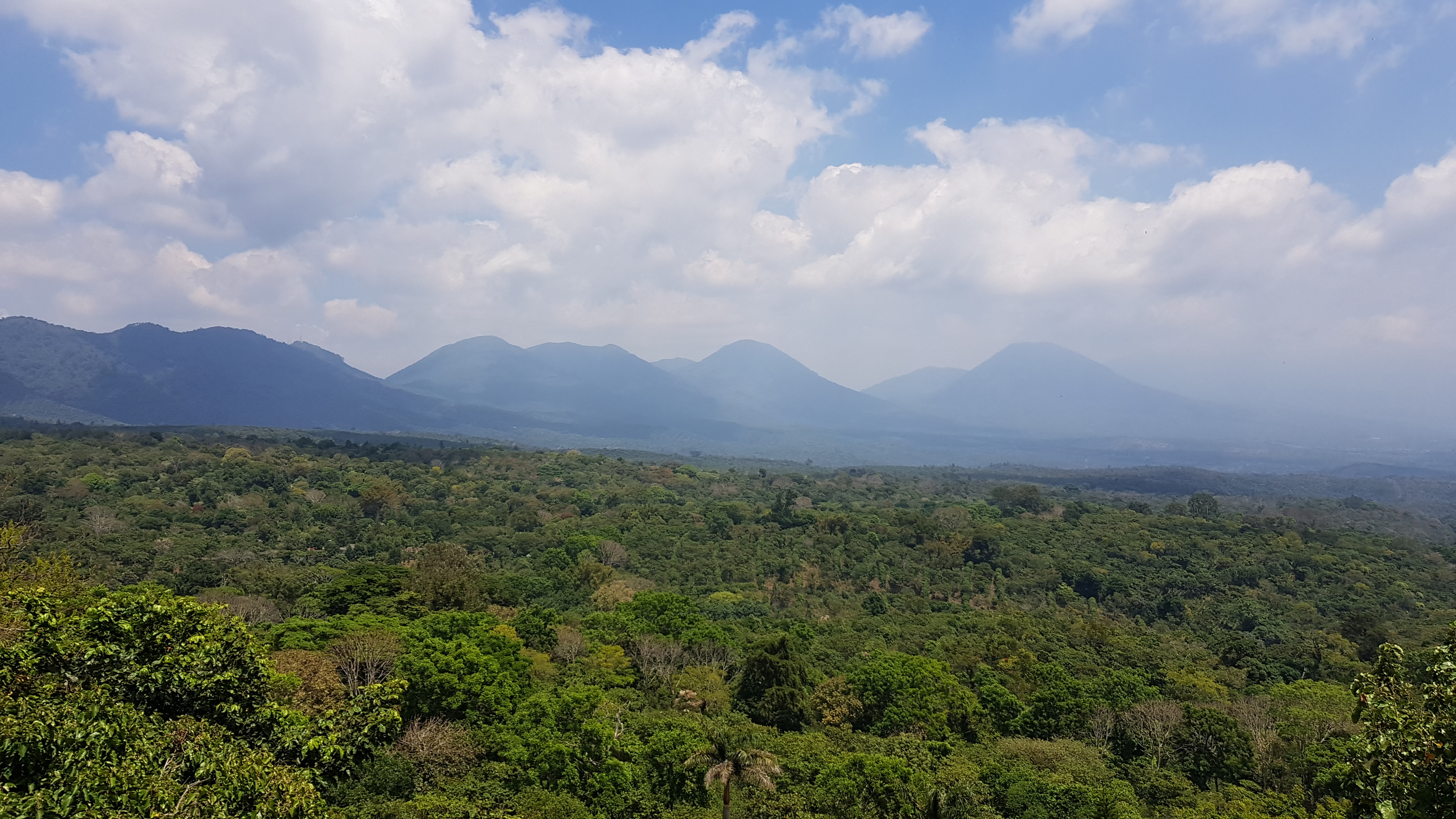
As we climb up into the volcanic mountain range there are volcanoes to our left and right. Quite an impressive sight. The temperature also drops considerably.

Arrive at dusk at the Casa Degraciela (http://www.casadegraciela.com/?lang=en). We won’t see the full splendour of our surroundings until tomorrow morning.  Excellent small hotel on the market square next to the cathedral.

Sitting outside for dinner in the much needed cool breeze when some Americans (who have just finished eating on the adjacent table) introduce themselves. They’re missionaries. Come to do good.

We’ve just been served our dinners and tucking in. The Americans ignore that and start having in depth conversations about what they’re doing and the force for good that they are. Bloody rude lot. Interrupting dinner.

First impressions of El Salvador. Loving it.
81. Do you know the way to…

Wednesday, 13 March 2019

San Jose, Costa Rica


Another hot and humid start to the day. 4hr morning drive to San Jose. Driver knows the way but do you know the way to San Jose?

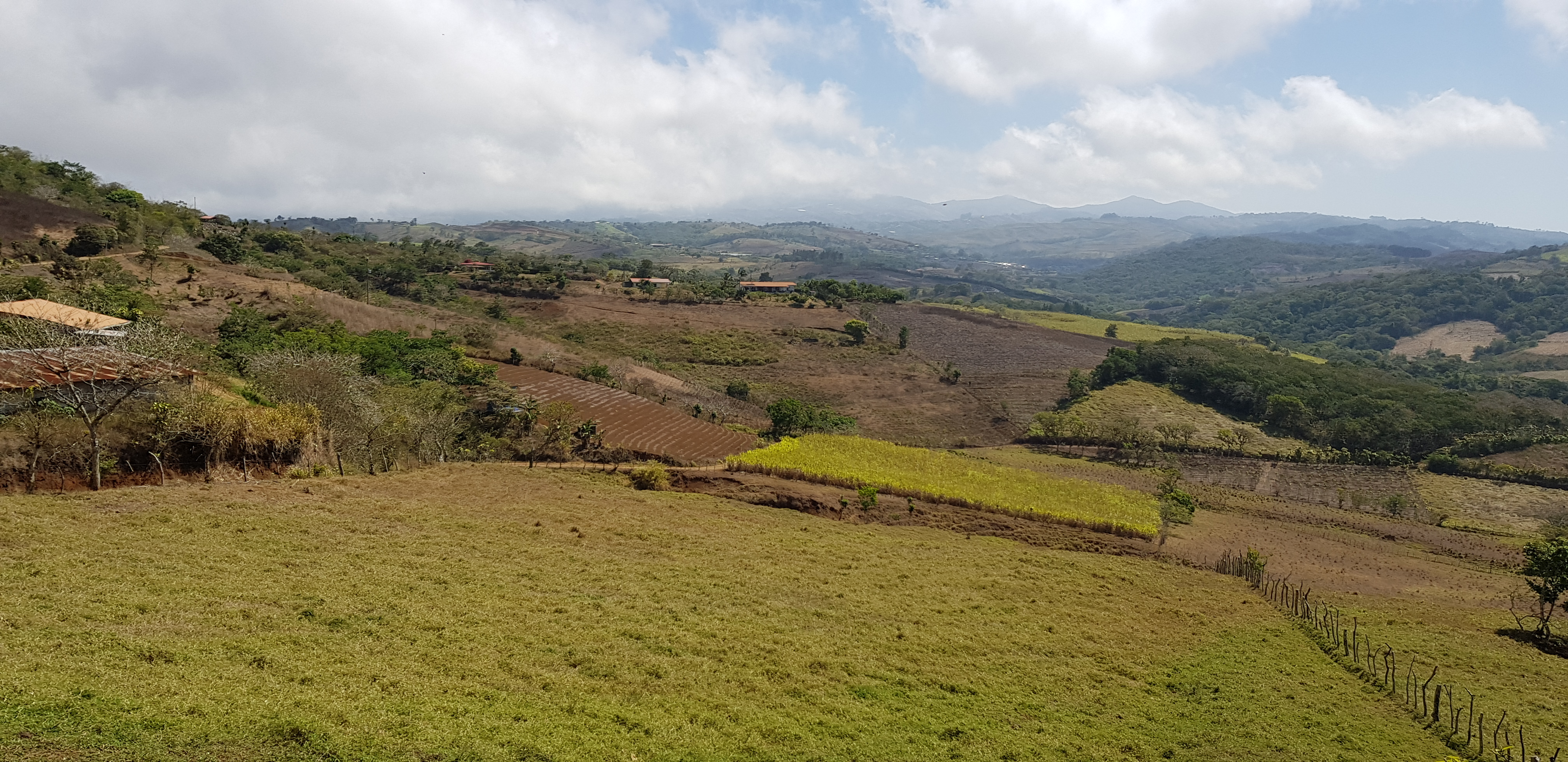
First hour is on gravel dirt roads driving through rolling countryside and farms before returning to the main road and the big city.

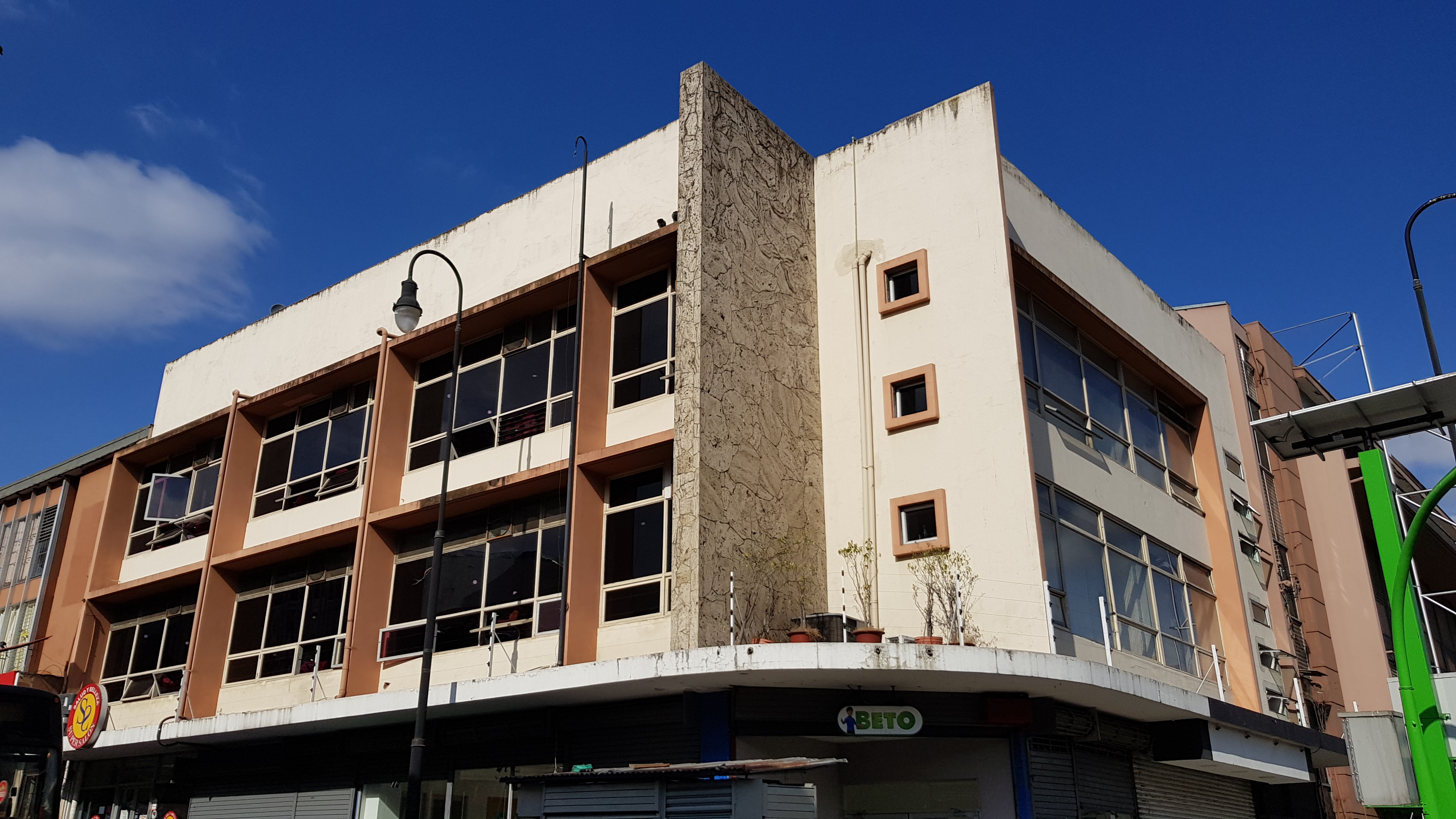
Only here for a night to be close to the airport for tomorrow’s flight. Can understand why as we drive through the city centre. There’s nothing about San Jose that appeals. Bit ramshackle. Staying at the Hotel Don Carlos (https://www.doncarloshotel.com/), small family owned hotel run for generations by the same family. Let’s call it rustic and charming and leave it at that.

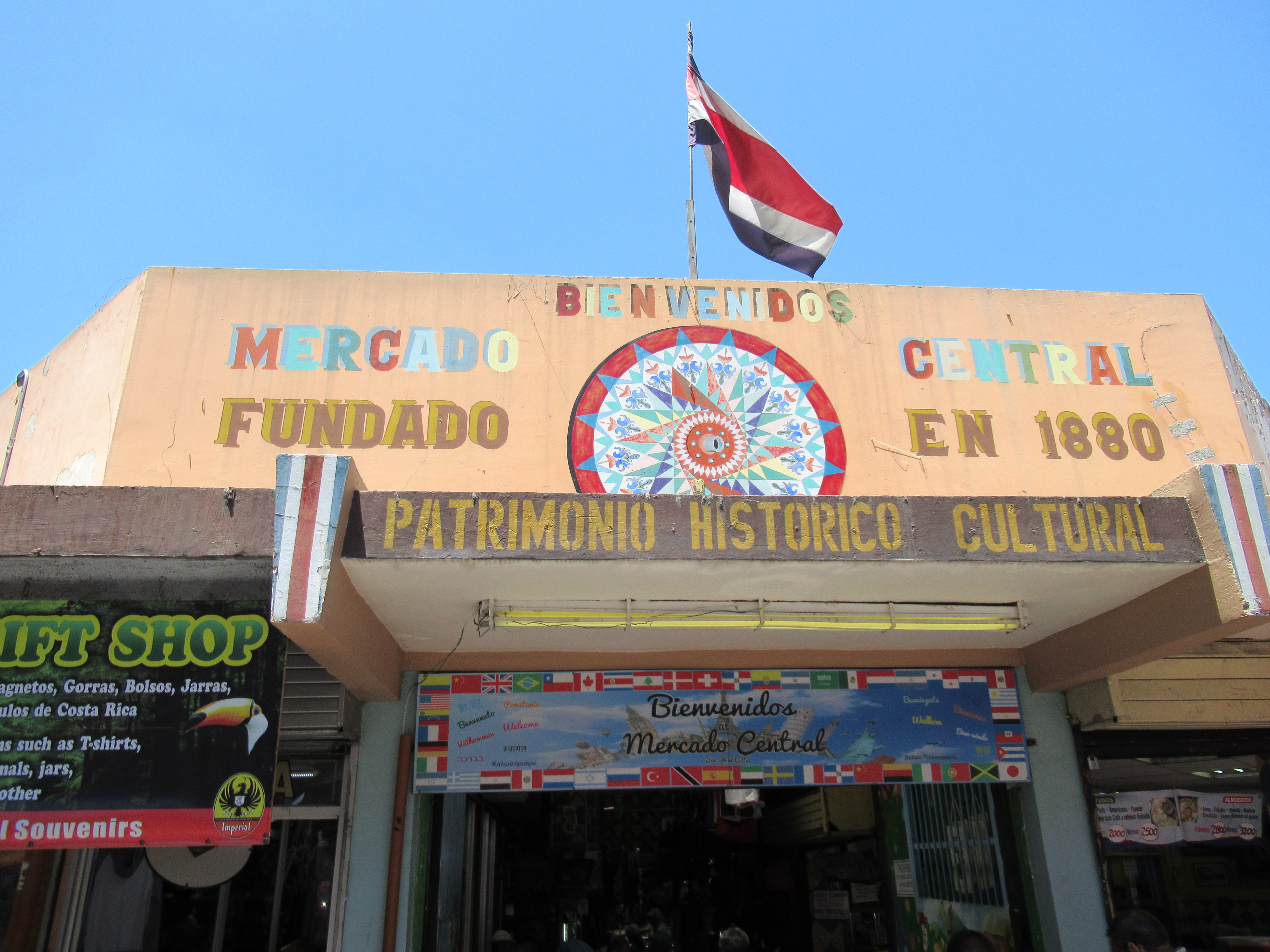
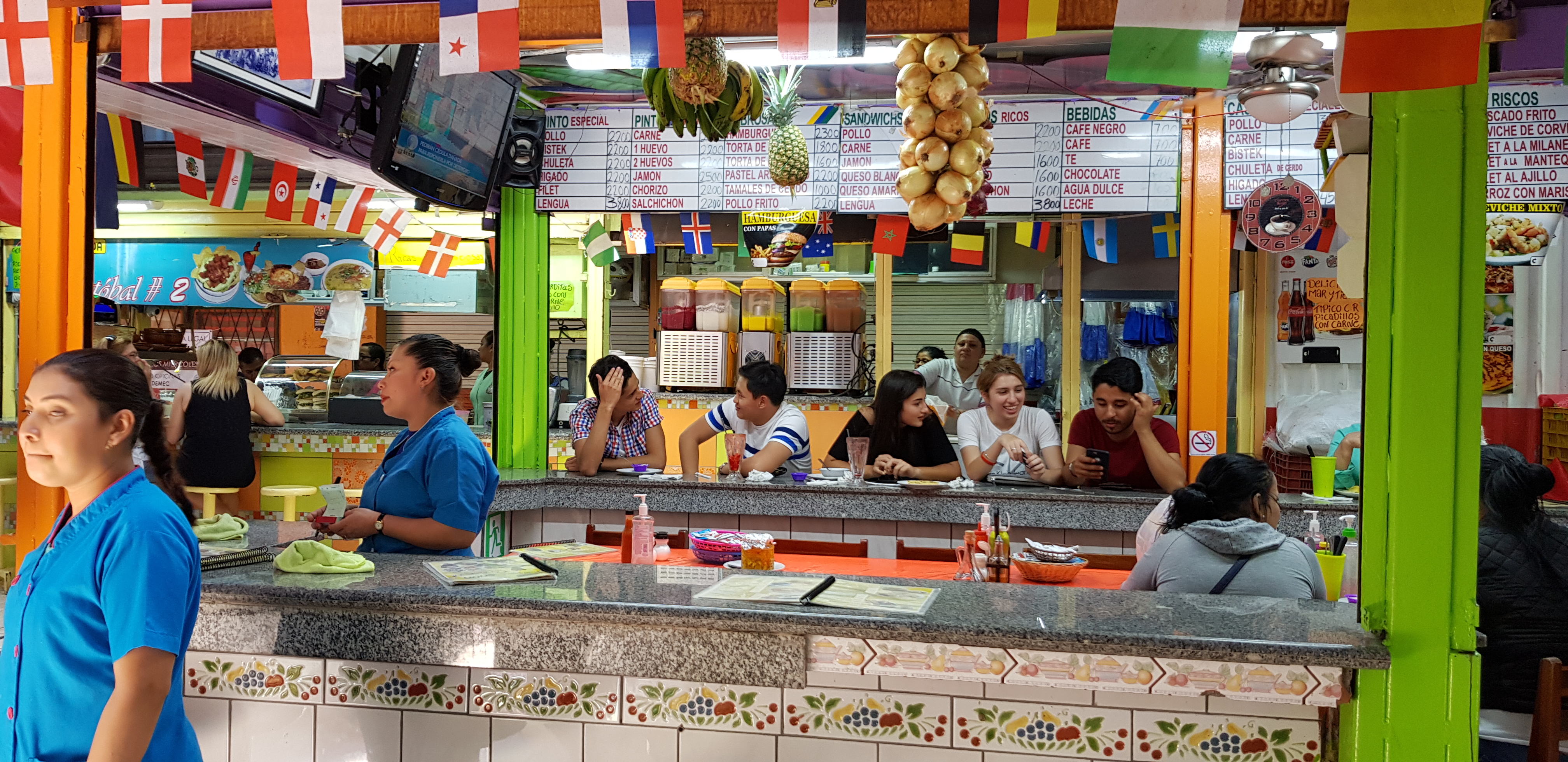
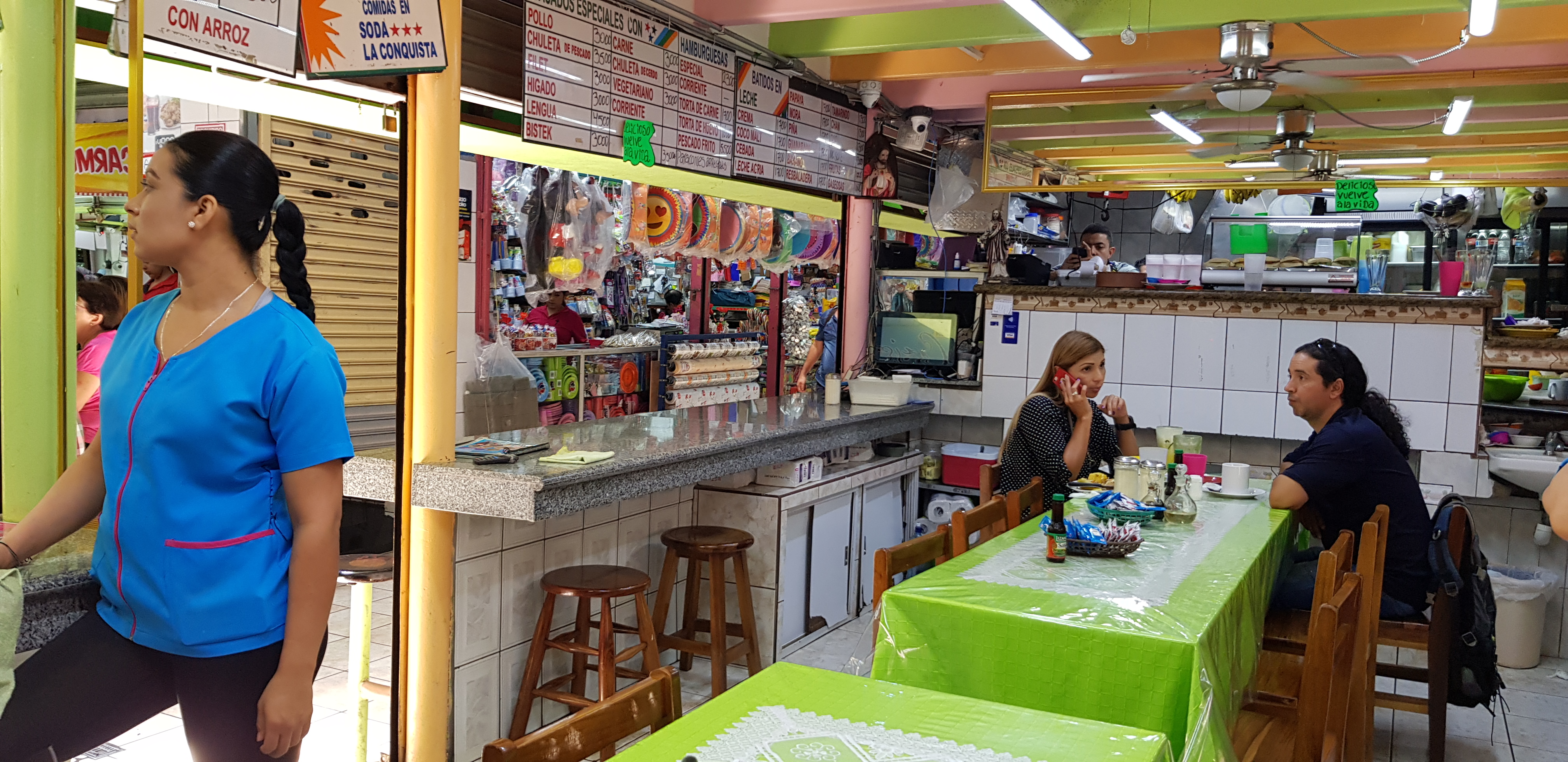
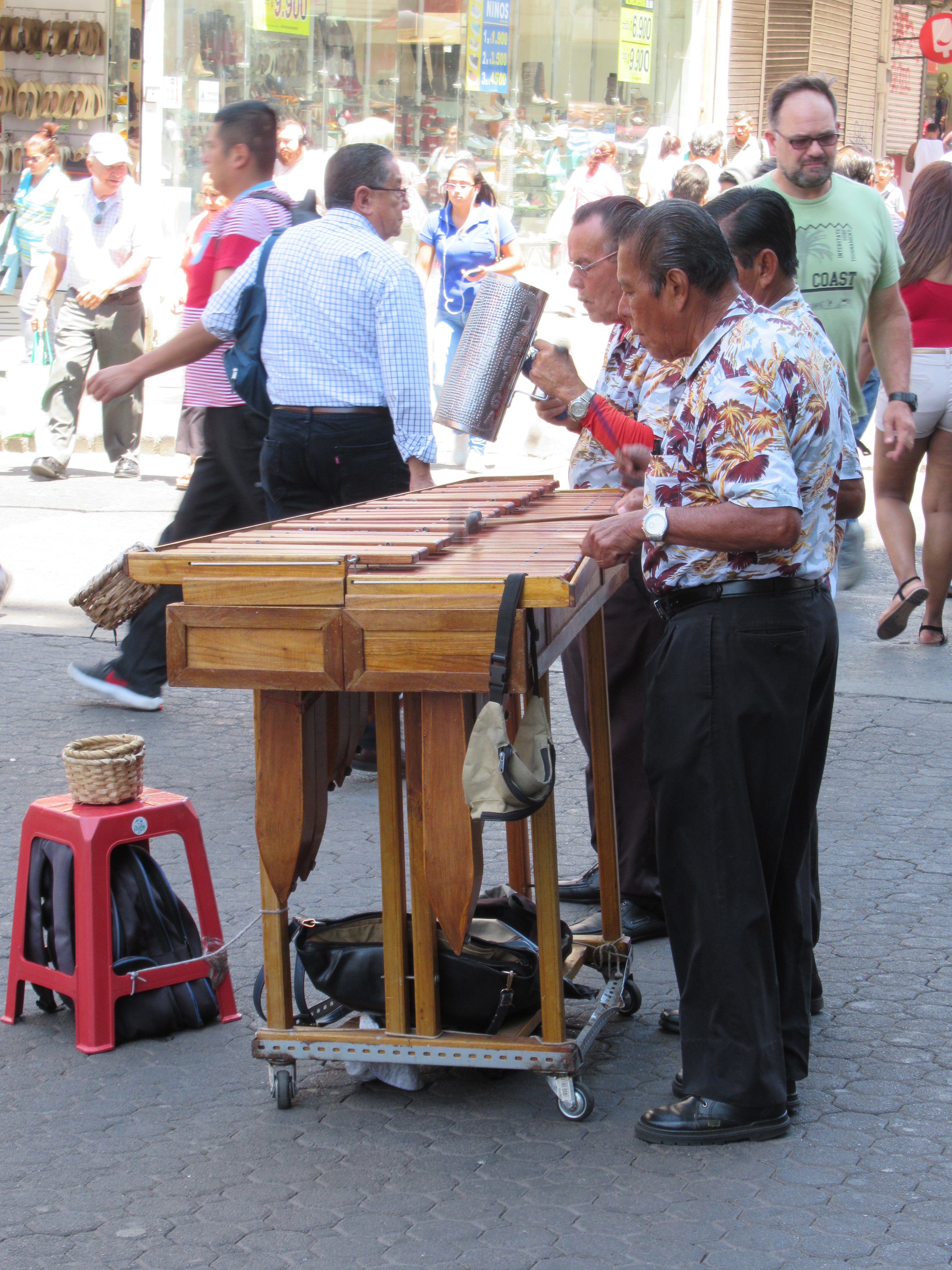
Lunch in the covered market dating back to 1880. The central part has many ‘restauarants’ (I use the term loosely) all vying for punters with plump waitresses, heavily made up and wearing brightly coloured dresses, waving their hands at any passer by to attract their attention and thrusting a menu in their face. Think Nottingham’s Victoria Centre Market with a bit of colour and glamour, rather than the dull grey and the immigrant clientele. Entertainment provided by a few old codgers loudly playing the xylophone and what appears to be a cheese grater providing supplementary percussion. A vain attempt at dancing to the beat too. Either that or they desperately need the loo.

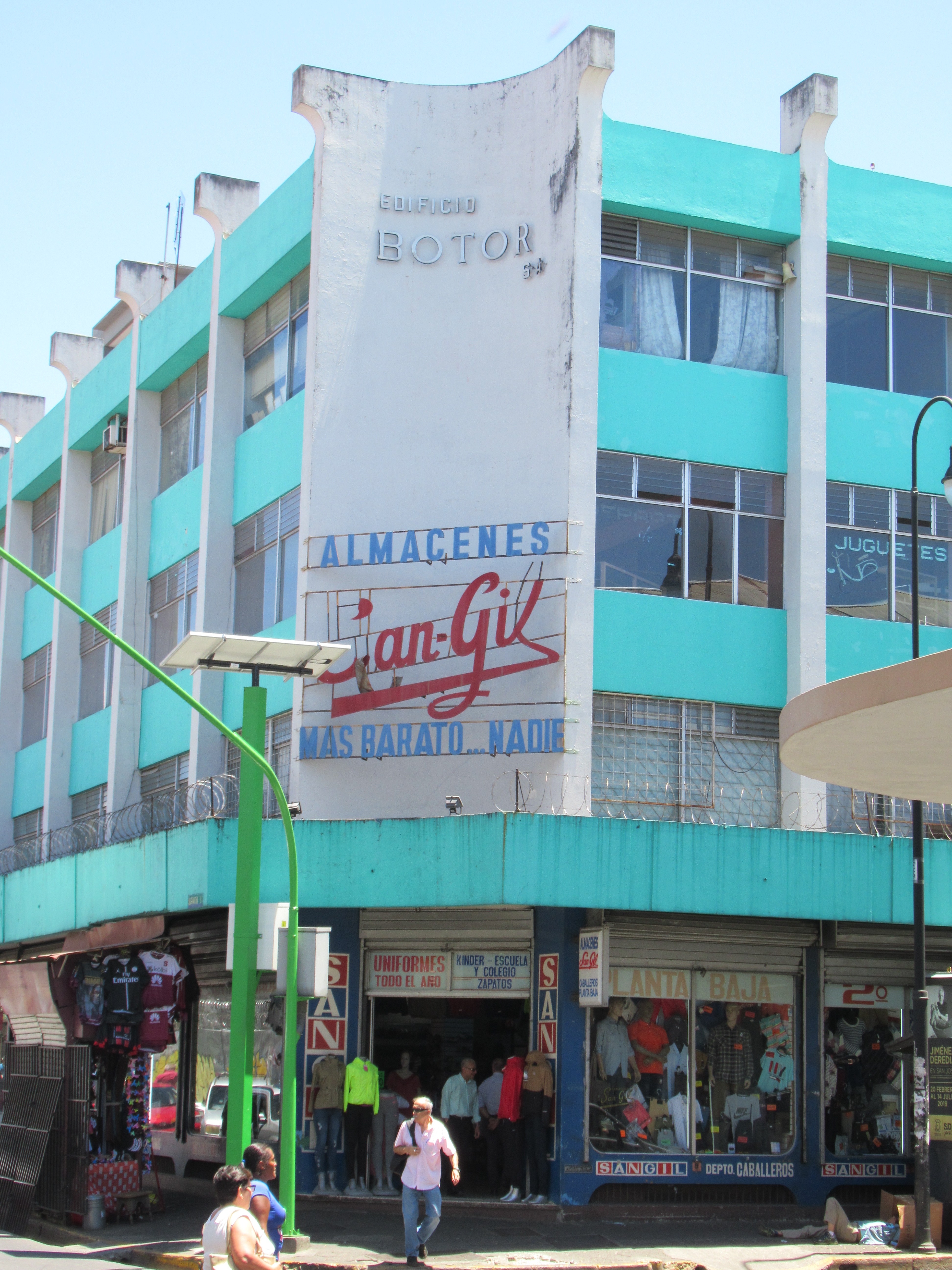
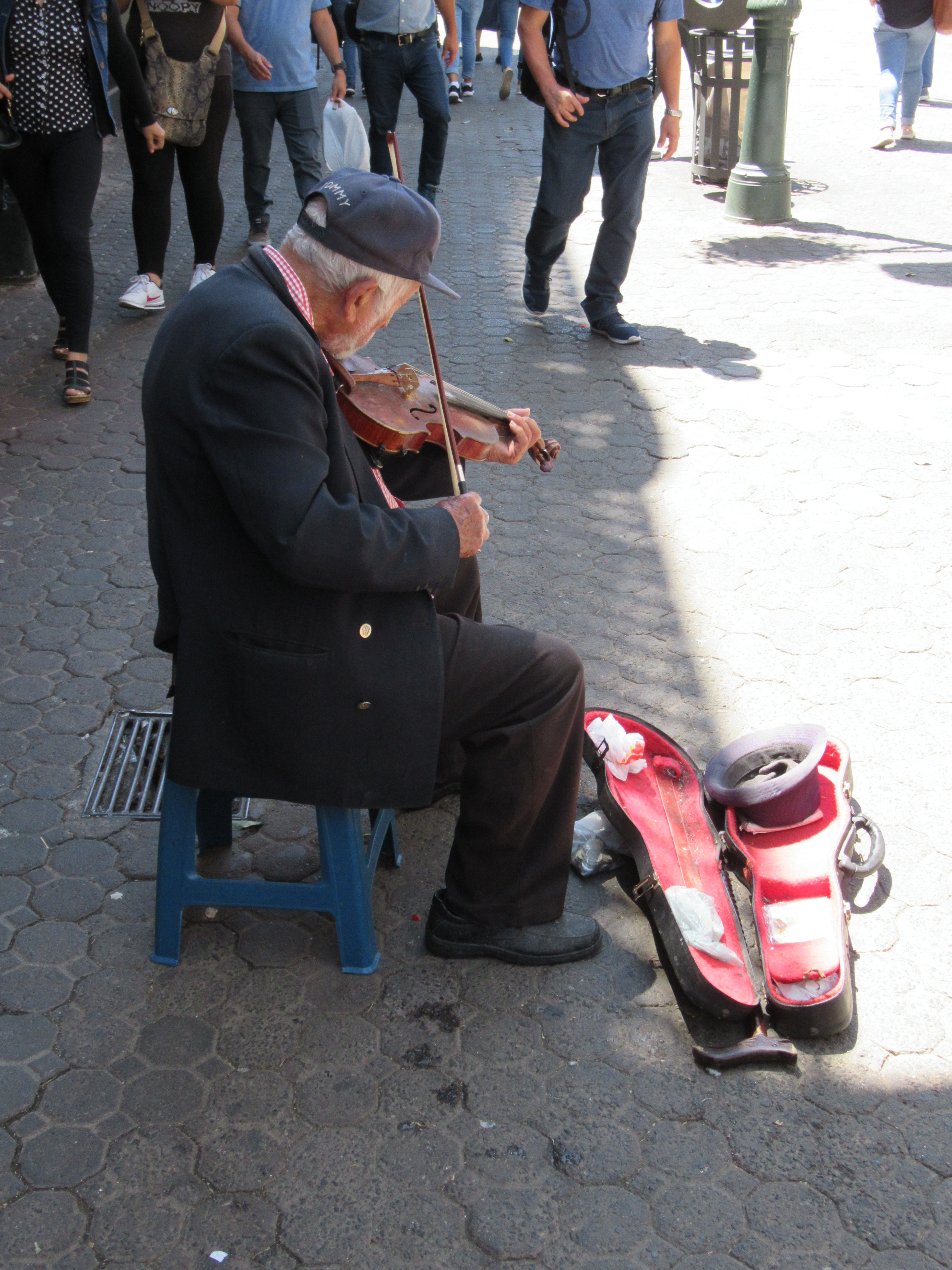
Walking along the main pedestrianised shopping street is like any other you would find in the UK but there are many street stalls selling fruit, jewellery and dodgy goods. An old man is playing the violin busking for money. Except. The violin only has one string and he’s not making any noise whatsoever. Walk past a gun shop and after peering through the security grille doors, the owner invites me in for a quick look. Plenty of pistols and assault rifles adorn the walls. It’s apparently legal to carry a concealed gun in Costa Rica, providing you have a licence. Because that obviously stops the bad people from carrying weapons. Doesn’t it.
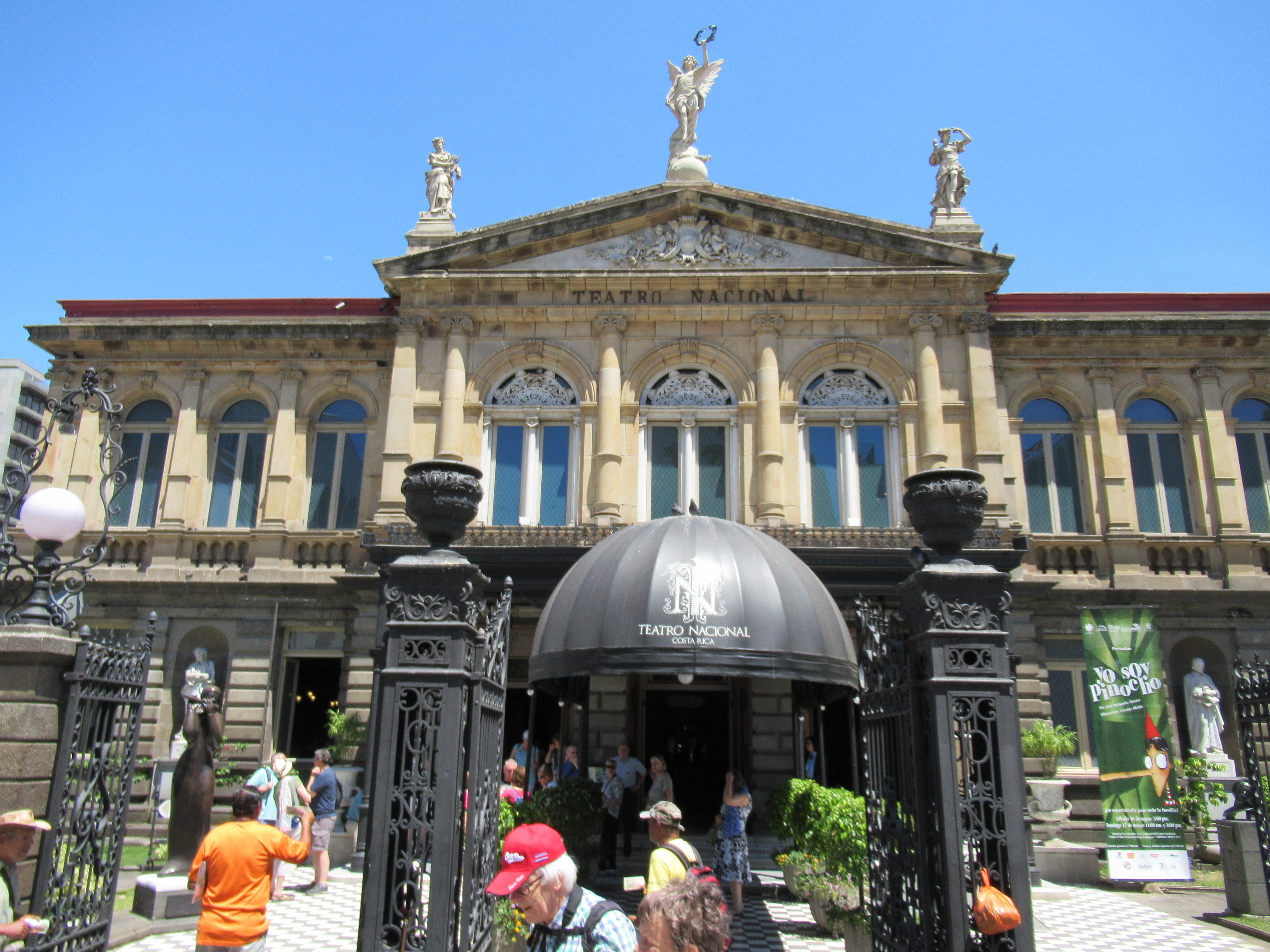
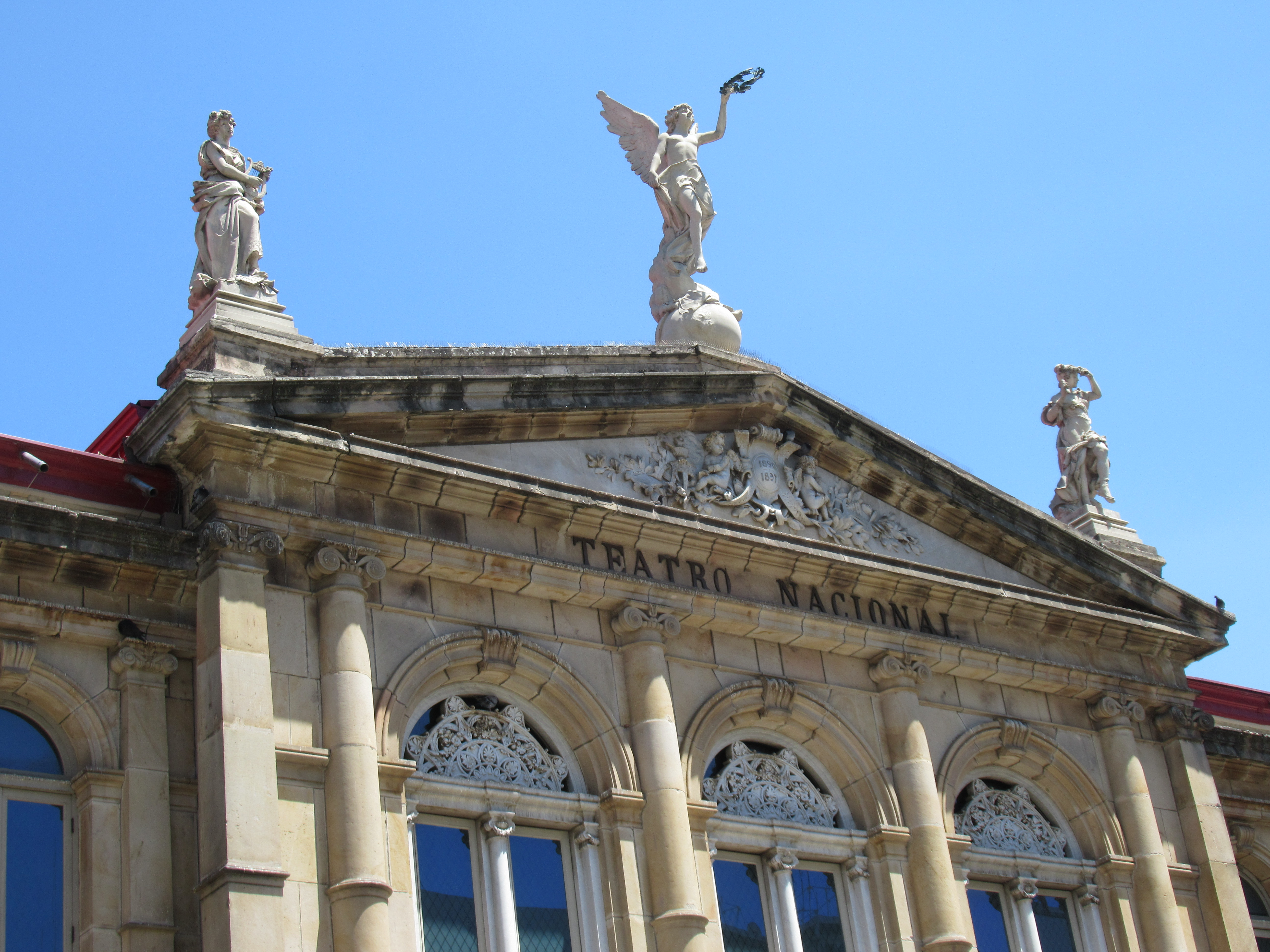
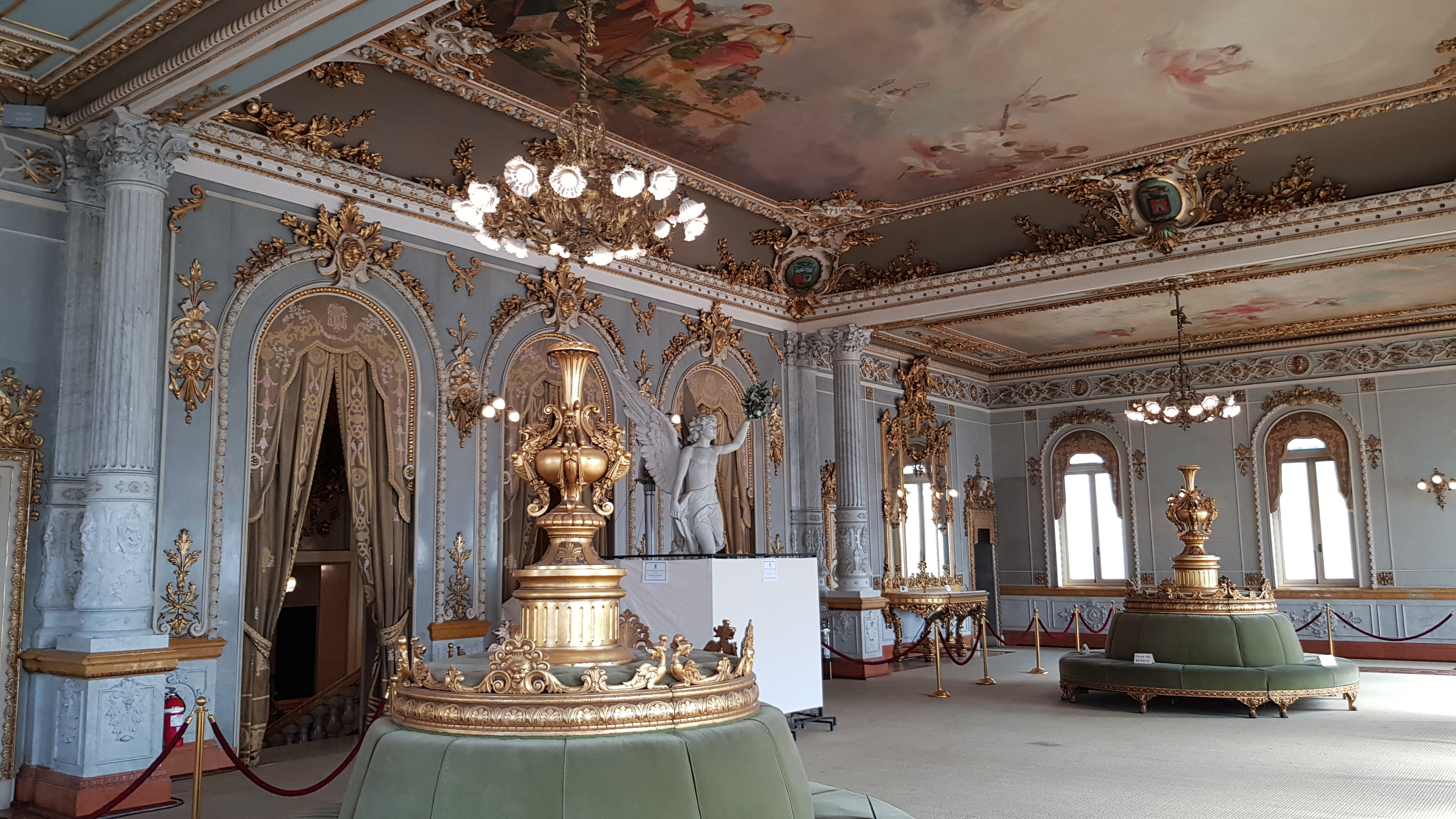
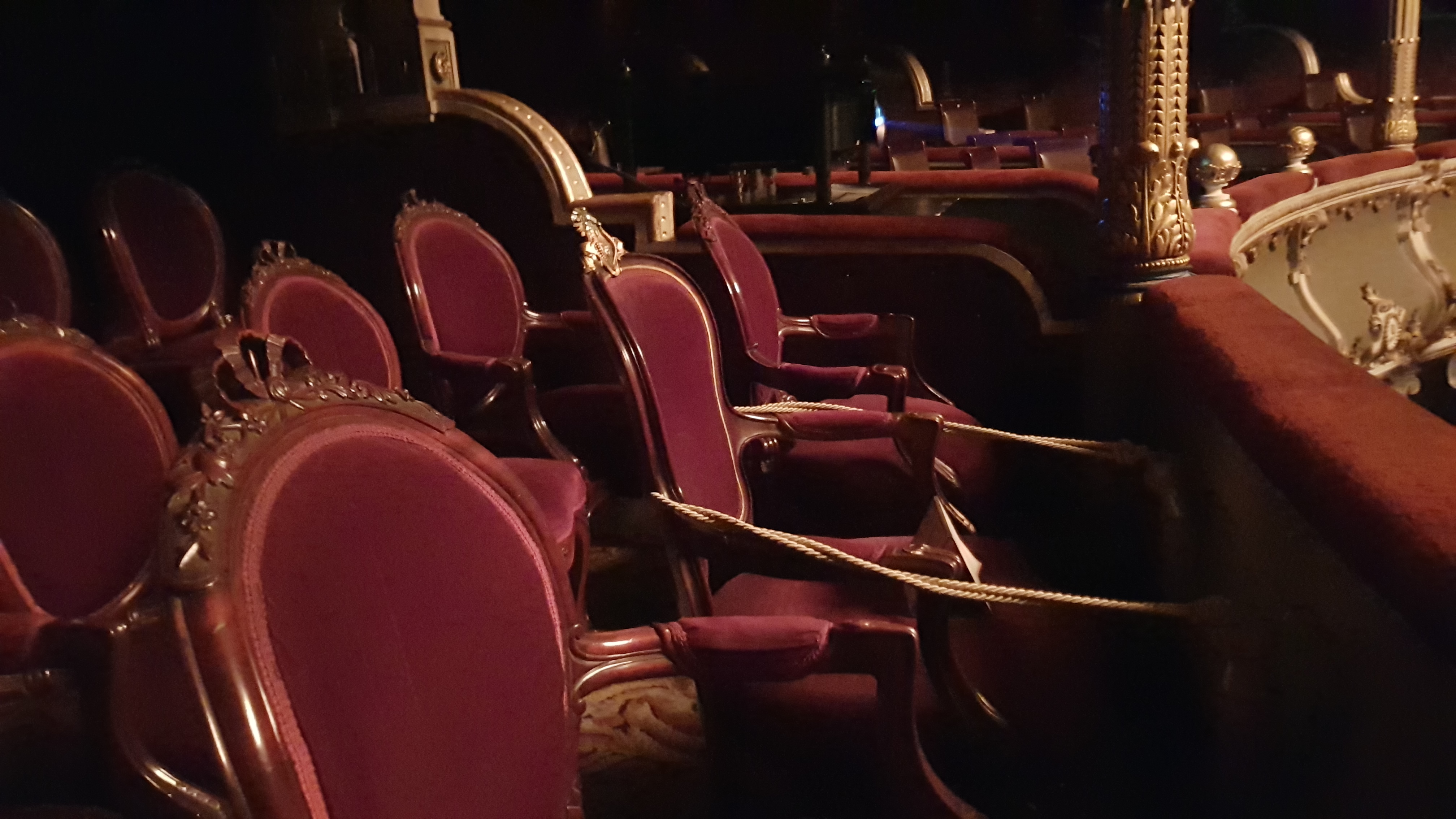
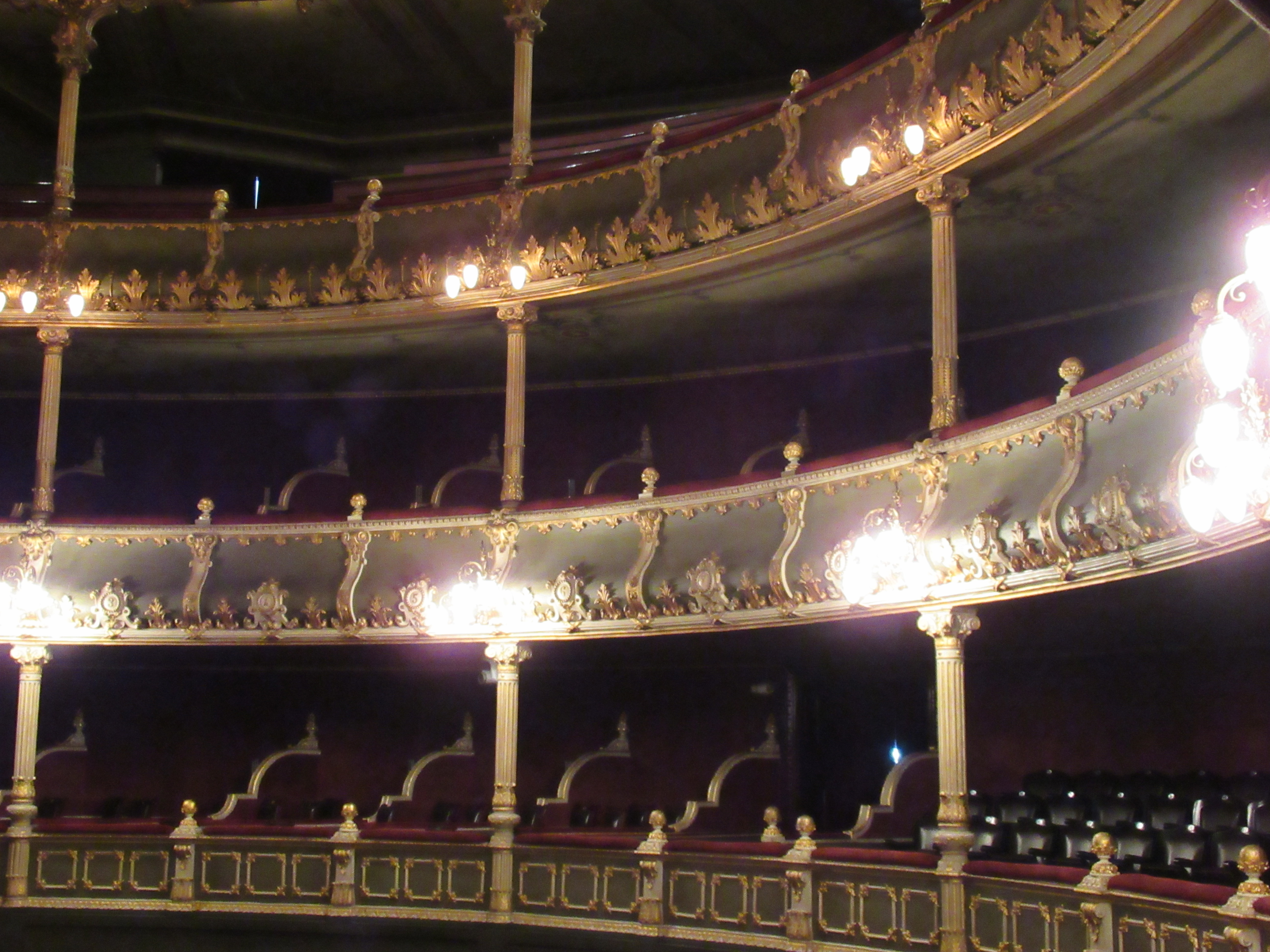
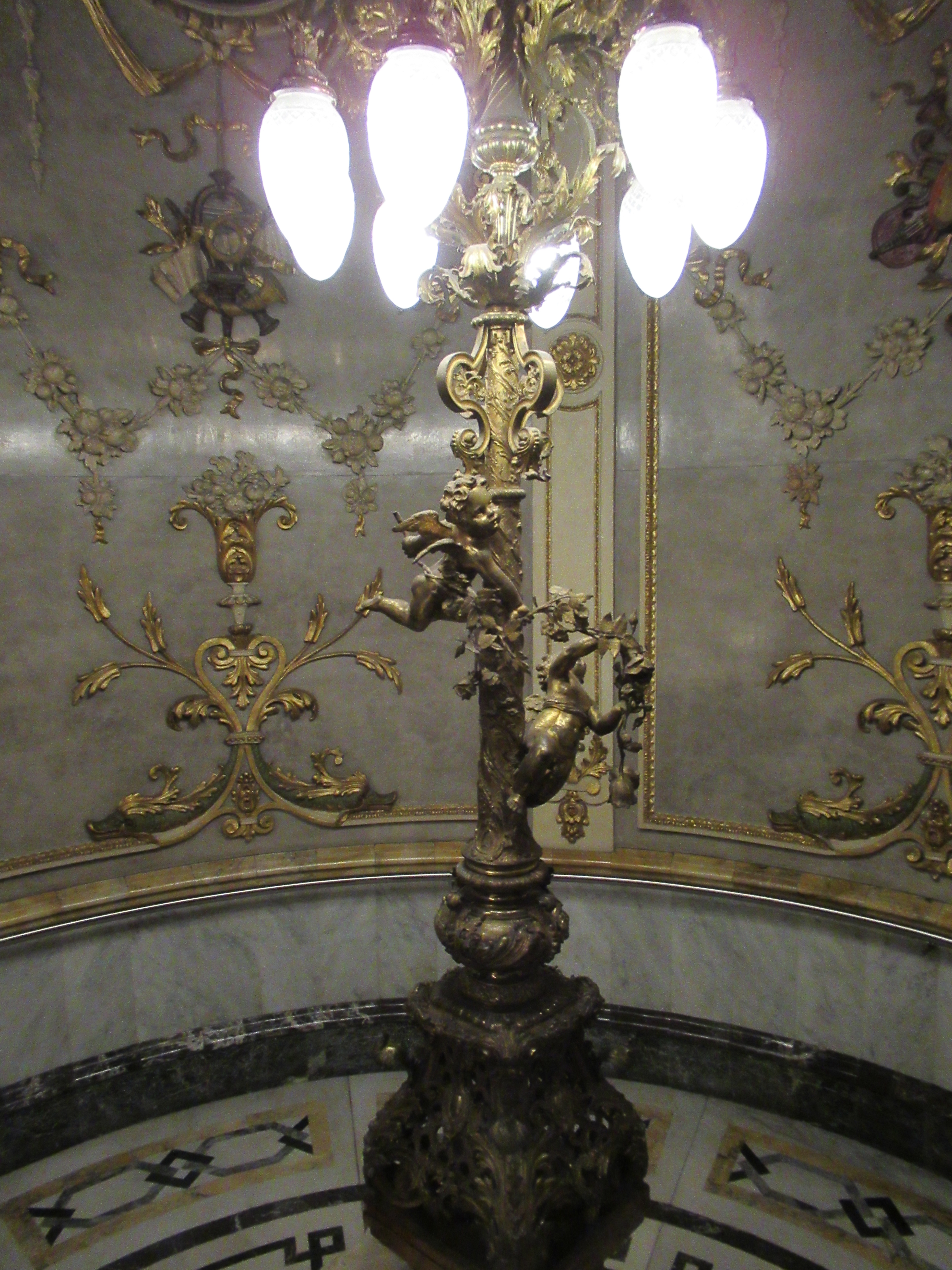
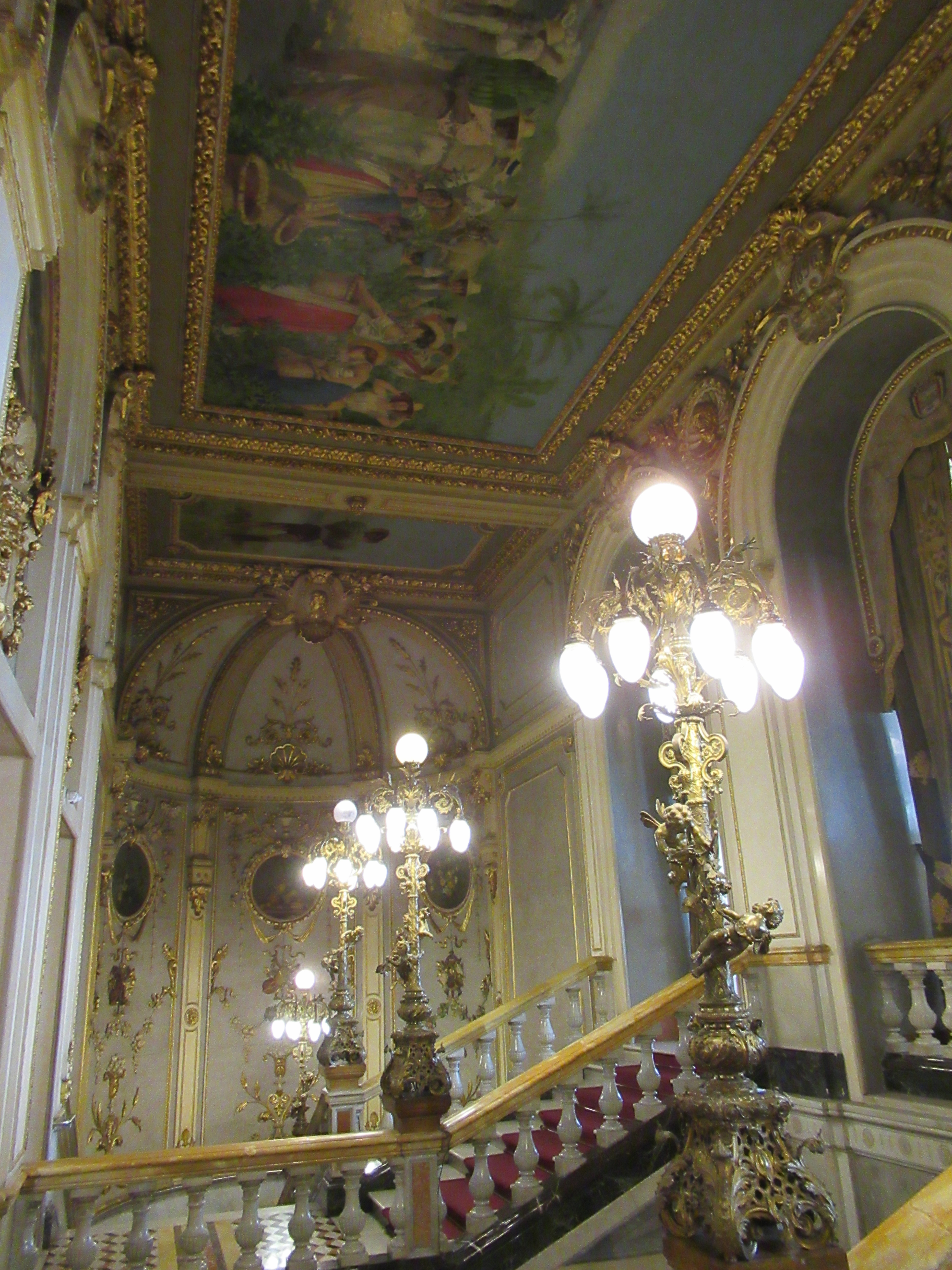
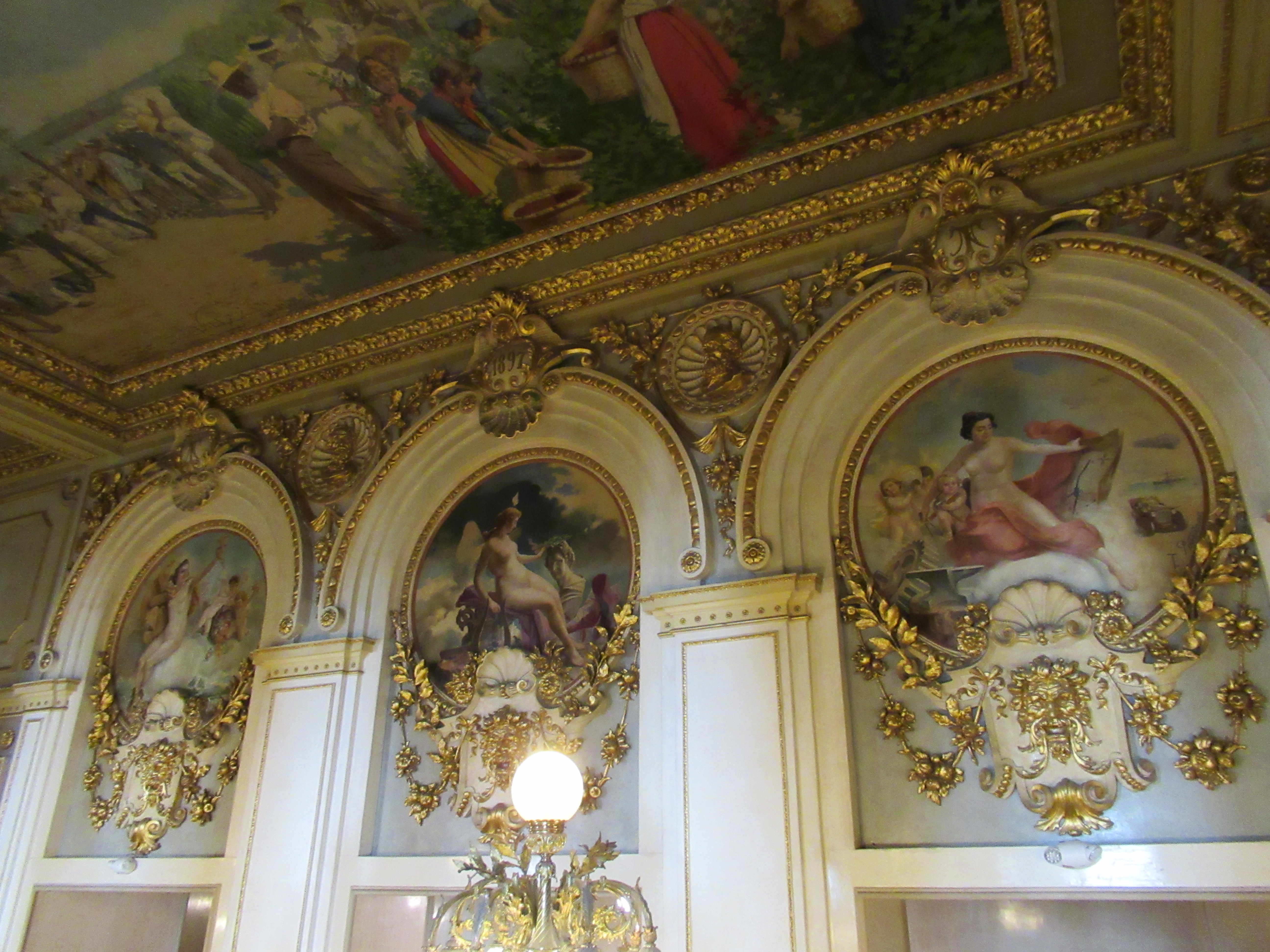
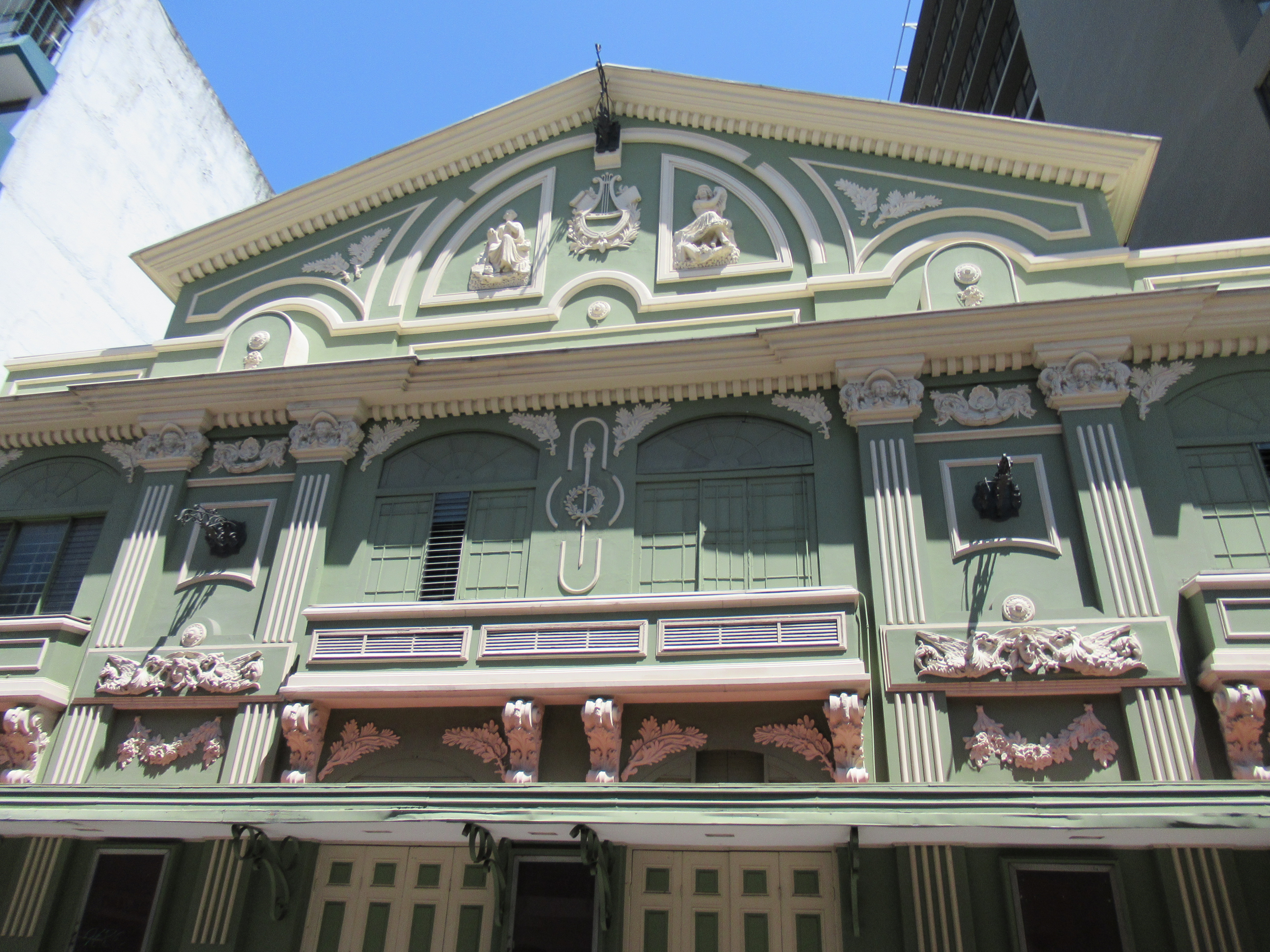
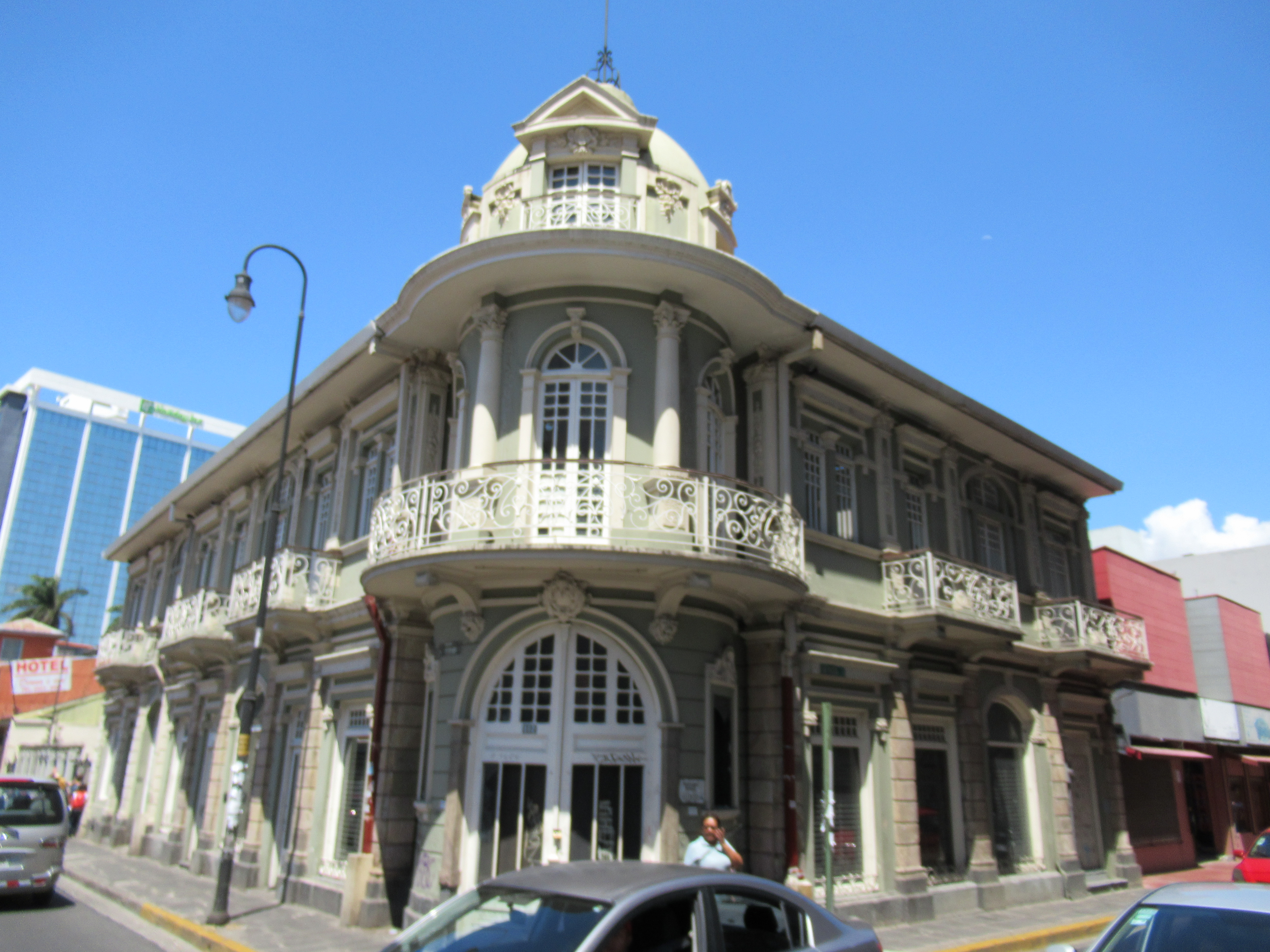
The most architecturally stunning building in the city is the National Theatre. Built in a European style in the late 19th century it stands proud in the main square. As Costa Rica doesn’t have an official Presidential Palace or house, the National Theatre stands in to receive dignitaries and entertain foreign heads of state. Very ornate inside, typical of European theatres. The auditorium floor can be raised a metre or so to become level with the stage. Underneath the auditorium is a giant hand turned screw, which needs a few people to turn it. This then turns six other screws through a series of cogs to raise the floor up. Purely hand driven, no electrical motors here. The auditorium has, of course, the Presidential box, with the Presidential seat. No one is allowed to sit in the box apart from the President and his party though, so is quite often vacant during performances.

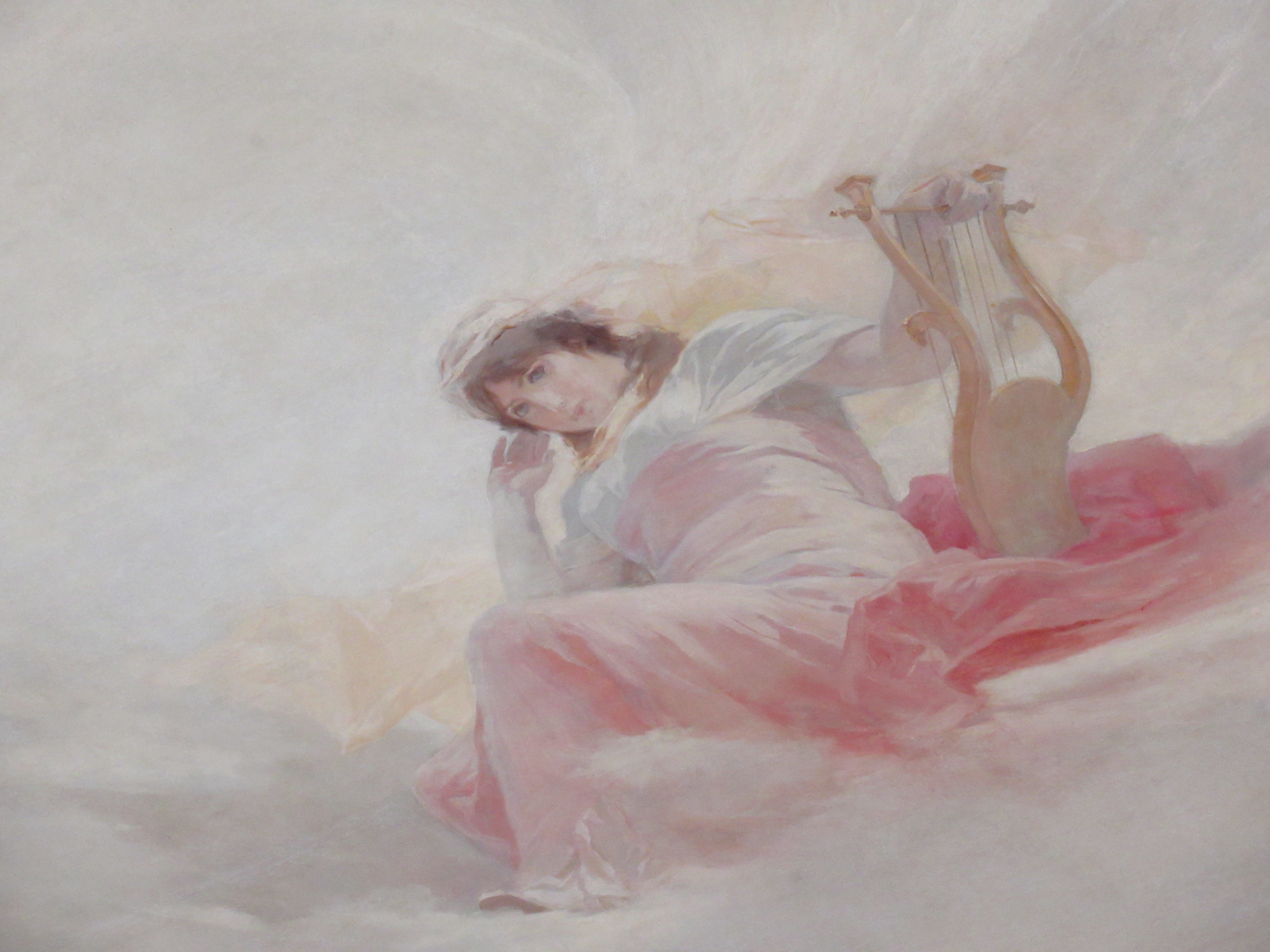
The main break out room over the front of the theatre is an ornate affair with painted ceilings, gold leaf effects and a marquetry floor, consisting of about fifteen types of wood. The ceiling has a woman painted on whose eyes follow you as you walk from one side of the room to the other. Some effect known as ‘elliptical infinity’, I understand. Quite disconcerting being watched all the time. Last saw something like that in the Tretyakov Gallery in Moscow. A dying soldier on the battlefield watched you wherever you were in the room.
It’s a startling effect.