Category Archives: Antarctica to Alaska

50. That’s so middle class!

Sunday, 10 February 2019

Riobamba, Ecuador


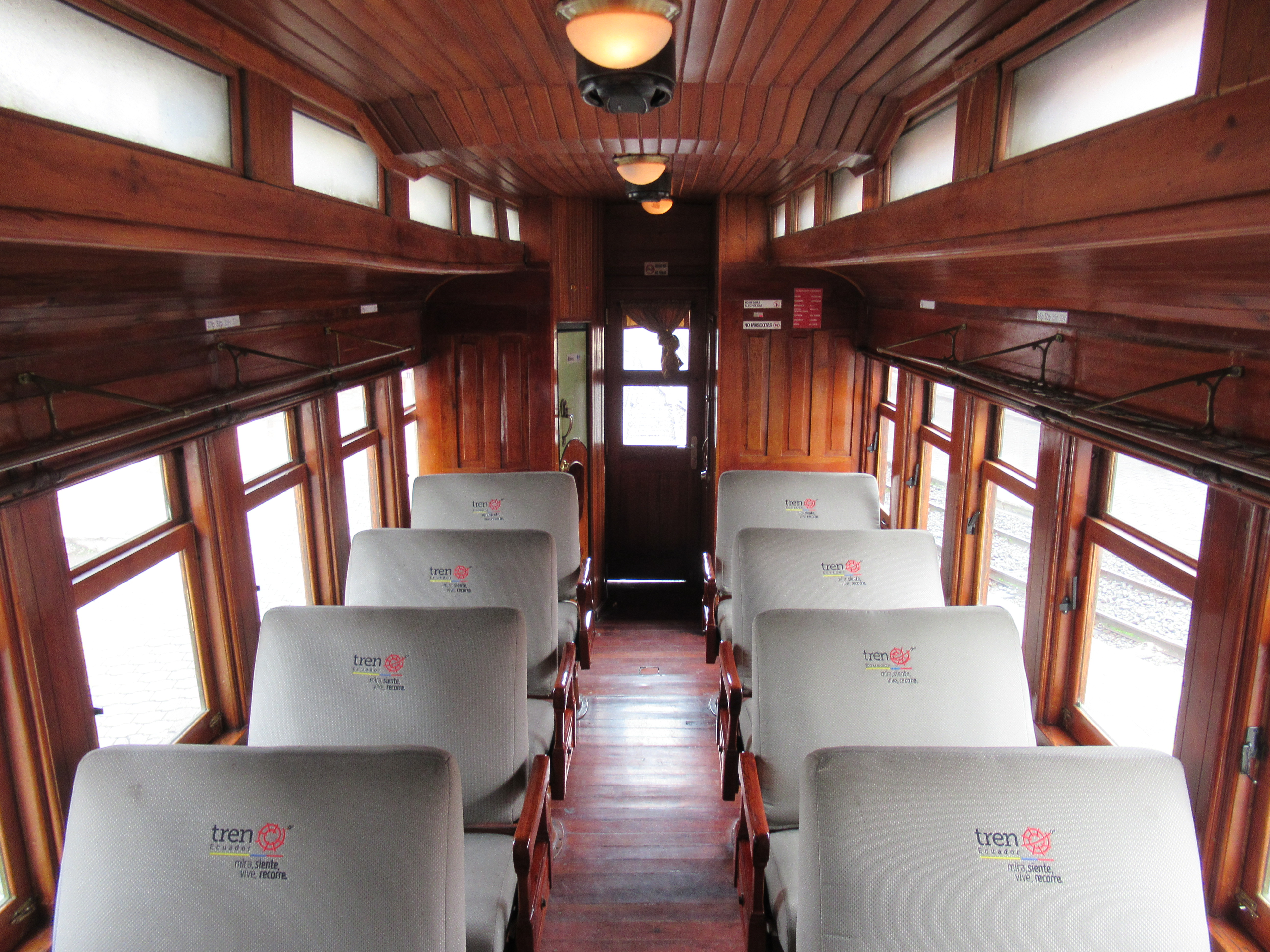
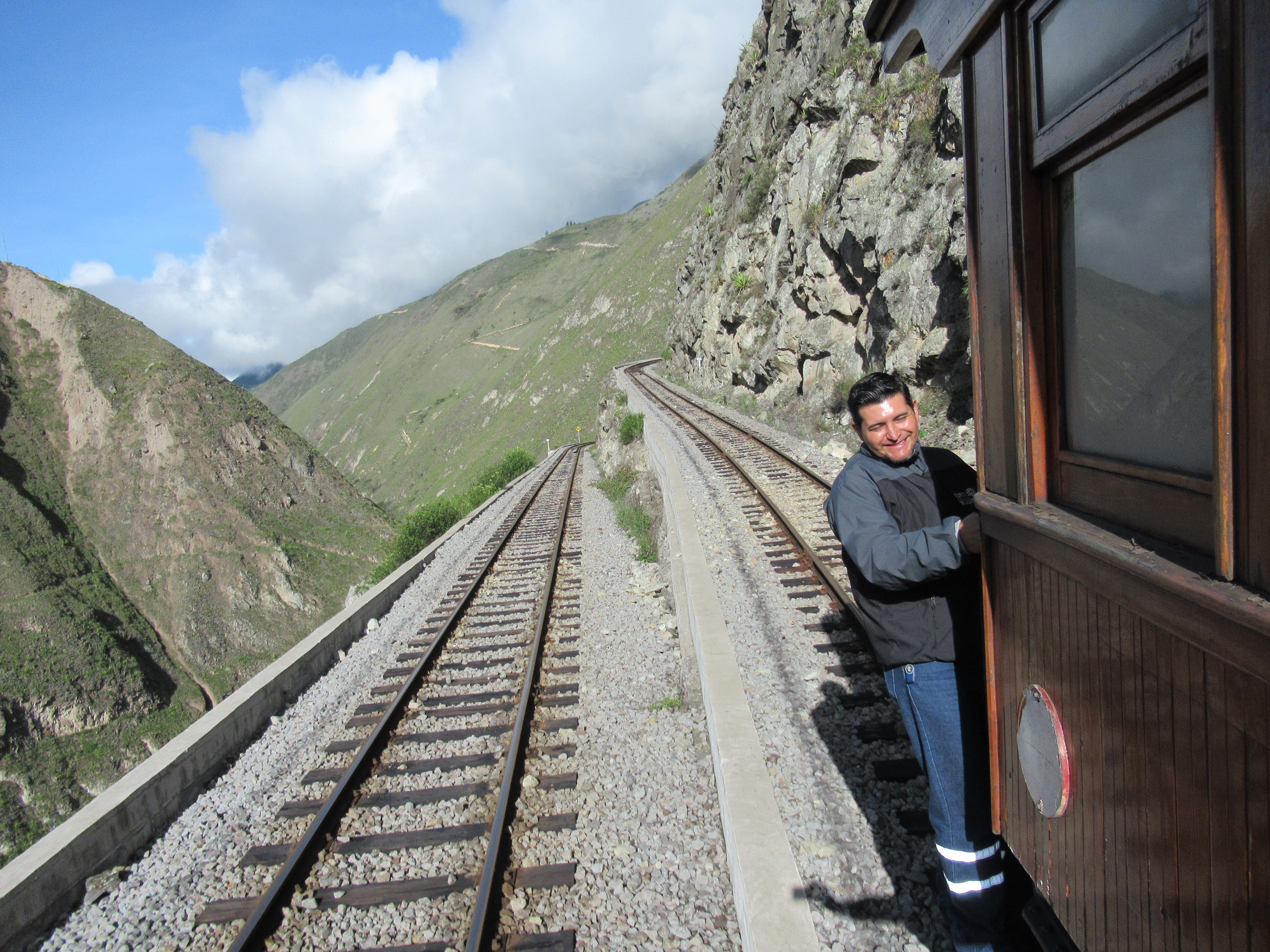
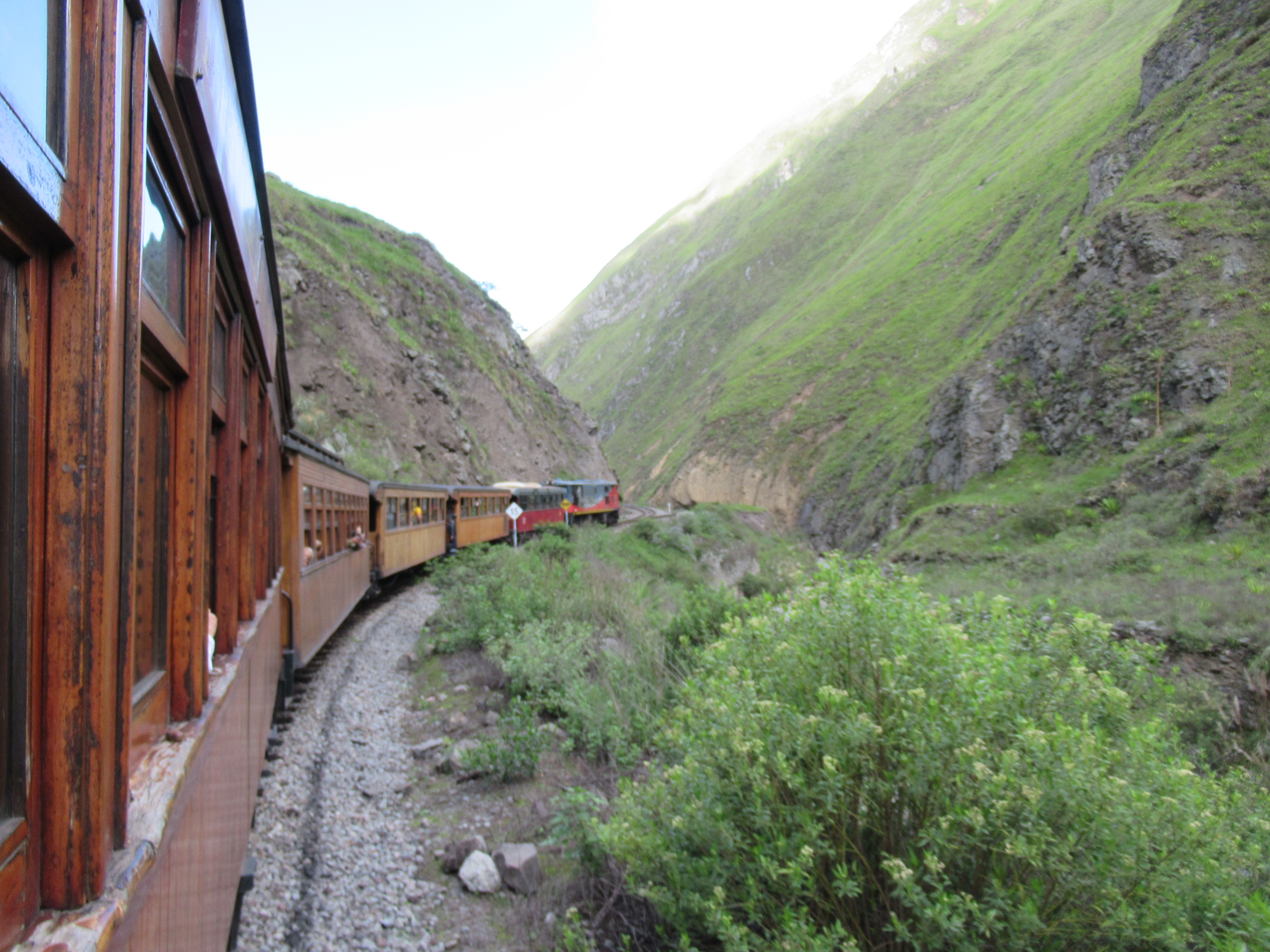
Always wanted to travel on The Devil’s Nose railway ever since one of my first (and one of my finest…I know she’s reading this) bosses went in the early 1990s. Back then, I recall that she was able to sit on the roof of the train. Sadly, this is no longer allowed and have to sit in comfy chairs inside.

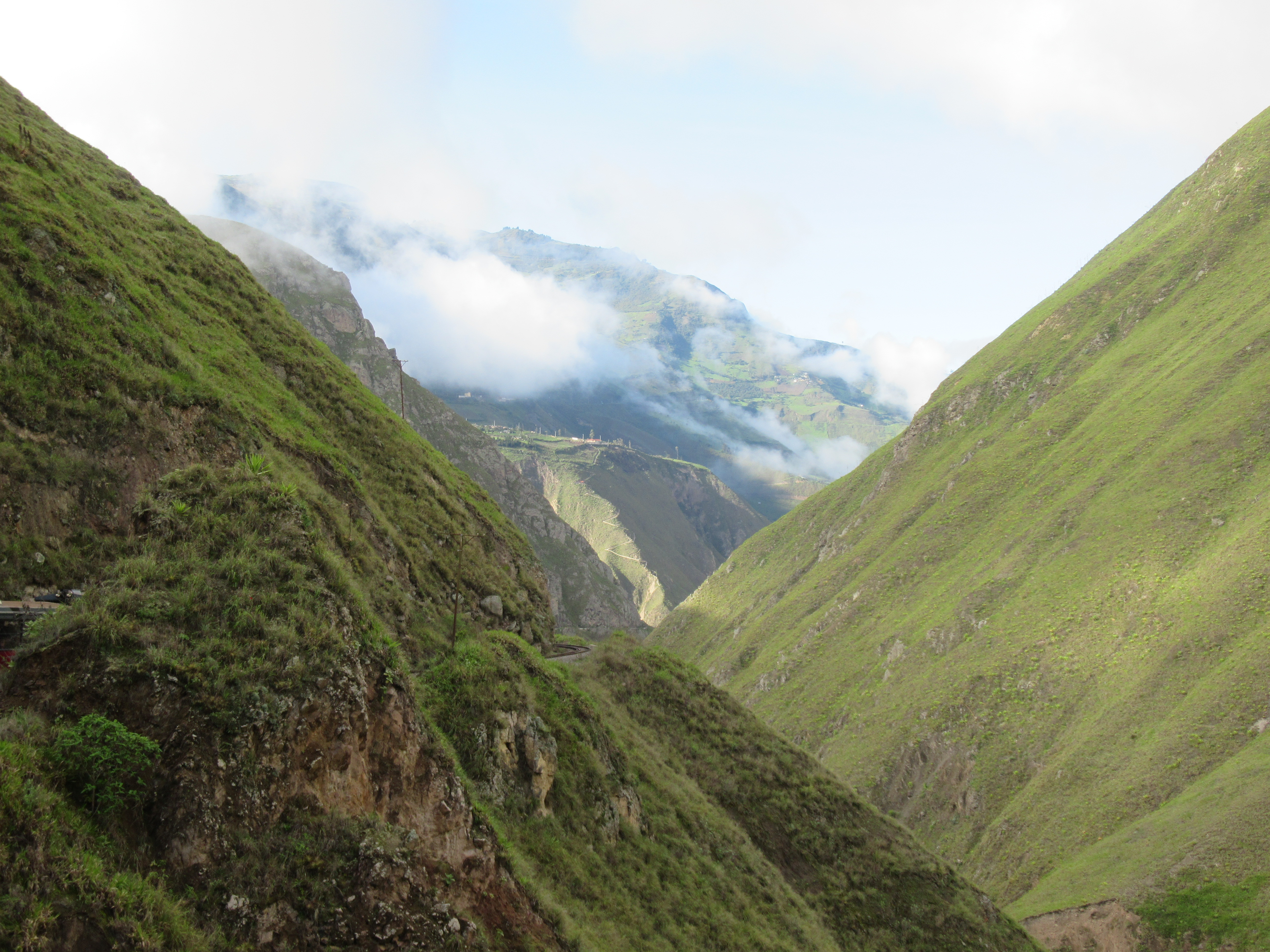
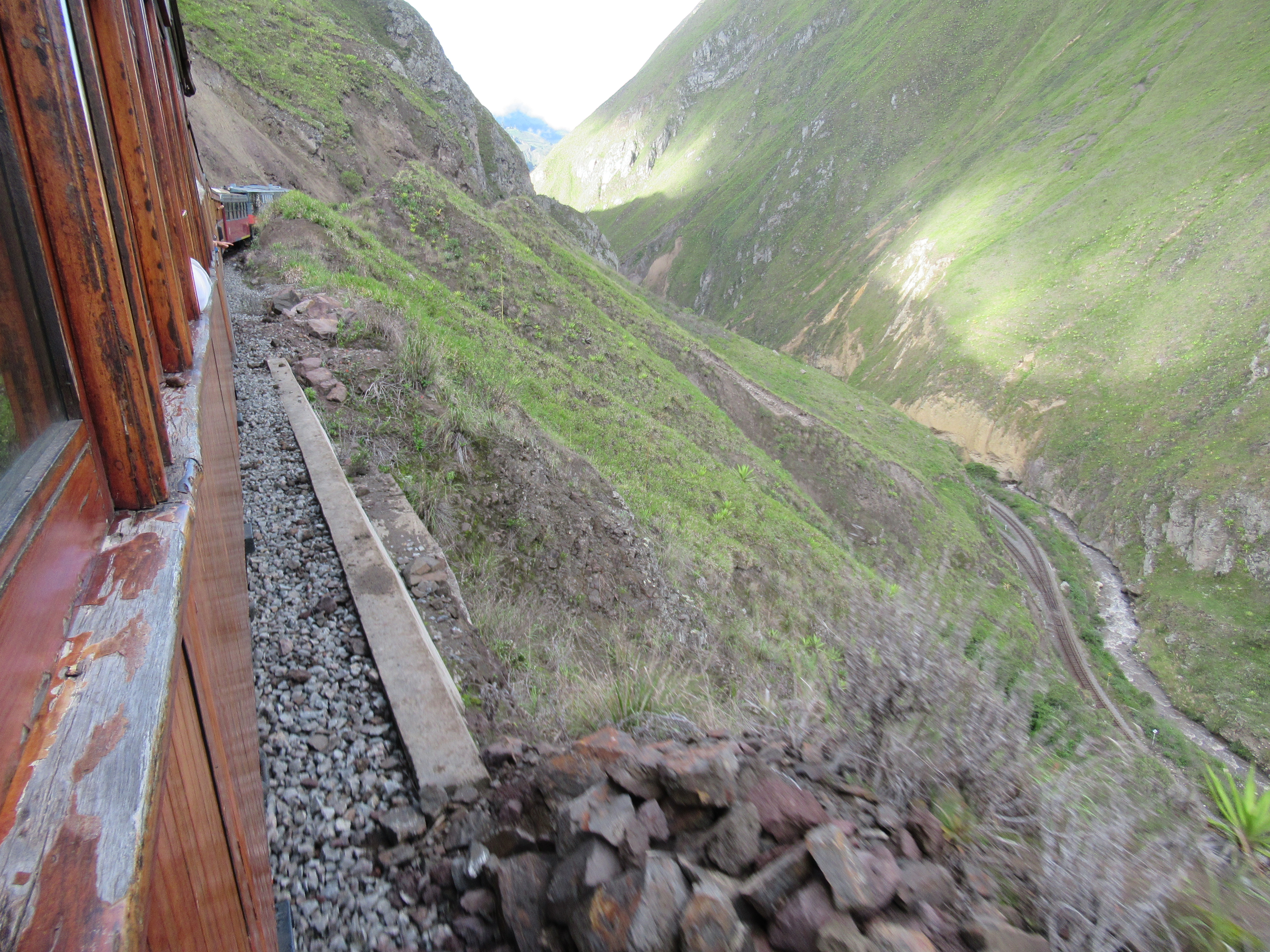
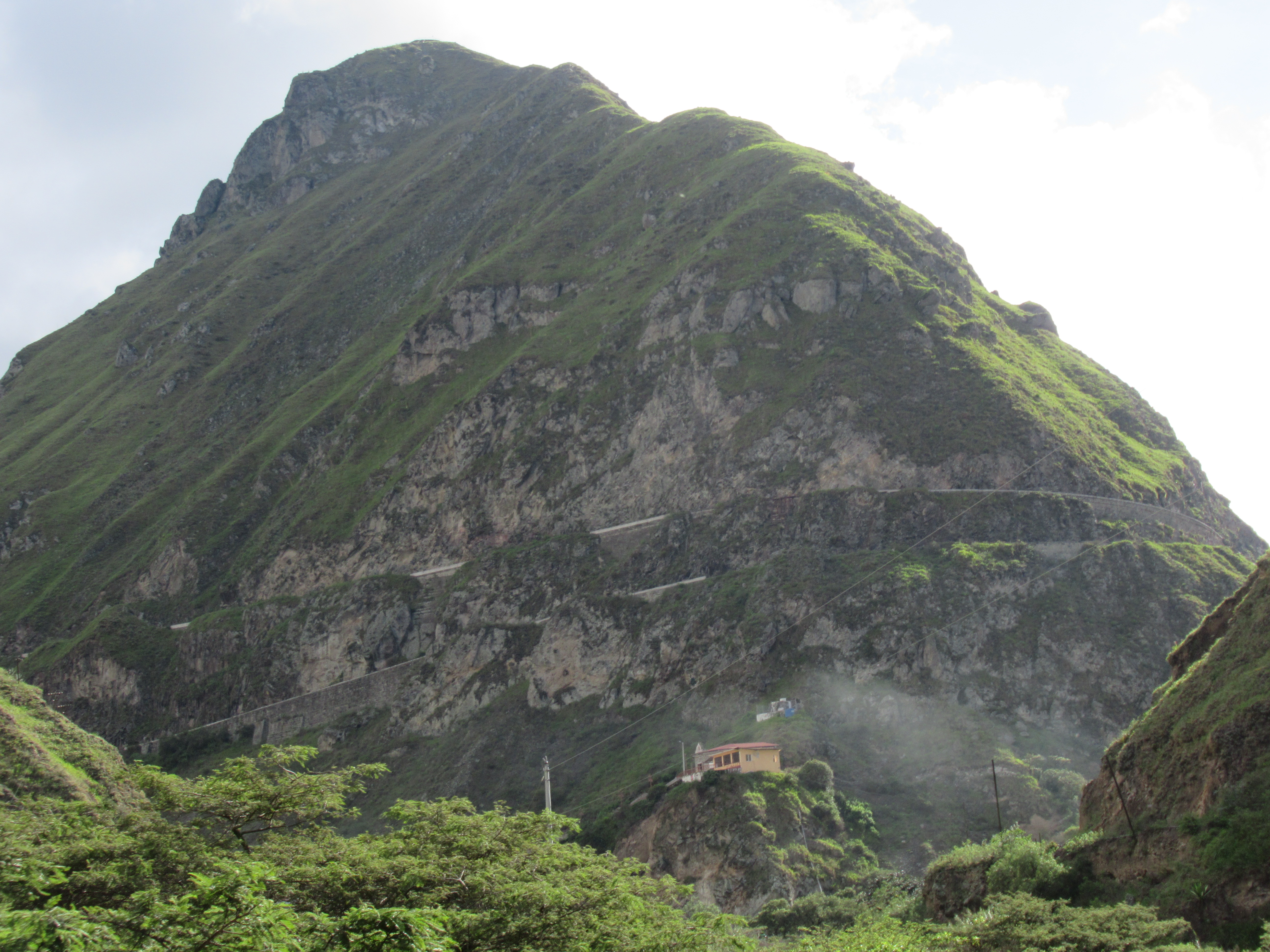
The track was built in 1901 to enable the railway line to rise up from the river valley below Alausi to the town, a rise of 512m over 12km, to enable the railway to continue on its way to Quito.

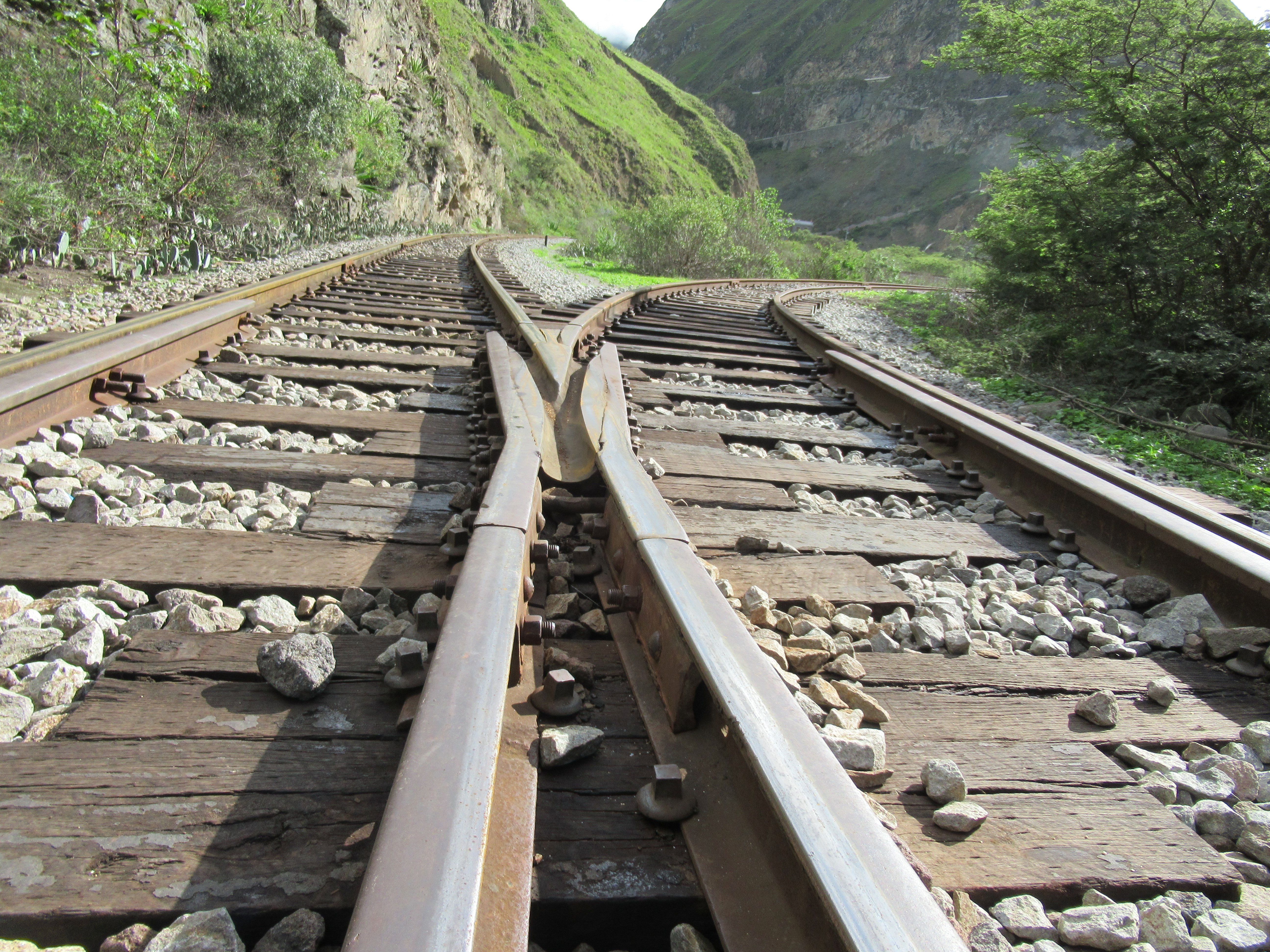
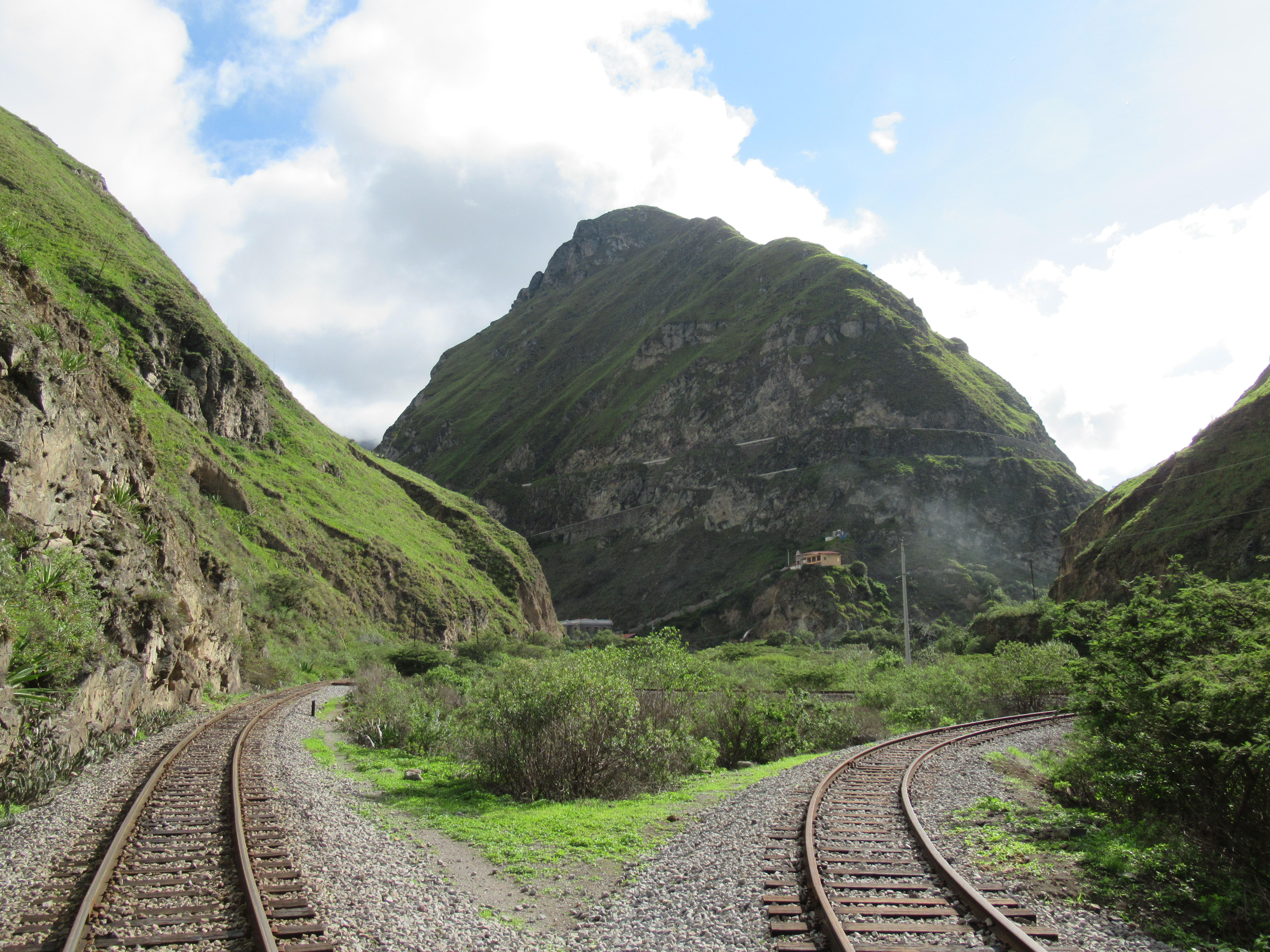
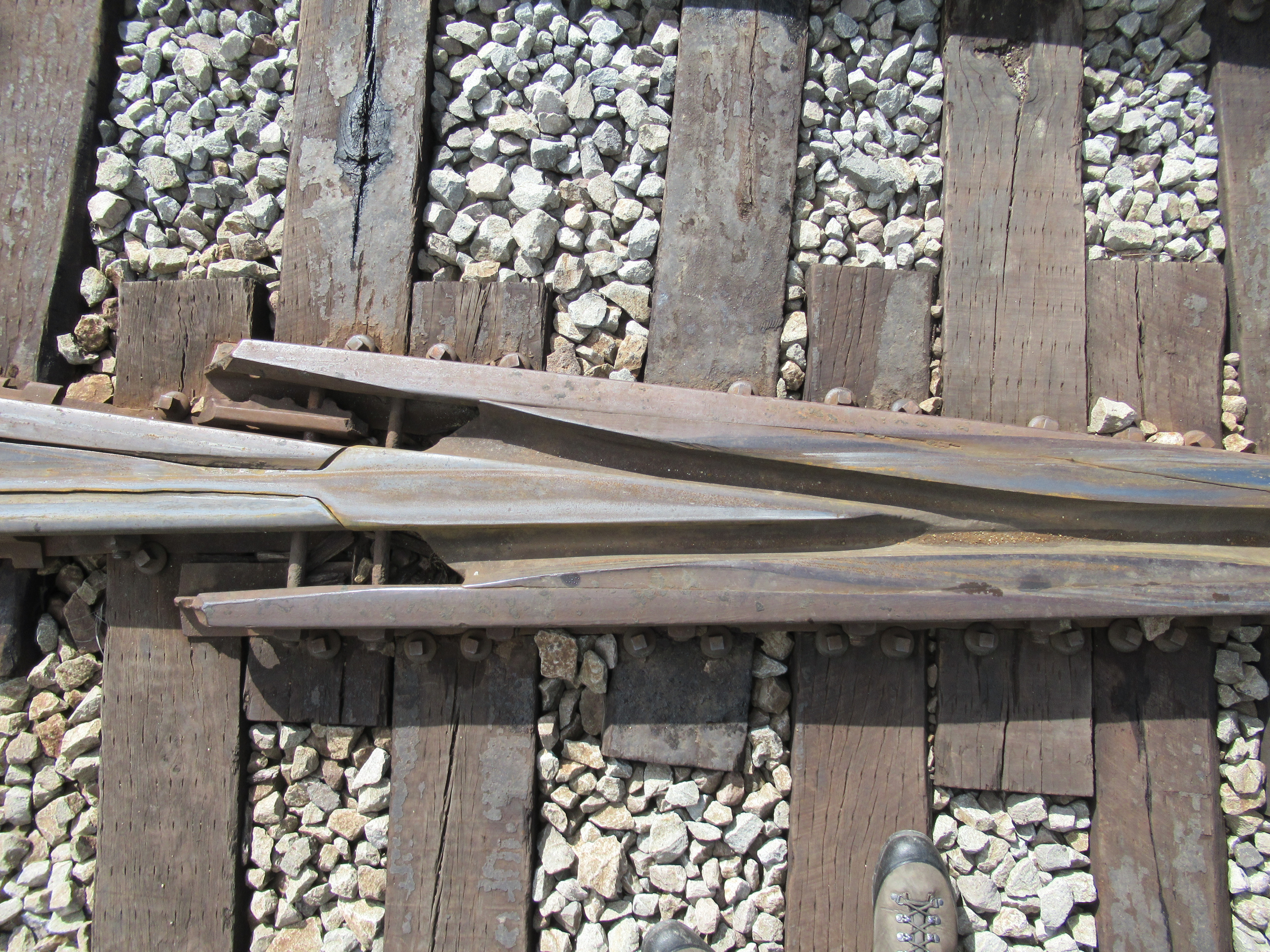
Trundle down the mountainside until the train is above Sibambe station at which point the track goes into a series of switchbacks. Travel forward down one leg, points switched and then travel backwards down the next leg, points switched at the end of that leg and then travel forward down the next leg. Marvellous feat of engineering and the name The Devil’s Nose came about because of all the deaths of the workers during the construction of the railway.

Once on the valley floor, the train would in theory continue on to Huigra, where we were yesterday, were it not for the recent landslides.

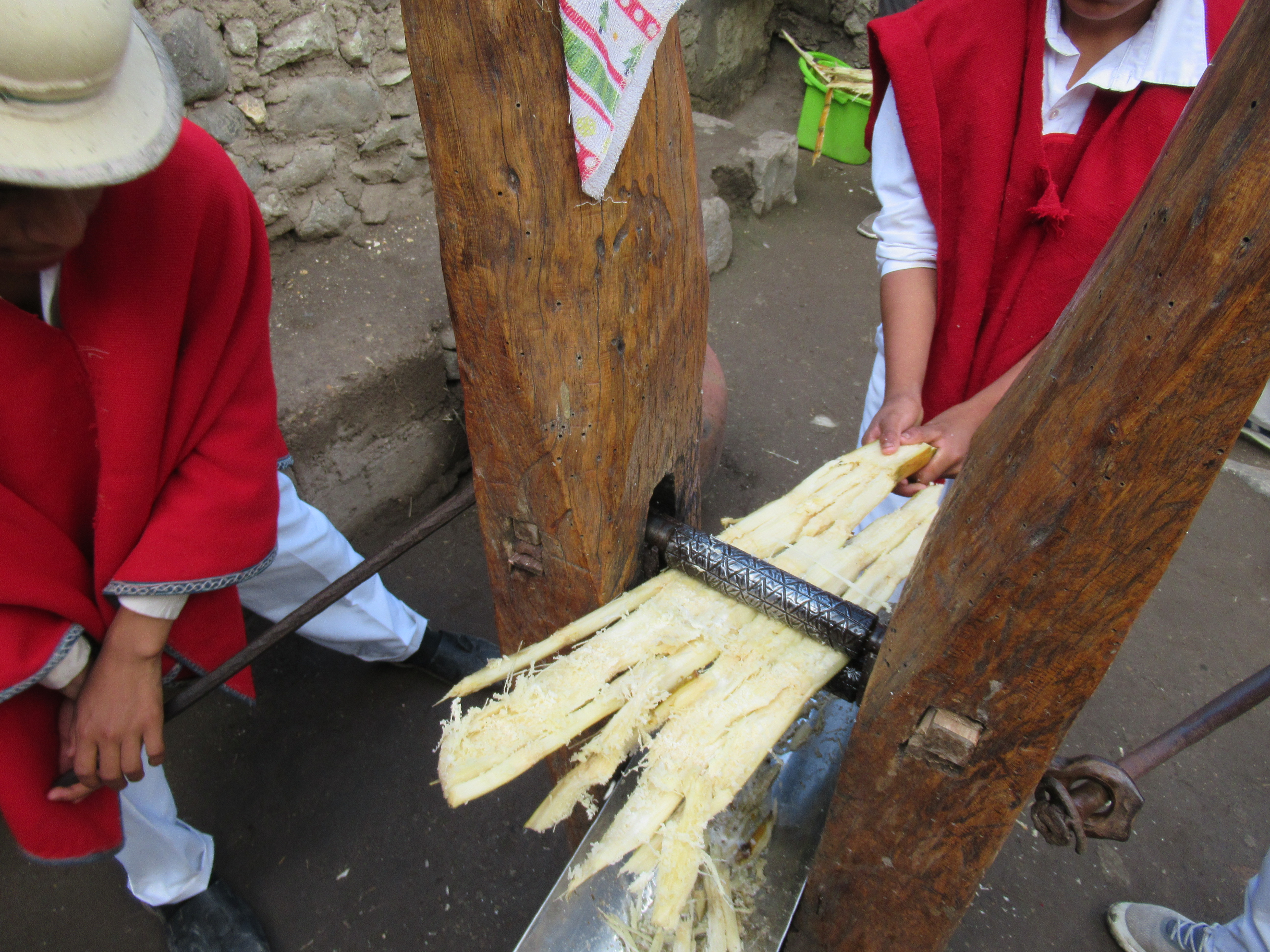
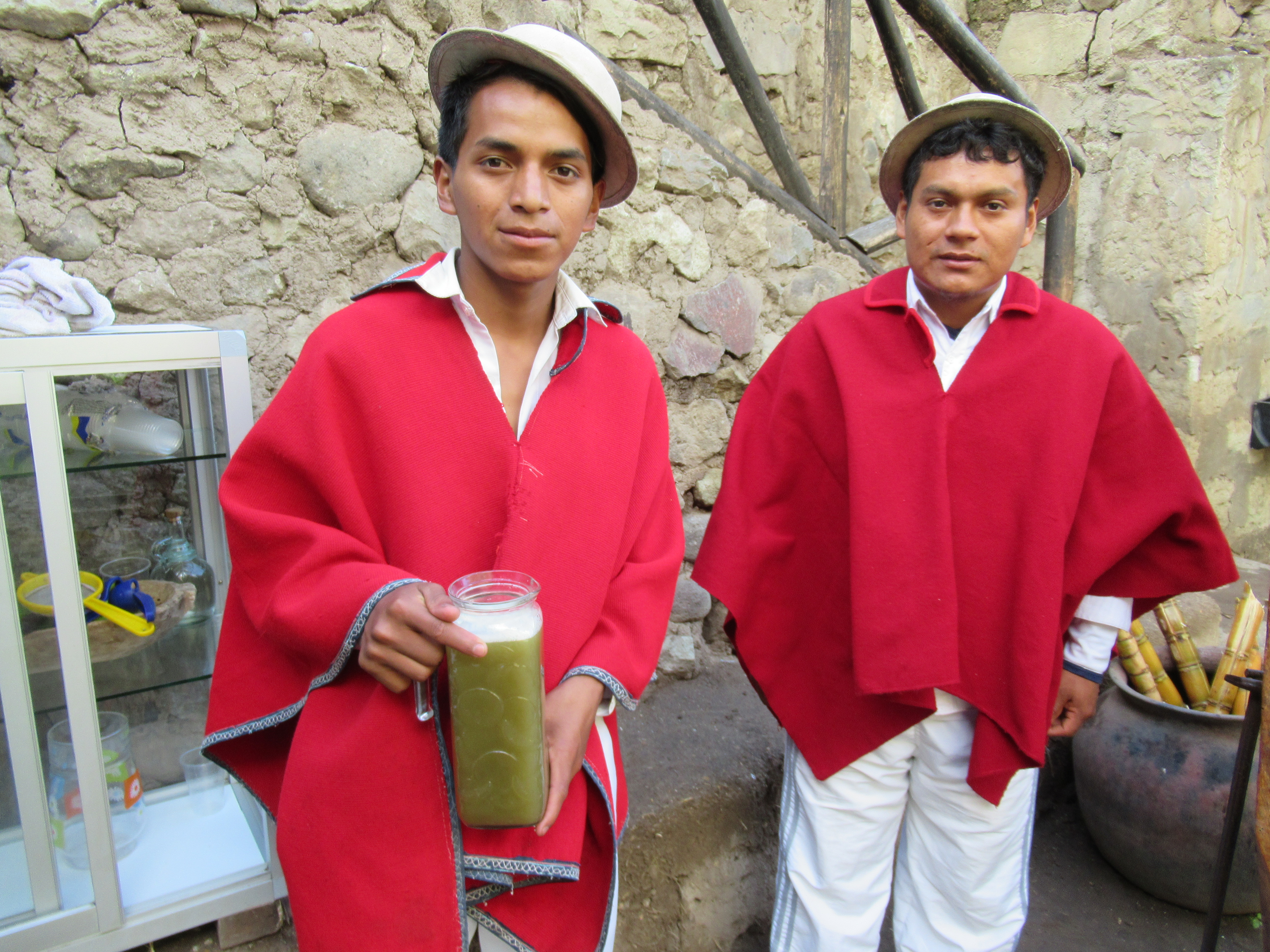
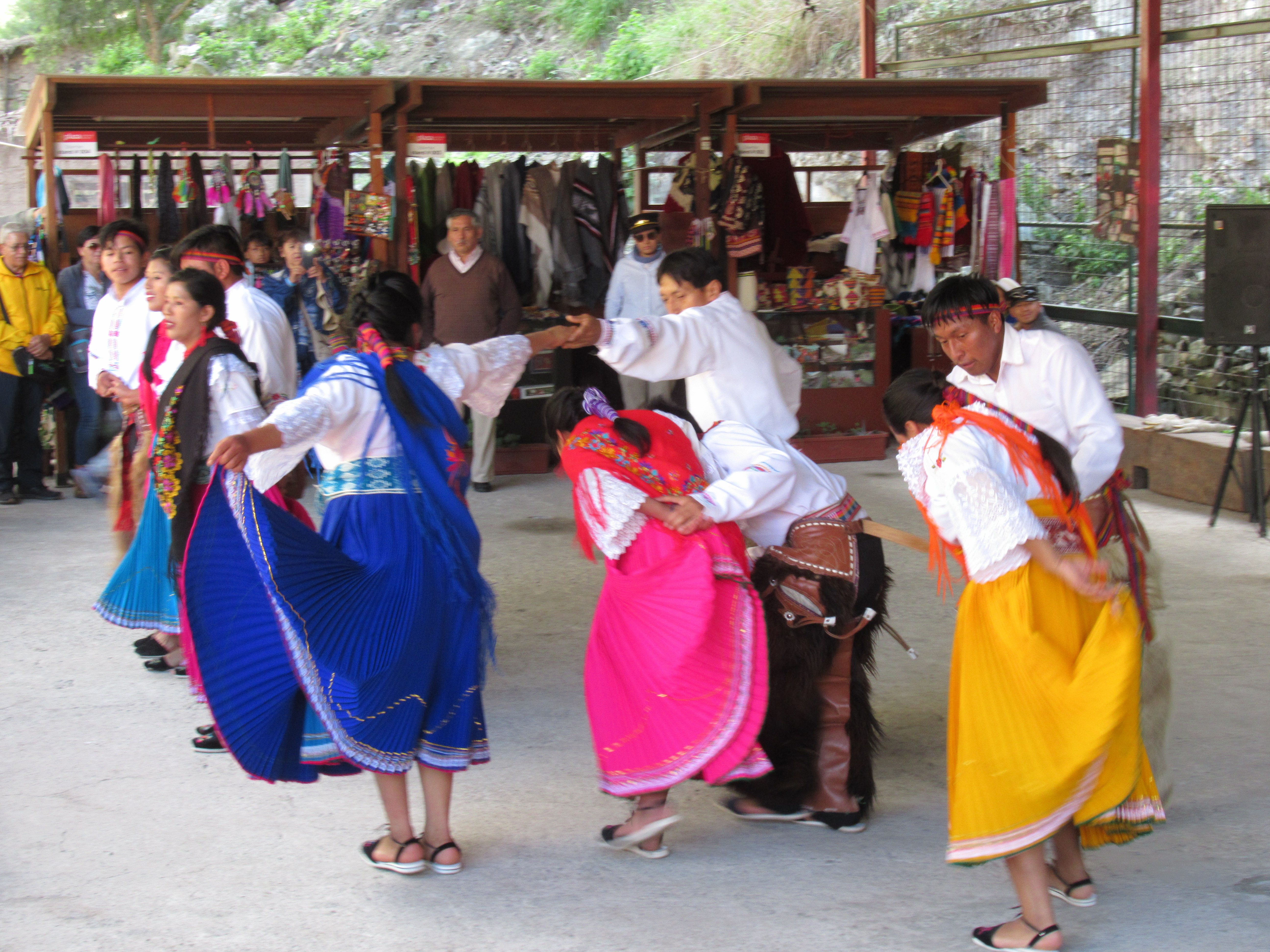
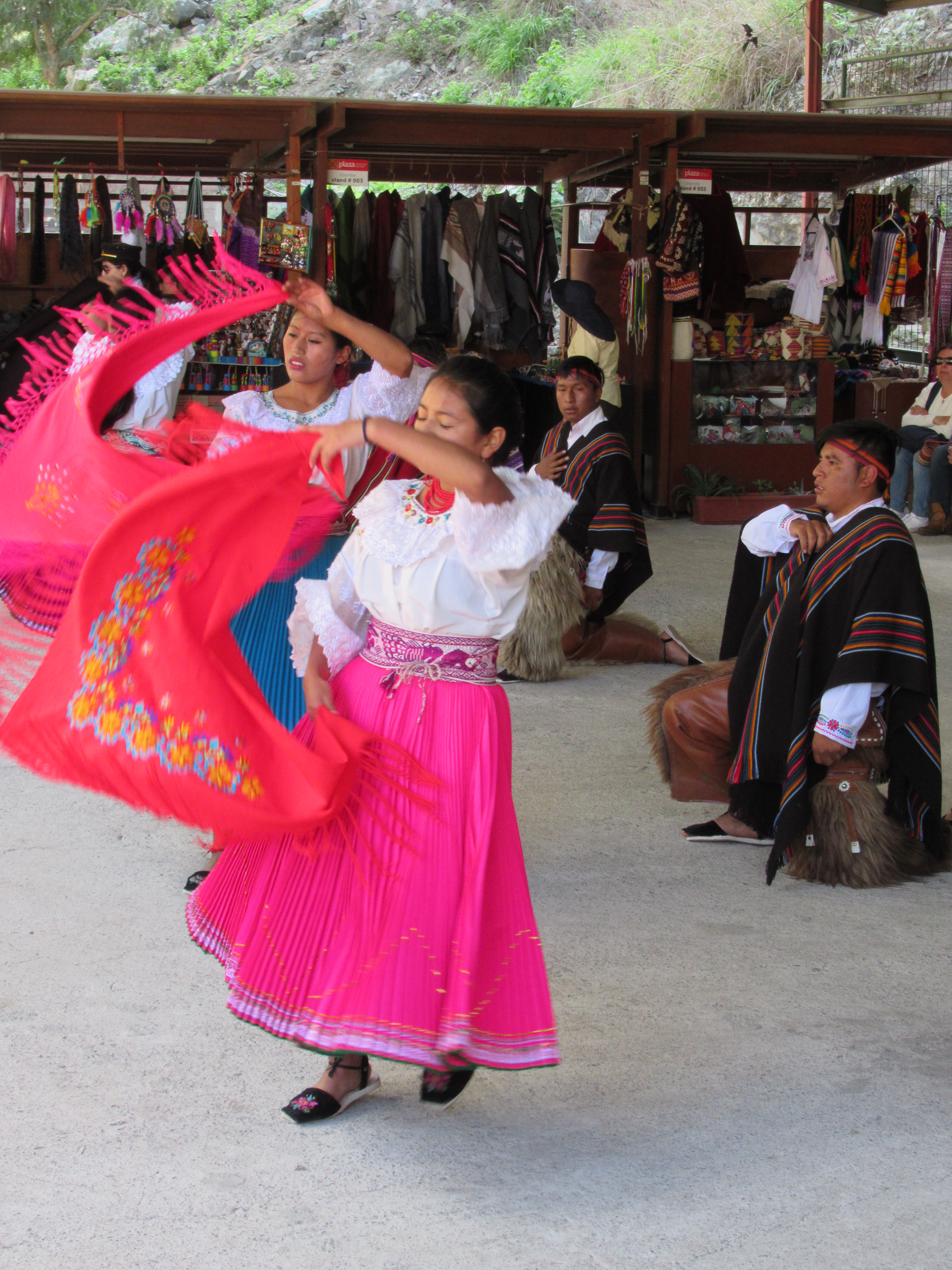
Yet more music and dancing at the station. When will this torment ever end. There’s also a few adobe houses to show how life was back in the good old days. Some young lads are pressing black agave in a mangle to extract the juice, which, served with fresh lime juice, is quite a nice and sweet drink. The black agave is then dried and the fibres are used to make clothes. Another hut has a wood fired oven which is used for baking empanadas, which are quite tasty, and, at 50cents, very cheap.

Return to Alausi back the way we came and surprised to see a small bull ring complete with raked seating. Thought that only happened in Spain.

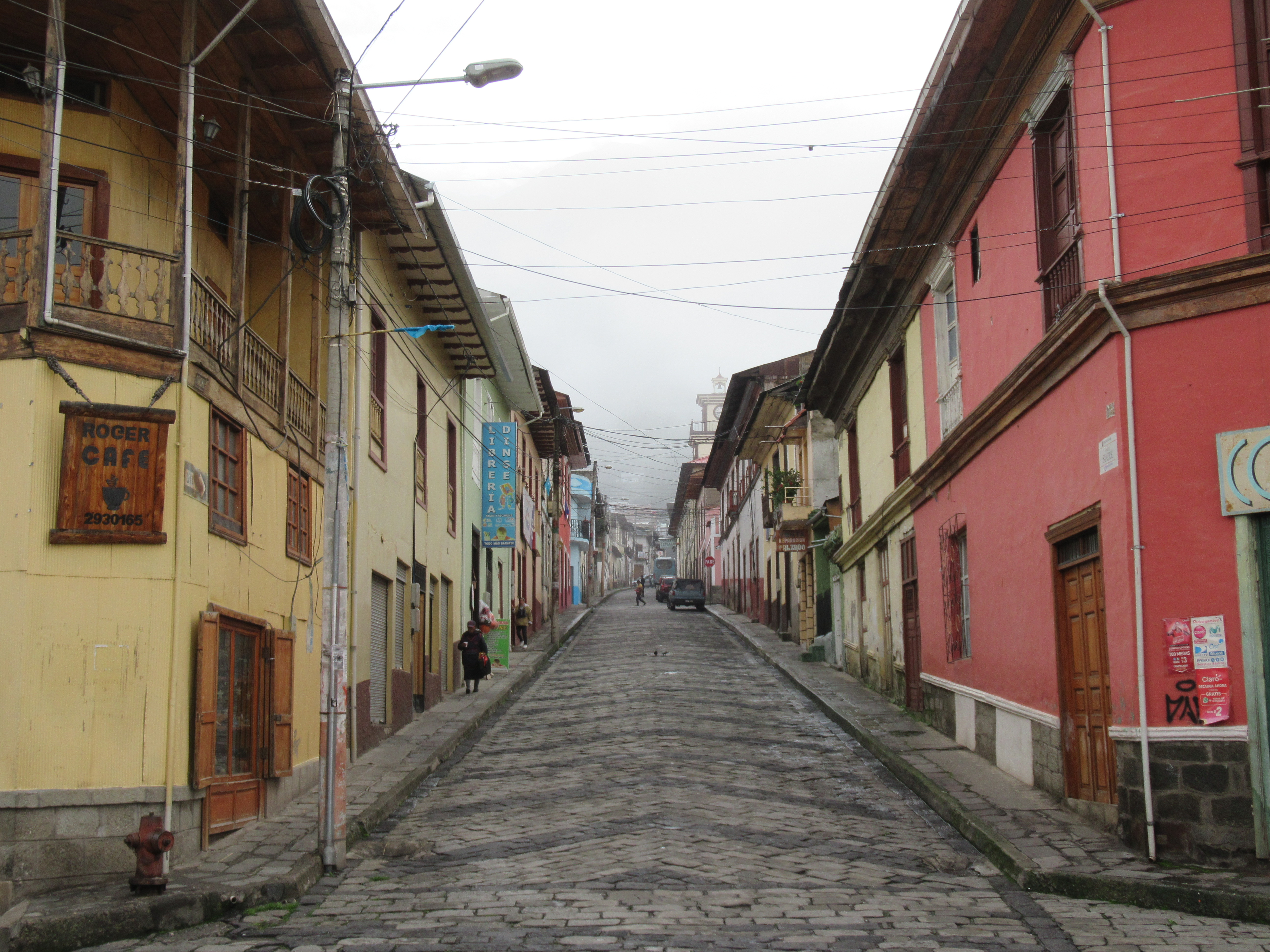
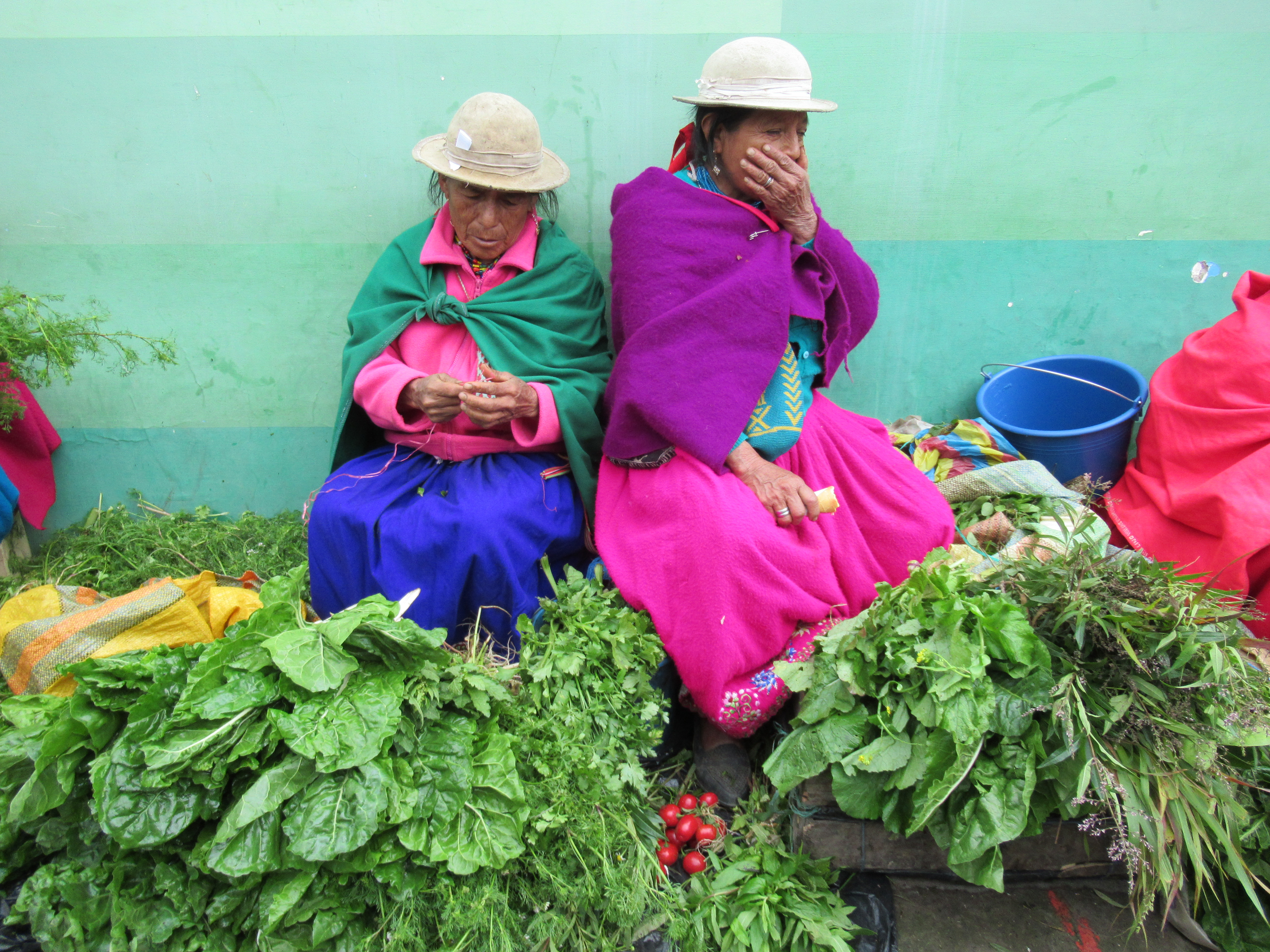
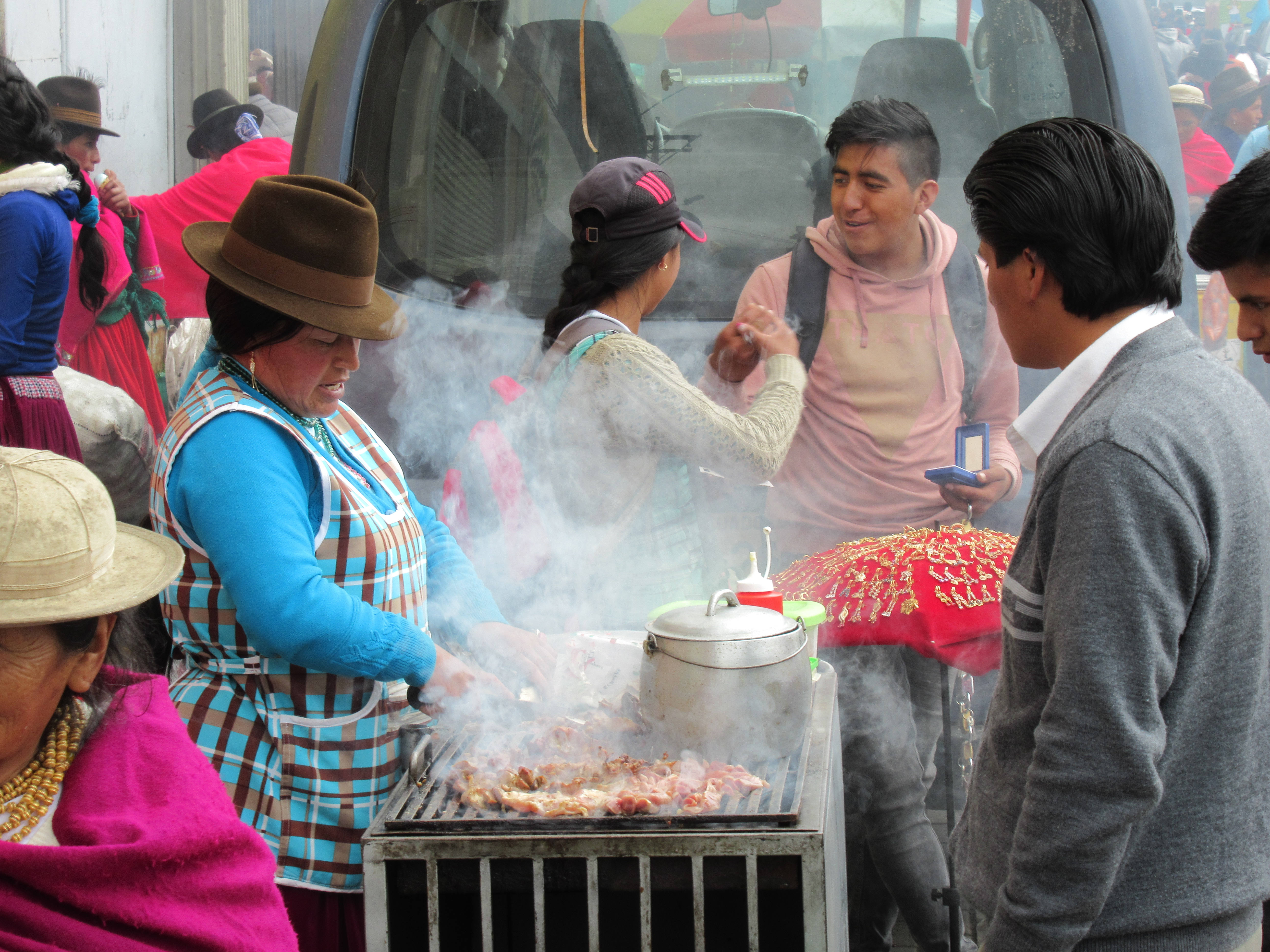
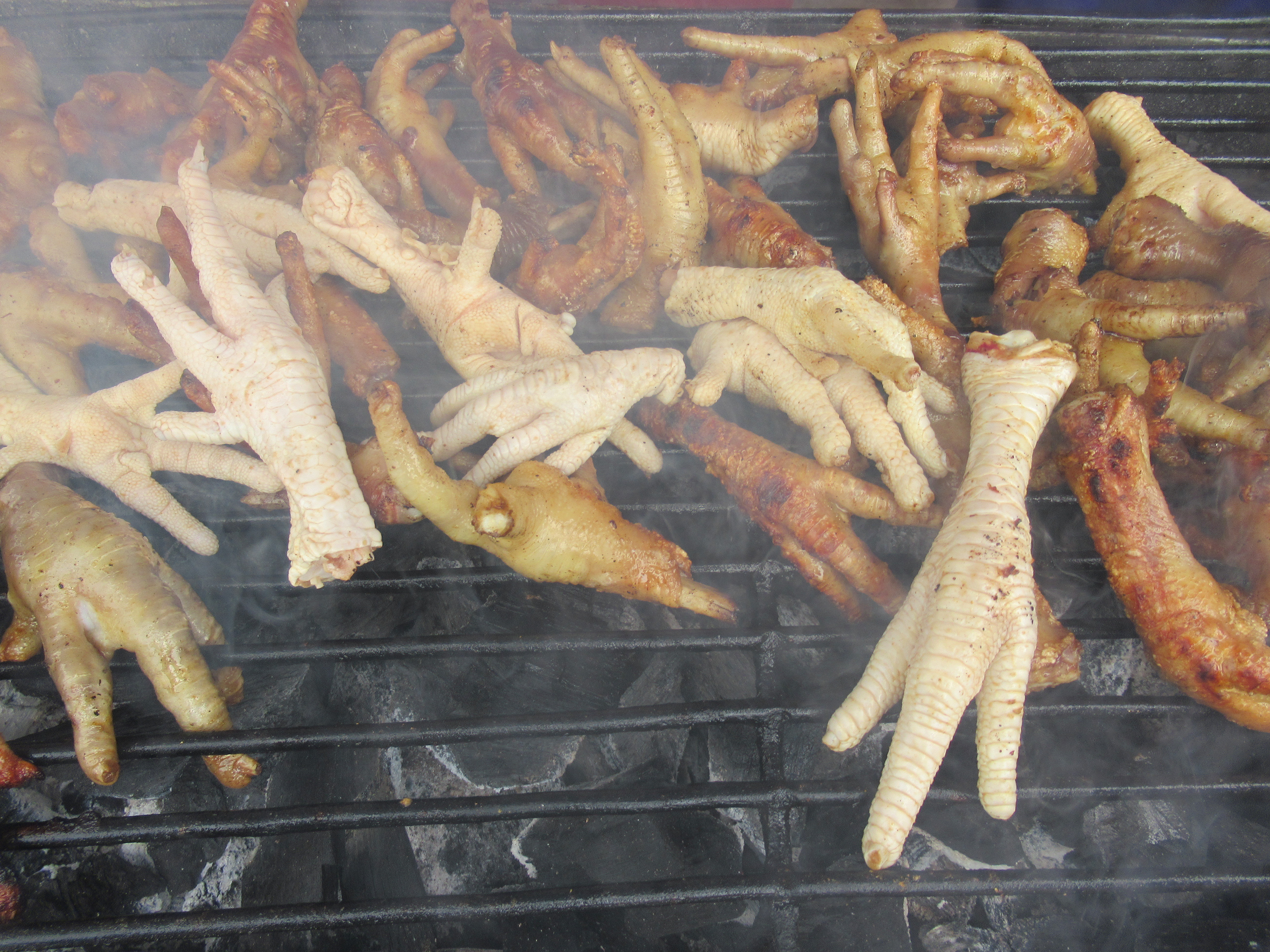
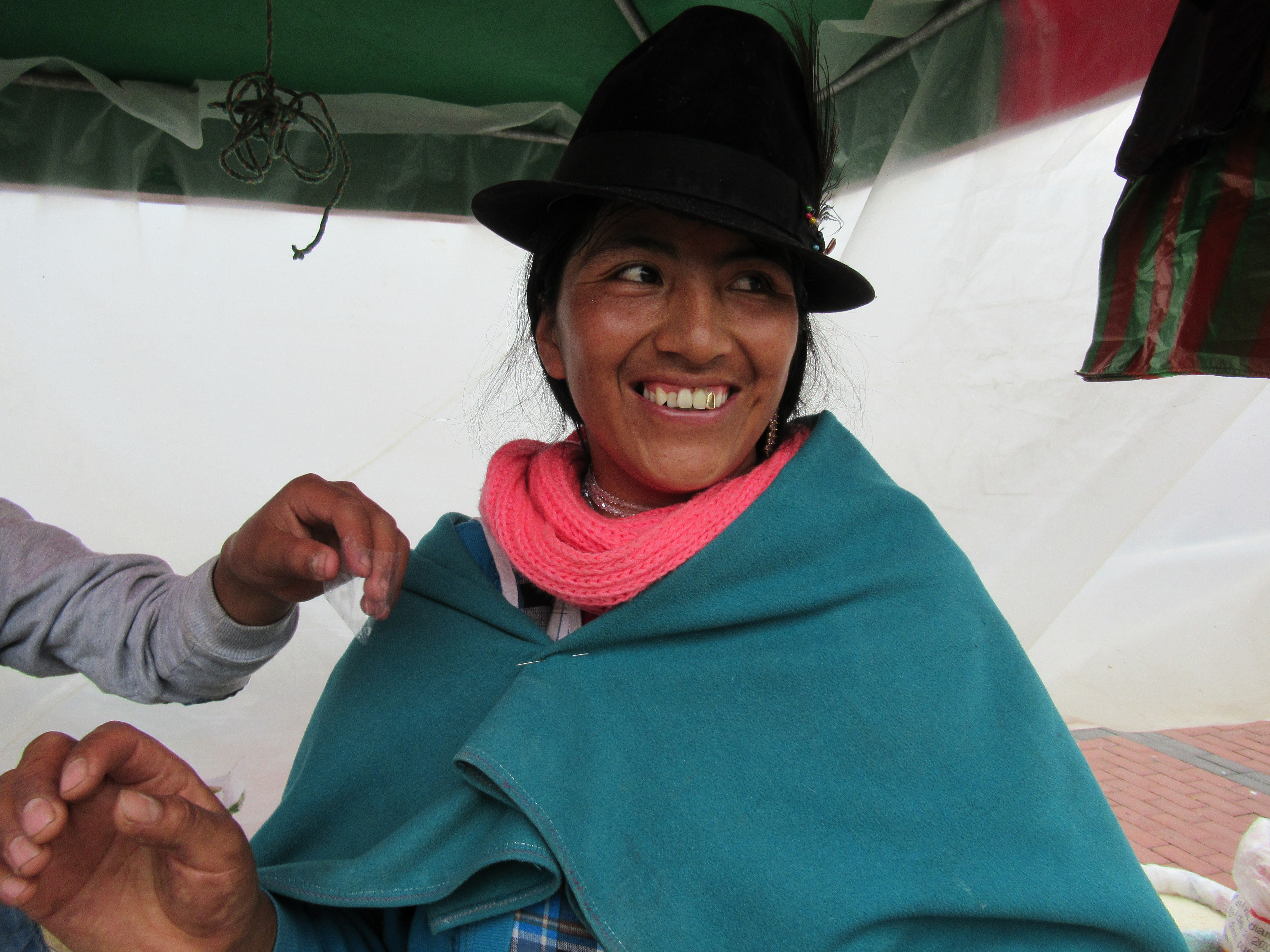
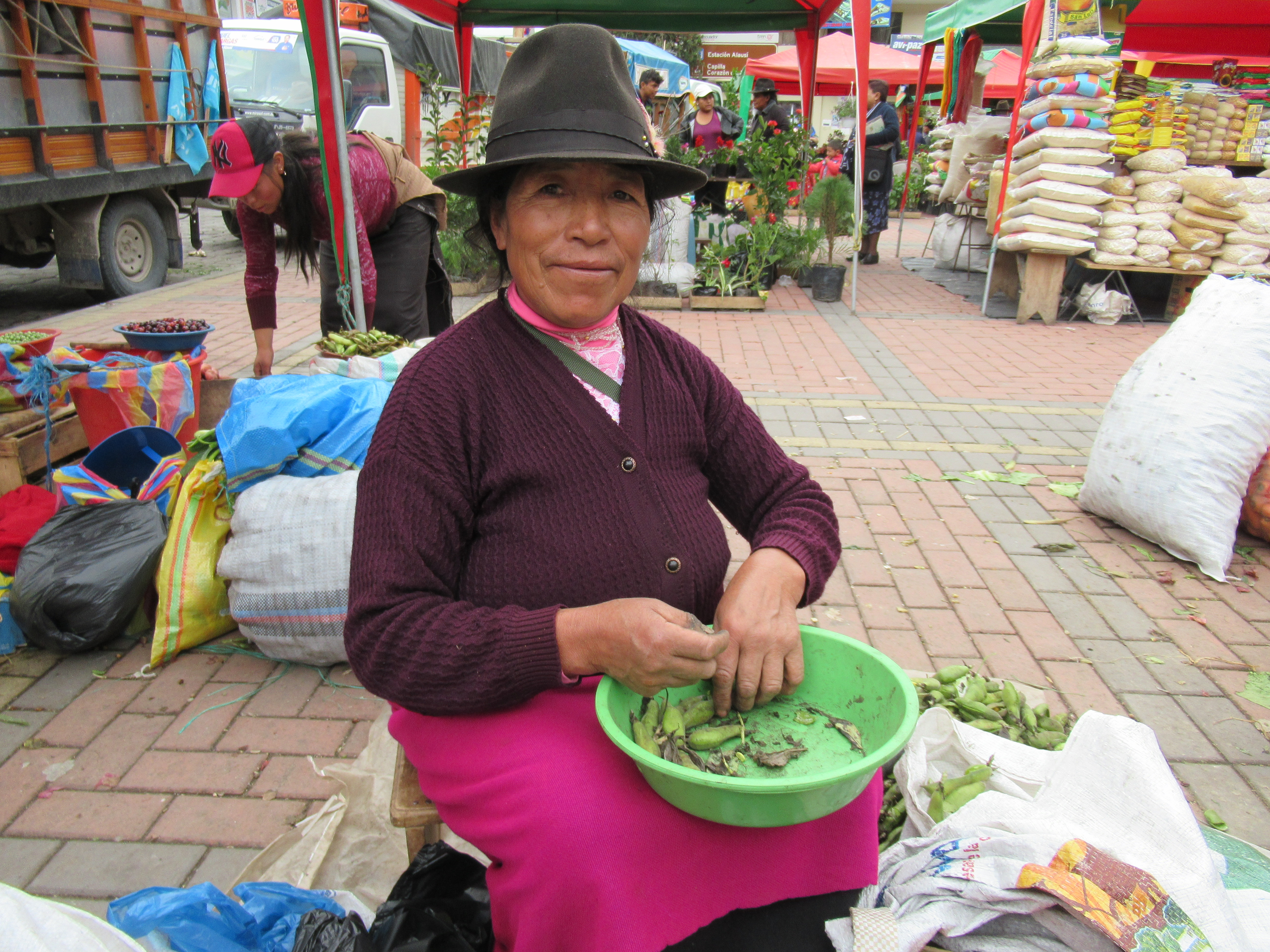
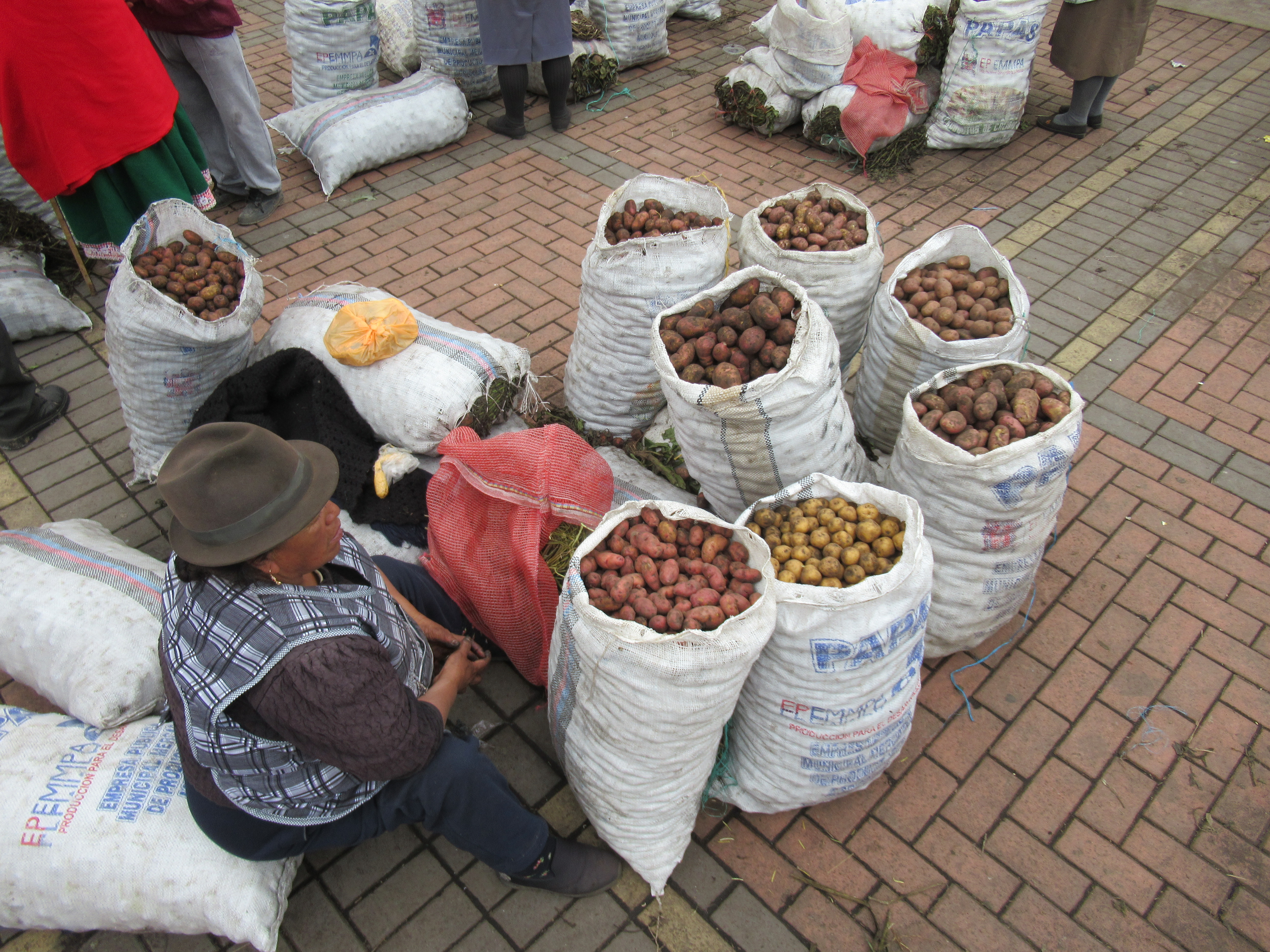
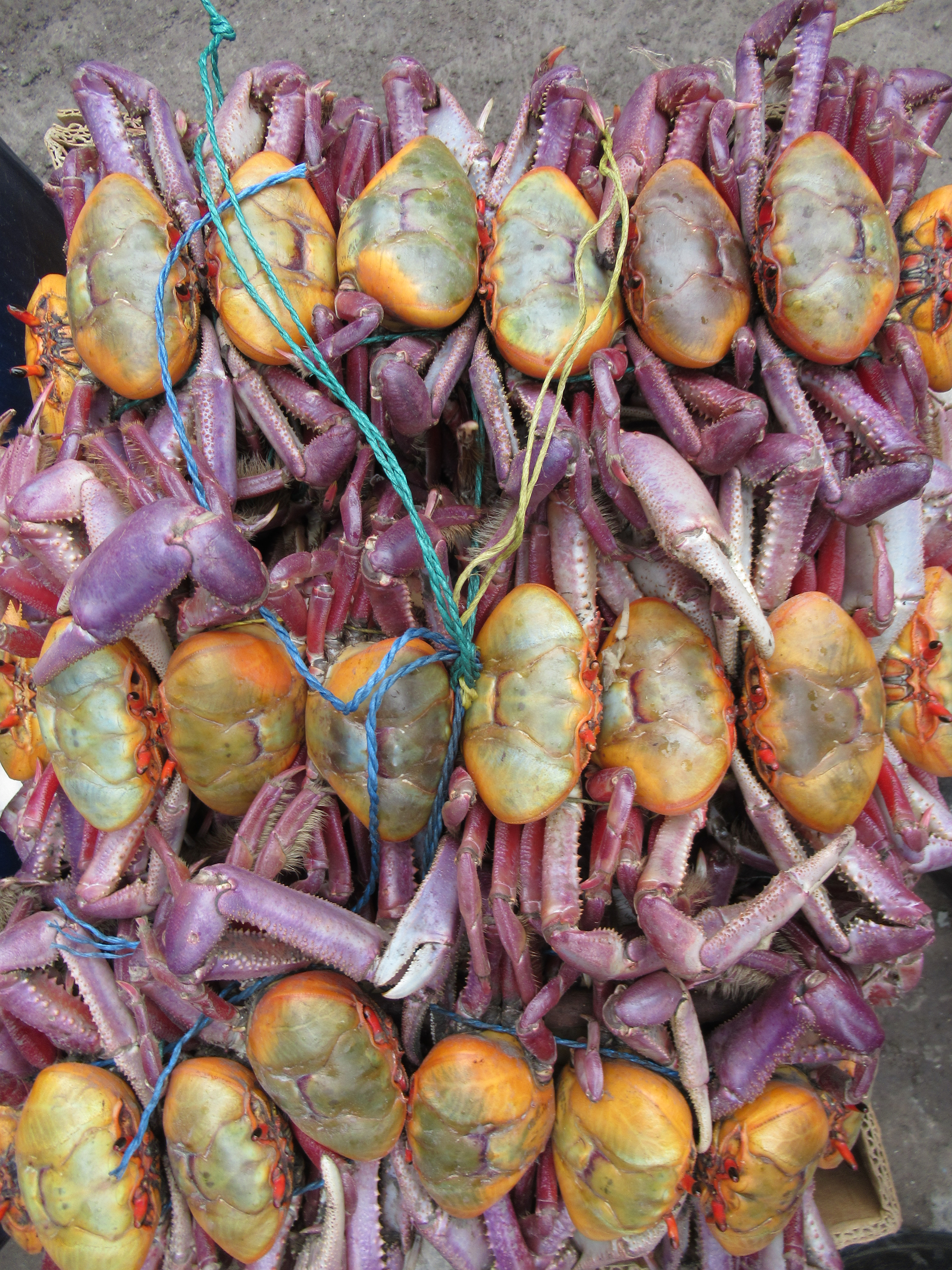
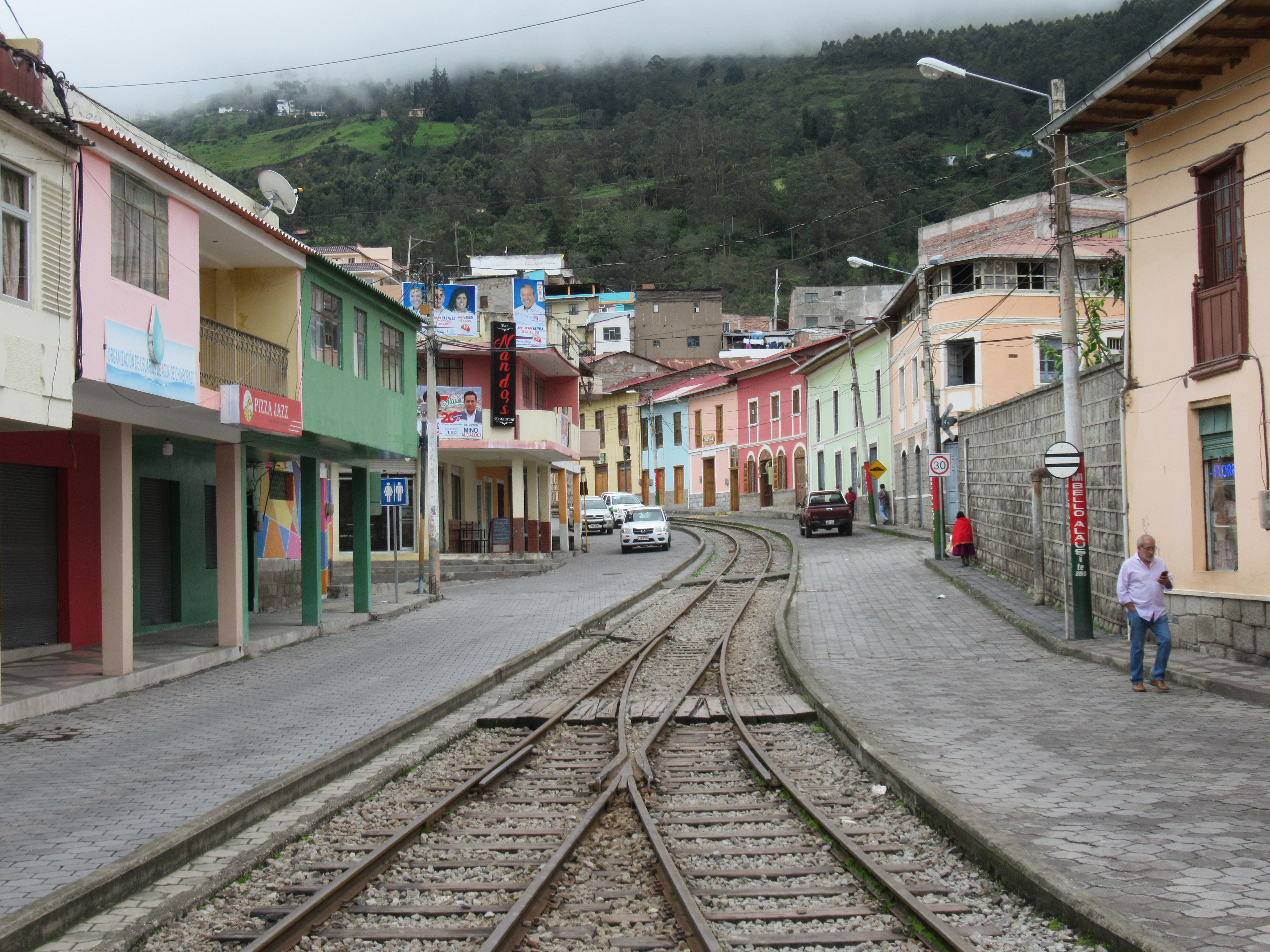
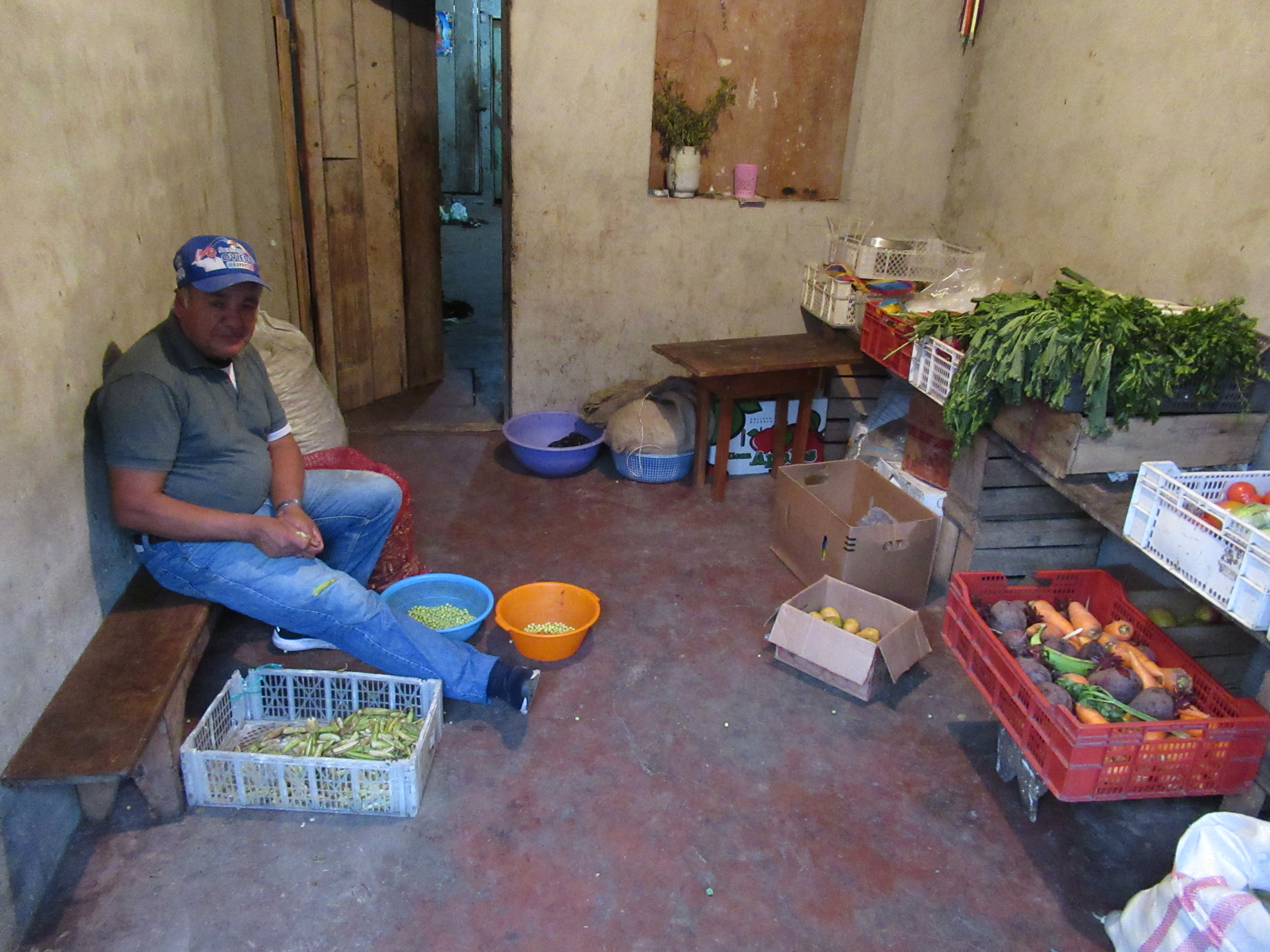
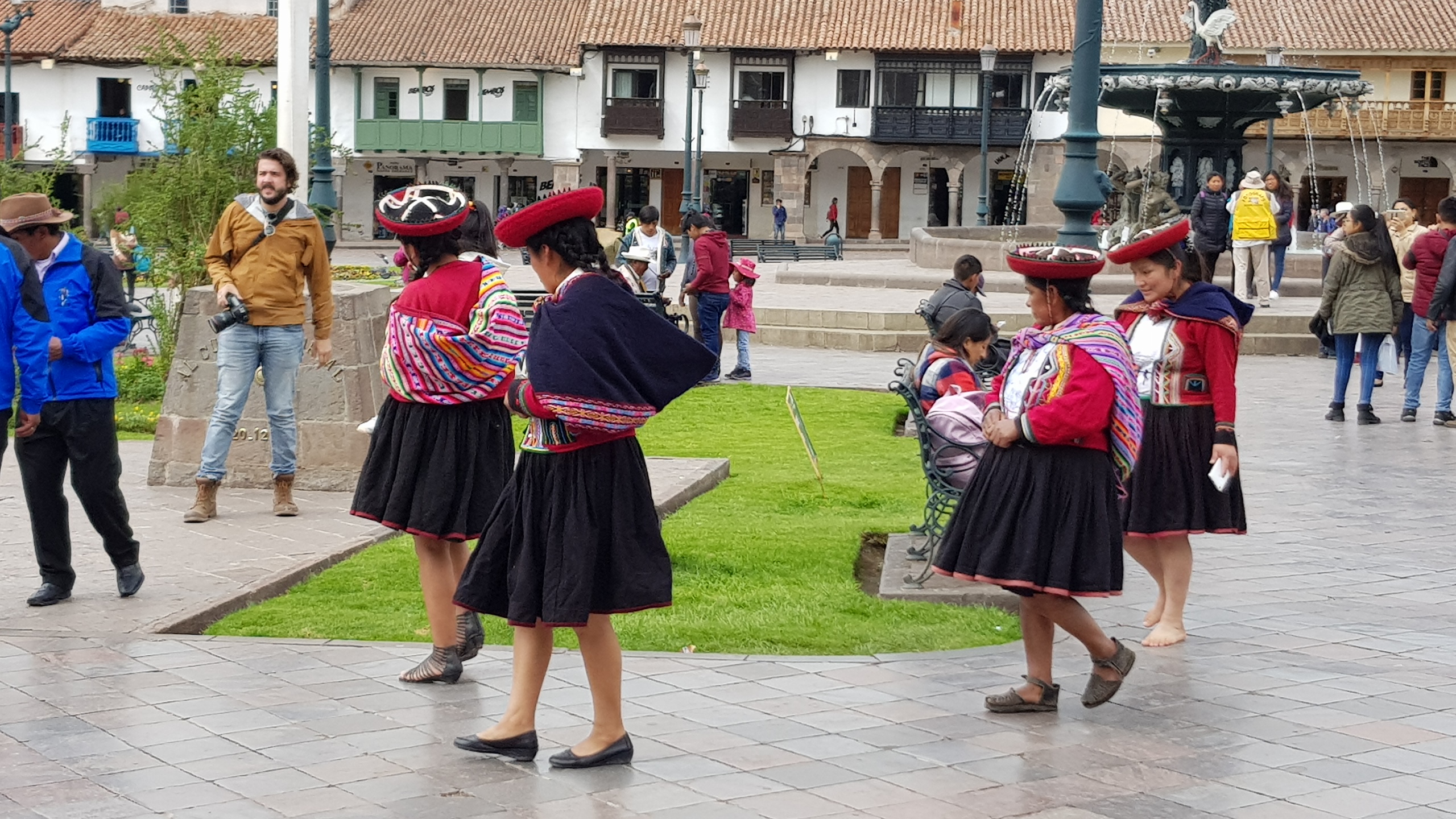
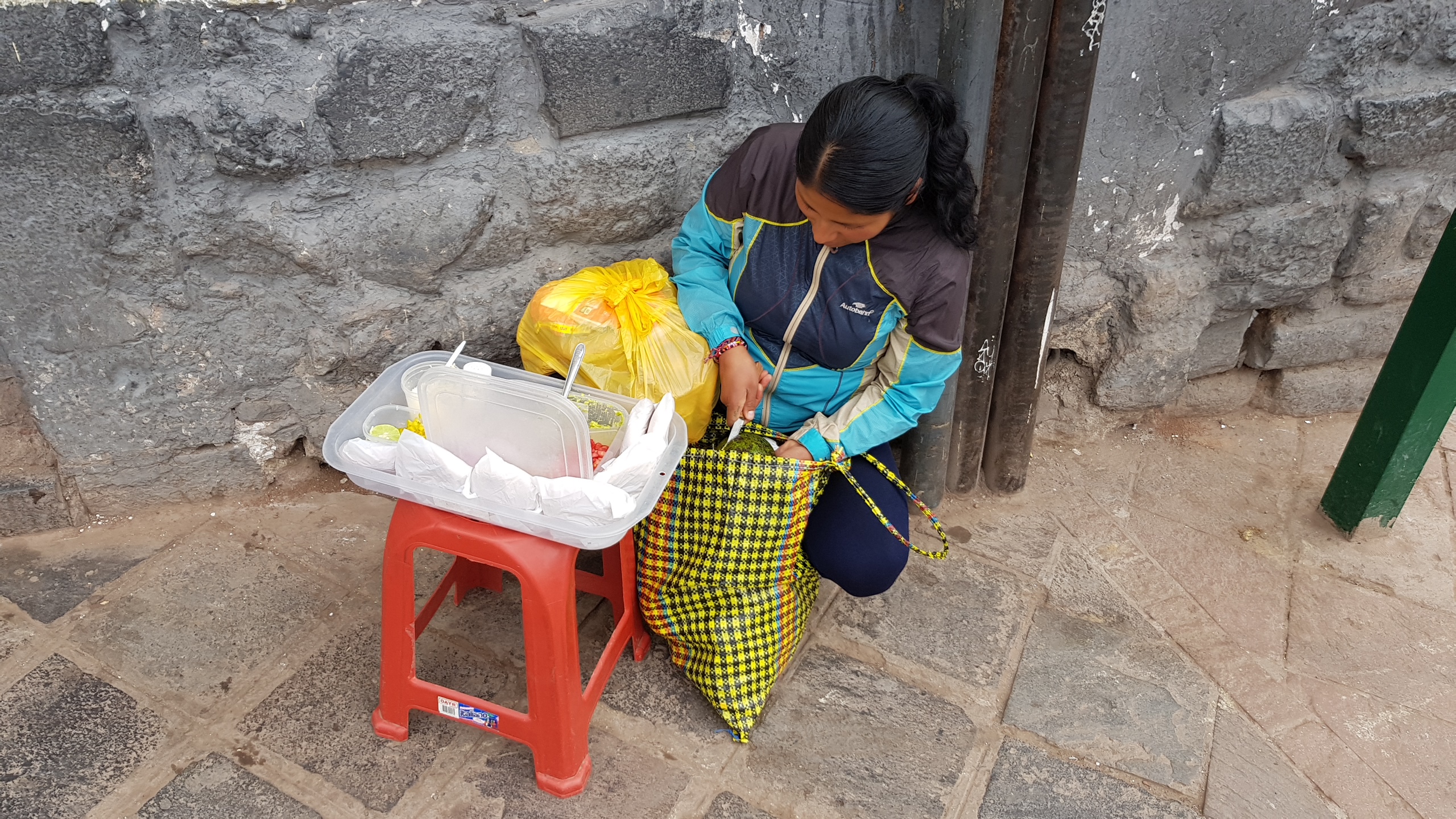
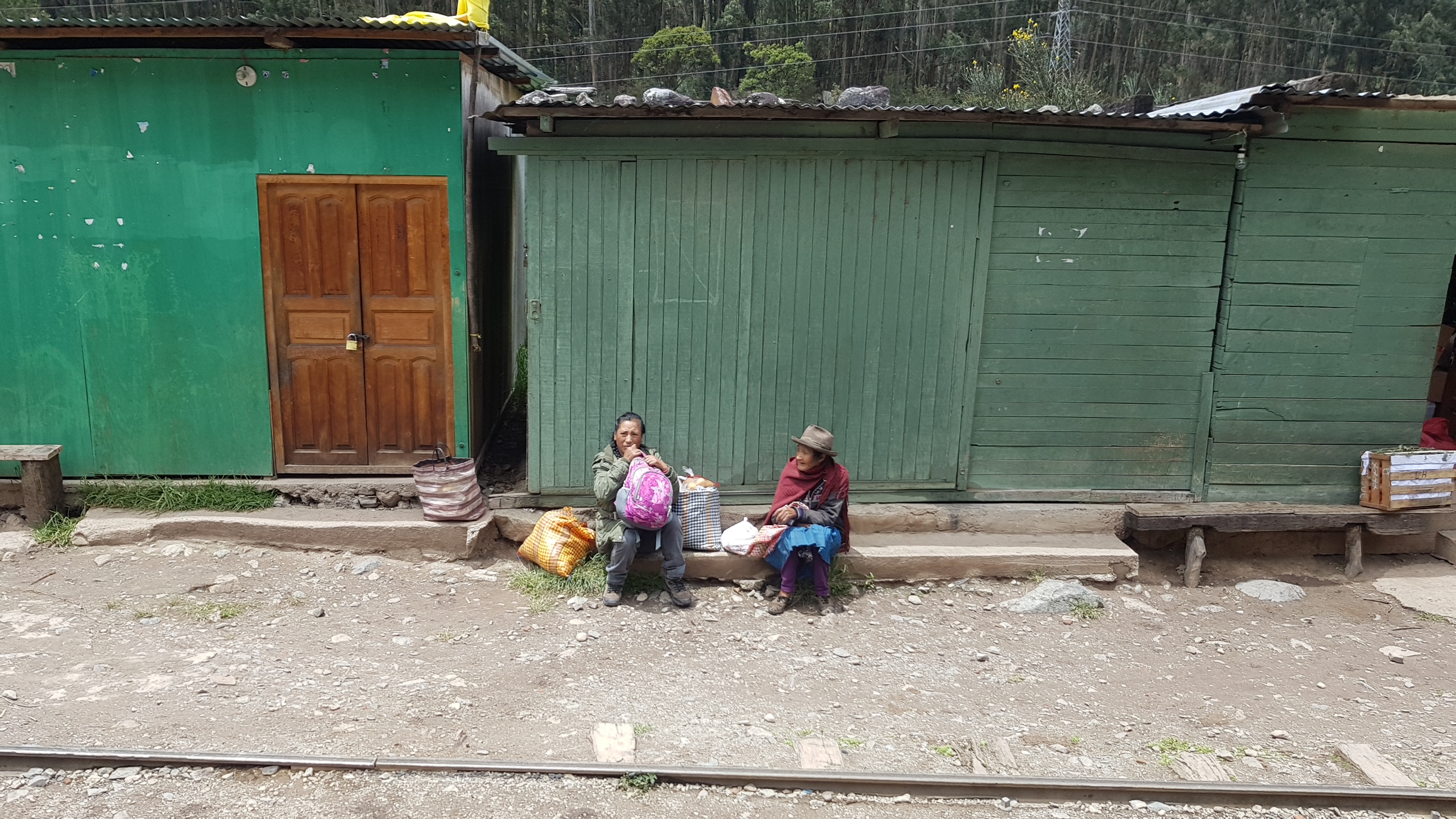
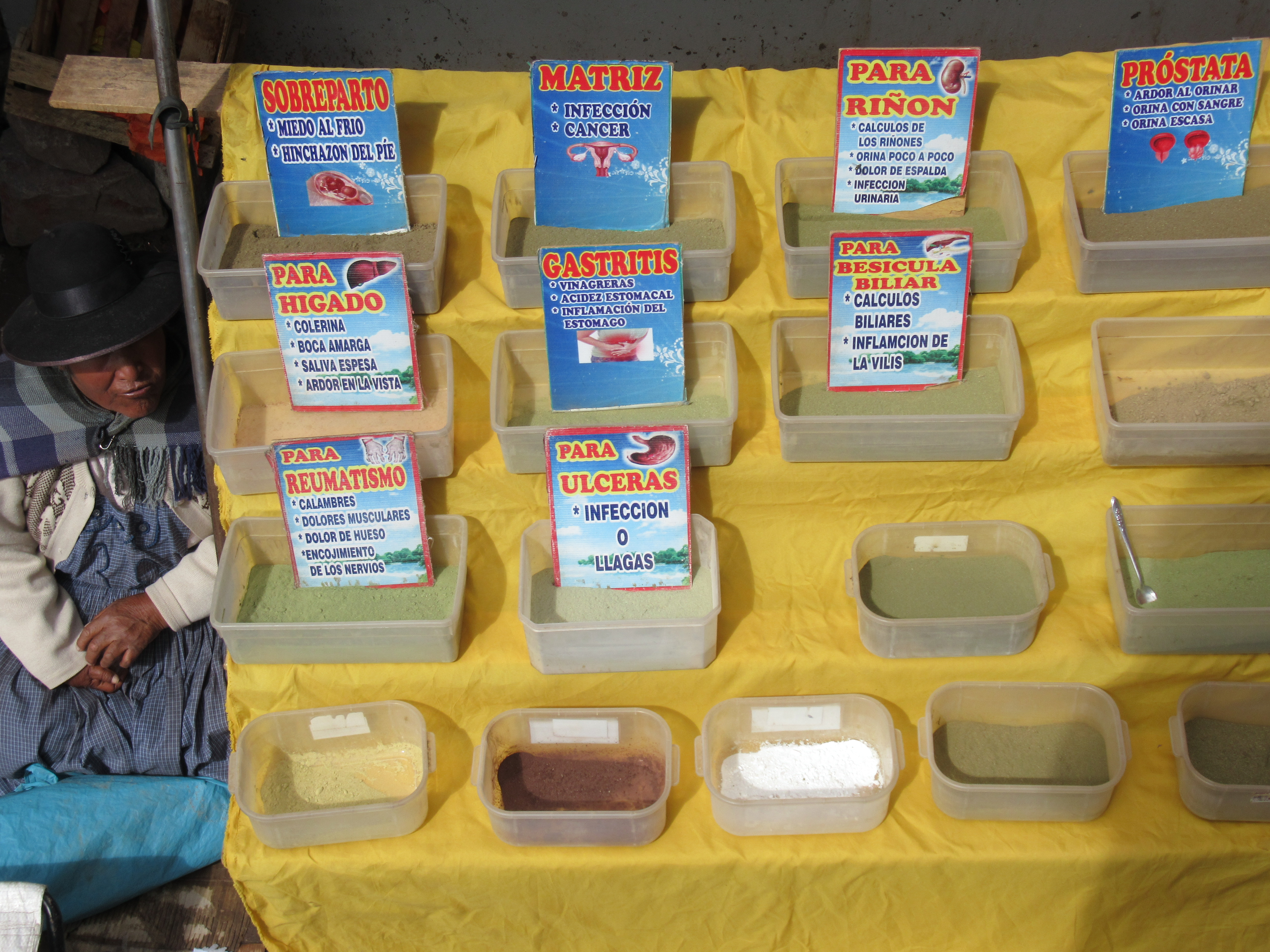
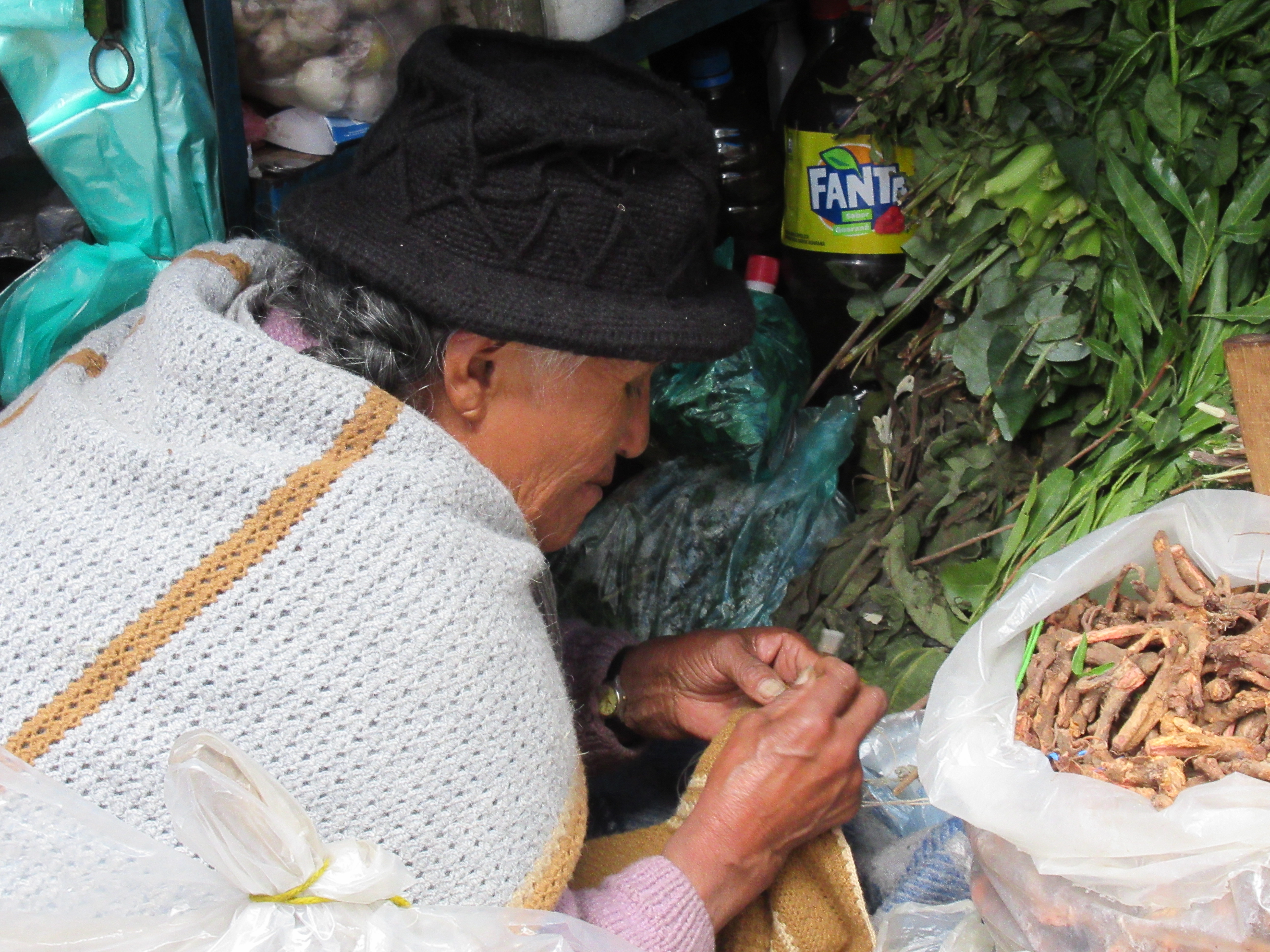
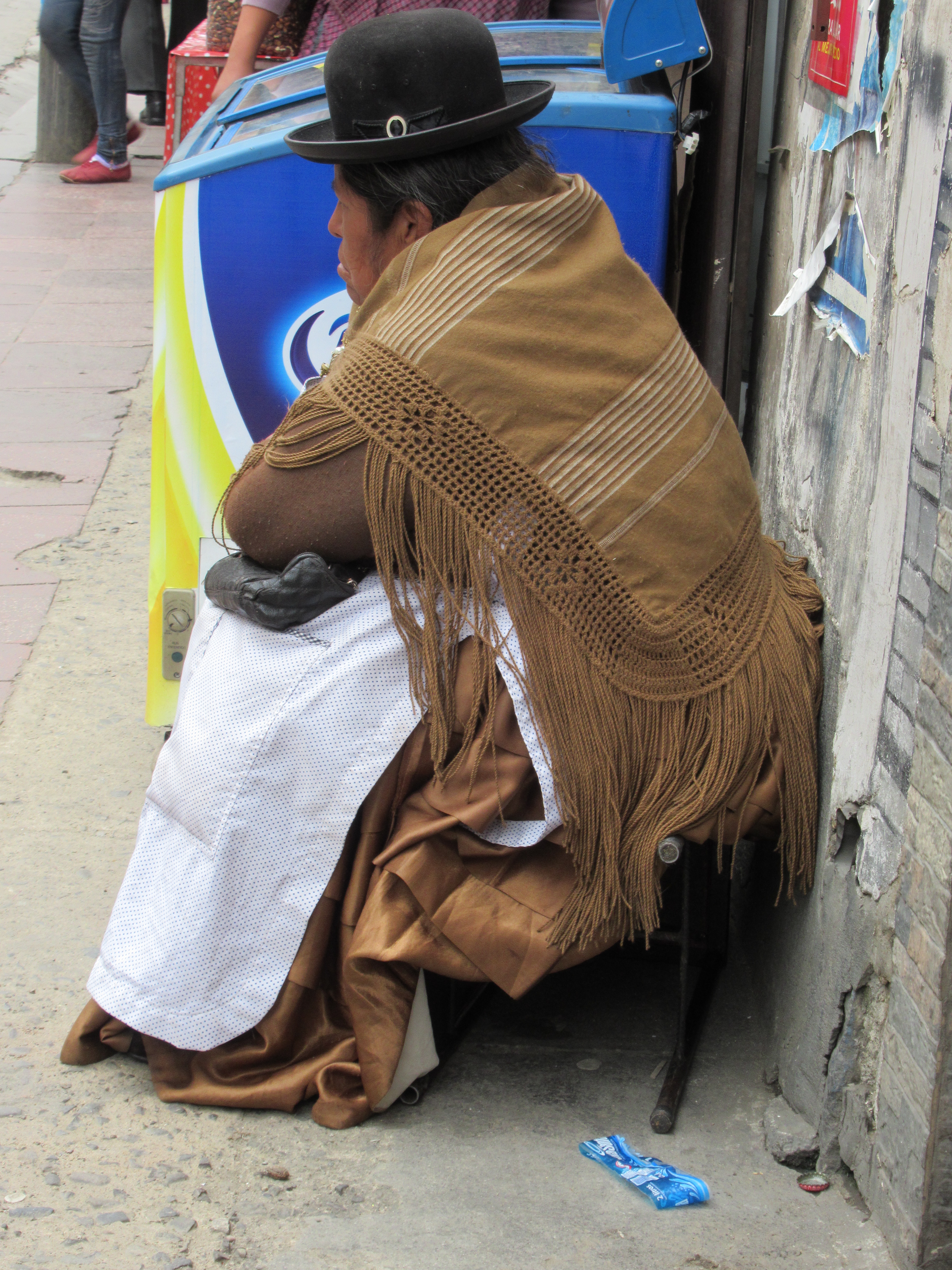
Although it’s Sunday, Alausi town is alive with the street market. All along one wall are women selling herbs in their brightly coloured skirts and cardigans. Further along, the smell of BBQ chicken wafts over but upon closer inspection realise it’s chicken feet that are on the BBQ. Yuk.

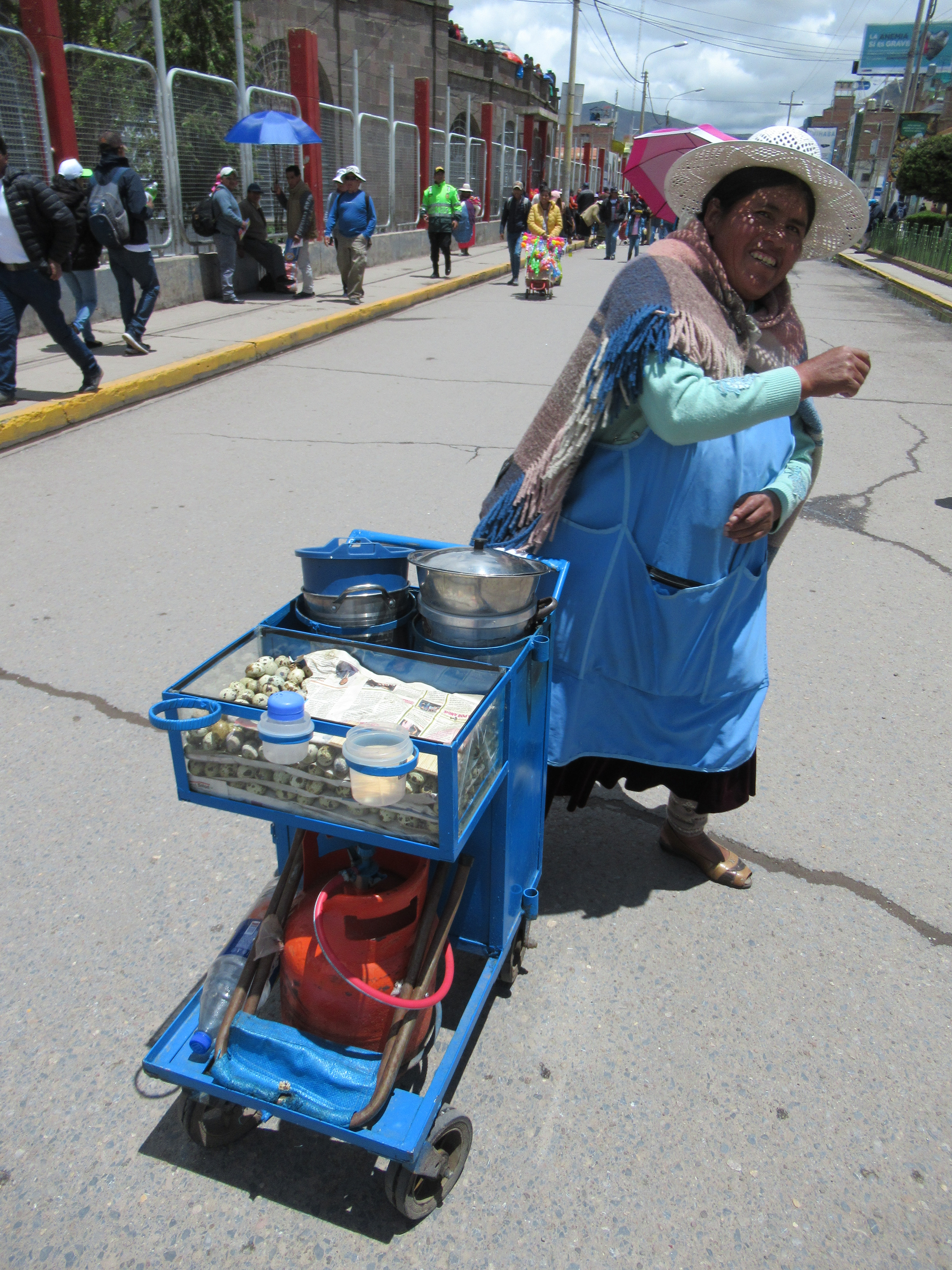
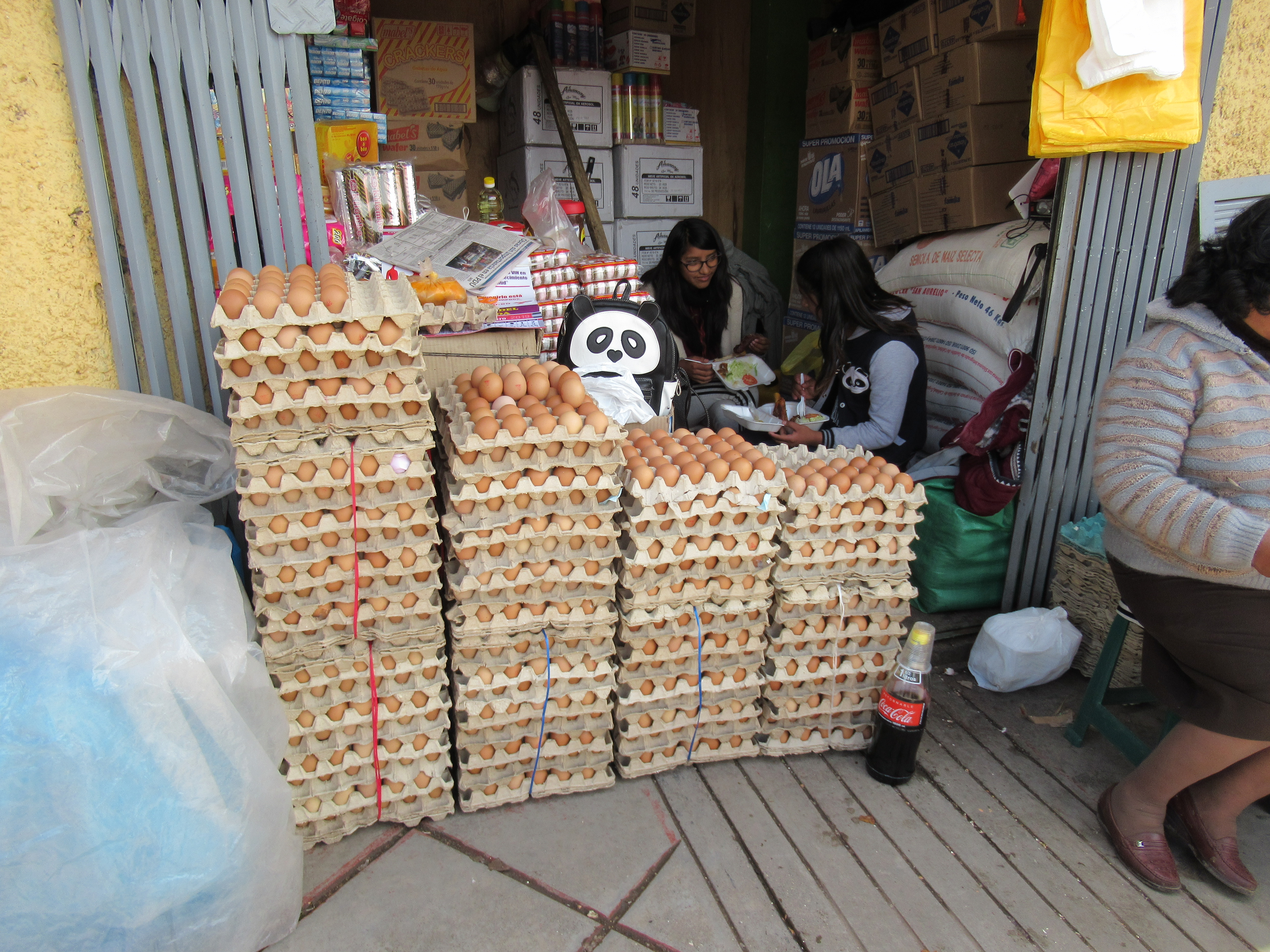
Plenty of bananas and other fresh produce for sale. Very friendly atmosphere. Quite a few mobile stalls are selling quail eggs which are being peeled by stall holder. Fellow Brit on the trip remarks that she likes quail eggs but they’re so fiddly to peel.

“You can get them pre-peeled in Waitrose.”, says moi (nice for canapes to go with your champagne of an evening).

“That’s so middle class!”, says she.

Yep. And proud of it.

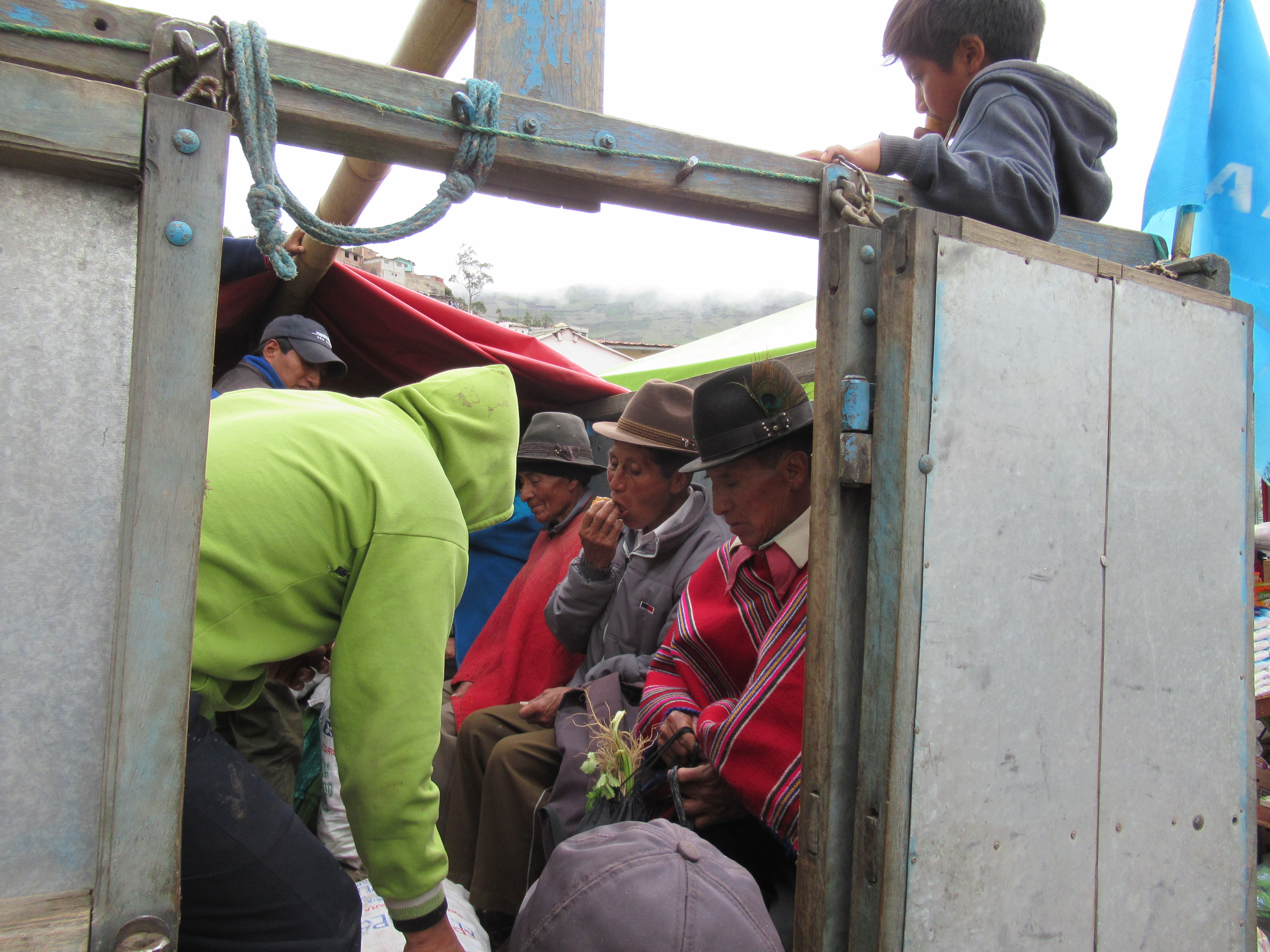
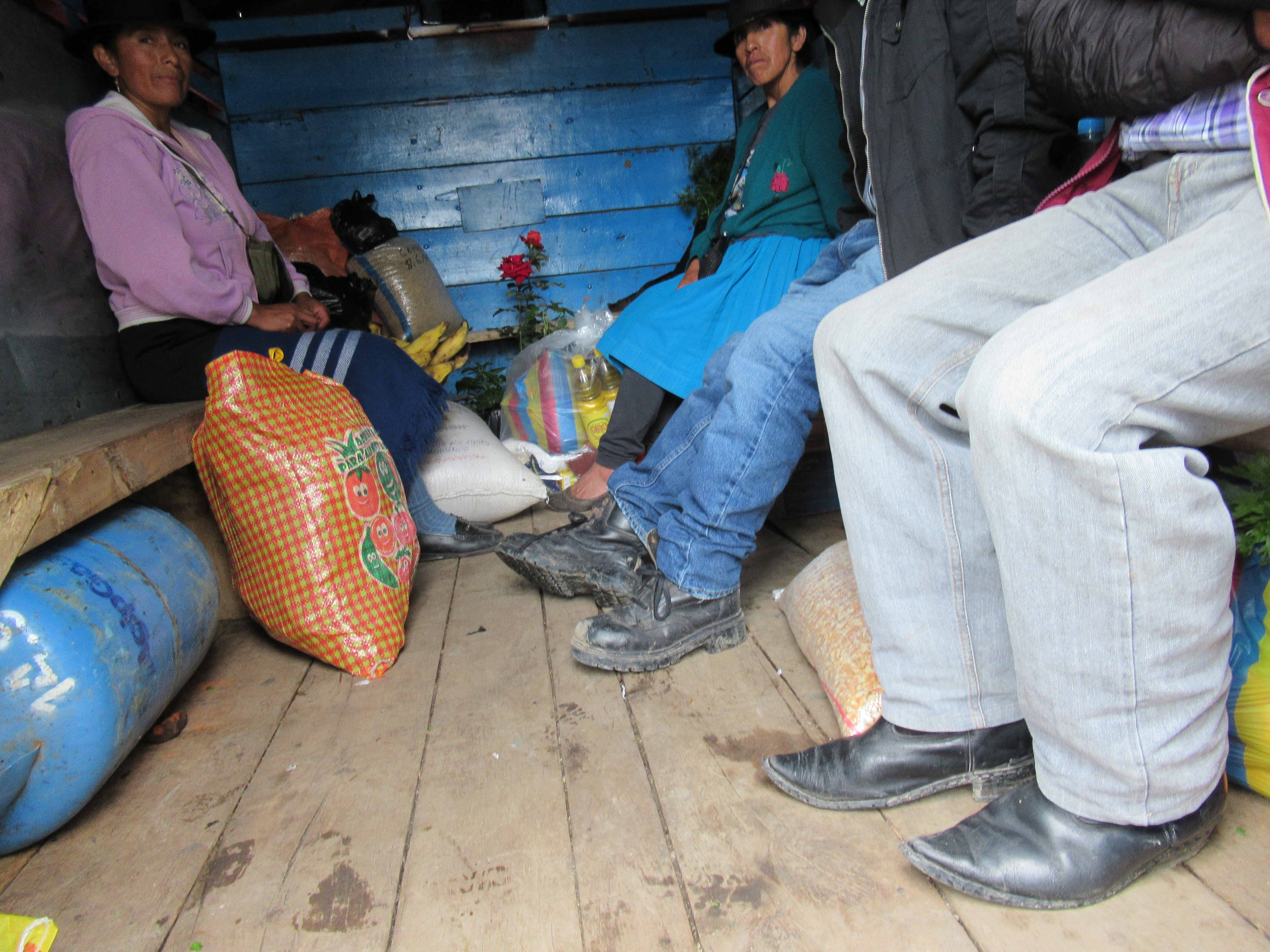
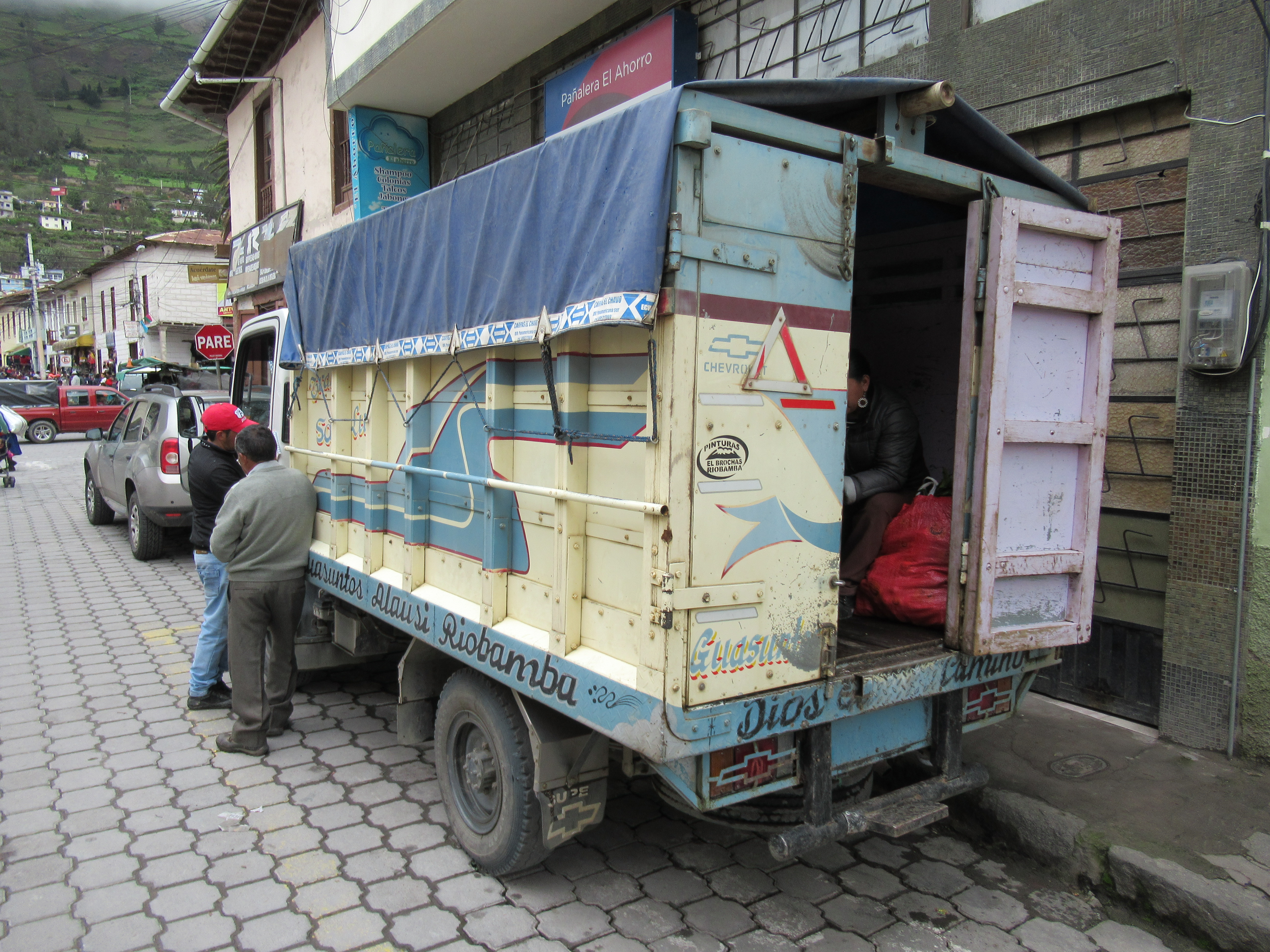
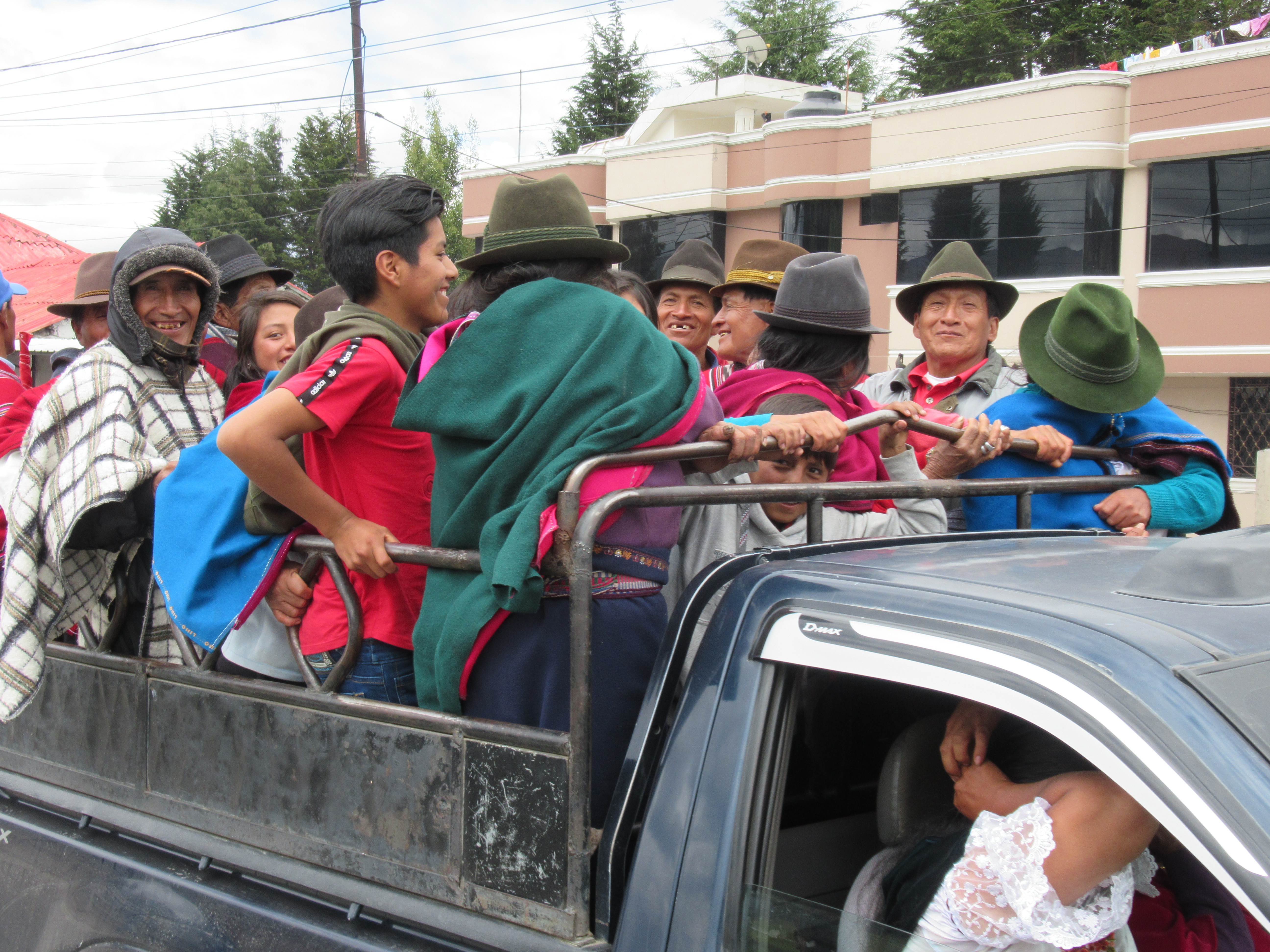
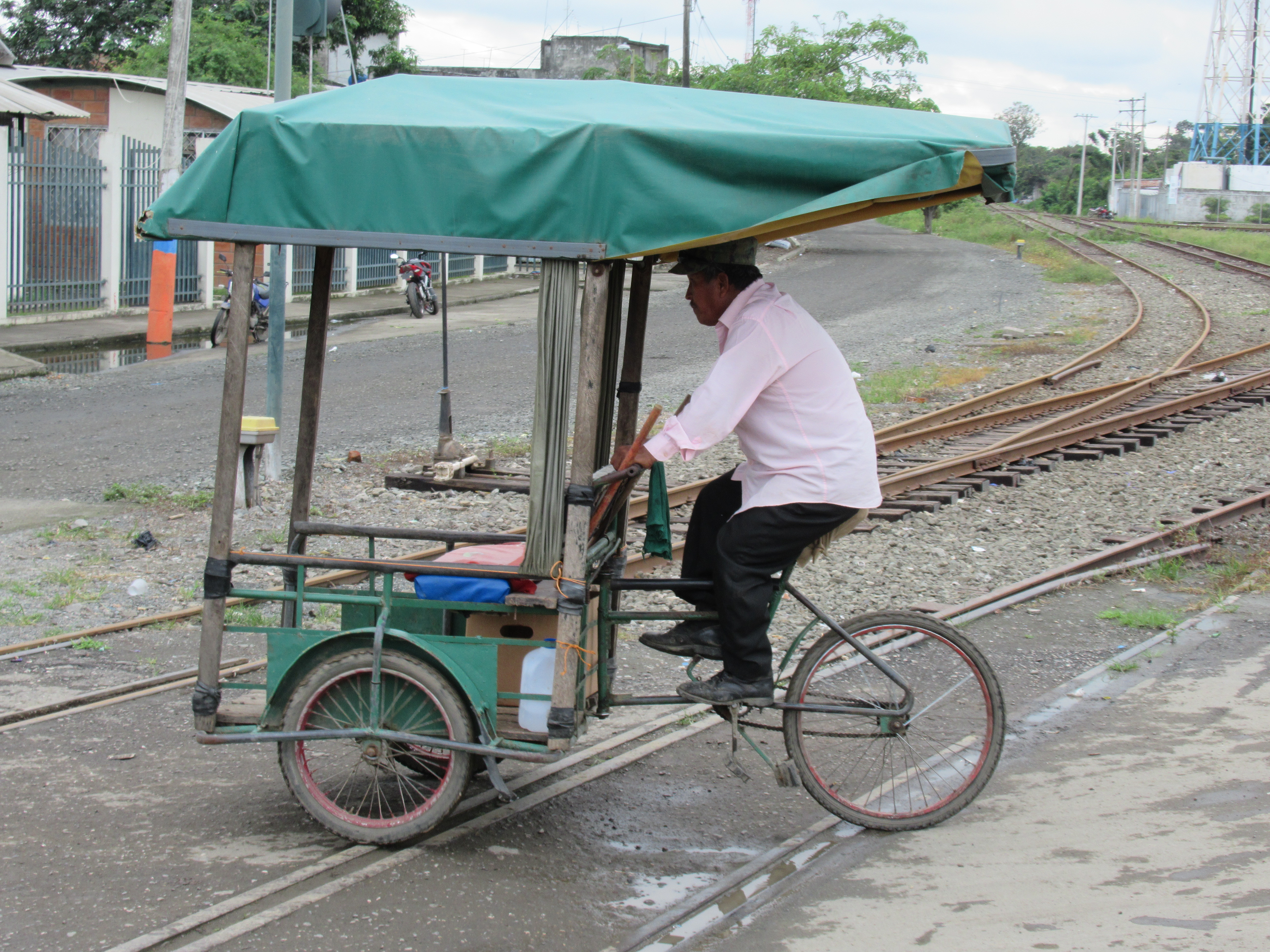
See a number of small lorries with tarpaulins over the top and assume it’s for freight. Startled when one of said lorry rear doors is opened to see a load of humans standing and sitting down with their shopping. It’s communal transport. Must be horrid to travel like that. No windows. Just a dark enclosed space.

Leave Alausi to drive over the mountain pass to pick up the train at Palmira and an excellent lunch on board provided by people in the next town. Now travelling at about 12,000feet so feeling the effects of altitude again.

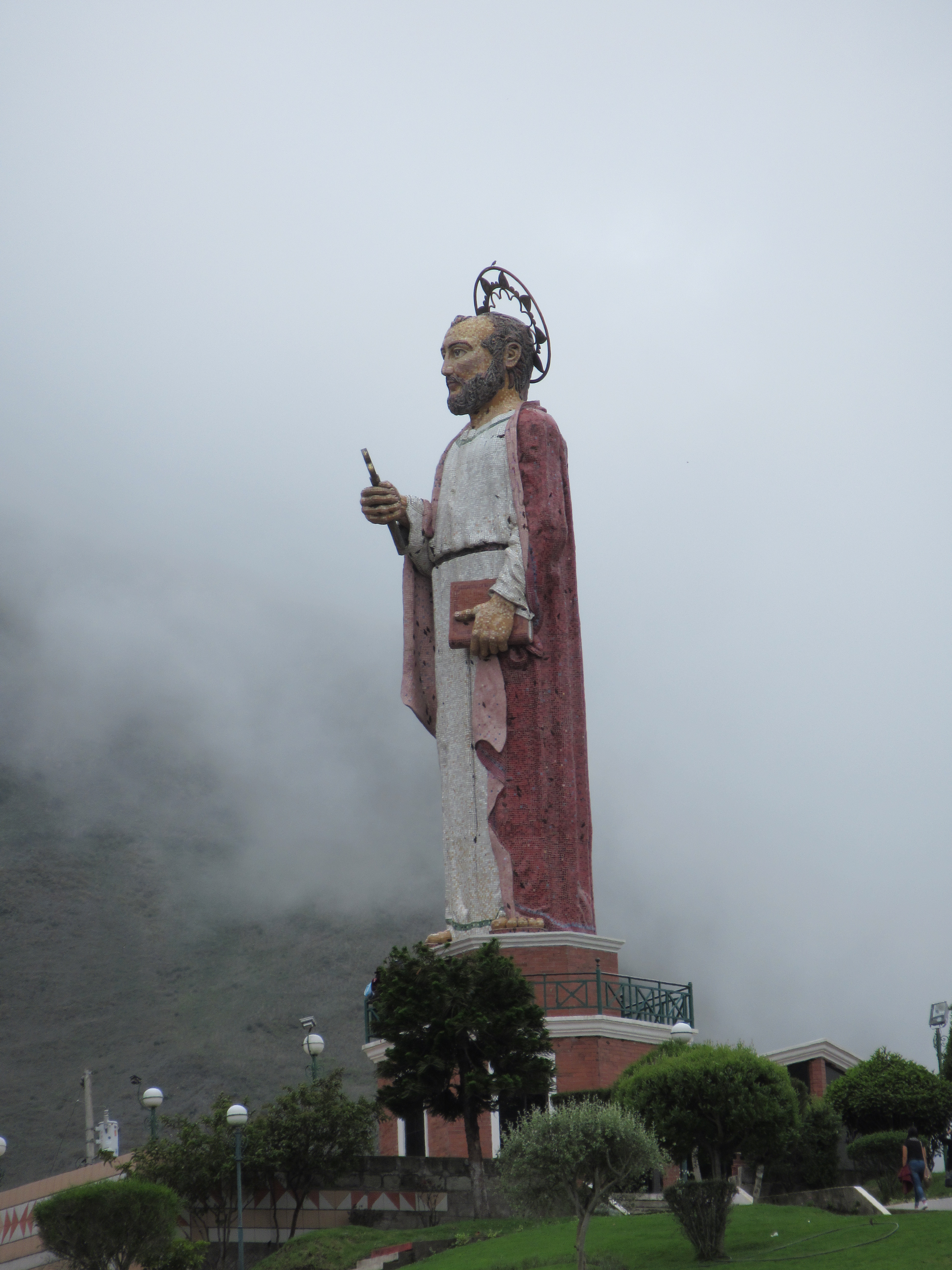
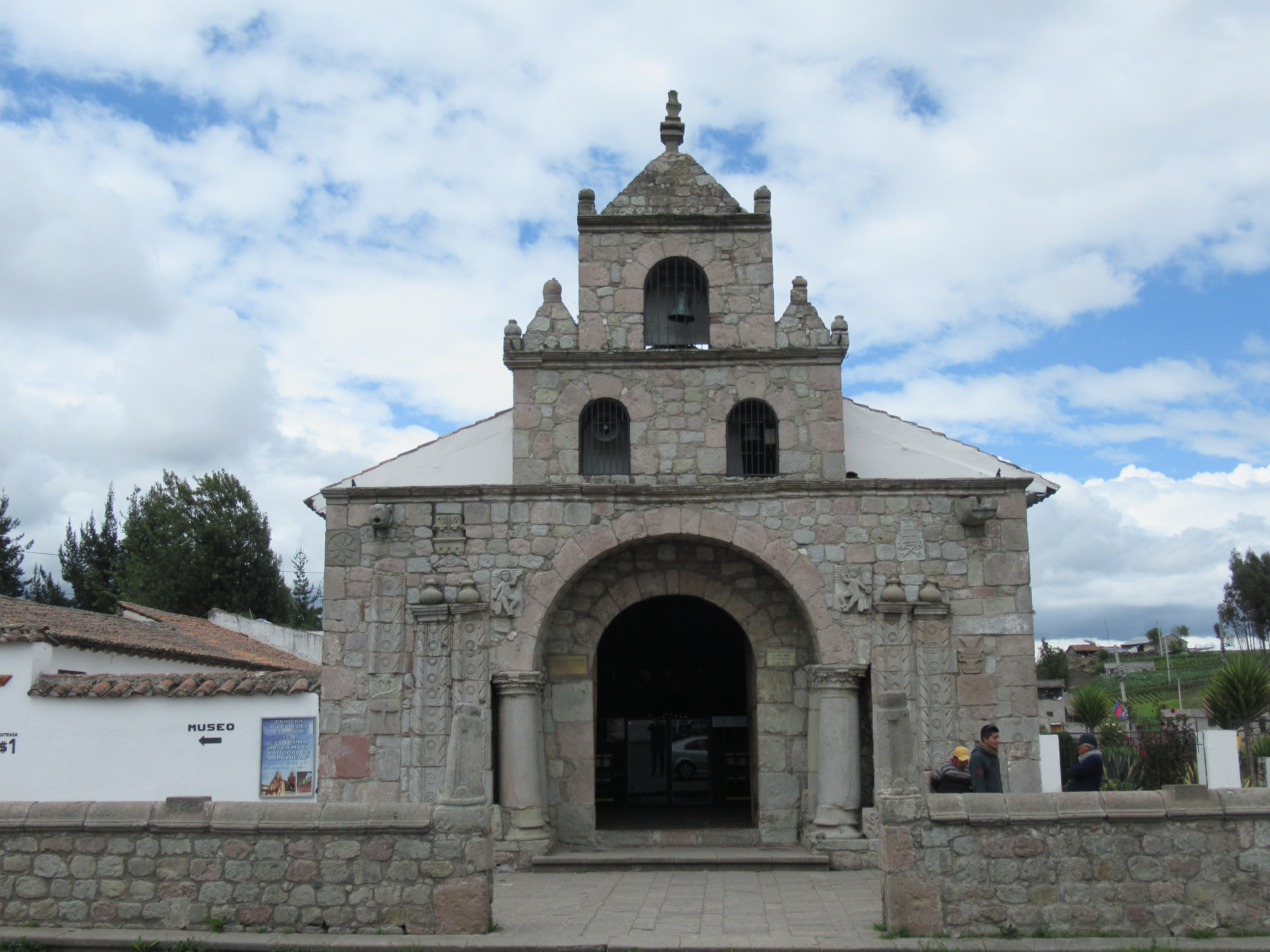
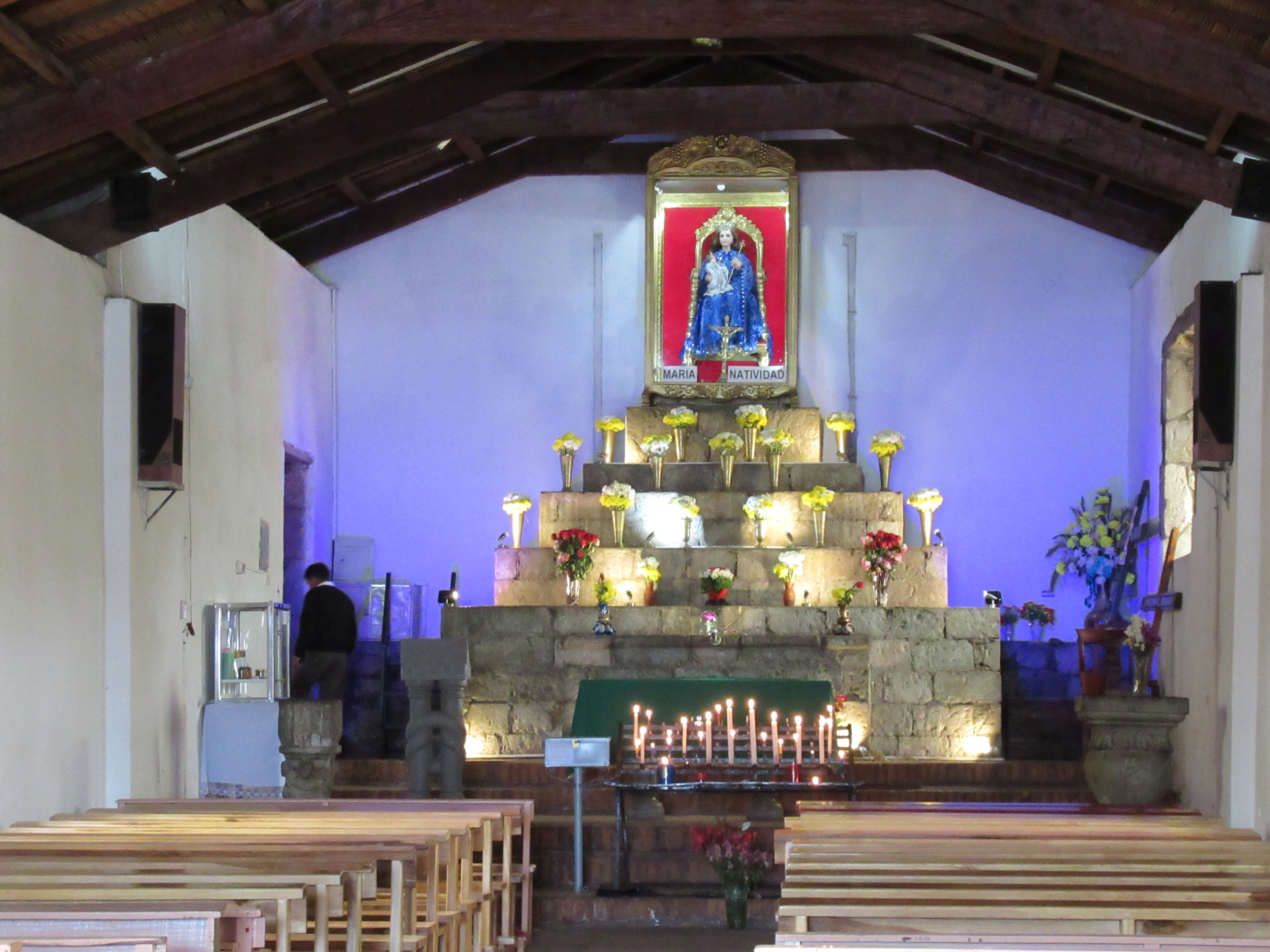
Stop briefly at Colta to see the first Catholic church built in Ecuador. That’s not the most interesting highlight though. See plenty of roadside BBQs selling…

Guinea pigs.

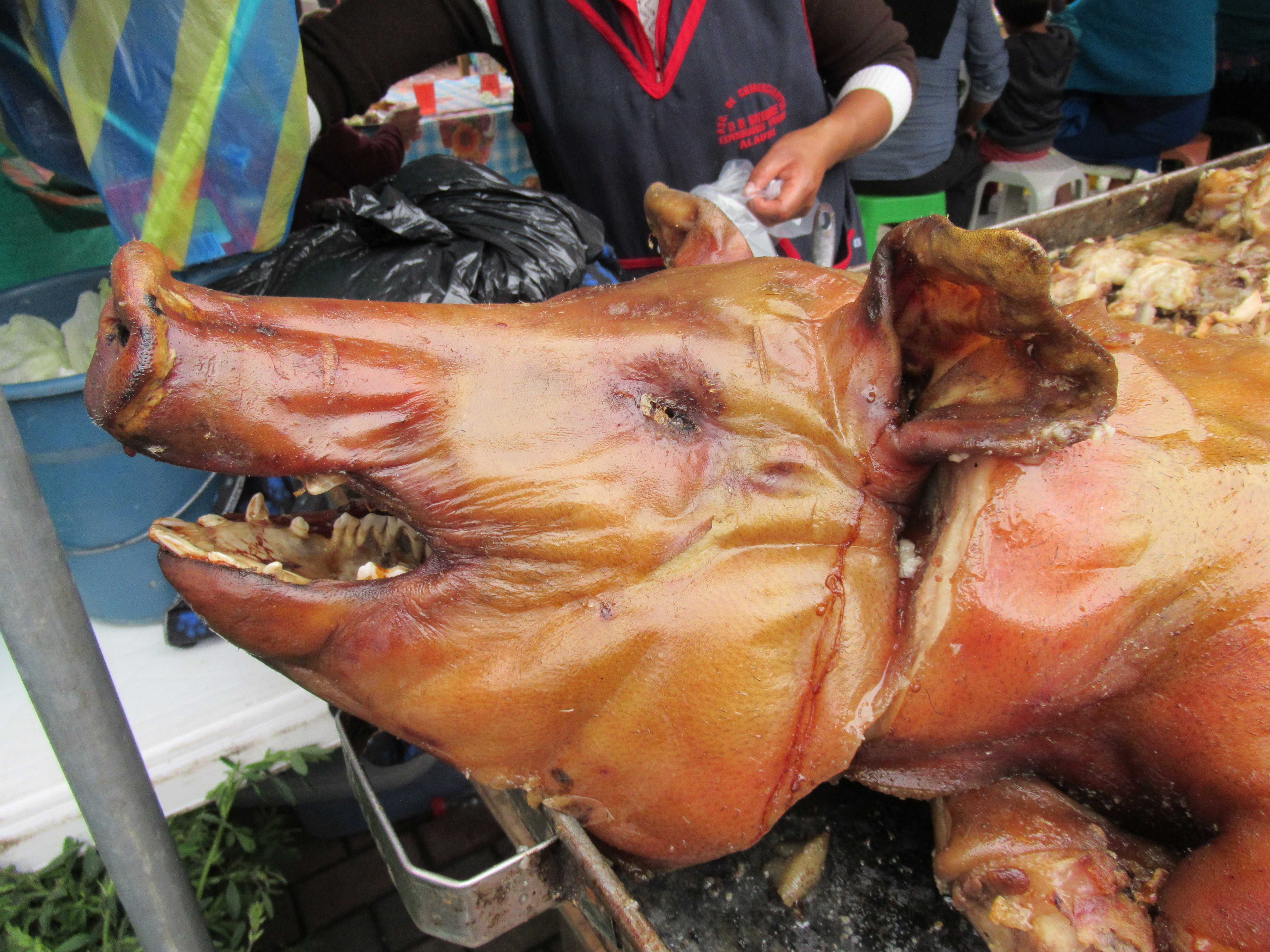
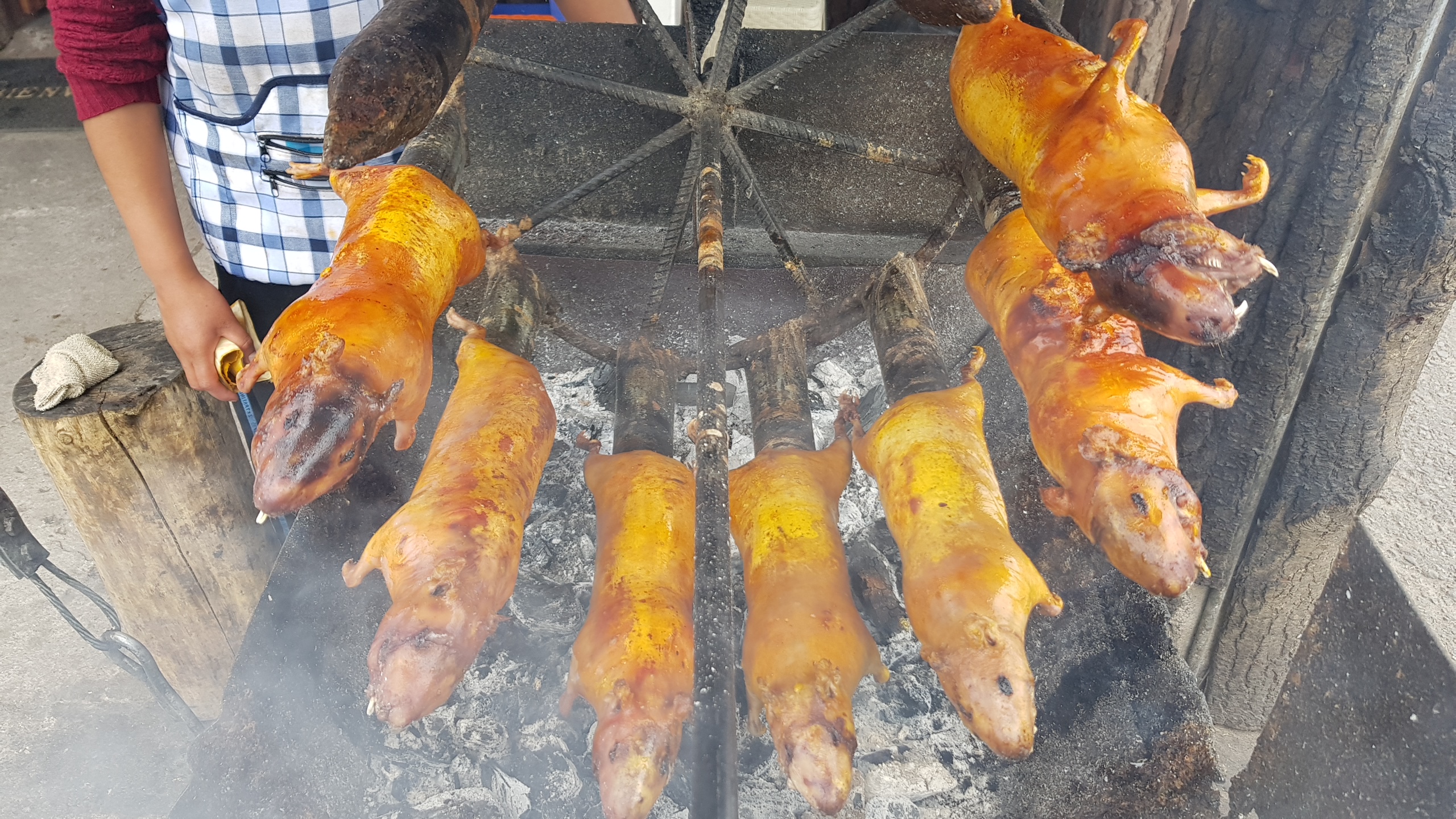
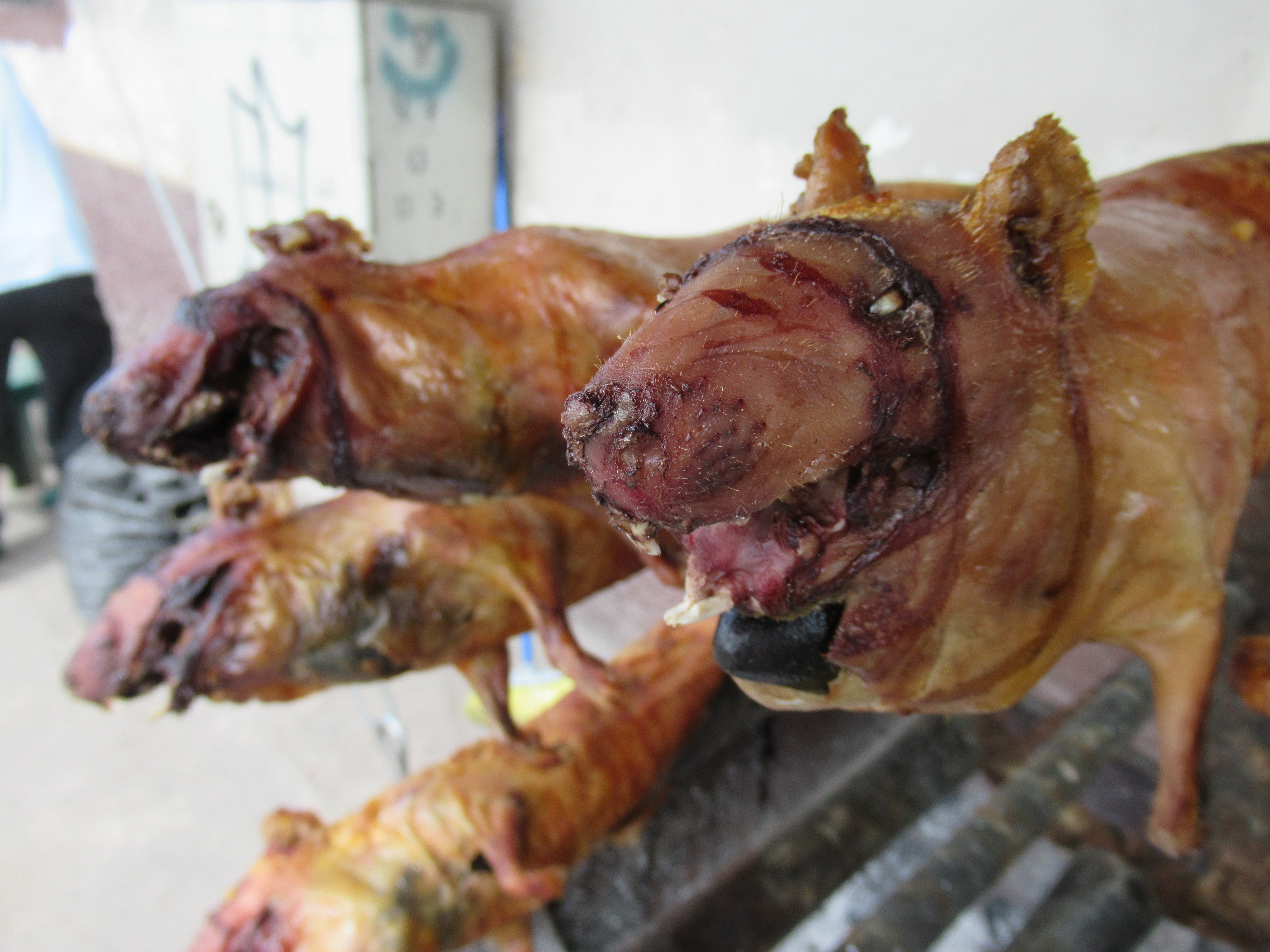
Lots of guinea pigs slowly roasting over the BBQs.

Yep.

Never seen so many guinea pigs.

They seem longer than the pet ones you get in the UK and have a large diameter steel rod poking up their backside which is then rotated over the BBQ. The heads and teeth are on full display. Part of me wants to try roast guinea pig. Guide tells me that here they cost about US$12 but in Quito, they will be double that. It’s customary to give your guest of honour at a party guinea pig, he says.

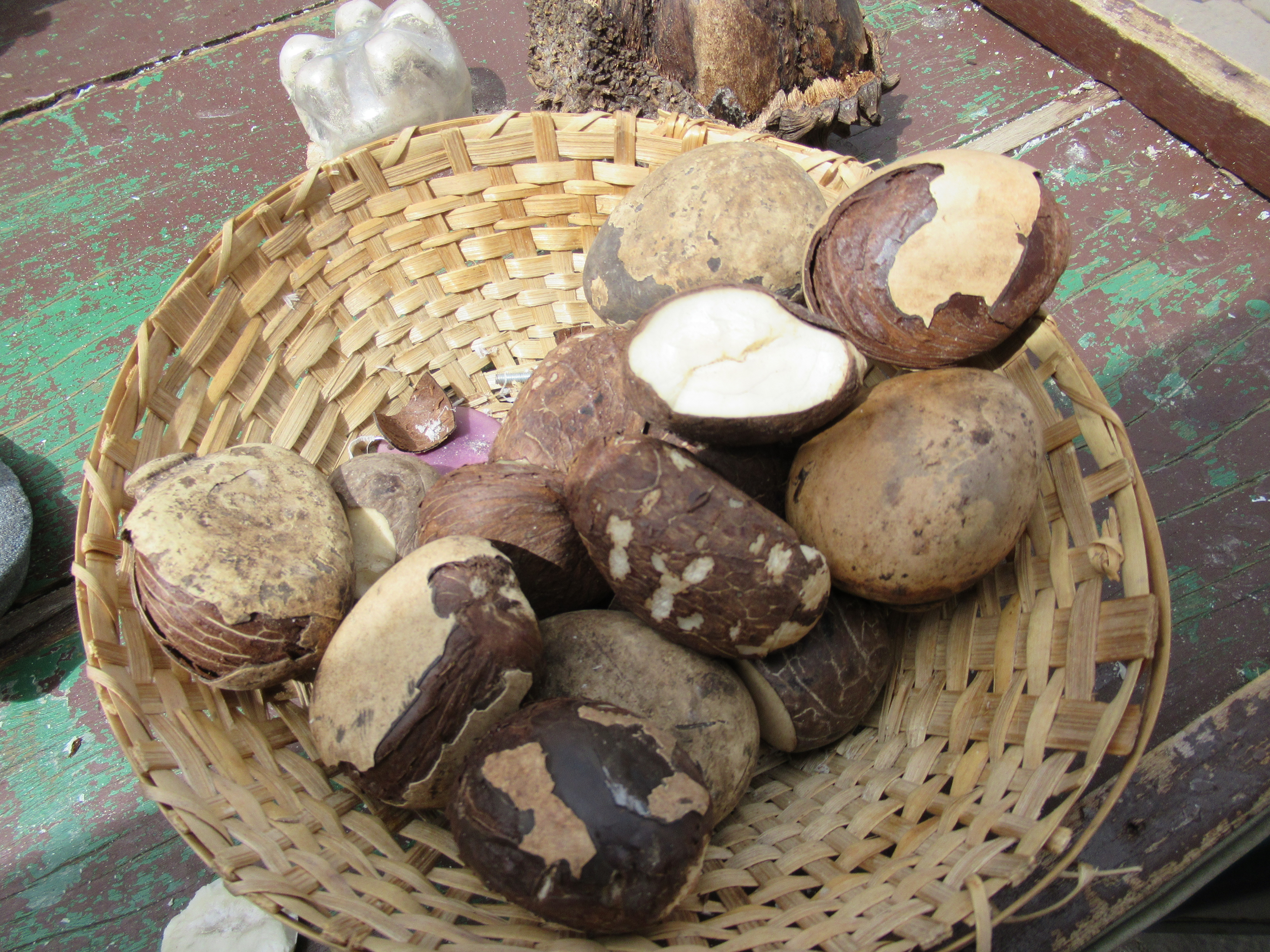
One of the artesan market stalls has a lathe that is turning a tree nut. Once finished it looks exactly like ivory. It’s from the so called ‘ivory nut’ of one of the local palm trees.

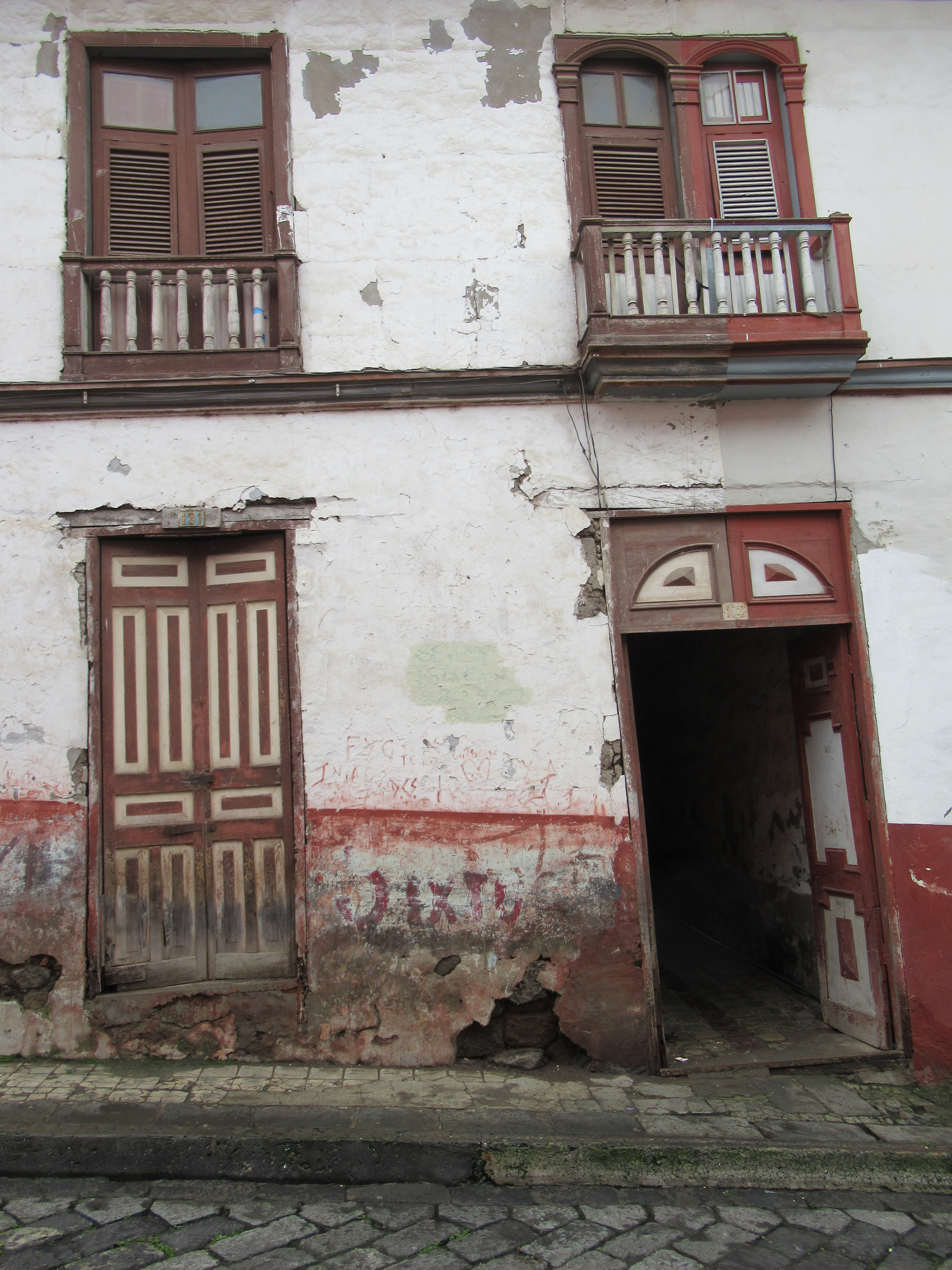
Arrive at Riobamba. Very old friend (as in longevity of friendship…phew…think I got away with that…) refers to it as Riodumpa. She’s not wrong. It is a bit of a dump.

The so called panoramic city tour only takes in one point of interest. A monument to the French Geodesic Expedition in the 18th century. They were using the local mountain, Chimborazo, to prove the shape of the earth.

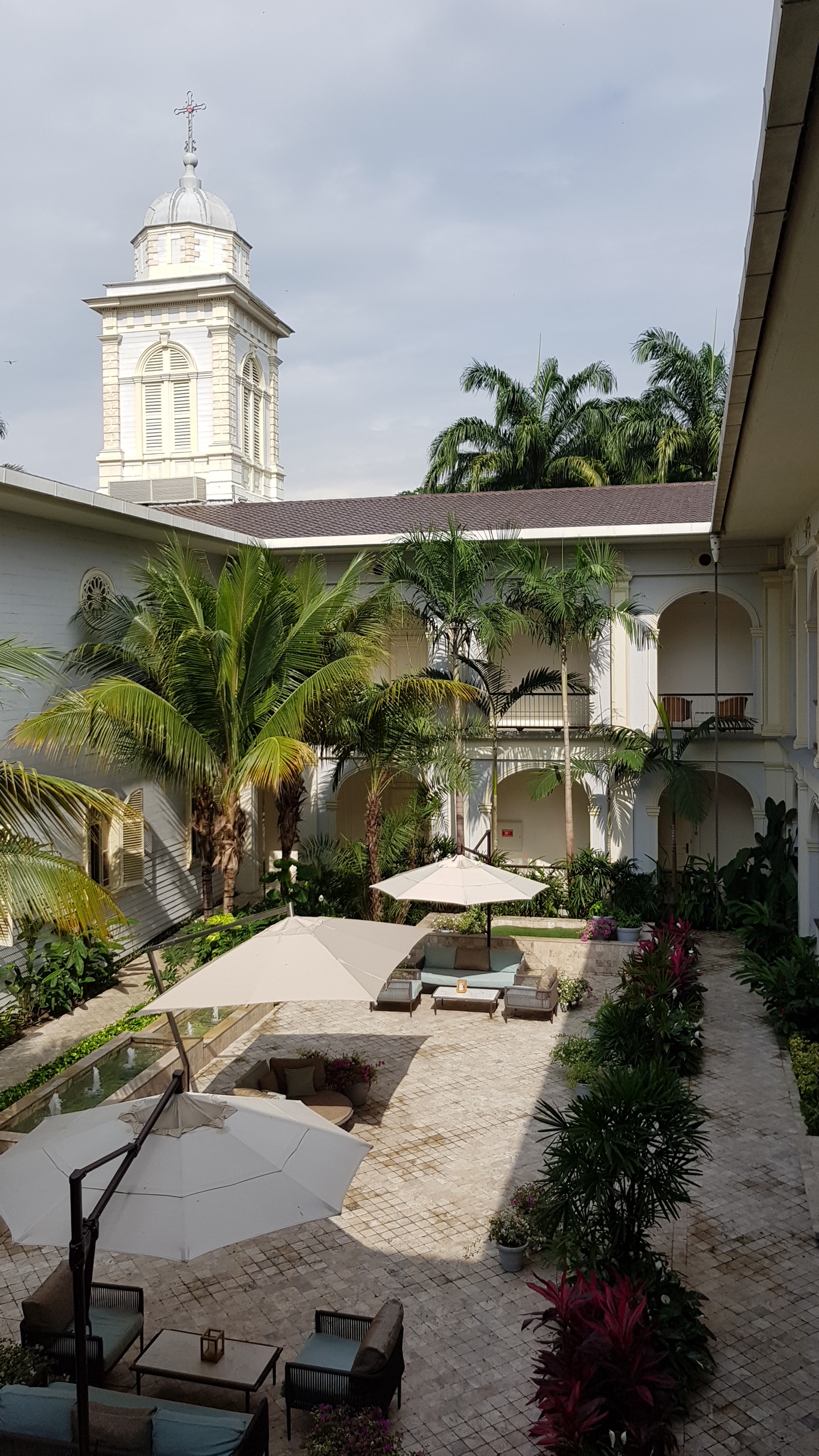
Check in to Hosteria La Andaluza (https://www.hosteriaandaluza.com/en-gb). A turn of the century farm house/colonial mansion.

However.

My bed is littered with red rose petals.

What a bloody faff clearing that lot away.

Definitely not my cup of tea.
49. Chocolate heaven

Saturday, 9 February 2019

Alausi, Ecuador


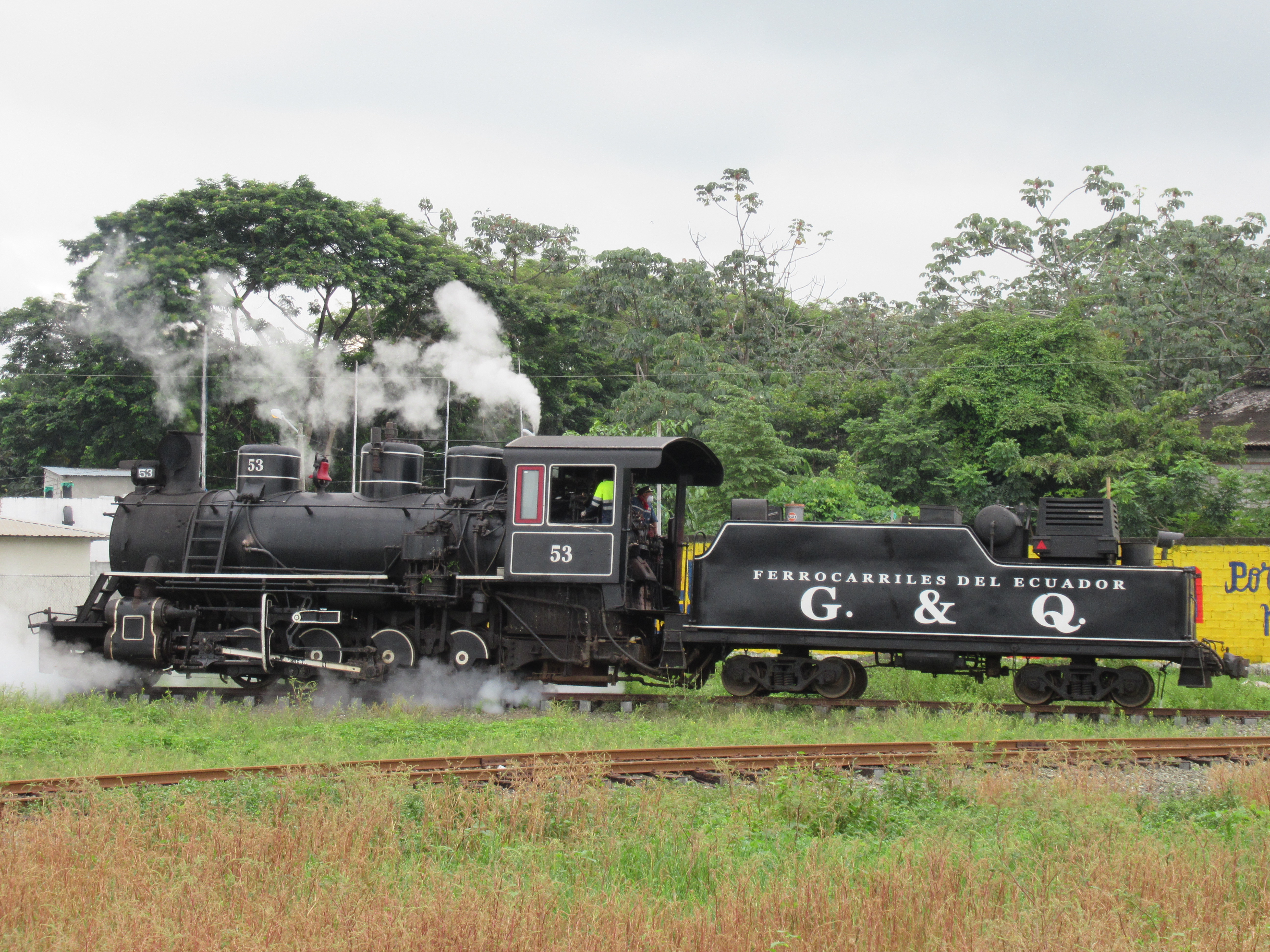
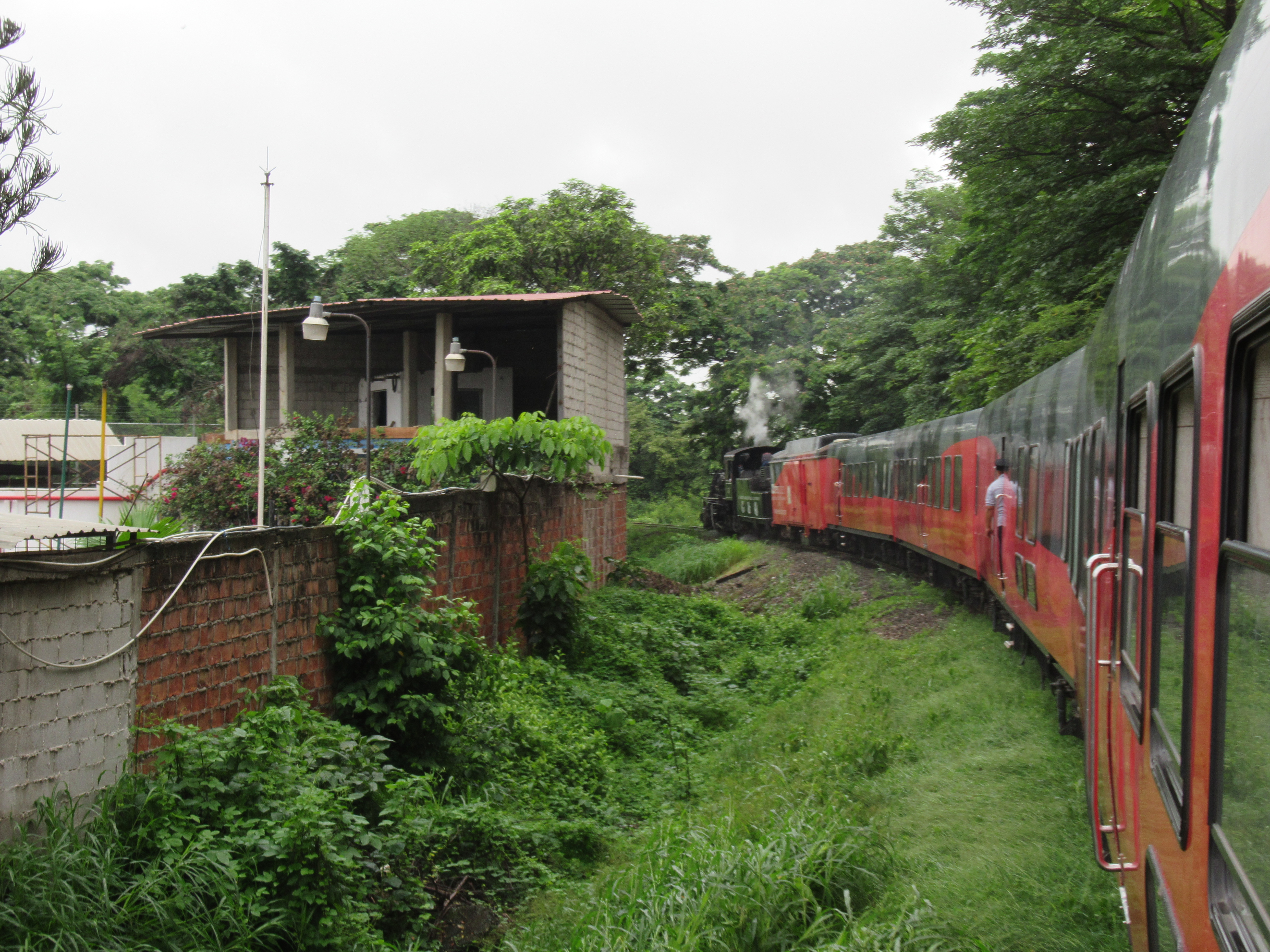
Early morning check in for the train to Quito, which will take 4 days. For the first hour, pulled by a 1920s steam train to Yaguachi which is subsequently swapped for a diesel locomotive. Hot. Very Hot. Humid. Very humid. Even at 0700hrs. Will be glad to go back up to altitude again and cooler weather.

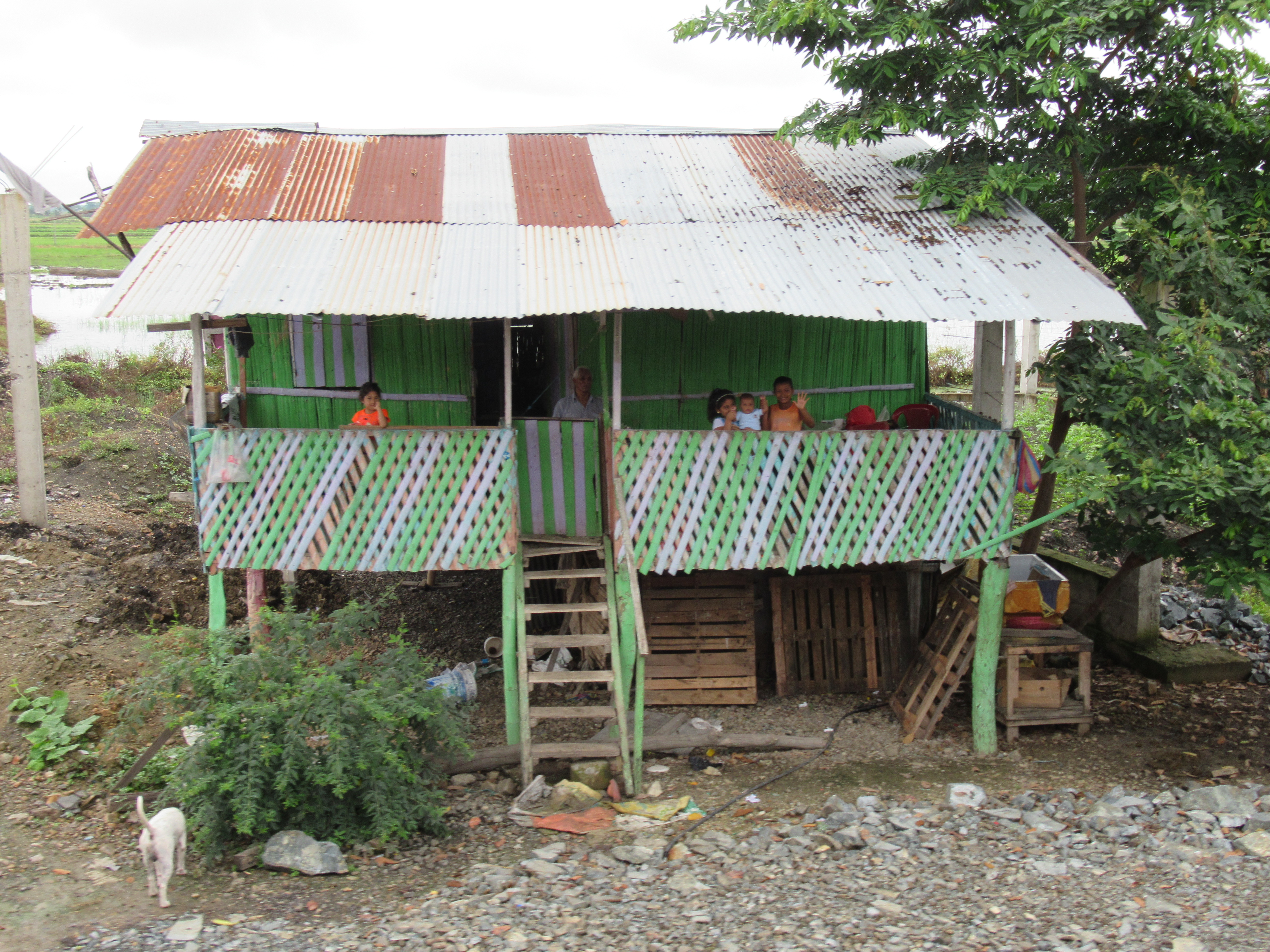
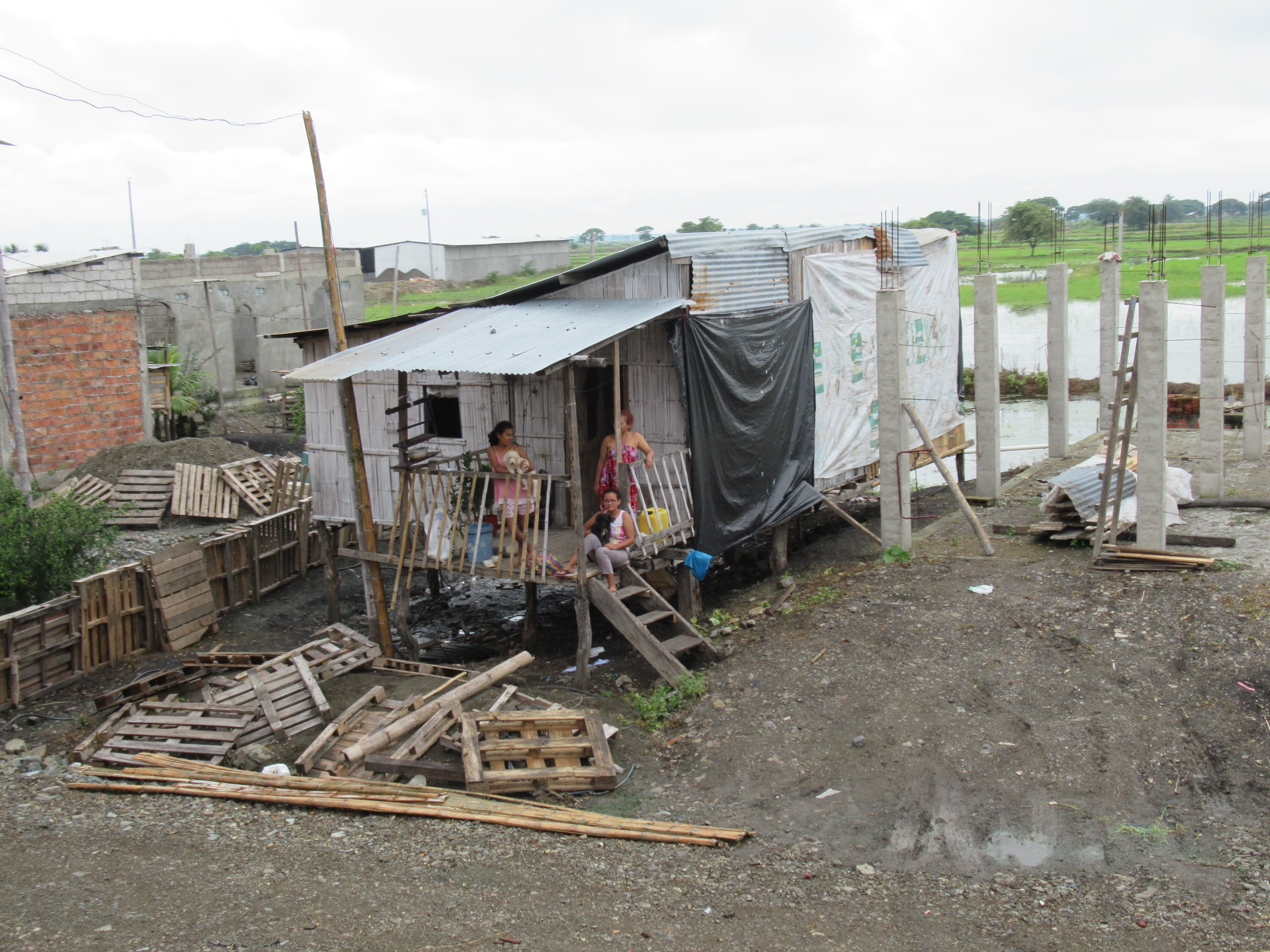
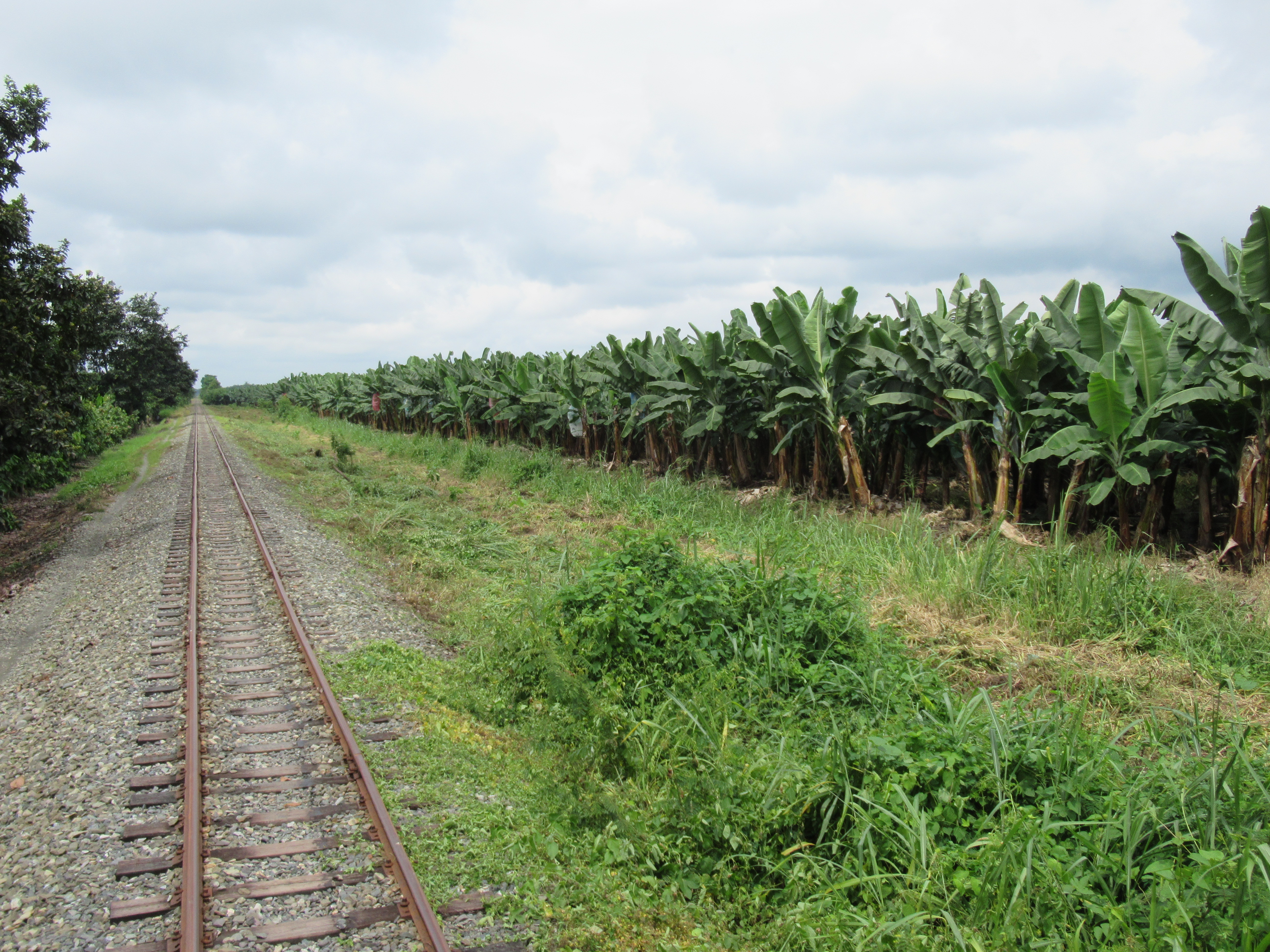
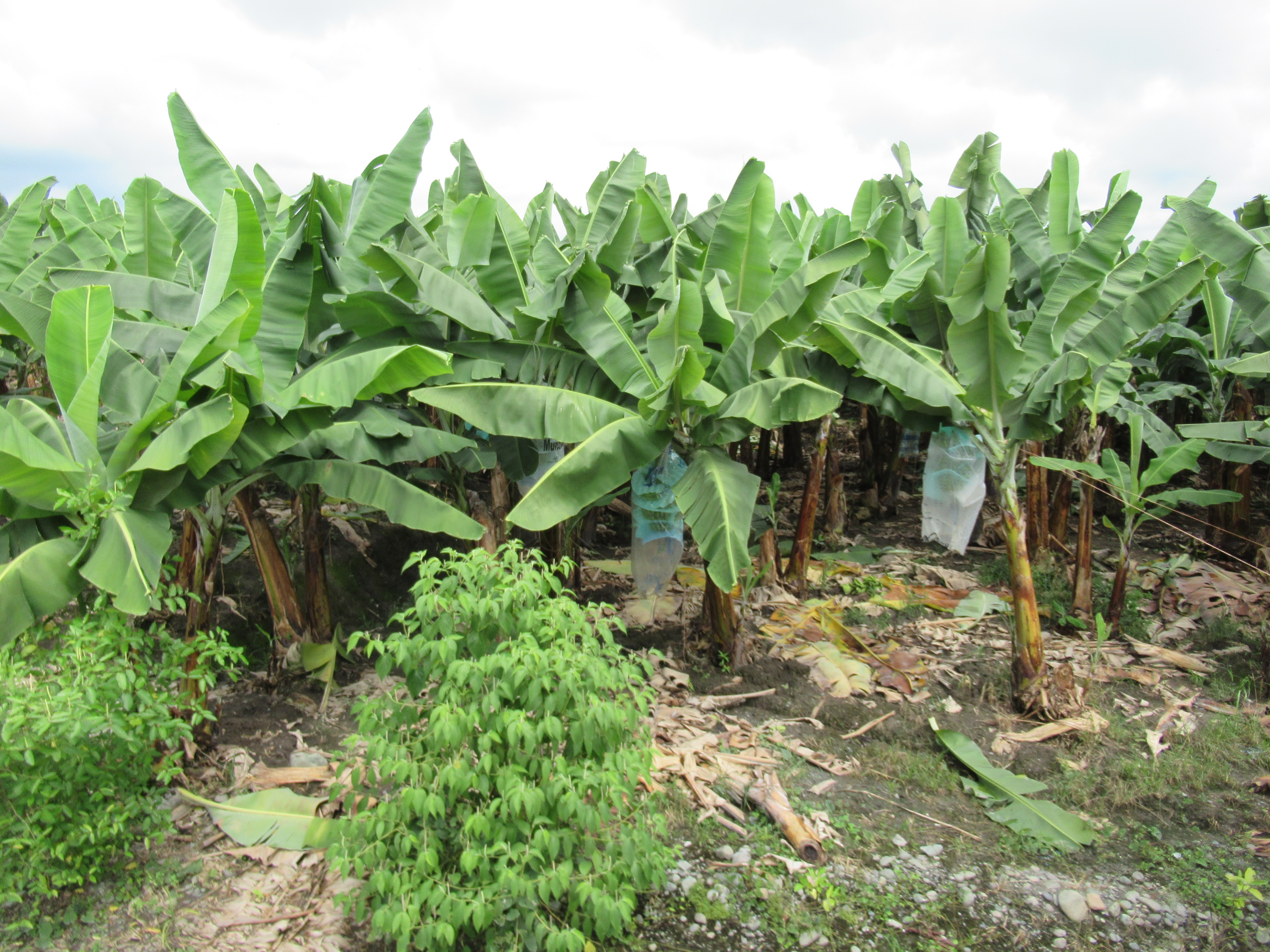
Pull out of Duran station and immediately see how basic the living is here away from the bright lights of Guayaquil. Pass through many banana and cocoa plantations and paddy fields. The houses are built on stilts to provide protection from the rains and also provide better ventilation in this hot and steamy environment.

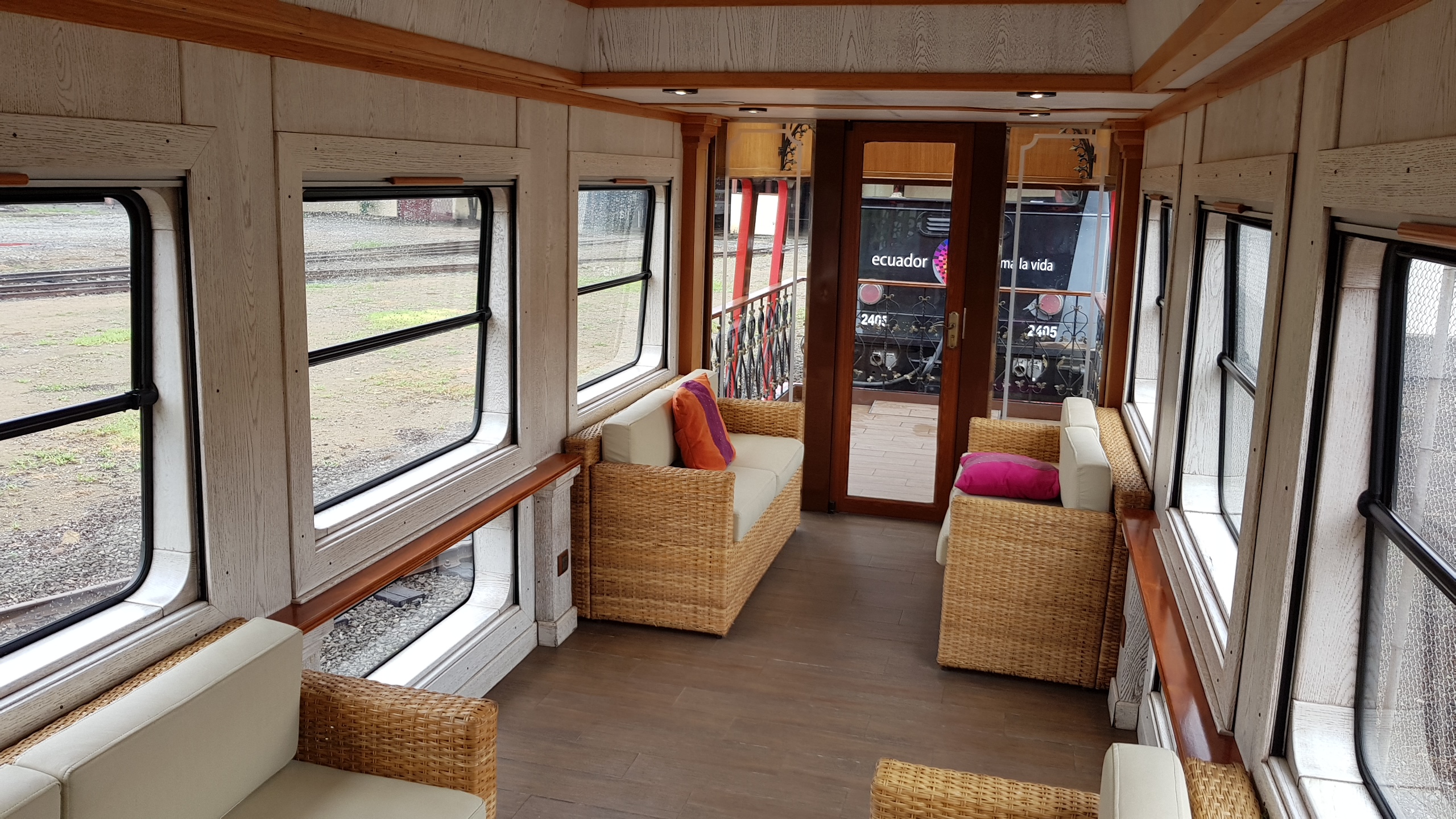
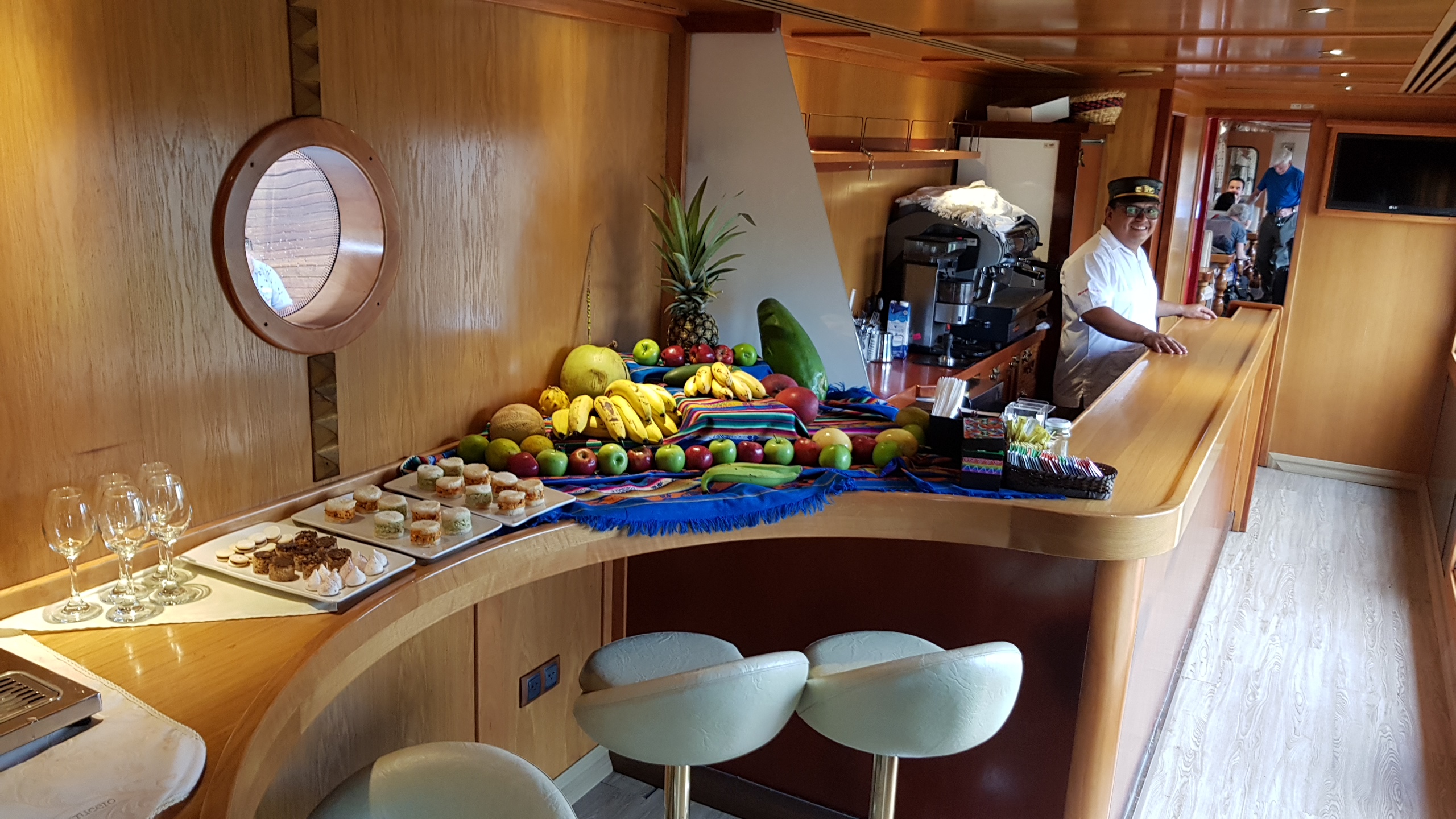
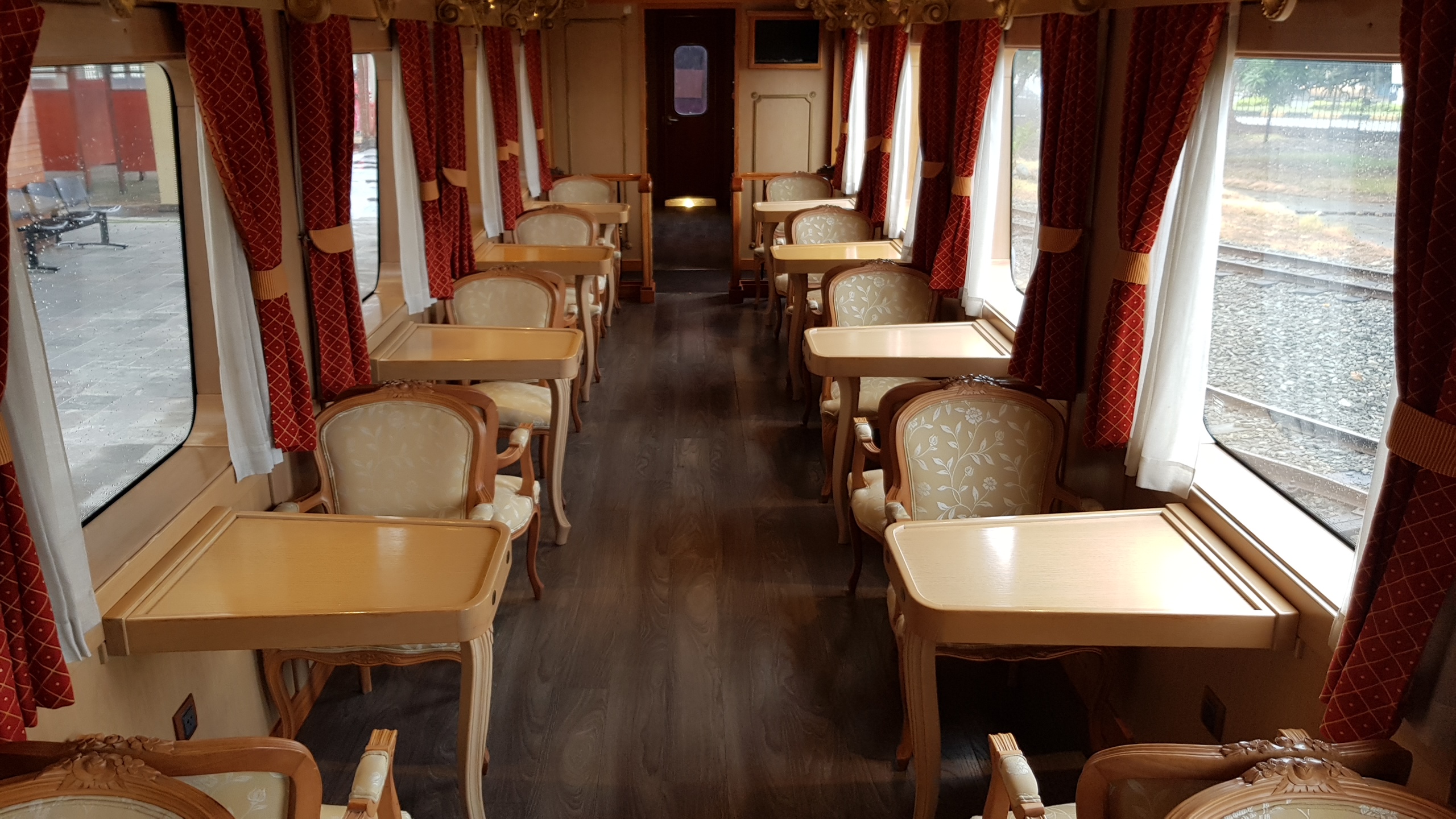
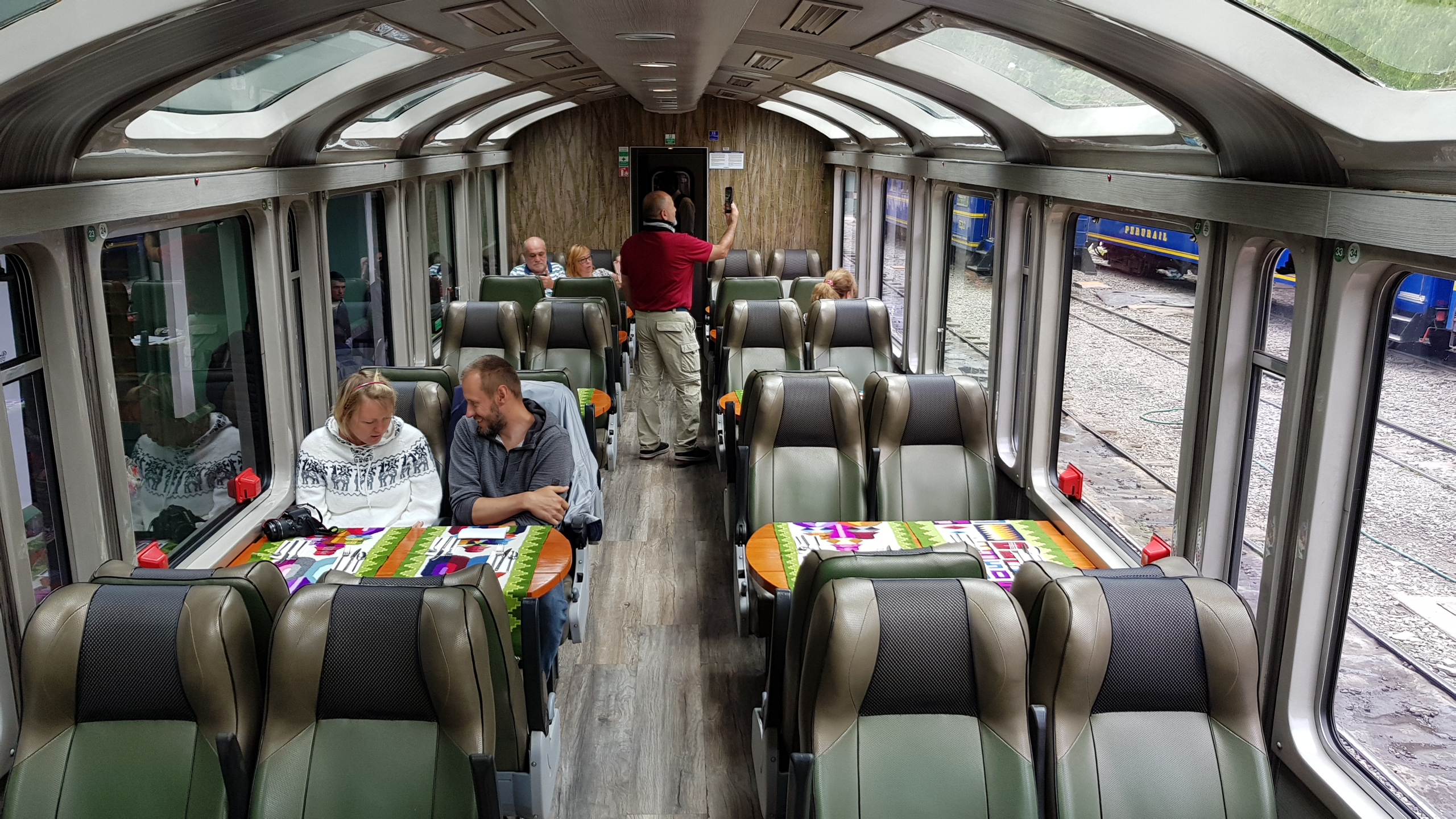
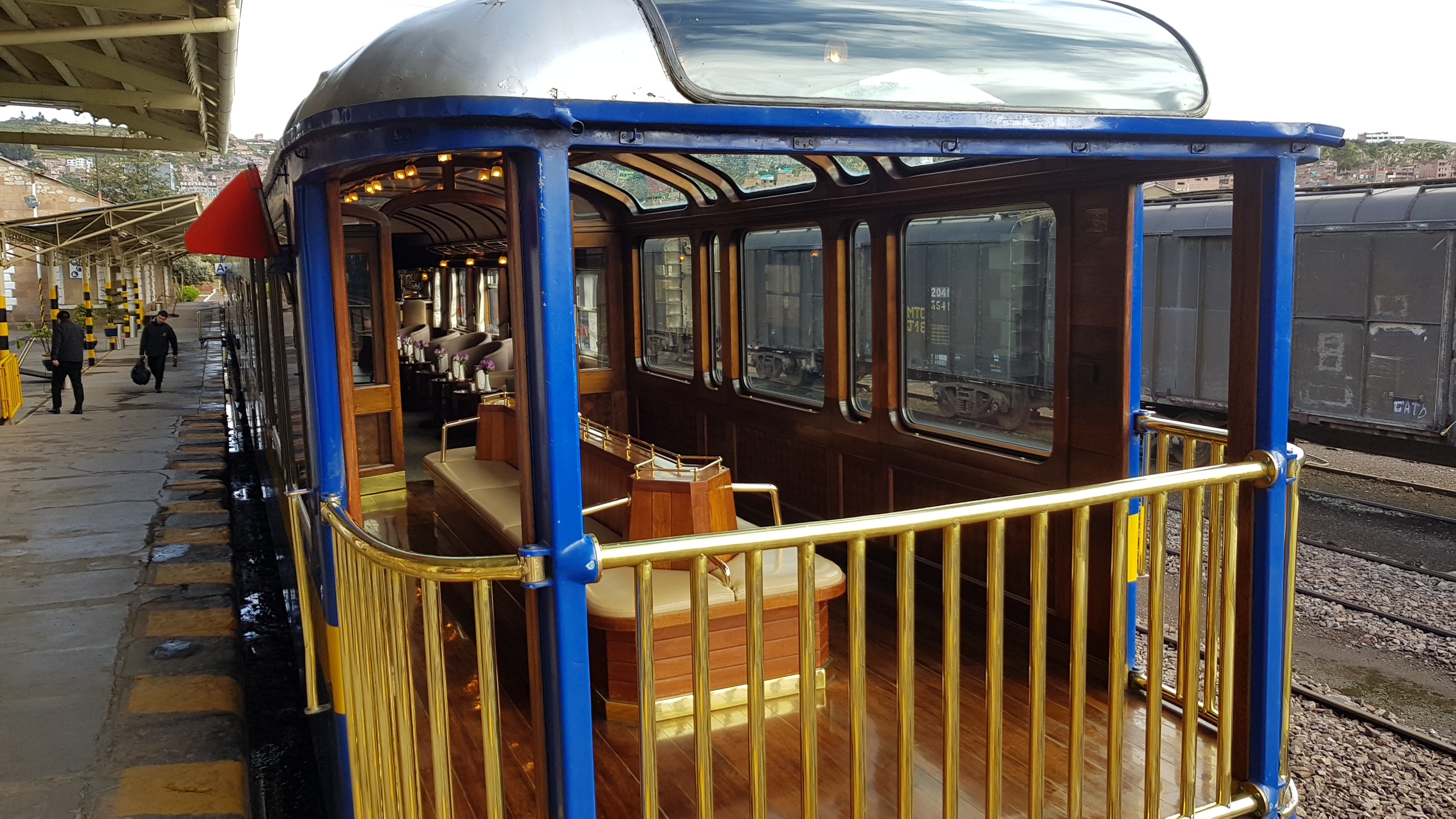
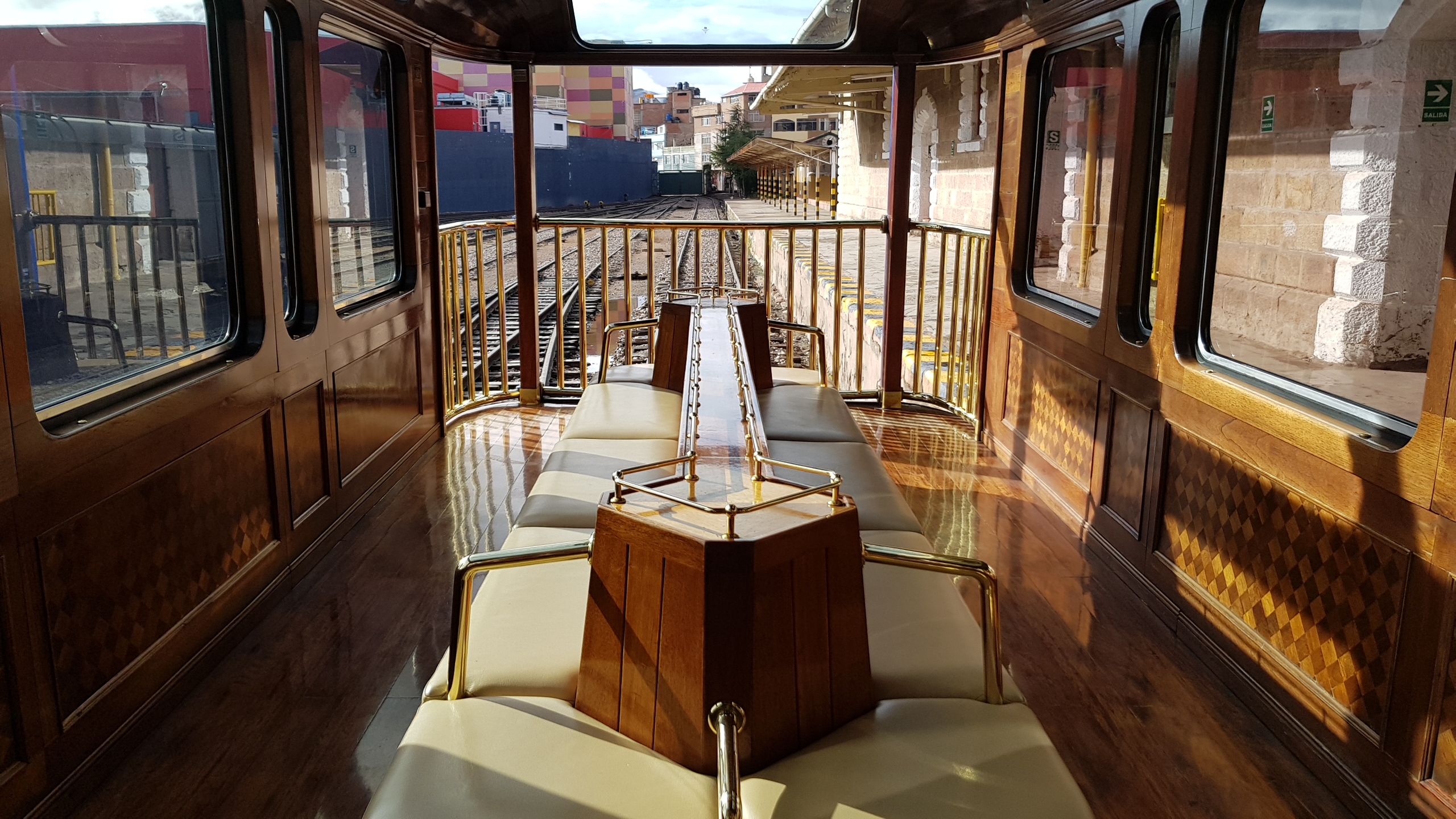
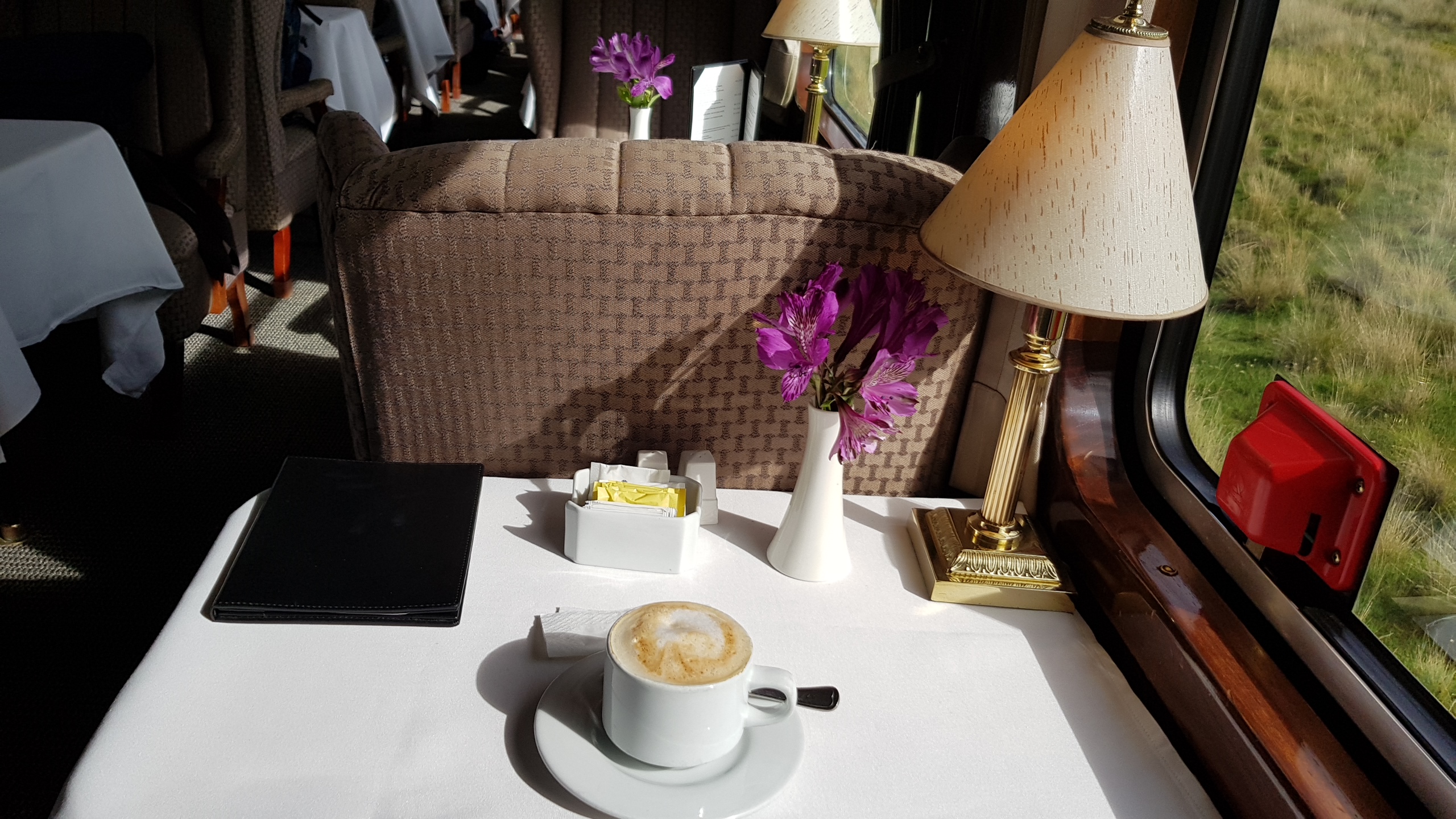
Settle into the air-conditioned carriage with a glass of champagne, watching the world go by. Train comprises dining cars, bar car and open air observation car. All very civilised.

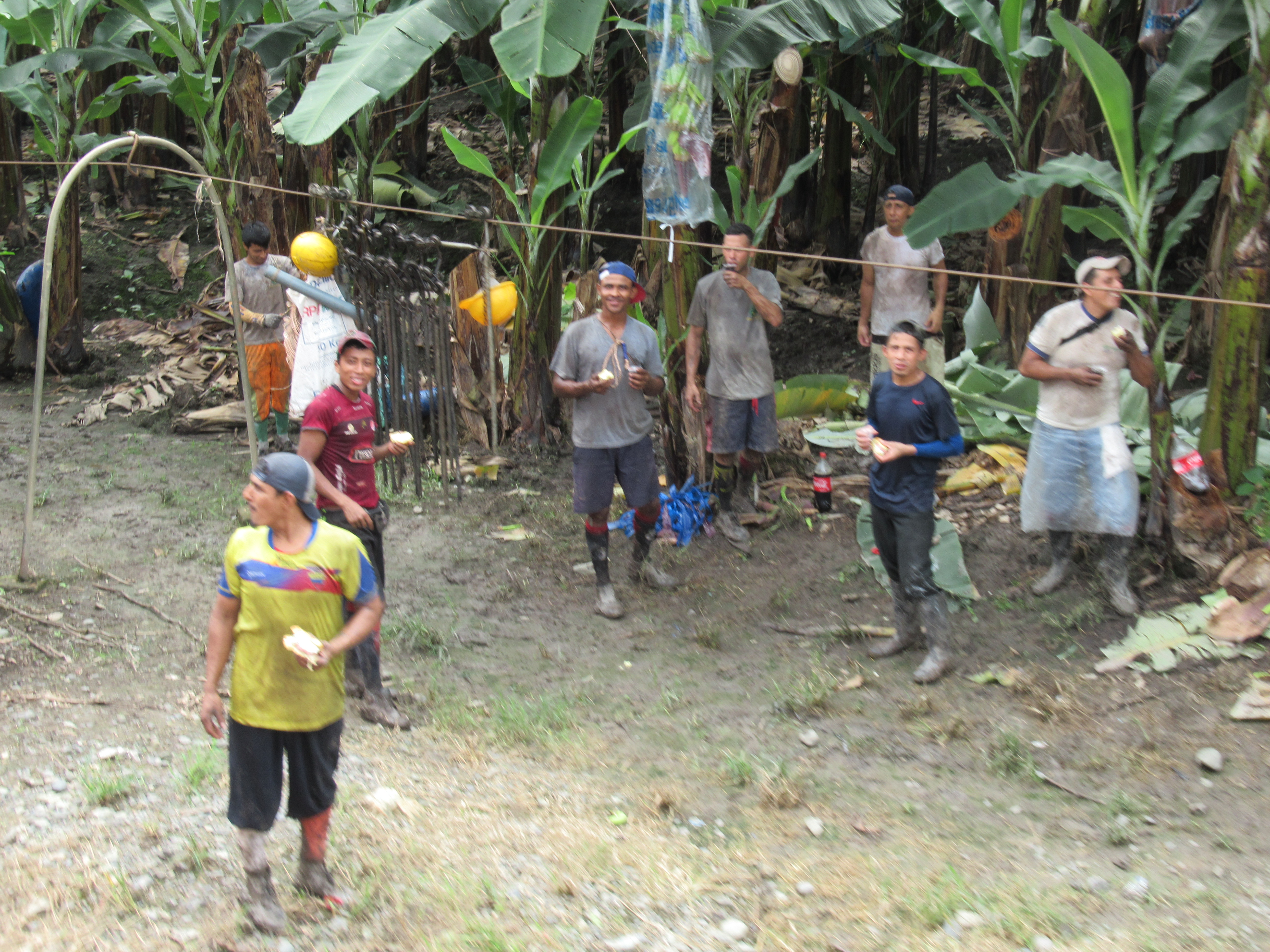
Most of the bananas in the plantations are wrapped in plastic bags and conveyor systems run through the plantation to transfer bananas from tree to despatch area. So many bananas.
Arrive Yaguachi station and say goodbye to the steam locomotive. It’s too expensive to run any further than the 1hr we’ve just done and swapped for a diesel one. Another 2hr rail journey through plantations and poor rural settlements.

In Naranjito, disembark and say goodbye to the train. Due to the rainy season, a landslide prevents this train set going any further. Fortunately, at the time of the landslide the other train set was on the other side of the landslide so we’ll pick that train up to tomorrow, to continue on to Quito. But first we have to cross the foothills of the Andes to get there. More of which later.

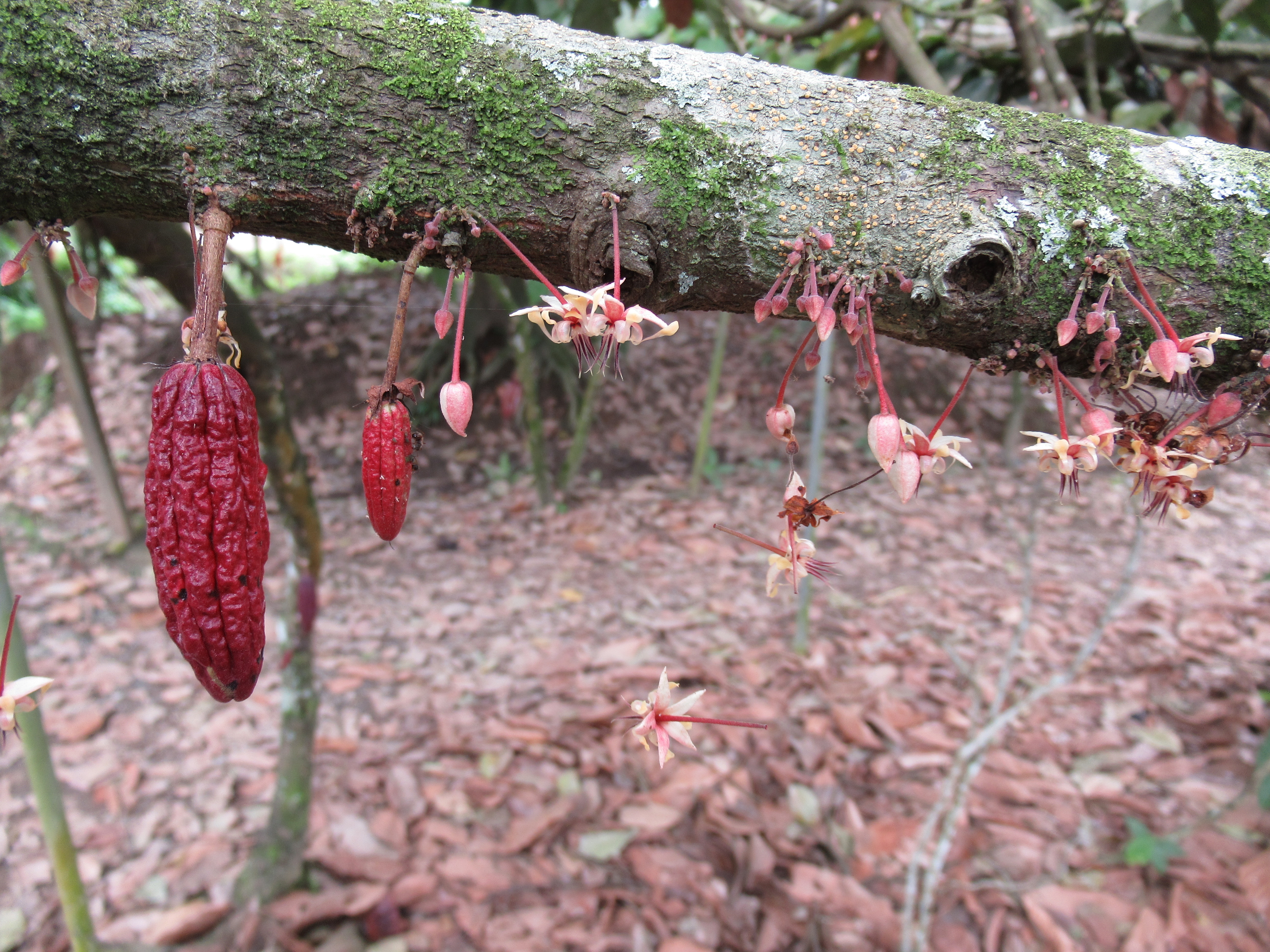
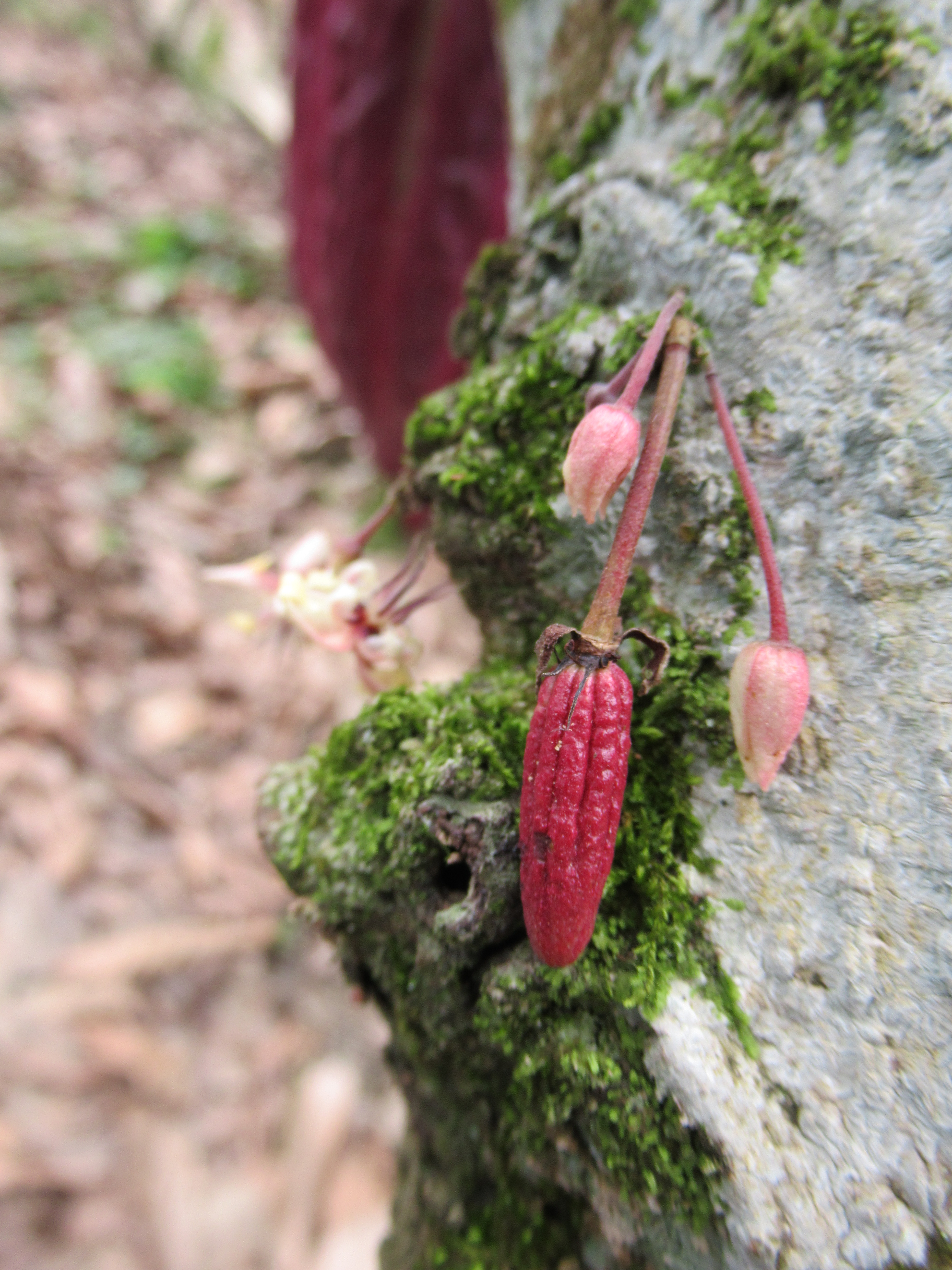
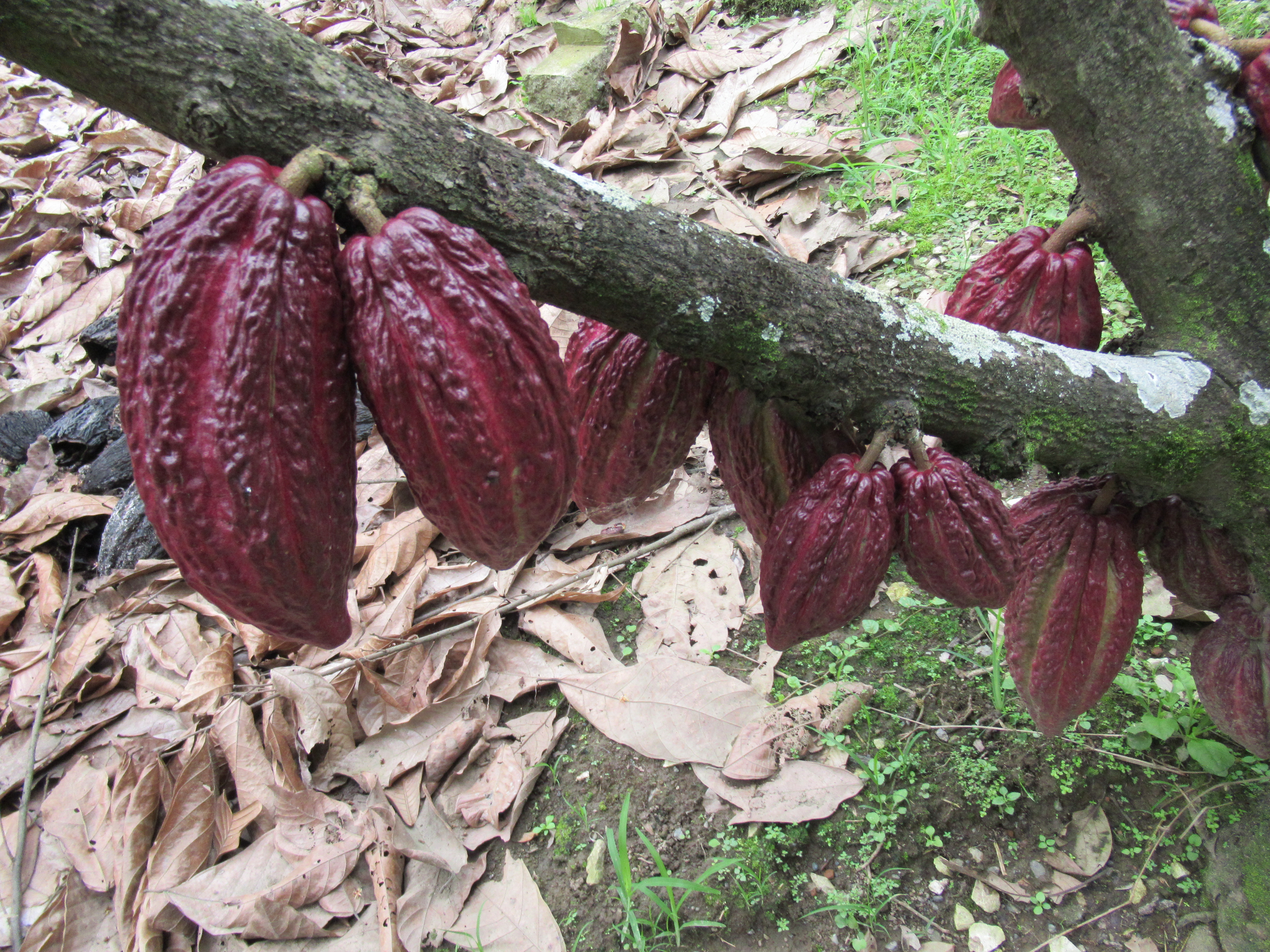
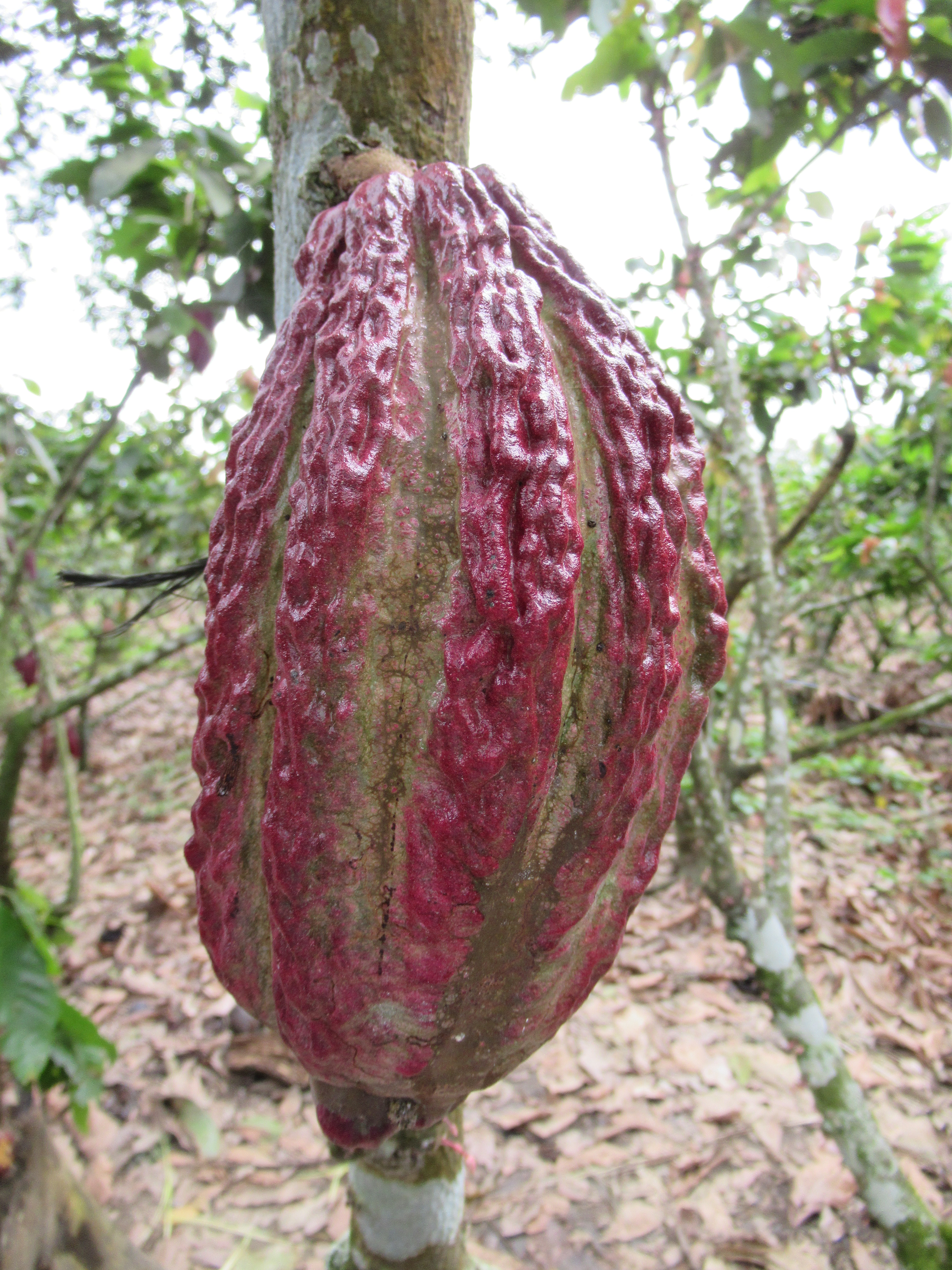
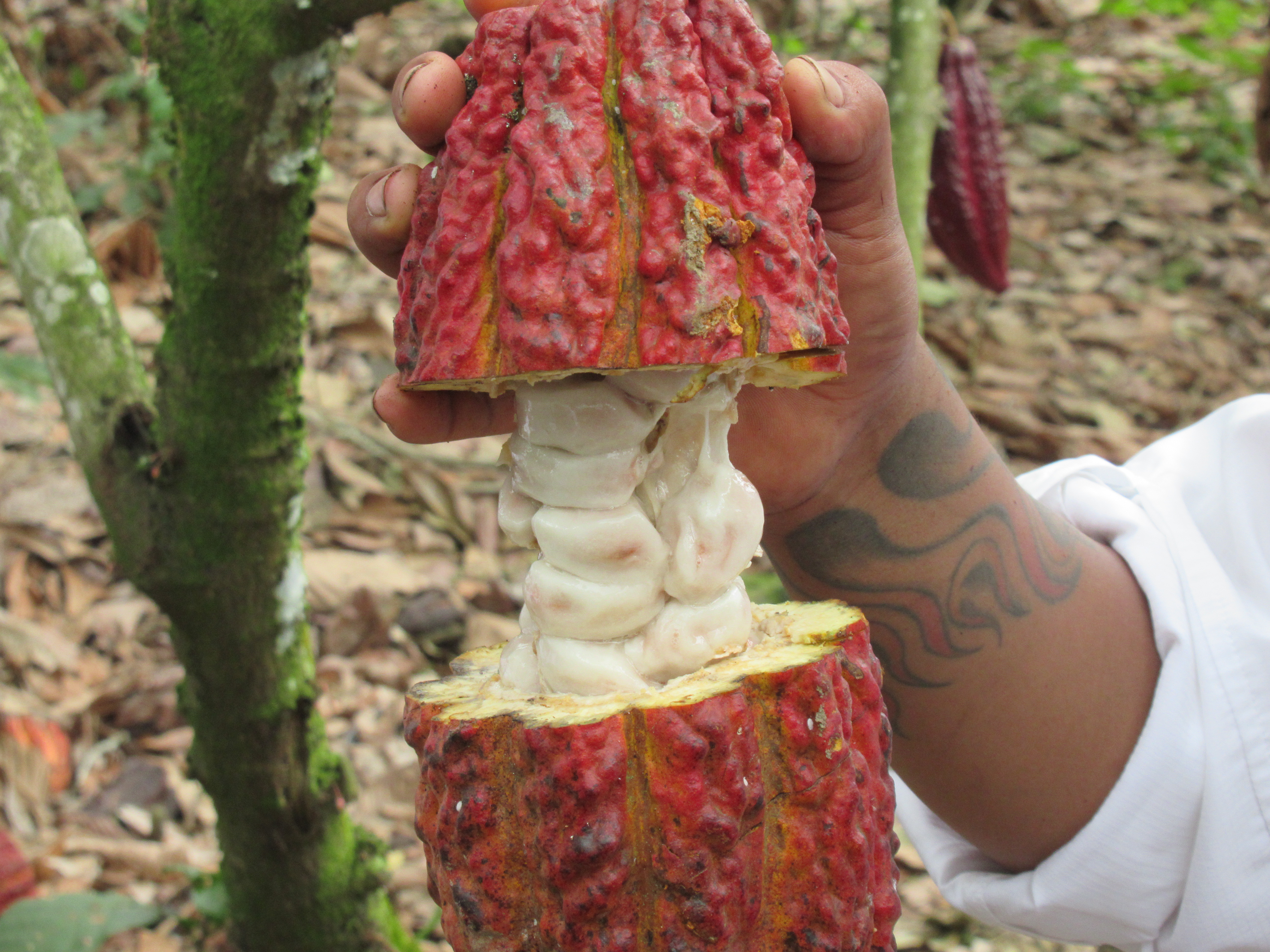
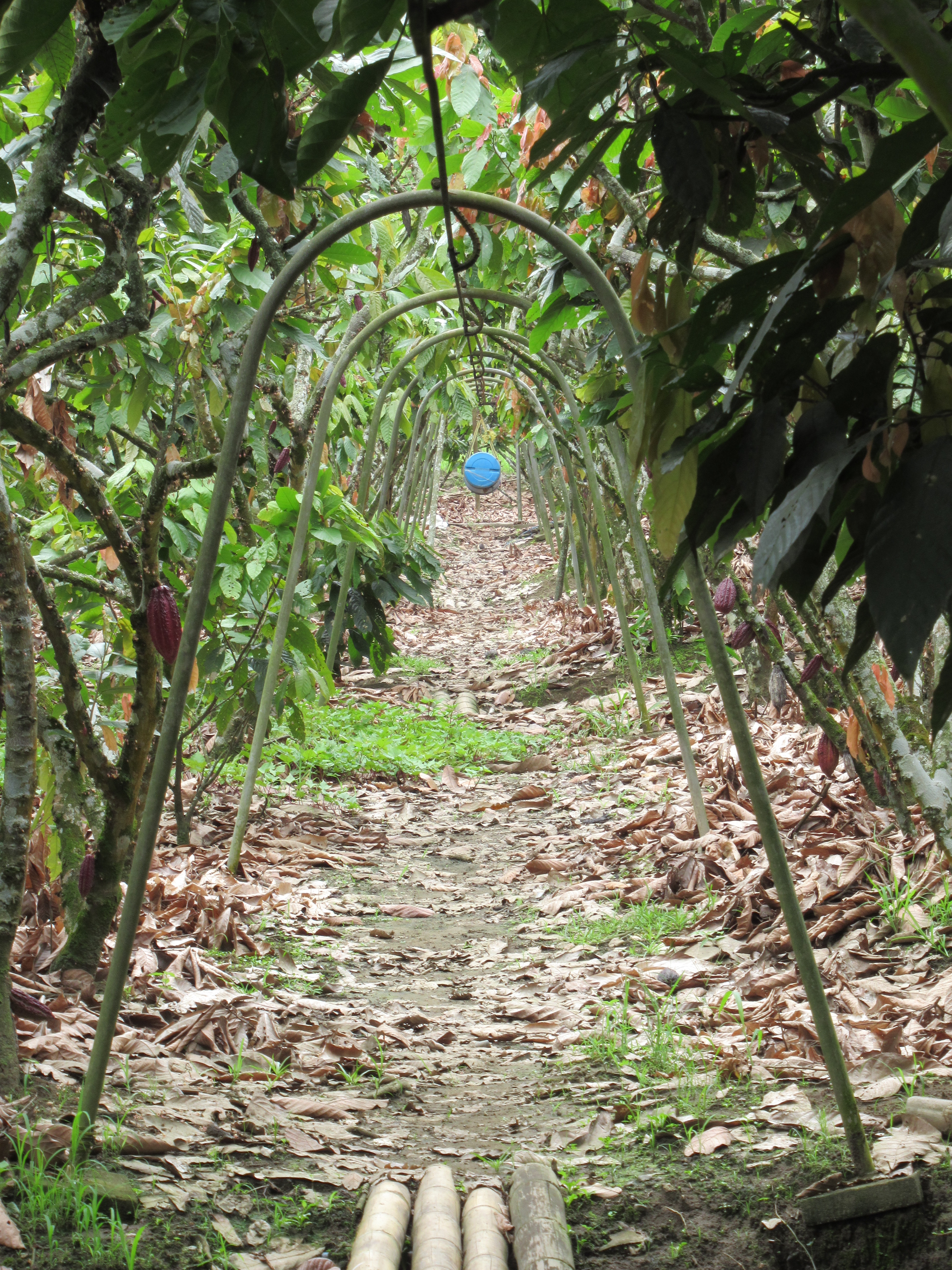
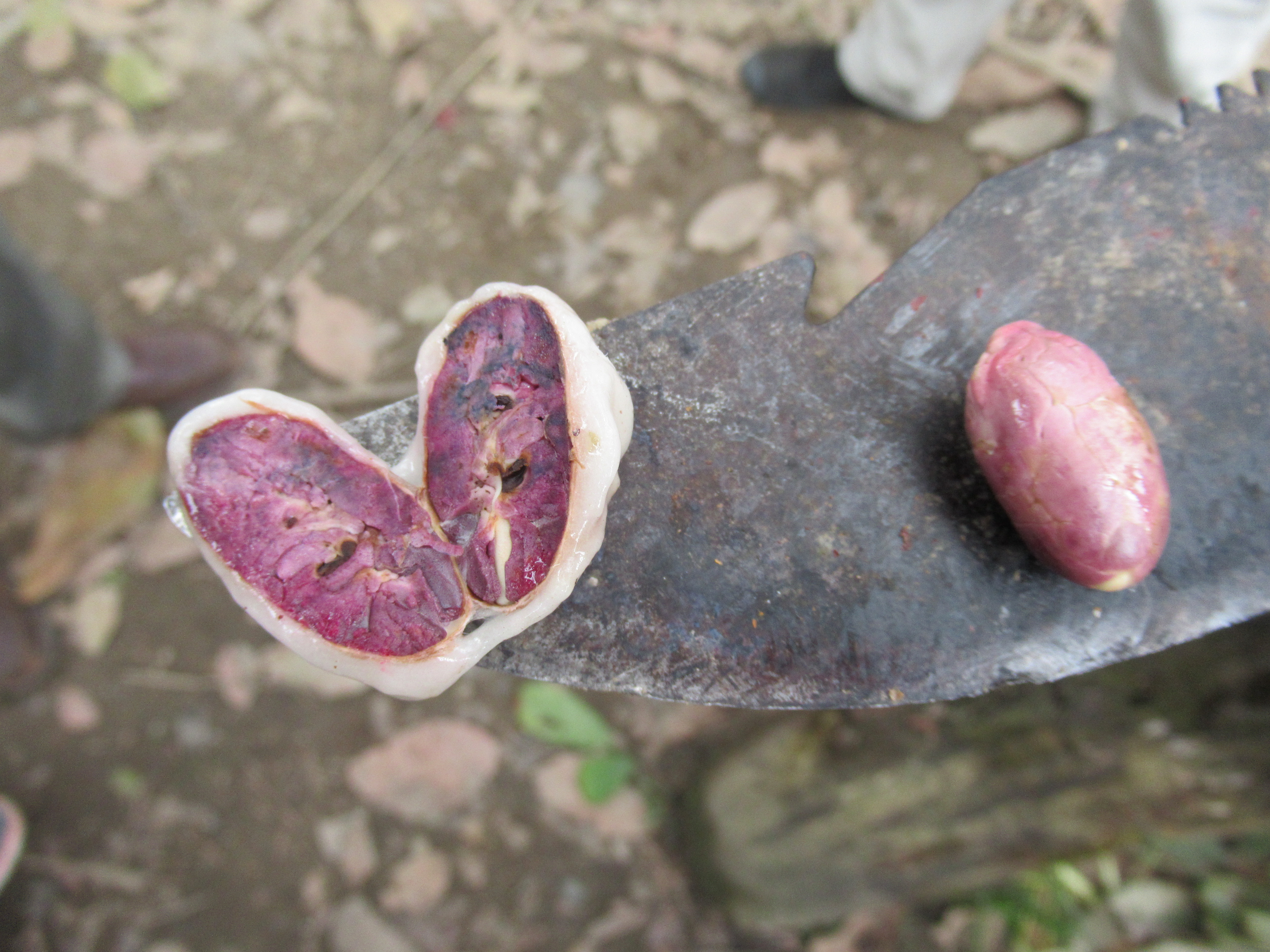
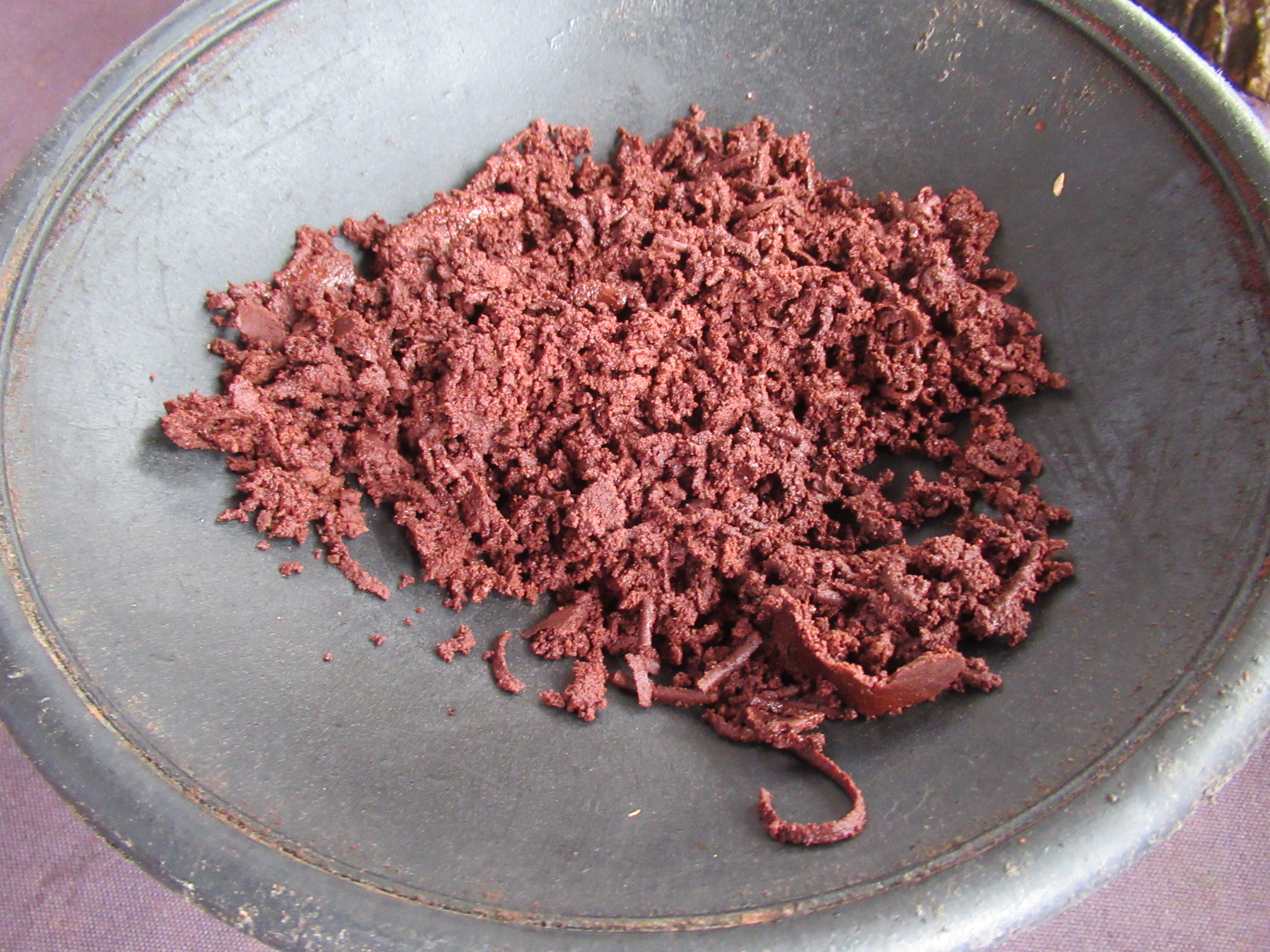
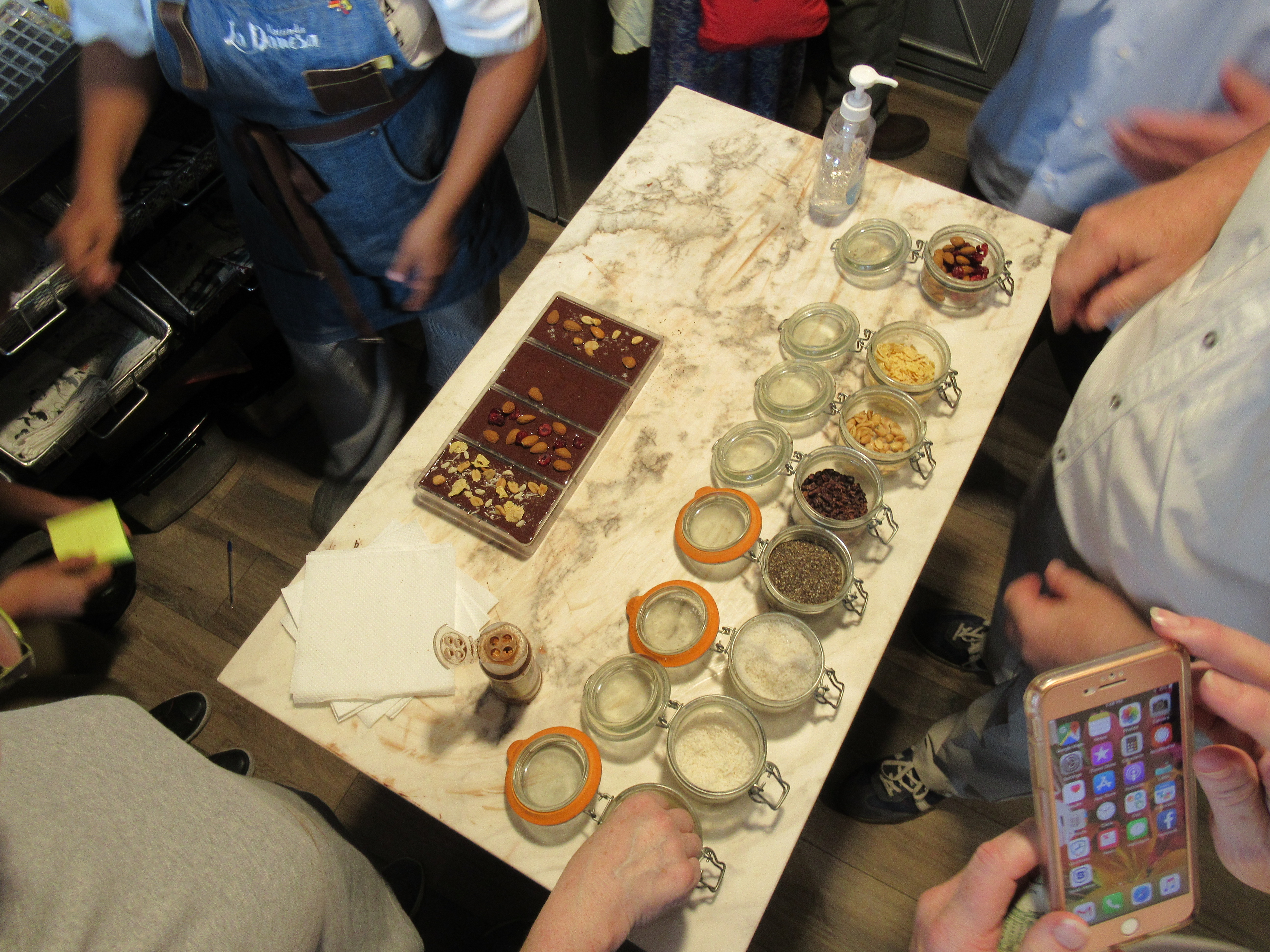
Lunch is at Hacienda La Danesa Lodge. An old colonial type mansion set amongst its own cocoa plantation. Fascinating demonstration walking into the plantation to see the cocoa process. The trees flower twice a year (November/June) and once the flower is pollinated a cocoa pod begins to grow. It’s ripe when the green lines that separate the reddish hue of the pod turn yellow. Inside the pod is a white, sticky mass of cocoa beans which look like a bunch of lychee. The white flesh tastes of a flour and water mix and not pleasant. The beans are removed from the pod and allowed to ferment before being dried out in the sun. Once dried, the bean is lightly roasted. At this point the outer shell of the bean is removed to reveal a dark chocolate looking bean. This is what’s used to make chocolate by grinding it down and then subsequently adding back the cocoa butter to give you chocolate as most of you know. The bean in its raw state is quite bitter and a little bit of sugar changes the taste, texture and colour of the ground bean to make it more palatable.

Once the chocolate is made it can then be formed into different moulds to give you chocolate bars etc. They heat the chocolate up to a temperature and then pour it on a marble slab to cool down to 26C, which is then added to warmer chocolate to bring it back up to 32C.

Young girl gives a demonstration of spreading the chocolate out on the slab and asks for a volunteer to try. Give it a go. She’s impressed how quickly I can spread it out but explain that it’s just like playing with cement or plaster.

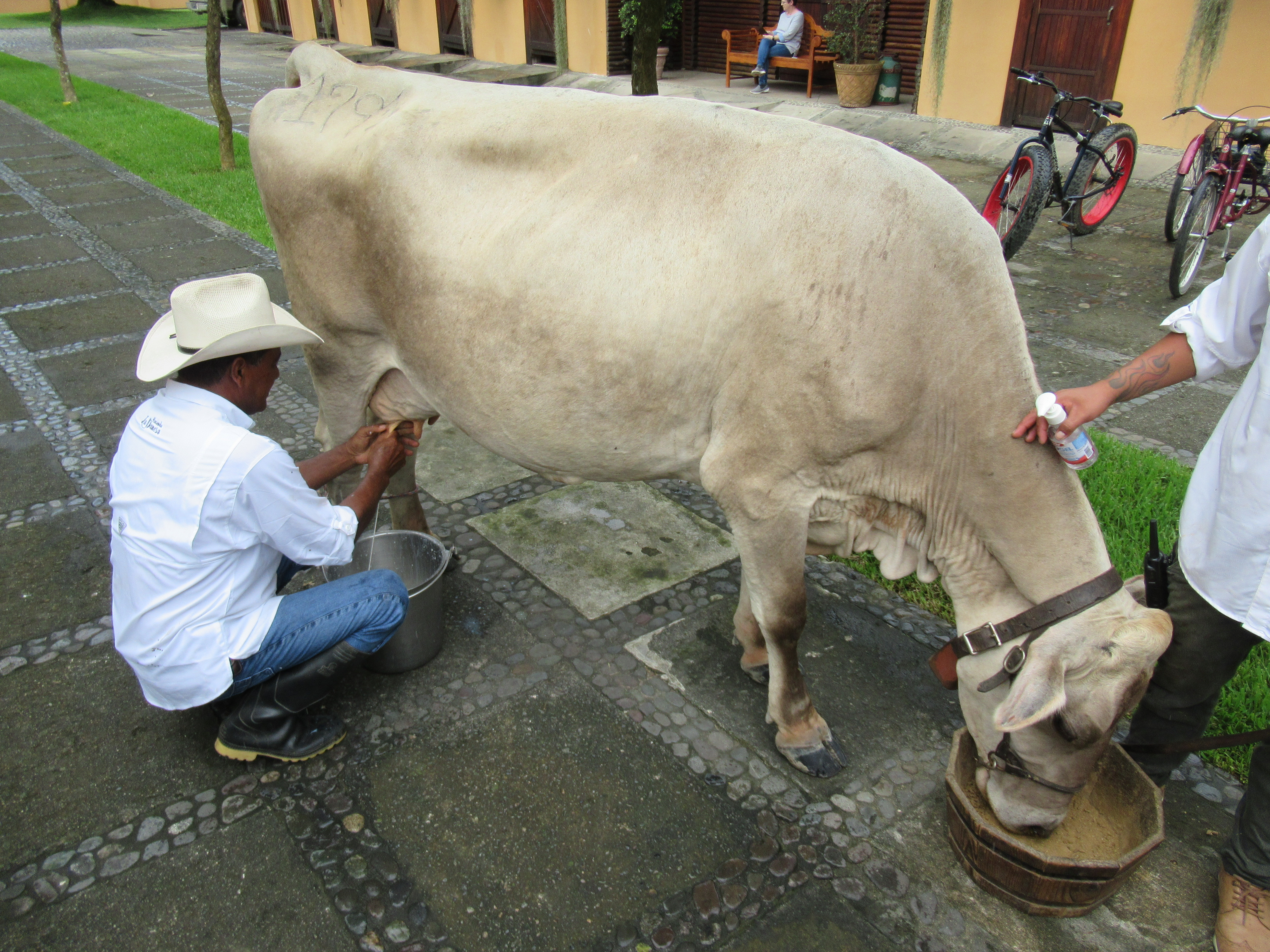
Excellent lunch with Ecuadorean wine. Now had the wine of each country I’ve travelled to in South America so far and not had a bad glass yet. As we depart, given the opportunity to milk a cow. Now there’s something you don’t get to do. And I don’t.

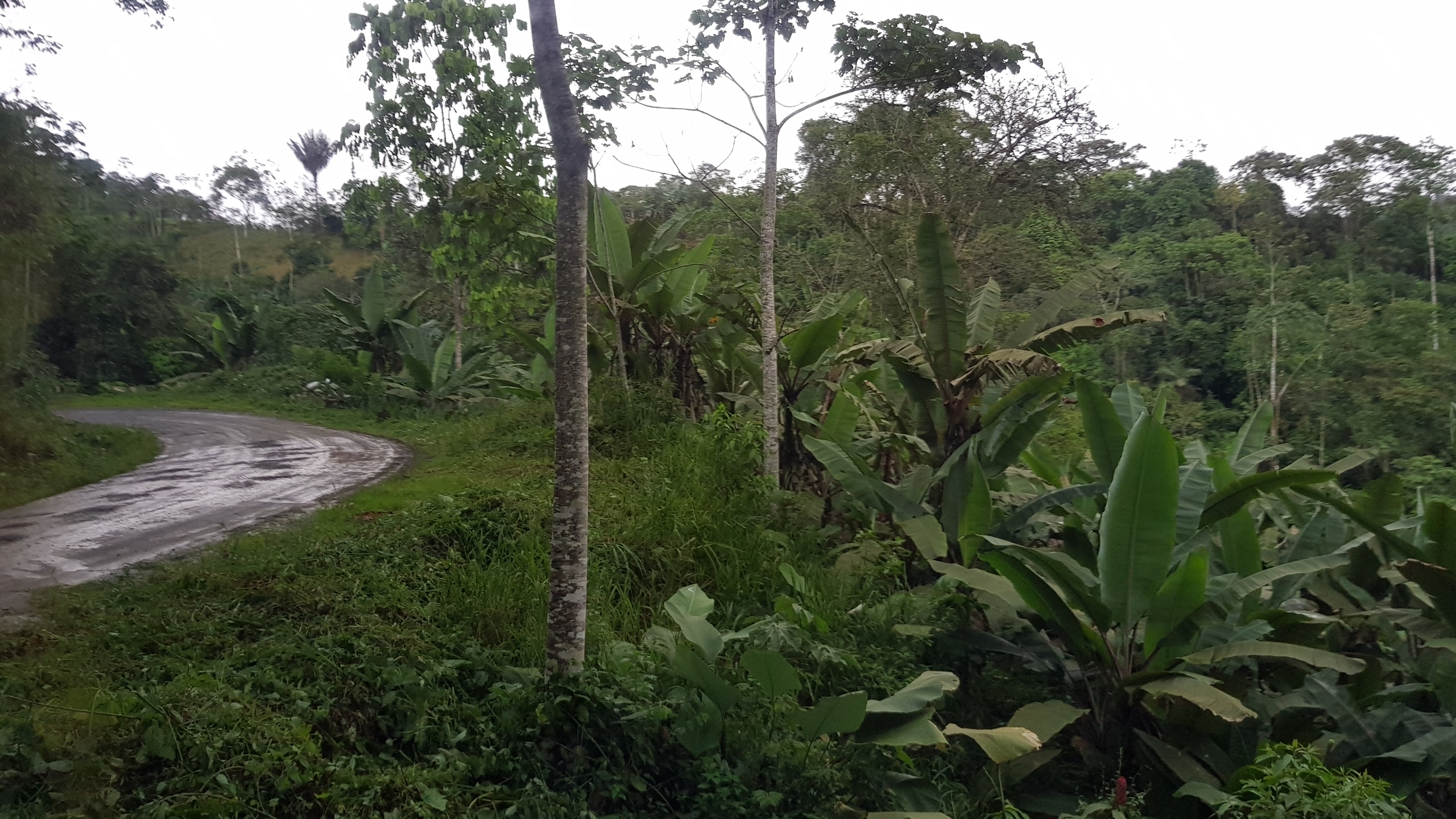
3hr bus journey up to the hill town of Alausi, 2,300m up in the Cloud Forest. Have to take a short cut along a twisty mountain track to reach the other main road but get to see the real native Ecuador. Very basic living.

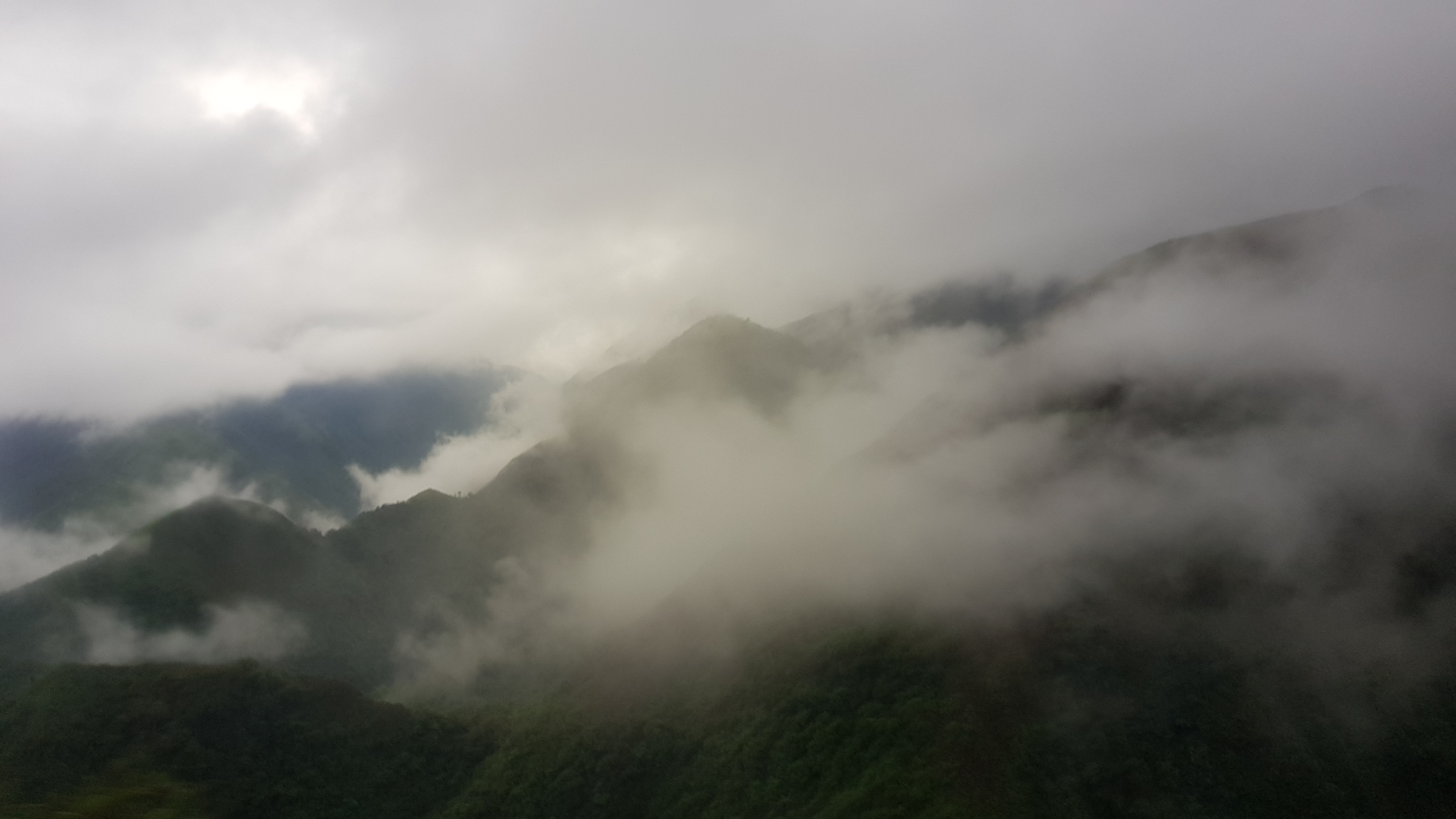
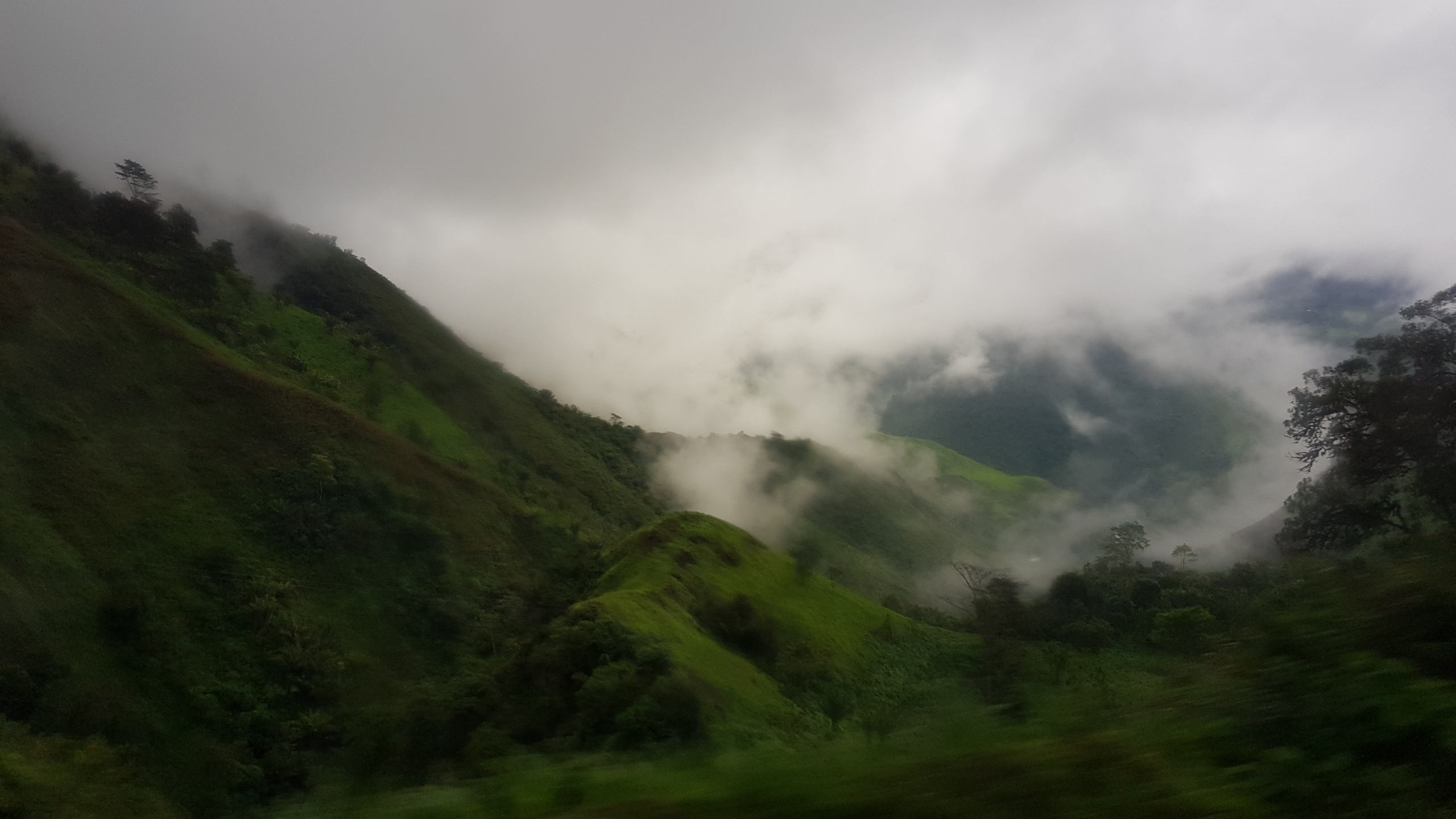
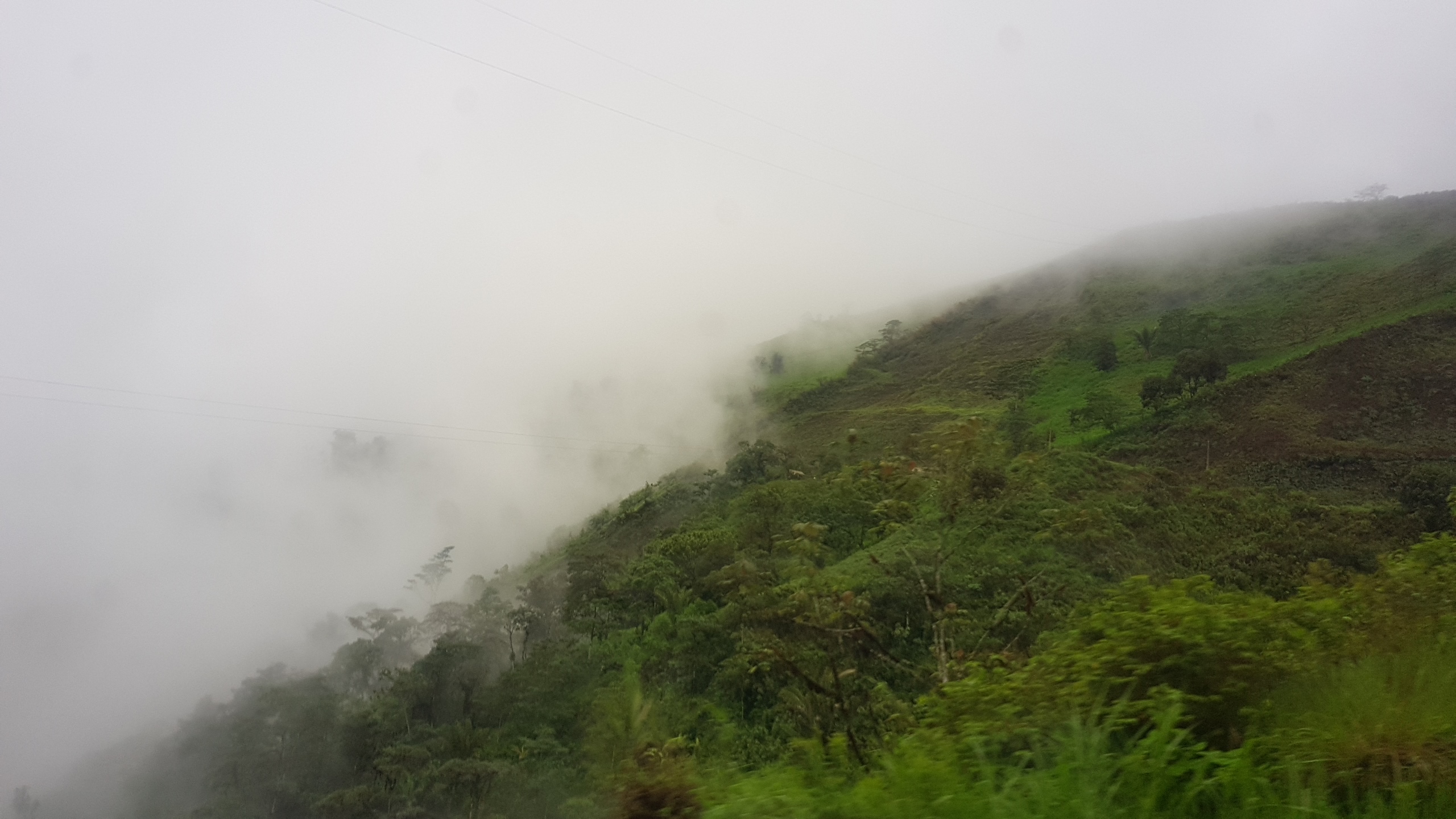
The Cloud Forest is caused by the ocean currents and the topology of the area creating an atmospheric, misty, landscape. Bizarrely, given how damp it is, every house we pass has washing hanging out to dry. But it surely can’t dry in this environment.

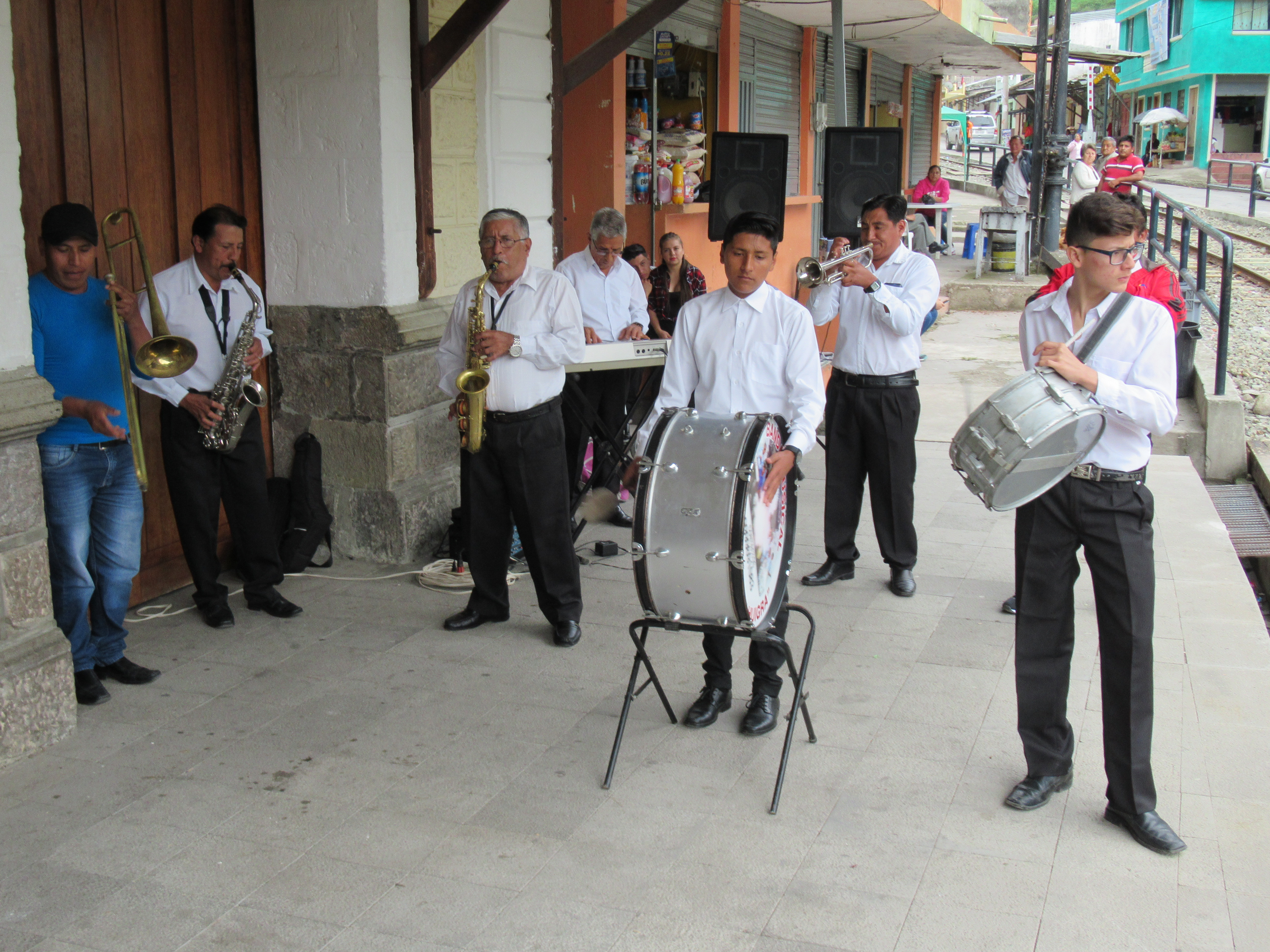
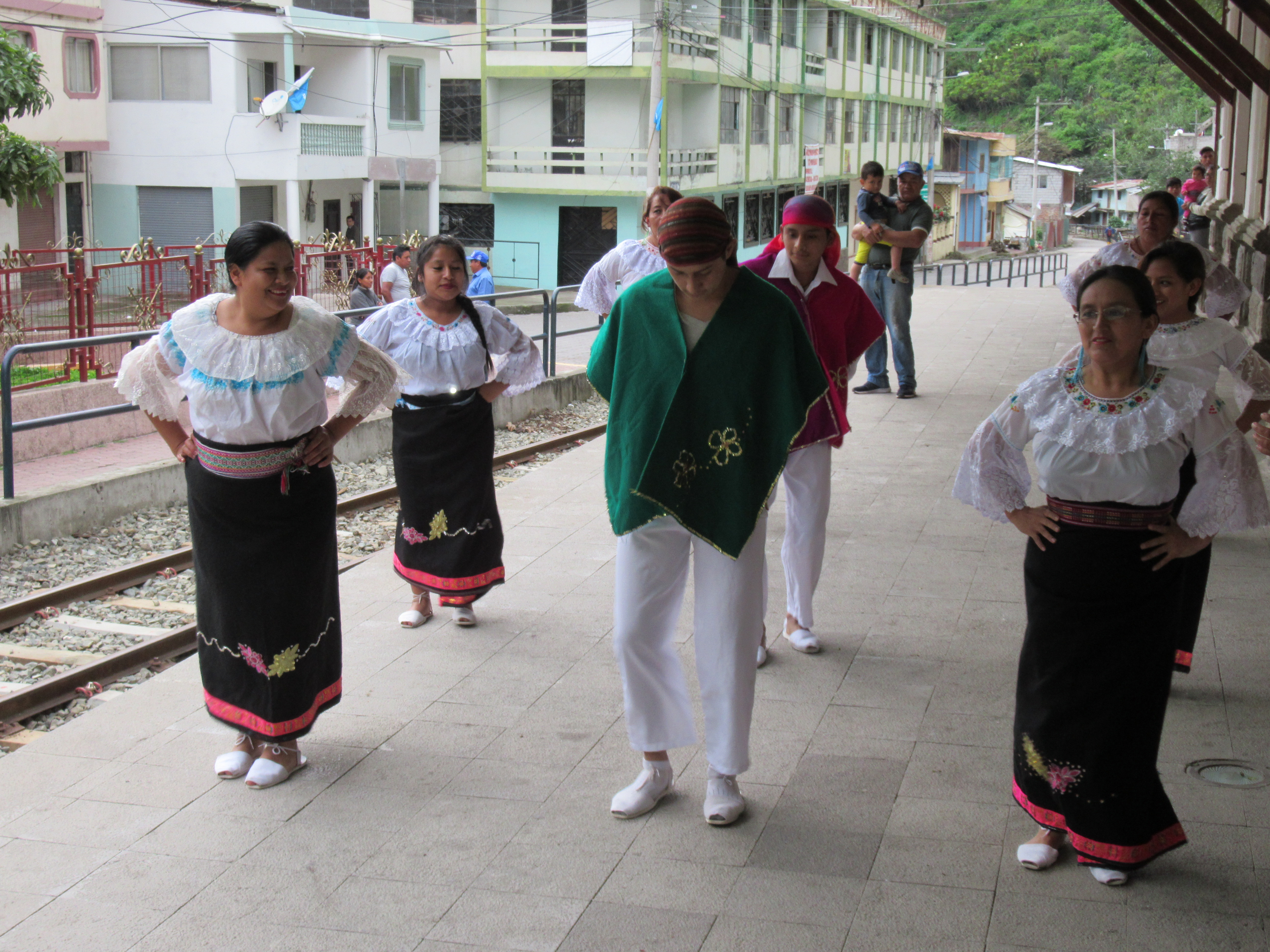
Drop down to Huigra. The railway line only re-opened last week after a landslide so they’re putting on a show for us to celebrate. Imagine a comedy film set in a South American dictatorship and there’s a band playing music that’s not brilliant. That’s the sort of thing we had to endure. Oh. And some local women dancing on the platform. Thought I’d escaped that in Peru.
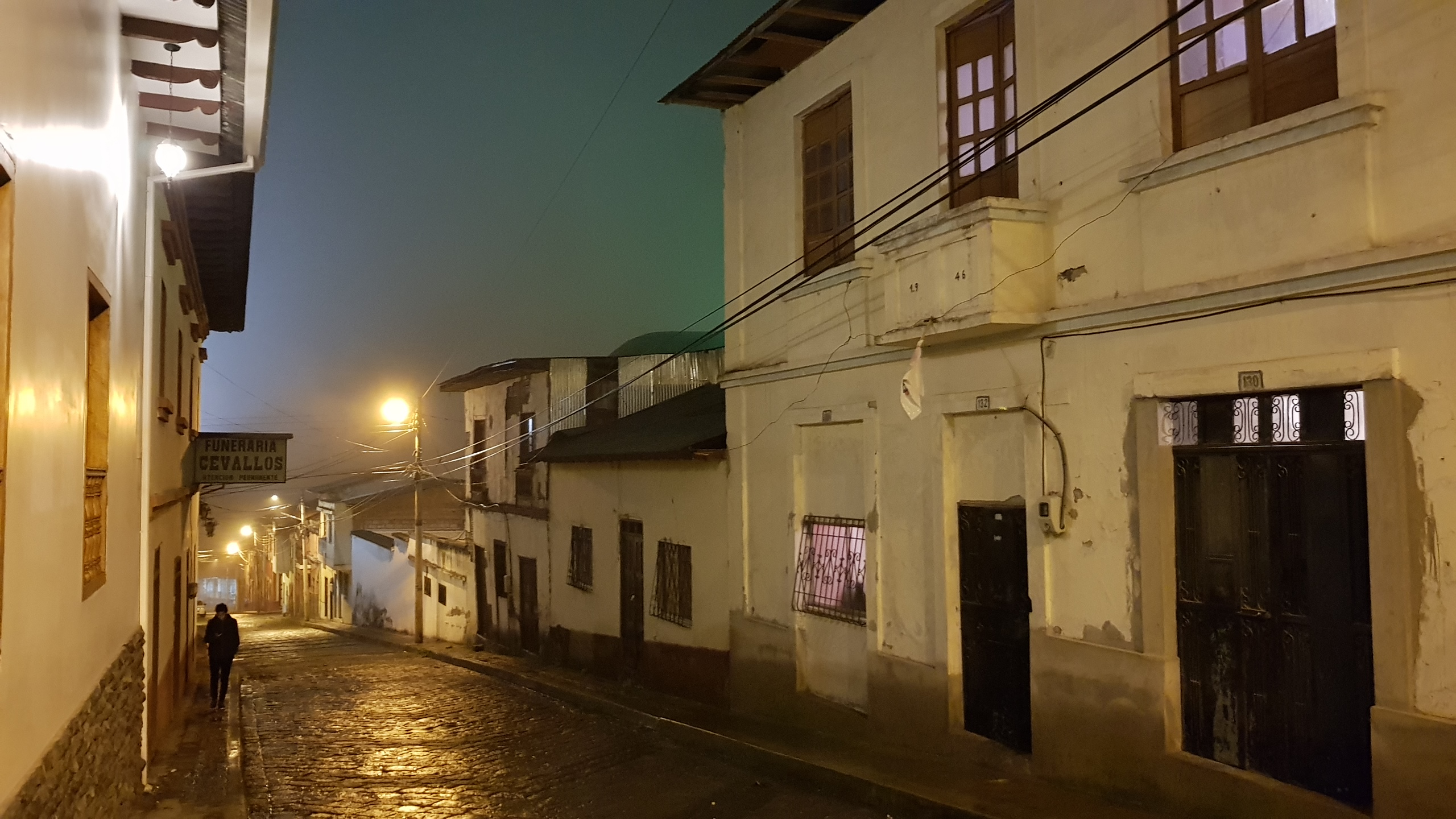
Dark and wet as we drive up the mountain to Alausi. A small hill town. Can’t see much as it’s swathed in cloud.

Excellent dinner and finally a proper chat with fellow passengers, which includes a Vietnam Veteran and former Military Intelligence Officer, a Korean War veteran and a woman who has been on Mao Tse Tung’s yacht.

Interesting. Very interesting. Will do some more digging and let you know more.


48. Are you OK?

Friday, 8 February 2019

Guayaquil, Ecuador


Well. Busy day doing absolutely nothing. Day of rest. Day of admin, catching up on emails, blog and diary. Day of sorting out the next legs of my trip: Colombia, Central America and Mexico and then hoping to be in the USA before Easter.

The lack of blog for a few days has caused consternation in Munich and am asked if I’m OK. Nice to know a young German lady is thinking of me.

In need of a haircut, having not had it cut for two months, so walk to the local mall a few blocks away. Big mistake. Huge. It’s 30C and 100% humidity. And spitting with rain. Nice and sticky mass.

And that’s about as exciting as it got today.

Well. Apart from upsetting half the village theatre group at home with an email.

Apparently.

But easily done these days.

47. We’re following you!

Thursday, 7 February 2019

Guayaquil, Ecuador

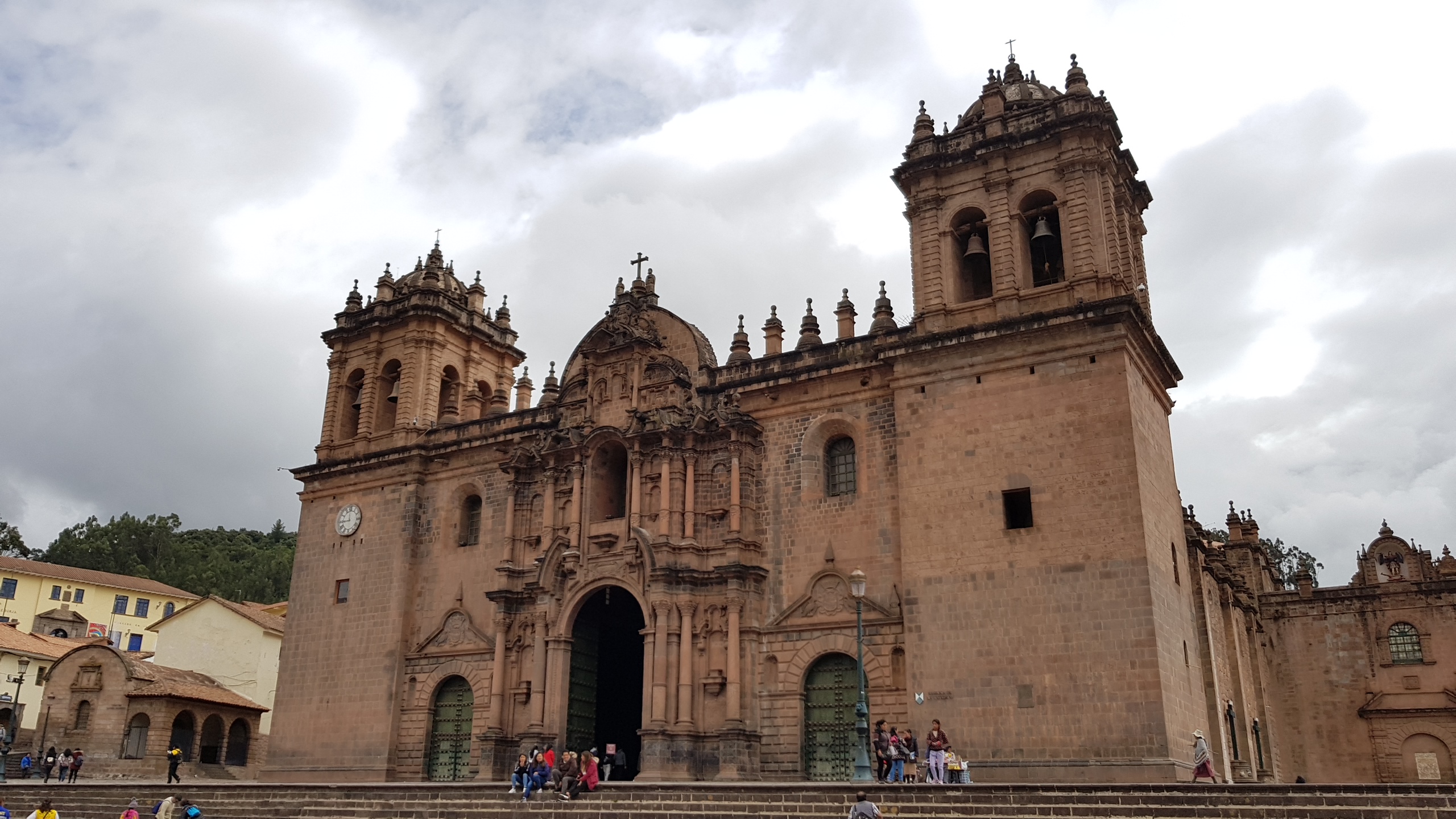
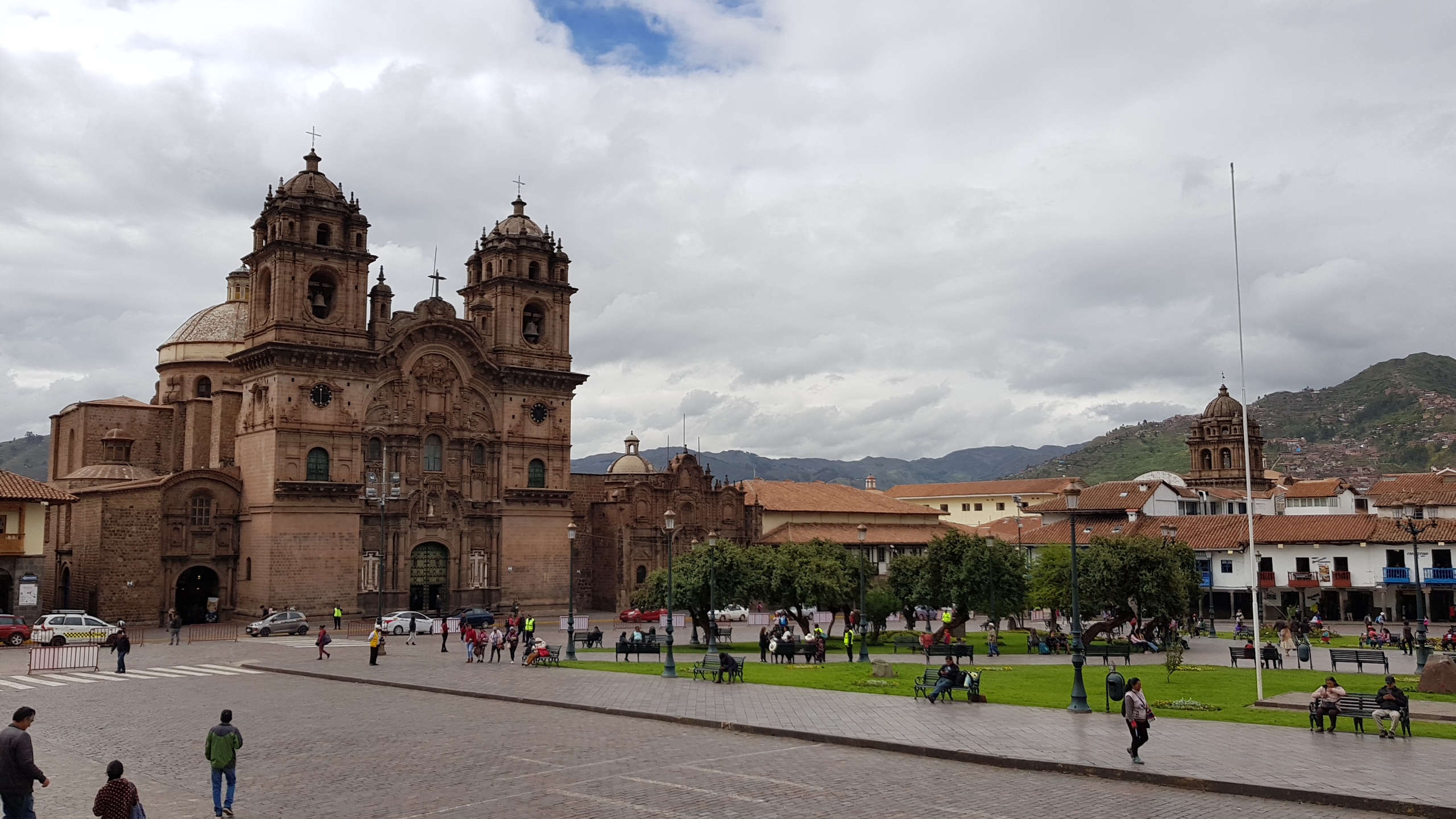
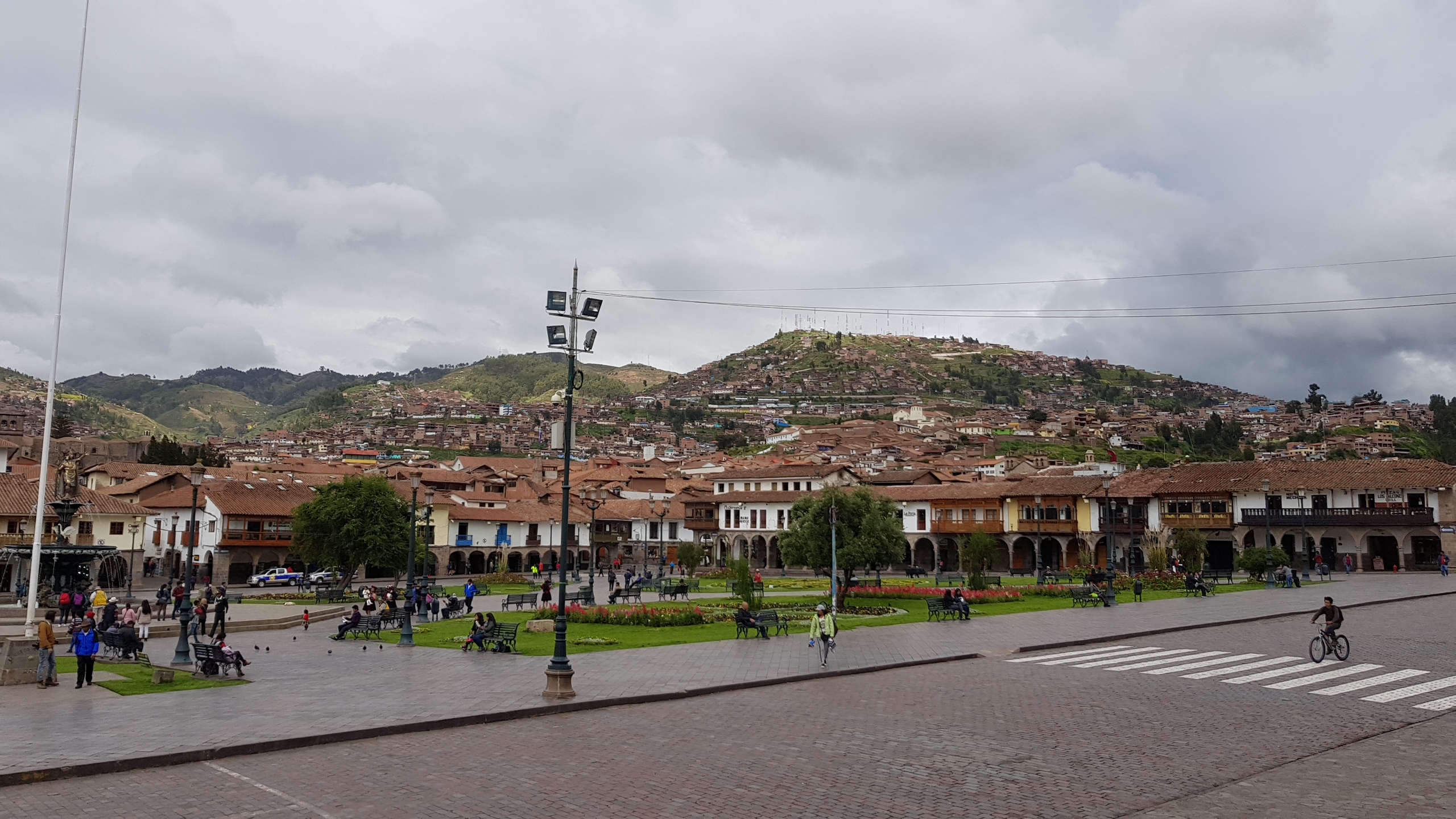
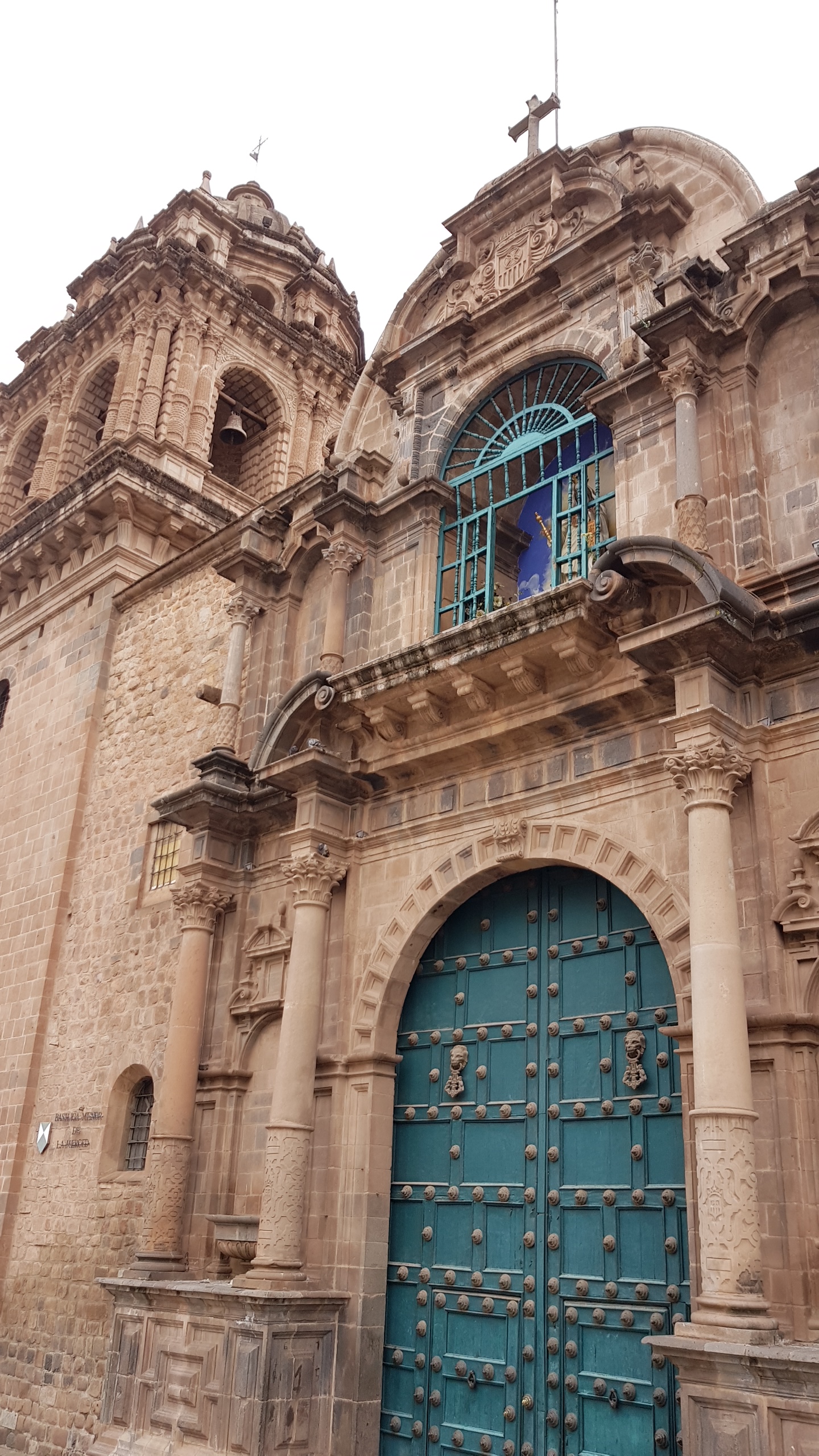
Quick scoot around Cusco after breakfast for half an hour before I have to leave for the airport and my flight to Lima. A quick scoot around doesn’t do Cusco justice but have been here before so am not unduly worried. My memory is playing tricks on me again as the central plaza is not how I remember, nor the hotel’s location relative to it. Early morning so shops still shut. Plenty of photographers plying their trade though outside the cathedral. Given the preponderance of selfies these days wonder how they make a living.

Flying Cusco to Lima, 2hr stopover then Lima to Guayaquil in Ecuador. Waiting for the Guayaquil flight, two young lads with dodgy haircuts and tattoos are quizzed by immigration officers. Passports are taken for inspection and then both lads are whisked away. Not sure why but do notice something I haven’t seen since leaving the UK. Lads with tattoos. The more I look, the more I see. Wonder if this is something gang related rather than the usual tattoo trash. Am heading into drugs territory, so could be?

Board flight and recognise the steward from the Cusco flight. All the crew are on this flight too. “We’re following you!”, he says.

Arrive at Guayaquil airport and can immediately tell this is a bit more upmarket than Peru. Has a nice organised newness about the place. Passport doesn’t seem to be recognised by the Ecuador computer. Which says no. Asked if I’ve ever been to Ecuador before. No. It takes some time and a lot of finger tapping on computer keyboard before computer says yes.

Arranged a transfer to the hotel. Female driver turns up with my name handwritten on a sheet of paper. My first name is an anagram with a letter missing and replaced with another letter that doesn’t feature in my name.

Ecuador does Countdown.

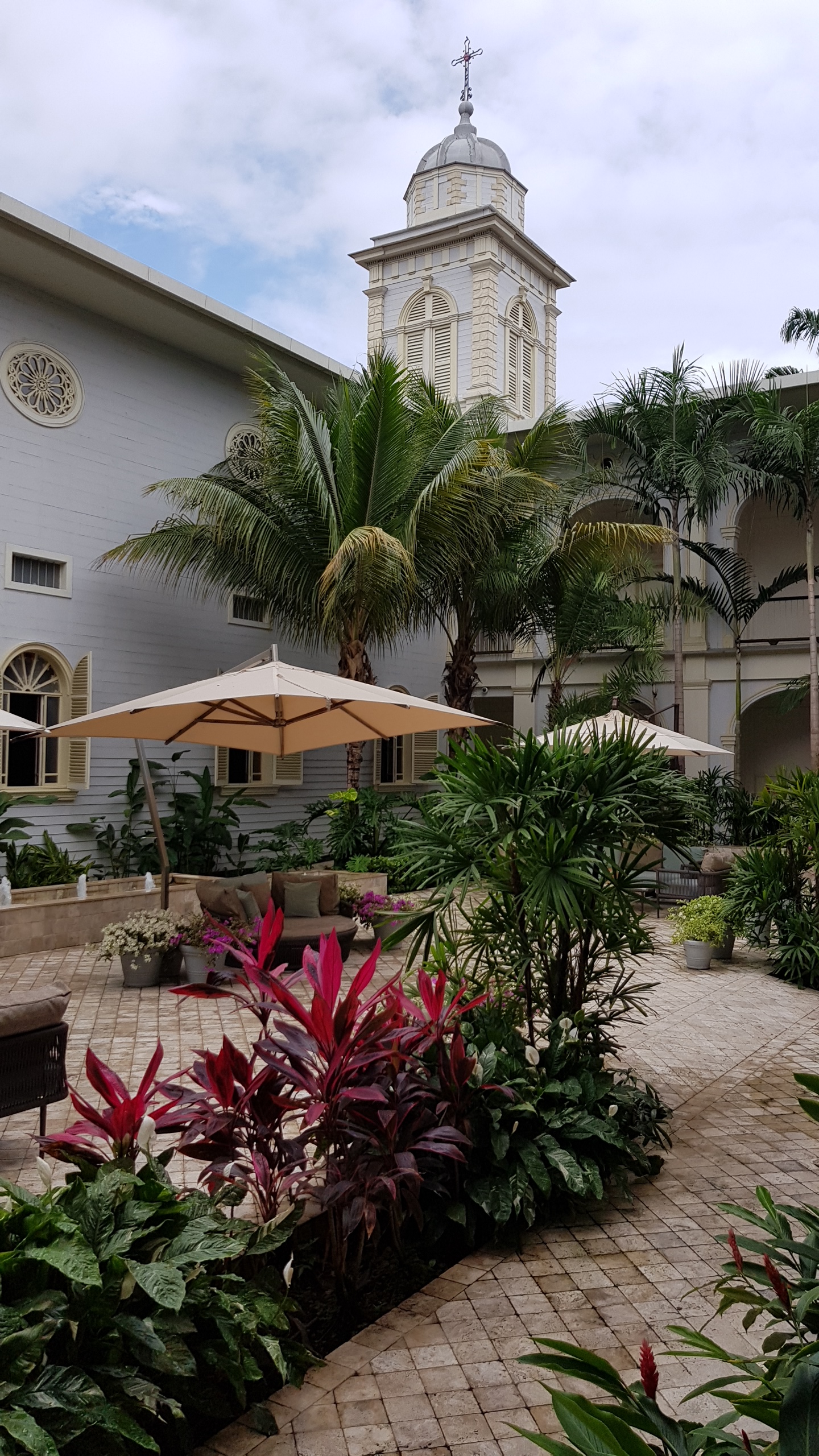
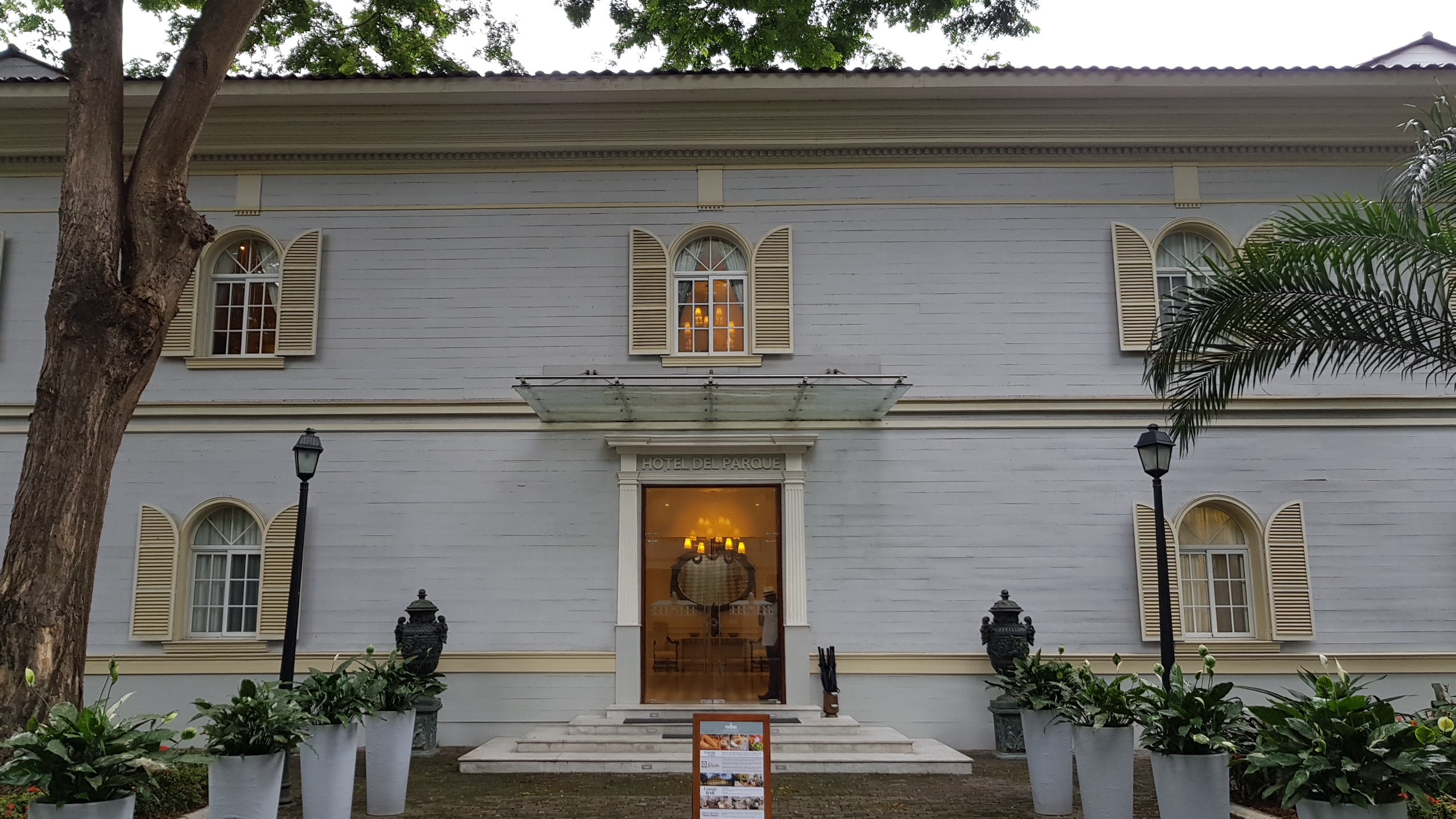
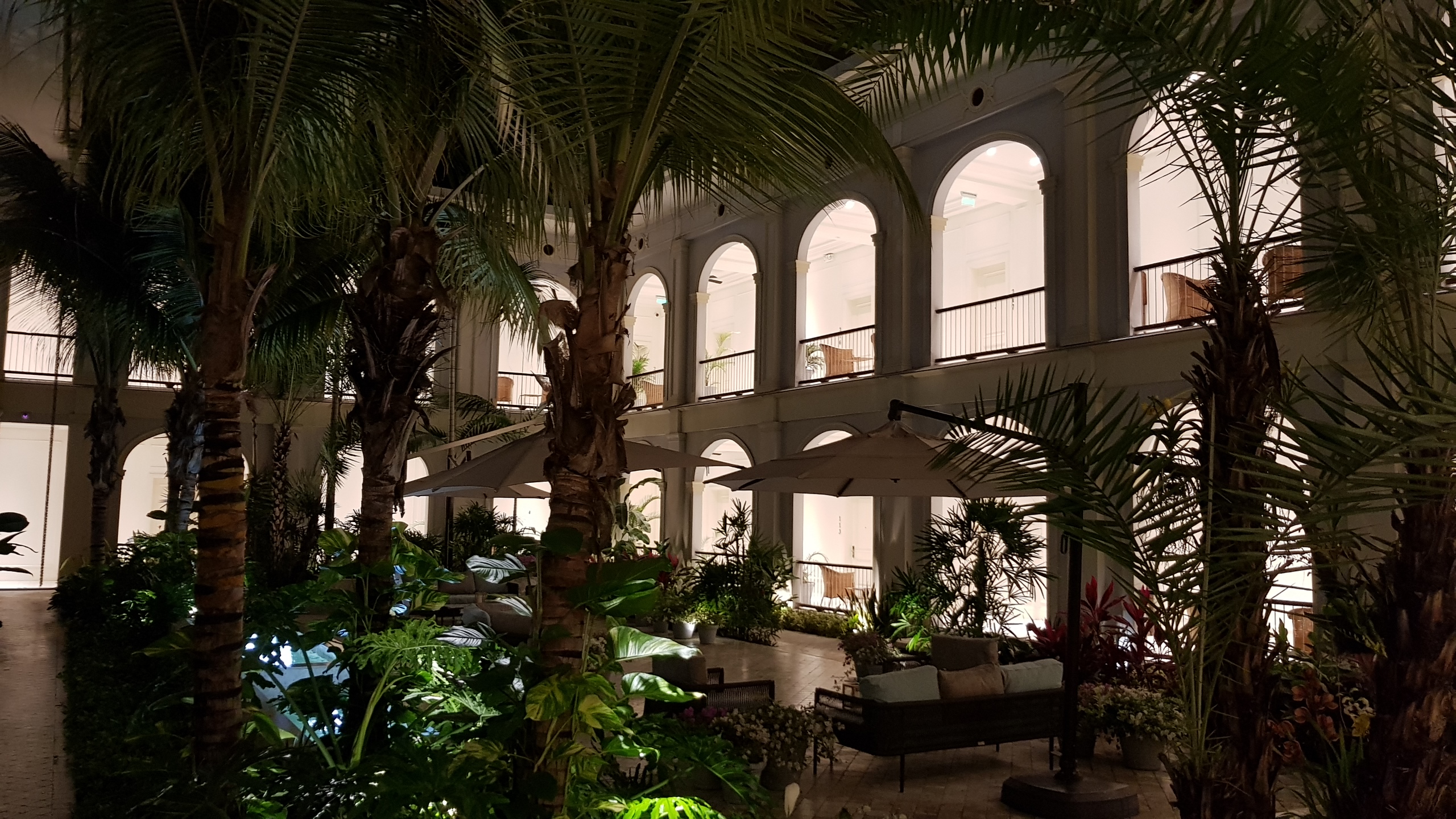
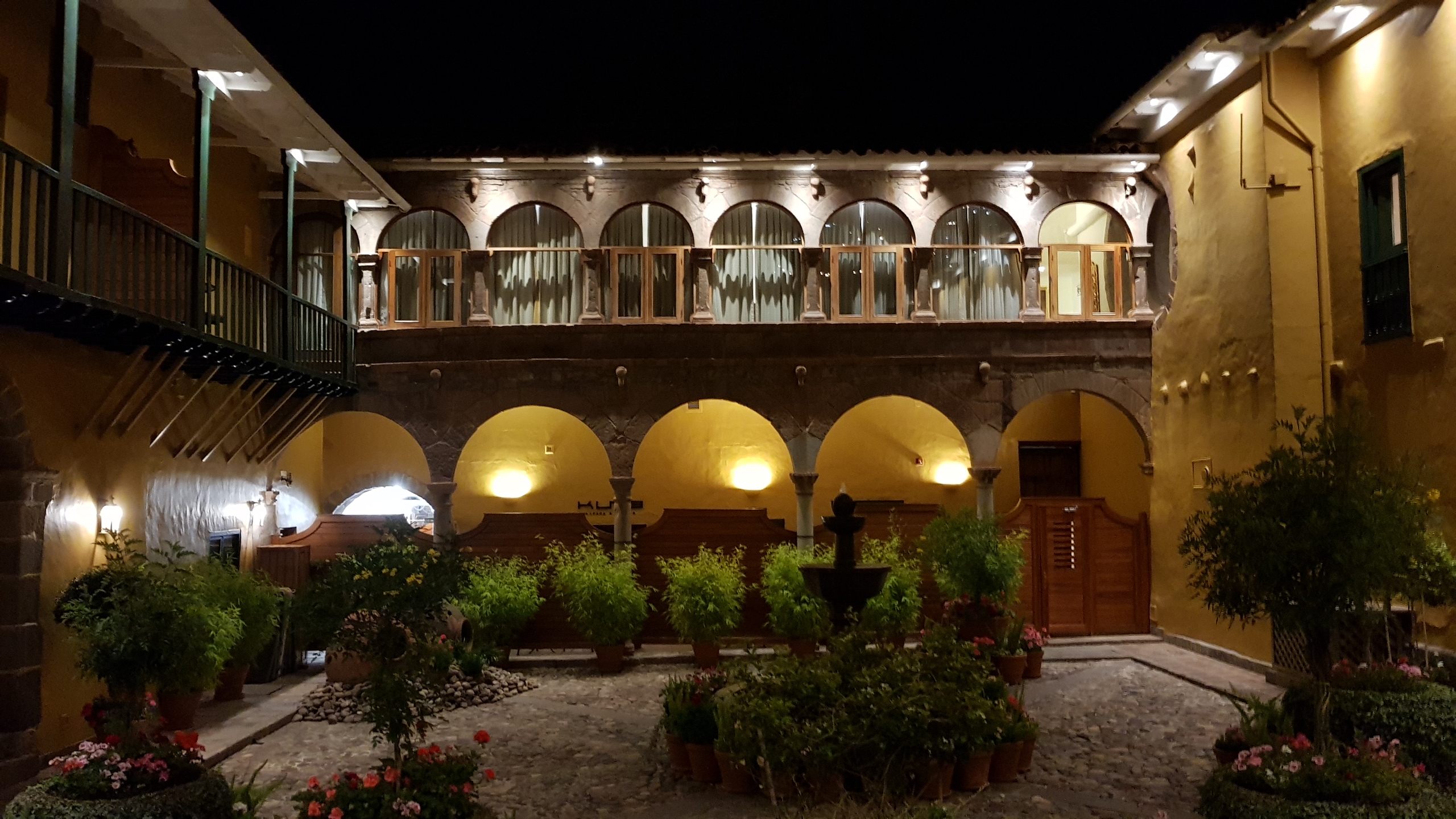
Short drive to the Hotel del Parque (https://www.hoteldelparquehistorico.com/). A little bit of Colonial luxury to end the day.

And why not.

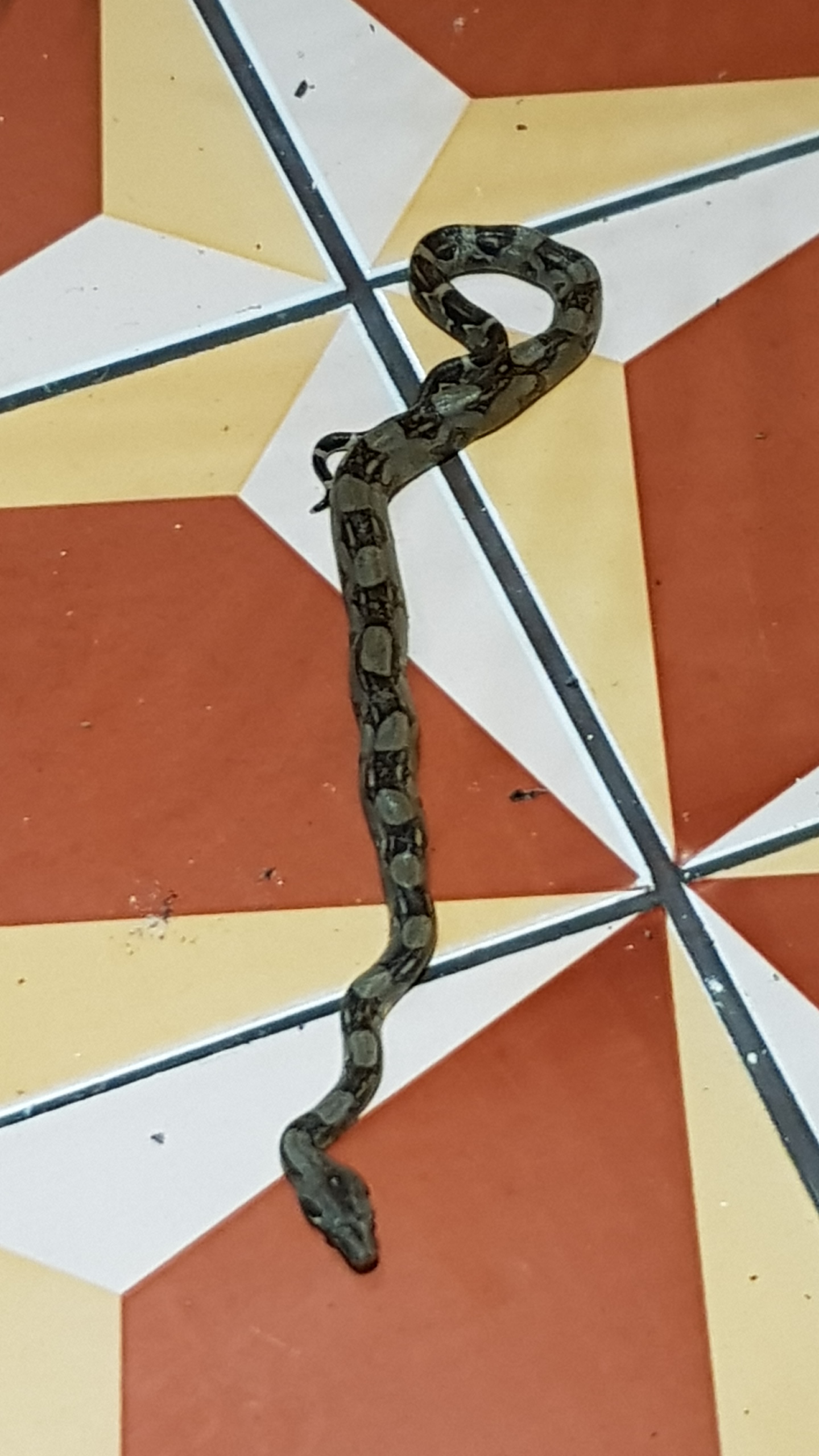
Walk out of hotel restaurant after dinner to find the waiters telling me to stop where I am. There’s a snake a few feet away.

I kid you not.

It’s tentatively brushed up into a pan and taken across to the woods to be relocated.

Crikey.

Now on the equator and it’s hot and steamy now. Gone are the cold days of high altitude. Now at sea level with critters and mosquitoes and other creepy crawlies.

Lovely.

46. Roast Guinea Pig

Wednesday, 6 February 2019

Cusco, Peru


Having bought a timed ticket a few weeks ago to climb the Huayna mountain that towers over Machu Pichu at 0700hrs, I’m in two minds whether to get up. Climbed it already, when I was at the tender age of 31, which about killed me then. It affords cracking views of Machu Pichu that few will see.

So.

The options are.

Wake up at 0600hrs, have a quick brekkie, scoot off to the start point for 0700hrs and then climb about 260m up a very steep, slippery and treacherous footpath that clings to the side of a vertiginous rock face with a few thousand feet drop immediately below, with the possibility of giving oneself a heart attack, now I’m at that delicate age of 49 (in a few weeks).

Or.

Have a lie in. Have a leisurely breakfast. Read the paper. Genteel start to the day.

Erm.

Tricky one.

Lie in. Much needed sleep required. This high altitude is playing havoc with my systems!

No rain and clear skies. Actually quite hot even though it’s mid morning. A lot, lot busier at this time with tourists. Every 5mins a bus pulls up and discards its contents at the entrance gates to Machu Pichu. Entrance tickets are scanned, passports checked to make sure ticket name correlates.

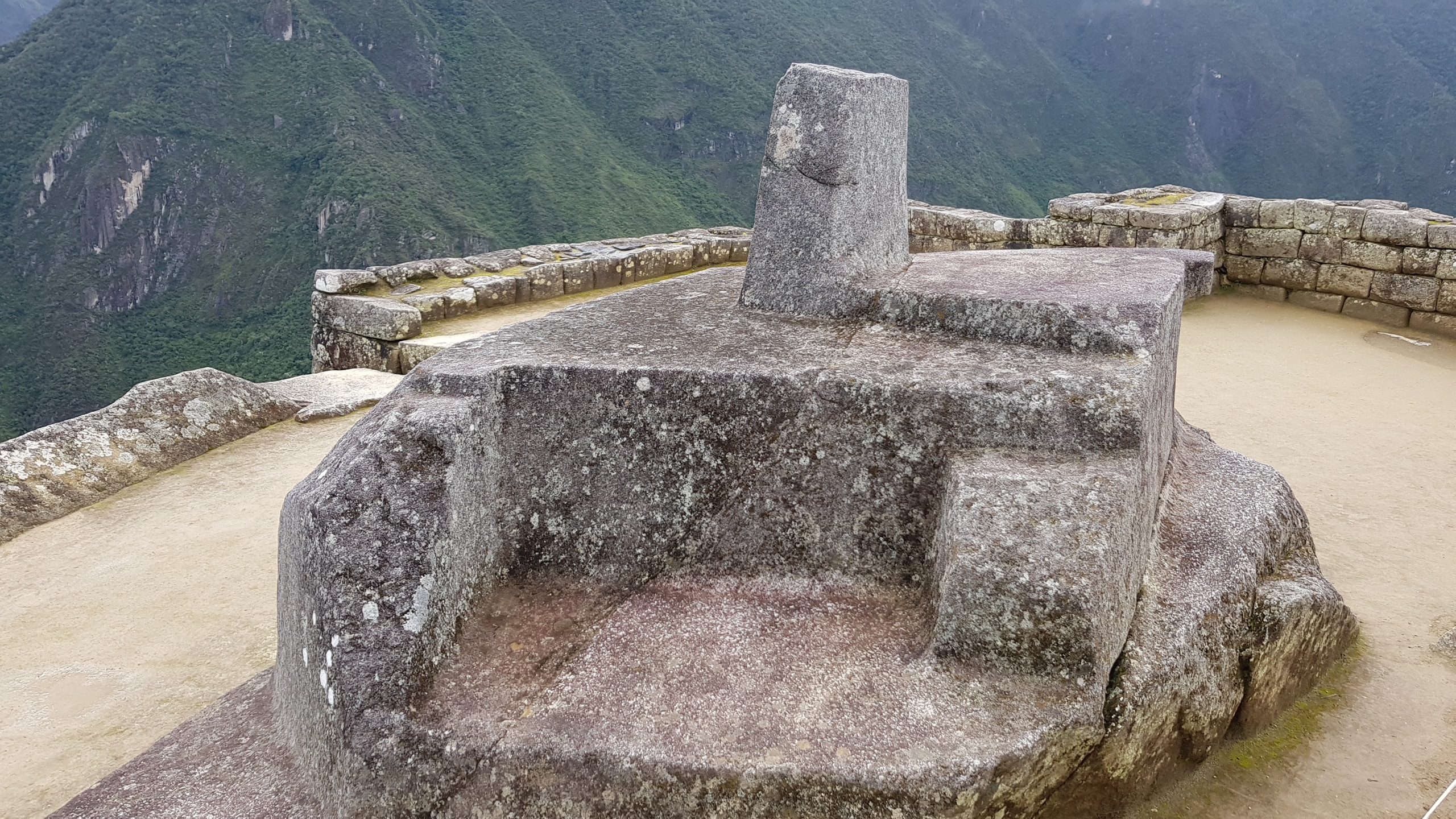
Complete another tourist circuit of Machu Pichu. There are hordes of tourists. See specks of human at the top of Huayna mountain. Part of me thinks I should have tried as I’ll probably never be coming back to Machu Pichu. Part of me thinks, I’m knackered just climbing up those few steps to the sundial.

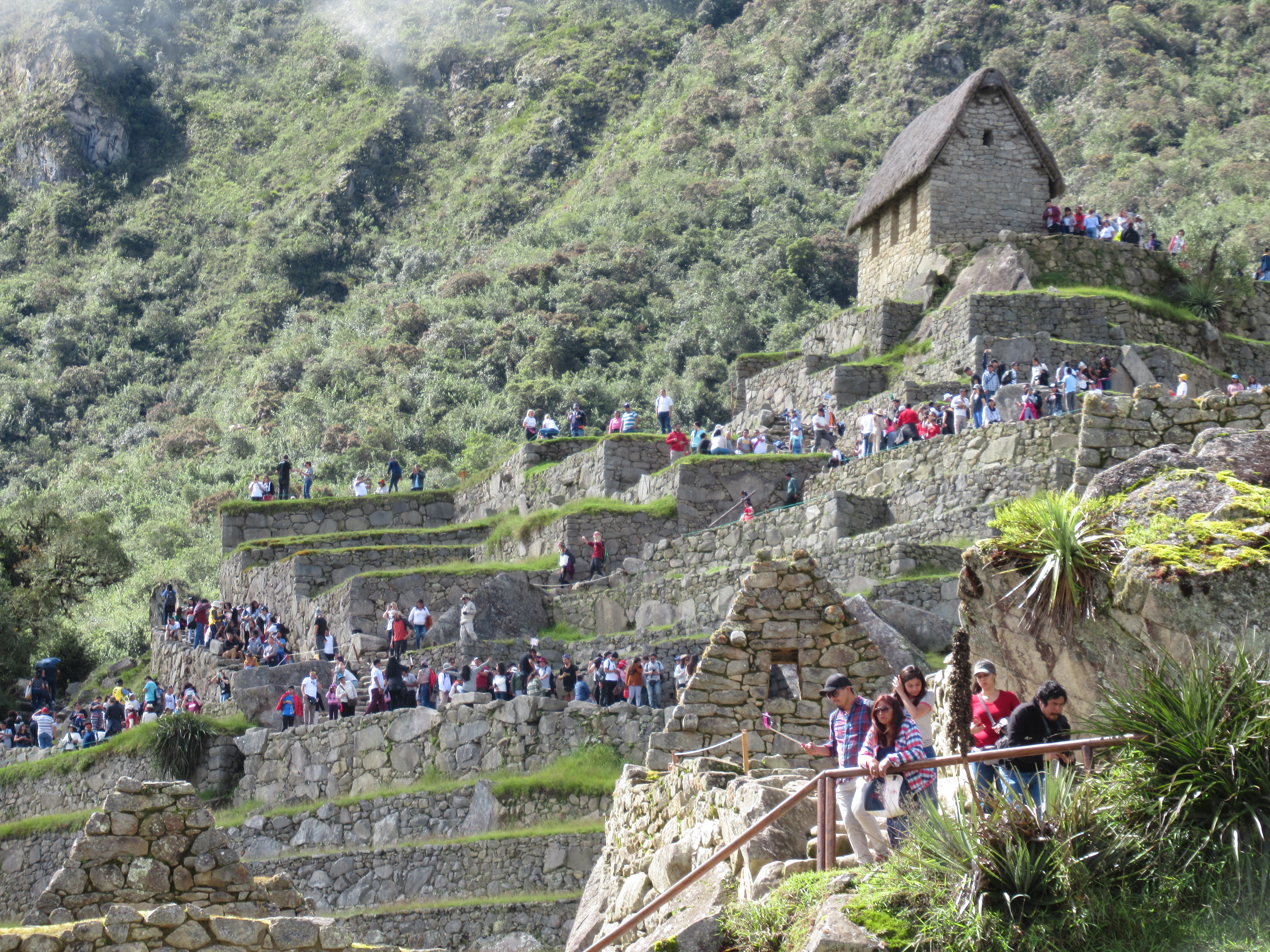
At one point I look back over the ruins of Machu Pichu and just see a continuous snake of tourists zig zagging down the one way system. The serenity of Machu Pichu I experienced back in 2001 will never be captured again.

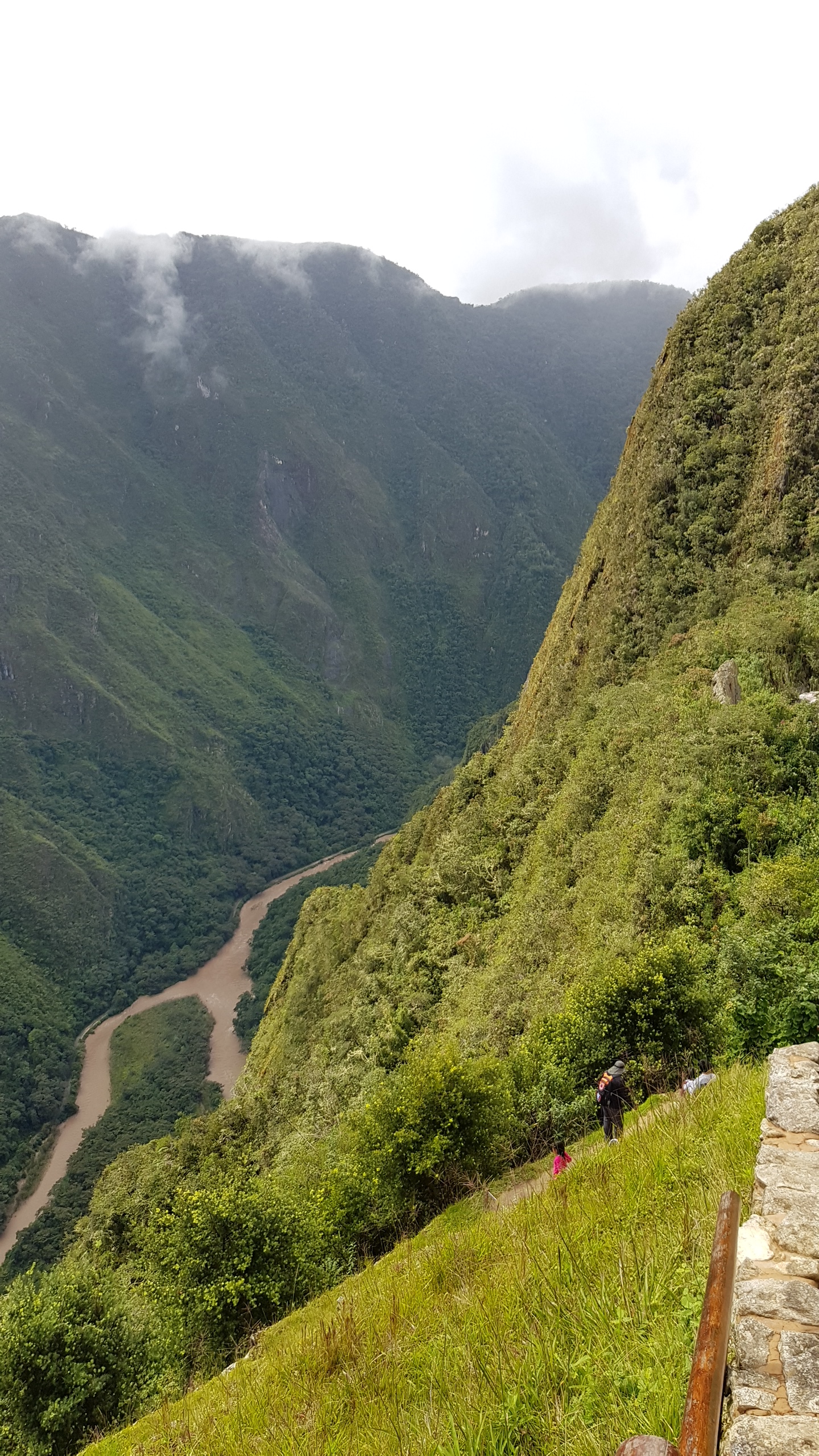
Only two ways down the mountain side to the river and Aguas Calientes, 400m below. Walk or bus. Surprised by how many people are walking up and down the mountainside. Goes without saying that I opt for the bus.

Return to Cusco the way we came. Train to Ollantaytambo then bus to Cusco. Just outside Cusco, a young lad comes to the front of the bus and asks the girl bus assistant to come to the back. Emergency toilet stop required for his little sister. Girl assistant pleads with driver to pull over, “Por favor, por favor.”, she says. Driver wants to get home and is on a timetable. He relents and pulls into a fuel station. Little girl with her Mum jump off and go to the toilet. Which starts other people wanting to go. What should be a quick stop turns into 10mins and driver is huffing and puffing and constantly looking at his watch.

Return to Belmond Hotel Monasterio. Account has been kept open so a swift check in. Order suckling pig off the menu. A translation.

Assume it’s pig.

As in pork.

Waiter brings a dish covered with a silver cloche. “Guinea pig, Sir?”

Er.

What?!?

Oh flip.

Have I misunderstood the menu?

I really don’t want guinea pig tonight. Though would be prepared to try.

Waiter has that twinkle in his eye. He can see a worried TT.

He’s chuckling.

And then it becomes clear.

It’s his little joke.

It really is porky pig.

He’s laughing.

Git!


45. Welcome Back!

Tuesday, 5 February 2019

Machu Pichu, Peru


The day begins as it ended yesterday. At Wanchaq railway station in Cusco. Due to it being the rainy season, the ‘Train to Machu Pichu’ is now the ‘Bi-Modal Bus and Train to Machu Pichu’. 2hr bus journey replaces the first section of railway between Cusco and Ollantaytambo because of the risk of landslides on the tracks. It’s a normal bus. So a tight fit for Mr Long Legs. Girl in front is told not to when she reclines her seat shortly after departing as knees are crushed.

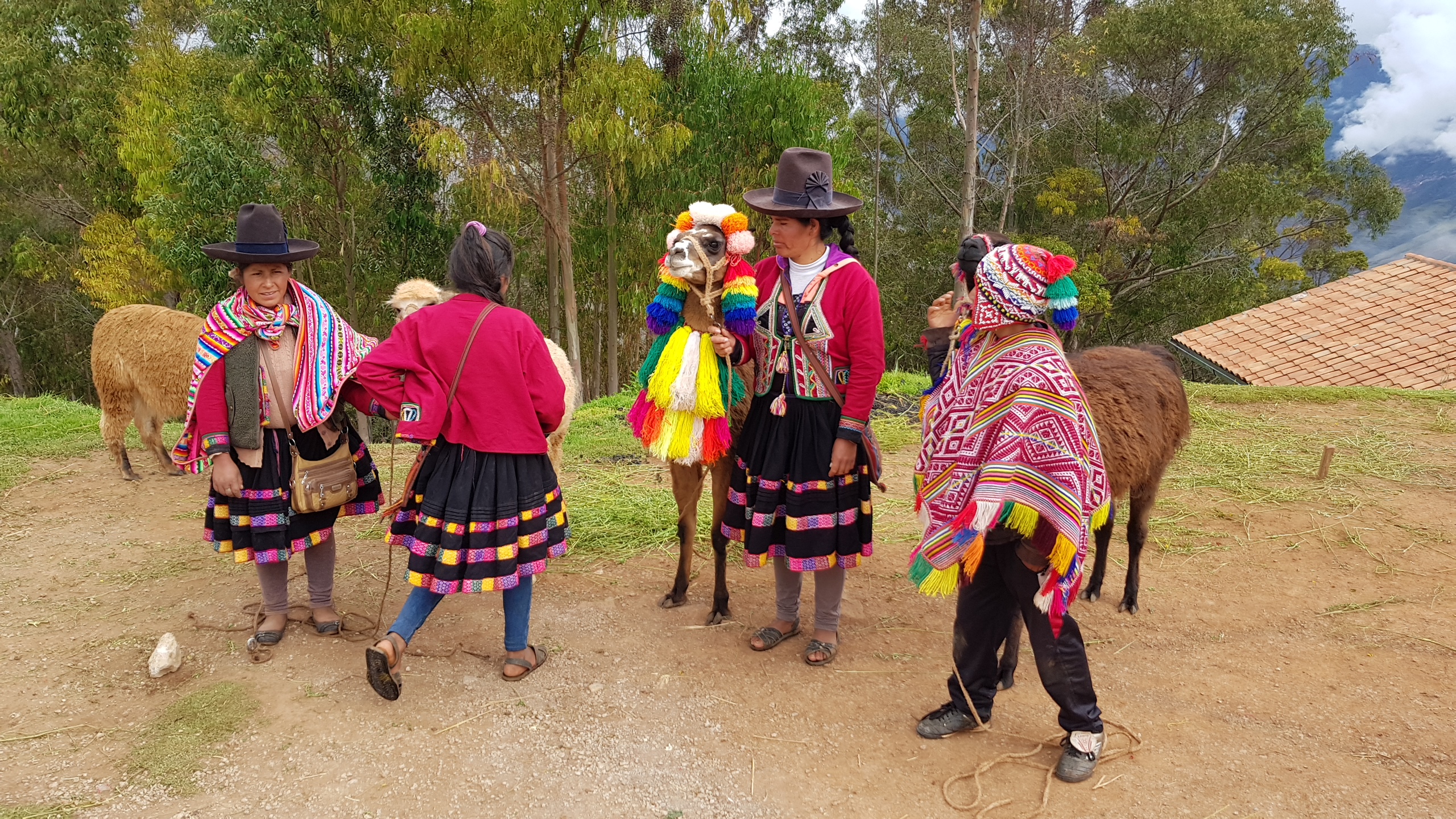
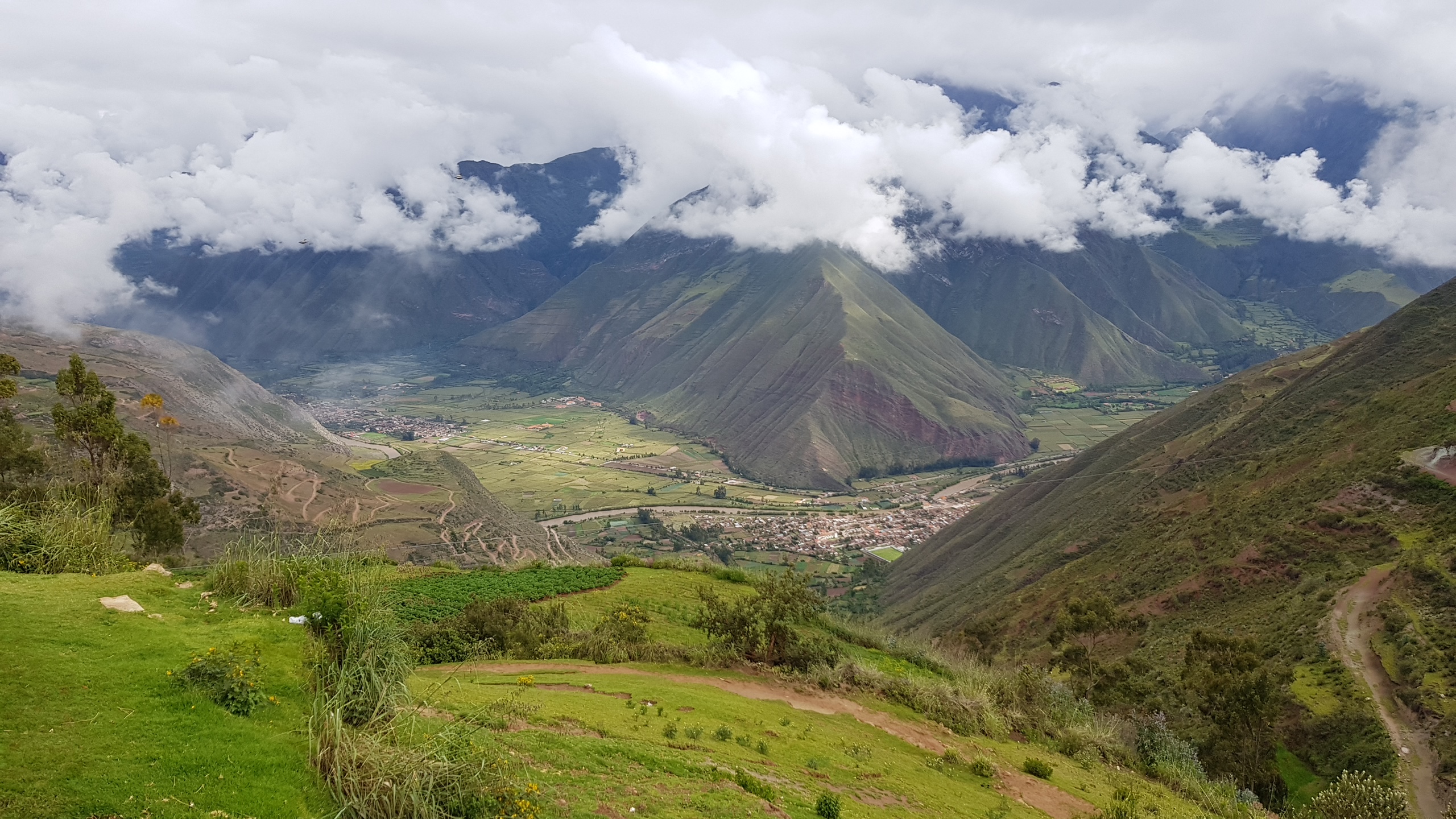
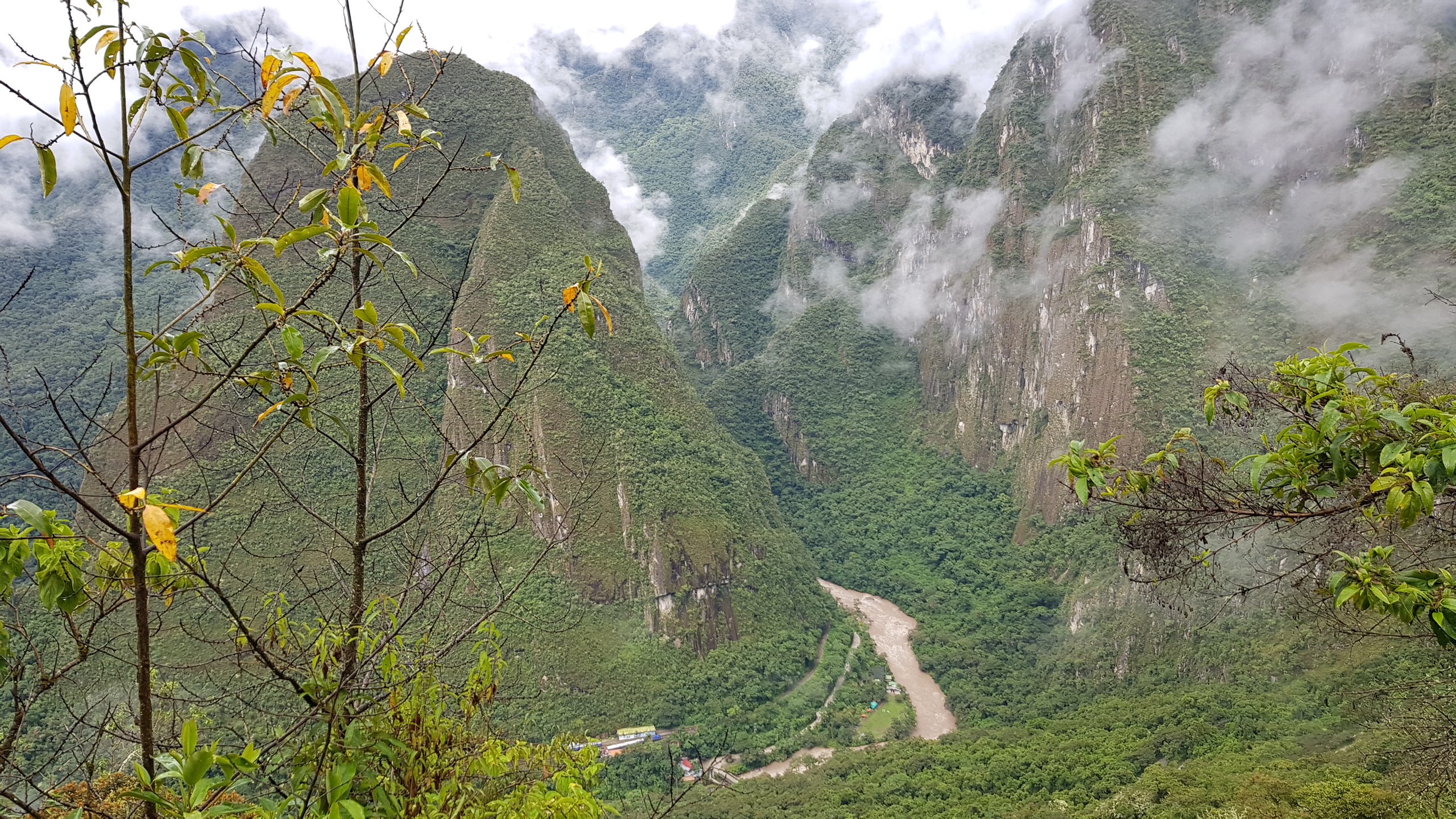
Stop after an hour at a viewpoint for a short toilet stop and leg stretch. Toilets are disgusting and glad I’m a bloke. More souvenir sellers complete with llamas but no one is buying. Fantastic view down into the valley below. Low cloud hanging above the mountains in front make for an atmospheric vista.

Arrive Ollantaytambo. Very touristy now and not how I remember it from 2001. Far too many tourists here but this is nothing, as I am soon to discover shortly.

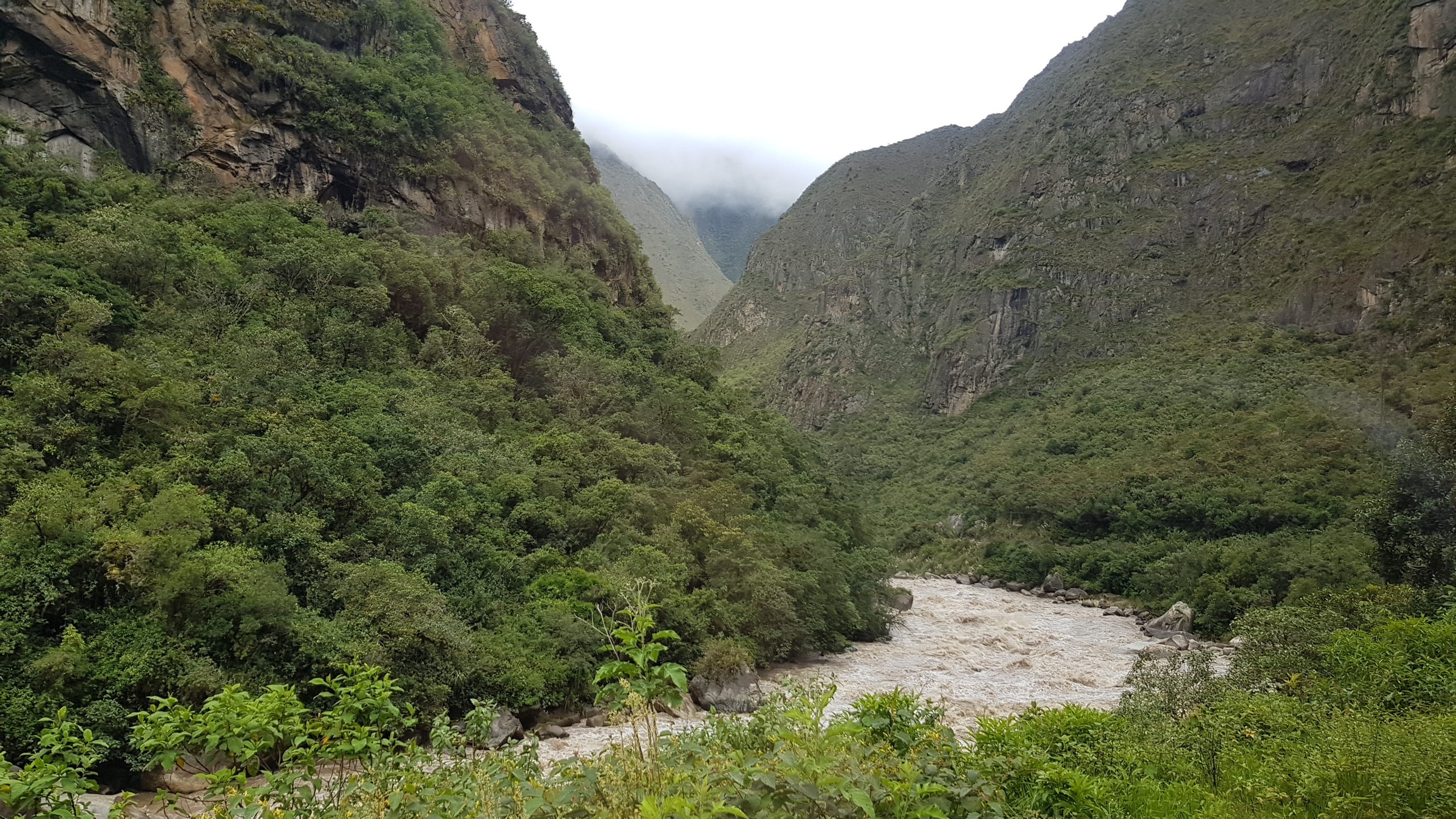
Train from Ollantaytambo station alongside the raging river. Rainy season is in full flow. Another marvellous feat of engineering to create a railway line that hugs the cliff face along the narrow canyon to Aguas Calientes, the village at the foot of Machu Pichu. Very steep mountains rise up from river level to tower over the tracks. Lush green jungle type landscape now as we approach the end of the line.

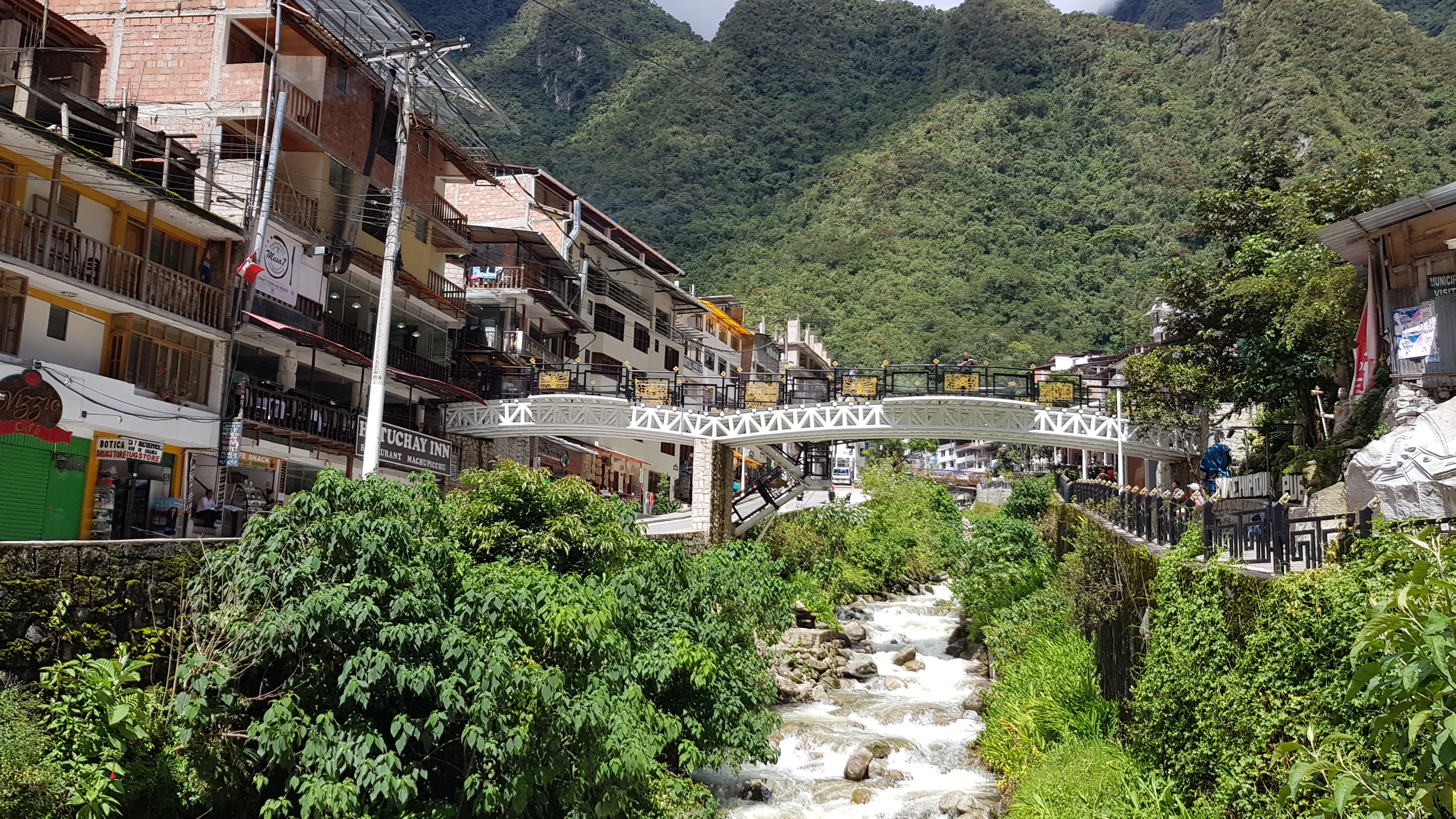
Disembark and have to walk through a large covered market, selling the usual tourist tat, to the bus stop to catch the shuttle bus up the mountain to Machu Pichu. It’s raining. Hard. And it’s hot. And humid. I know it’s 18 years since I last came here but staggering to see so much more tourism and development.

Local directs me to the bus stop down the hill. Walk in the warm pouring rain. In need of a bus ticket which will surely be sold at the bus stop. Won’t it?! Nope. Directed back up the steep hill for two blocks then a left to the ticket office. Why. Oh. Why put it there?

Needing a ticket going up today but down tomorrow confuses the bloke on the counter who doesn’t endear himself further when he snatches passport out of my hand. Everything you buy here needs ID which is then checked as you use tickets. Assume it’s to prevent touts?

Tickets purchased and back down the hill in the pouring rain to the bus stop, getting drenched. The shuttle bus is the only means of transport up the hill for tourists, who are primarily day trippers with small bags. However. This tourist is fortunate enough to be staying overnight at the Belmond Sanctuary Lodge, right next to the entrance to Machu Pichu. And so has a large rucksack. Which is being looked at quizzically by bus attendant. He’s tutting and puffing his cheeks in that, I don’t think that’ll fit mate, sort of way. There’s a bag storage office adjacent the bus stop for tourists to store heavy bags. Well mate, it’s like this…am staying at the hotel…so will not be relinquishing my bag. He relents and am allowed on with bulky bag. Another tight fit in a seat that’s too small. Half hour journey up no end of hair pin bends up the mountain side to the entrance. Single track dirt road all the way up makes for a very bumpy ride.

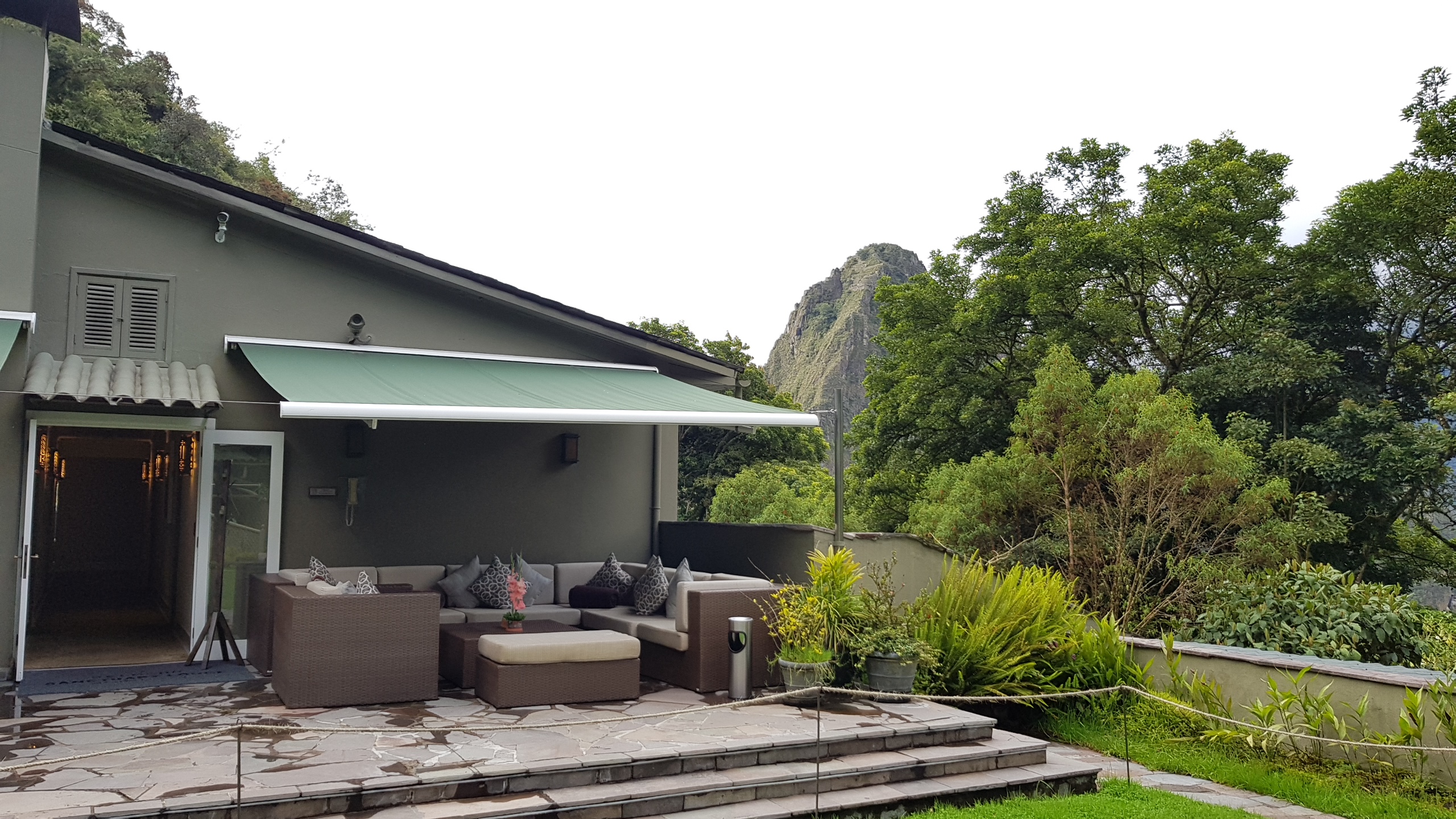
Still pouring with rain. Low clouds mean you can’t even see the mountains. Jump off the bus and enter the calm sanctuary of the Belmond Sanctuary Lodge (https://www.belmond.com/hotels/south-america/peru/machu-picchu/belmond-sanctuary-lodge/). Greeted at check in by a young girl with the words, “Welcome back!”. Blimey. It’s been 18 years. The other startling thing is that said young girl is the absolute spitting image of my youngest lighting fairy. It’s her Peruvian twin.

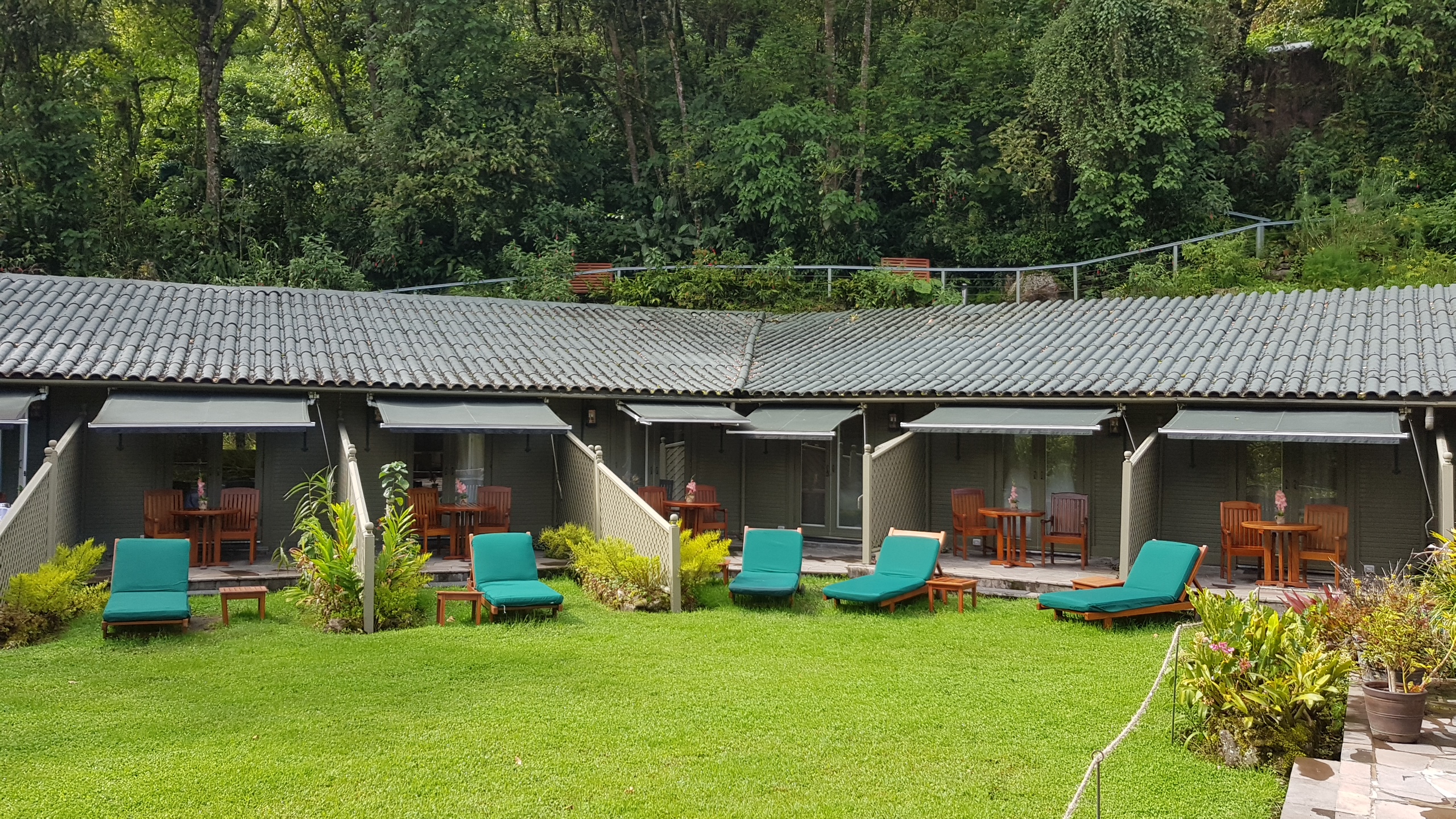
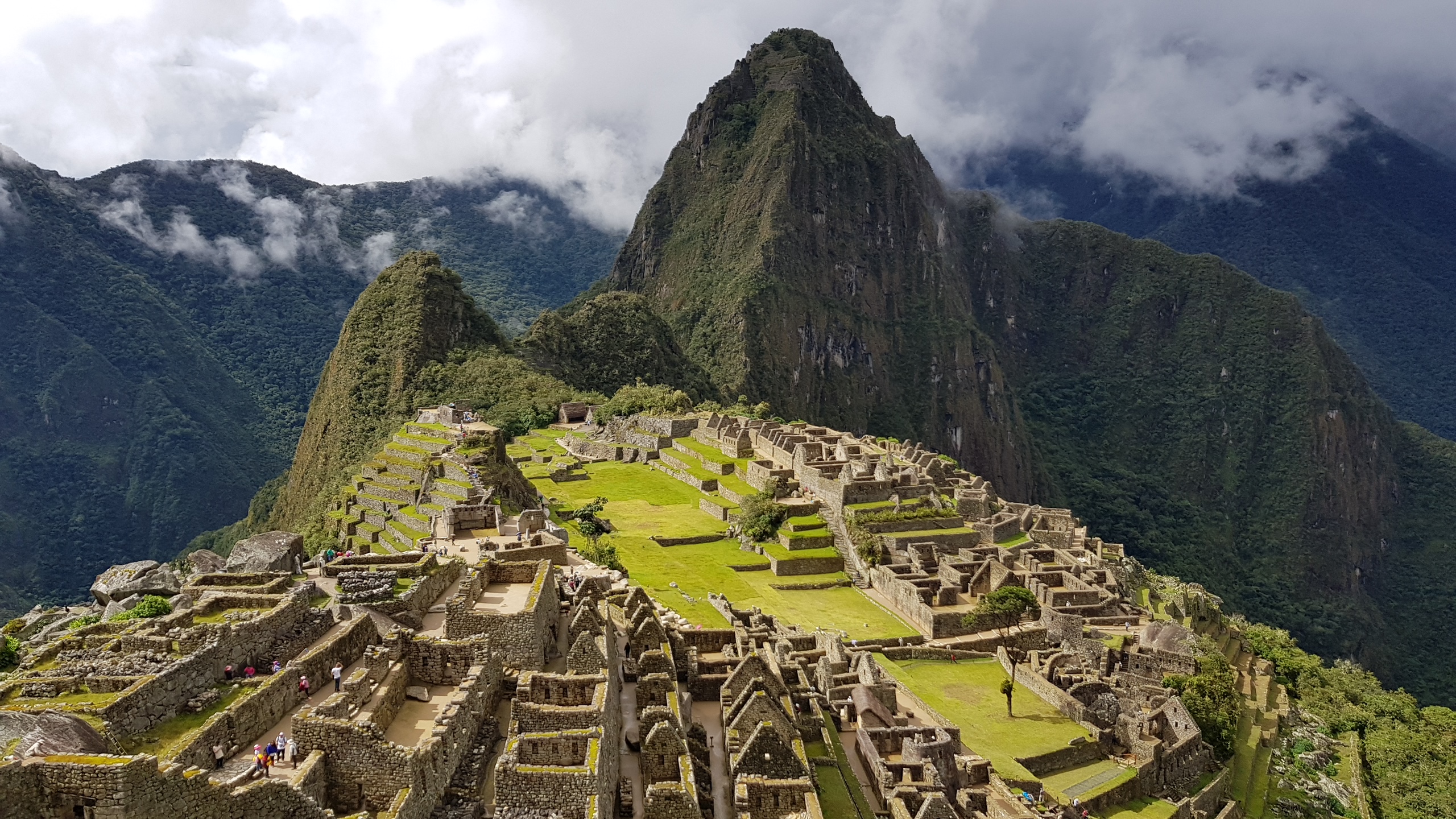
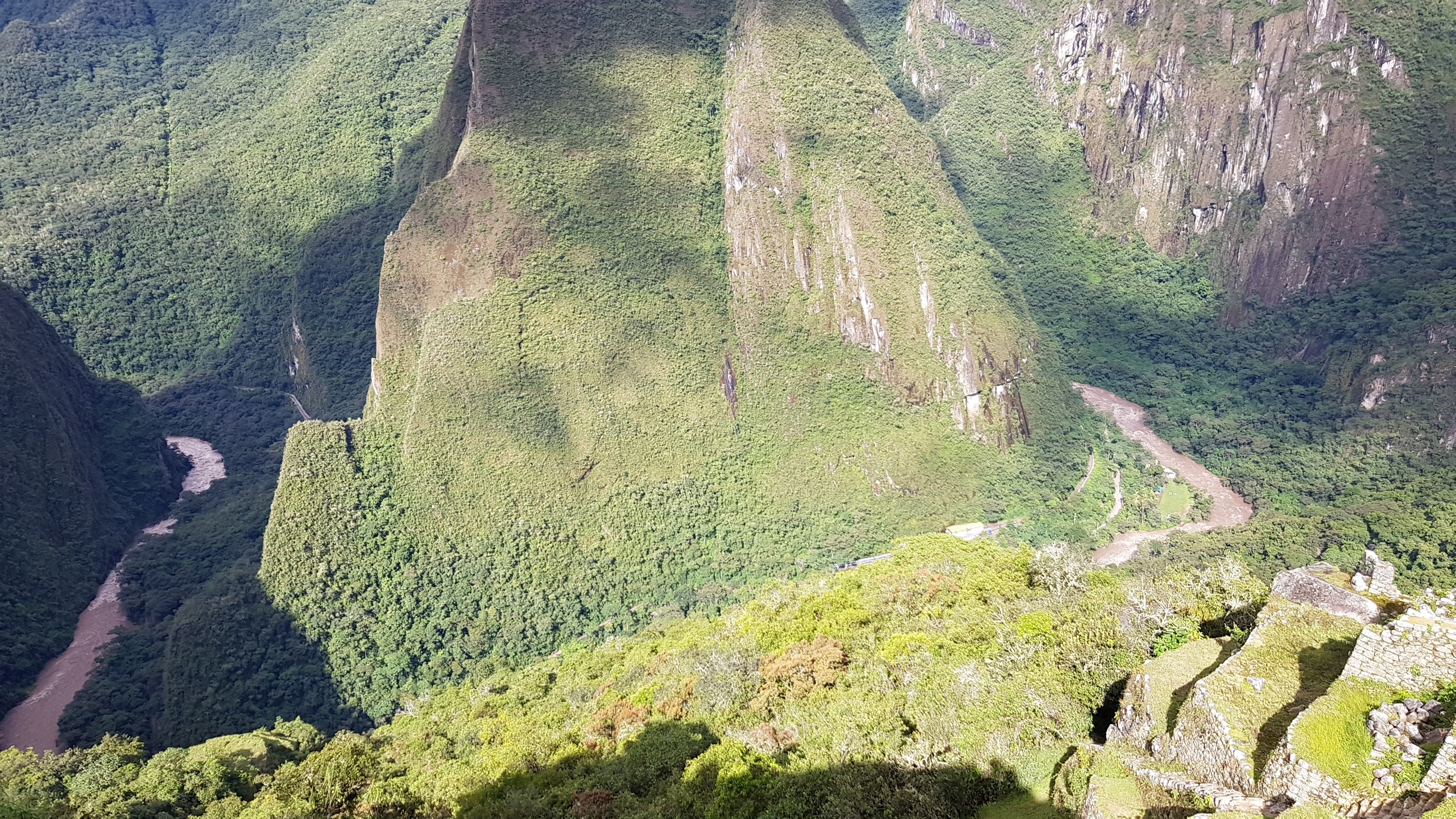
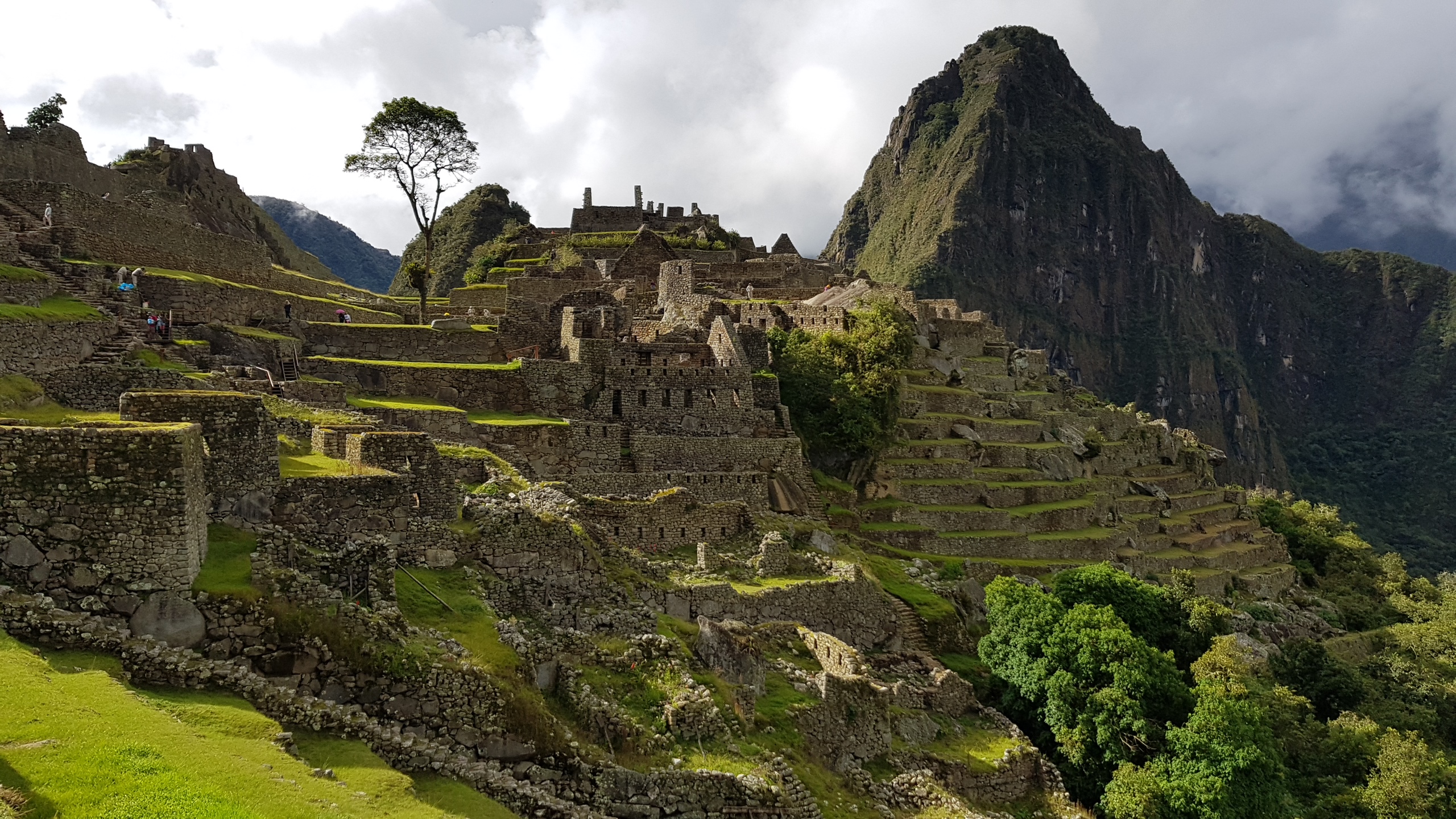
Upgraded to a room with a view. Wow. Can sit on my private terrace overlooking Machu Pichu’s Huayna mountain. So very lucky!

Still pouring down with rain after lunch but have a timed ticket so better use it. Fully waterproofed up with Gore-Tex coat and trousers and off I go. All wrapped up against the inclement weather. But. No sooner have I gone through the entrance and walked a few paces the rain suddenly stops. The clouds clear. Sun appears and blue sky rolls in. It’s now hot. And dry. Strip off soggy waterproofs which then have to be lugged about.

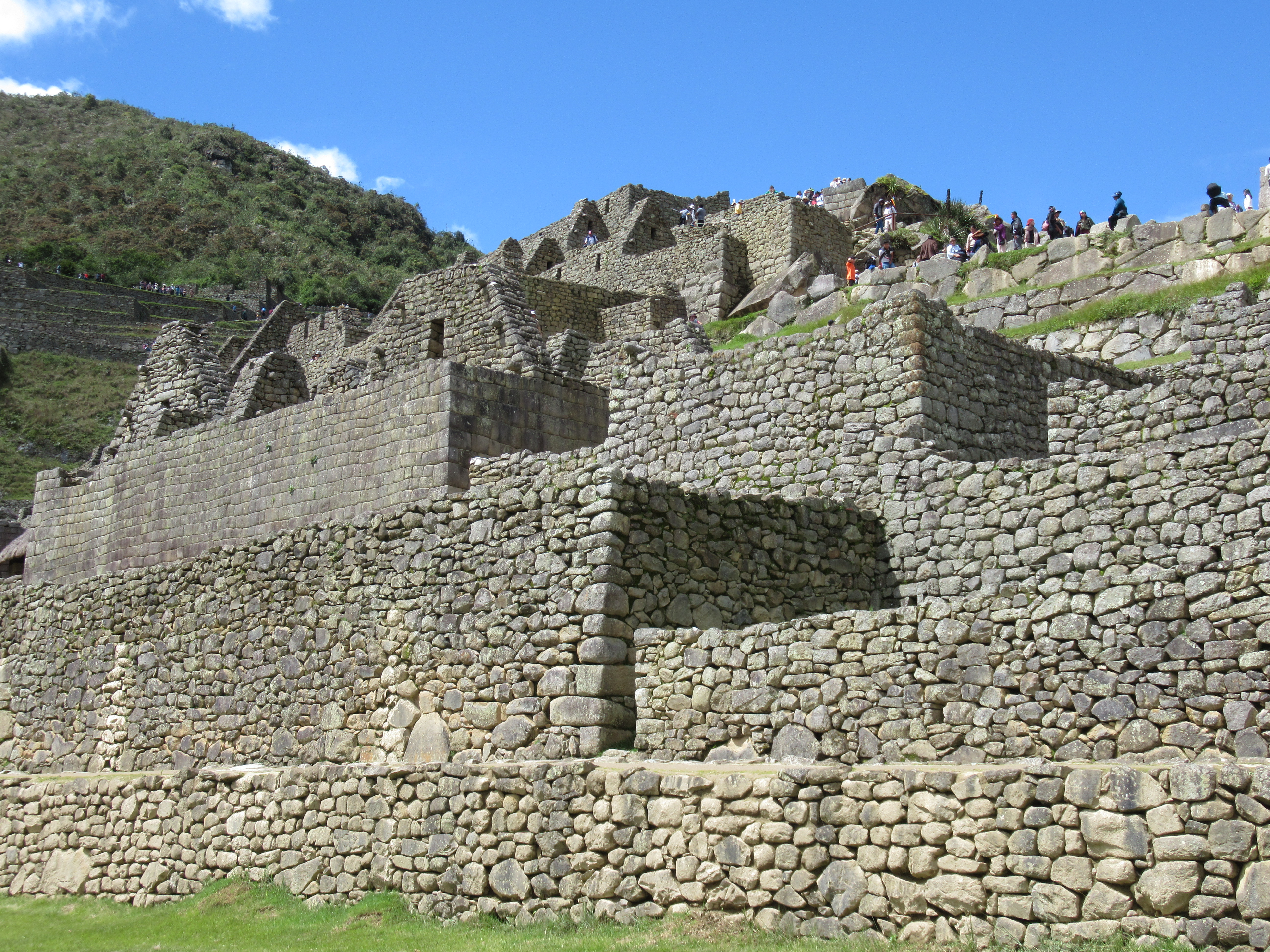
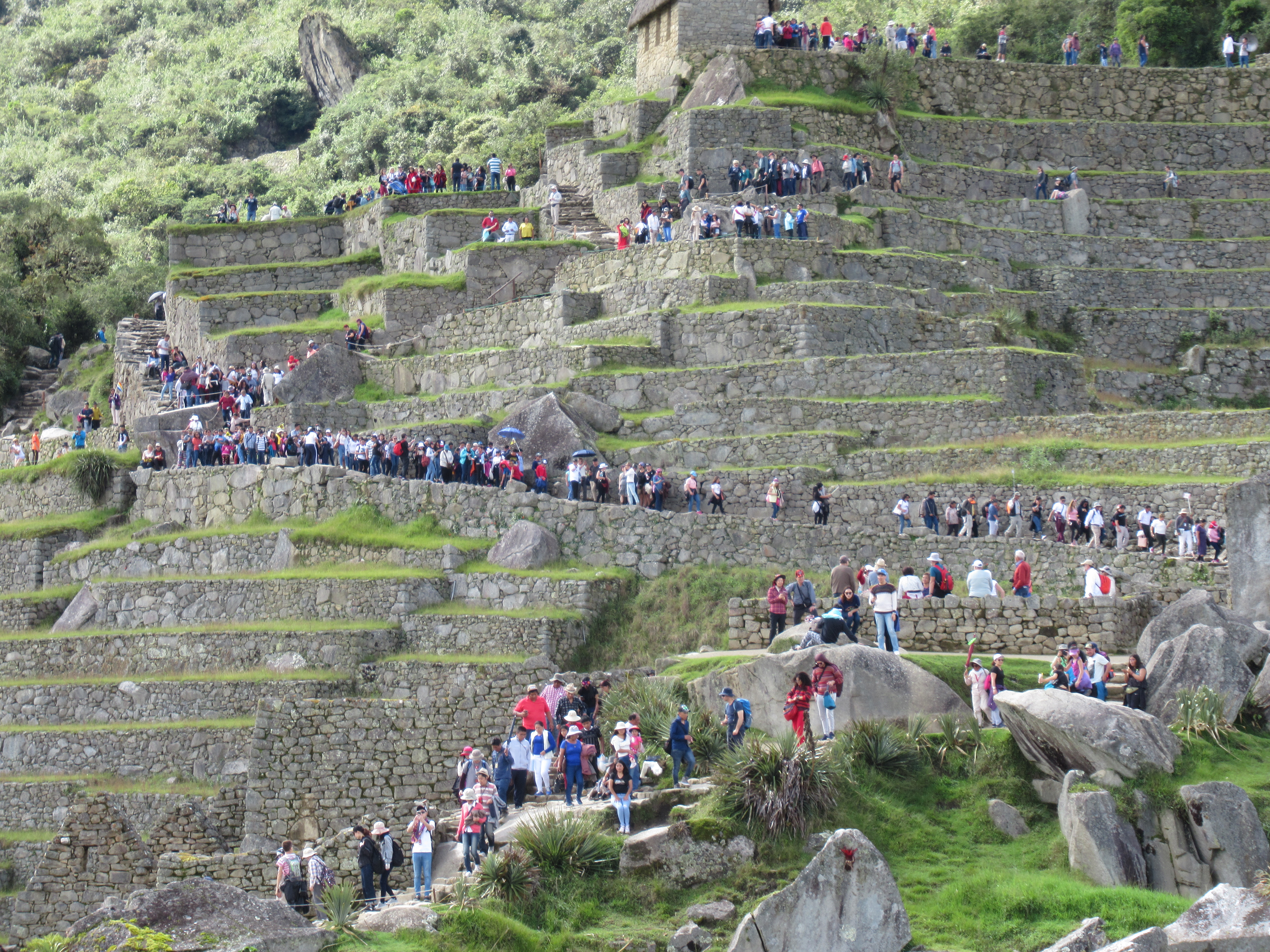
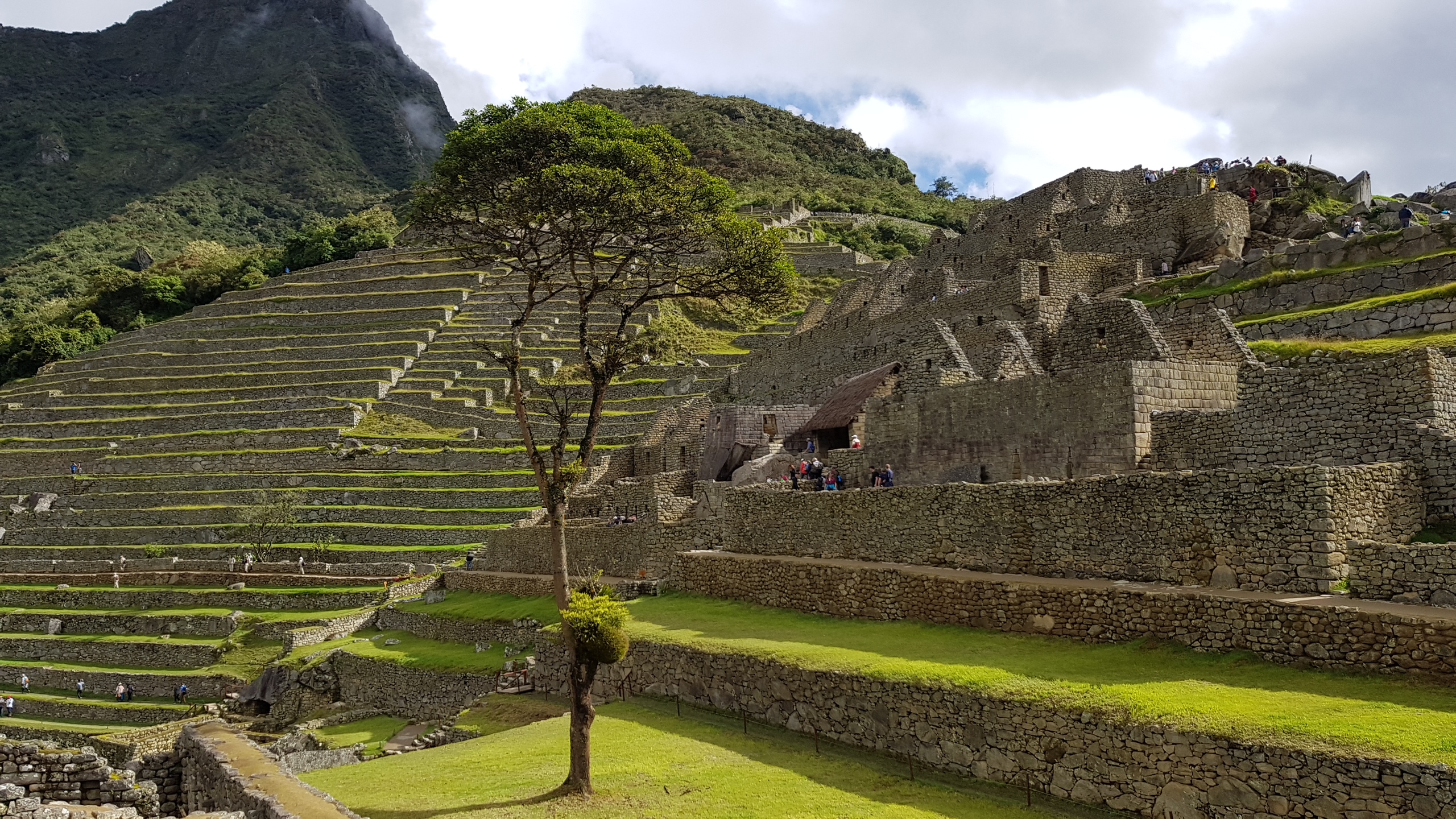
There’s now a one way system around Machu Pichu. To accommodate all the sodding tourists. There are thousands. It’s been spoilt. Back in 2001, you could wander about anywhere and as we were staying at the Sanctuary Lodge hotel adjacent the entrance, we could wait in Machu Pichu until all the tourists (and there weren’t that many from memory) had gone and I recall just being in Machu Pichu at the day’s end and how peaceful it was. Not now. There’s a procession of tourists following the one way route. Plenty of guards keep a watchful eye and blow their whistles to anyone doing anything, or going anywhere, they shouldn’t.

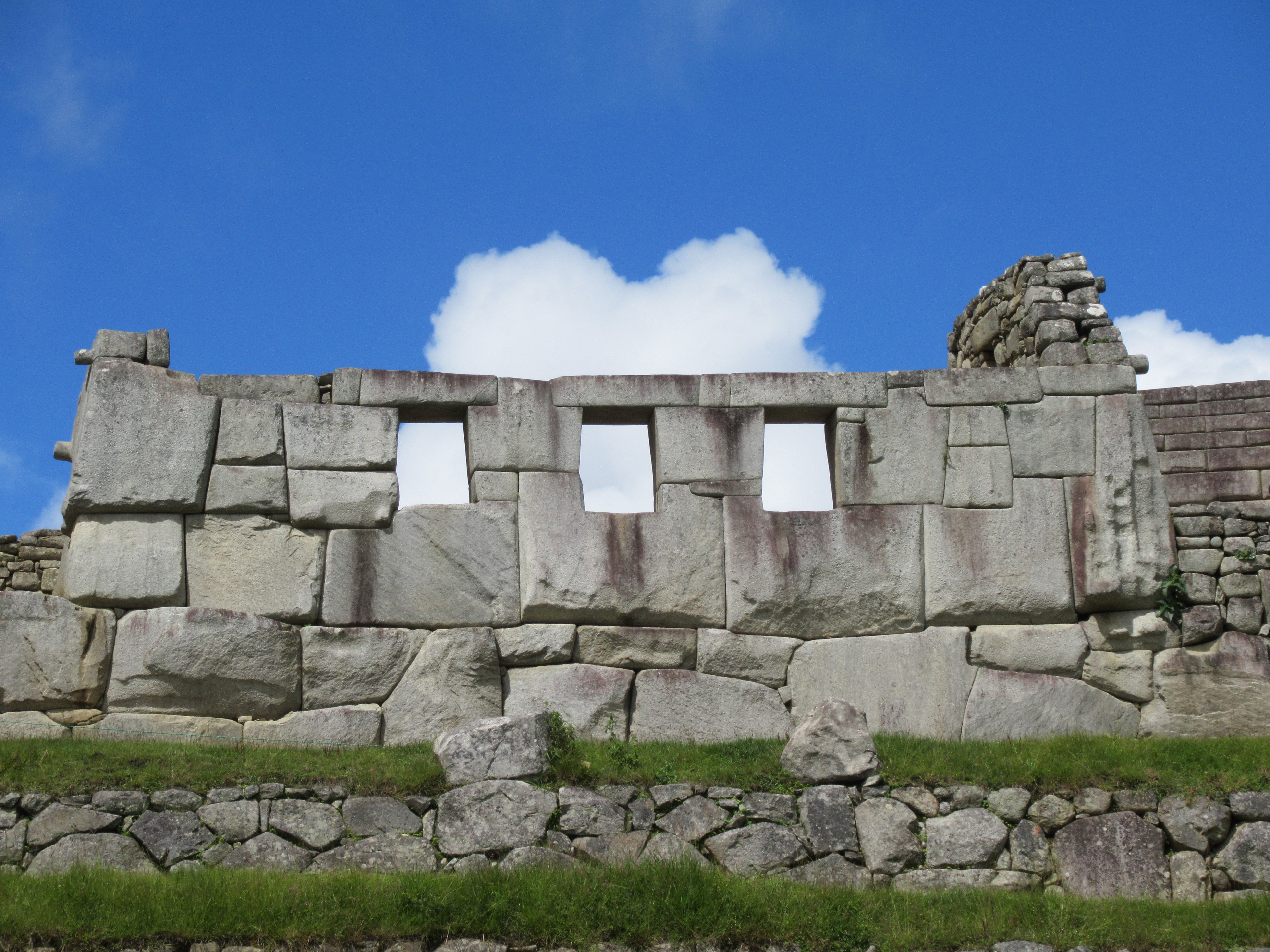
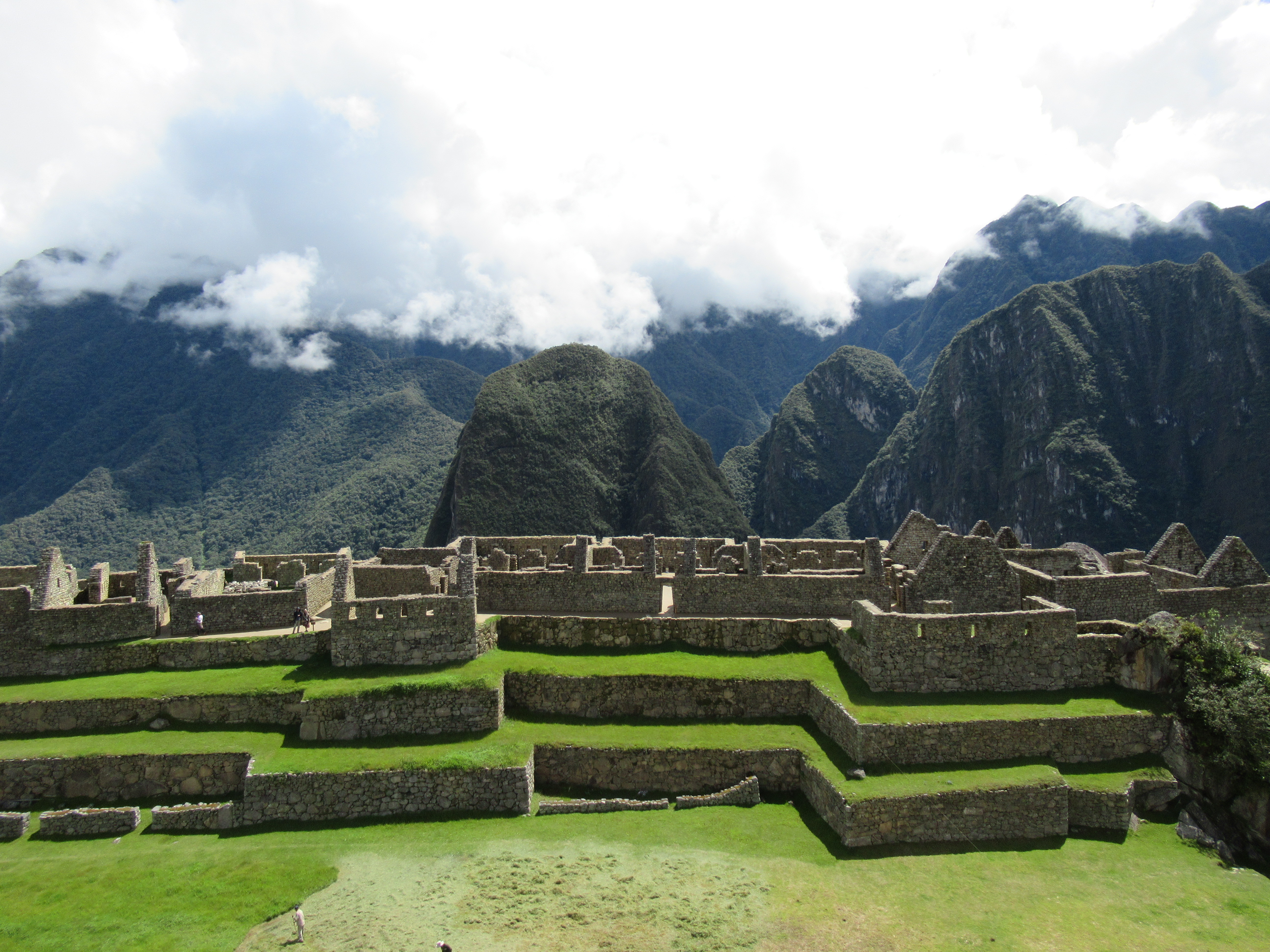
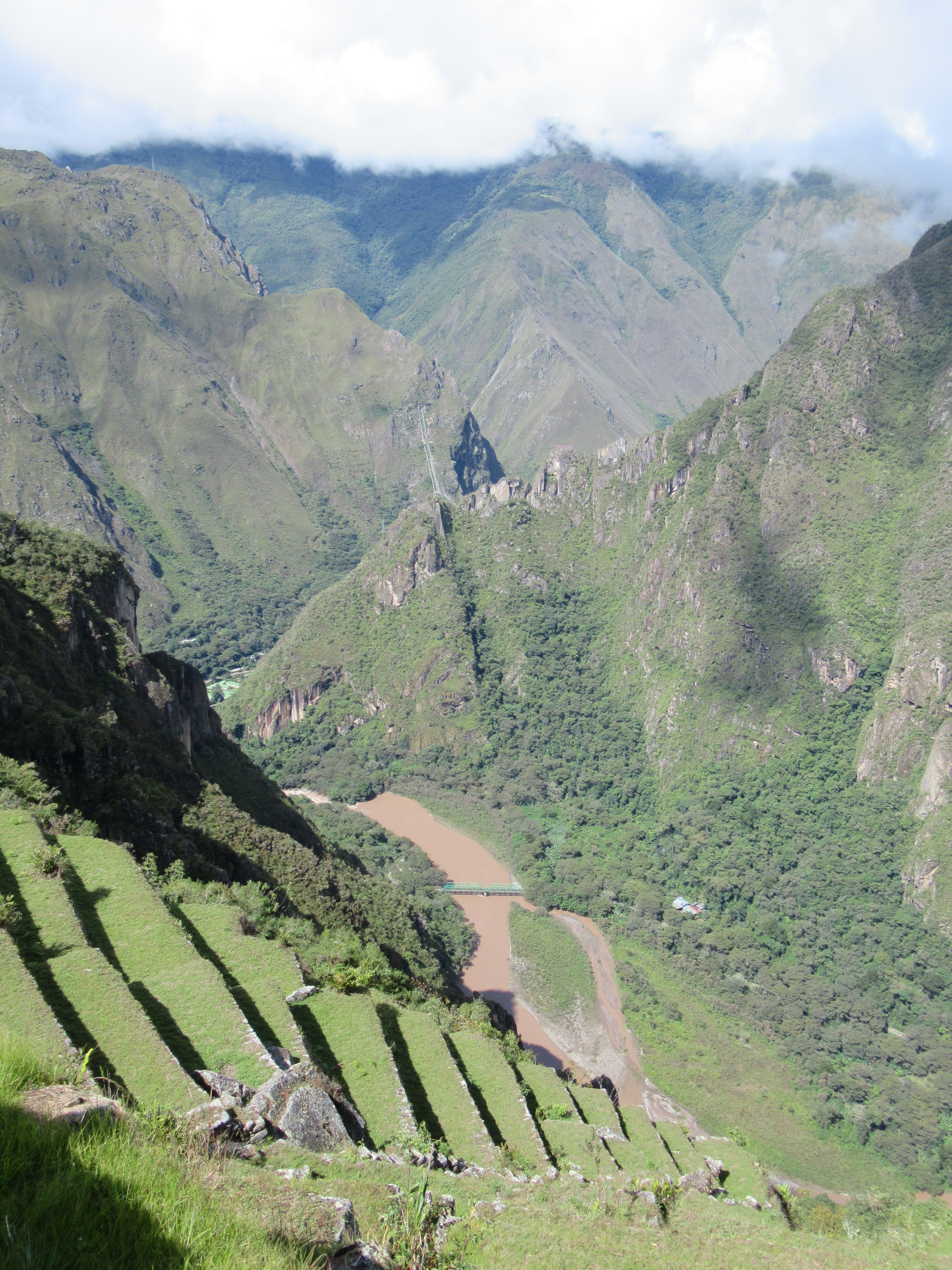
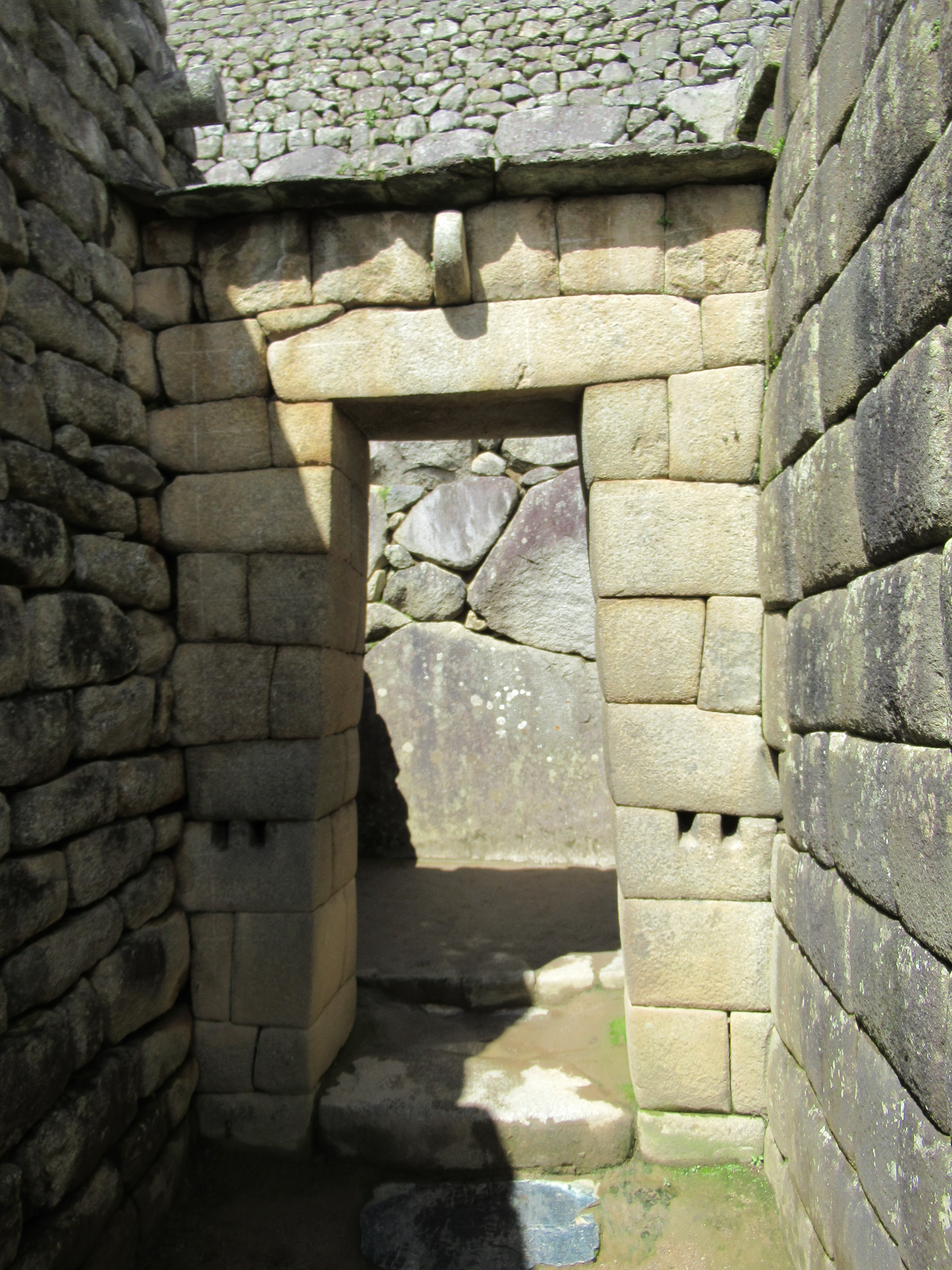
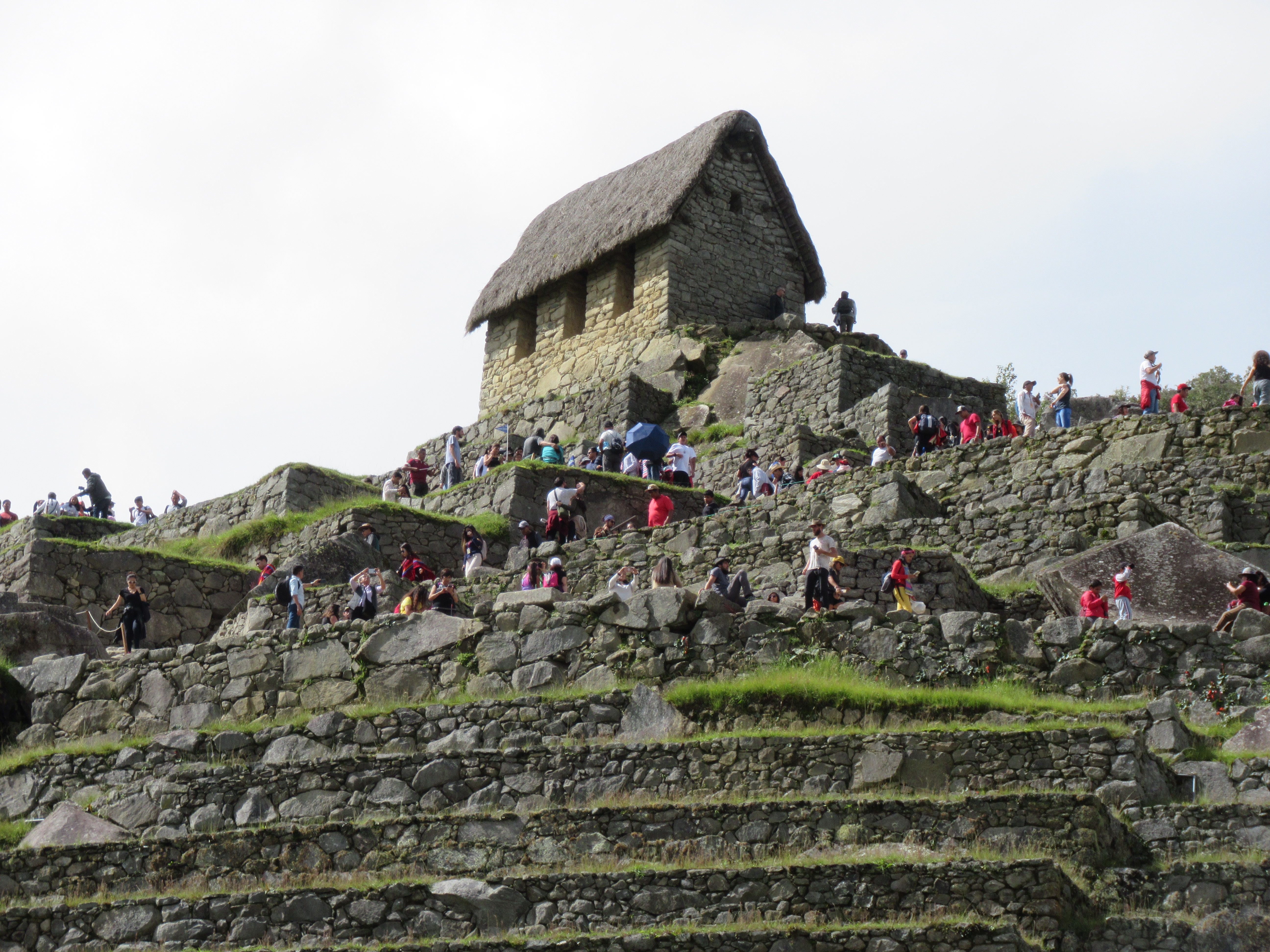
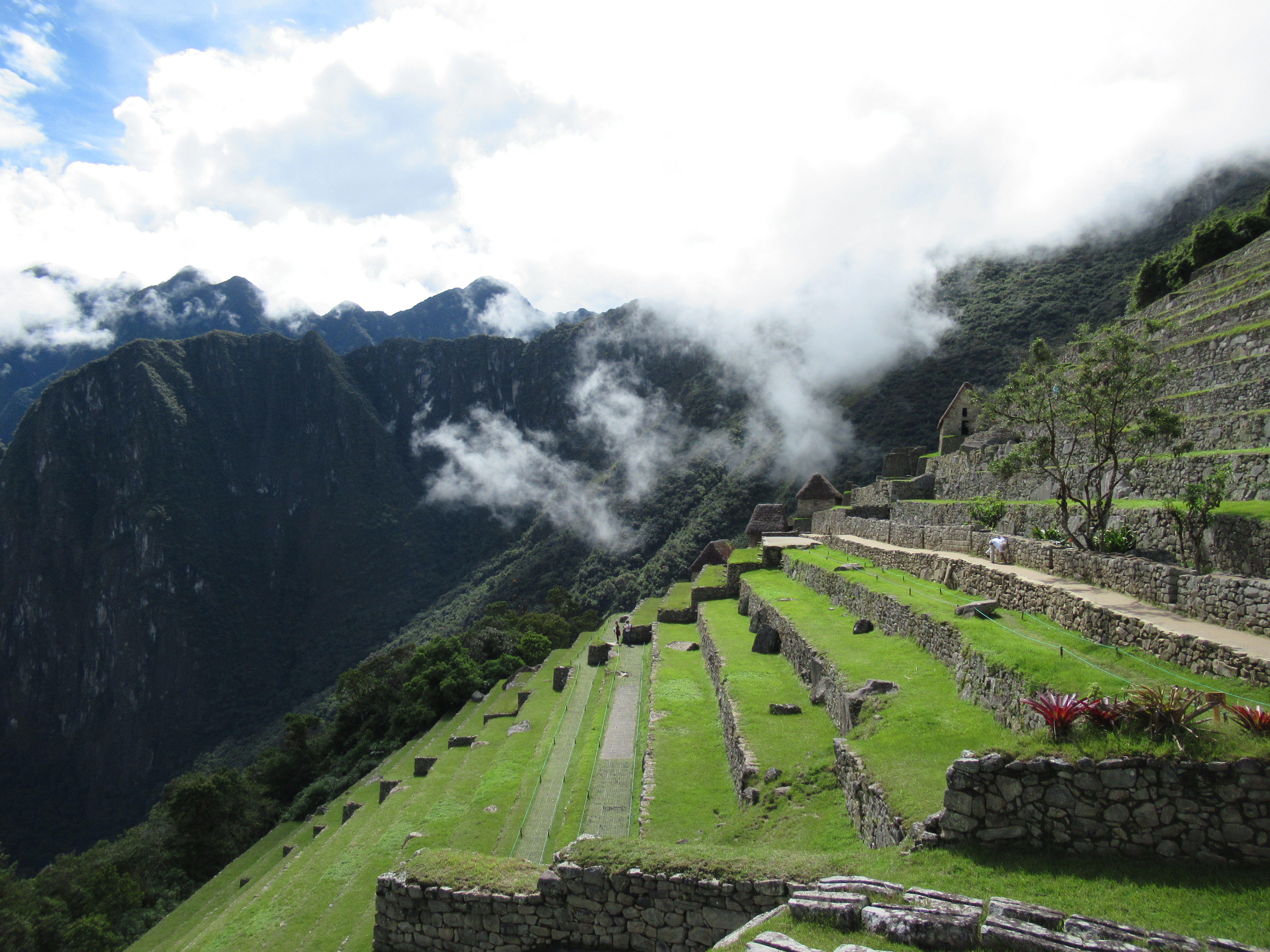
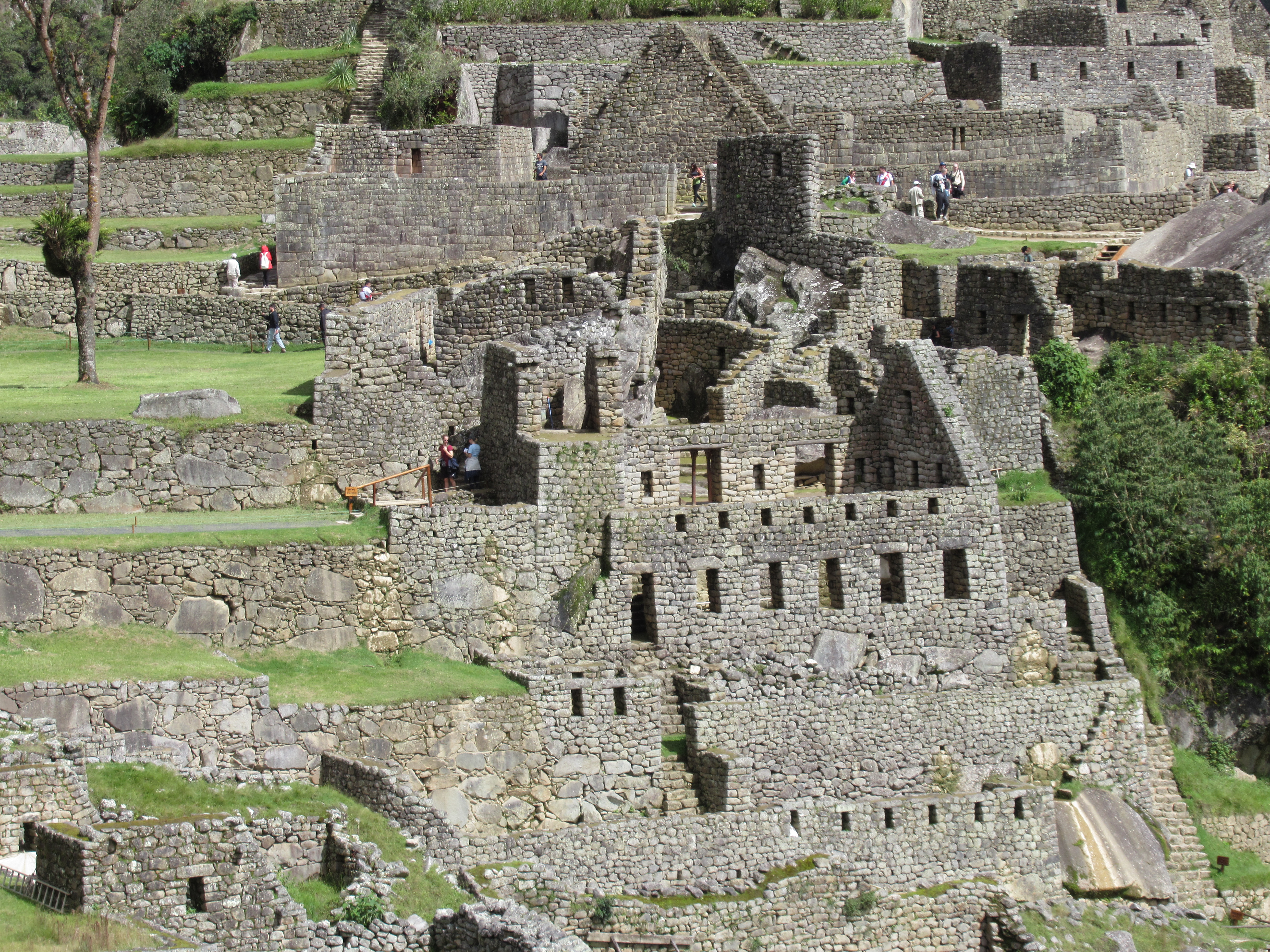
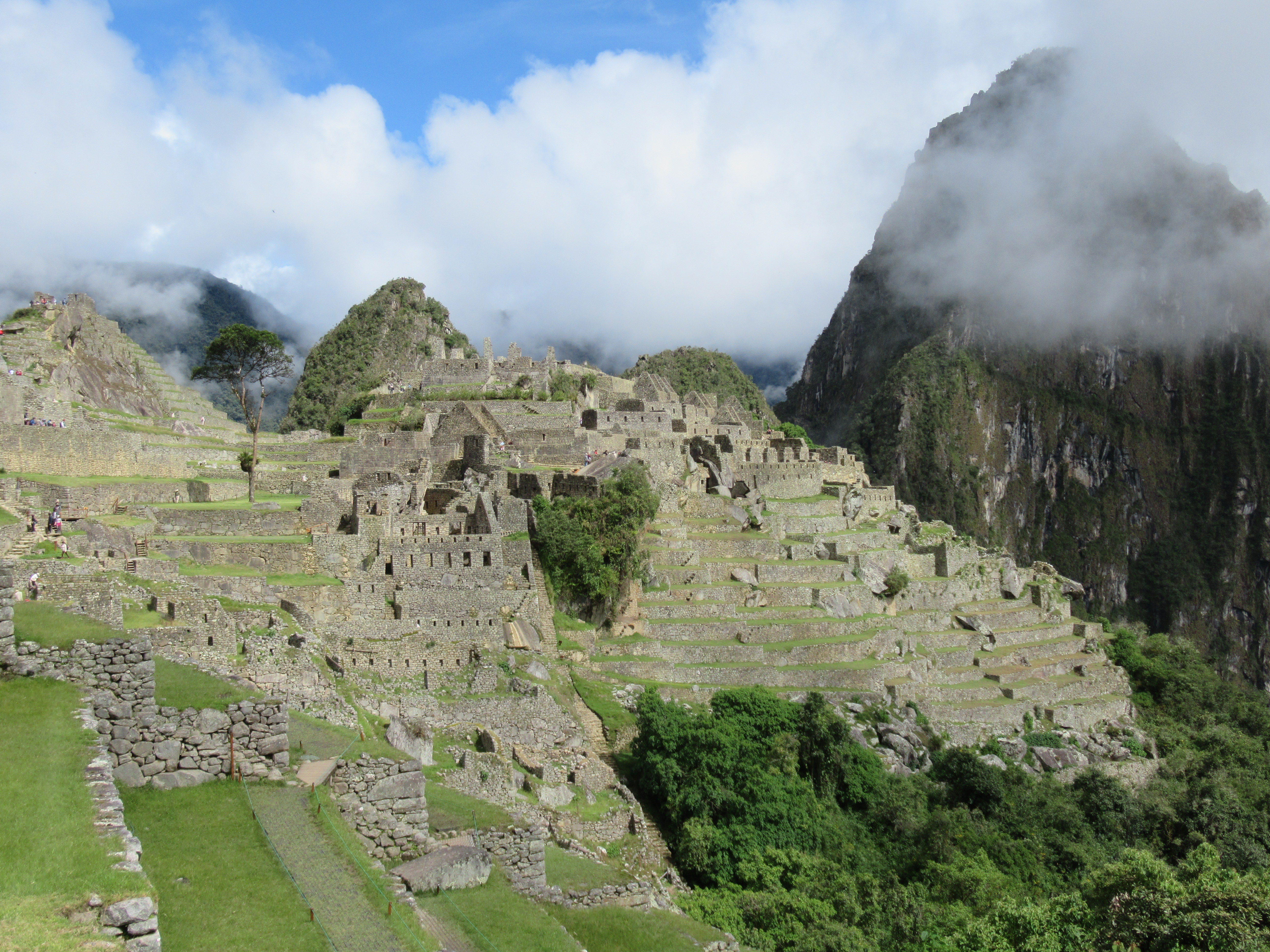
Incredibly lucky to be here again for the second time and incredibly lucky that the weather has improved. Stunning views over the 15th century citadel from above. It was later abandoned in the 16th century and, of course, re-discovered by Hiram Bingham in the early 20th century.

Like Antarctica, photographs don’t do it justice.

You have to see it for yourself.

44. Small world

Monday, 4 February 2019

Cusco, Peru


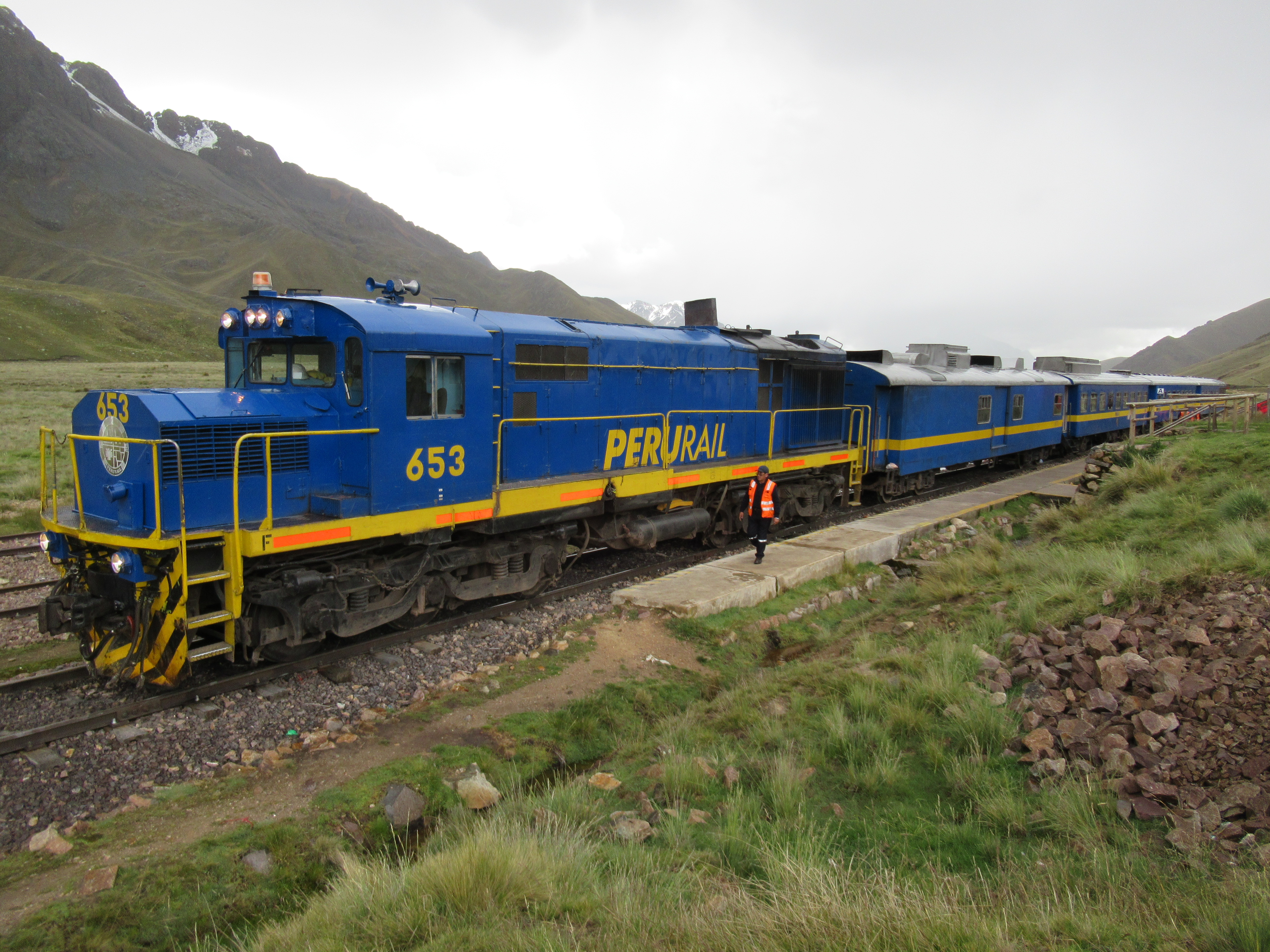
Discovering that high altitude is not good for a decent night’s sleep! Another sleepless night. 10hr rail journey from Puno to Cusco aboard the Lake Titicaca train. Check in at 0700hrs and there’s welcome music from a Peruvian pan pipe band. Not what you need at 0700hrs. Or any other hour for that matter.

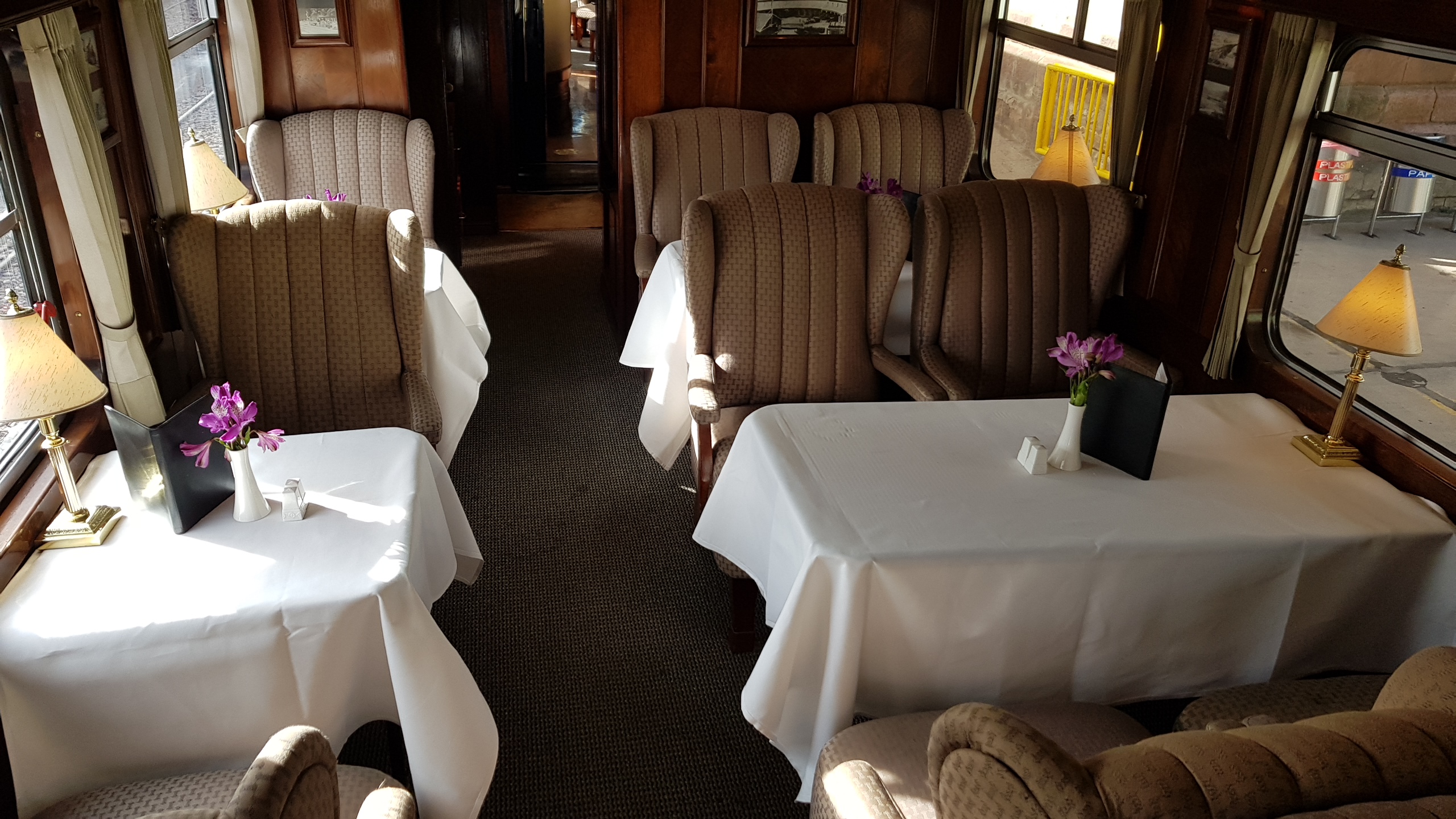
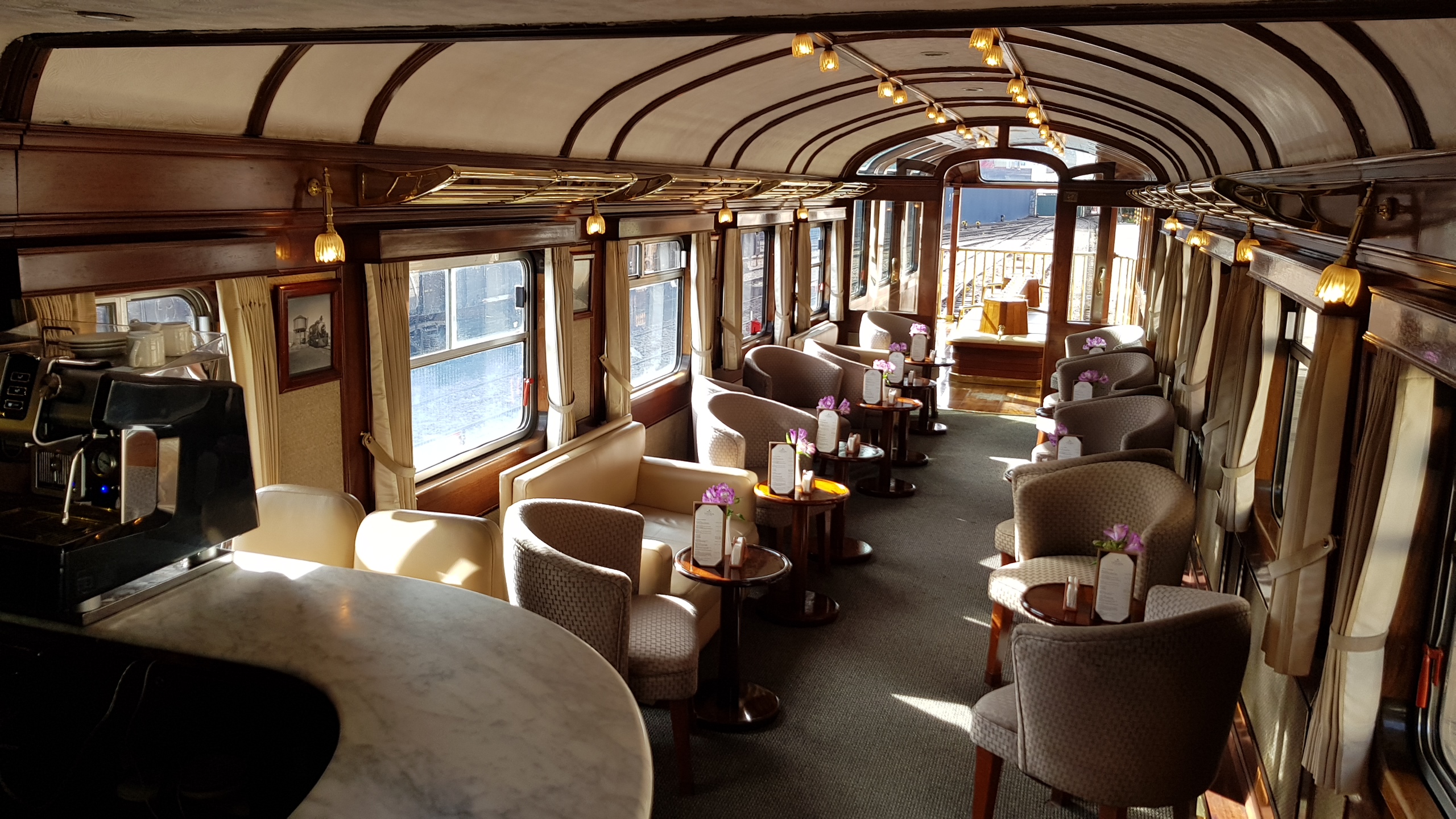
Only 15 to 20 passengers, so only one dining car laid on plus a bar car with observation deck. Travelling in style today. Big comfy dining chairs, silver service and 3 course lunch followed by Afternoon Tea. Very civilised. Very ‘Murder on the Orient Express’.
Depart 0730hrs, crossing the altiplano. Vast expanses of land, mountains and a grey sky. Plenty of rain. Not like the last time I did this trip in 2001. Bright blue sky and snow capped mountains back then. Not today though.

Only two other Brits onboard. Rest are French, American and a local family. As fellow Brits, we introduce ourselves and after a bit of conversation realise we’re connected. My sister’s Young Farmer friend used to work for Mr Brit, in the farm machinery industry. Small world eh?!

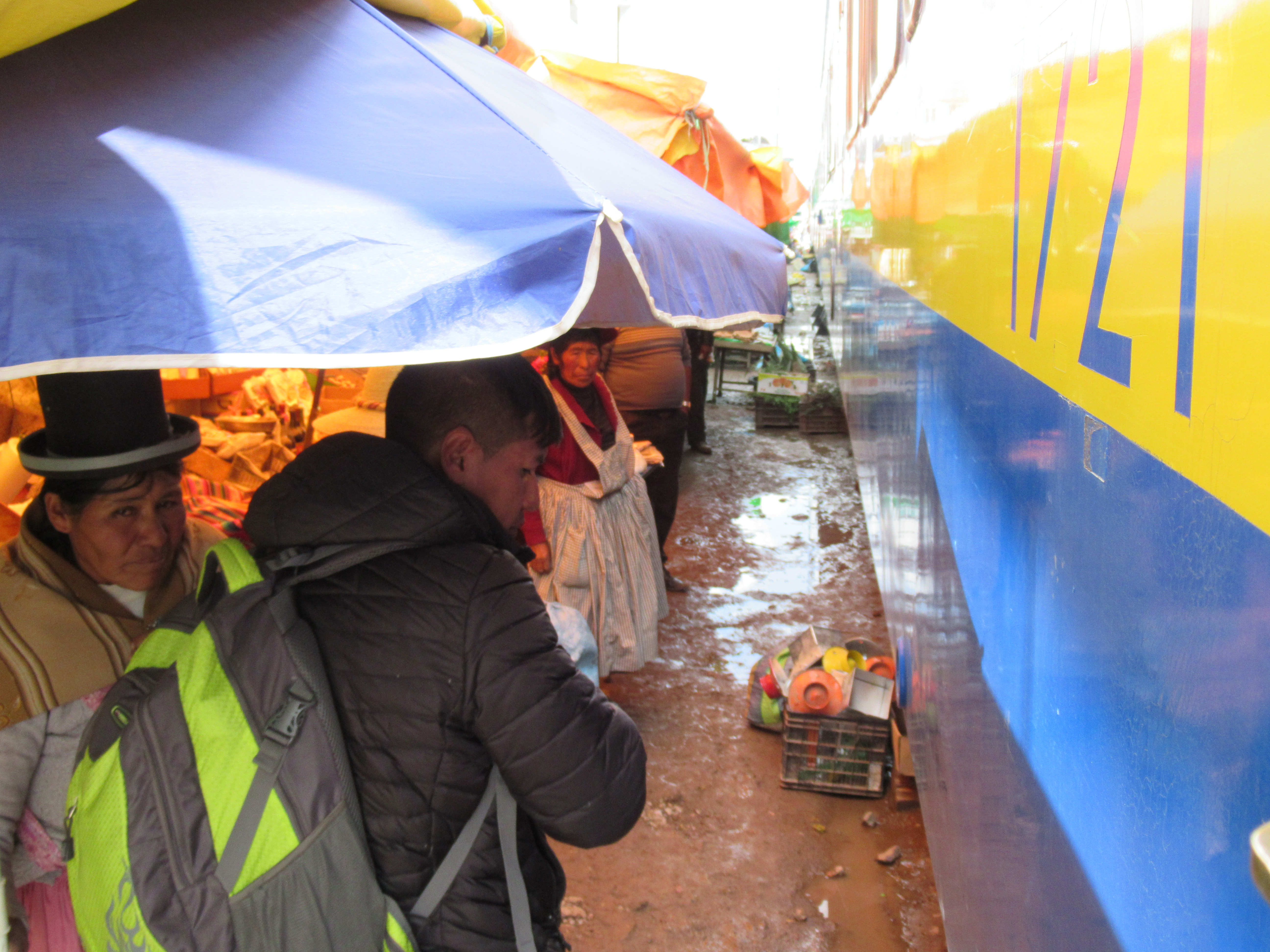
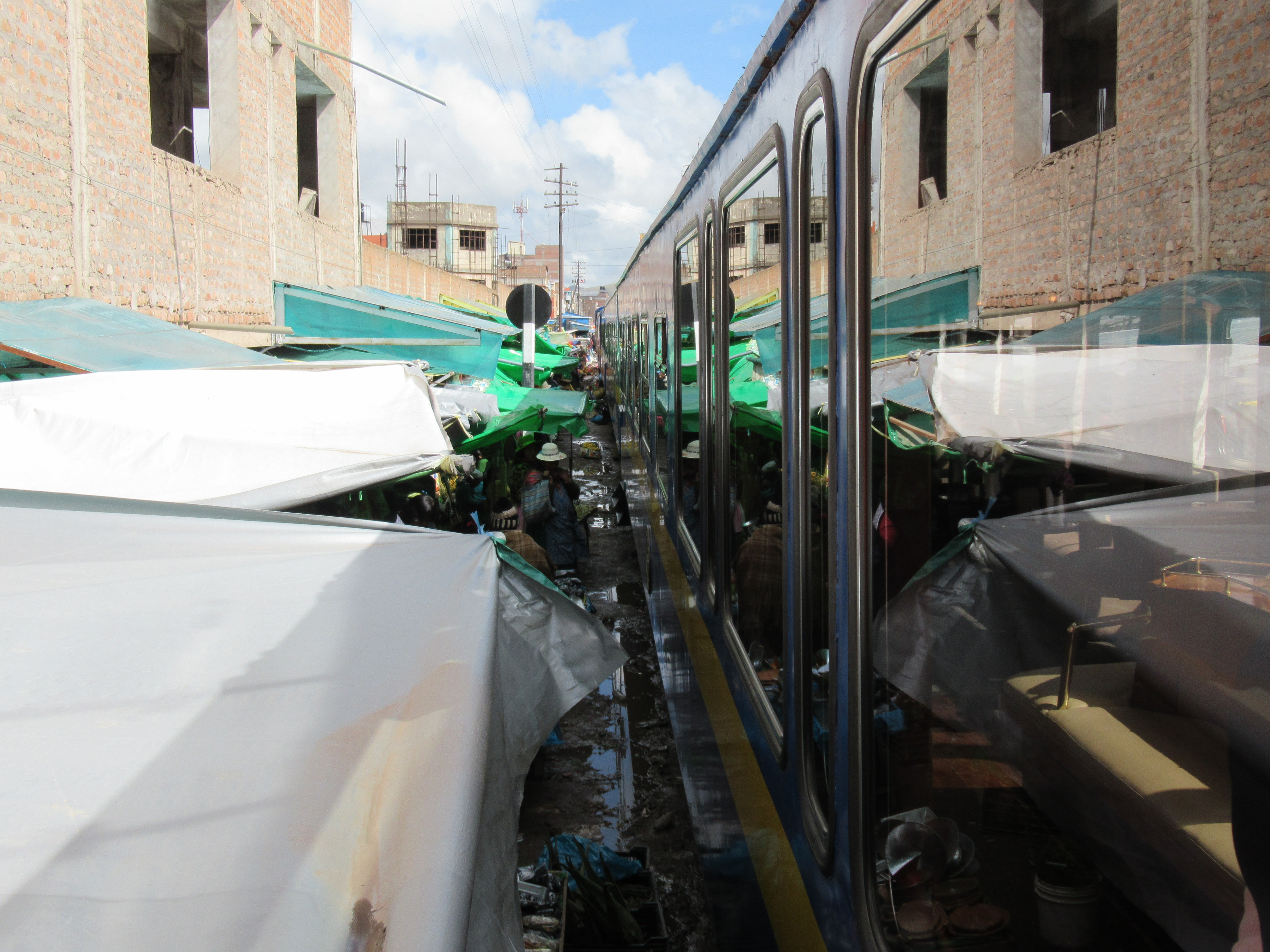
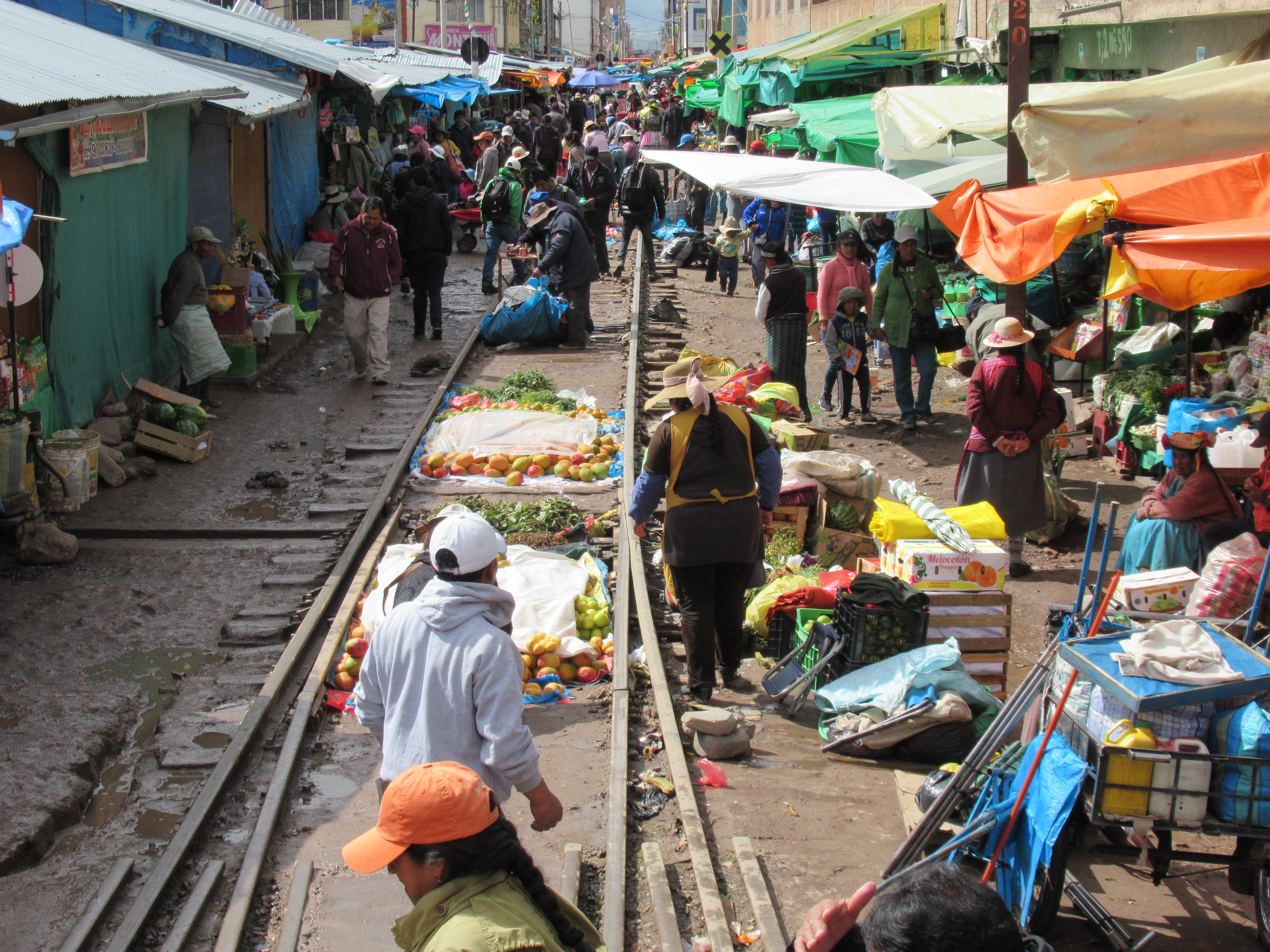
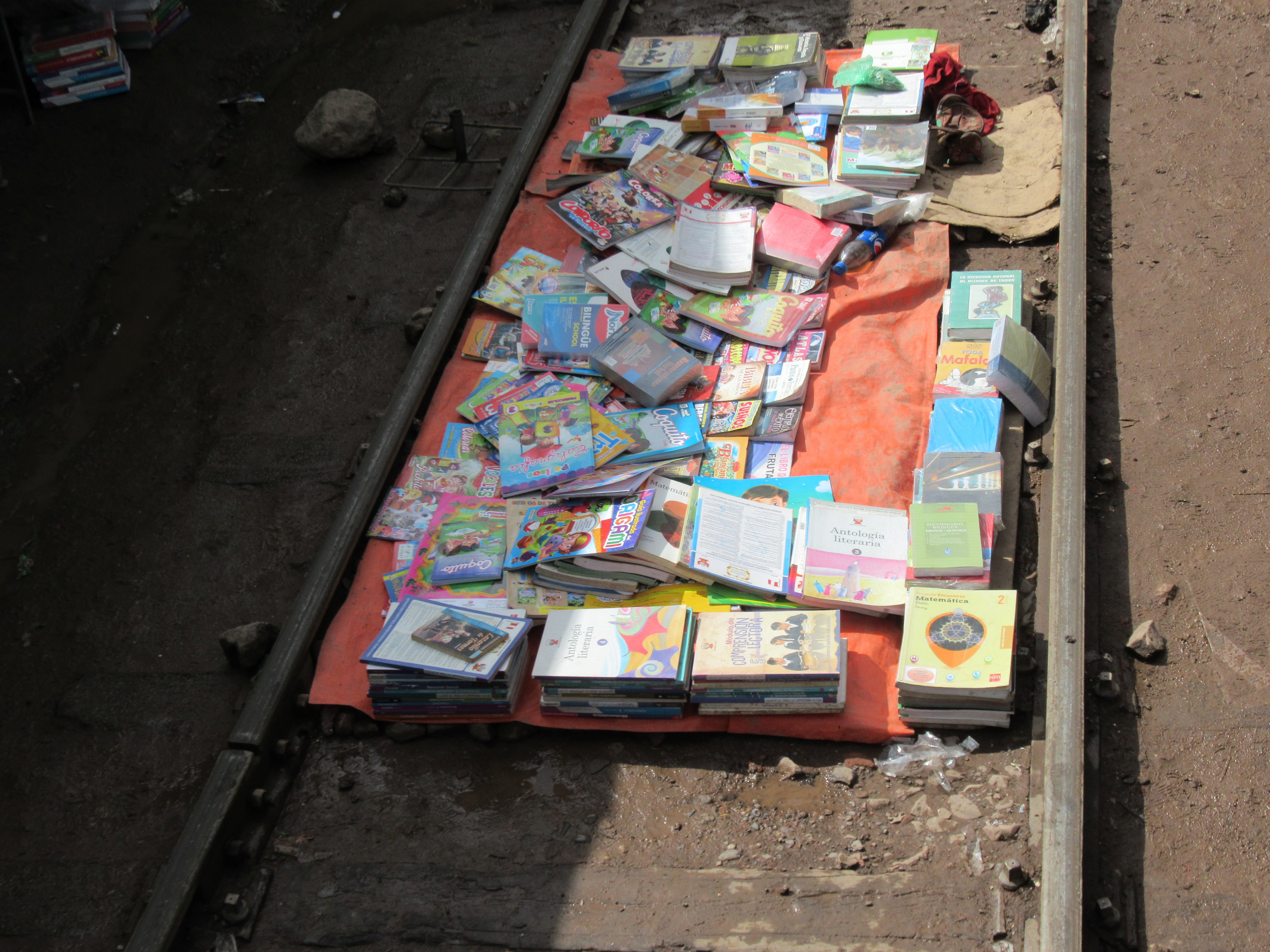
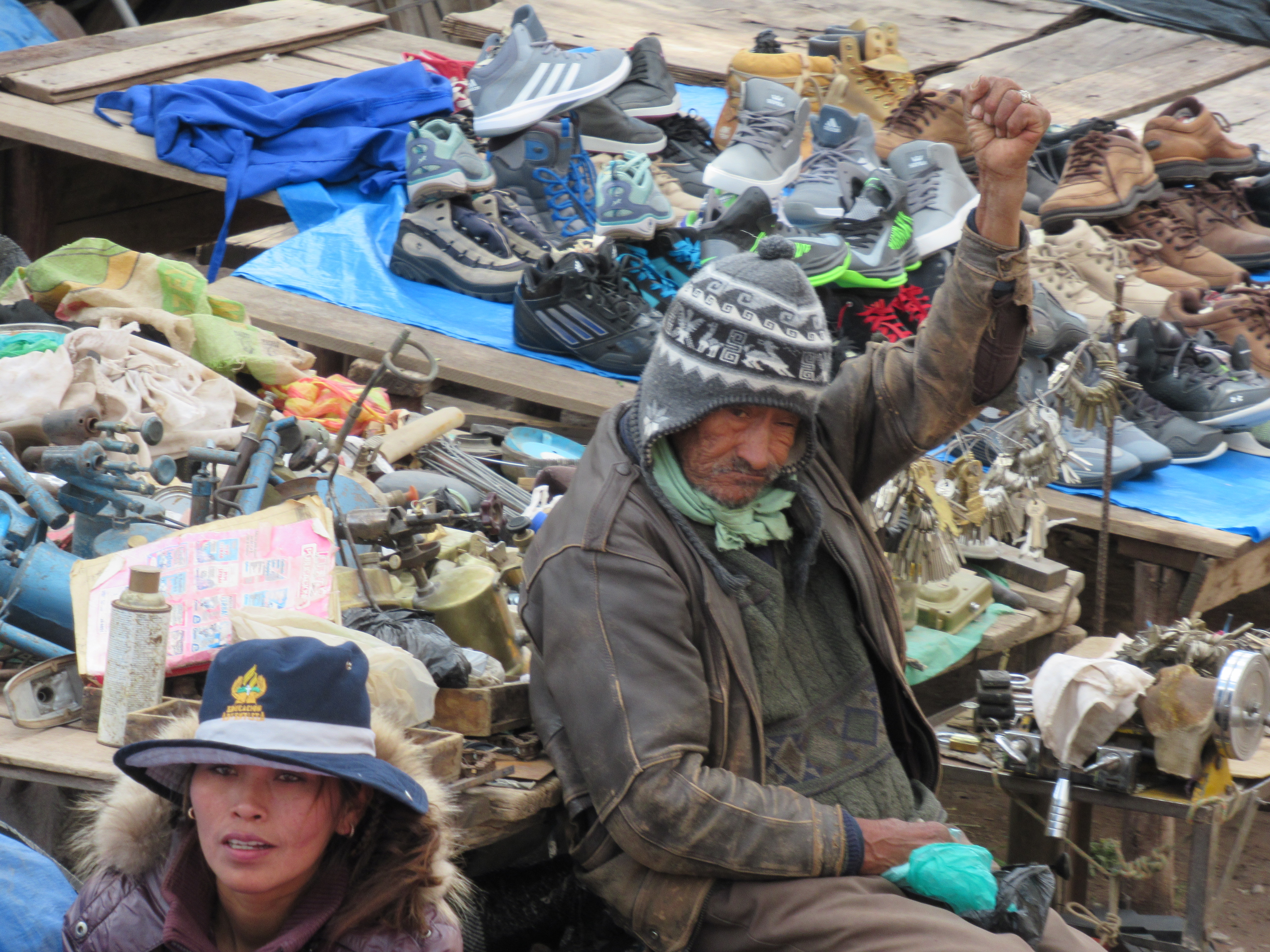
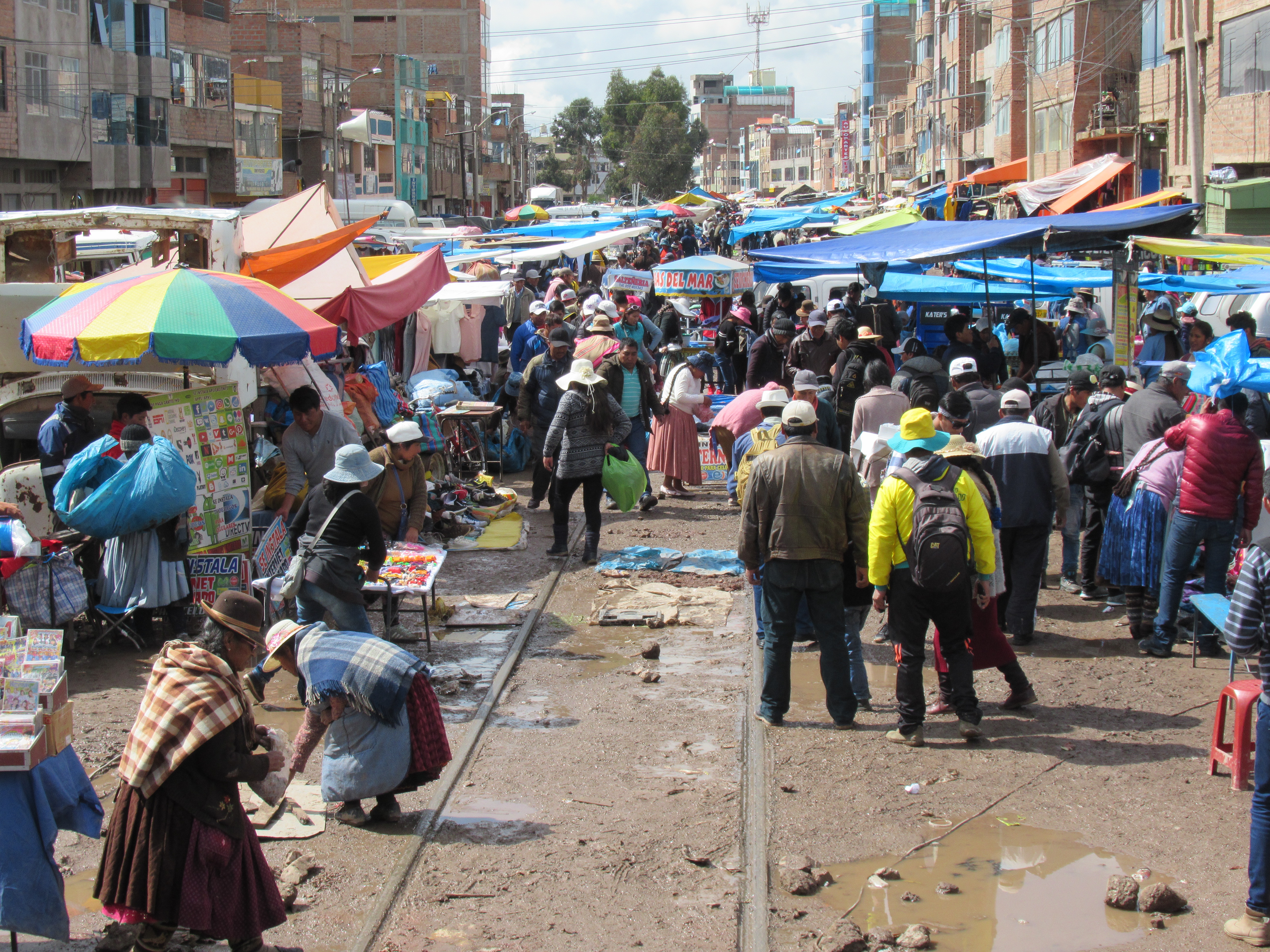
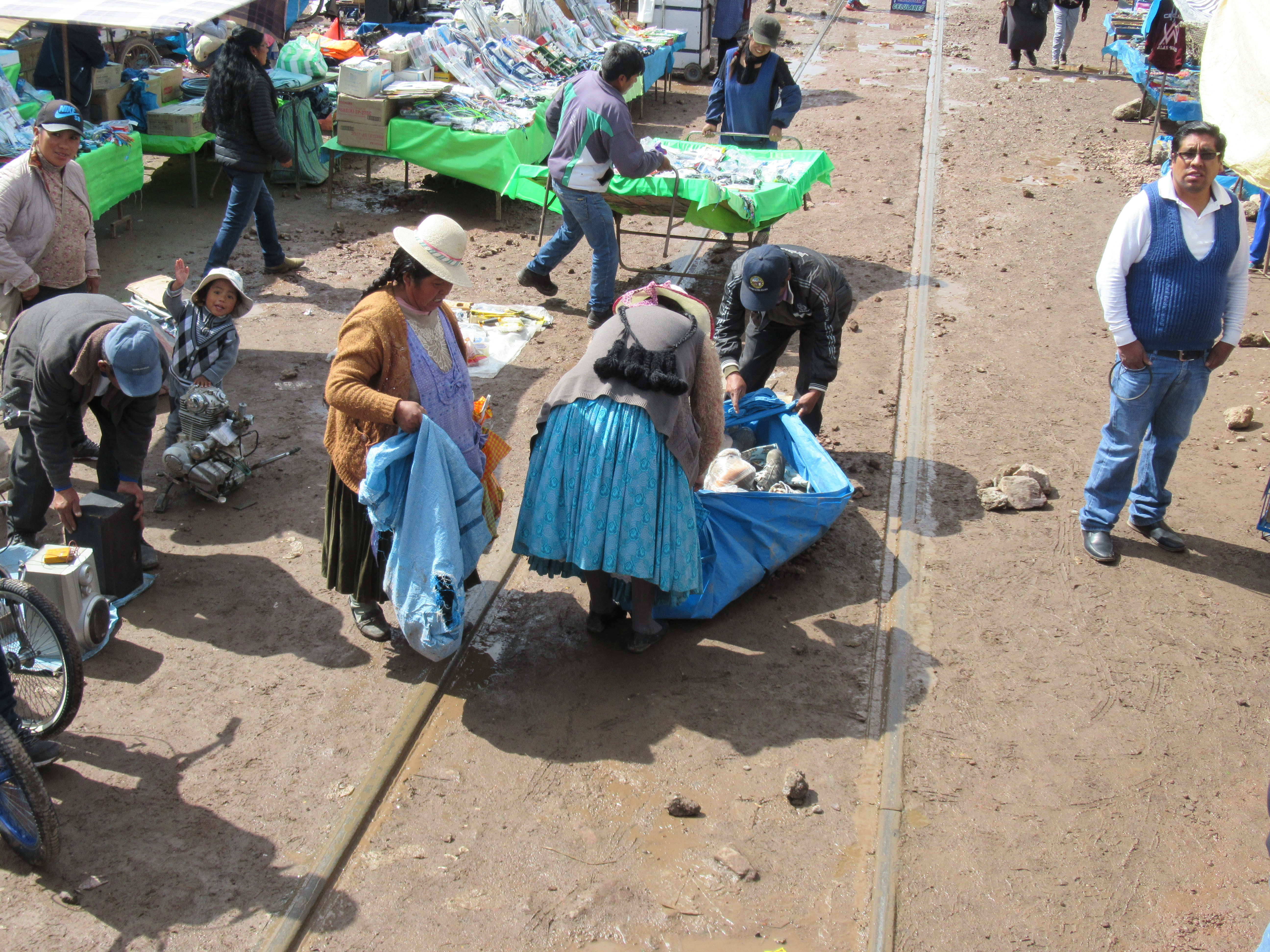
Pass through the town of Juliaca about 2hrs into the journey. The local market sets up shop along the railway line and actually on the railway line. Train continues to pootle through town sounding its warning horn to tell people to get out of the way. No sooner has the train passed then locals start putting their stalls back again on the tracks. Some haven’t even bothered to remove their wares and instead leave it on the sleepers between the tracks. They remain untouched as the train moves over them.

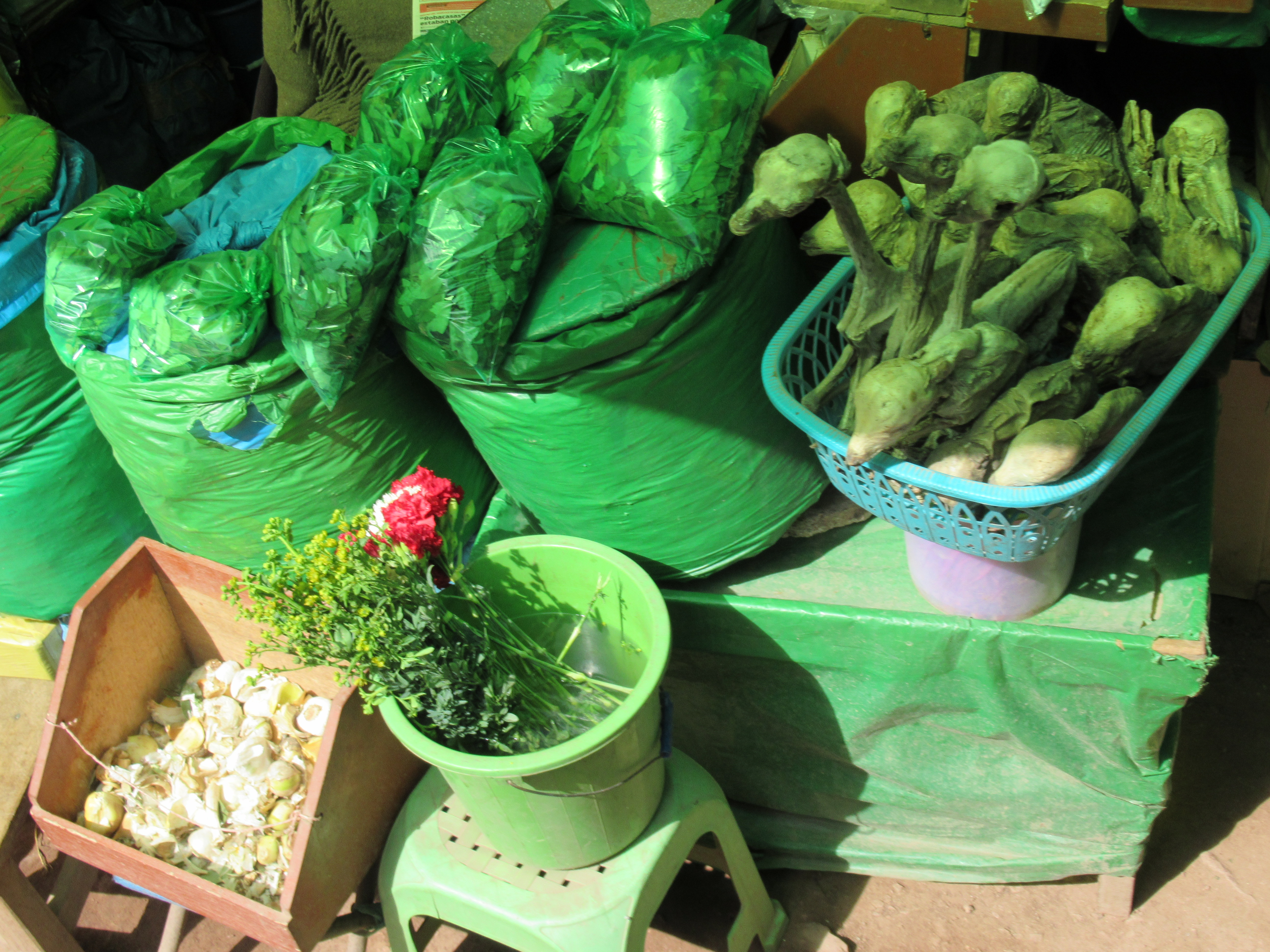
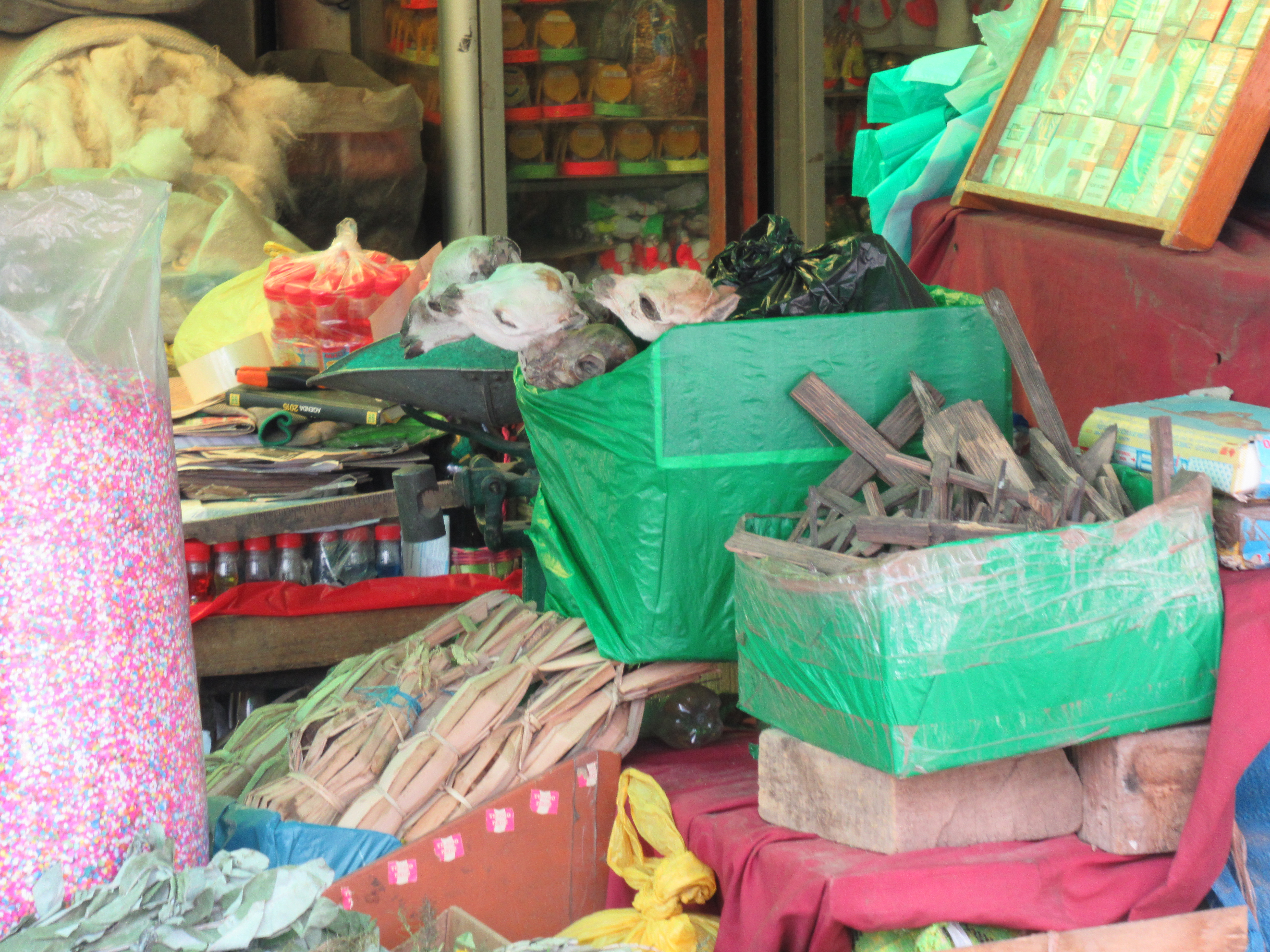
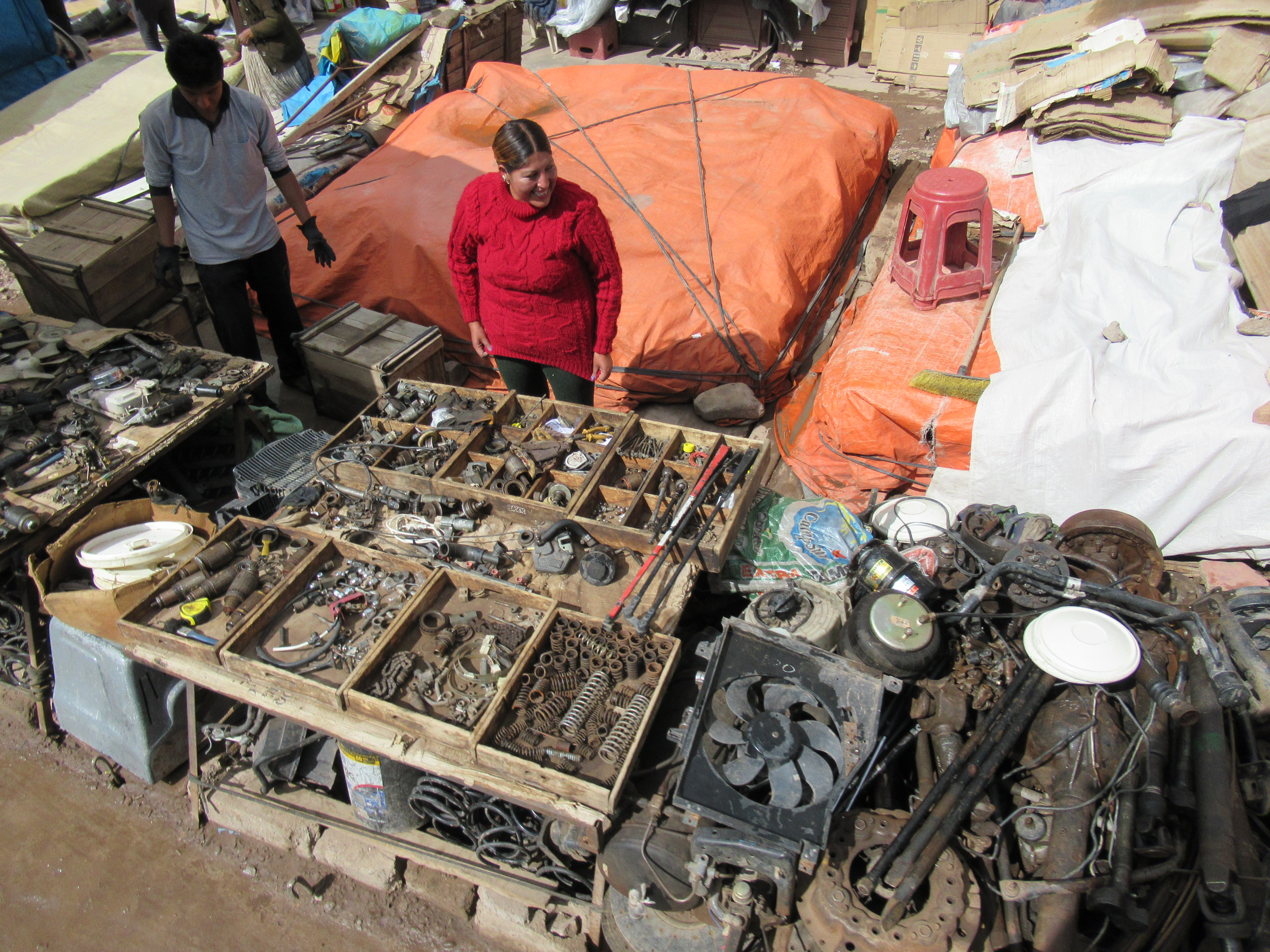
Fascinating being so close. The sides of the carriages are literally inches from the stall awnings and we get a bird’s eye view of what’s on display. One of the more intriguing things for sale is llama foetuses, used as good luck charms (see photos below). One of the more extensive sections of market is dedicated to vehicle spares, though supply seemingly far outweighs demand. The train’s security guard stands silently in the open air observation car to ensure that no locals try and jump aboard, which would easily be done.

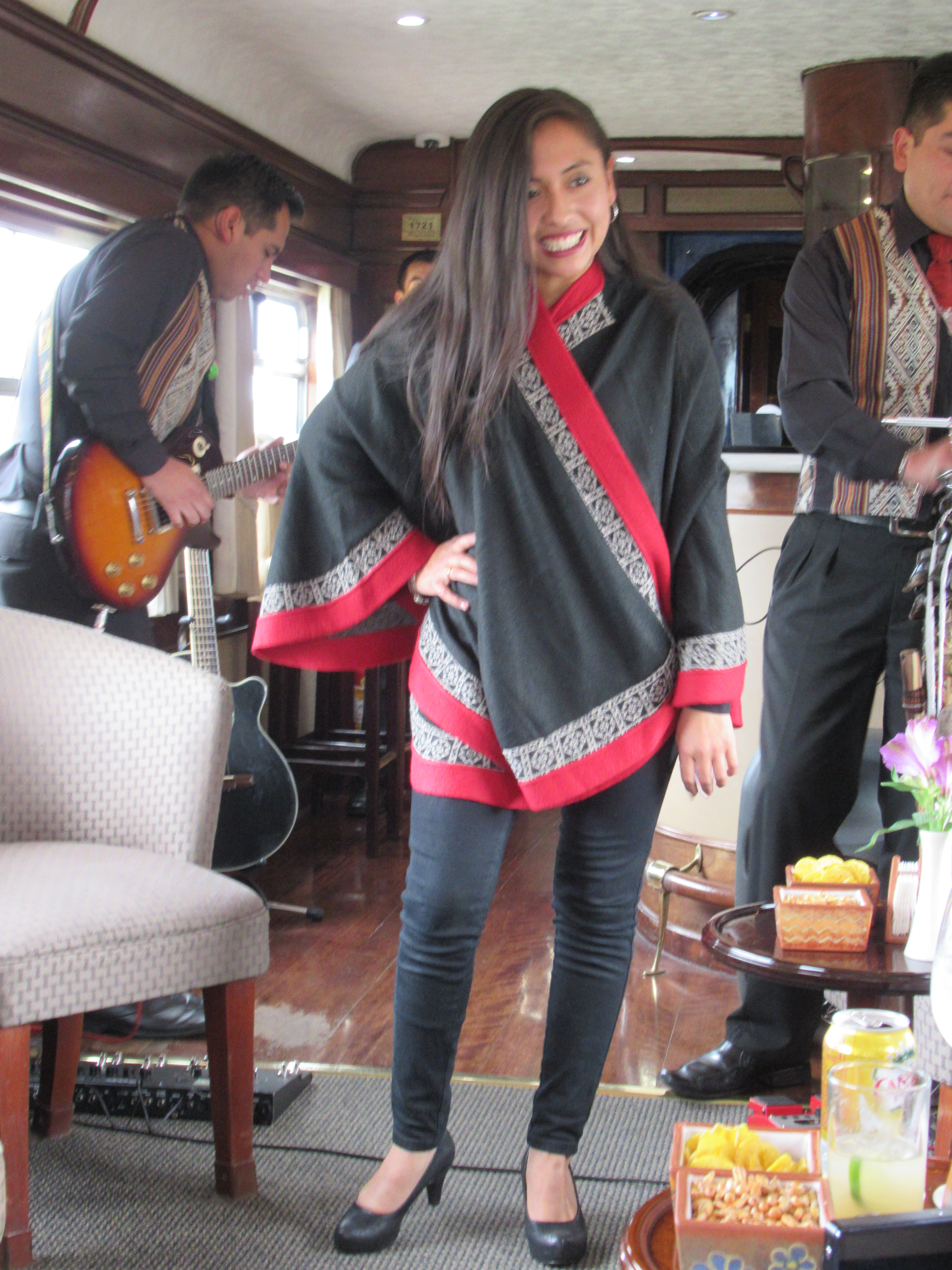
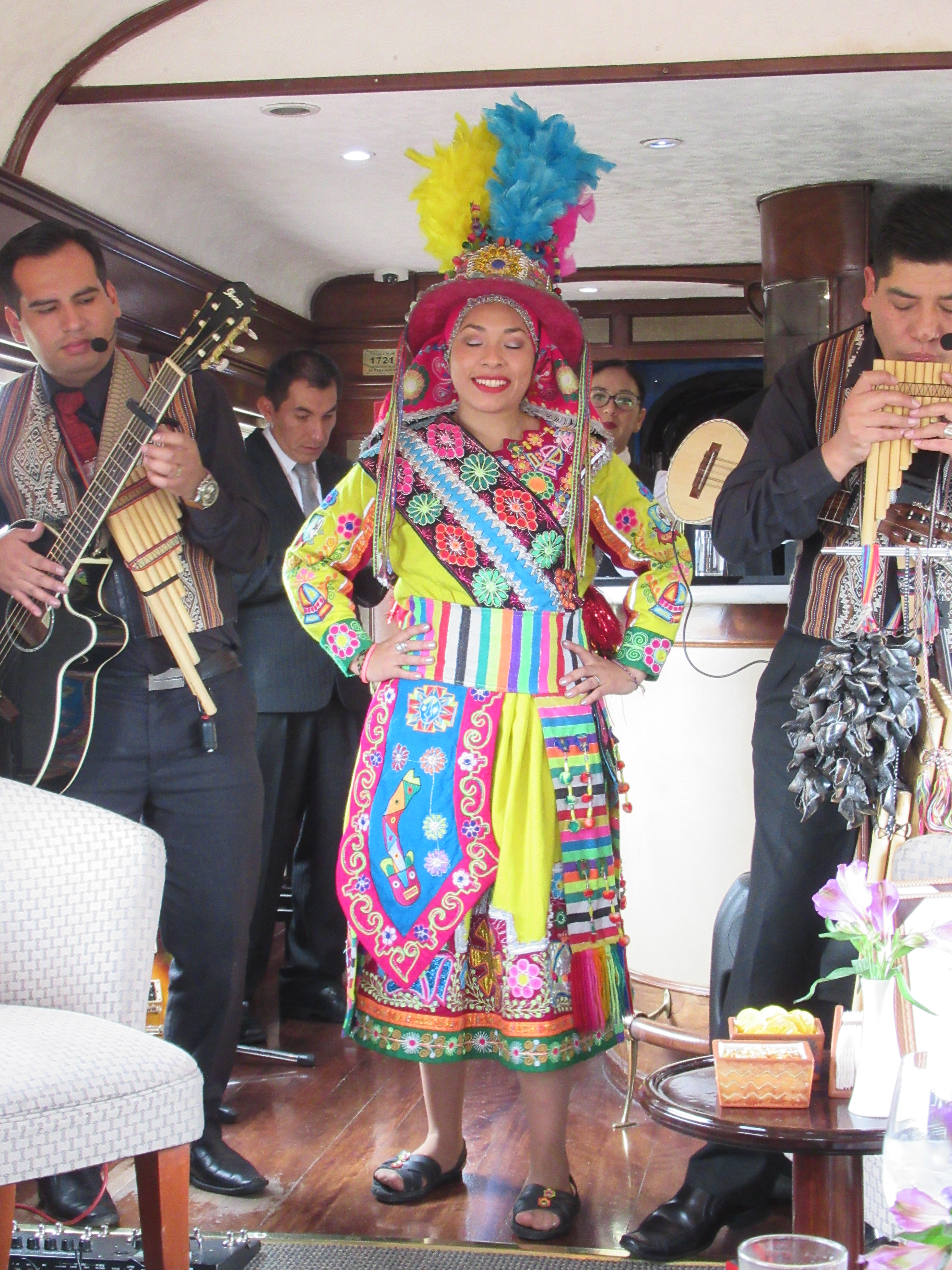
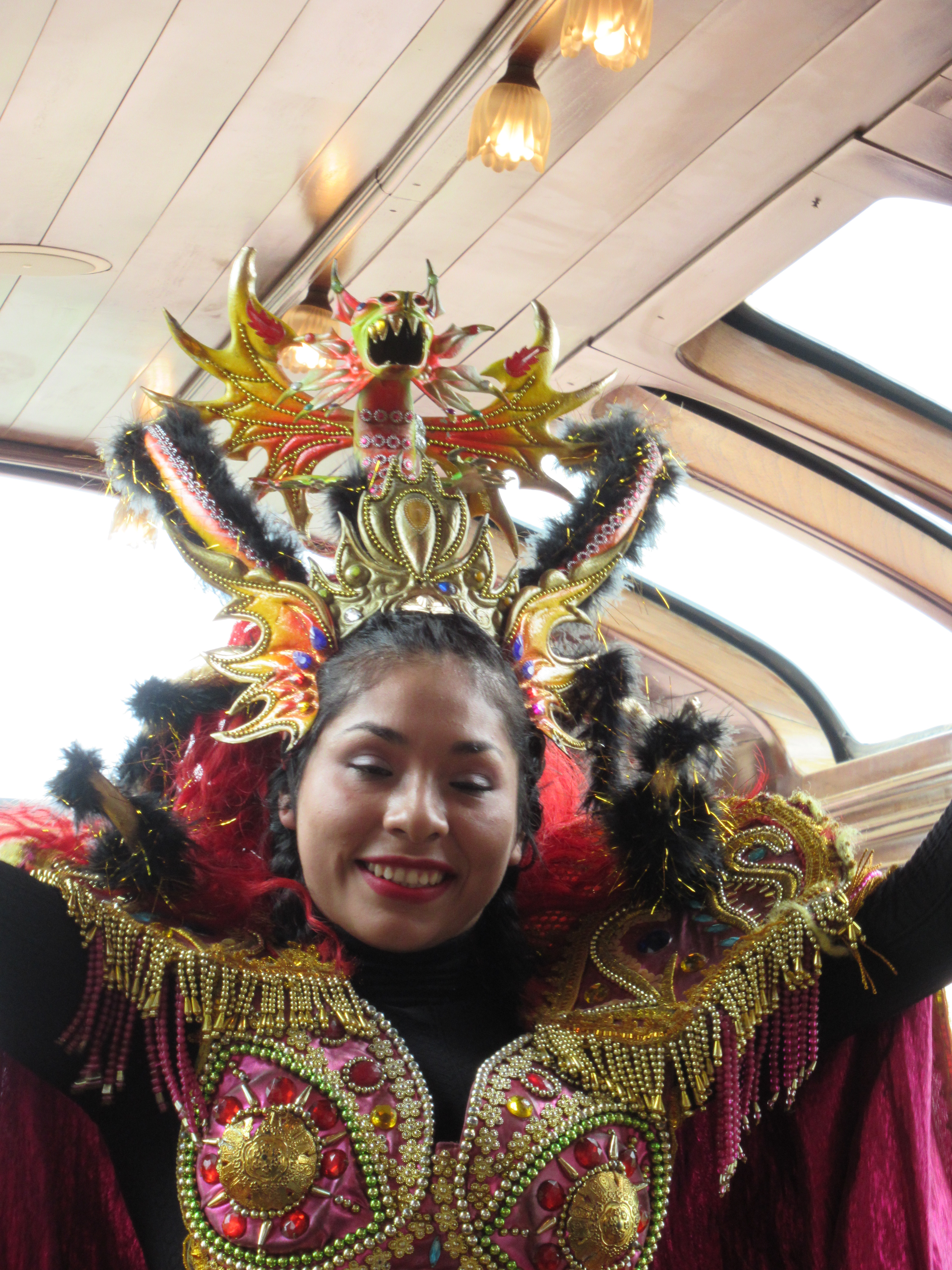
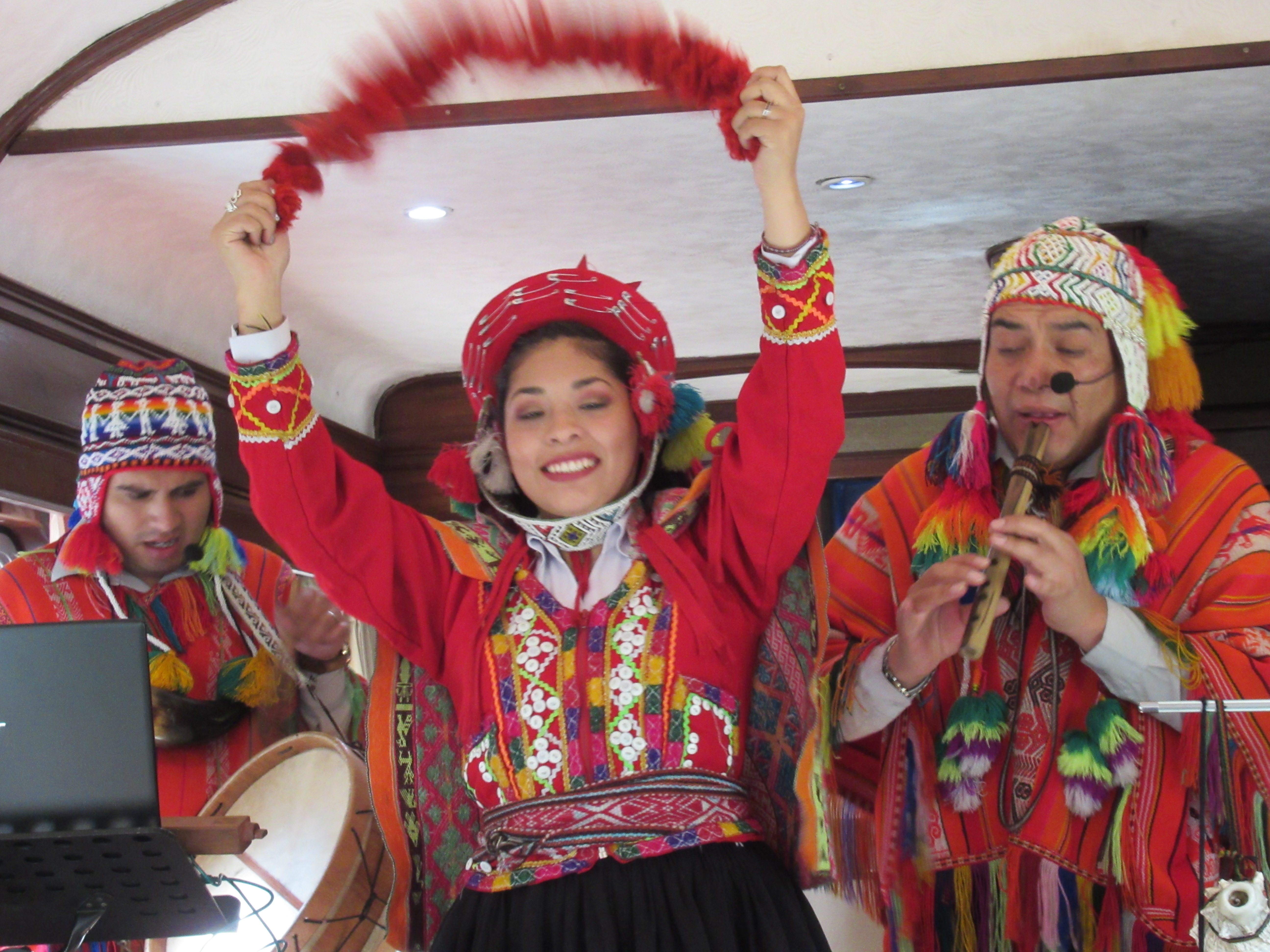
Experience the first of the onboard entertainment. If I had to experience it, so do you, so please watch the videos below! It’s a fashion and dance show to local Peruvian pan pipe music. Oh yes. They play all the Peruvian classics: Fiddler on the Roof, Imagine and a Simon & Garfunkel mash up.

As we’ve just left Puno, treated to Puno regional dancing. The glamourous dancer wears a dress that looks like she could be some planetary queen off the old TV series ‘Flash Gordon’. Finally, the morning’s entertainment is over, note I say ‘morning’s entertainment’, there’s more this afternoon. Have 10hrs to kill don’t forget.

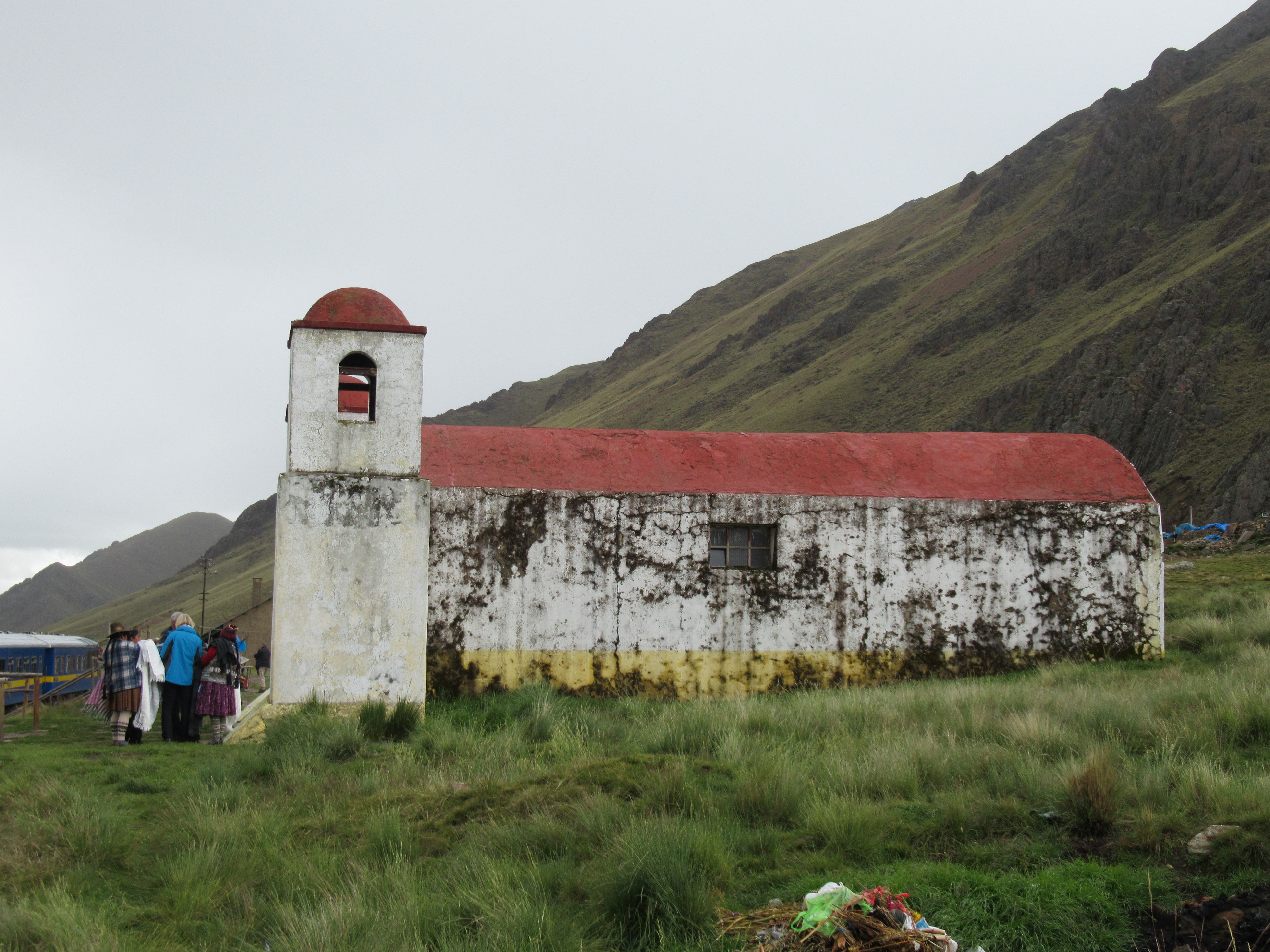
Excellent lunch as the scenery trundles by. The large expanse of land around Lake Titicaca gives way to more mountainous and rugged scenery as we climb from Puno’s 12,000ft to the highest point on the line at La Raya, at 14,300ft. Quick stop for 10mins to view the basic church at this mountain pass. And where tourists stop, there’s always a souvenir seller, right? Well there’s about 10 sellers. And a llama. Which roughly equates to 1 seller per 2 passengers. Assuming all passengers get off the train. But only the two French and three Brits do so. Two American women sit on the train moaning about their allergies. One has a face mask on and one keeps coughing and moaning about the air quality. Staggering considering we’re at 14,300ft. It’s probably the freshest, cleanest air she’ll ever breathe.
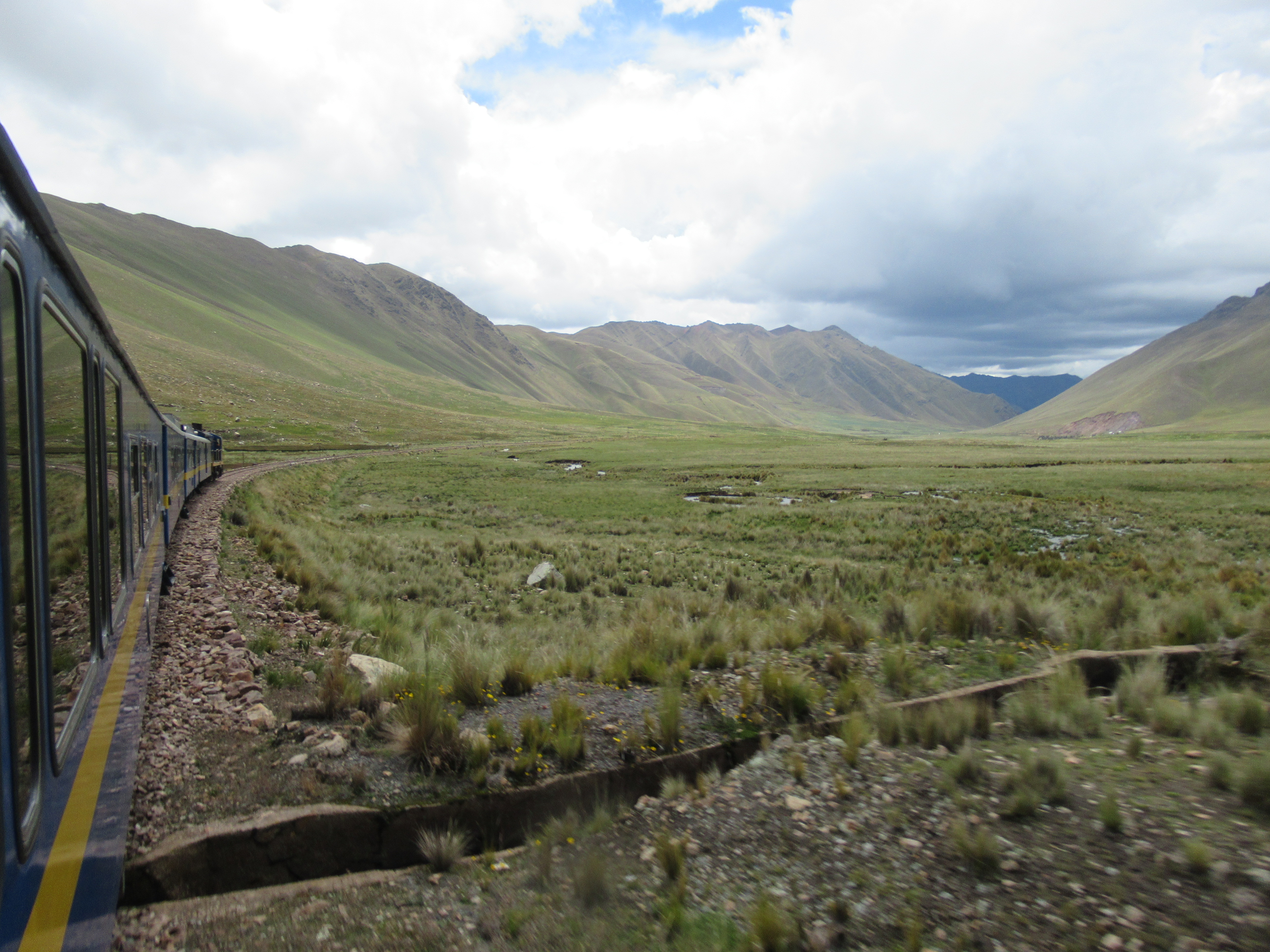
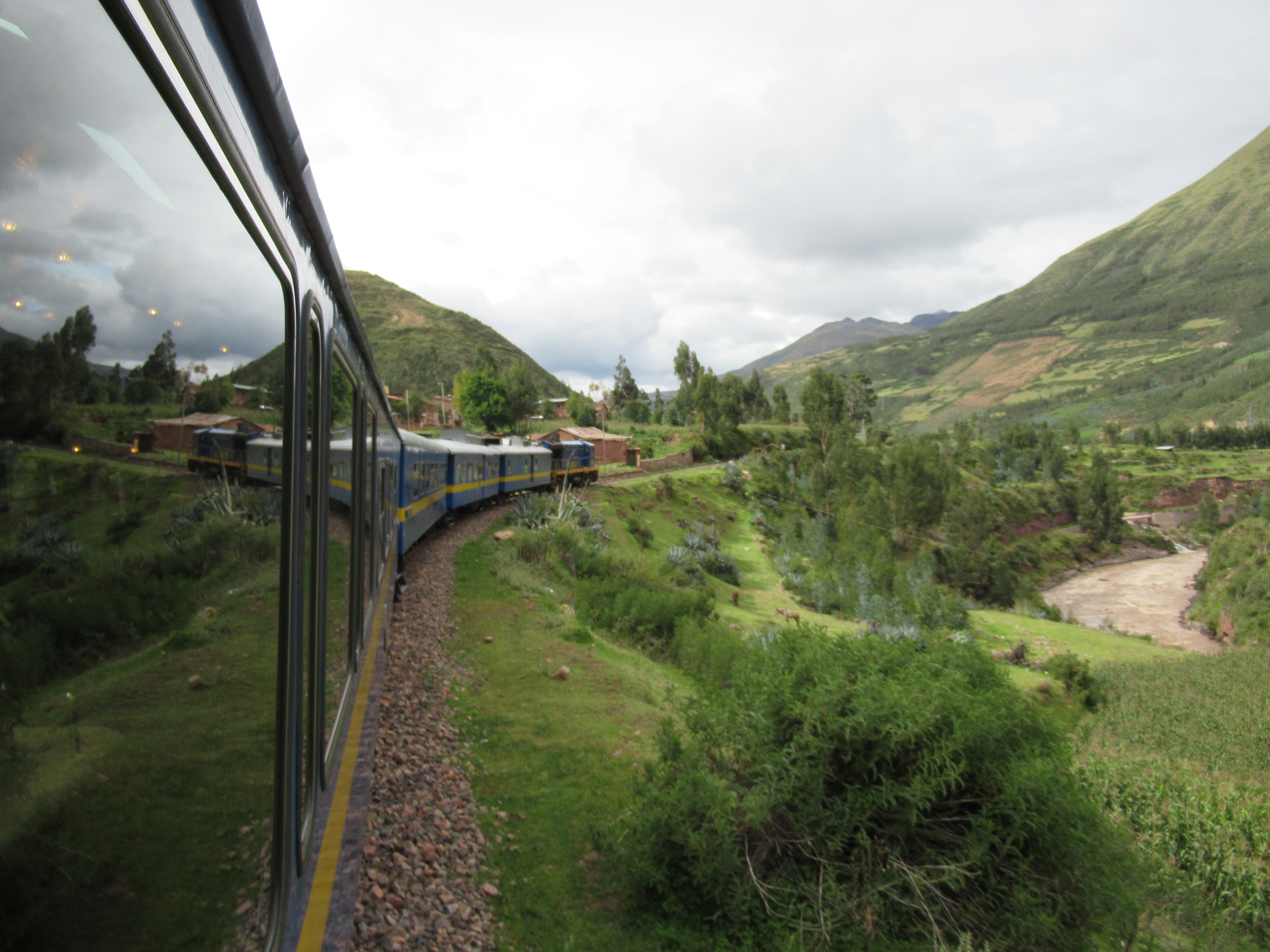
All downhill now for the next 5-6hrs, to Cusco at 11,000ft. Very mountainous like Glencoe in Scotland and eventually the railway line drops down into a canyon. A muddy brown raging torrent of a river below as the tracks cling and snake around the cliff face. Marvellous engineering.

And so to this afternoon’s entertainment. As we’re approaching Cusco, treated to Cusco regional dancing. Which. Is. Very. Similar. To. Puno. Regional. Dancing. The only saving grace to this affair is that it’s preceded by a Pisco Sour cocktail making class. The music is over amplified and the PA system makes the compere sound like he’s in a 1970s railway station with plenty of reverberation.

Approach the outskirts of Cusco. Last time I did this trip in 2001, a local threw a rock at the train window which smashed. Fortunately, no such incident occurs and arrive at Wanchaq station on time. 10hrs of rocking and rolling and your body feels like it’s still rocking and rolling some hours later as you lie in bed.

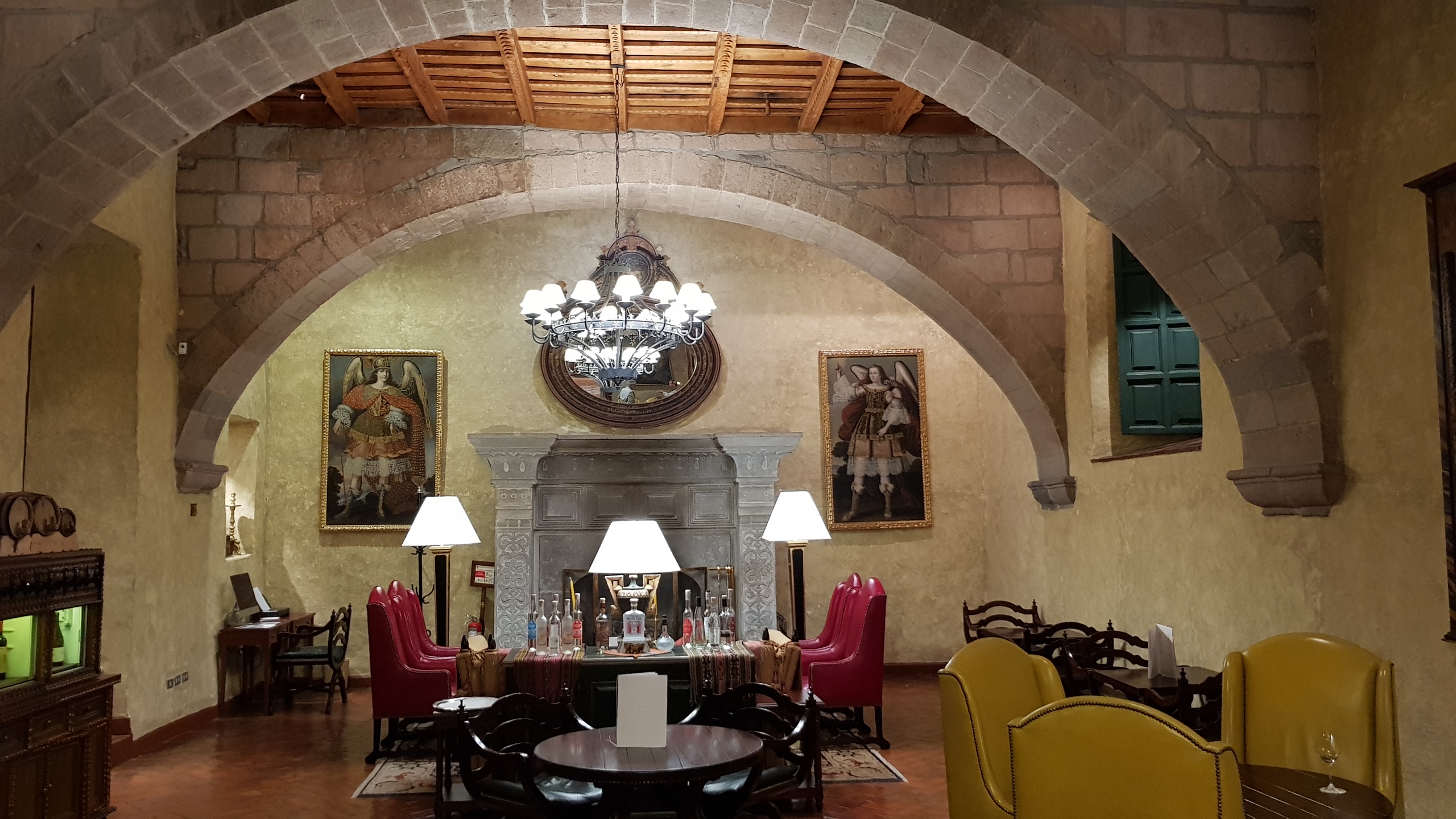
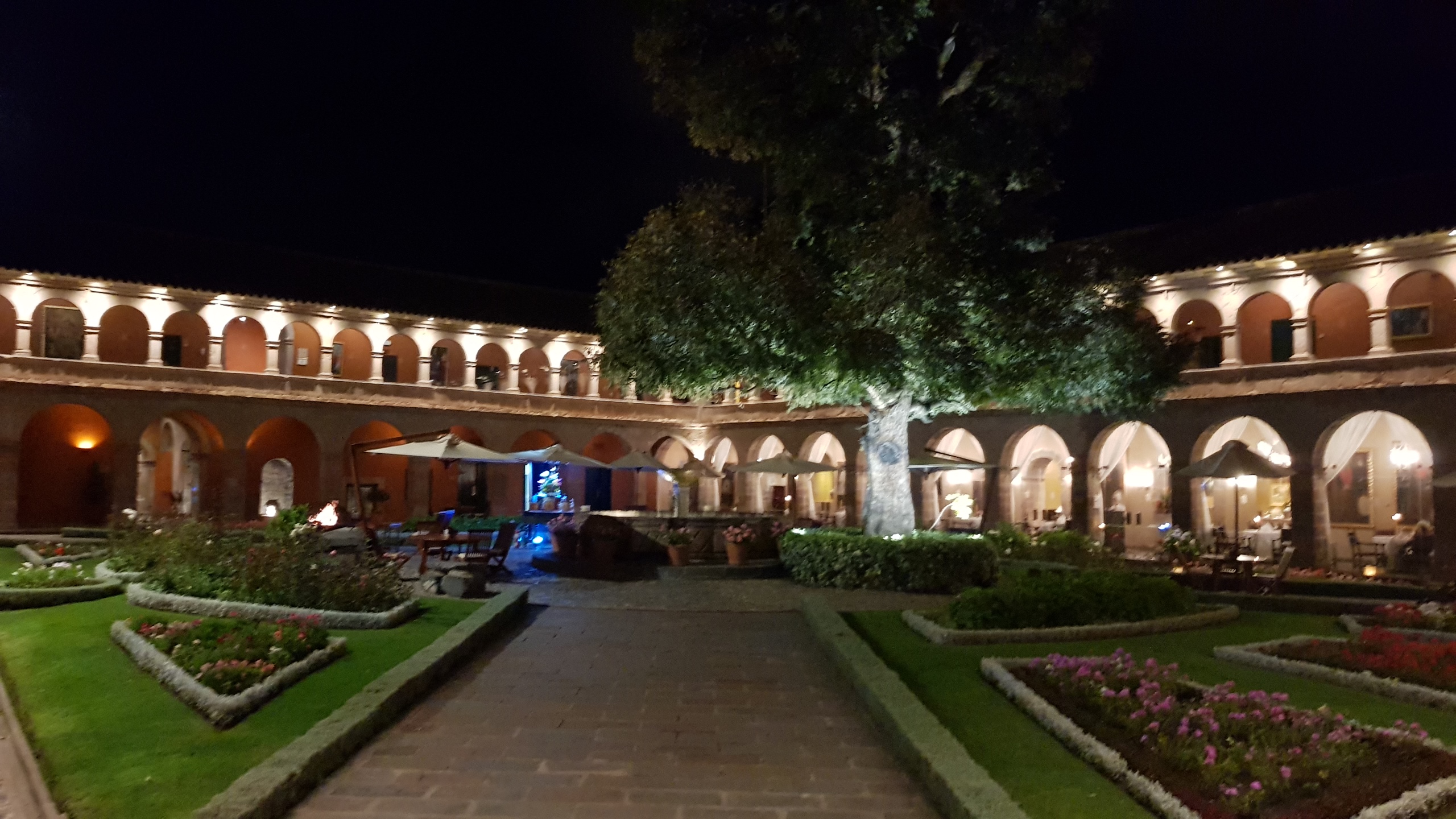
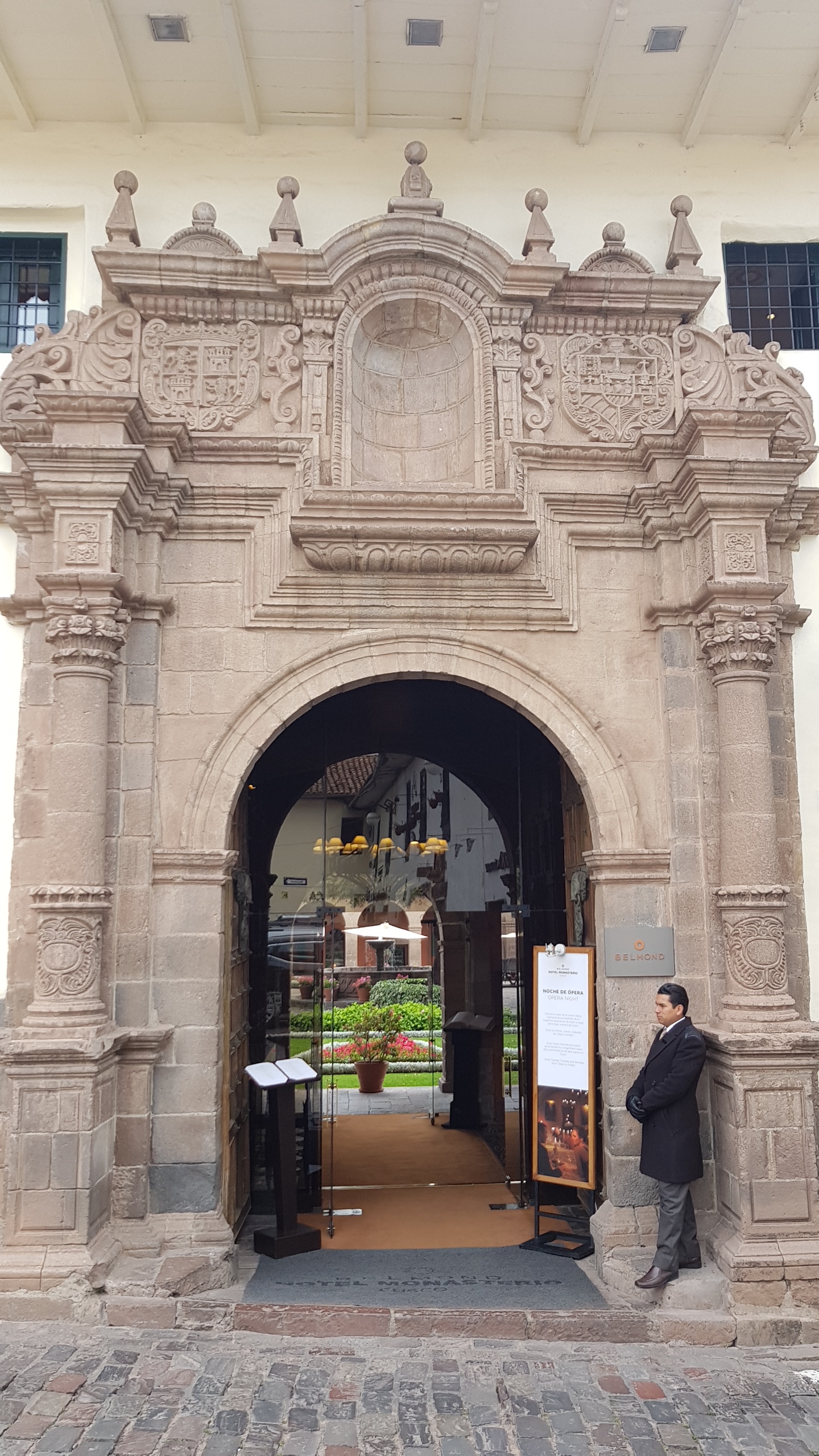
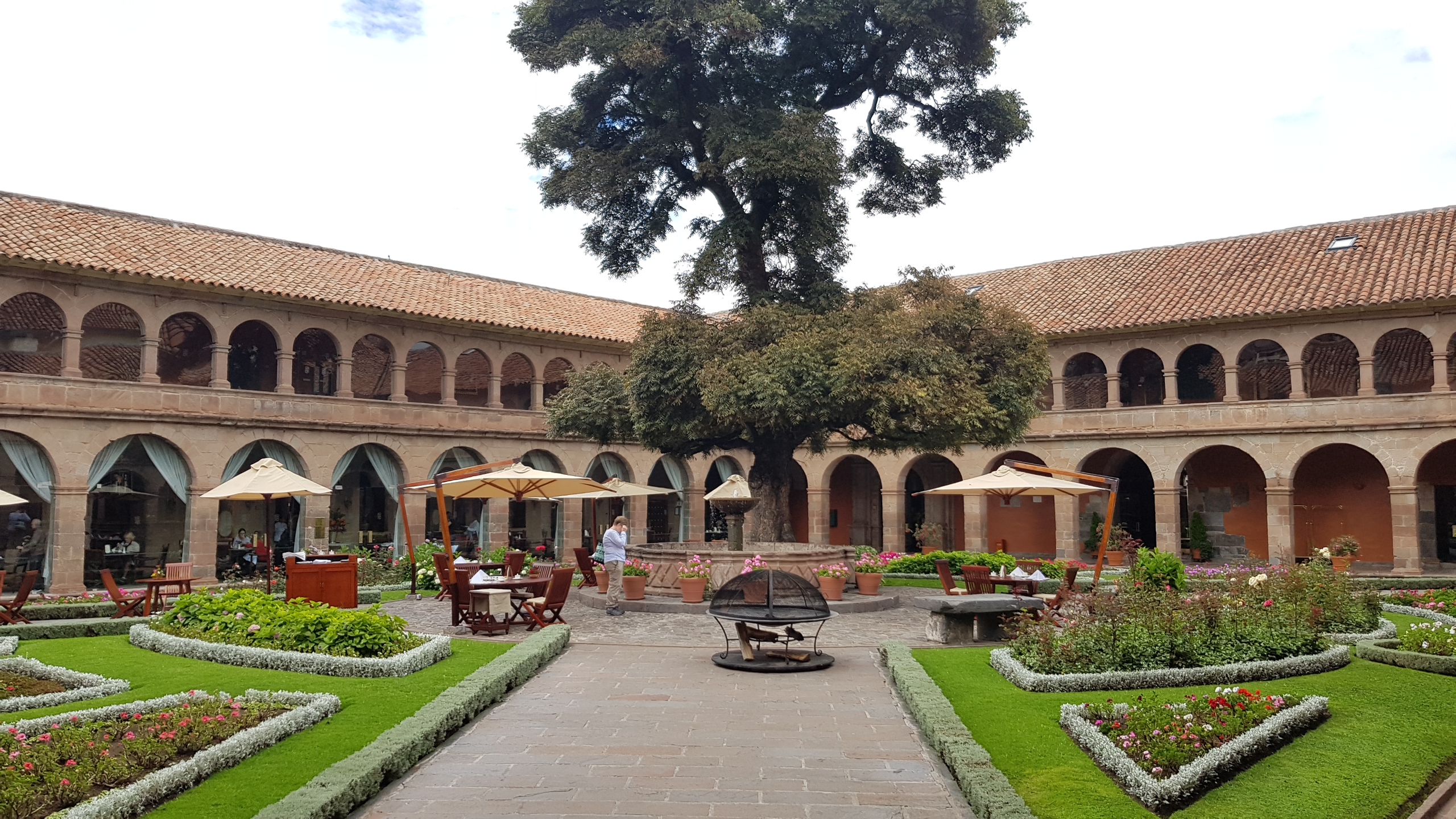
Overnight at the Belmond Hotel Monasterio (https://www.belmond.com/hotels/south-america/peru/cusco/belmond-hotel-monasterio/). A very pleasant place to stay. Converted monastery right in the centre of the old town but my memory is playing tricks on me as it’s not how I remember it from all those years ago.

43. Happy birthday

Sunday, 3 February 2019

Puno, Peru


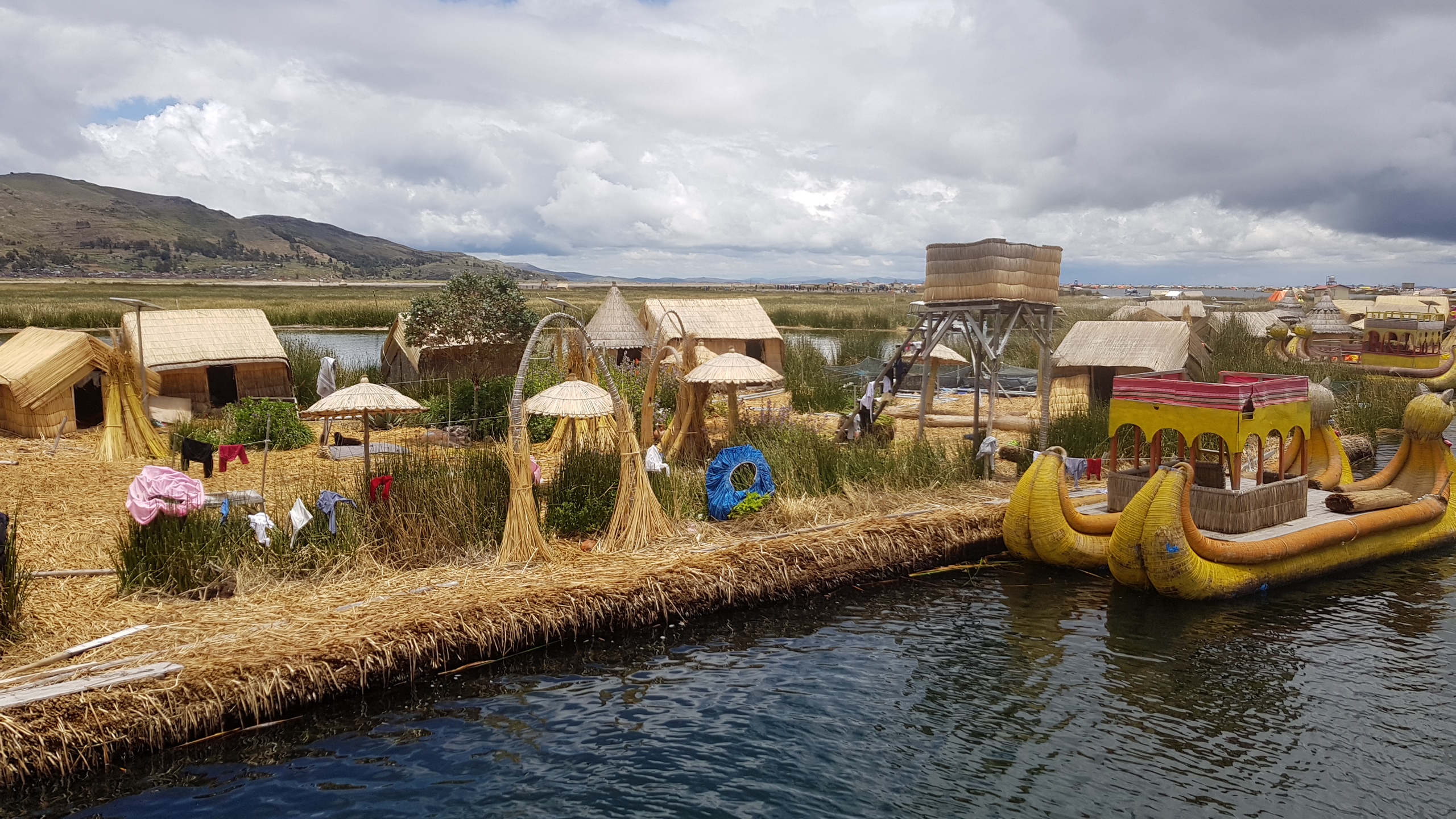
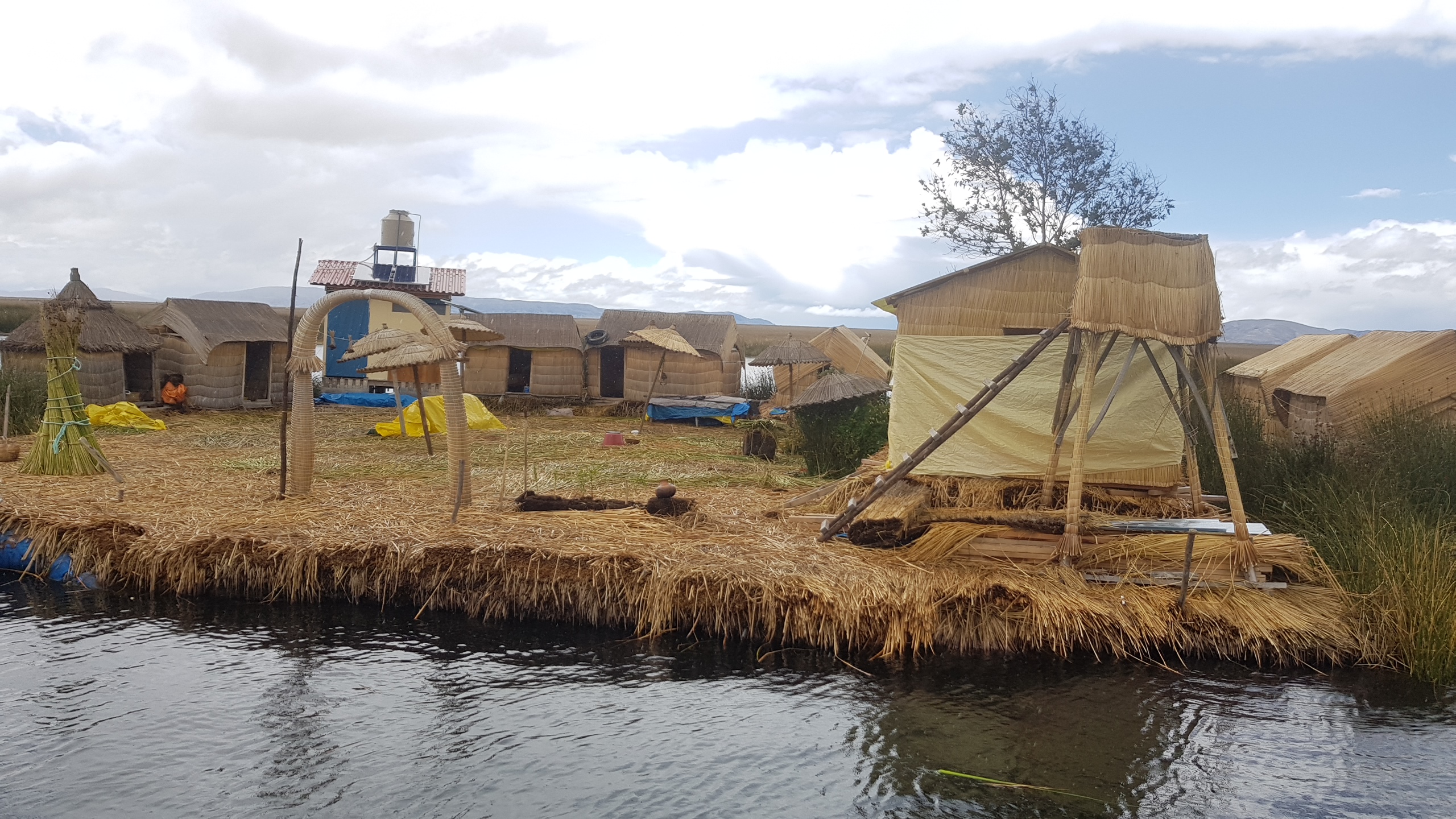
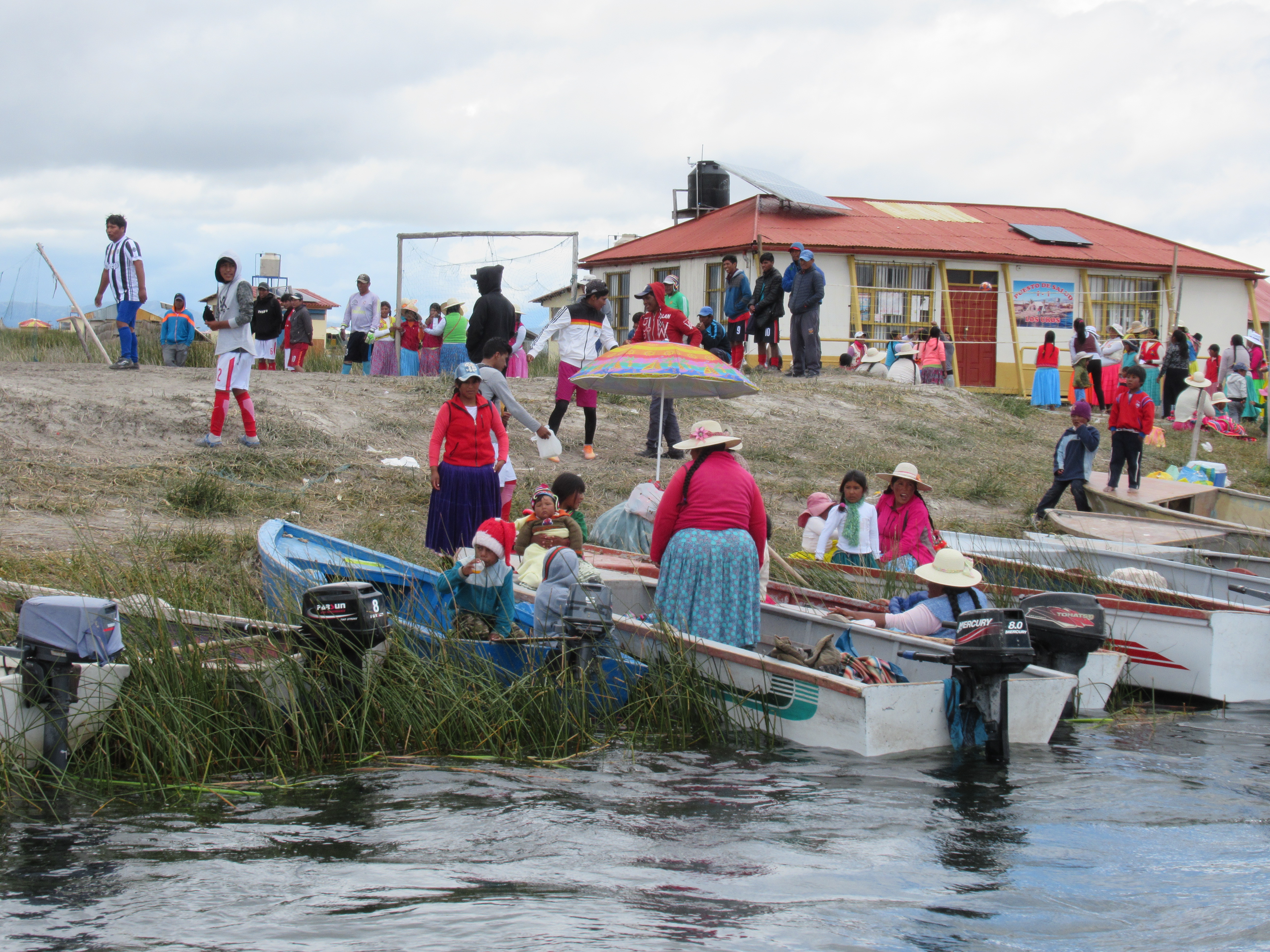
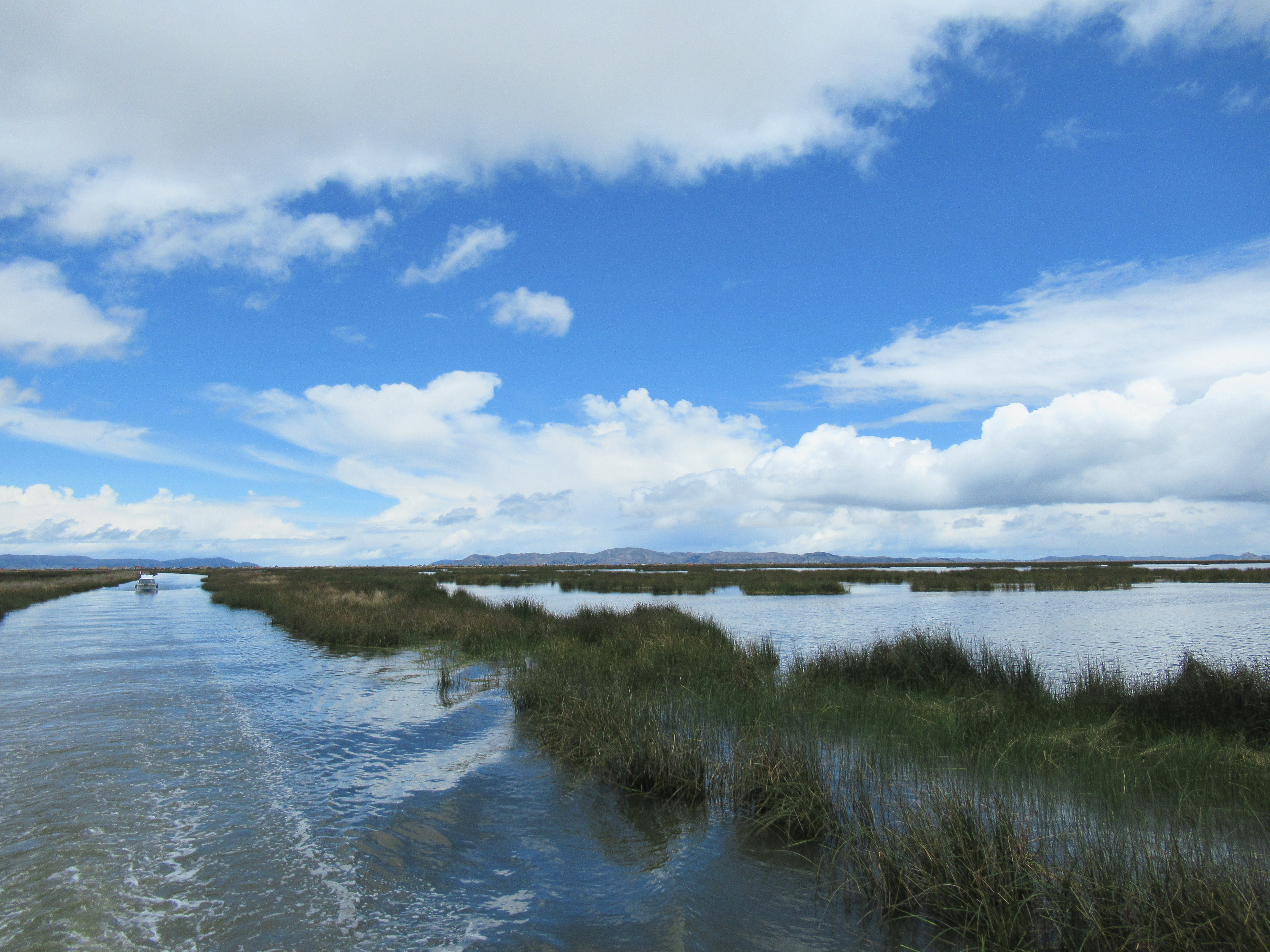
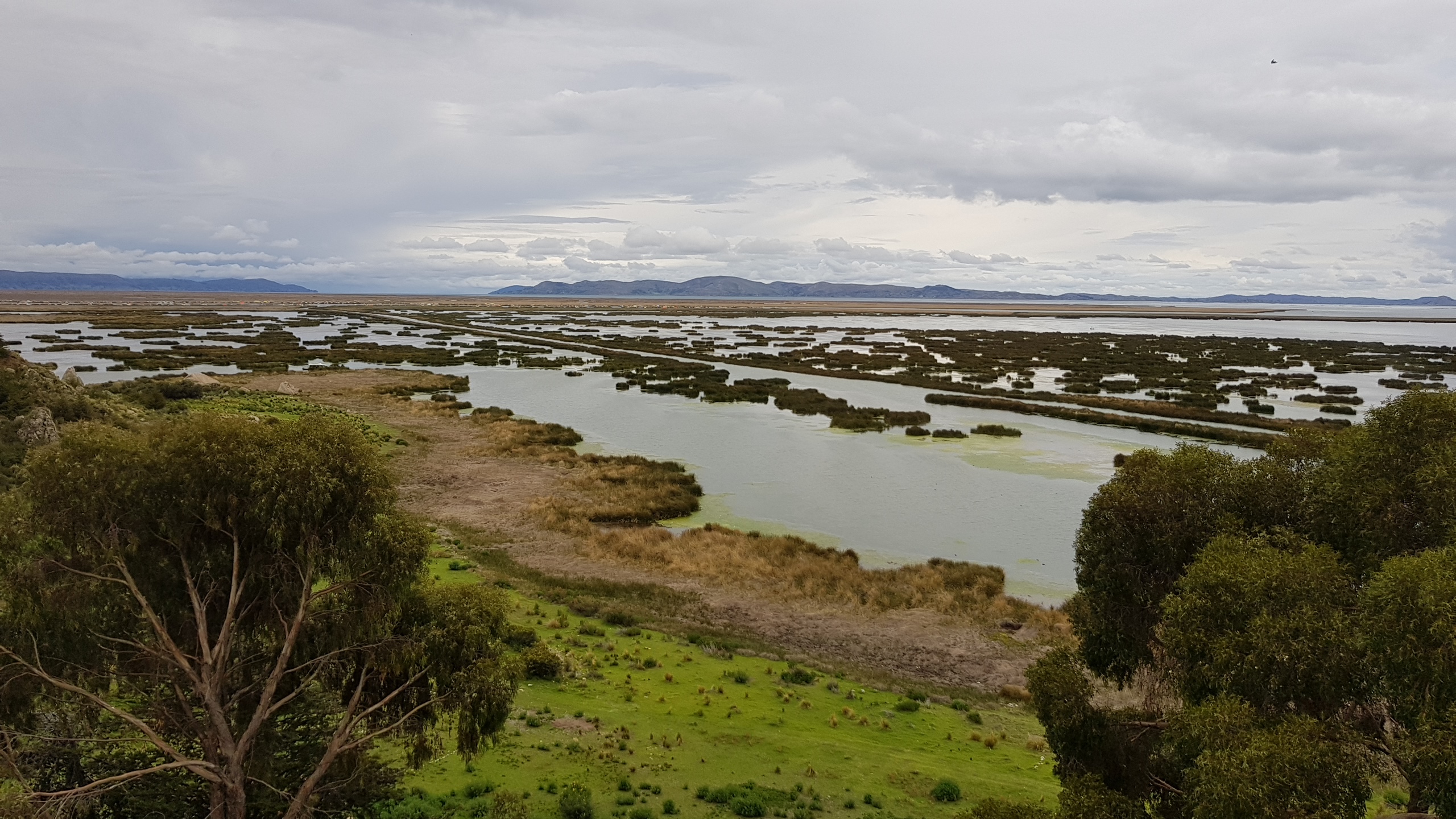
Plenty of tour boats as we chug along a channel through the reeds to the Uros floating reed islands on Lake Titicaca. The channel has been created by dredging and a solid island of mud has been formed which is the local football pitch. There’s a match on, which explains where all the men are.

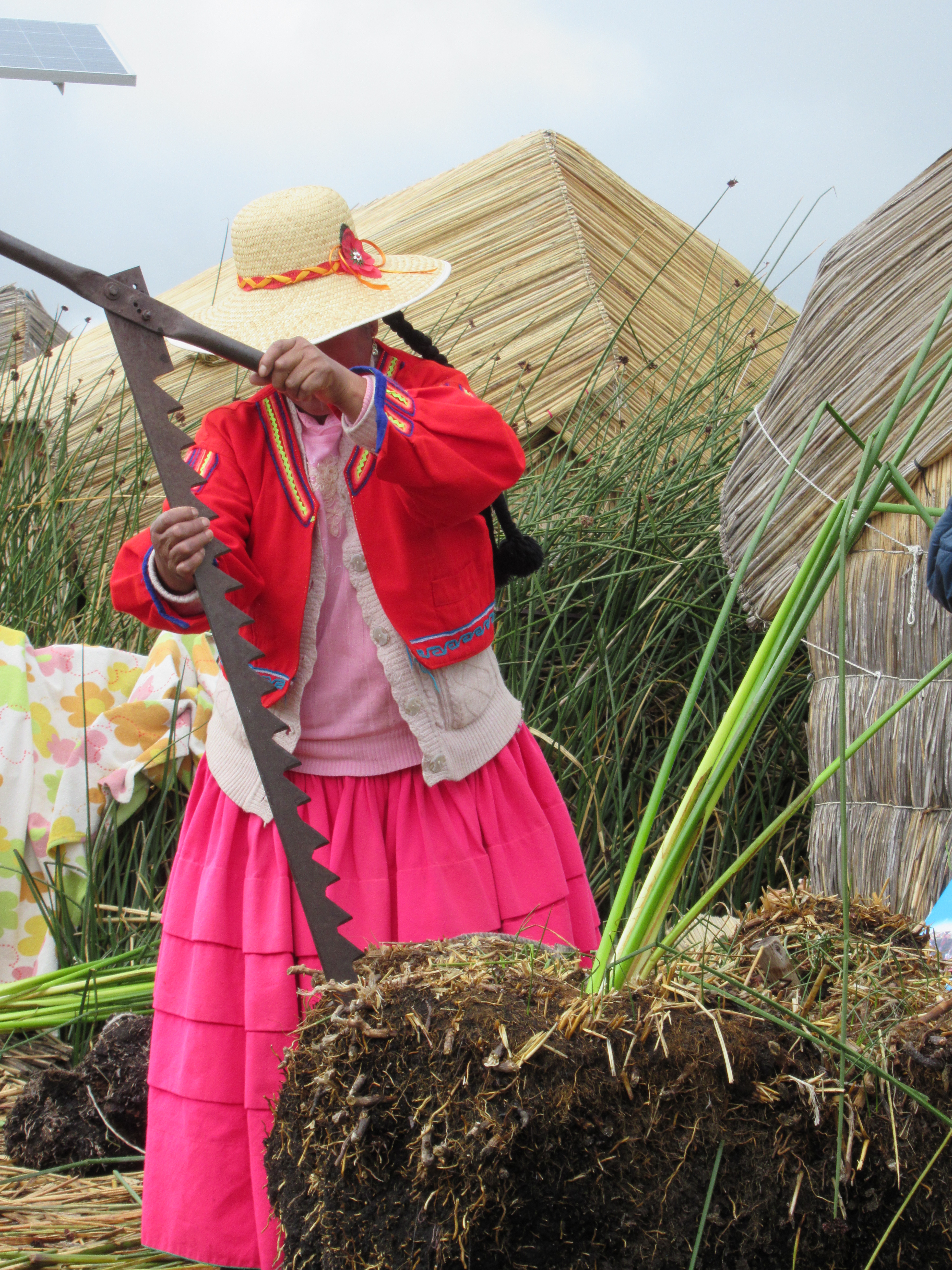
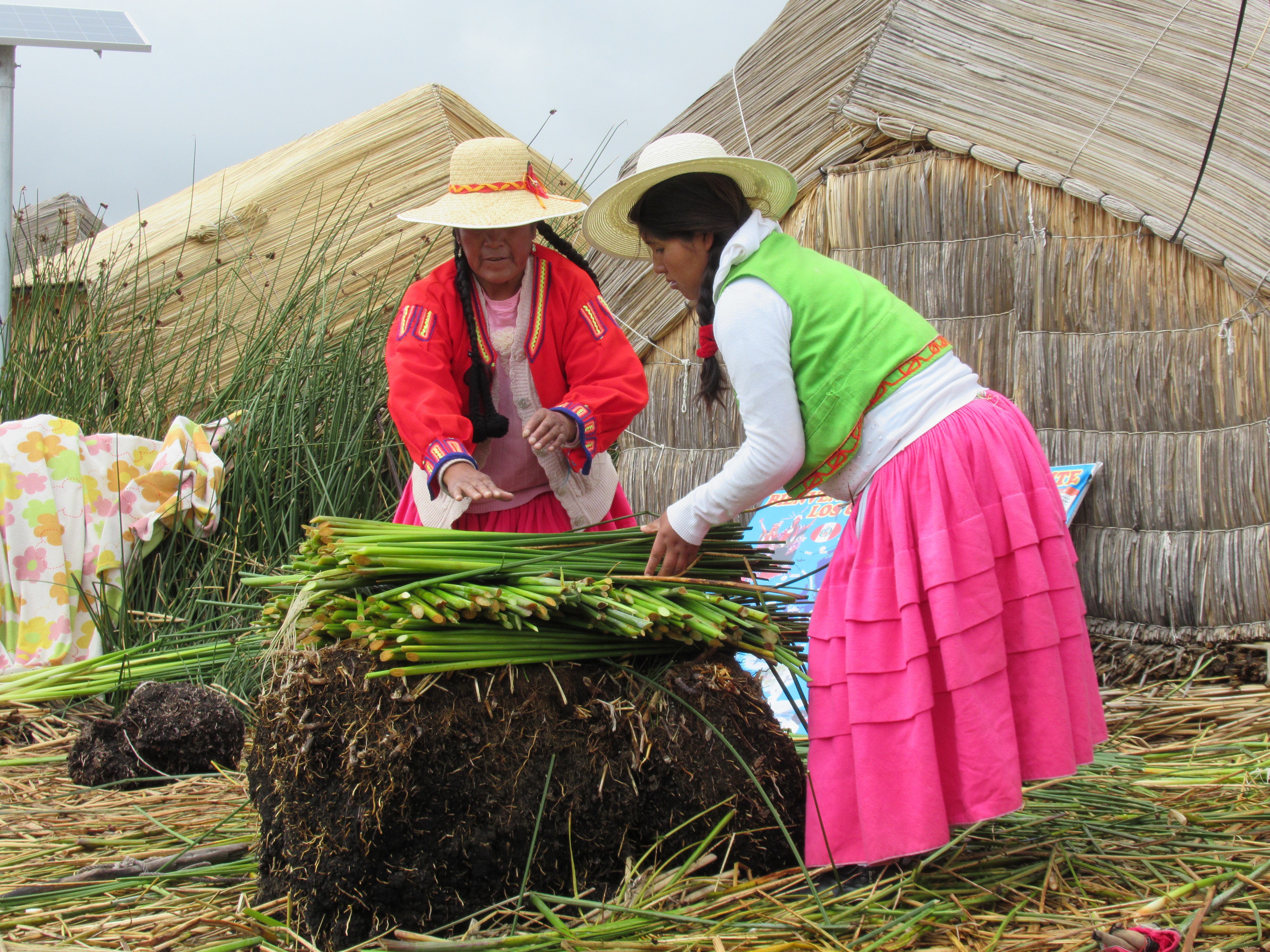
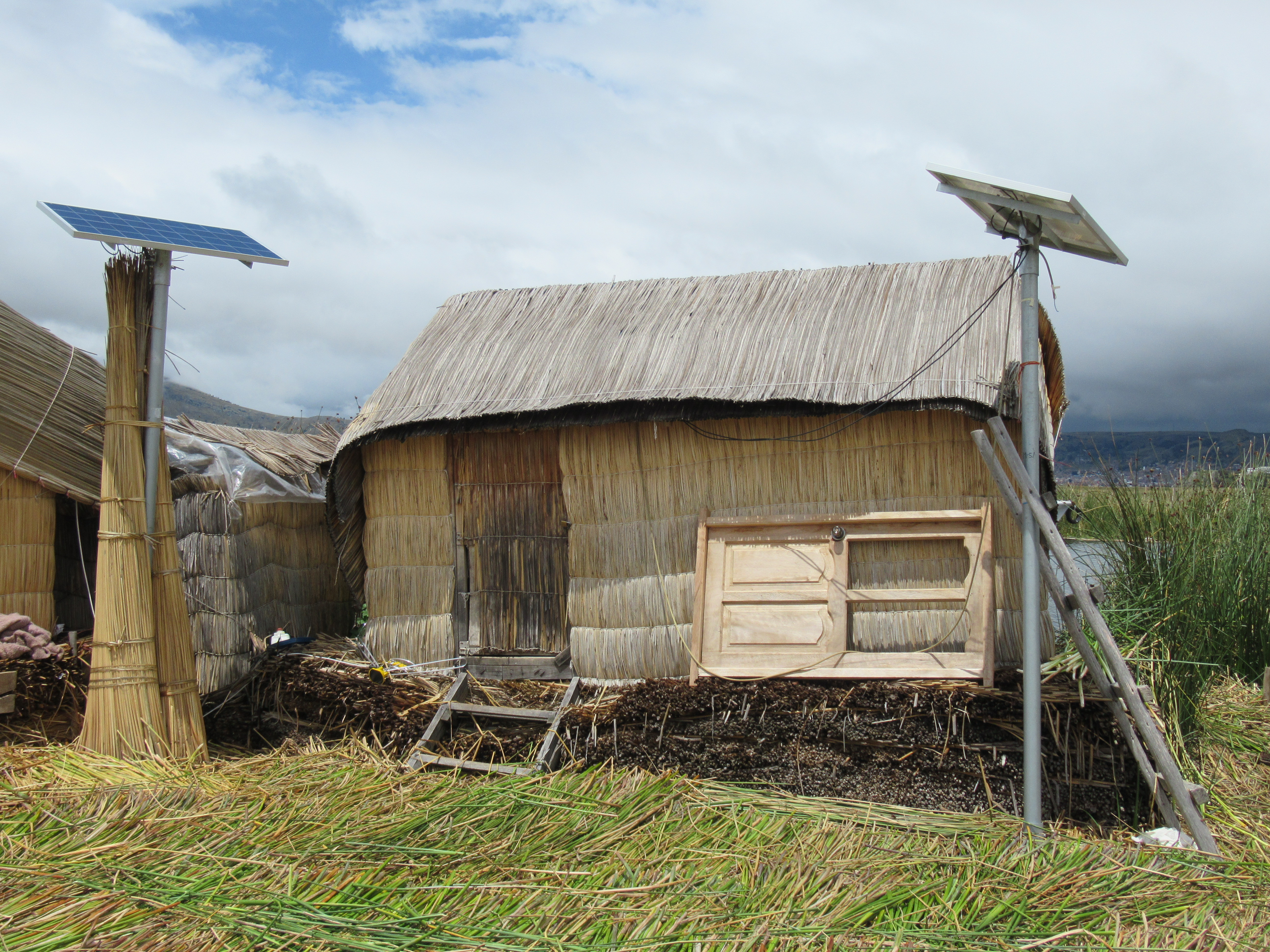
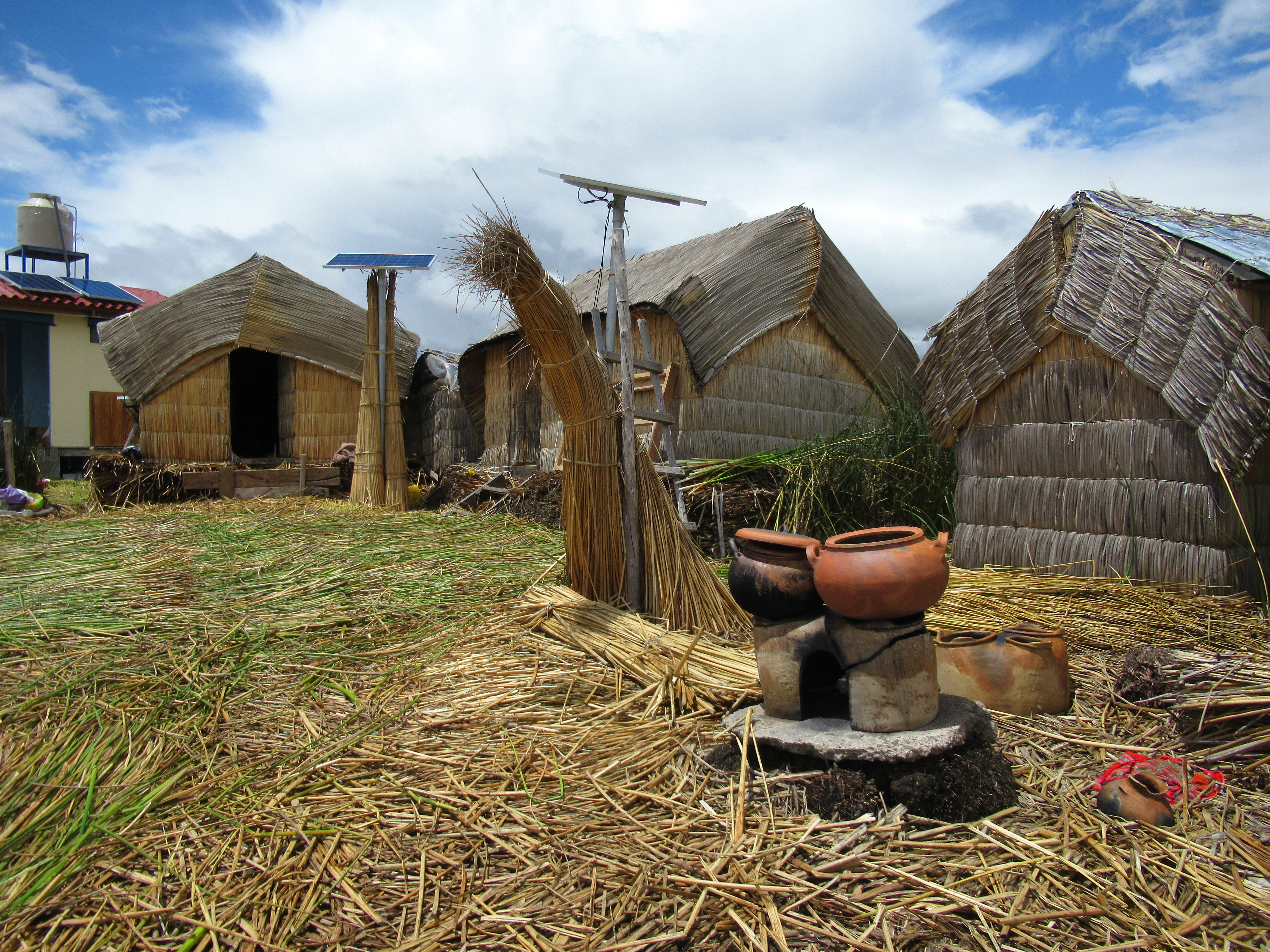
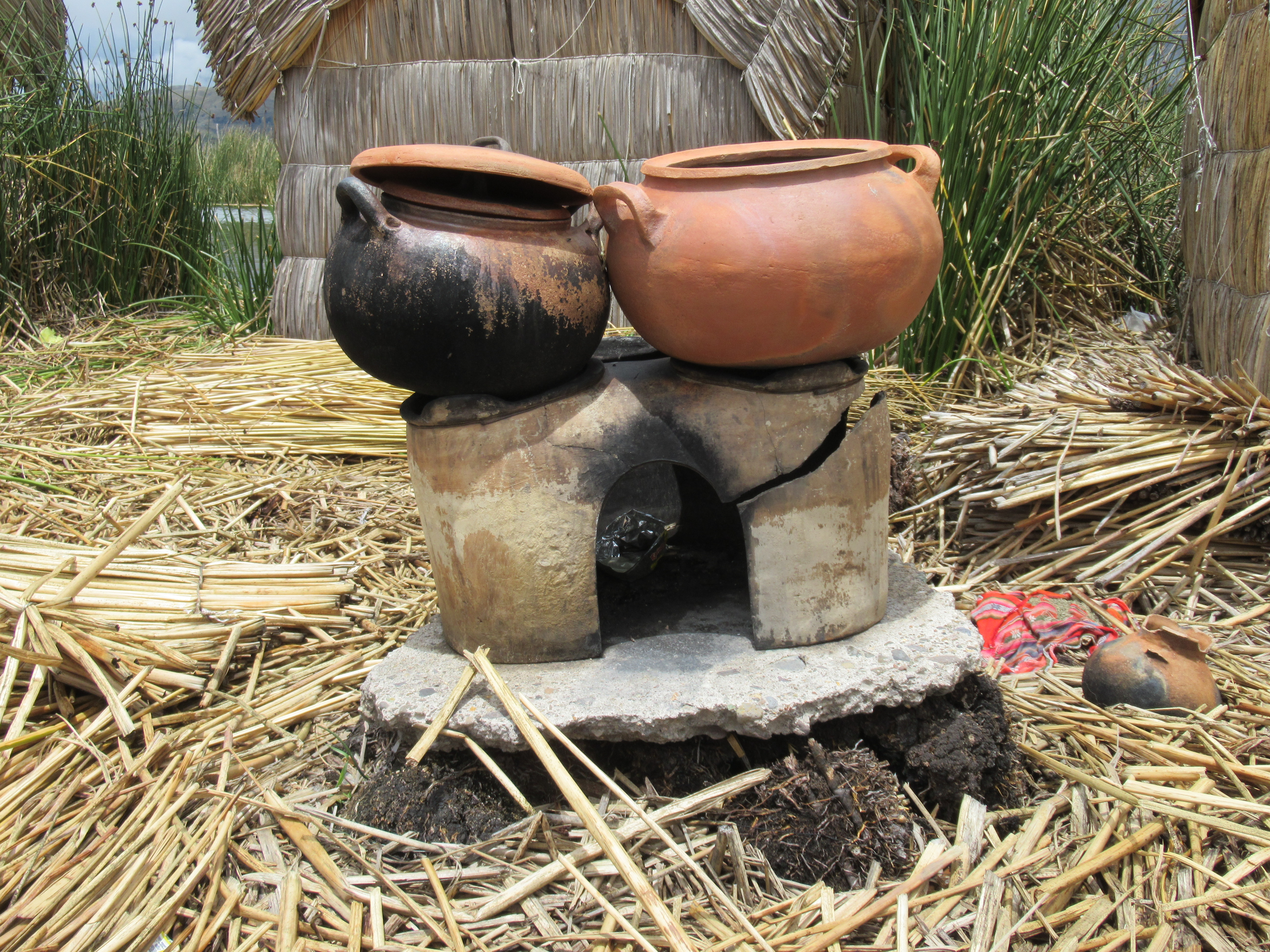
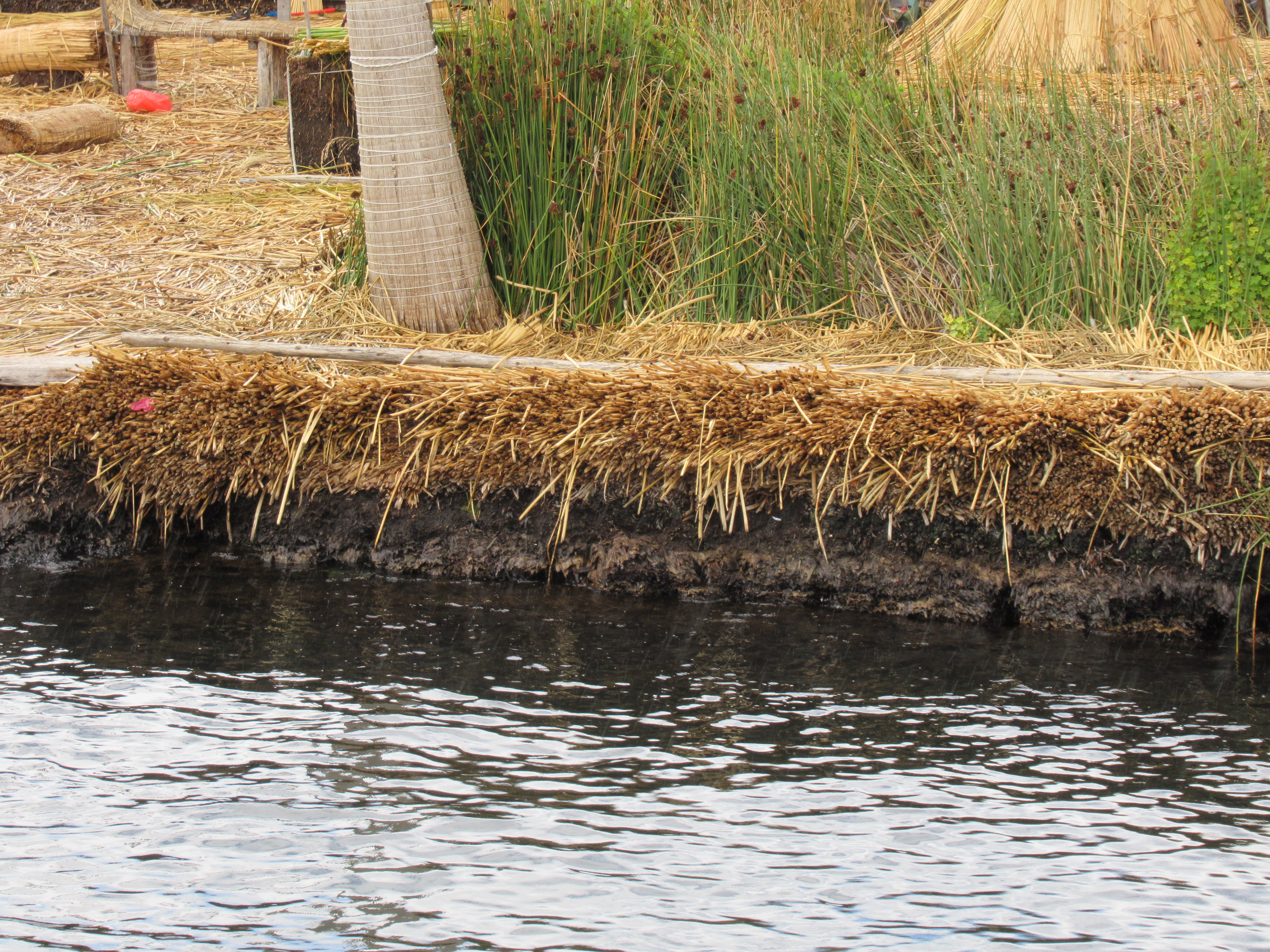
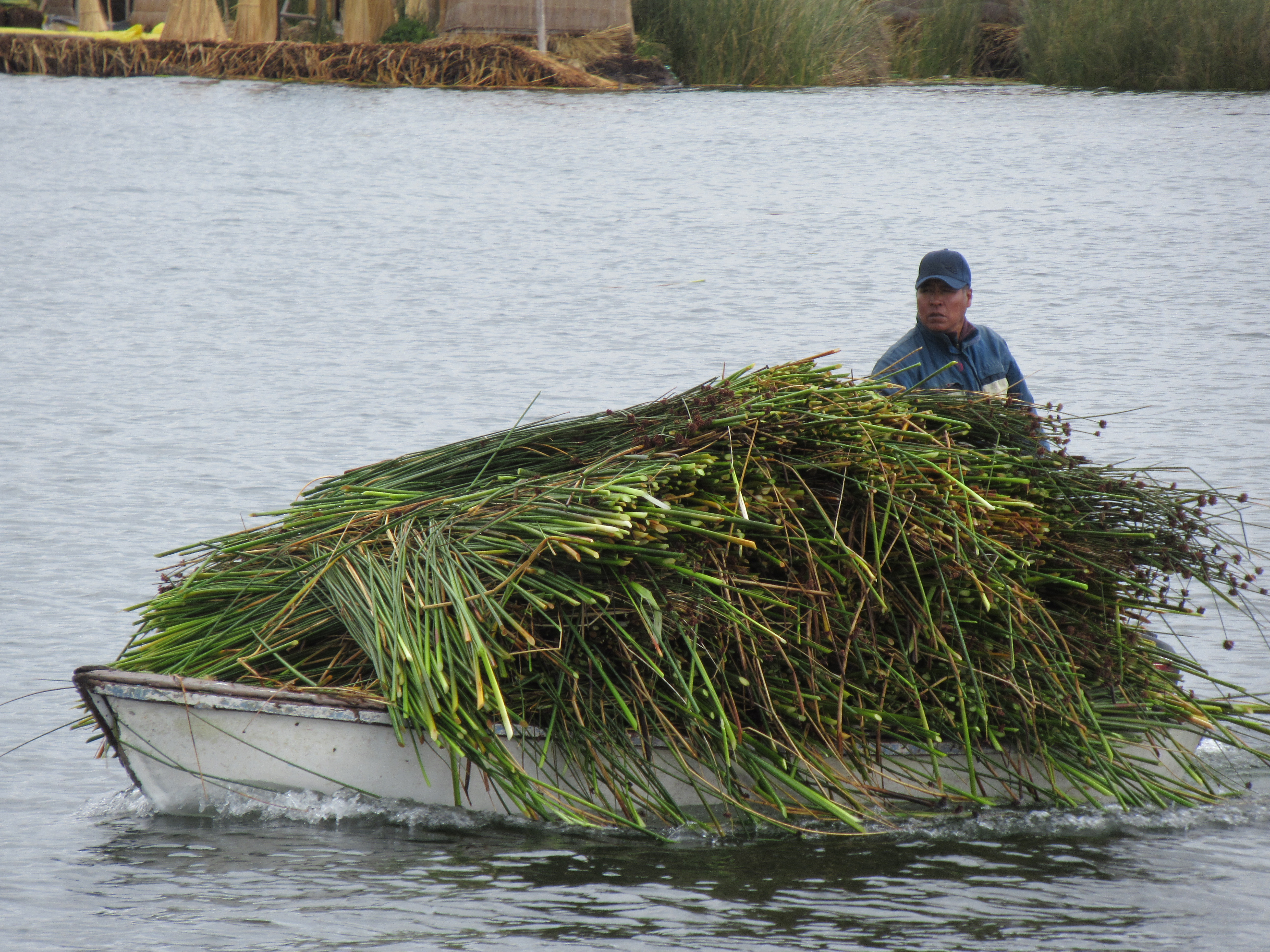
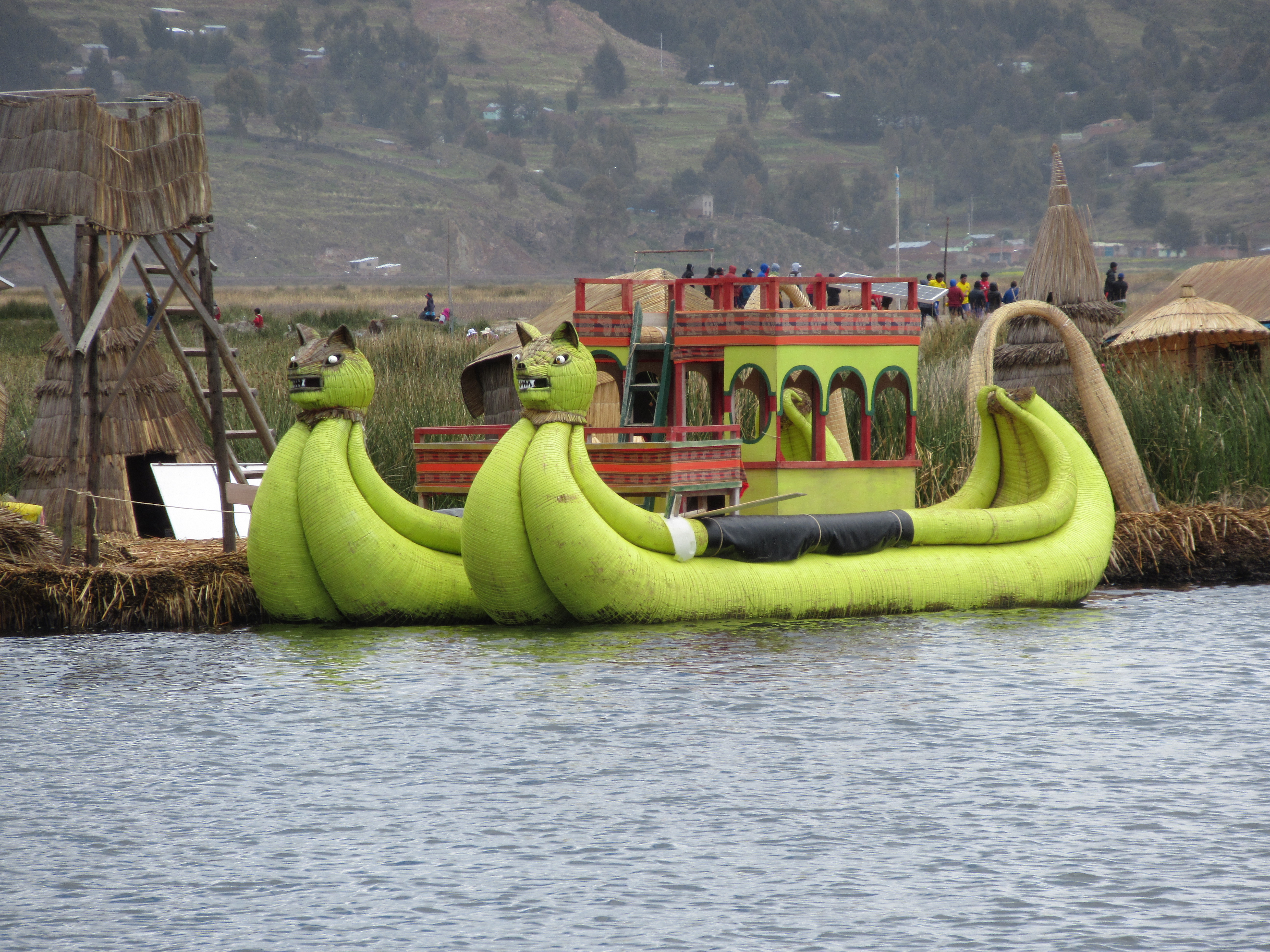
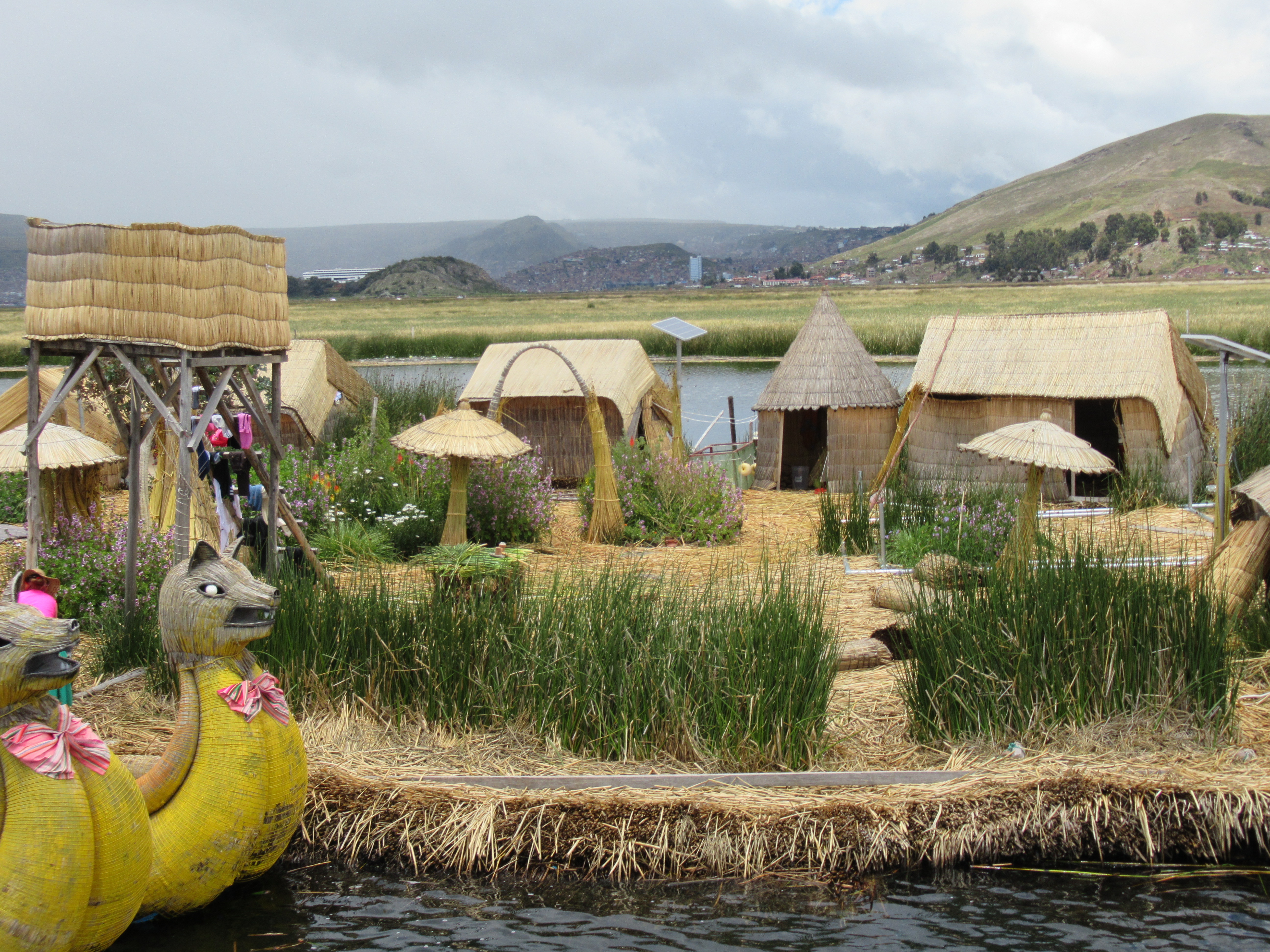
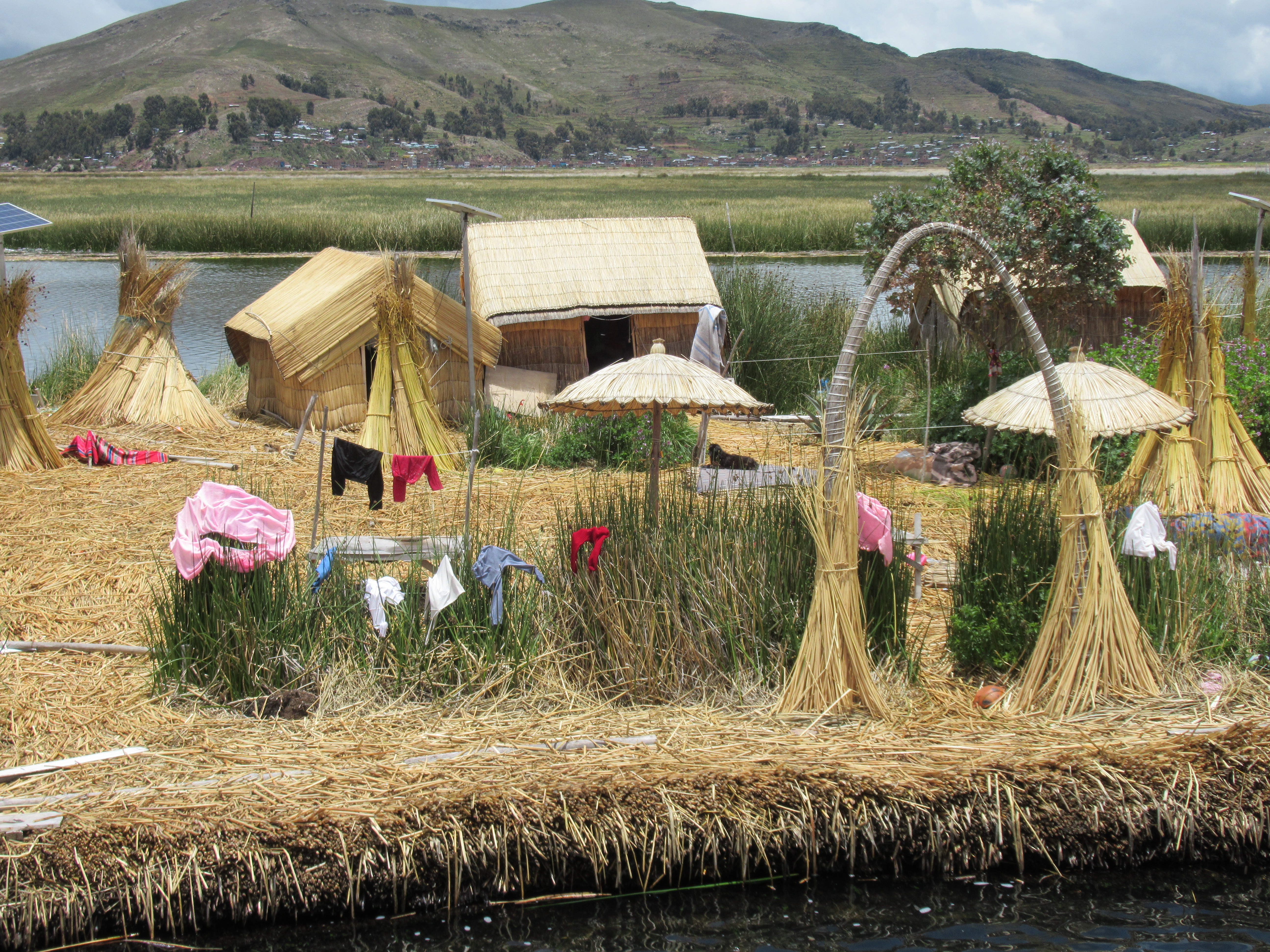
Land on a reed island, one of many individual islands housing different families. The first thing that hits you is the smell of rotting reed. The chief of the island is a woman. Always a woman on these islands. She explains that the island is created thus. They saw off sections of reed root from various parts of the lake and tow the sections to where they want to live. The root section is about 2m deep and is tethered to other sections to create a larger island. On top of this they put horizontal layers of reed down, to give a further 1m depth. The whole base being 3m thick. The island is anchored to the lake bed using rocks at eight anchor points. To stop it floating off into Bolivia. Once the base is laid, they invite their friends over to play games and generally trample the reed layers down to give it a firmer feel. Once that’s done, they build their huts out of reed and place them on drier base of reed to stop the damp getting through. An outside clay oven and cooking pots sit on a piece of stone to stop the whole lot going up in flames in the drier months. There’s no chance of that happening today as too much rain overnight.

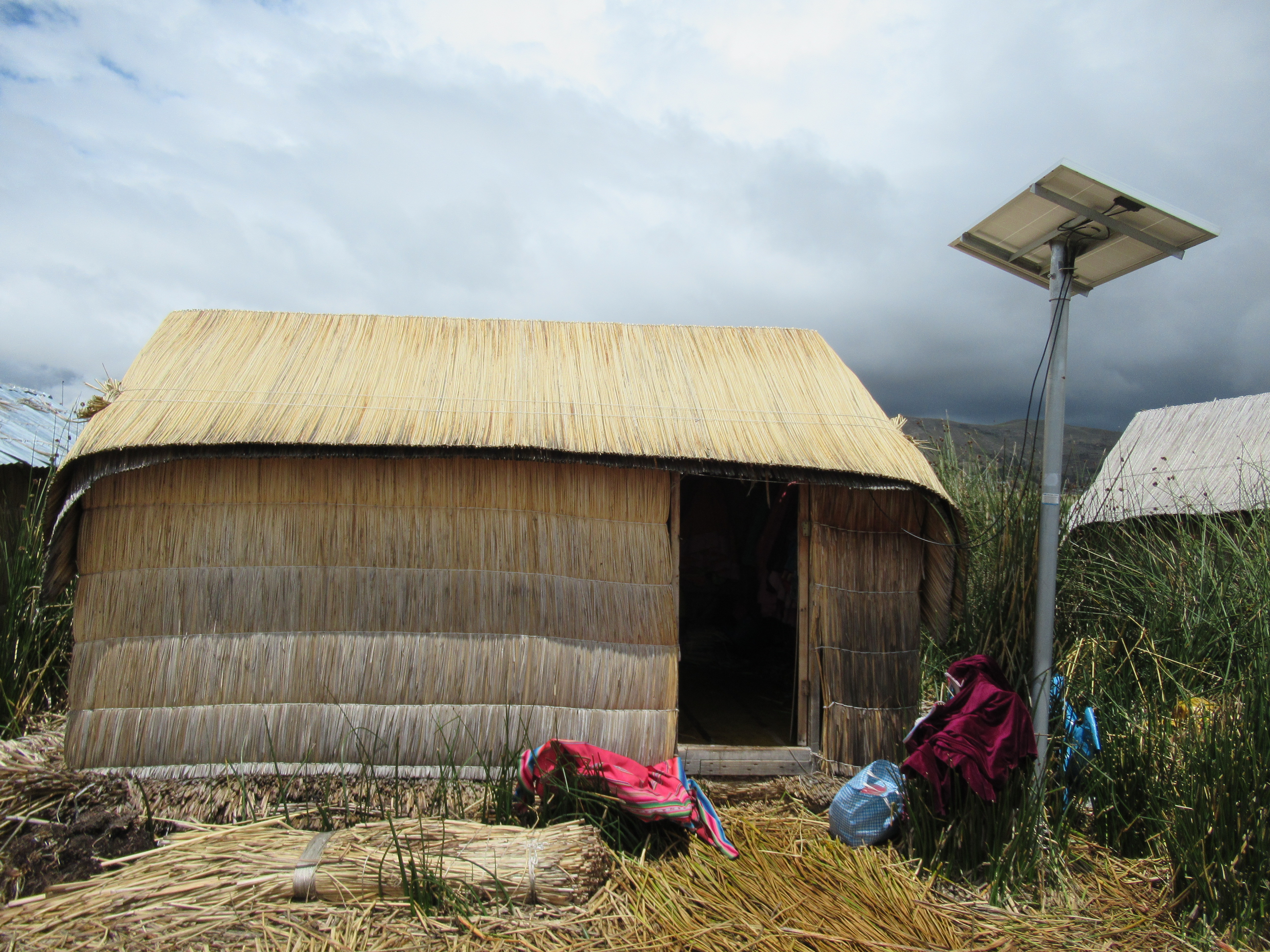
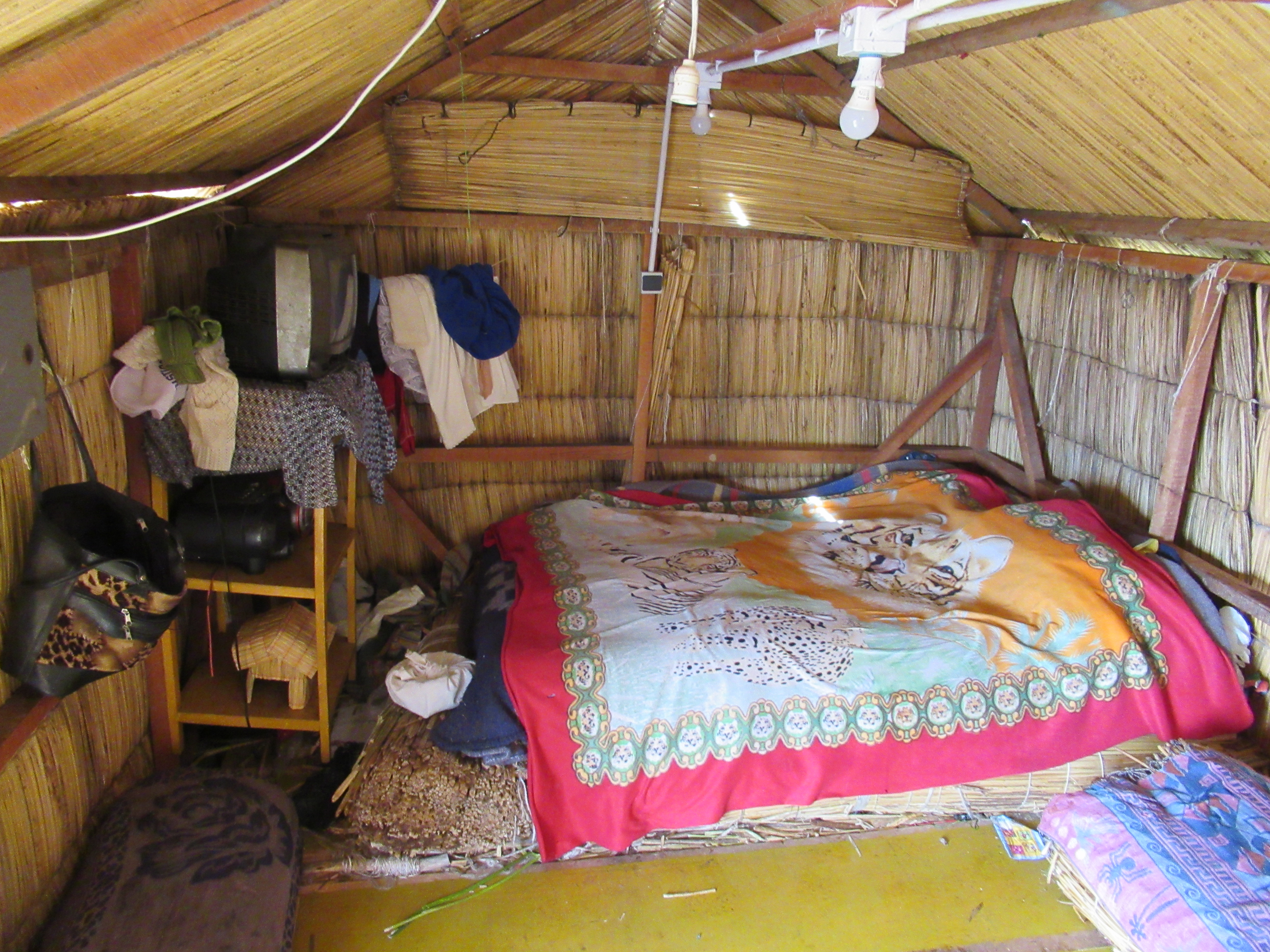
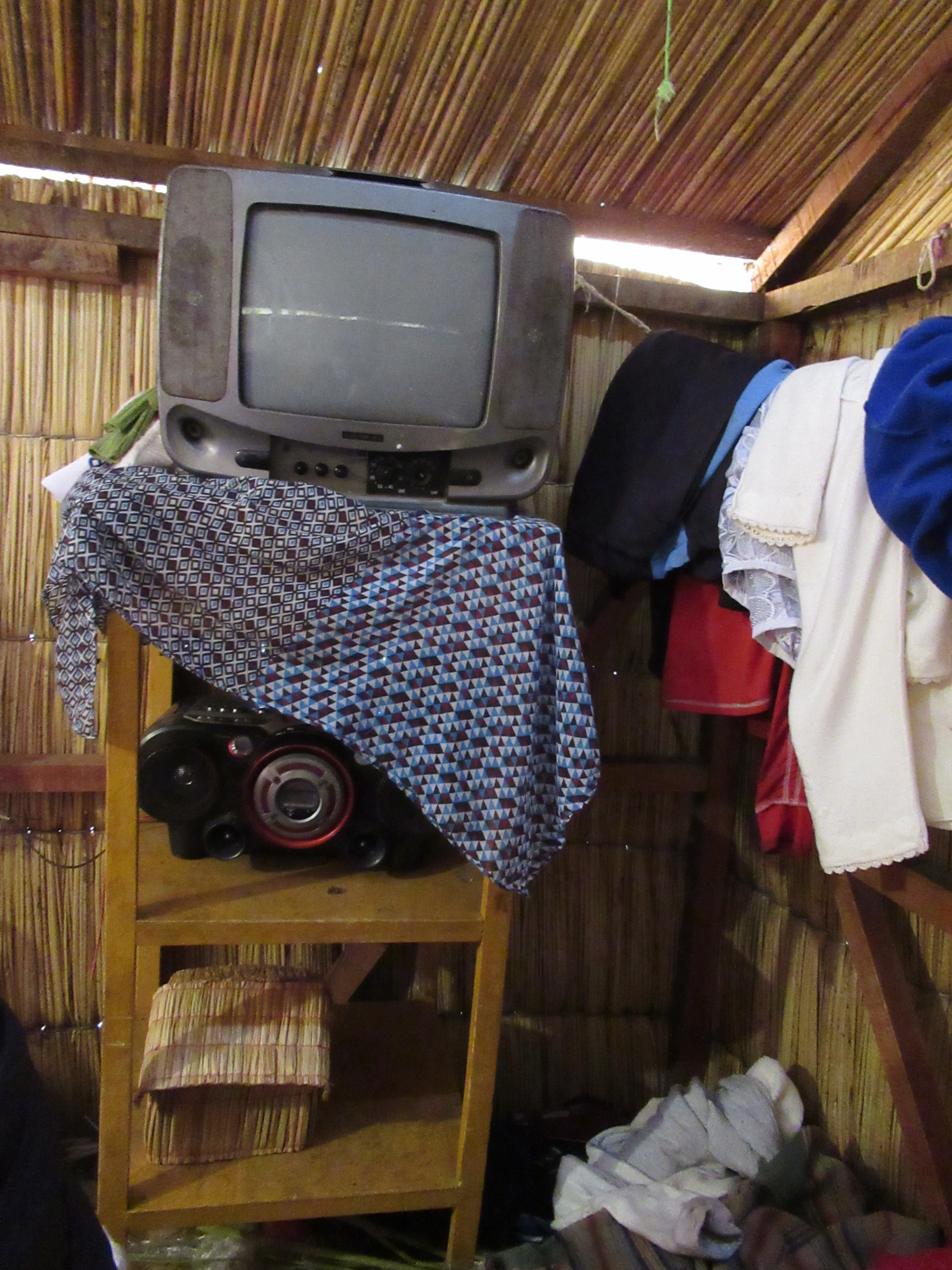
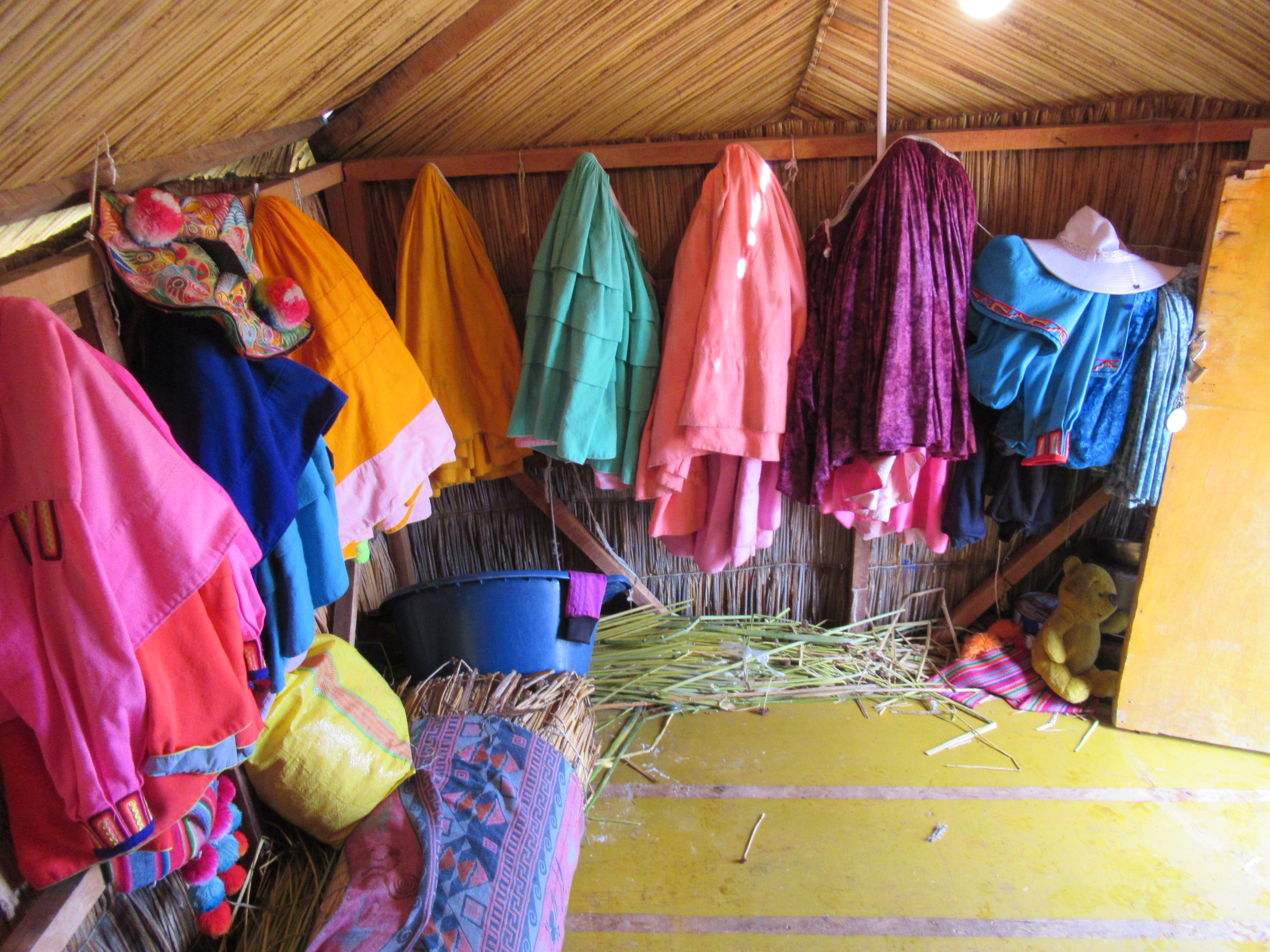
The reed hut is quite small, about 5m x 3m, and contains a bed at one end, made of, you’ll never guess, reed. A bundle of reeds provide a bench to sit and at the end of the bed is a small square TV, the sort you might have had in the 1980s. Along the walls, brightly coloured clothes hang. No sign of any heating and as there are plenty of gaps in the walls and roof, they must be a hardy bunch and glad I’m not staying there on a windy night.

Last came here in 2001 and don’t recall them having power or sanitation. Now, each hut has a solar panel to provide power for the TV and a couple of lightbulbs in the hut. Each island also seems to have its own floating bathroom with metal pontoons acting as storage for waste.

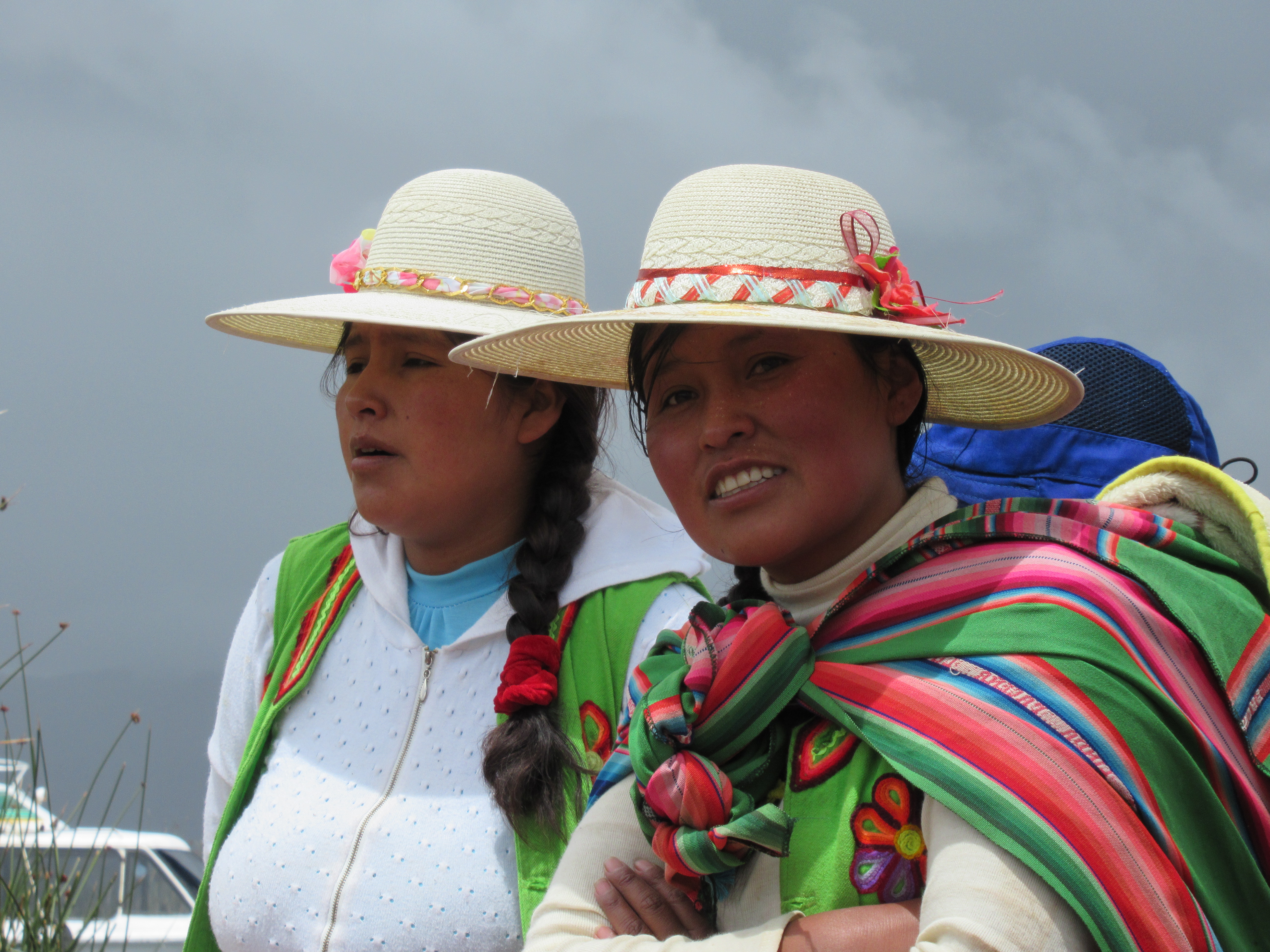
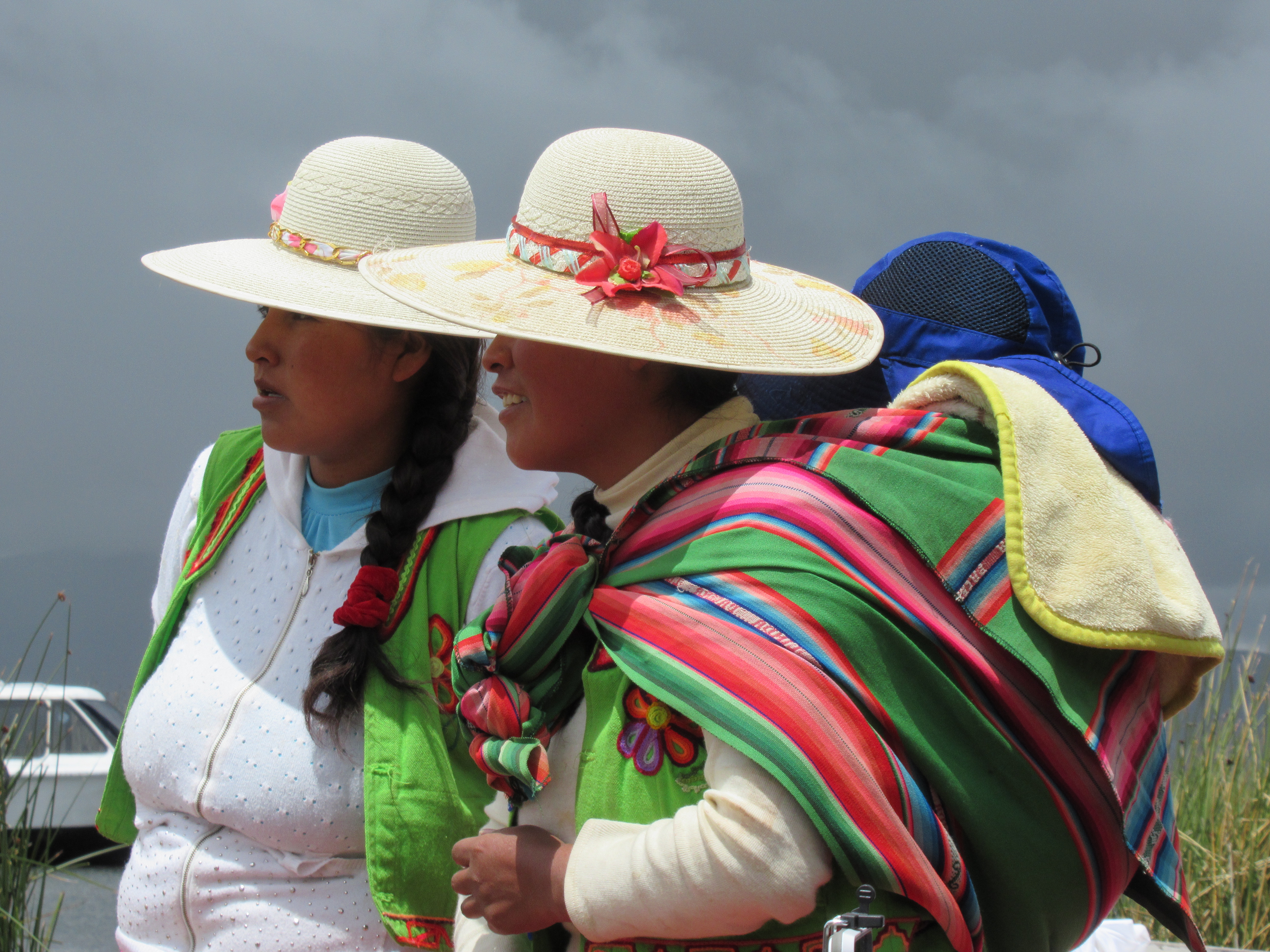
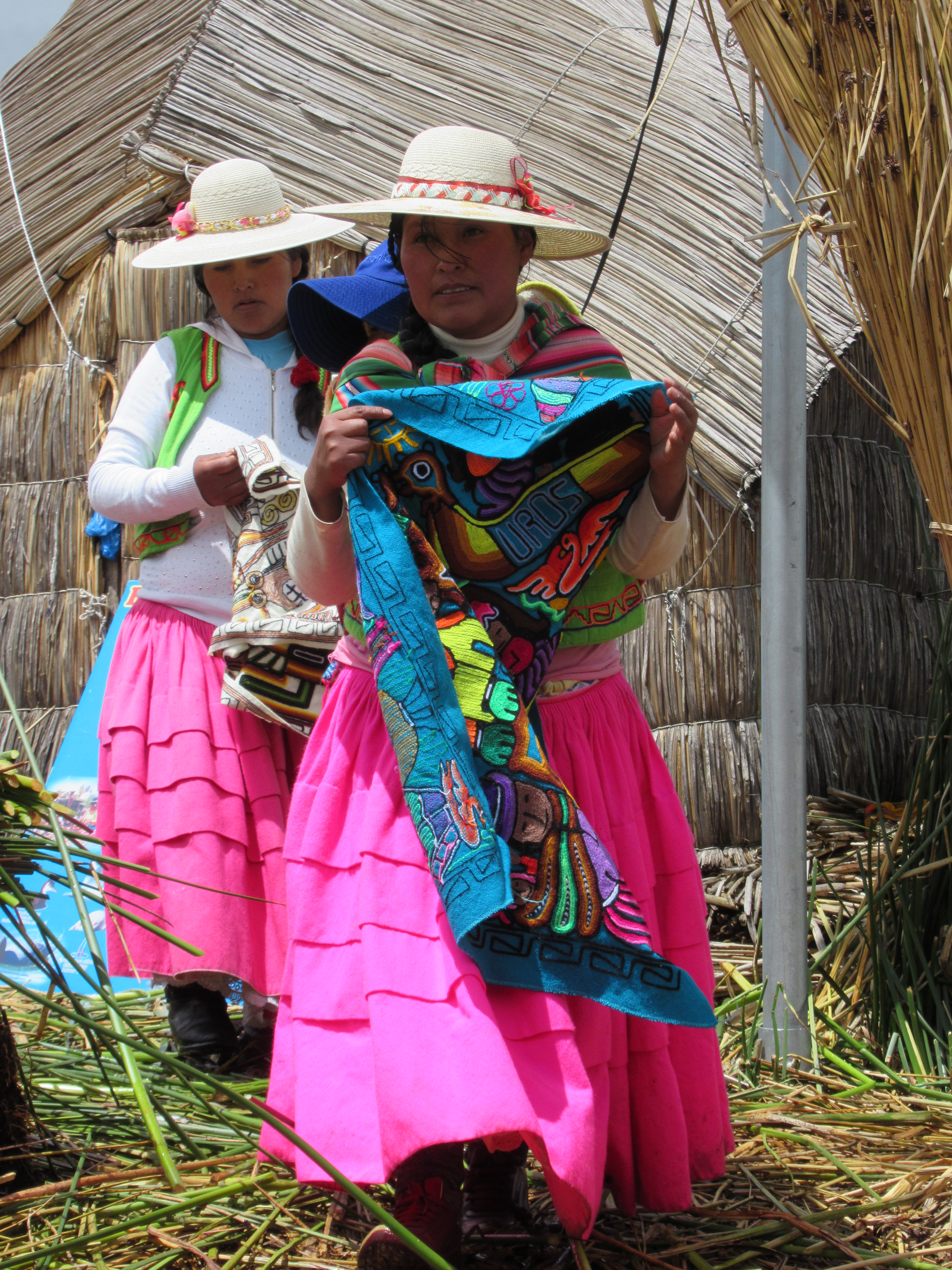
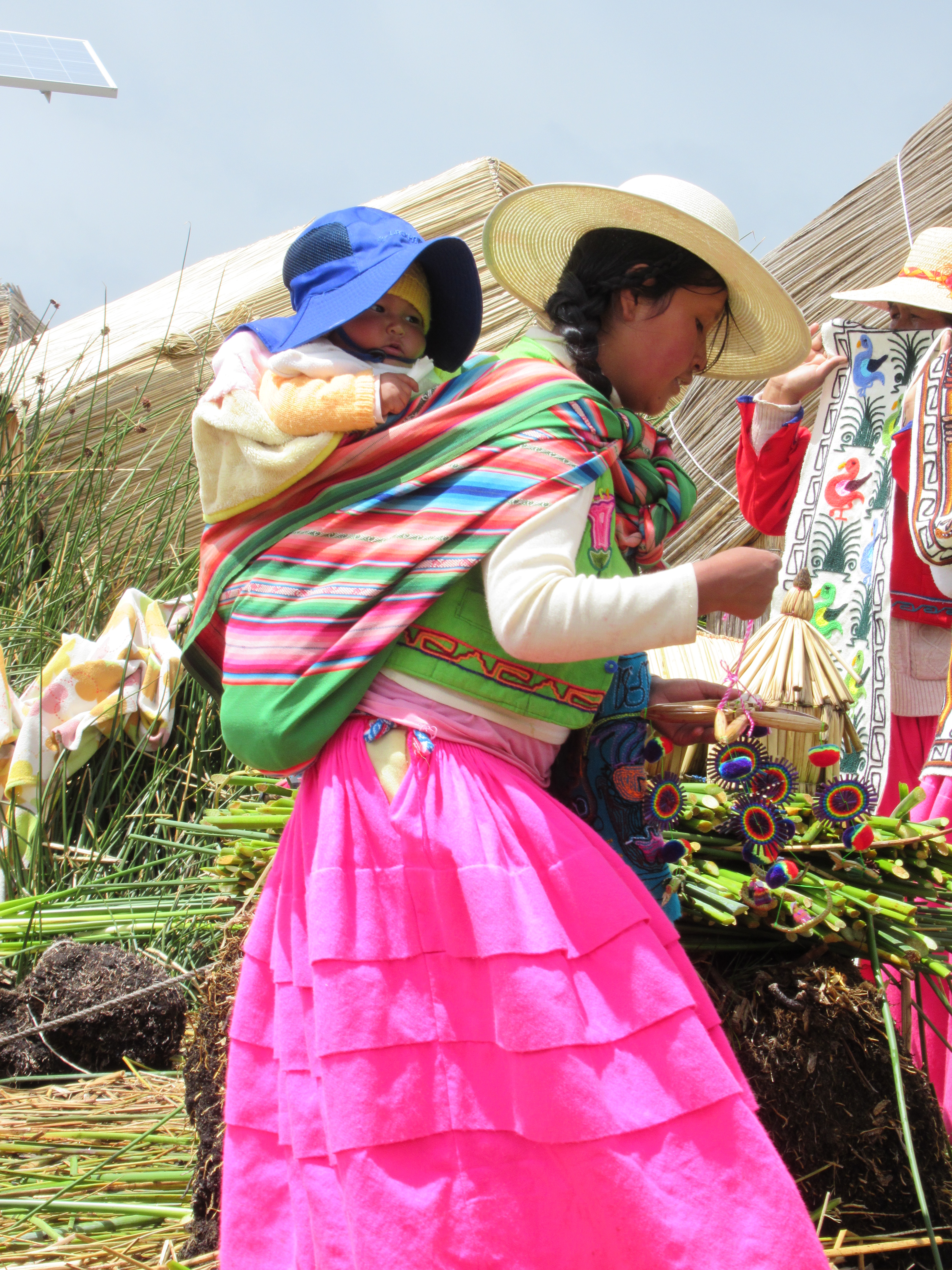
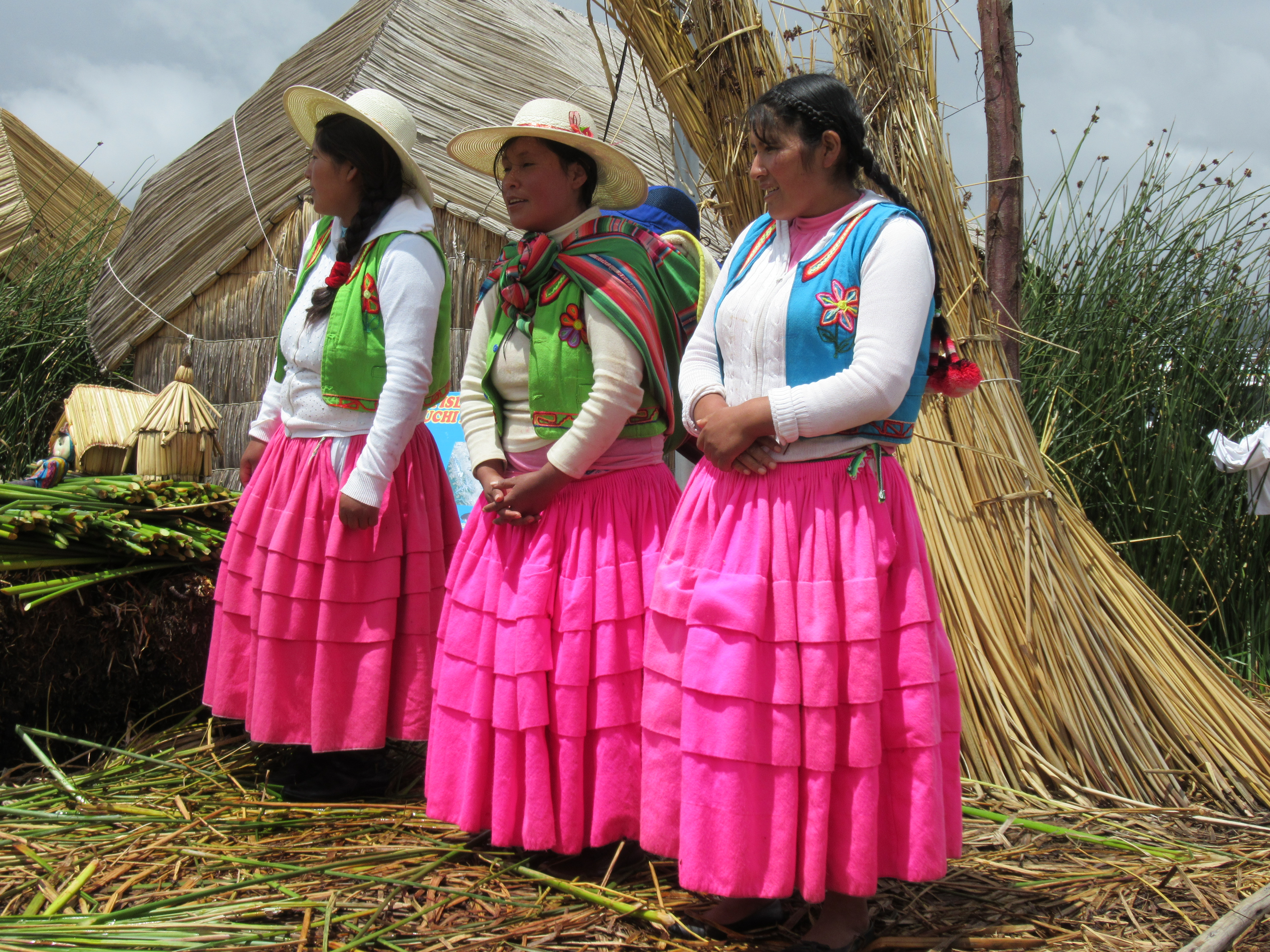
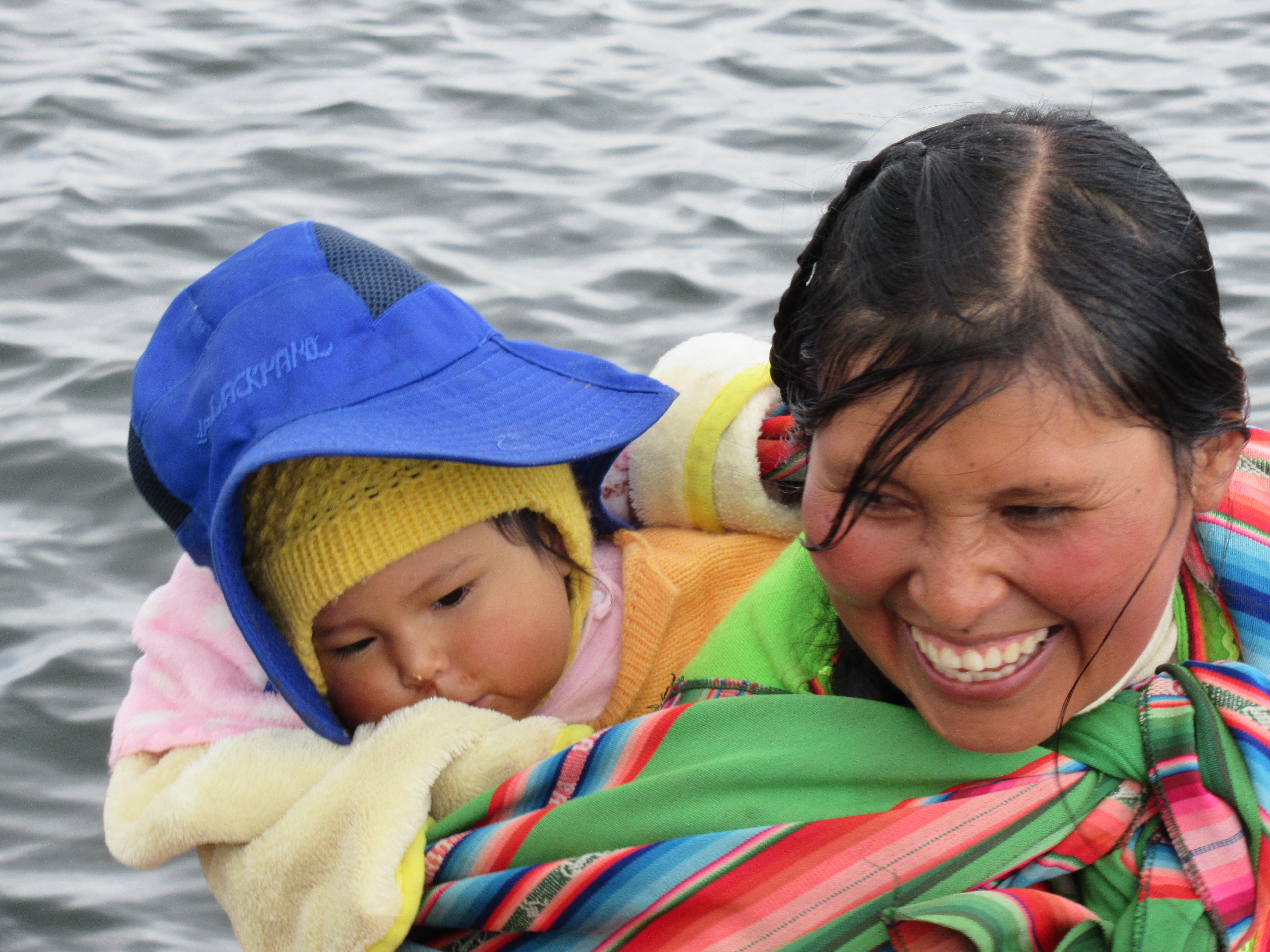
Very bouncy and squidgy walking on the reed island. There are 5 families living on the island, 20 people in total, each family having their own hut. Treated to a song in the local dialect of Quechua (see video). The girls wearing their brightly coloured cardigans and skirts.

My niece’s 20th birthday today. Can’t quite believe she’s 20. Seems like only yesterday I was holding her in my arms. Technology never ceases to amaze me. Manage to video chat with each other. Me on a floating reed island in the middle of Lake Titicaca in Peru. She in Ironbridge, England, with family and her ‘friend’. Not a boyfriend. Just a ‘friend’. He’ll have to pass the Uncle suitability test before he achieves ‘boyfriend’ status. Which reminds me of a story my Northern Irish, brought up in the Bogside in Londonderry during the Troubles, colleague told me once. His daughter brought a boyfriend home and before he’d even crossed the threshold had been punched in the chest by said colleague and warned that if he did anything he shouldn’t do he’d be punched again…but harder.

Happy birthday dear niece.

Board a reed boat sculpted like a dragon boat for a slow, serene, sail around the main waterway. Fascinating to see how they live. Very basic living.

Back in Puno, there’s a carnival. Guide has warned to look after wallets and cameras. If a local tells you that, it must be bad. Walk about with hands in pockets fingers on my crown jewels: wallet, passport, phone, camera.

In need of a pee, pay a few pence to use the public toilets. Given three sheets of toilet paper. Only need a pee but if you need a number 2 then once you’ve done the business in your cubicle, you need to go to one of three large barrels in the middle of the toilet area and scoop a bucket of water up to flush it away.

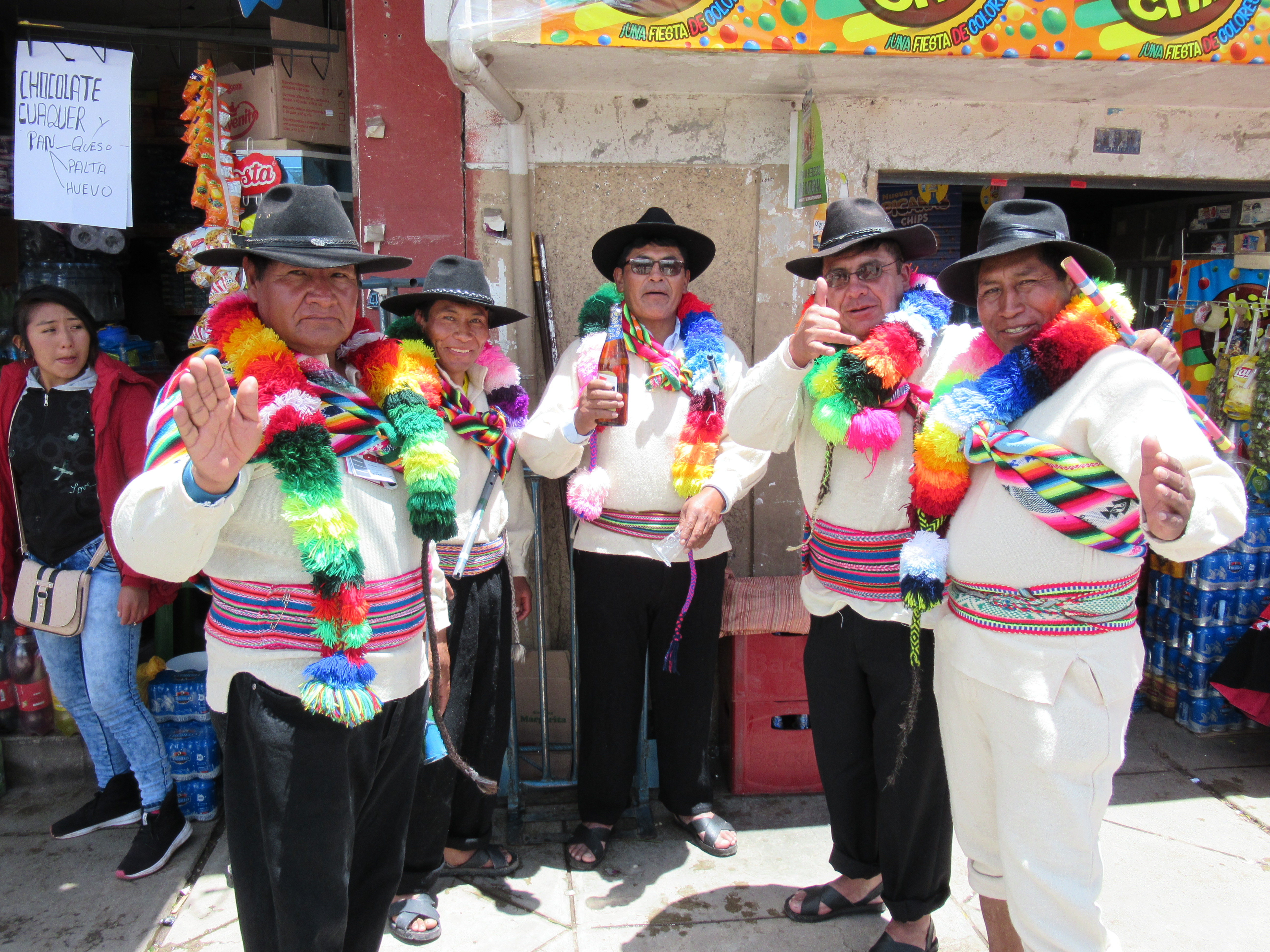
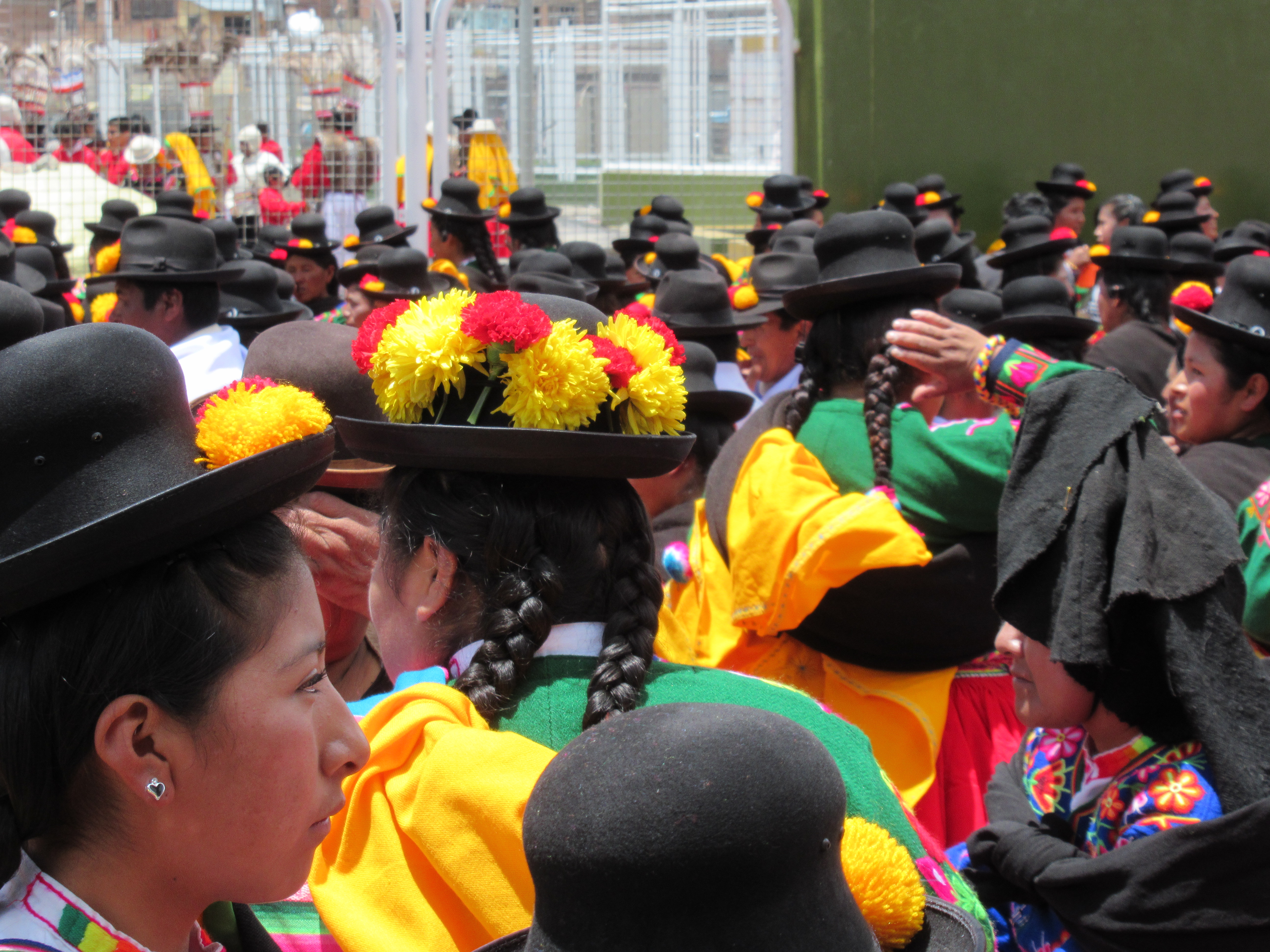
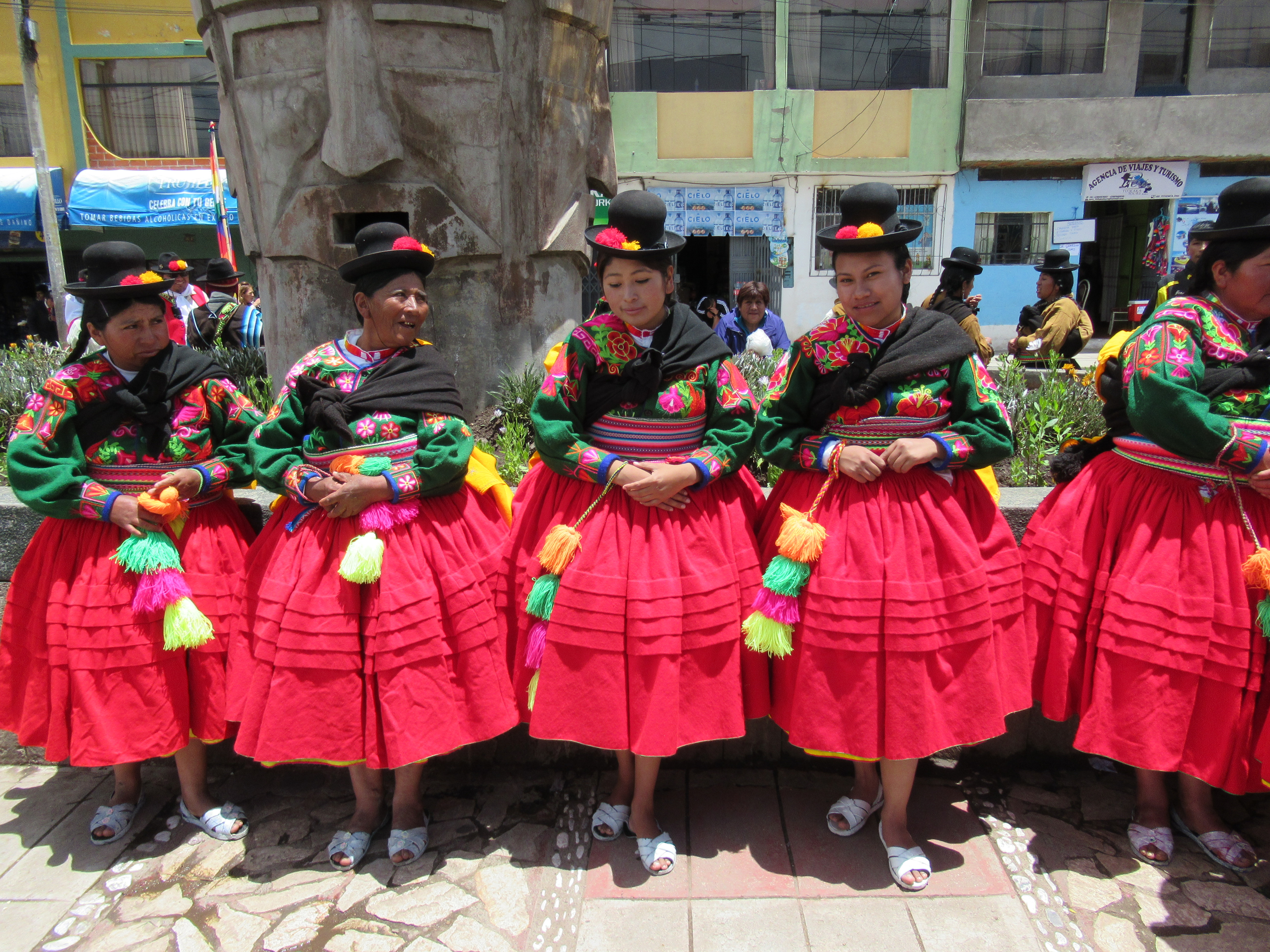
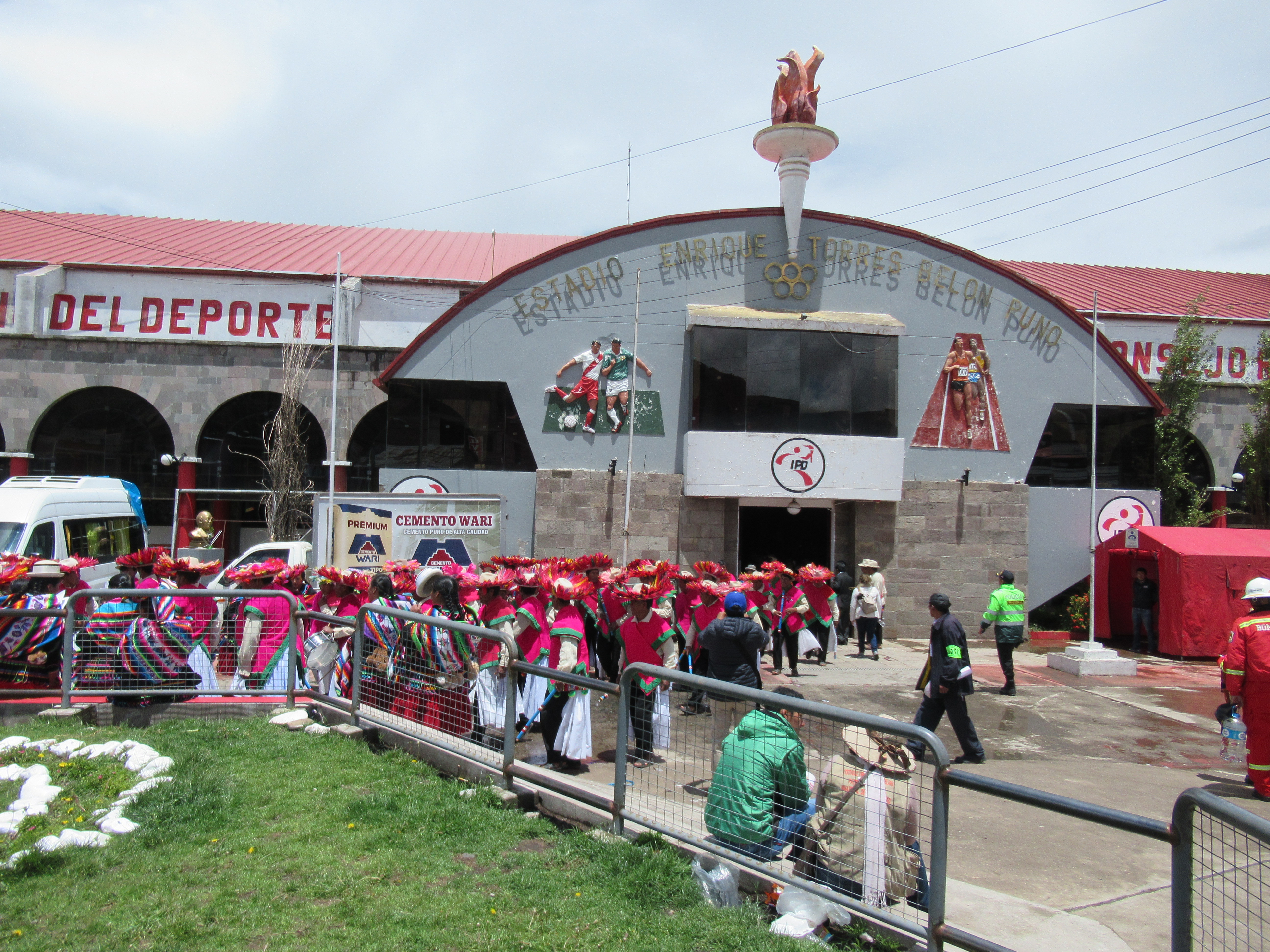
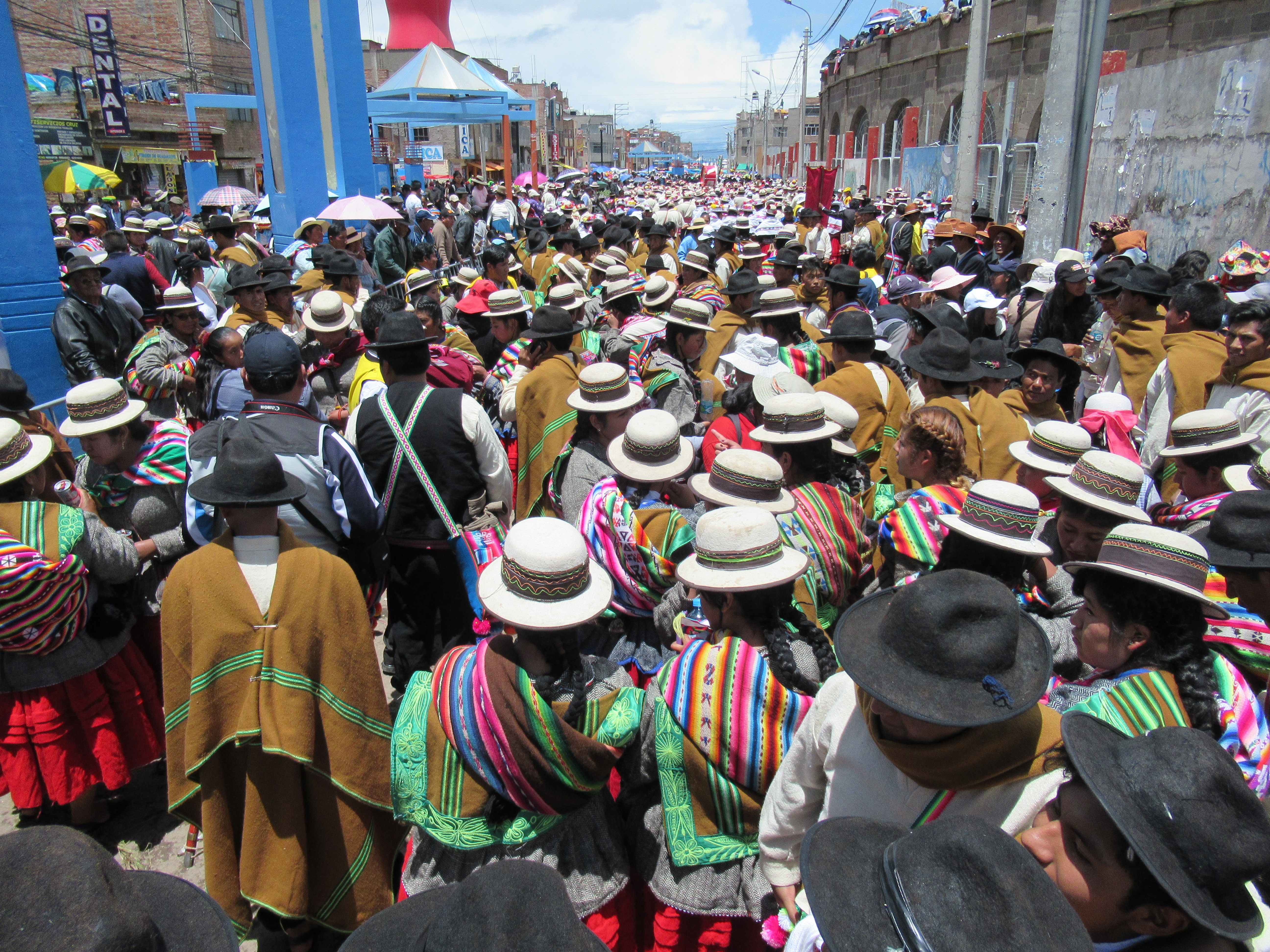
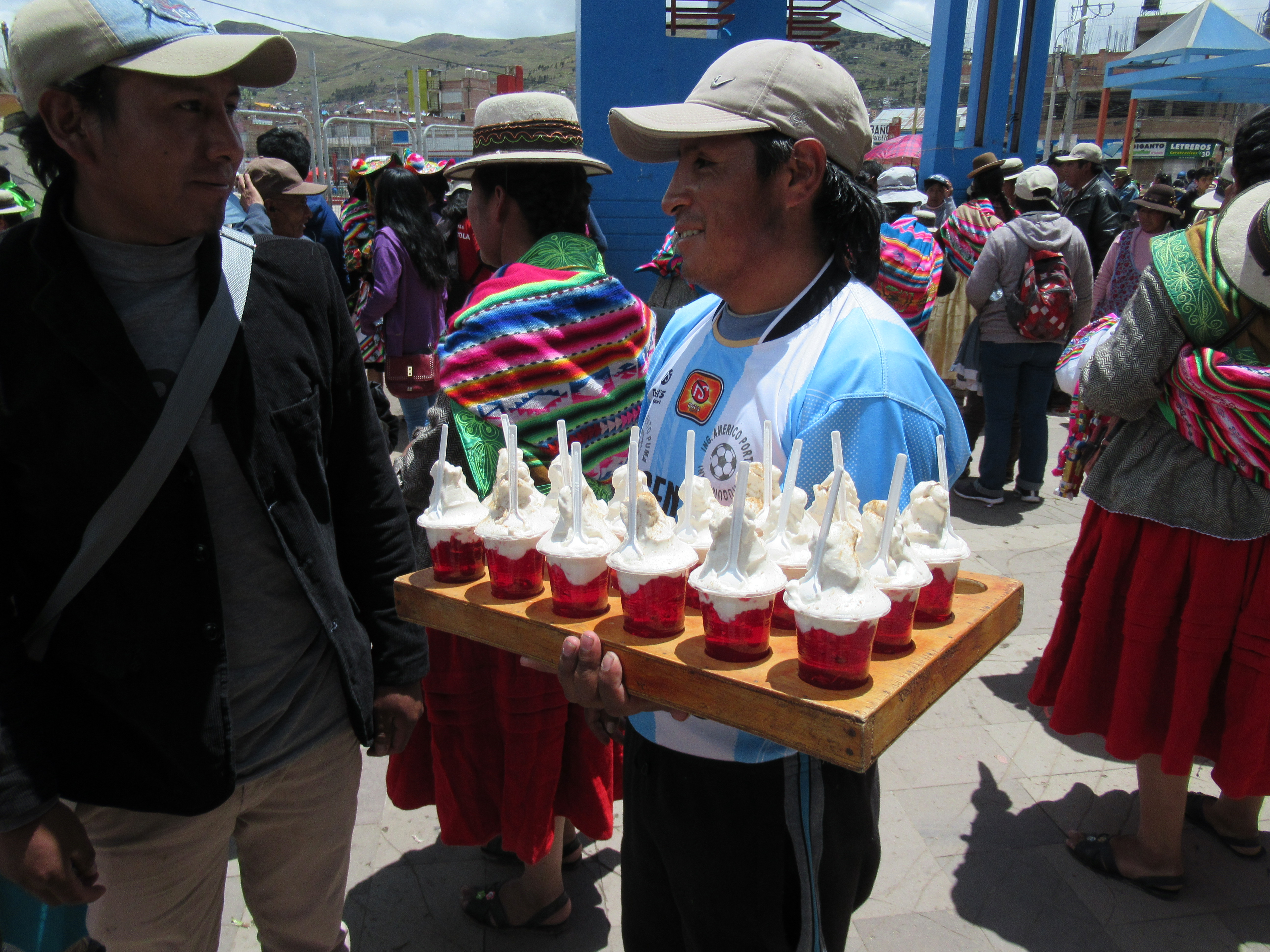
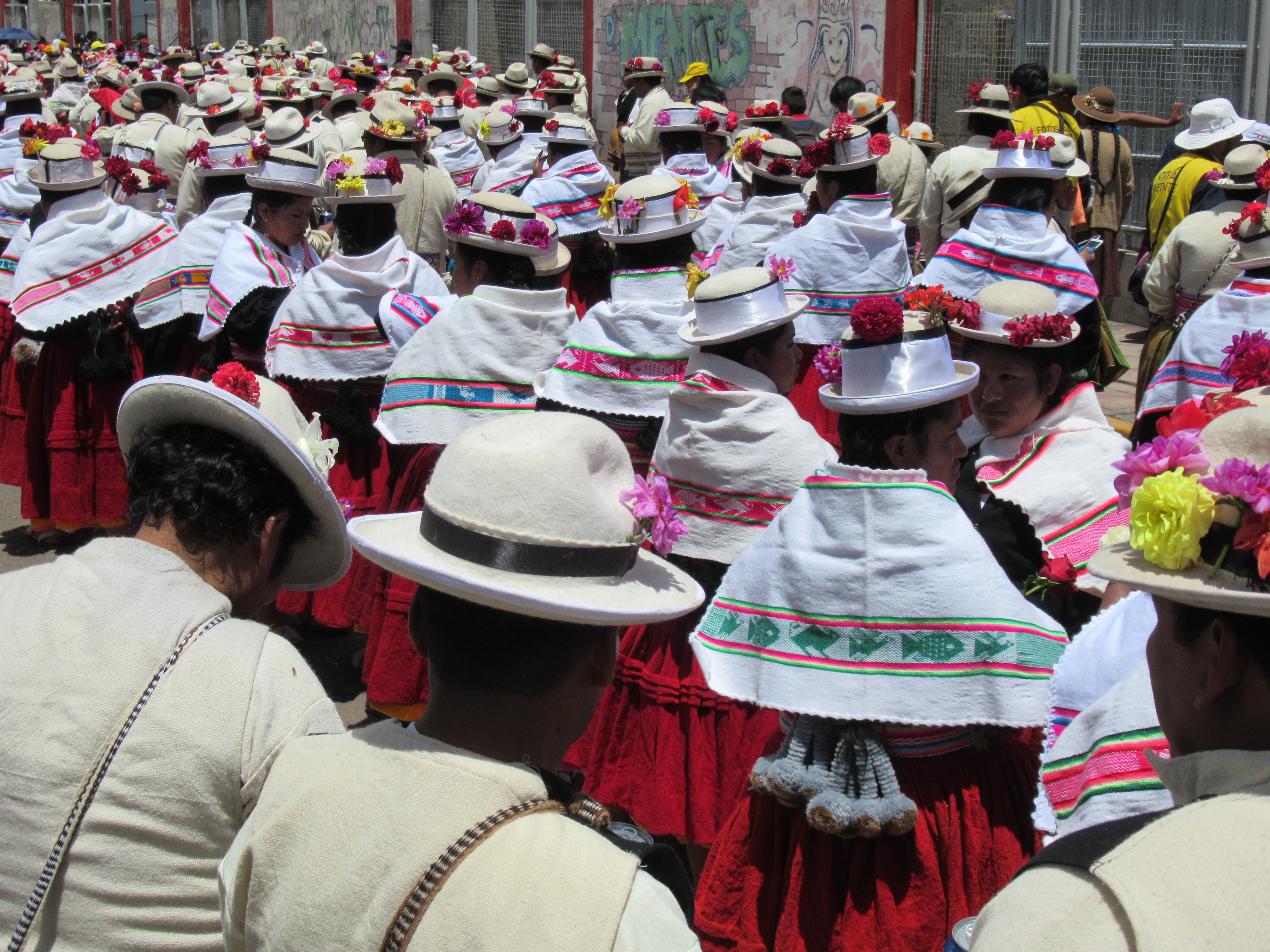
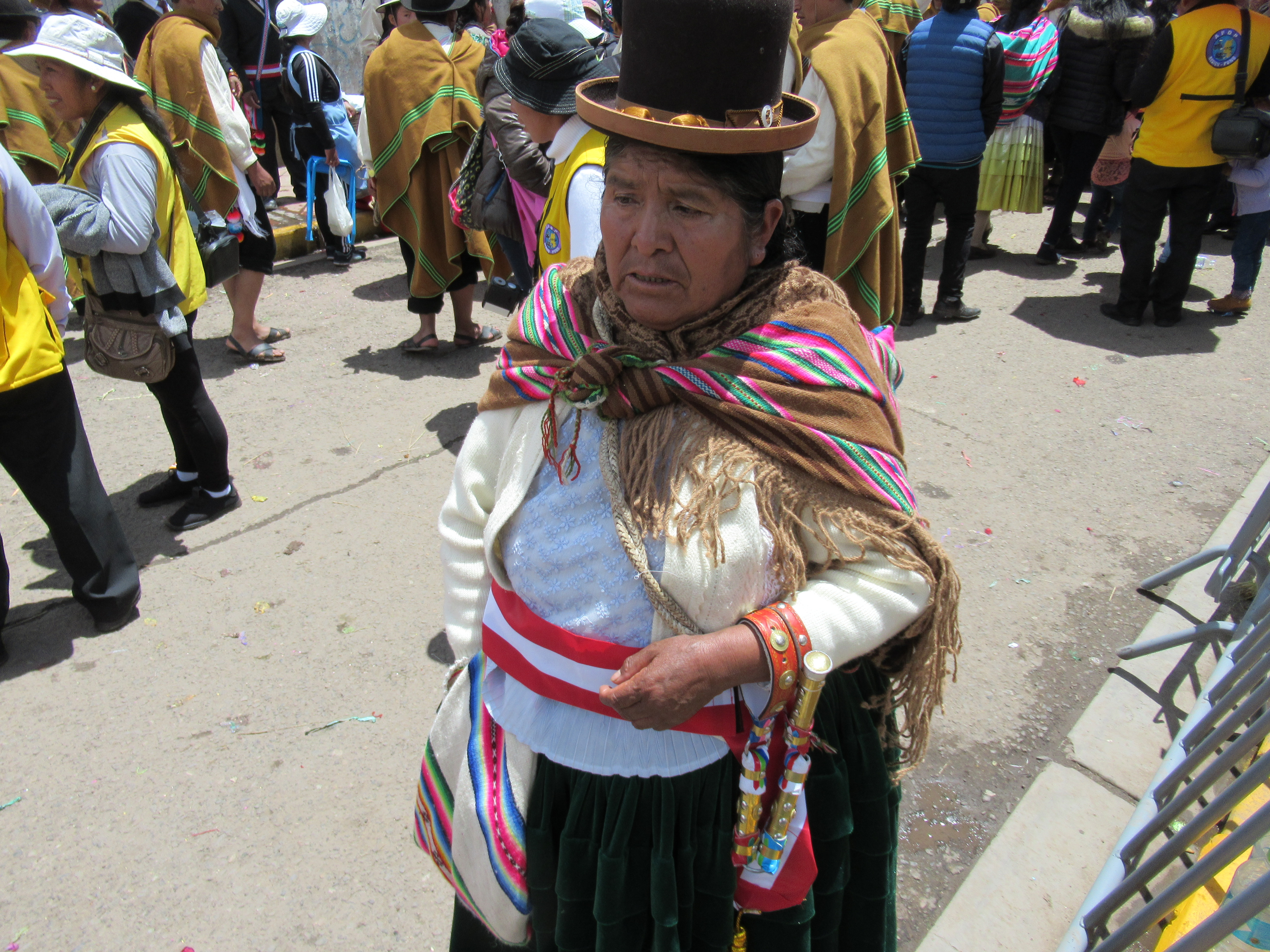
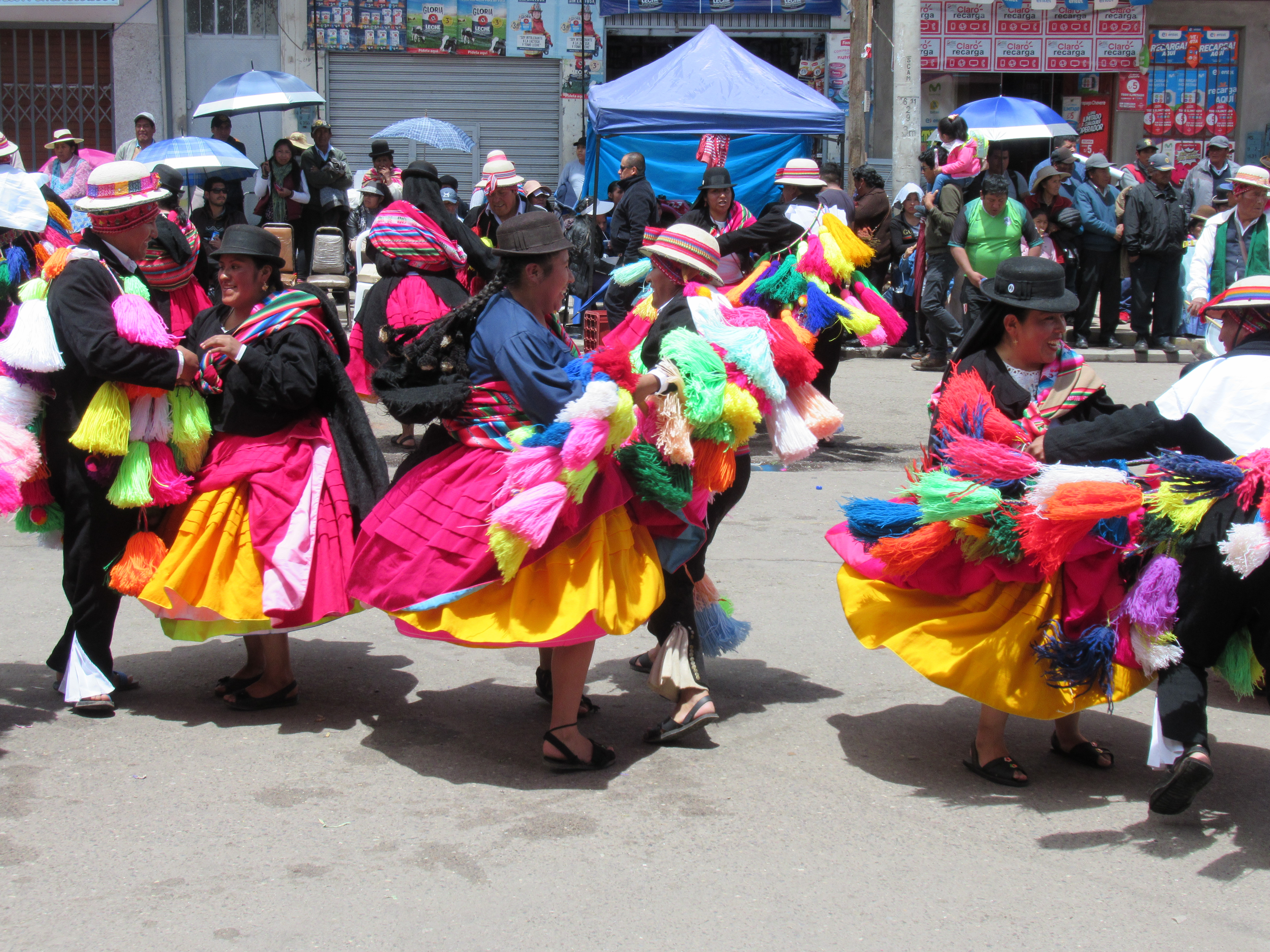
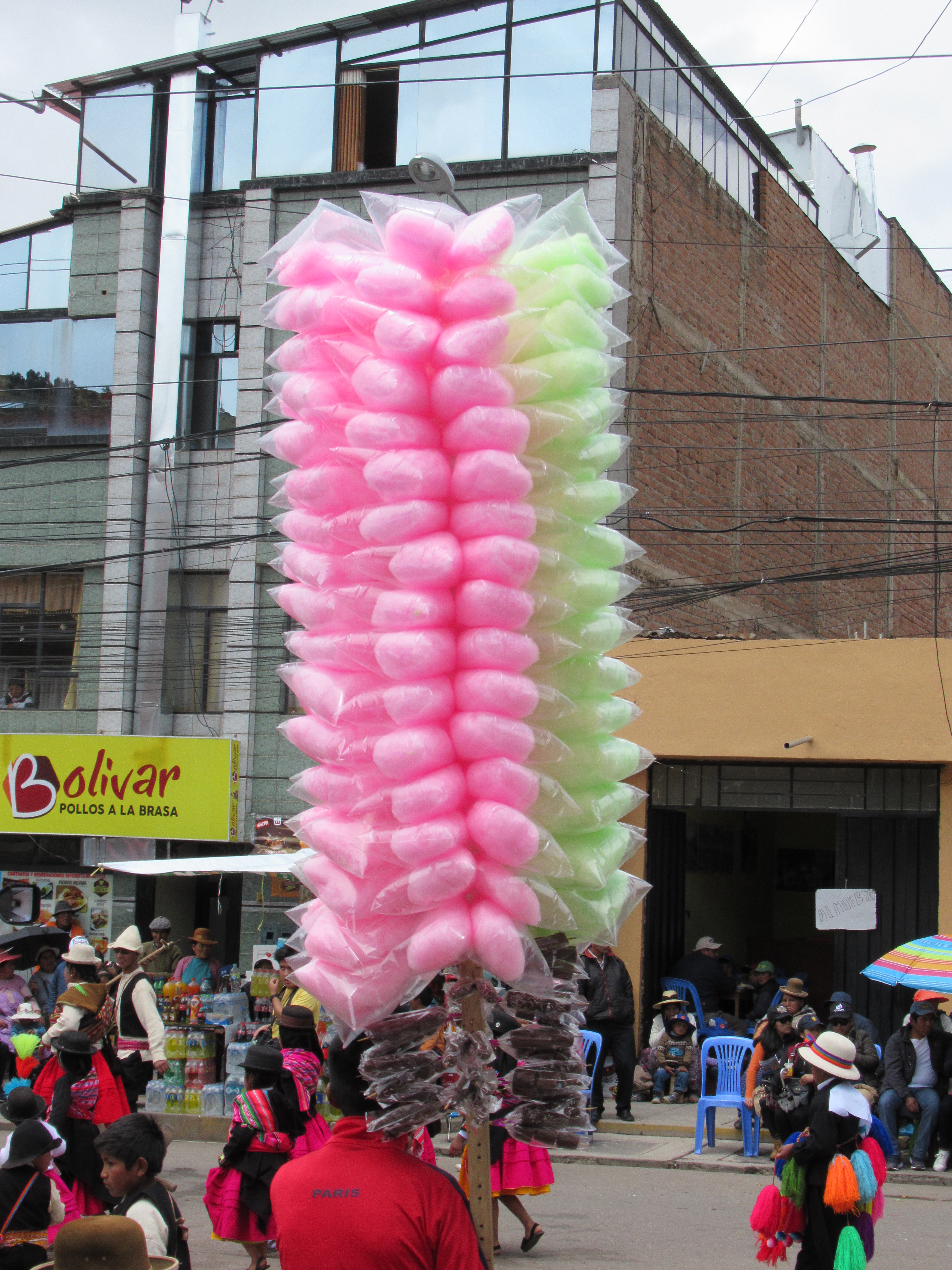
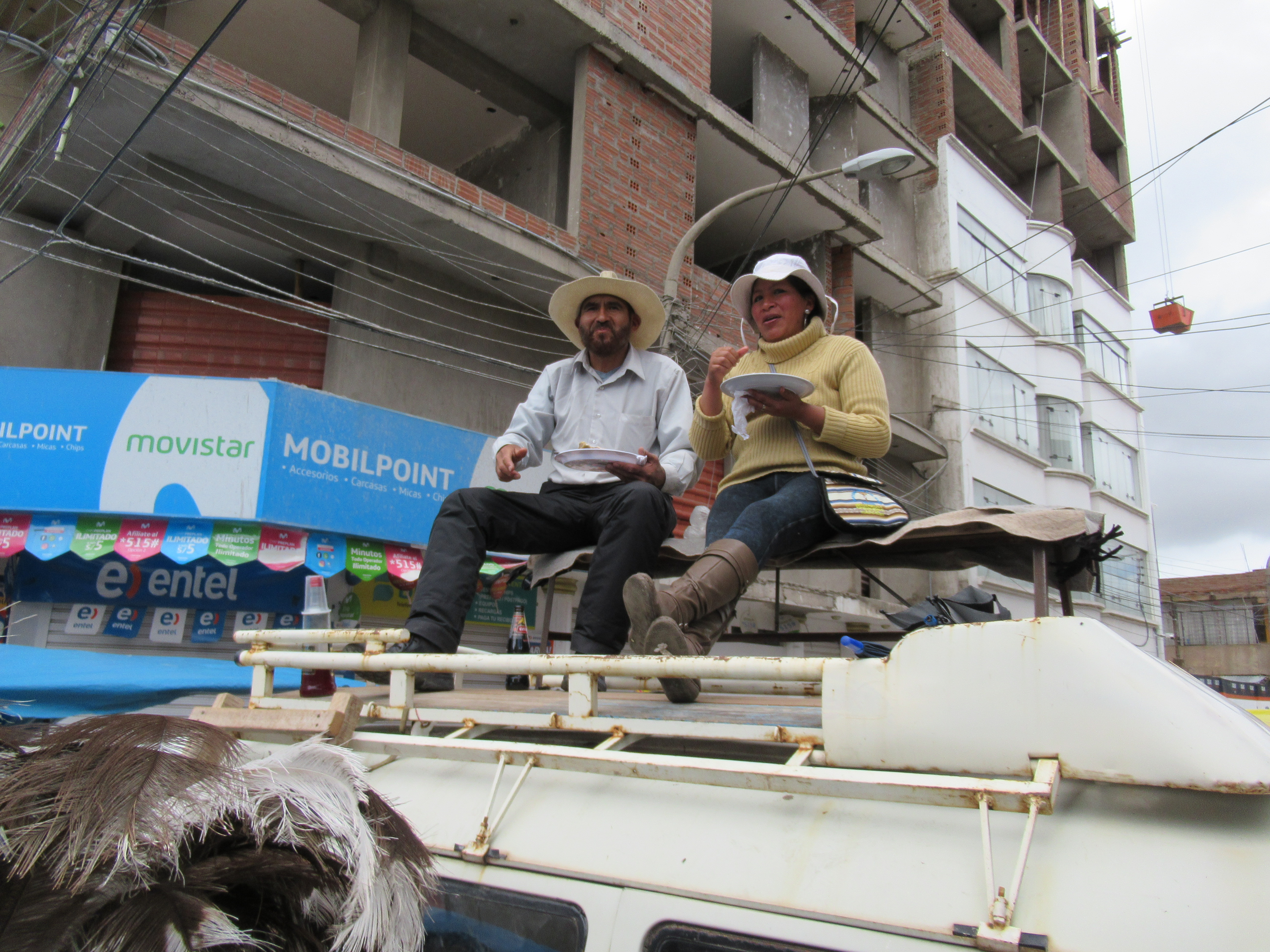
Walk the streets of Puno to the stadium in the centre of town. Loads of locals selling all sorts from their roadside stalls, corn on the cob, BBQ chicken, jelly and cream. Thousands of people have come here in their own groups to sing, dance and play music as the proceed through the streets into the stadium, out again and along the main route through the town centre. All are wearing brightly coloured clothes and bowler hats. Great atmosphere. Ask to take various photos and they all pose nicely. Along each side of the procession are what can best be described as ‘boxes’. Areas of a few plastic seats with a metal frame and polythene protecting the spectators from the frequent rain showers.

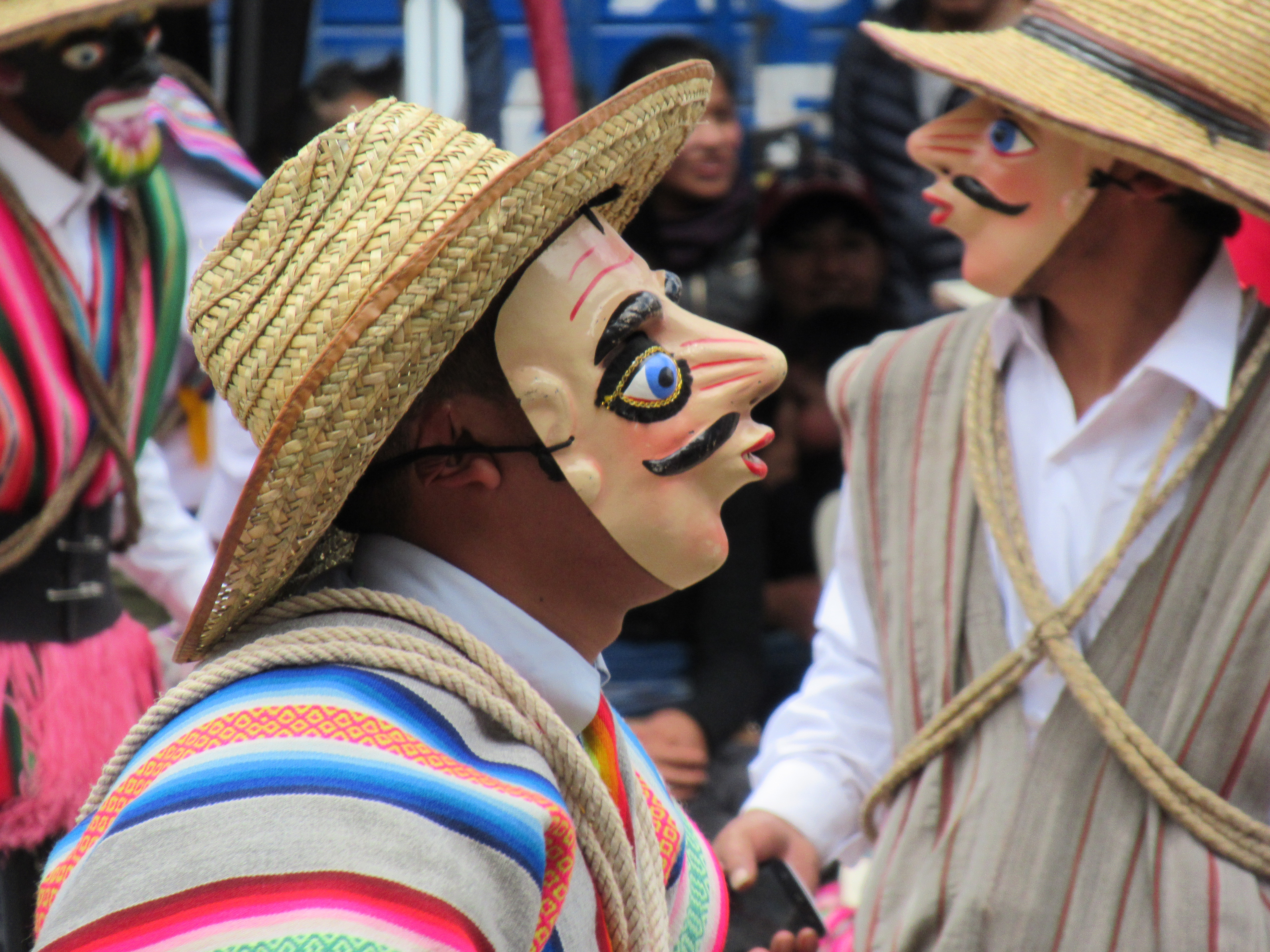
One of the groups appear to be doing what appears to be similar to British barn dancing and a group of men are all wearing face masks with funny, serious and grizzly features.

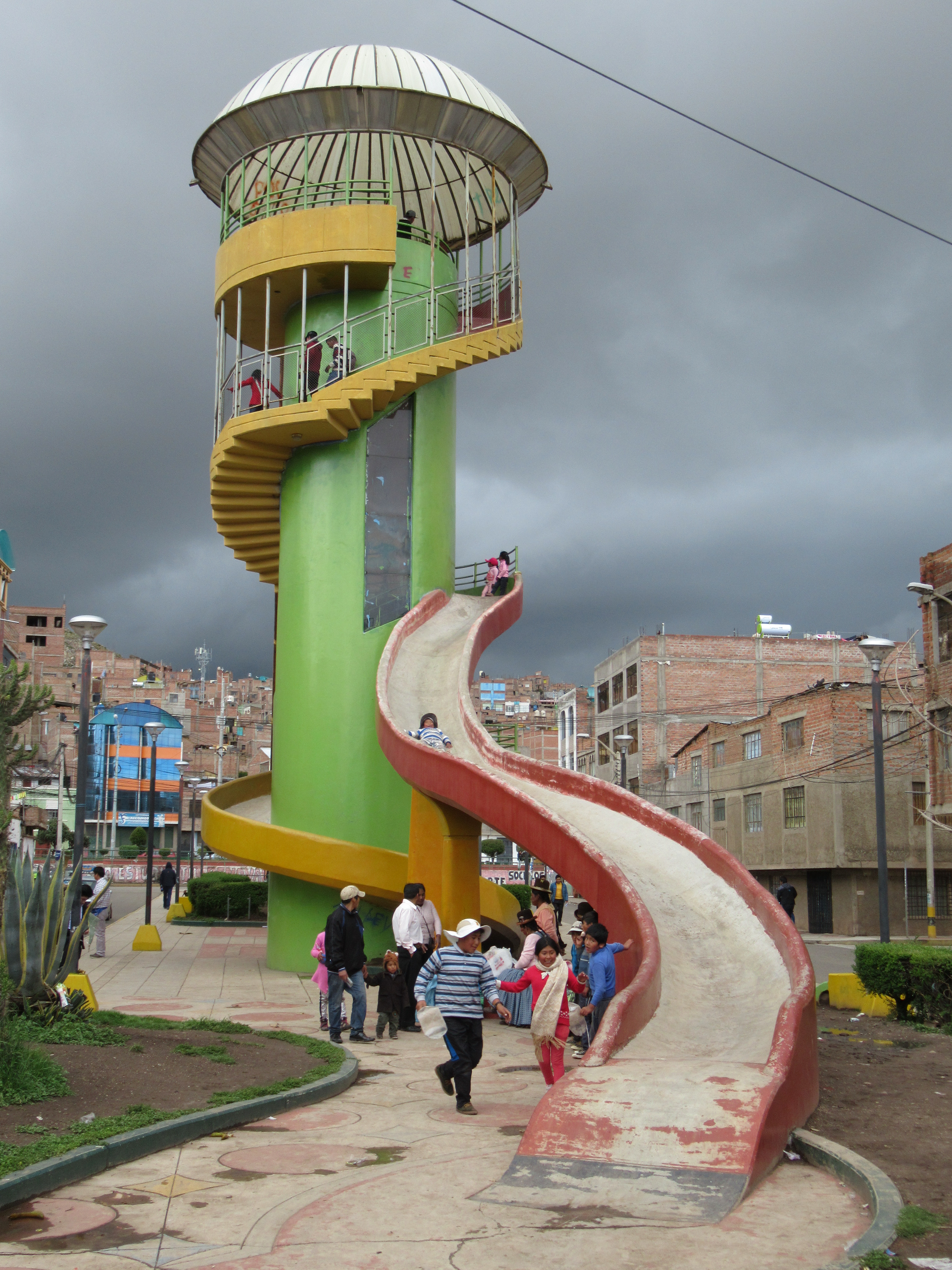
A large black cloud looms so search for a taxi back to the hotel, passing a concrete helter skelter in the grassy area between two carriageways. Stop at a little corner shop to buy some water and upon saying ‘Gracias’ as she passed me the carrier bag, she replies, “You’re welcome.”

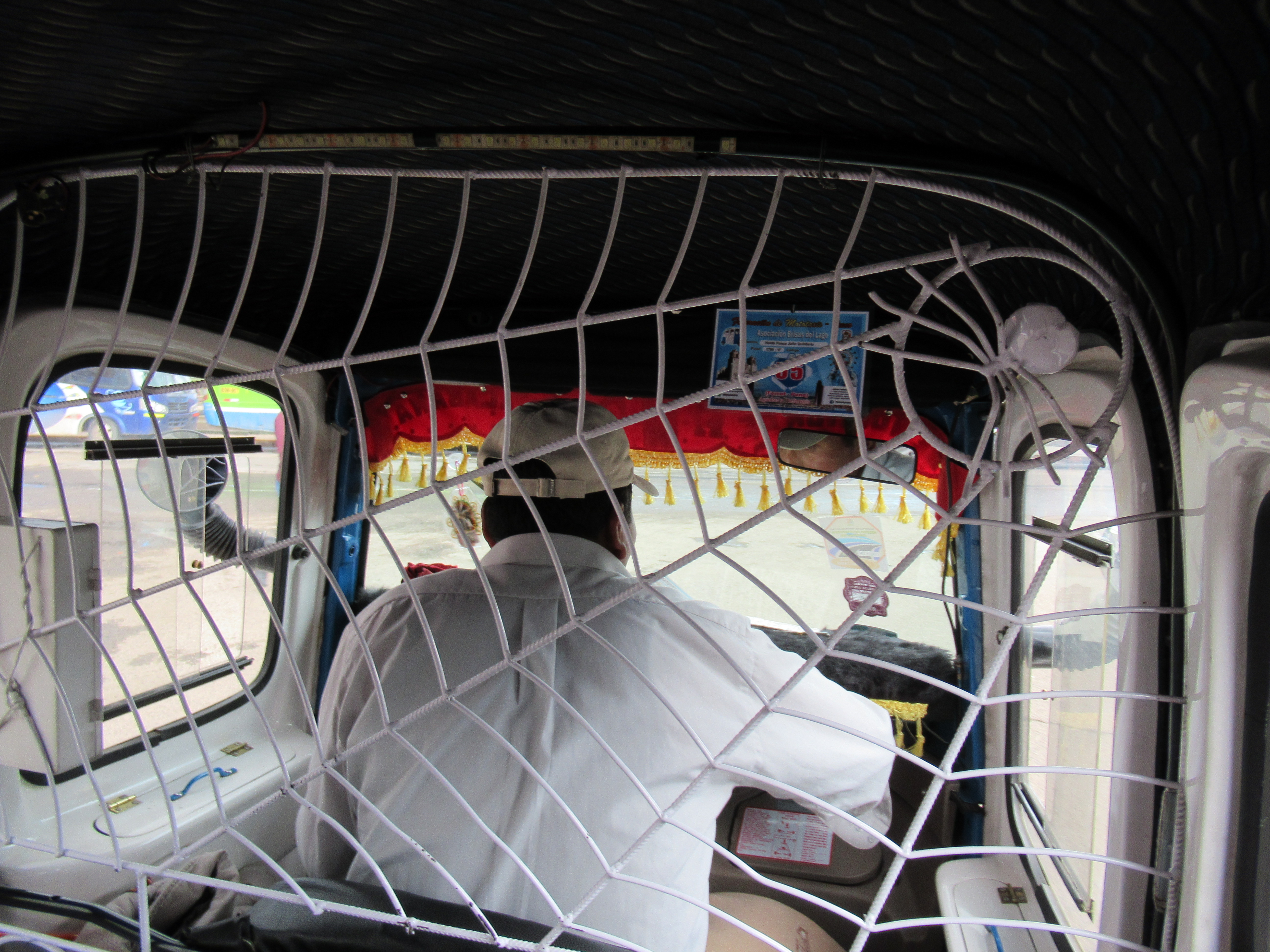
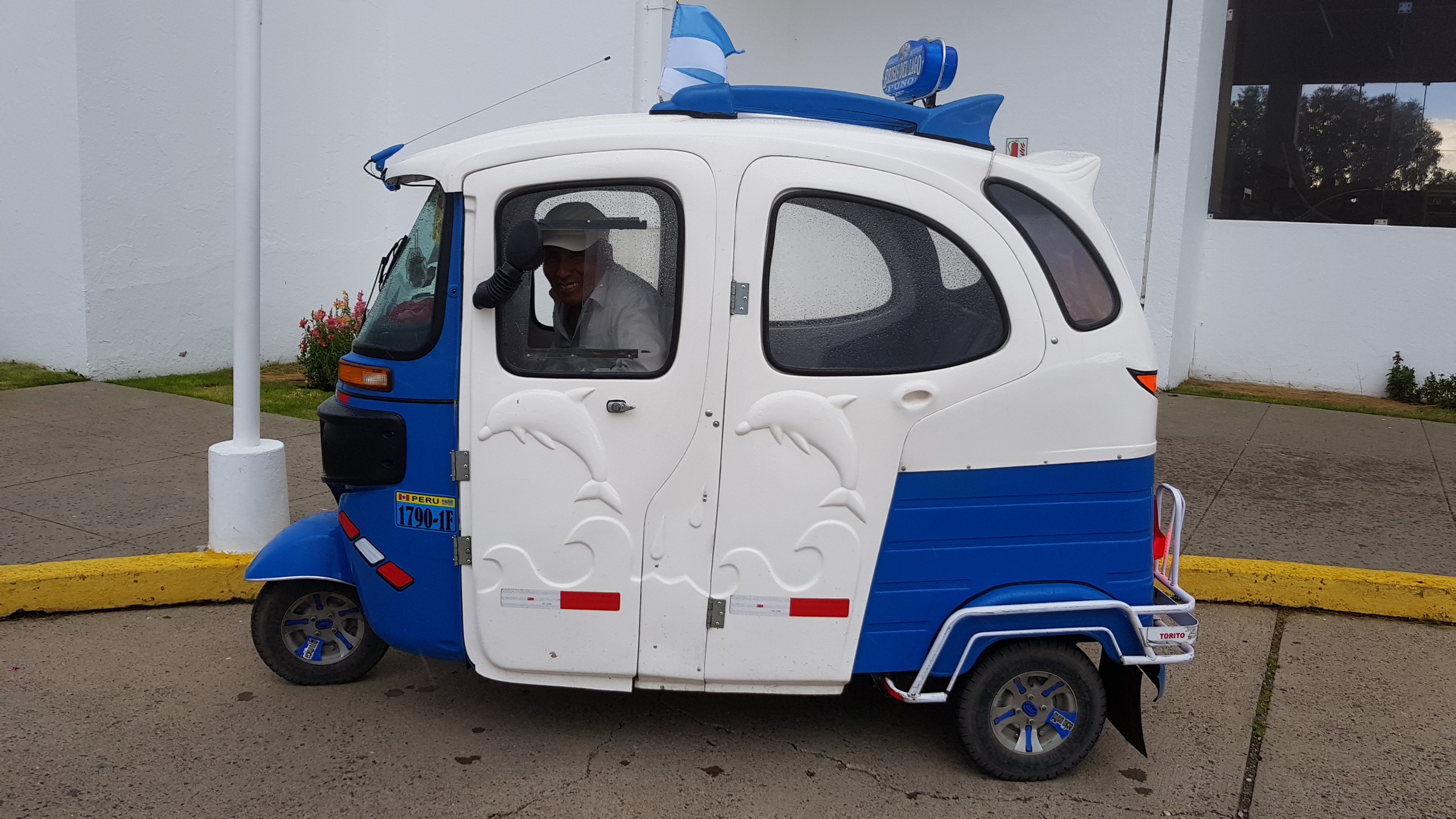
Have seen little white and blue tuk-tuk type taxis pootling around town. Decide that’ll be a fun mode of transport so flag one down. It’s a tight fit in the all enclosed cabin. A metal frame in the shape of a spider’s web separates driver from passenger. Enroute to the hotel, have to drive through a deep and long puddle. Driver is not convinced his little tuk-tuk will make it and keeps muttering to himself, “Agua…agua…agua”, with an intake of breath between each “agua”. Slow progress through that puddle.

42. Another day, another country

Saturday, 2 February 2019

Puno, Peru

Like trying to sleep in a warzone last night with all the fireworks going off until the early hours. Flipping noisy.

7hr bus journey from La Paz to Puno. Try to avoid buses as I generally can’t fit. You may recall my 12hr bus journey from the North Cape to Rovaniemi on my Cape to Cape blog – found here https://touringtaurean.com/2018/07/24/where-is-washroom-rovaniemi-22-july-2013/. Consequently not looking forward to today.

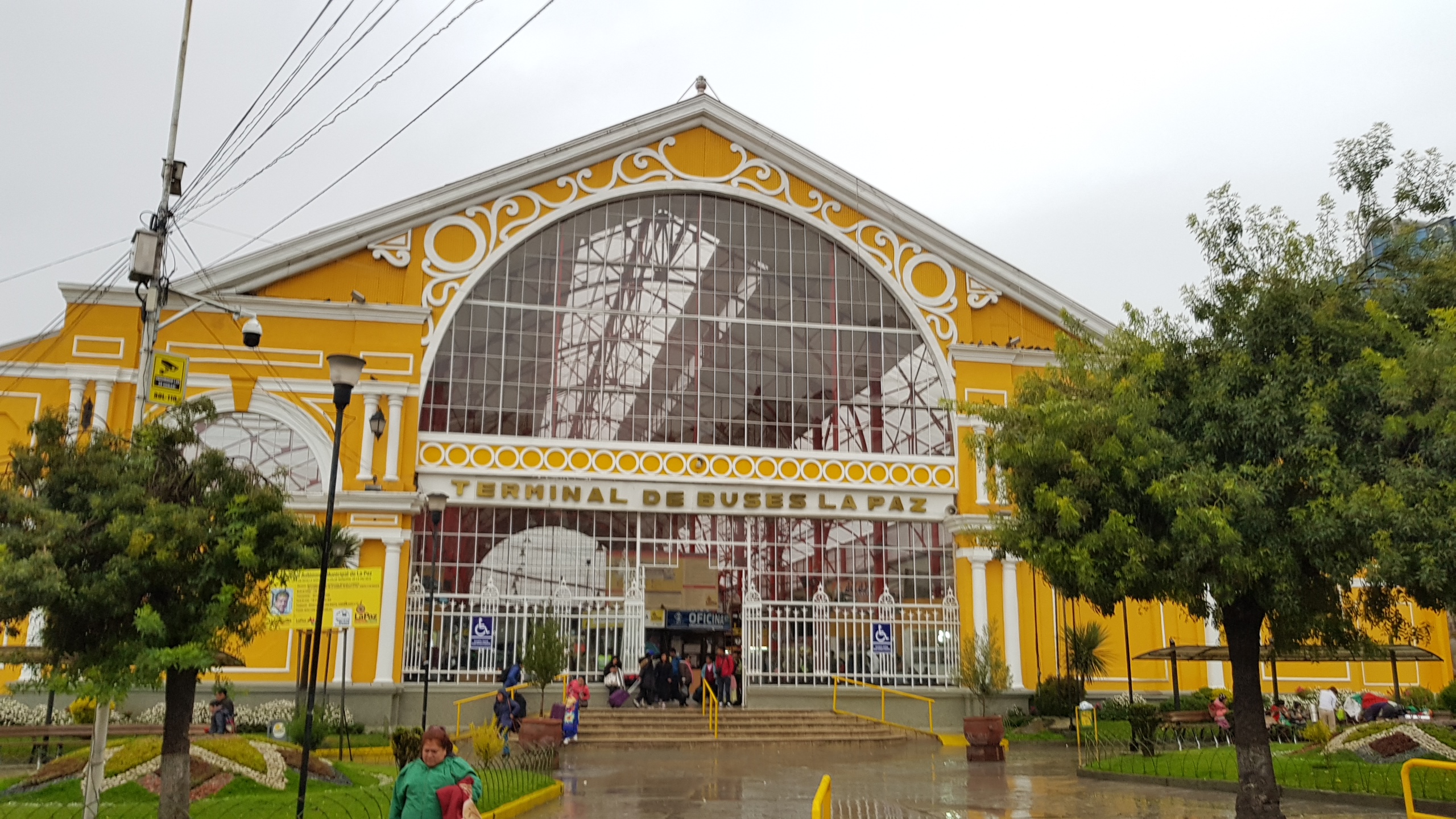
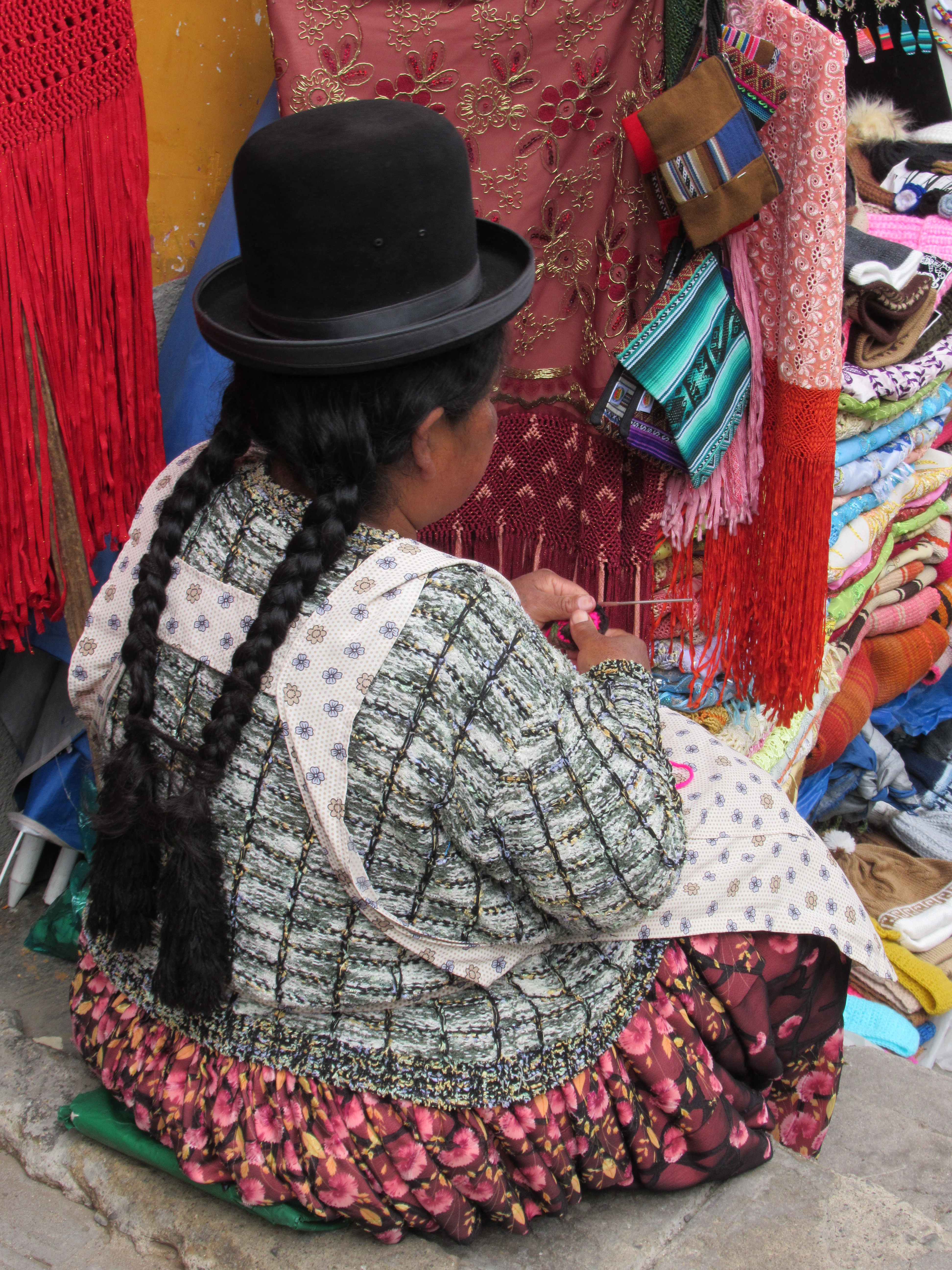
Website and bus ticket say check in at 0700hrs for a 0730hrs departure. Arrive at La Paz bus station. Looks like a turn of the century railway station in Europe with a large ornate metal framed windowed front. Bright yellow façade cheers up the dull grey of the early morning rain. Even at this early hour, plenty of locals setting up market stalls buy the roadside in their brightly coloured cardigans and skirts.

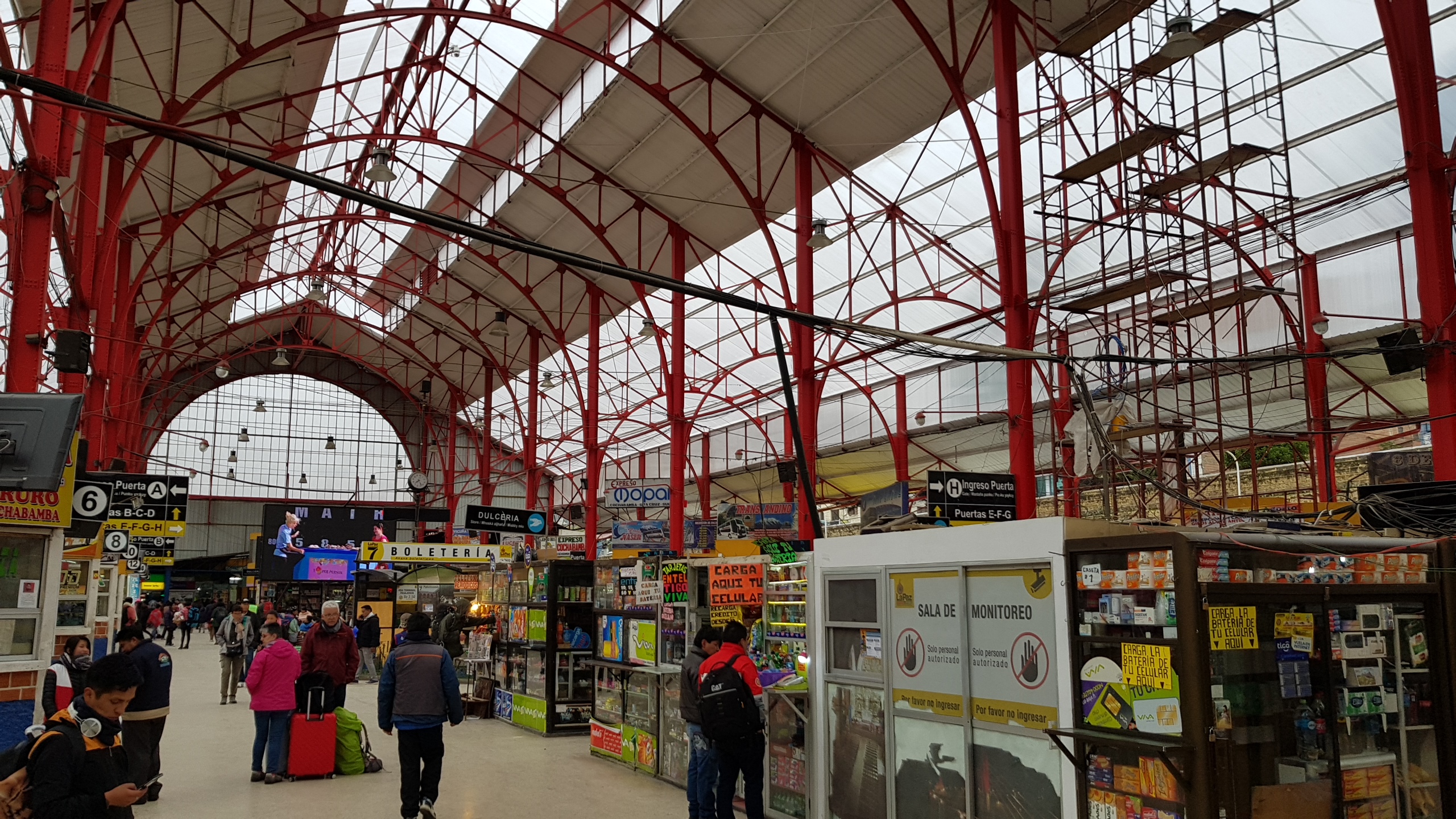
Once inside the bus station there are lots of bus company kiosks selling trips all over the region with their representatives shouting out destinations here, there and everywhere. Eventually find the kiosk I need.

Check in on time to be told bus departs at 0800hrs. Flipping ‘eck, could’ve had another much needed half hour in bed. Now have 55mins to kill in La Paz bus station. For those that haven’t been, 5mins is too long to wait in La Paz station. Very cold and draughty and sit on a bench freezing for 10mins watching a hidden camera TV show on the large screens. Can’t stand the cold and draught so go for a wander and find a warmer café. One table is free. Soon realise why when I sit at it. The roof above is leaking and dripping over the area. Order an ‘expresso’ but it’s not very ‘expresso’ as it takes ages to arrive.

There’s only so much killing time I can do and after 40mins return to the bus company kiosk, to find a few other tourists congregating. At 0800hrs, what appears to be the driver shouts out, “OK, Cusco, Juliaca, let’s go.” But no Puno. My destination. Puno people wondering what we do. Quick enquiry with kiosk and she confirms, yes, this is the bus to Puno…so why not shout out Puno?

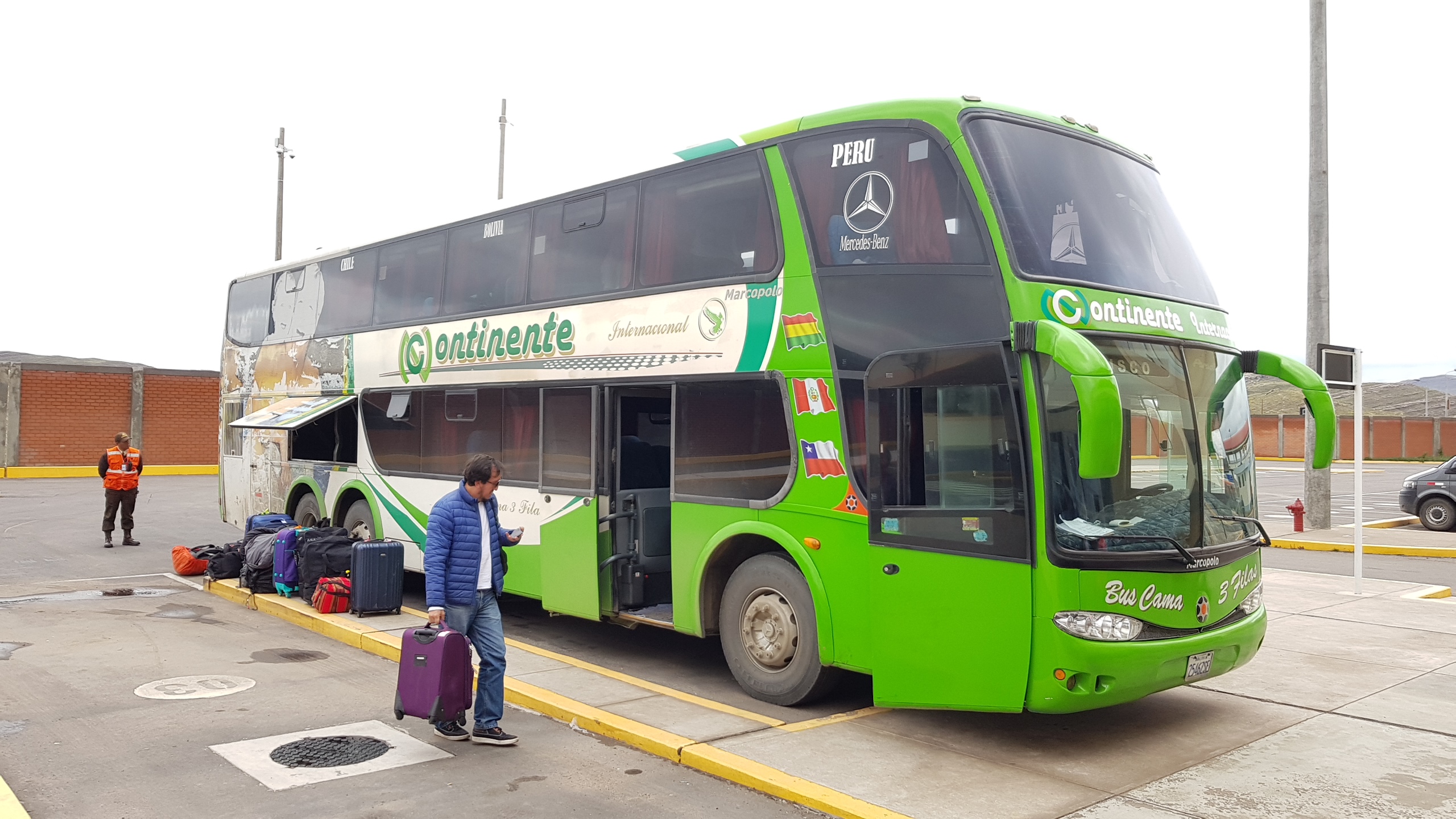
Bags loaded up and board bus. Oh my. This is not what I was expecting. Was expecting typical bus seats with no leg room. Nope. This is a Business Class Bus. Seats are in 2+1 configuration, convert into a bed, are wide and comfortable and have USB ports. Impressed. Even better view being on the top deck.

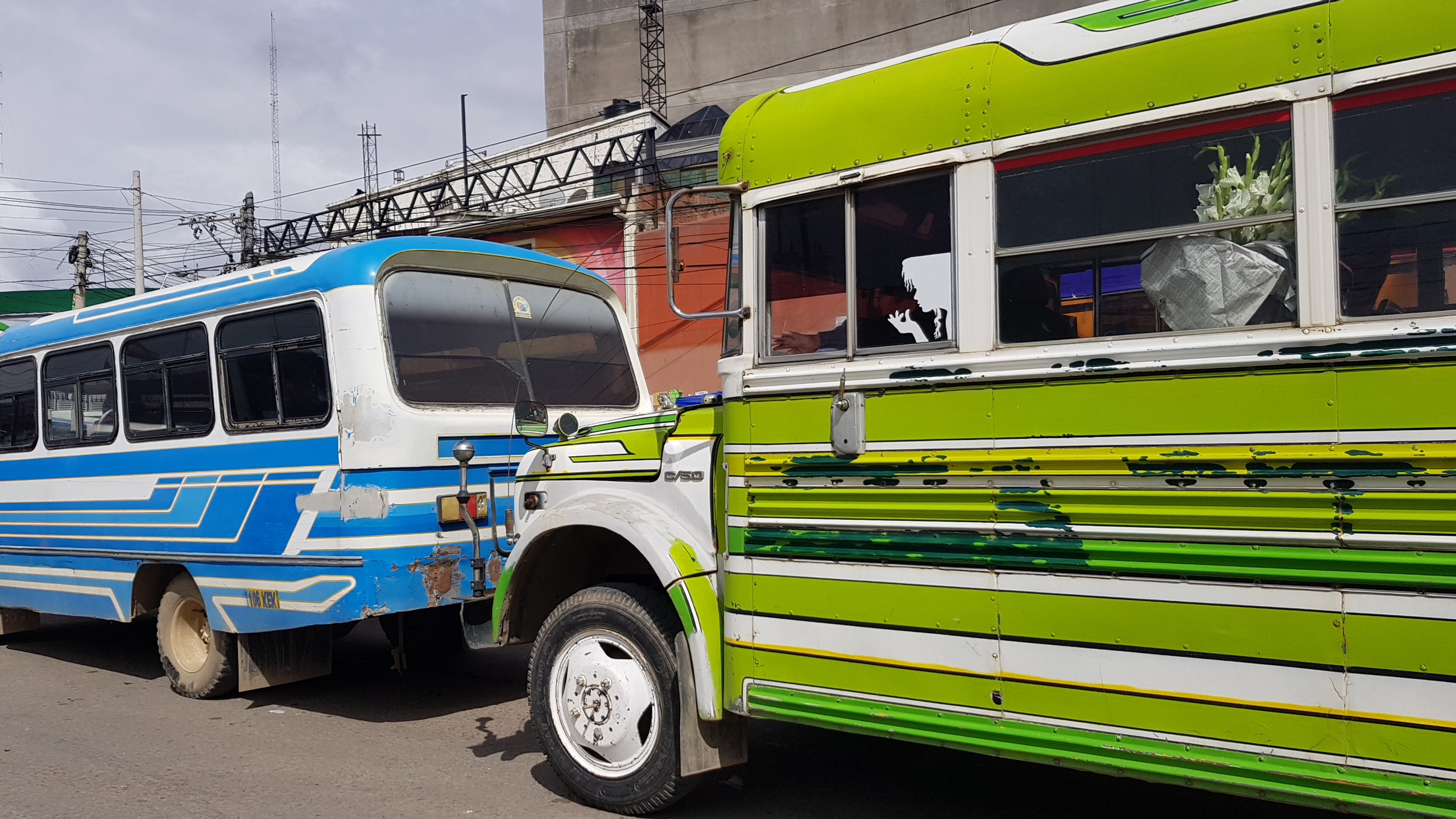
Eventually depart La Paz bus station at 0830hrs. An hour later than expected. Slow going driving out of La Paz, plenty of minibuses parked up touting for business to distribute locals hither and thither.

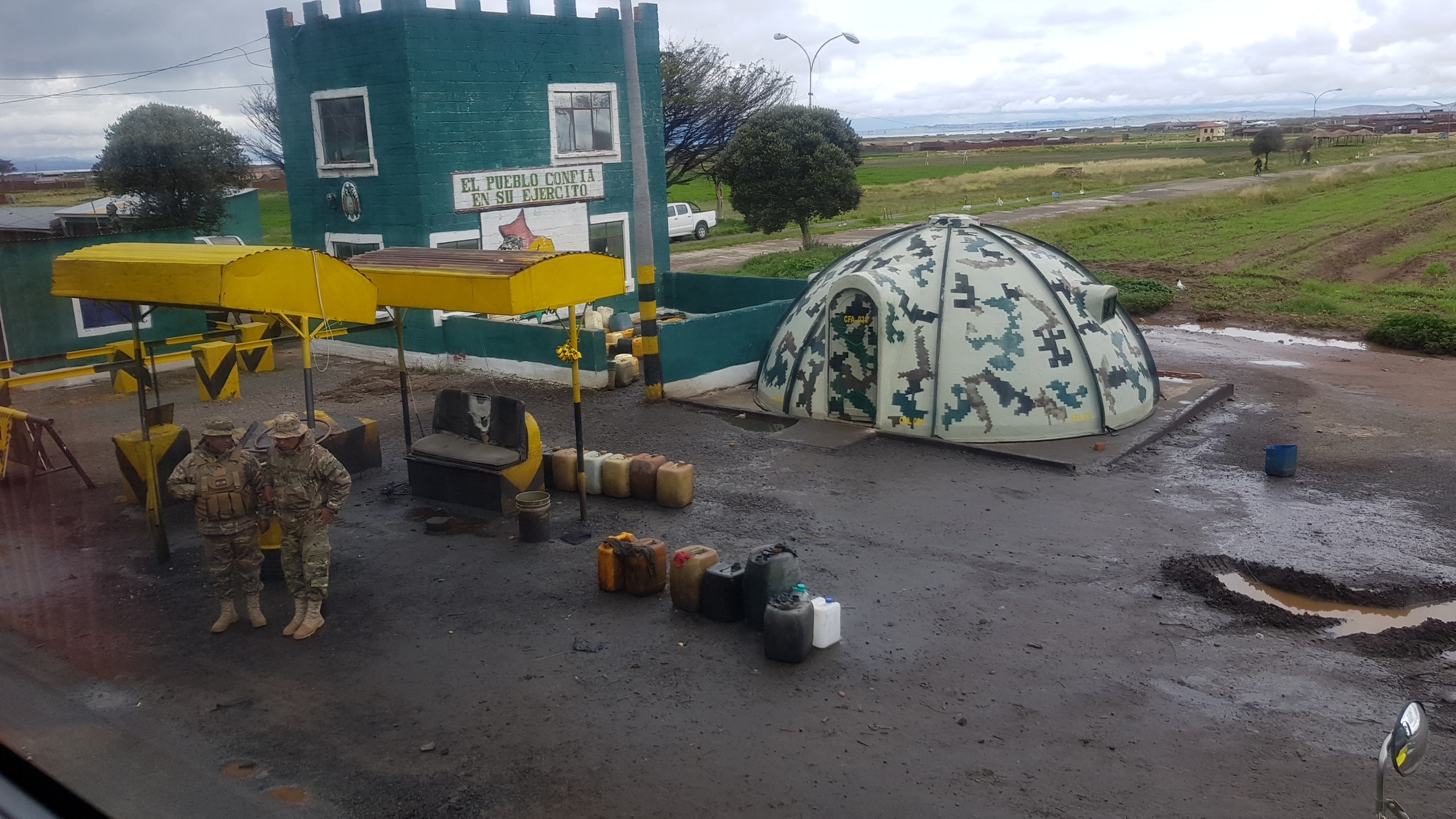
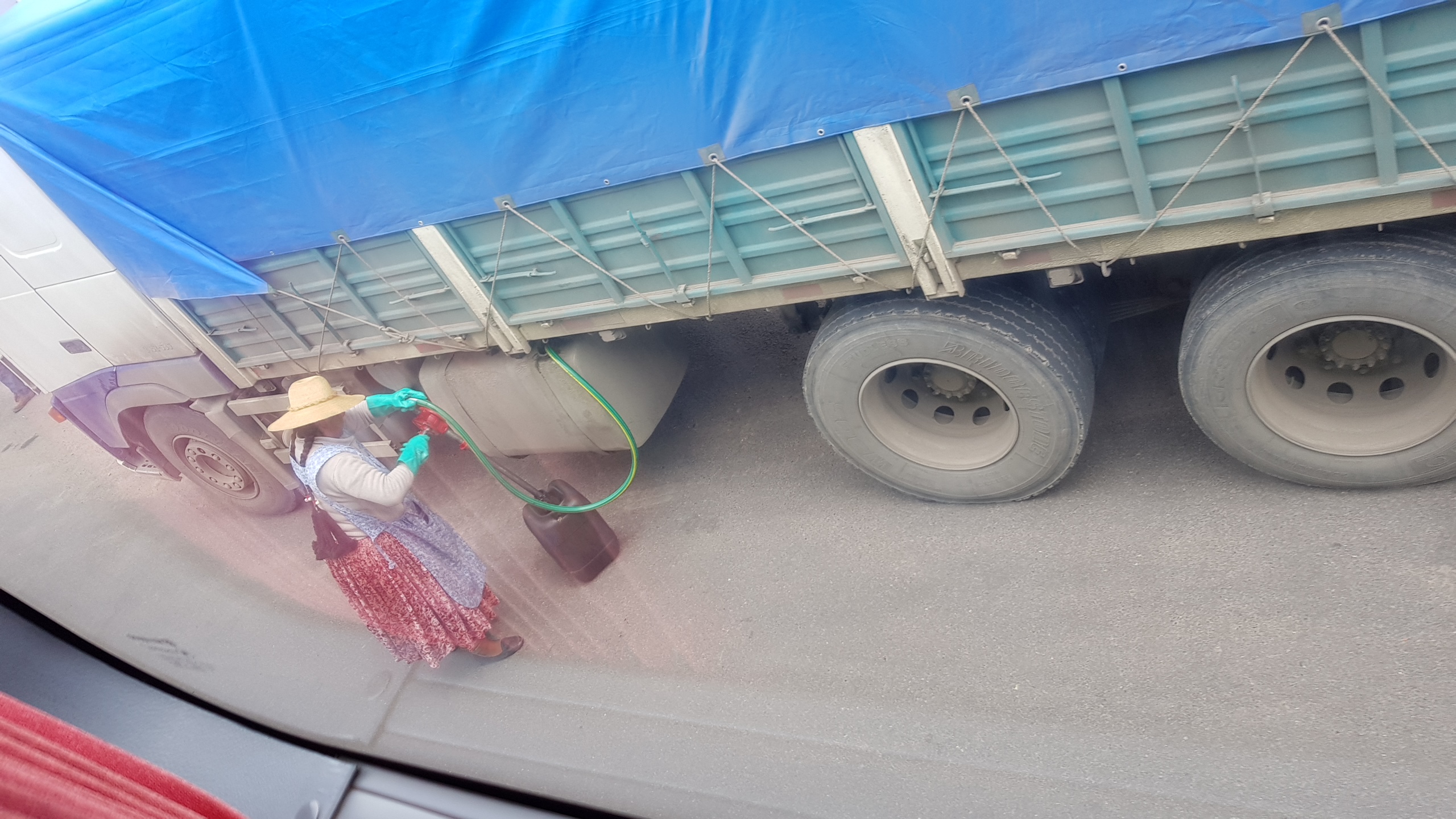
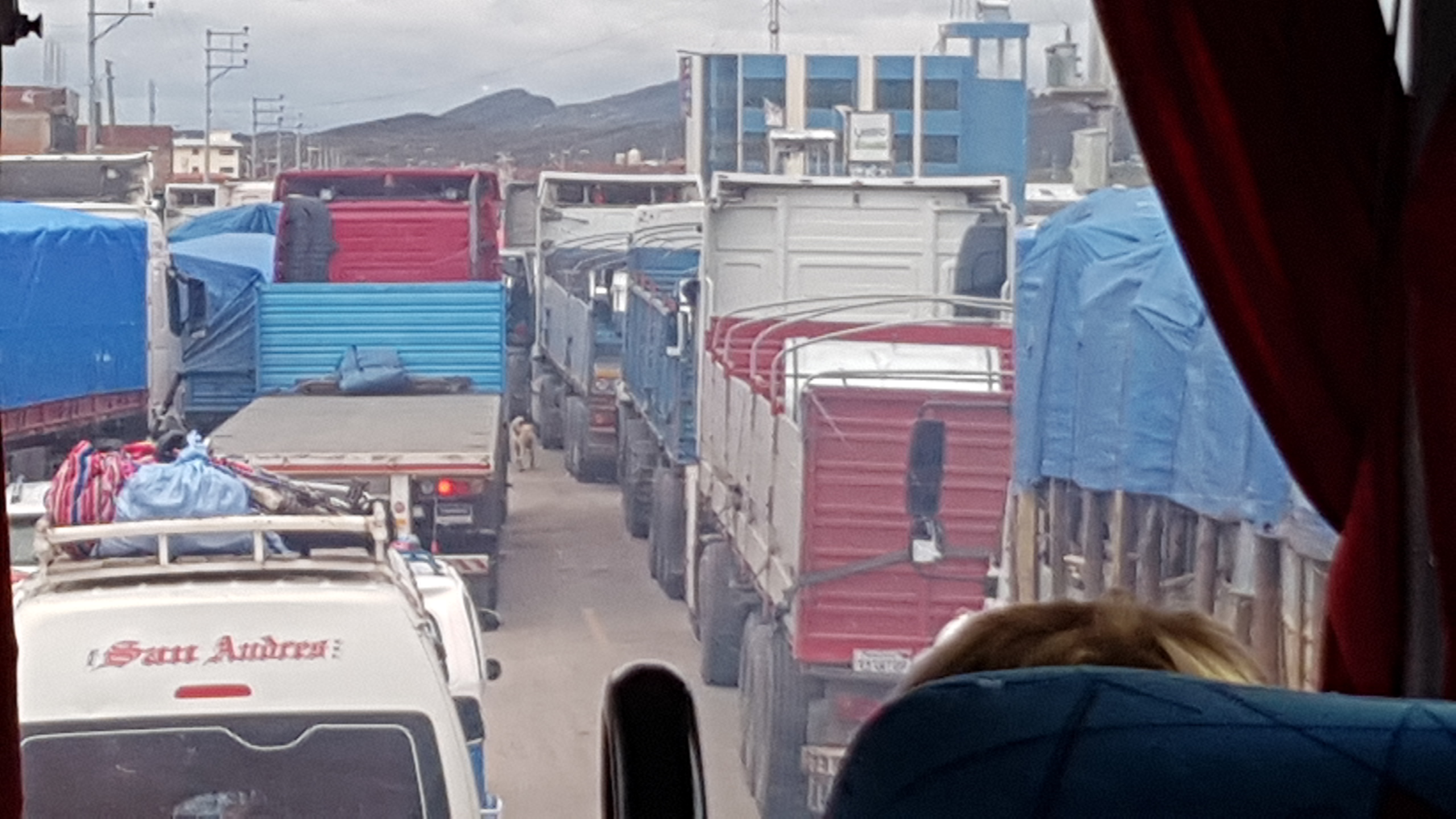
Police checkpoint on the outskirts of La Paz. They board and inspect passports and entry stamps. 2hr drive to the border at Desguadero. A 2.6km queue of lorries (many containing scrap metal and Chinese steel) to the border post line each side of the road. Bus drives down the middle. Takes 20mins to do the 2.6km given the jostling for position of various buses, lorries and taxis. Quite congested as we approach the border post. Bus pulls off and into a secure compound away from the lorries. This is the new combined Bolivia and Peru border post. Again, not what I was expecting. Had imagined a grotty street with loads of vendors flogging stuff and pestering you. You know, just like normal border posts. Nope. None of that. The last time I crossed from Bolivia into Peru, in 2001, was at the Copacabana crossing nearby. Then, our bags were taken on a trolley around the back of a small shack which served as immigration without being looked at.

Now, have to decant bus and take all our bags into the building. Bolivian and Peruvian immigration sit side by side. Passport stamped, bags are then given a cursory glance by customs official and that’s it. Back on bus. The whole thing takes about half an hour but another half hour wait for a bus in front of us. Was expecting much longer as Mr Oz (remember him from the Ocean Nova in Antarctica?) had emailed to say that it took them 2.5hrs to go through Chilean/Argentinian border formalities when they travelled on a bus a few weeks ago.

Another 2.5hr drive to Puno. Short taxi journey to Hotel Libertador (https://www.libertador.com.pe/en/hotel/libertador-lake-titicaca/), located on small island on the outskirts of Puno. Stayed here in 2001, so a repeat visit.

Meant to be decent hotel but heating is only available from 1600hrs through to 0700hrs, so have to wait for room to warm up, given how cold and windy it is now.

Fantastic views across Lake Titicaca though.

41. Anything to declare?

Friday, 1 February 2019

La Paz, Bolivia

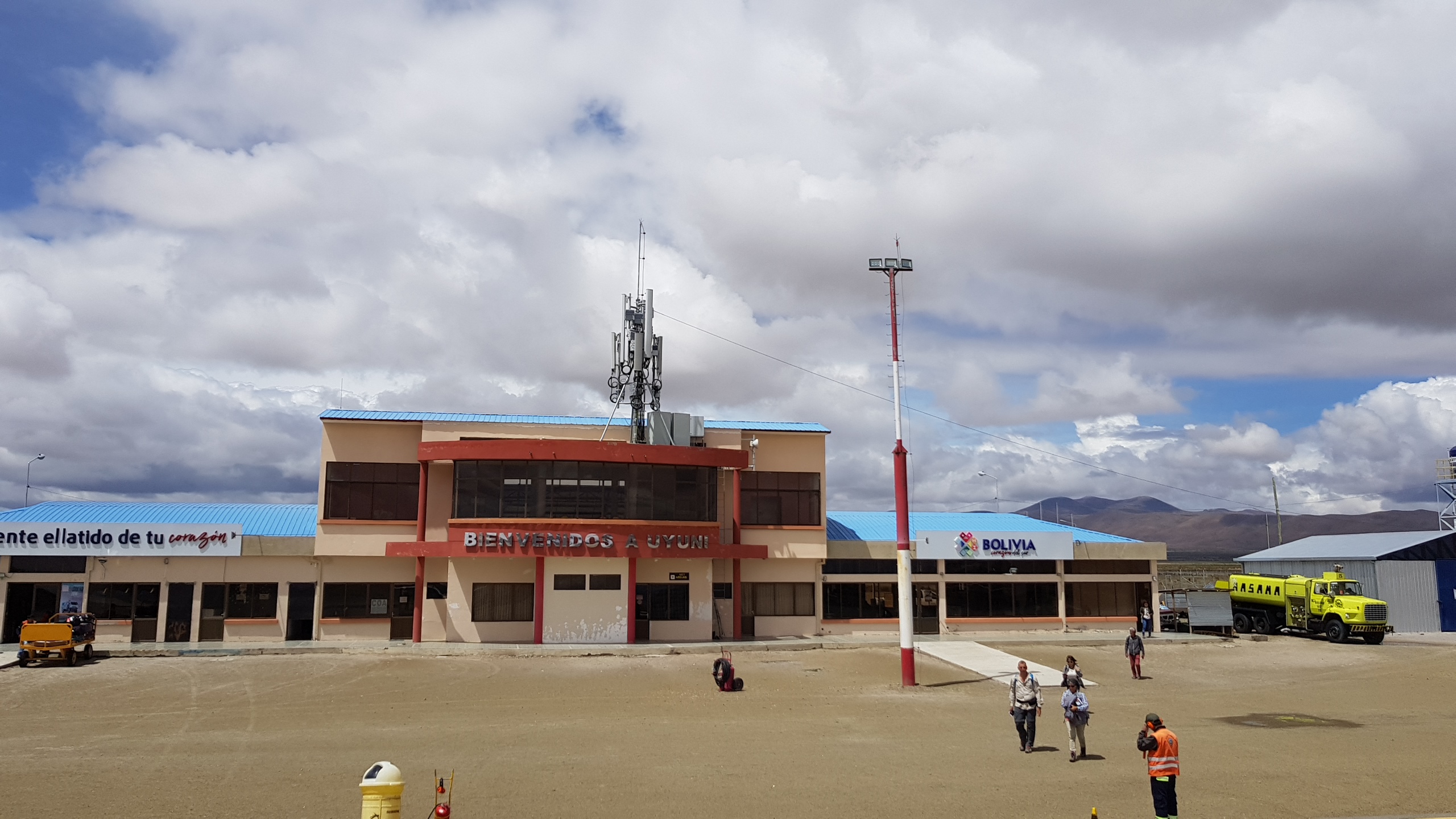
Arrive at Uyuni airport to see, what must be most of the staff, playing football on the airport apron. Proper goalposts and all. For those that haven’t been to Uyuni airport, it’s tiny. It’s a few strides long. Everything is manually done. Including security. No X-ray scanner here. Just a bloke with purple latex gloves having a quick rummage amongst your undies and that’s it. Job done. He might as well have asked, “Anything to declare?” for what good his search has done.

Final pee before boarding. The urinal is right up next to a wall so no room for shoulders. Stand diagonally. A hand drier at elbow level is right next to urinal and part of it is over urinal. Cramped. Accidentally activate the hand drier. Airflow plays havoc with liquid flow! I’ll leave that to your imagination.

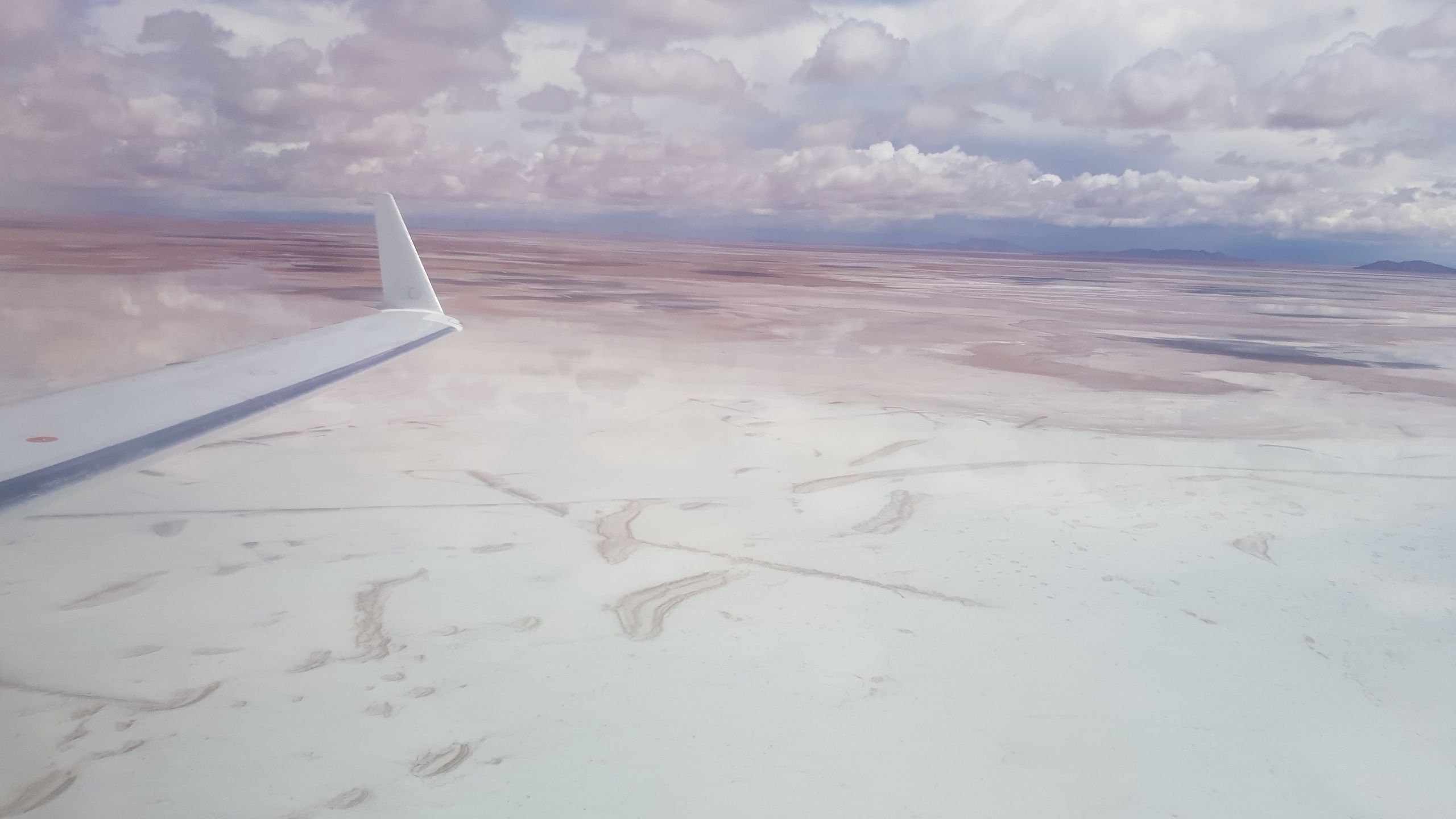
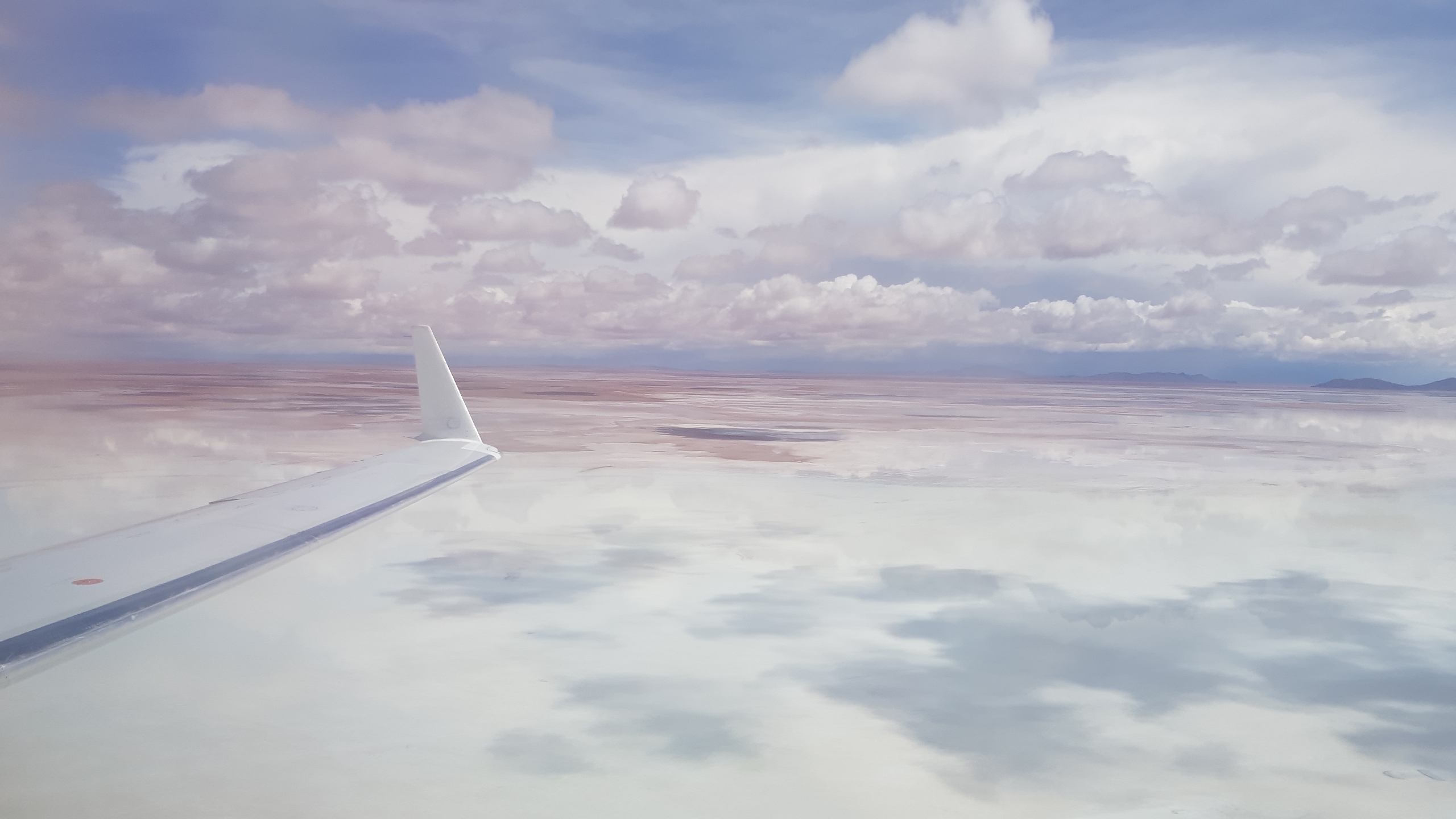
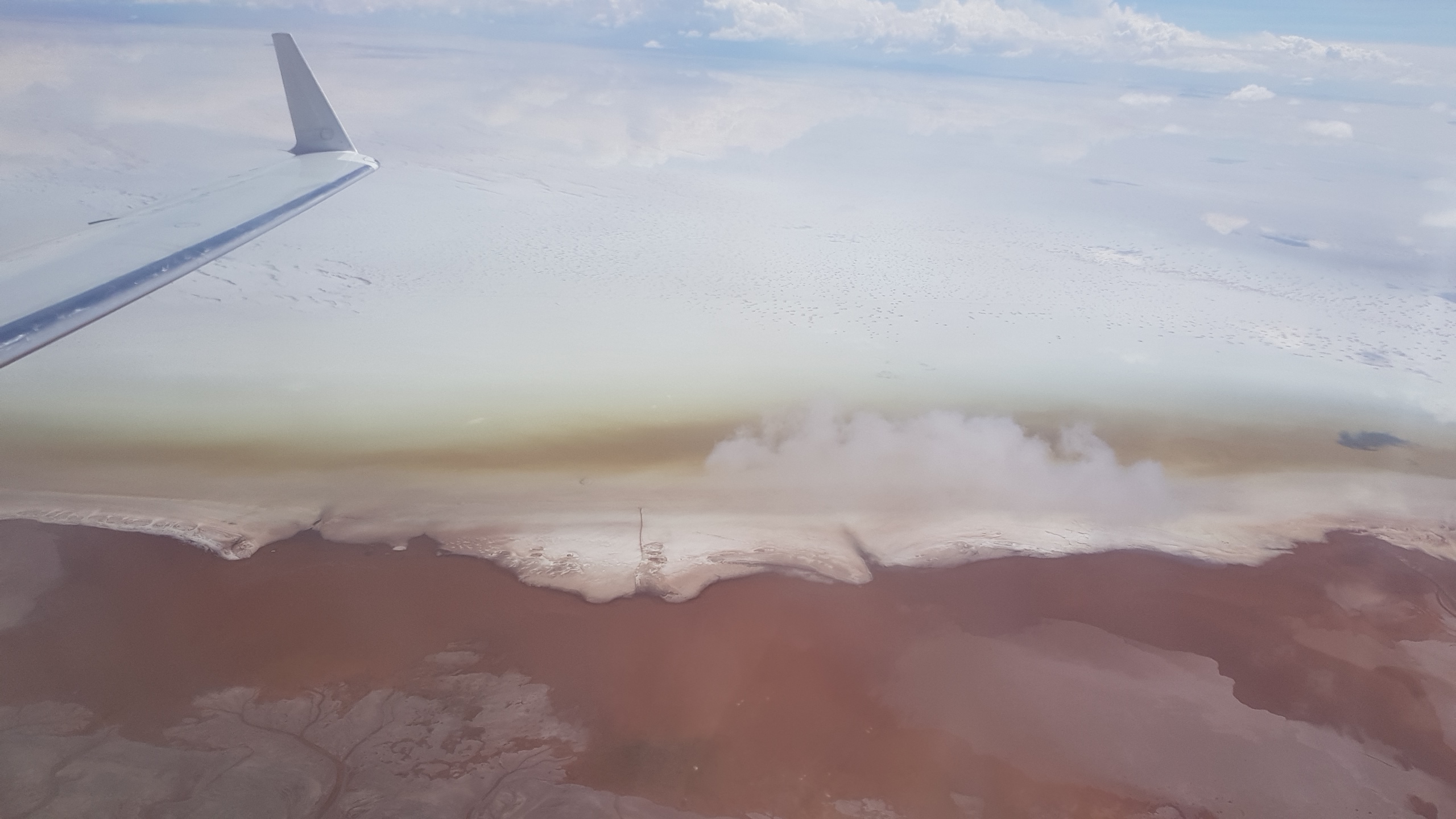
Very slow taking off as we ascend over the salt flat. Almost as if there’s something wrong with the aircraft. Flying very low. Lower than normal after take-off. So low in fact that you can wave to tourists having a picnic on the salt flat. And then. The aircraft suddenly banks tight right and takes a dip. Chinese tourists at the back let out screams. We’re all going to die. And for a split second I wonder myself. Before the aircraft corrects and continues ascending. Probably the pilot having a laugh.

Arrive La Paz. The highest international airport in the world. Driver takes me to hotel in his 1970s beige estate car. Wind the window down for some fresh air and handle comes off in my hand. It’s that decrepit.

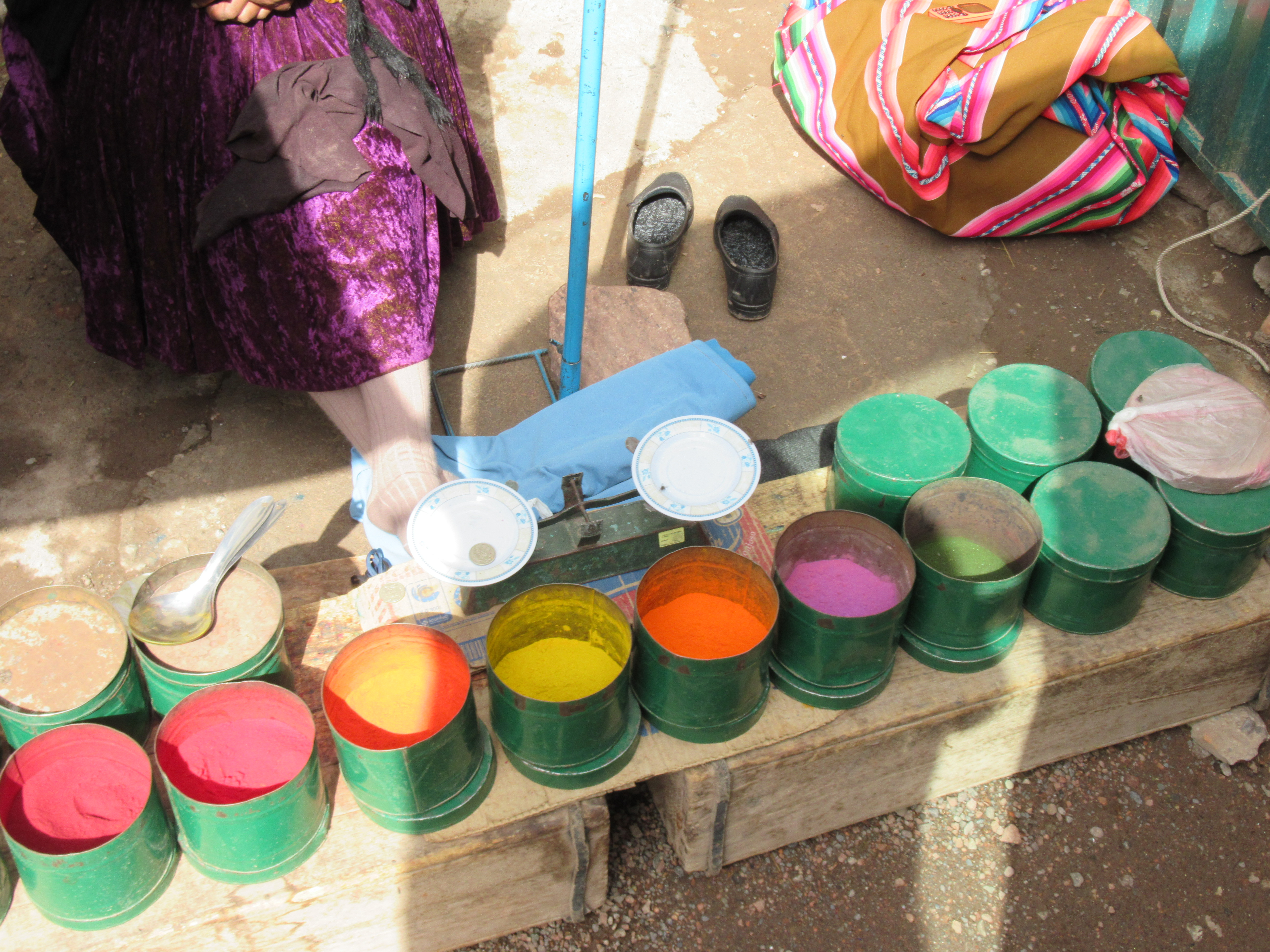
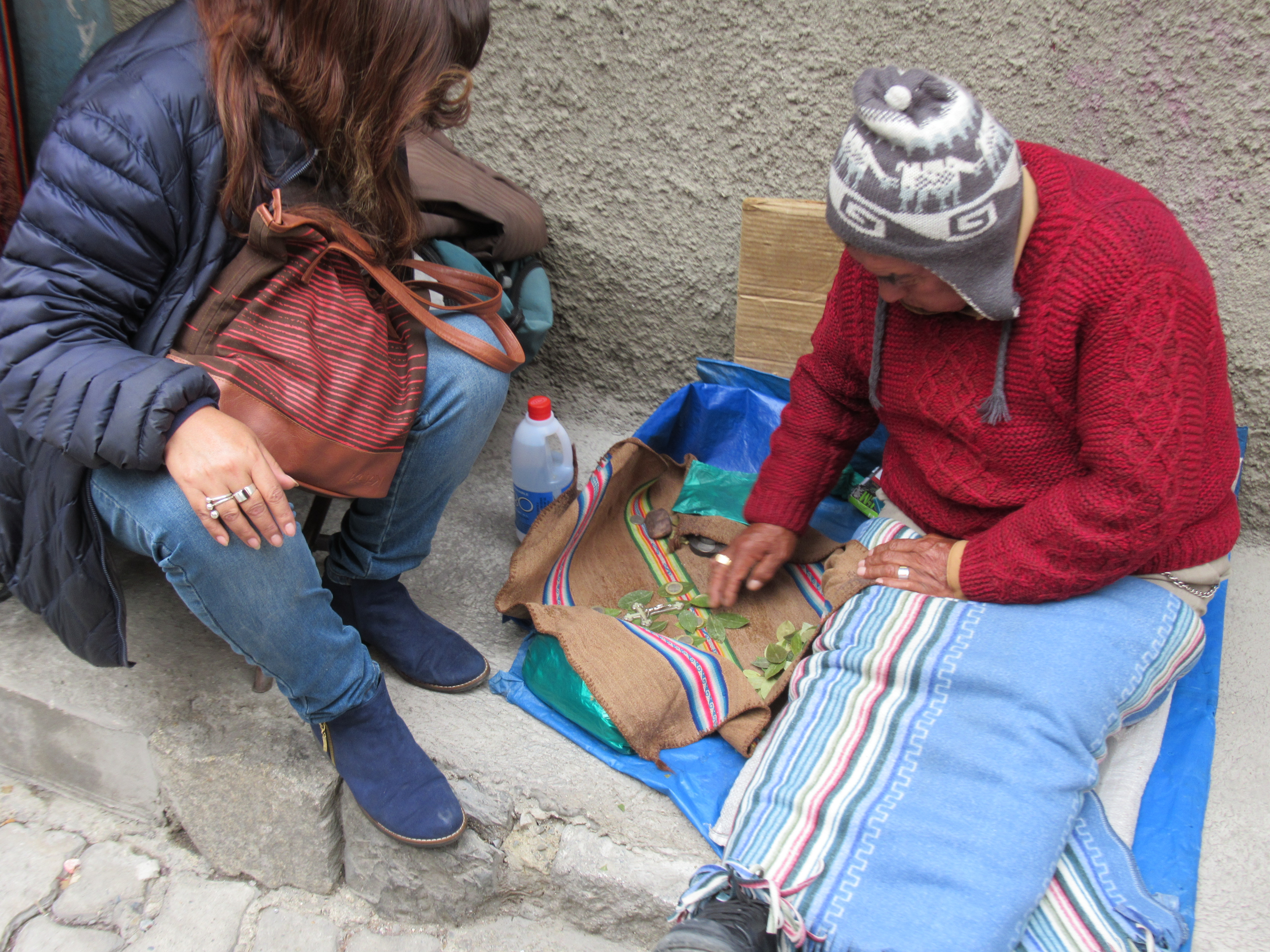
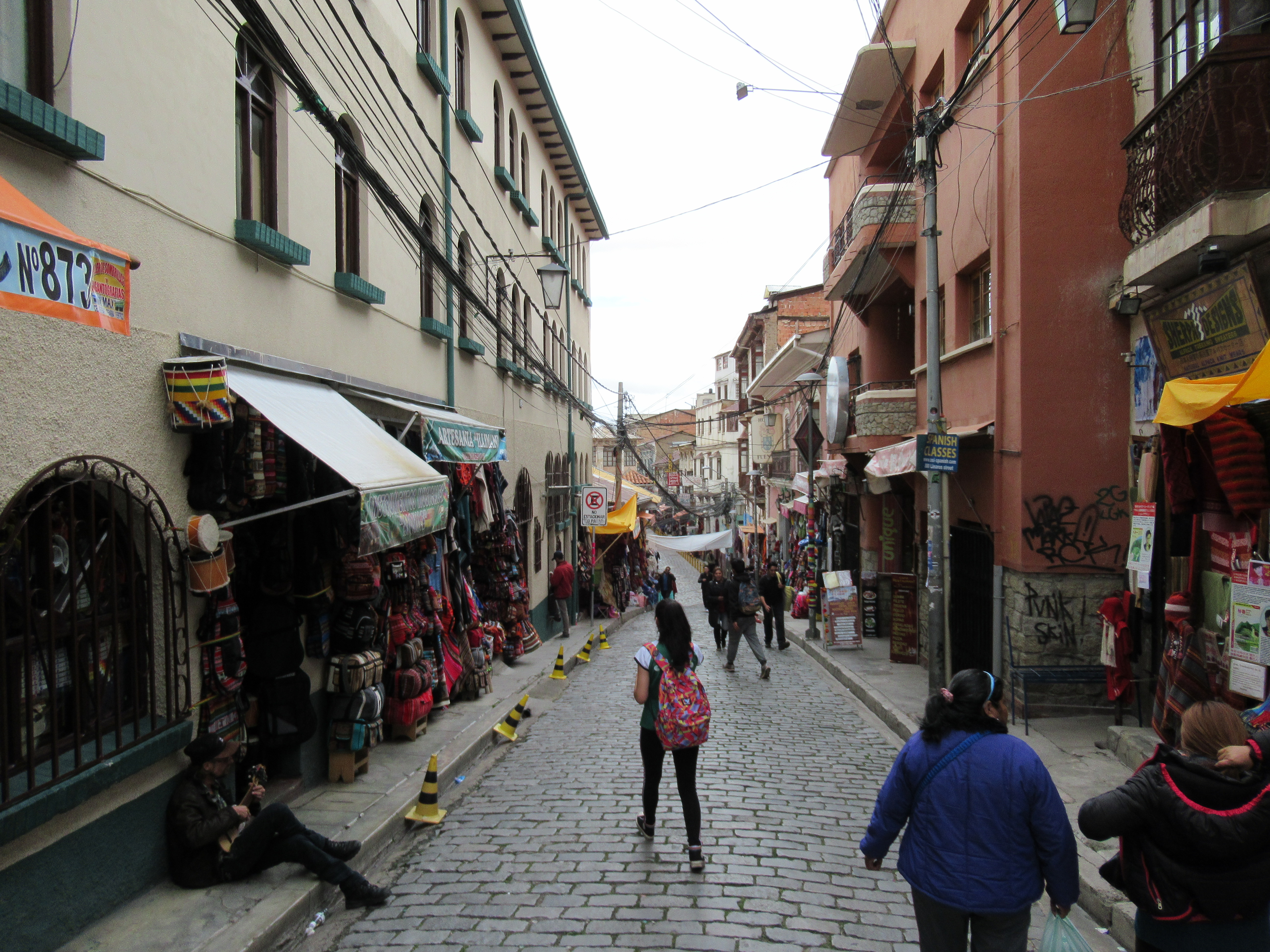
Wander around the Witches Market. Last time I came here in 2001, I seem to recall there were animal foetuses for sale along with other Macbethian eye of toad ingredients. Don’t seem to be able to find anything untoward here. When building a new house they put a gift of foetuses and other such stuff as a gift to the Gods/good luck charm. La Paz hasn’t changed since 2001. Still a chaotic mess of unfinished buildings and locals selling wares by the roadside. Hundreds of minbuses act as the main form of transport and there’s also a new-ish cable car system that links La Paz to the higher town of El Alto.

Dark black clouds loom so scurry back to the Hotel Rosario (https://hotelrosario.com/la-paz/) just in time to avoid another mammoth rain storm.